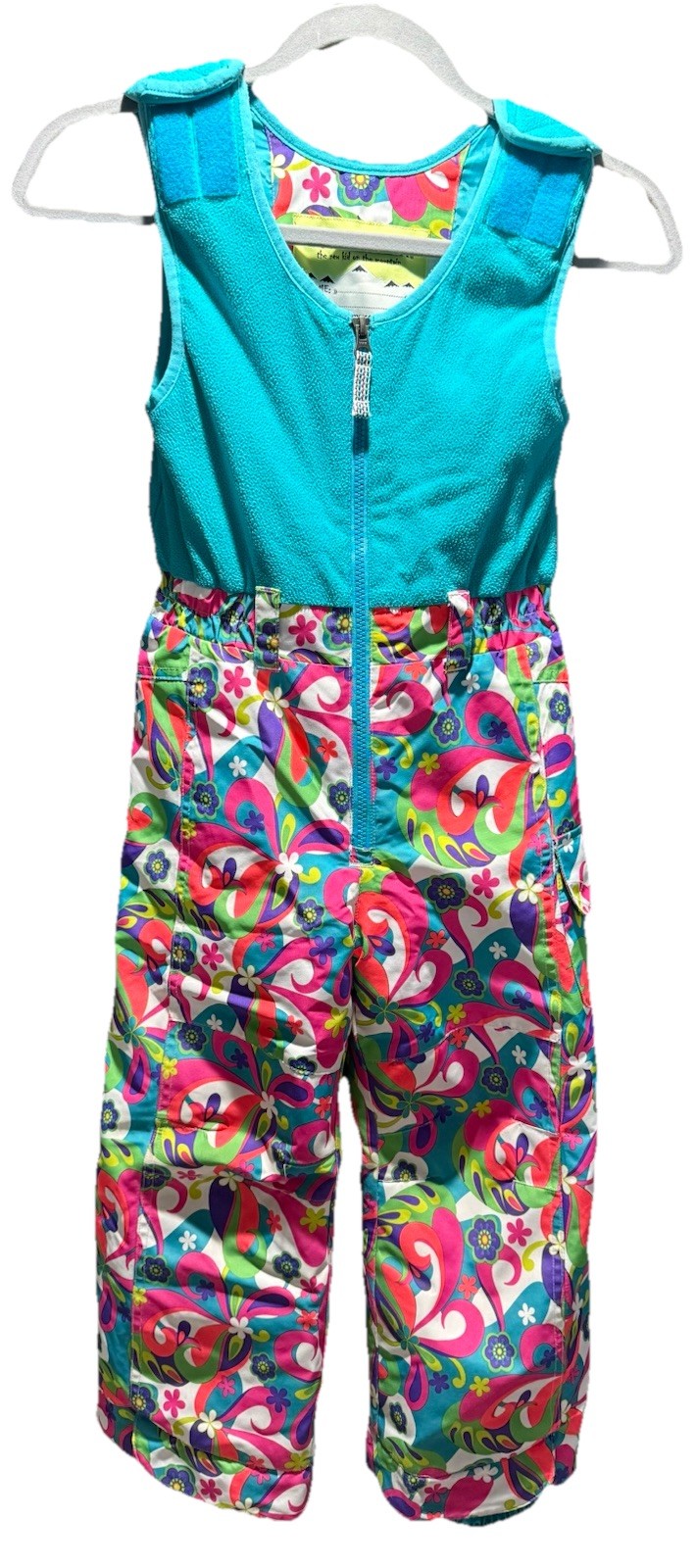

Photos from current listings. Actual item, color, and included accessories may vary.
Ski Bib Buying Guide
Ski bibs are full-coverage snow pants with an integrated high bib and suspenders, eliminating the waist gap that lets powder in during falls or deep snow. The core trade-off is waterproof/breathable membrane quality versus insulation and fit flexibility; durable bibs use ≥20K/20K rated fabrics with fully taped seams, while compromises rely on thin coatings and critically taped or untaped seams. The decision rule: buy a bib with a stated waterproof rating, articulated knees, and adjustable suspenders; skip any bib that lists only 'water-resistant' without a membrane or seam sealing.


At a glance
- Category
- Snow Helmets, Goggles & Apparel
- Data updated
- Nov 17, 2026
Current offers
Highlights
- Waterproof ratings split tiers: 5K–10K for resort groomers, 15K–20K for powder and wet snow, 20K+ for backcountry and storm days.
- Fully taped seams (every seam) versus critically taped (shoulders/seat) is the single biggest leak point difference in bib construction.
- Insulated bibs use 40–80g synthetic fill for resort; shell bibs rely on layering and breathe better for touring and spring skiing.
- Suspender hardware matters: elastic with cam-lock buckles and a drop-seat design allow bathroom breaks without removing a jacket or pack.
Best use cases
- Resort skiing in mixed conditions: pick a 15K–20K waterproof shell or 60–80g insulated bib with fully taped seams and boot gaiters; skip 5K fashion bibs.
- Deep powder and backcountry touring: choose a 20K+ breathable shell bib with large thigh vents and no insulation; skip bulky insulated bibs that trap sweat on ascents.
- Kids and growing teens: select bibs with 'grow-with-you' extendable hem cuffs and adjustable suspenders to gain a season of length; skip fixed-length fashion bibs.
Buying tips
- Fit formula: bibs run over base layers and midlayers, so size to your jacket-layer chest and add 2–4 cm at the waist; a bib that fits skin-tight restricts layering.
- Fabric grade: 100% polyester is standard, but demand a laminated membrane (e.g., 2L or 3L) with a DWR finish rather than a simple polyurethane coating that delaminates.
- Inseam and hem: regular inseam is 30–32 in; short 28–30 in and tall 34–36 in options exist—pair with boot gaiters that fit over ski boots, not just shoes.
Specs
| Waterproof Rating | 5K resort / 15–20K powder / 20K+ backcountry |
|---|---|
| Seam Construction | Fully taped vs critically taped |
| Insulation Tier | Shell 0g / 40–60g / 80g+ |
| Suspender & Seat | Adjustable elastic / drop-seat zip |
Related searches
What to check before buying
- Measure your torso from shoulder to waist and your ski boot cuff circumference to confirm suspender length and gaiter fit before choosing a size.
- Confirm the bib's waterproof rating and seam sealing are stated in the product specs; 'water-resistant' alone is not a membrane rating.
- Check vent placement (inner thigh vs outer) and whether the drop-seat or full side zips allow bathroom access without removing your jacket.
- Verify compatibility with your jacket: a bib worn under a shell needs a trim cut; a bib worn over layers needs room in the chest and shoulders.
FAQ
Data sources: eBay / Amazon listings and product attribute feeds Data updated Nov 17, 2026.
Some links on this page are affiliate links. If you buy after clicking one, we may earn a commission at no extra cost to you. This does not change which products appear here or their order. Affiliate disclosure.