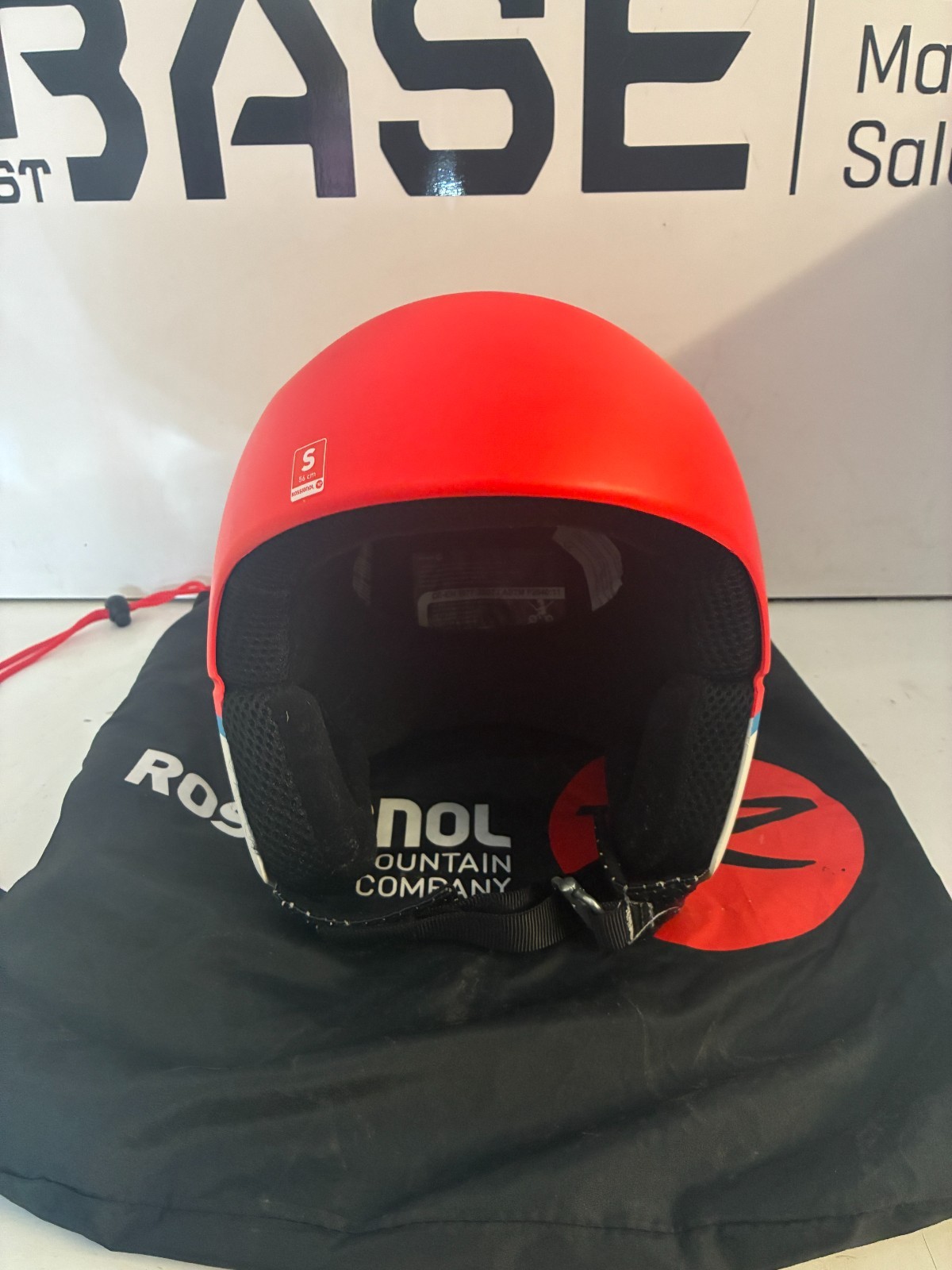

Photos from current listings. Actual item, color, and included accessories may vary.
Ski Helmet With Visor Buying Guide
A ski helmet with visor integrates a retractable or fixed face shield into the helmet shell, eliminating separate goggles and the gap where snow and wind can enter. The core trade-off is visor optical quality and replacement availability versus the proven goggle-helmet seal; integrated visors add convenience but require careful lens-tint management and shell-fit precision. Choose an integrated visor only when the helmet uses a standardized visor lens system with replaceable parts and a certified safety shell (CE EN 1077 or ASTM F2040), not a fixed tinted shield on a non-replaceable frame.


At a glance
- Category
- Snow Helmets, Goggles & Apparel
- Data updated
- Nov 16, 2026
Current offers
Highlights
- Integrated visor helmets use either a retractable shield stored inside the shell (sliding mechanism) or a fixed full-face shield; retractable shields allow goggle use in extreme cold but add internal volume and weight.
- Certification is the hard durability floor: CE EN 1077 (Europe) and ASTM F2040 (US) both require penetration and retention testing; a visor helmet without one of these marks is a fashion shell, not ski protection.
- Visor lens tint and VLT matter as much as goggle lenses: category 2 (18-43% VLT) suits overcast to mixed light, category 3 (8-18%) for bright sun; photochromic visors span roughly category 1-3 but cost more and darken slowly in cold.
- Shell construction separates tiers: in-mold (EPS fused to polycarbonate shell) is lighter and ventilated, ABS hard-shell is heavier but more impact-resistant for park and rental use; visor-compatible helmets often use ABS to support the shield hinge.
Best use cases
- Best fit: resort skiers and snowboarders who hate goggle fog and want one-piece convenience — pick a retractable-visor helmet with a replaceable category 2 or photochromic visor and verified EN 1077/ASTM F2040 certification.
- Best fit: glasses wearers — a visor helmet with an OTG-compatible interior or removable visor that accommodates prescription frames under the shield is the correct pick; skip fixed narrow shields that pinch temples.
- Wrong fit: backcountry and touring skiers — integrated visors are heavier, not goggle-strap compatible in many models, and lens swaps are harder in the field; choose a standard goggle-compatible helmet instead.
- Wrong fit: park and halfpipe riders needing maximum crush protection — visor hinge cavities can weaken shell integrity at the front; choose a hard-shell non-visor helmet with goggle strap instead of a visor model.
Buying tips
- Measure head circumference at the widest point (about 2 cm above eyebrows); ski helmet sizing runs in 2-4 cm bands (e.g., S 52-55 cm, M 55-58 cm, L 58-61 cm) — never size up for a beanie, as liners already account for thin balaclavas.
- Check the visor lens is user-replaceable and sold as a spare part; fixed non-replaceable shields scratch permanently and turn a functional helmet into a disposable one after one season.
- Confirm the visor mechanism has a lock or friction detent that holds the shield open at speed; loose hinges are the most common failure point and drop the shield onto the nose in bumps.
- Match visor VLT to your primary light: category 3 for bright high-altitude sun, category 2 for mixed/overcast, photochromic if you ski dawn-to-dusk; a single category 3 visor is unusable in flat light and storm days.
Specs
| Safety Certification | CE EN 1077 / ASTM F2040 |
|---|---|
| Visor Type | Retractable vs fixed shield |
| Lens VLT Category | Cat 2 (18-43%) / Cat 3 (8-18%) |
| Shell Construction | In-mold vs ABS hard-shell |
Related searches
What to check before buying
- Head circumference measured in cm at the widest point, matched to the helmet's stated size band — not hat size or age.
- Goggle compatibility if you plan to wear goggles under or with the visor: check the helmet's goggle-channel width and whether the visor retracts fully into the shell.
- Certification mark visible inside the helmet: CE EN 1077 or ASTM F2040 — required for any lift-served skiing.
- Replacement visor availability and tint range from the same brand; ensure a spare lens or alternate tint exists before buying the helmet.
FAQ
Data sources: eBay / Amazon listings and product attribute feeds Data updated Nov 16, 2026.
Some links on this page are affiliate links. If you buy after clicking one, we may earn a commission at no extra cost to you. This does not change which products appear here or their order. Affiliate disclosure.