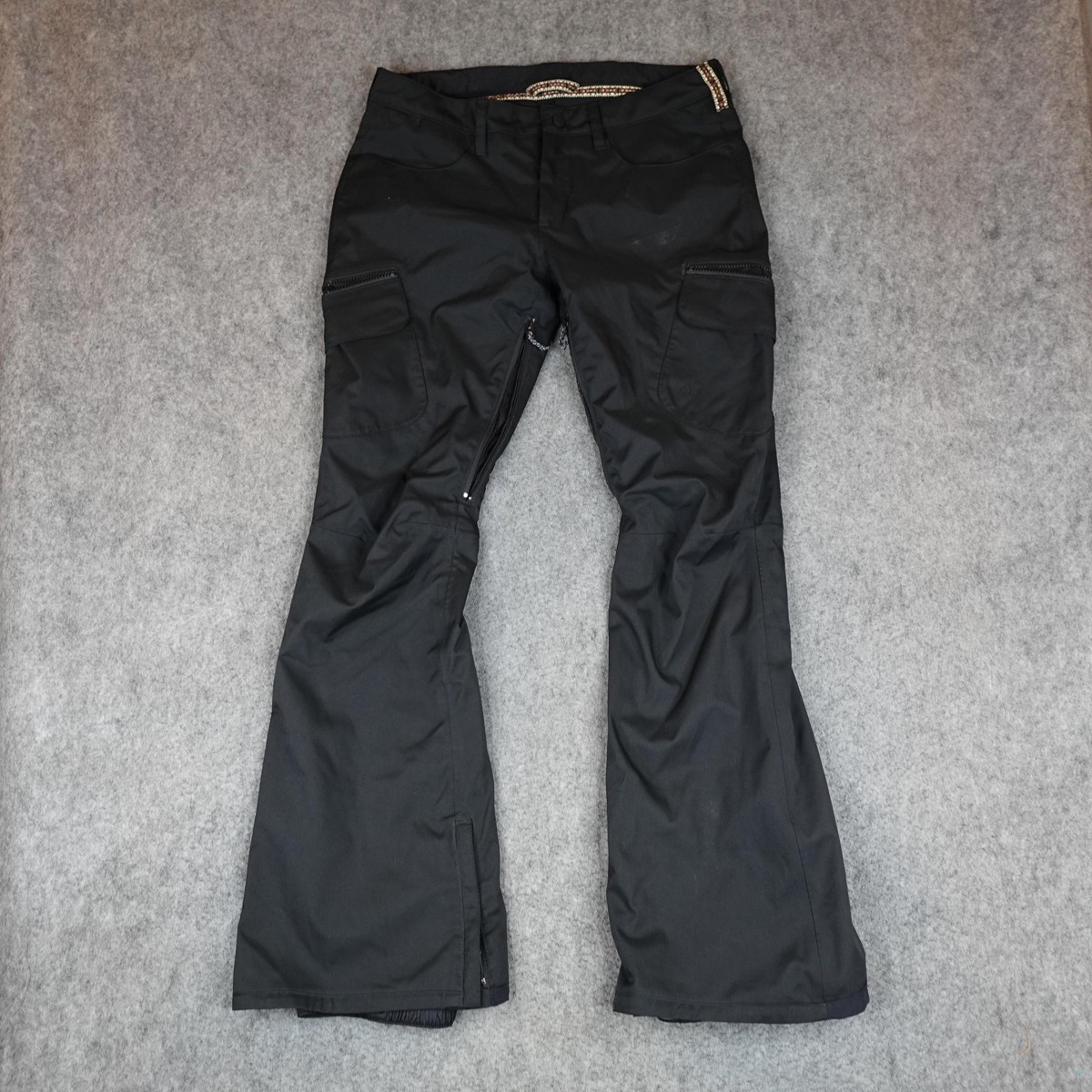

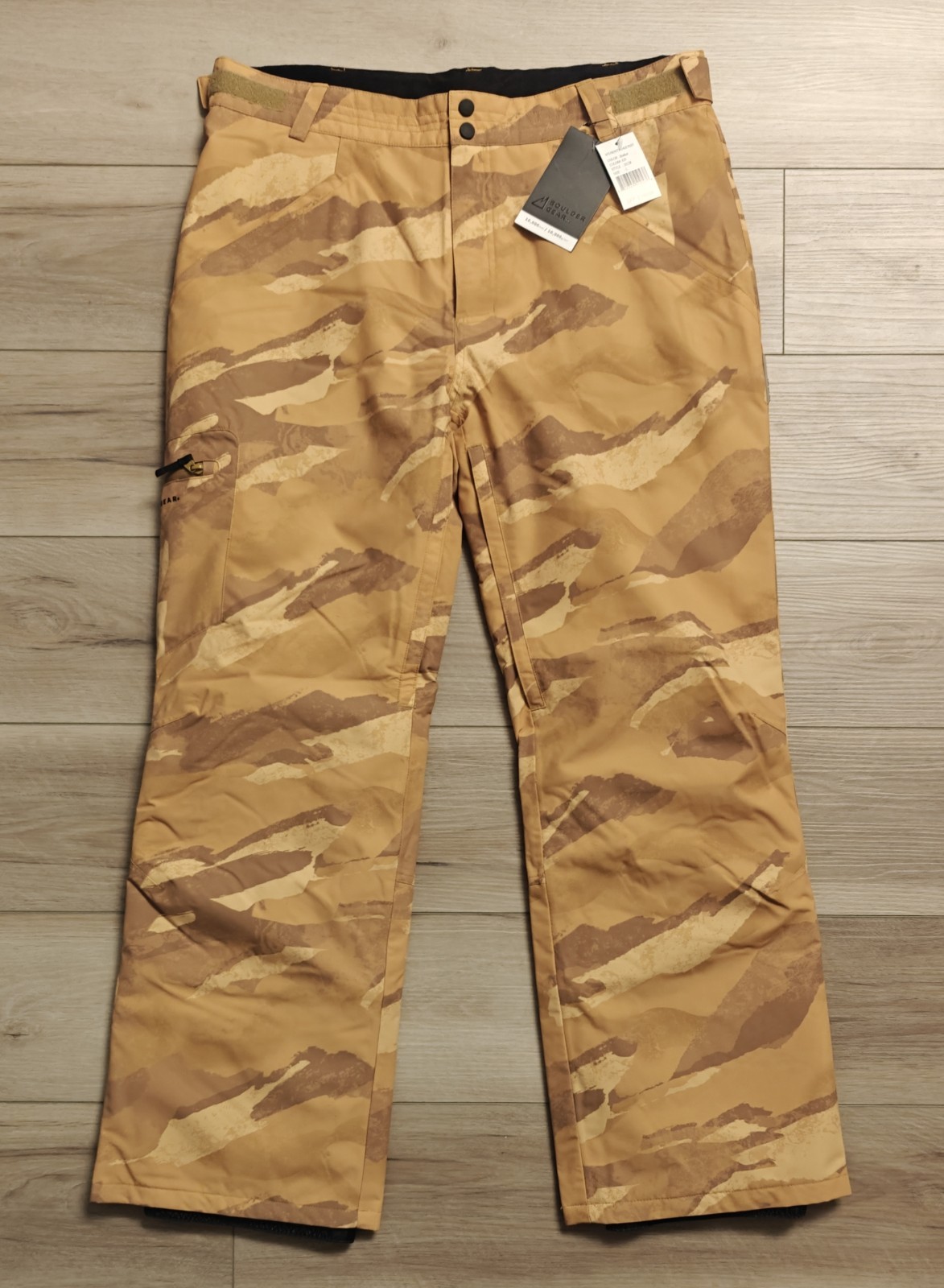
Photos from current listings. Actual item, color, and included accessories may vary.
Snow Apparel Buying Guide
Snow apparel is the layered system—base, mid, shell—that keeps you dry and warm on the mountain, and the core trade-off is waterproof/breathable rating versus insulation and packability. Durable options use sealed seams, rated membranes (10K/10K or better), and mapped insulation; compromises skip seam sealing, use unrated coatings, or over-insulate for resort-only use. Buy the shell and pants first by waterproof rating and fit, then add insulation layers you can vent.


At a glance
- Category
- Snow Helmets, Goggles & Apparel
- Data updated
- Nov 16, 2026
Current offers
Highlights
- Waterproof rating is the primary durability metric: 10K mm handles resort snow, 15K–20K mm for wet climates, and 5K mm only for dry cold.
- Breathability (g/m²/24h) matters as much as waterproofing; 10K/10K is the practical minimum for active skiing and snowboarding.
- Fully taped seams and water-resistant zippers separate true snow shells from fashion winter coats; critical seams only is a budget compromise.
- Insulation is measured in grams (60g–100g for resort, 0g shell for layering); synthetic stays warm when damp, down packs smaller but fails wet.
Best use cases
- Resort skier in mixed conditions: pick a 15K/15K shell with pit zips and 60–80g synthetic insulation; skip unrated 'ski fashion' coats.
- Backcountry or sidecountry touring: choose an uninsulated 20K/20K shell and layer with a fleece or puffy; skip heavy 100g+ insulated pants.
- Cold, dry climate (below -10°C): a 10K/10K shell plus 100g insulation works; skip 5K coatings that crack in deep cold.
- Wet coastal snow: prioritize 20K waterproofing and fully taped seams; skip down insulation unless it has a hydrophobic treatment.
Buying tips
- Size for layering: your shell should fit over a base layer plus midlayer with room to raise arms; pants waist should sit over base layers, not compress them.
- Match membrane to climate: 10K/10K for typical resort, 20K/20K for Pacific Northwest or wet snow, 5K only for dry cold.
- Choose synthetic insulation (e.g., PrimaLoft-type) for wet snow; down only with hydrophobic coating or in dry cold.
- Check seam sealing: fully taped seams are the durability threshold; critical-seam taping is the minimum acceptable budget tier.
Specs
| Waterproof Rating | 5K–20K mm; 10K minimum |
|---|---|
| Breathability | 5K–20K g/m²/24h; 10K min |
| Insulation Type | Synthetic vs Down (Hydrophobic) |
| Seam Construction | Fully taped vs Critical seams |
Related searches
What to check before buying
- Measure your chest, waist, and inseam over base layers; shell sizing runs one size up from street wear for layering.
- Confirm helmet compatibility: jacket hood should fit over a ski helmet (adjustable hood required).
- Check pant length against boot height: ski pants need to cover boot tops by 2–4 inches when standing.
- Verify temperature range: insulation grams and membrane rating should match your typical resort low and snow wetness.
FAQ
Data sources: eBay / Amazon listings and product attribute feeds Data updated Nov 16, 2026.
Some links on this page are affiliate links. If you buy after clicking one, we may earn a commission at no extra cost to you. This does not change which products appear here or their order. Affiliate disclosure.