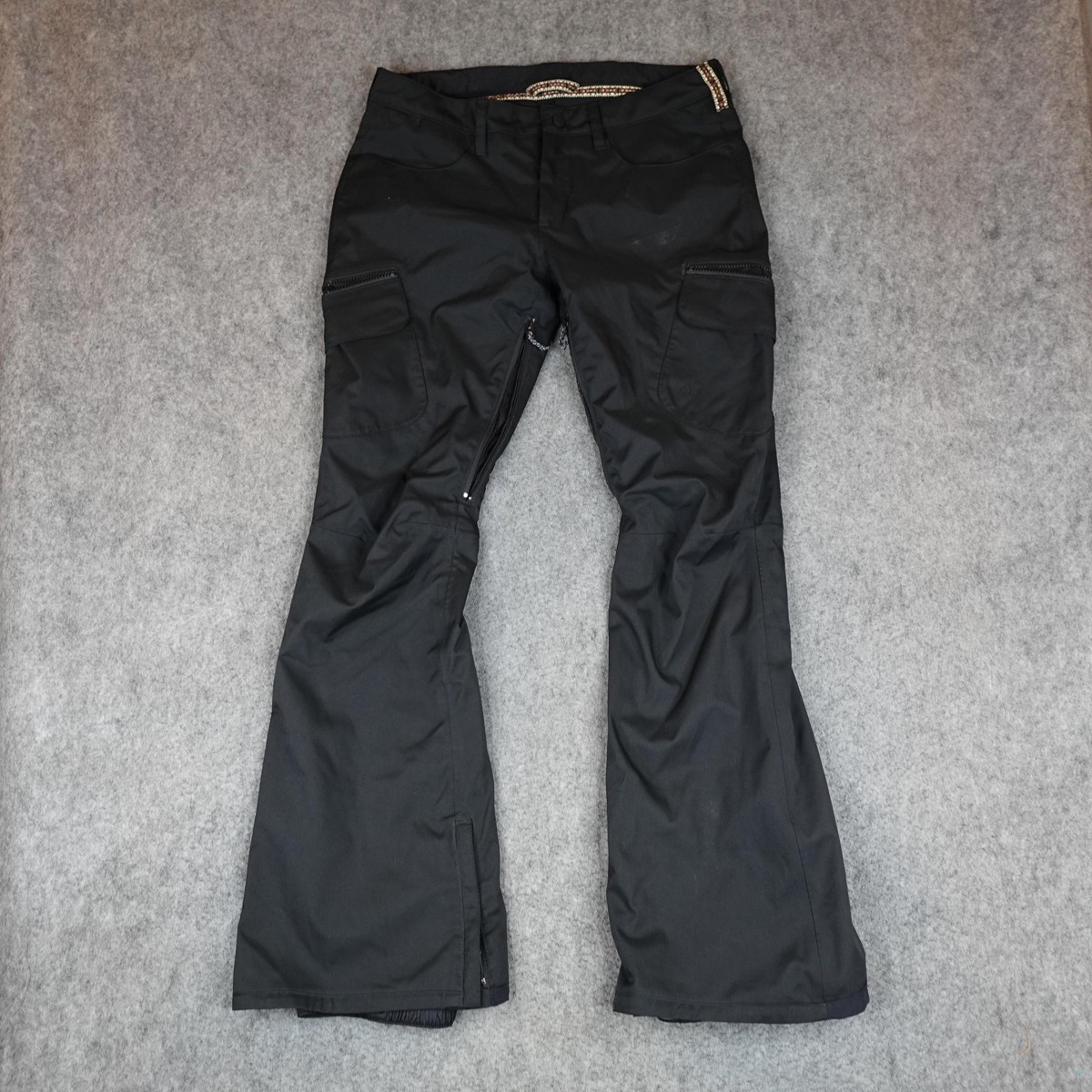

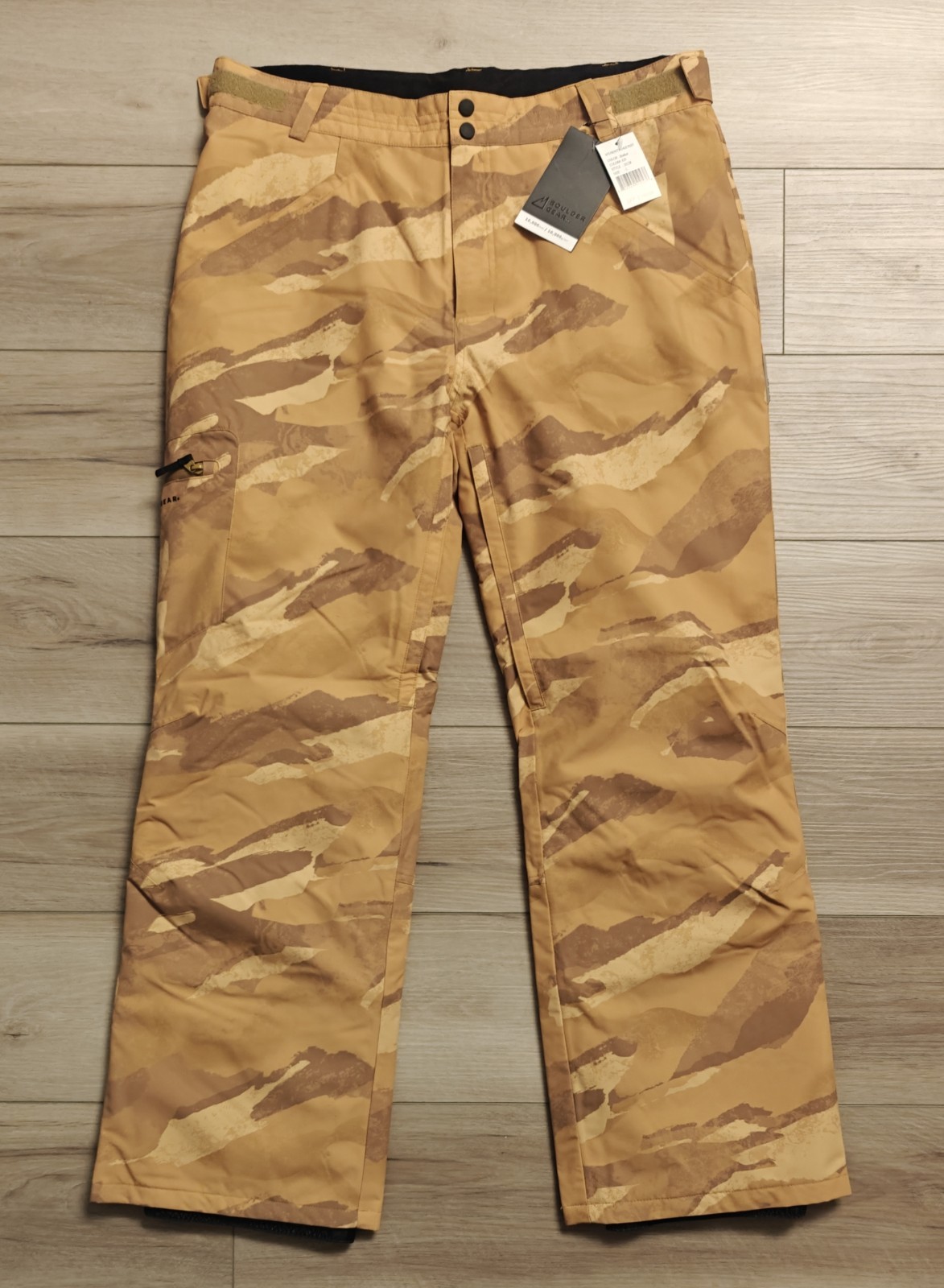
Photos from current listings. Actual item, color, and included accessories may vary.
Snow Bib Buying Guide
Snow bibs are full-coverage insulated or shell overlays that replace snow pants with a connected waist-to-chest harness, eliminating the gap between jacket and pants. The core trade-off is waterproof/breathable shell fabric versus low-bulk insulation: 2-layer shells with sealed seams suit active riders, while 2-layer insulated builds favor cold, stationary use. Choose a bib rated 15K/15K or higher with fully taped seams and articulated knees; anything below 10K/10K or with critical seams untaped is a fair-weather compromise.


At a glance
- Category
- Snow Helmets, Goggles & Apparel
- Data updated
- Nov 17, 2026
Current offers
Highlights
- Waterproof ratings: 20K/20K for wet heavy snow; 15K/15K all-mountain; 10K/10K dry cold only; 5K/5K is not snow-sport grade.
- Insulation tiers: 60g synthetic for active layering, 80-100g for cold lift rides; shell bibs rely on base and mid layers.
- Seam sealing: fully taped seams block meltwater; critically taped (shoulders and seat only) leaves leg seams exposed.
- Face fabric: 2-layer polyester or nylon with DWR; 3-layer laminates cut bulk and improve breathability at higher cost.
Best use cases
- Resort skiing and snowboarding: pick a 15K/15K shell with 60g insulation, fully taped seams, and boot gaiters; skip 5K fashion bibs.
- Backcountry touring and splitboarding: choose an uninsulated 20K/20K 3-layer shell with full side zips and a beacon-friendly chest pocket; skip 100g insulated bibs that trap sweat.
- Snow play, sledding, and shoveling: a 10K/10K insulated bib with 80-100g fill and reinforced knees is sufficient; skip high-cost 3-layer shells with no insulation.
- Women's and men's fits differ in rise and hip width: women should size by hip measurement and check bib height (tall vs regular) for torso length; men should size by waist and inseam.
Buying tips
- Size by hip measurement, not waist: a bib must clear hips and seat; if between sizes, go up and use the waist adjusters.
- Match waterproofing to snowfall: 20K+ for coastal wet snow, 15K for average resort, 10K only for dry cold climates.
- Insulation math: 60g plus a fleece mid layer handles most resort days; 100g is for riders who run cold or sub-20°F days.
- Check boot compatibility: gaiter circumference must fit over ski or snowboard boots; internal gaiters with elastic cuffs seal better than snap cuffs.
Specs
| Waterproof Rating | 10K/10K to 20K/20K |
|---|---|
| Insulation Type | Shell vs 60-100g synthetic |
| Seam Construction | Fully taped vs critically taped |
| Fit System | Waist adjusters + articulated knees |
Related searches
What to check before buying
- Measure hip and inseam in base layers; bib leg length must clear boot cuff without dragging.
- Confirm jacket drop length: a bib works best with a jacket that covers the chest panel and has a powder skirt.
- Check climate: wet coastal snow demands 20K/20K and fully taped seams; dry cold allows 10K/10K.
- Verify boot fit: gaiters must stretch over boot shells and buckle systems without cutting circulation.
FAQ
Data sources: eBay / Amazon listings and product attribute feeds Data updated Nov 17, 2026.
Some links on this page are affiliate links. If you buy after clicking one, we may earn a commission at no extra cost to you. This does not change which products appear here or their order. Affiliate disclosure.