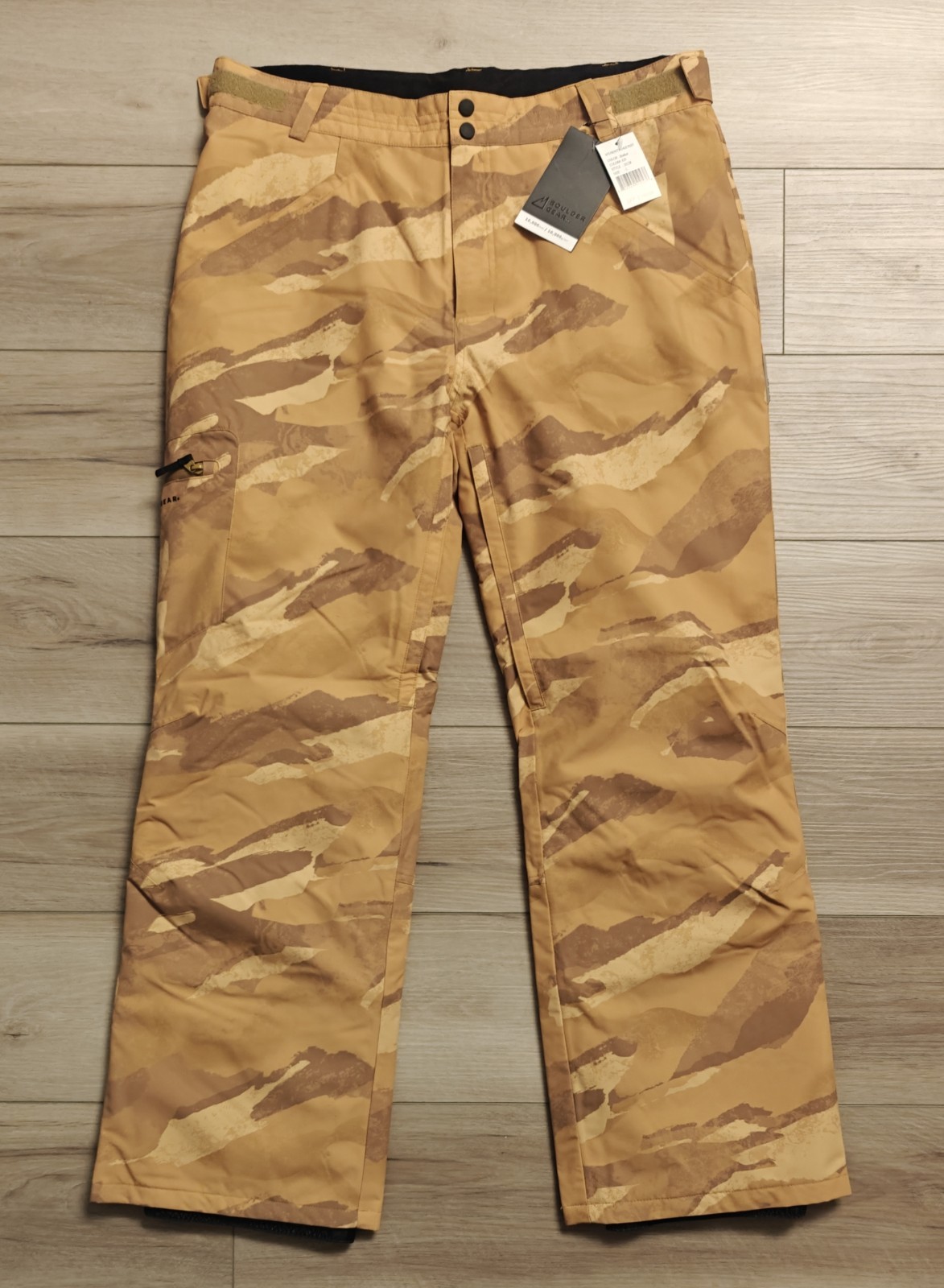

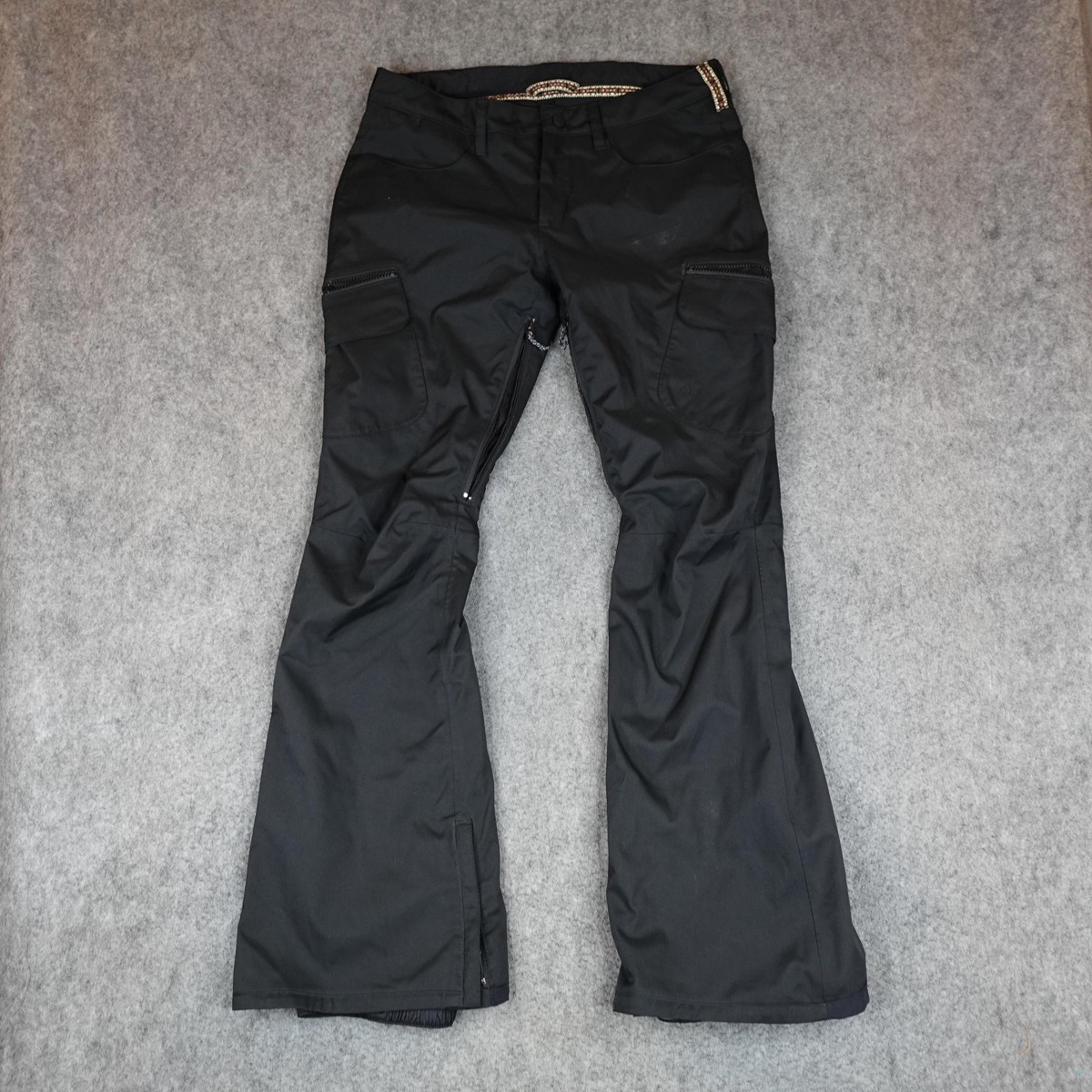
Photos from current listings. Actual item, color, and included accessories may vary.
Snow Pant Buying Guide
Snow pants are insulated or shell lower-body outerwear built to keep you dry and warm in snow sports, defined by waterproof/breathability ratings, insulation type, and articulation. The core trade-off is between bulky low-cost 2-layer insulated pants and lighter, more breathable 3-layer shells or high-fill insulated models with reinforced cuffs. Buy 10K/10K waterproof-breathable fabric or better with critical seam sealing for resort days; step up to 20K and 3-layer construction for backcountry or wet climates.


At a glance
- Category
- Snow Helmets, Goggles & Apparel
- Data updated
- Nov 16, 2026
Current offers
Highlights
- Waterproofing is rated in mm (5K–30K); 10K handles resort snow, 20K+ is needed for wet Pacific Northwest or backcountry slogs.
- Insulation is measured in grams (40–100g synthetic); 60g suits active resort skiing, 80–100g for cold static snowmobiling or lift riding.
- 2-layer fabric bonds membrane to shell with a hanging liner; 3-layer laminates membrane to face fabric for lower weight and higher breathability.
- Critical seams must be fully taped; reinforced kick patches and cuff guards (Cordura or 500D nylon) prevent edge-cut and boot-rub abrasion.
Best use cases
- Resort skiing/snowboarding: pick 10K/10K 2-layer insulated pants with 60g synthetic fill and full seam taping; skip uninsulated shells if you ride lifts below freezing.
- Snowmobiling: choose 80–100g insulated, 20K waterproof pants with reinforced inner cuffs and articulated knees; skip lightweight 40g touring pants that lack abrasion resistance.
- Backcountry touring: select 3-layer 20K+ shell pants with full side zips and no insulation; skip bulky 2-layer insulated pants that trap sweat on the skin track.
- Women's fit priority: look for women's-specific patterns with shorter inseam options, raised back waist, and hip articulation; skip unisex men's cuts that gap at the lower back.
Buying tips
- Match waterproof rating to climate: 10K/10K for dry Colorado resorts, 20K/20K for Cascade wet snow and wet snowmobiling.
- Choose insulation by activity: 40–60g for high-output skiing, 80–100g for snowmobiling or cold-static lift riding; 0g for touring.
- Verify fit over base layers: pants should allow a midlayer underneath; inseam should hit boot top without dragging—check size charts against your measured inseam.
- Prioritize full seam taping, YKK AquaGuard zippers, and reinforced cuffs; these three features separate durable pants from seasonal compromises.
Specs
| Waterproof Rating | 5K–30K mm; 10K resort / 20K+ wet |
|---|---|
| Insulation | 0g shell / 40–60g active / 80–100g cold |
| Fabric Layers | 2-layer insulated vs 3-layer shell |
| Seam Taping | Critical seams / fully taped |
Related searches
What to check before buying
- Measure your waist, hip, and inseam and compare to the brand's size chart; women's sizes often run differently from men's unisex.
- Confirm boot compatibility: pant leg opening must fit over your ski or snowboard boots with gaiters or internal boot gaiters.
- Check climate and activity: wet snow or snowmobiling demands 20K waterproofing; dry resort skiing is fine with 10K.
- Verify care and compatibility: machine-washable synthetics with DWR refresh; avoid fabric softeners that clog membrane pores.
FAQ
Data sources: eBay / Amazon listings and product attribute feeds Data updated Nov 16, 2026.
Some links on this page are affiliate links. If you buy after clicking one, we may earn a commission at no extra cost to you. This does not change which products appear here or their order. Affiliate disclosure.