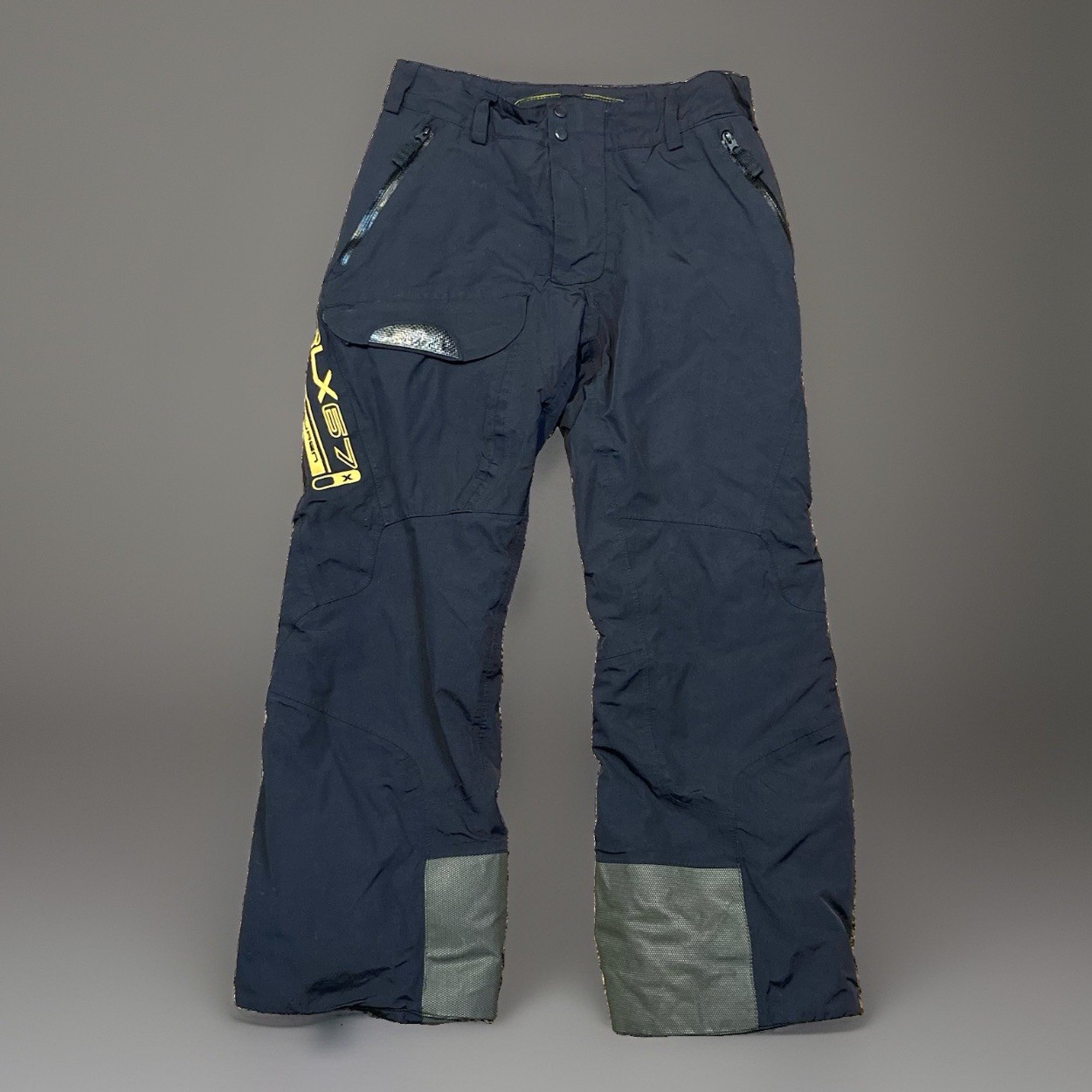

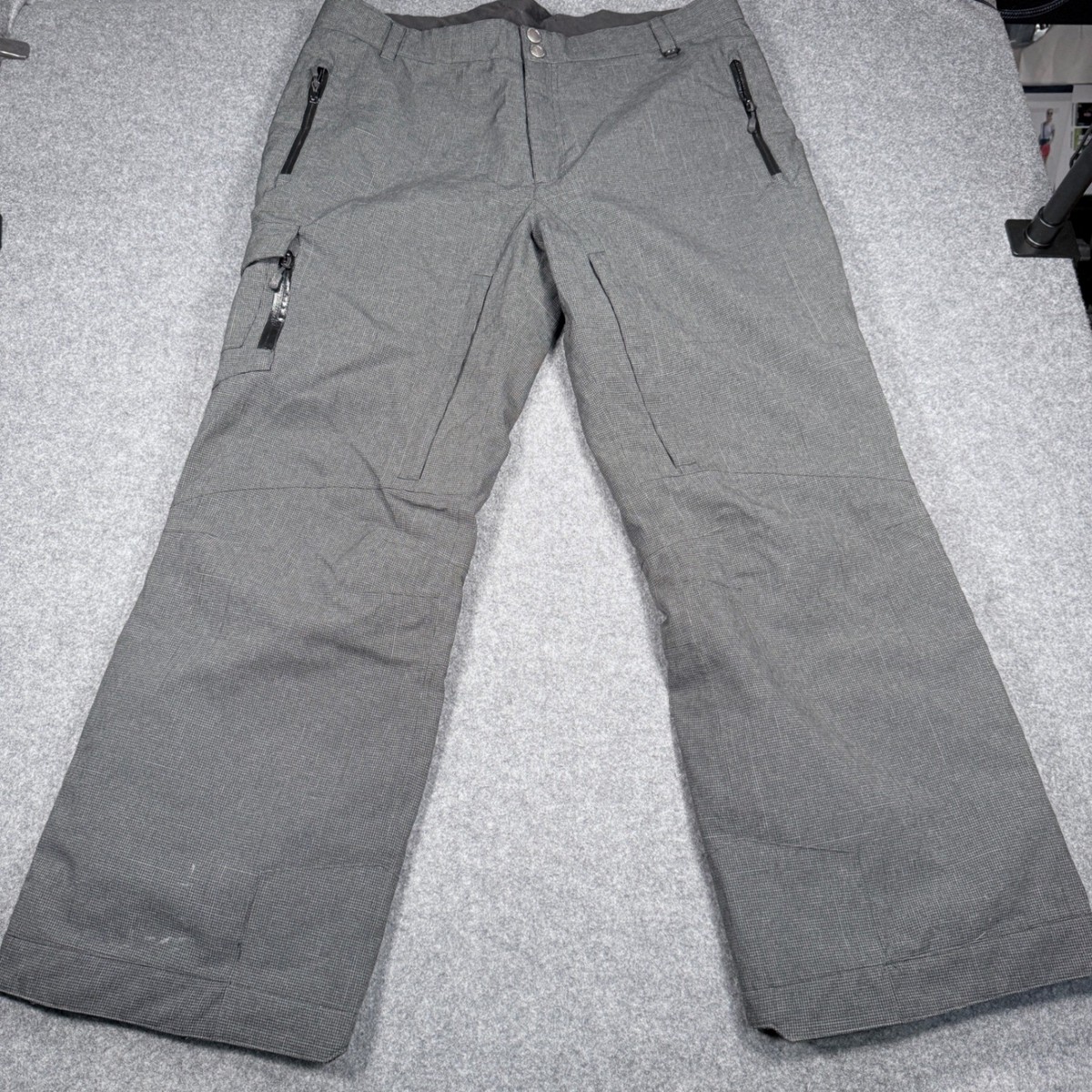
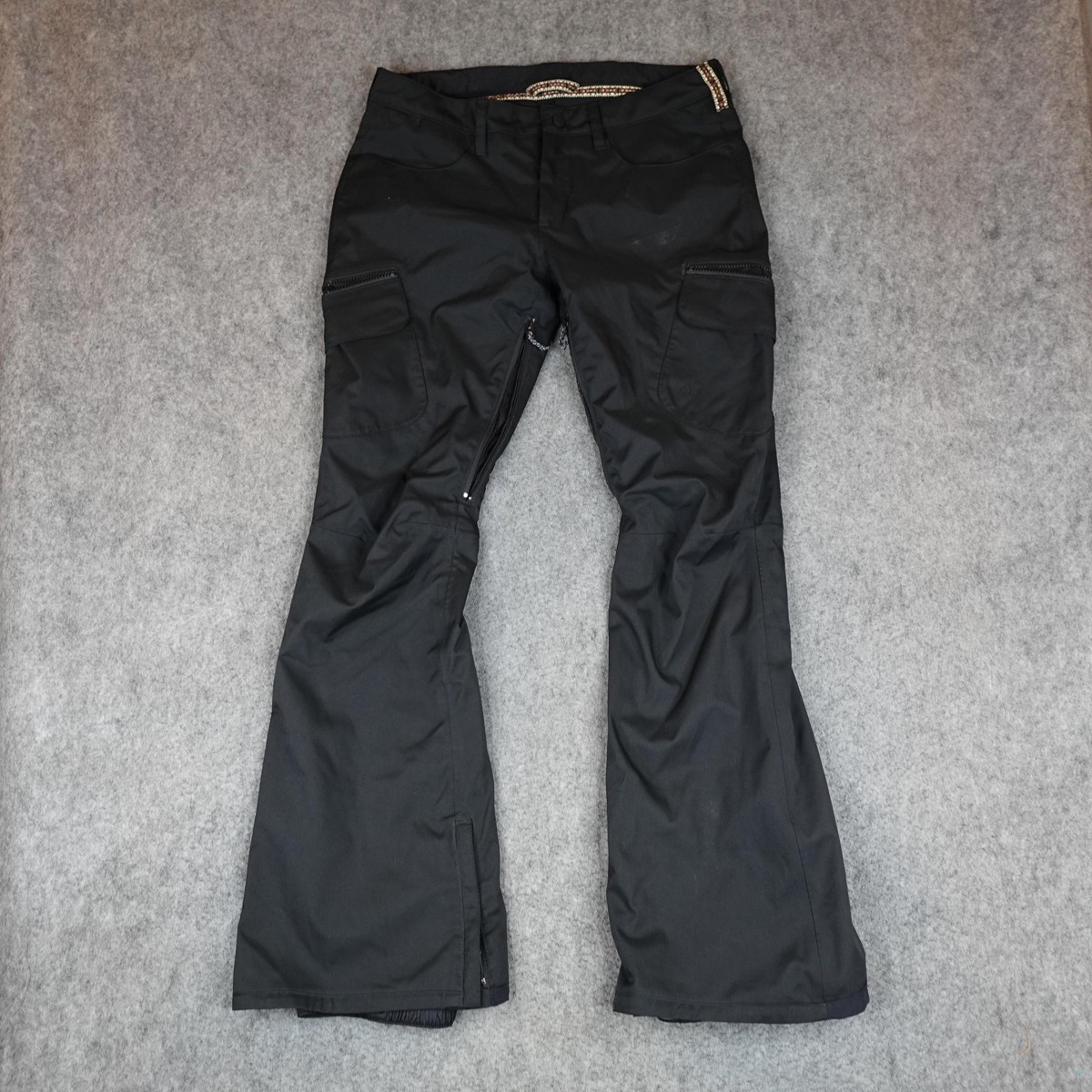
Photos from current listings. Actual item, color, and included accessories may vary.
Snowboard Pant Buying Guide
Snowboard pants are waterproof, breathable shells or insulated trousers engineered for riding, distinguished by their waterproof/breathability rating, insulation layer, and cut. The core trade-off is shell-versus-insulated construction and 2L versus 3L fabric bonding, which dictate weather protection and packability. Choose a 20K/15K or higher 3L shell for wet climates and layering control; choose 10K/10K 2L insulated pants for cold, dry resorts and zero-fuss warmth.


At a glance
- Category
- Snow Helmets, Goggles & Apparel
- Data updated
- Nov 16, 2026
Current offers
Highlights
- Waterproof rating (5K/10K/15K/20K mm) determines wet-snow protection; 15K+ is required for sustained wet storms, 20K+ for backcountry.
- 2L fabric bonds membrane to outer face with a separate loose liner; 3L bonds membrane and tricot liner into one packable, faster-drying laminate.
- Insulation is rated in grams (40g–100g); shell pants use none and rely on base/mid layers, while 60g+ suits sub-20°F lift-served days.
- Articulated knees, a gusseted crotch, and a hem cinch or gaiter prevent snow ingress and binding drag; boot-cut hems must clear a size 10+ boot.
Best use cases
- Best fit: 20K/15K 3L shell pants with full side zips for backcountry touring and wet Pacific Northwest resorts — layer a 100g mid short over a base.
- Best fit: 10K/10K 2L insulated pants (40–60g) with cargo pockets and a relaxed cut for cold, dry Colorado/Utah resort days and beginner lift laps.
- Wrong fit: 5K/5K non-taped pants for deep powder or wet snow — seams wick and insulation soaks; skip for any storm-day riding.
- Wrong fit: bib or high-back pants for park-only riders seeking minimal bulk — choose a low-rise shell short unless deep-snow days are routine.
Buying tips
- Match waterproofing to climate: 20K/20K for coastal wet snow and backcountry, 10K/10K for dry interior resorts, 5K only for occasional cold-weather use.
- Pick 2L insulated for sub-freezing lift days (60–80g); pick 3L shell for active touring and spring slush where breathability and packability matter.
- Size by waist and inseam, not S/M/L alone: measure your street waist, add 1–2 in for baselayers, and confirm inseam clears boot cuffs by 1–2 in.
- Prioritize fully taped seams (critical or fully taped), YKK AquaGuard zippers, and a boot gaiter with lace hook — these features separate durable pants from leaks.
Specs
| Waterproof Rating | 5K–20K+ mm (15K+ for wet snow) |
|---|---|
| Fabric Construction | 2L bonded vs 3L laminate |
| Insulation | Shell (0g) vs 40–100g synthetic |
| Seam Sealing | Critical taped / fully taped |
Related searches
What to check before buying
- Measure your waist and inseam with baselayers on; compare to the brand's size chart, as snowboard pants run 1–2 sizes larger than street wear.
- Confirm boot clearance: hem length must cover the boot cuff and gaiter, with a cinch or elastic to block snow; a size 10+ boot needs a boot-cut hem.
- Match insulation to your coldest expected riding temp: shell + midlayer for variable, 60g+ insulated for consistent sub-20°F lift days.
- Check jacket-pant interface: a powder skirt or high-back waist prevents snow intrusion; bibs suit deep powder, low-rise shells suit park and spring.
FAQ
Data sources: eBay / Amazon listings and product attribute feeds Data updated Nov 16, 2026.
Some links on this page are affiliate links. If you buy after clicking one, we may earn a commission at no extra cost to you. This does not change which products appear here or their order. Affiliate disclosure.