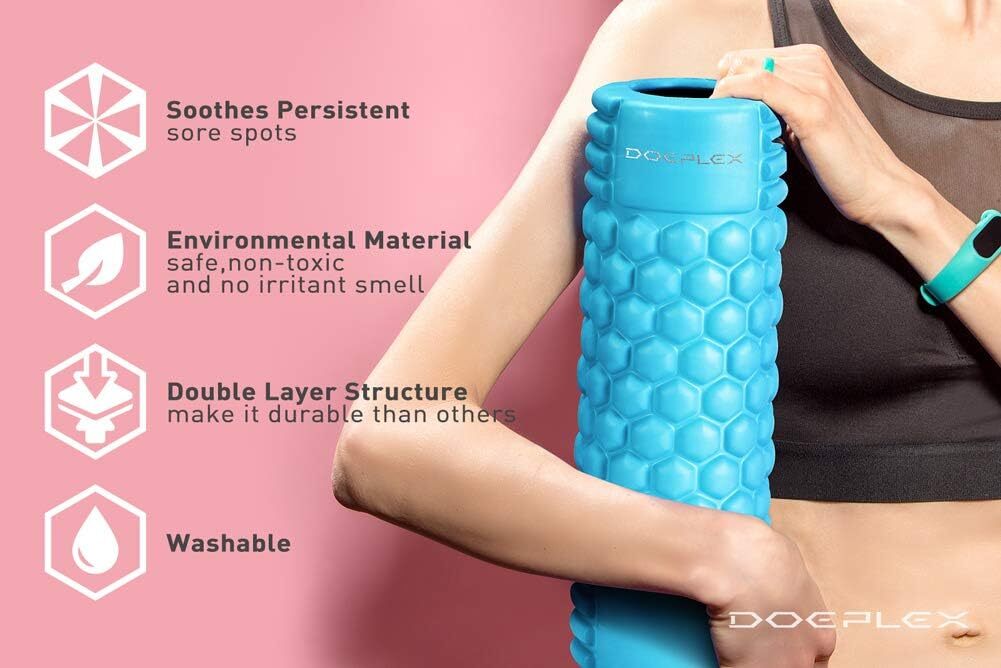

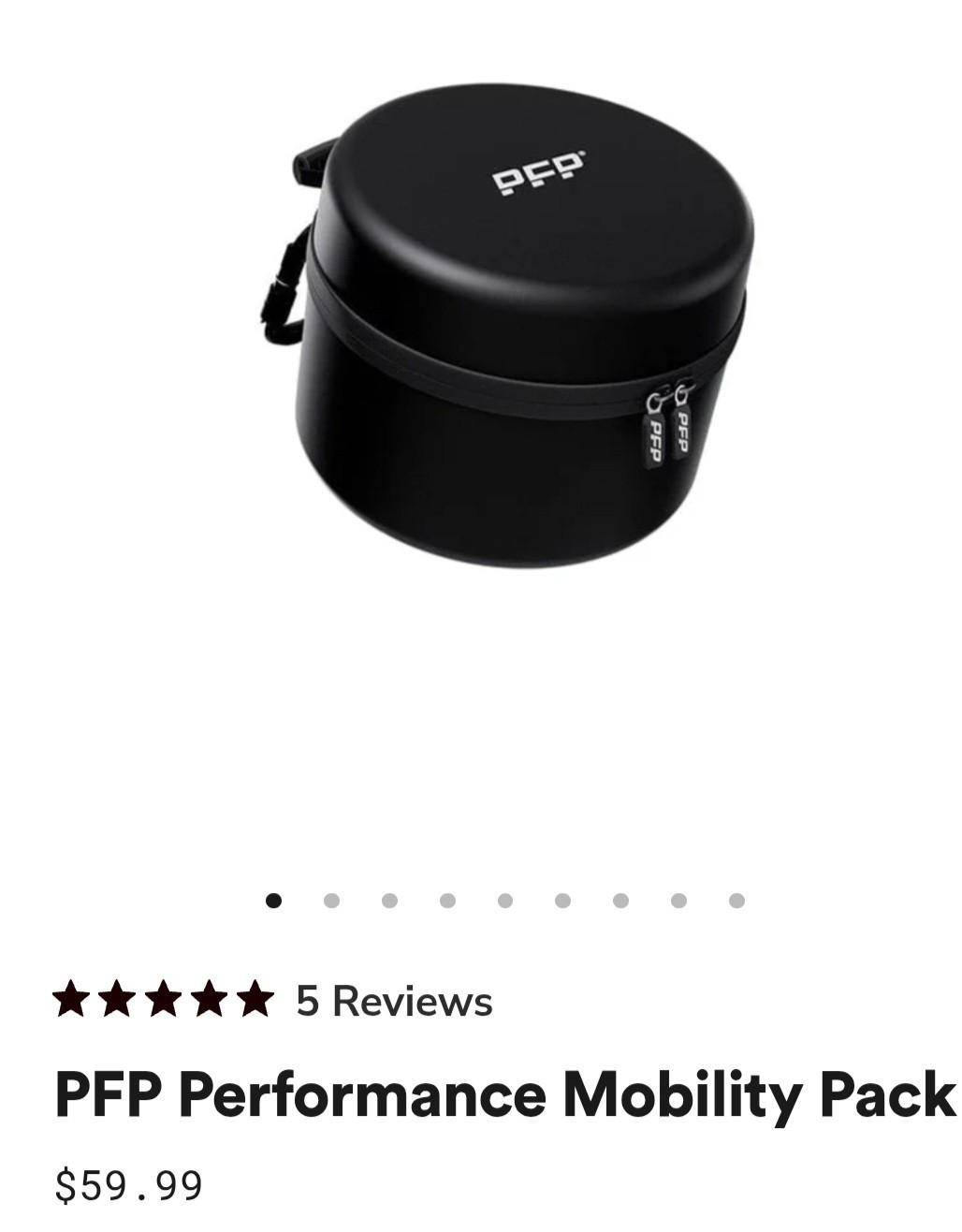
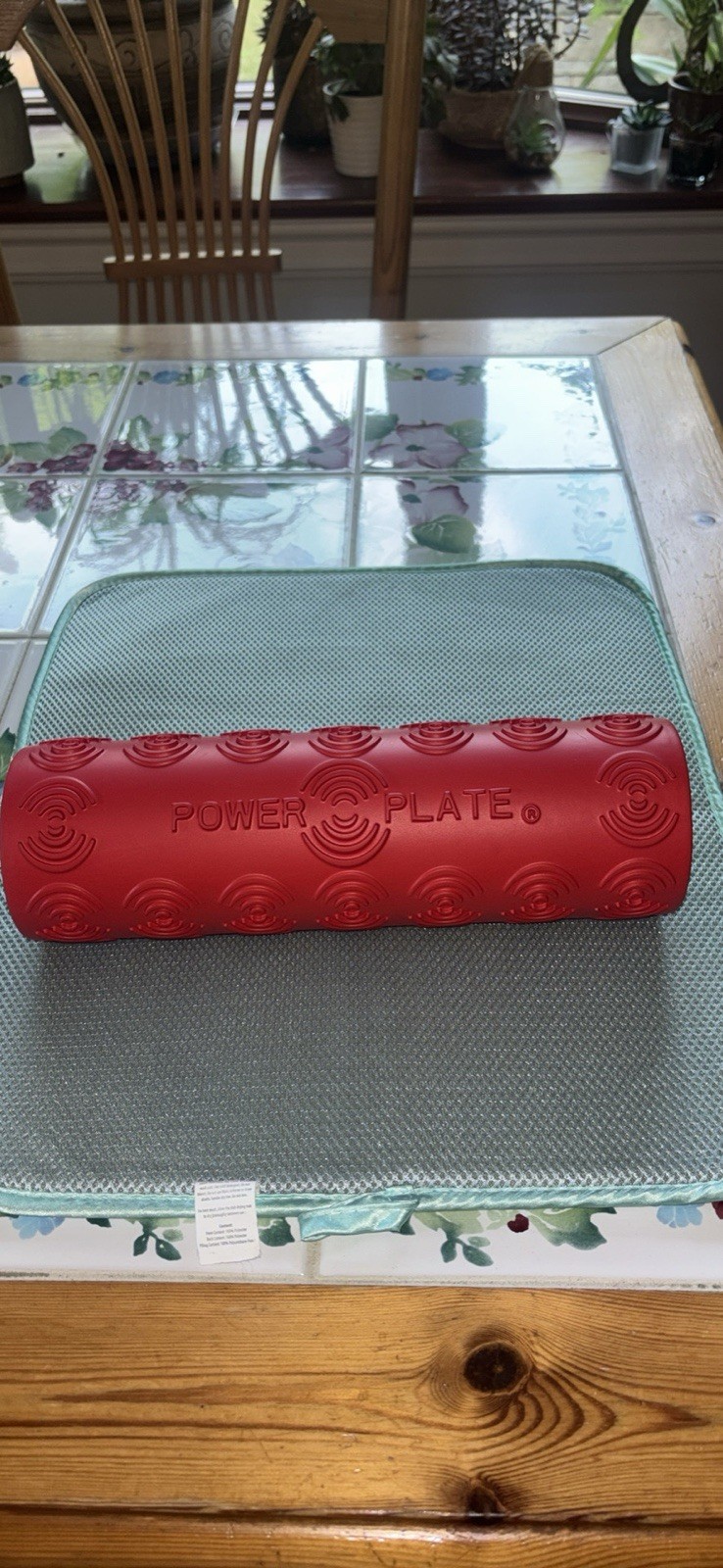
Photos from current listings. Actual item, color, and included accessories may vary.
Foam Roller Buying Guide
A foam roller is a cylindrical self-myofascial-release tool whose performance is dictated almost entirely by foam density, surface texture, and hollow-vs-solid core construction. The core trade-off is soft, forgiving compression for beginners and sensitive areas versus dense, aggressive pressure for deep tissue and large muscle groups. The decision rule: match roller firmness and texture to the tissue you are rolling — soft/smooth for back and neck, dense/textured or contoured for legs and IT bands — and avoid low-density PE rollers if you need repeated deep compression.


At a glance
- Category
- Recovery & Massage
- Data updated
- Nov 16, 2026
Current offers
Highlights
- EPP (expanded polypropylene) open-cell foam is the durability benchmark: it resists compression set, holds shape under body weight, and rebounds after repeated use; PE foam is softer and deforms faster.
- Density tiers matter more than length: high-density EPP (roughly 1.5-2.0 lb/ft³) delivers deep-tissue pressure, while low-density PE and two-layer PE/EVA rollers suit beginners and sensitive regions.
- Surface geometry changes pressure: smooth rollers spread load for back and neck, while grid, trigger-point, and contoured profiles concentrate force on adhesions and paraspinal muscles.
- Hollow-core EPP rollers are lightweight and portable; solid-core or metal-core designs add stability and aggressive pressure, while vibrating models (e.g., Power Plate) add oscillation for circulation rather than replacing density choice.
Best use cases
- Back and spine relief: choose a 12-18 inch smooth, medium-firm EPP roller or a contoured back roller with a spinal channel; skip aggressive grid rollers directly on the lumbar spine.
- Legs, IT band, and quads: pick a high-density EPP or textured/grid roller 18-36 inches long for full-thigh coverage and trigger-point pressure; skip soft PE rollers that bottom out under body weight.
- Travel and portability: a 12-inch hollow EPP roller fits a gym bag and still delivers firm pressure; skip long solid-core rollers if portability is the priority.
- Physical therapy and post-injury: choose a medium-firm smooth EPP roller for controlled, even pressure; skip vibrating or spiked rollers during acute recovery unless cleared for deeper work.
Buying tips
- Length rule: 12 inches for targeted spots and travel, 18 inches for general back and legs, 36 inches for full-body coverage and two-leg rolling at once.
- Density rule: high-density EPP for deep tissue and athletes; medium-firm two-layer PE for beginners; low-density PE only for gentle warm-up and sensitive areas.
- Diameter rule: 6-inch diameter is standard and stable; 4-inch or smaller concentrates pressure for feet and arms but is harder to balance on for back work.
- Texture rule: smooth for spine and neck, grid/trigger-point for IT band and quads, contoured/channeled for paraspinal relief without direct spinal pressure.
Specs
| Foam Type | EPP open-cell vs PE / two-layer PE |
|---|---|
| Density Tier | High-density deep tissue / medium-firm |
| Roller Length | 12 in / 18 in / 36 in |
| Surface Profile | Smooth / grid / contoured channel |
Related searches
What to check before buying
- Measure your floor space and storage: 36-inch rollers need clear floor room and a corner or closet; 12-18 inch rollers store upright or in a bag.
- Check body weight versus foam density: heavier users should choose high-density EPP or solid-core rollers so the foam does not collapse to the floor.
- Confirm surface compatibility: use on carpet or a yoga mat; hard flooring can make the roller slide and reduce control during back work.
- For vibrating rollers, confirm the charger plug standard for your region and that the model has a removable rechargeable battery for portability.
FAQ
Data sources: eBay / Amazon listings and product attribute feeds Data updated Nov 16, 2026.
Some links on this page are affiliate links. If you buy after clicking one, we may earn a commission at no extra cost to you. This does not change which products appear here or their order. Affiliate disclosure.