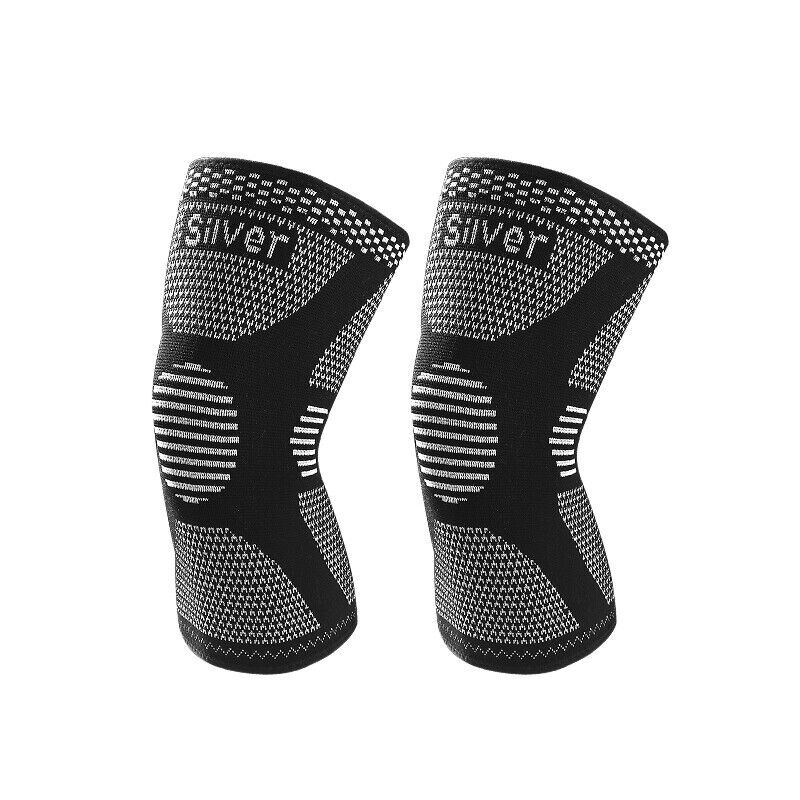

Photos from current listings. Actual item, color, and included accessories may vary.
Knee Compression Sleeve Buying Guide
A knee compression sleeve is a knit tube that applies graduated pressure to the knee joint, and the decisive trade-off is between mild all-day compression (thin, breathable, easy to wear) and therapeutic support (thicker knit, silicone bands, stiffer hinges for instability). Buy a graduated-compression knit with a non-slip band for swelling, running, and arthritis; skip thin fashion-fit sleeves or loose one-size tubes if you need real joint support.


At a glance
- Category
- Recovery & Massage
- Data updated
- Nov 16, 2026
Current offers
Highlights
- Graduated compression (tighter at the calf, looser at the thigh) drives swelling control; uniform tubes do not move fluid as effectively.
- Knit density and material grade matter more than marketing: nylon/spandex blends at 20-30 mmHg give mild support, 30-40 mmHg gives firmer therapeutic compression.
- Silicone or gel non-slip bands at the top hem prevent the roll-down that ruins fit during running and long wear.
- Copper-infused yarns are antimicrobial/odor-control claims, not a compression standard; judge the sleeve by mmHg rating, knit thickness, and seam construction.
Best use cases
- Best for swelling and post-injury recovery: pick a 20-30 mmHg graduated knit with a silicone top band and full-length coverage from mid-thigh to below the knee.
- Best for running and sports: choose a thinner, breathable 15-20 mmHg sleeve with a non-slip band and flatlock seams; skip thick hinged braces that restrict stride.
- Best for arthritis: select a soft, seamless 20-30 mmHg sleeve that is easy to pull on and machine-washable; skip rigid hinged braces unless a clinician prescribed one.
- Wrong fit: loose one-size tubes and thin fashion sleeves provide no measurable compression; skip them if you need swelling control or joint stability.
Buying tips
- Measure thigh circumference 6 in (15 cm) above the kneecap and calf circumference 6 in below it; match the size chart to both, not to height or weight.
- For swelling, choose graduated 20-30 mmHg compression; for mild all-day support, 15-20 mmHg is sufficient and easier to tolerate.
- Prefer flatlock or seamless construction over raised seams; seams over the kneecap cause chafing during running and long wear.
- Check the top hem: a silicone or gel non-slip band is the single best defense against roll-down; plain elastic hems slip on active users.
Specs
| Compression Level | 15-20 / 20-30 / 30-40 mmHg graduated |
|---|---|
| Fabric Blend | Nylon/spandex knit; copper-infused optional |
| Non-Slip Band | Silicone or gel top hem vs plain elastic |
| Construction | Flatlock/seamless vs raised seams |
Related searches
What to check before buying
- Measure thigh and calf circumference with a flexible tape and compare both to the size chart before ordering.
- Confirm the sleeve length covers from mid-thigh to below the knee; short sleeves ride up and fail to compress the joint.
- Check material and care: nylon/spandex blends with flatlock seams are durable; verify machine-washable instructions for daily wear.
- For running or sports, confirm breathability and a non-slip band; for arthritis, confirm soft seamless knit and easy donning.
FAQ
Data sources: eBay / Amazon listings and product attribute feeds Data updated Nov 16, 2026.
Some links on this page are affiliate links. If you buy after clicking one, we may earn a commission at no extra cost to you. This does not change which products appear here or their order. Affiliate disclosure.