Photos from current listings. Actual item, color, and included accessories may vary.
Inversion Table Buying Guide
An inversion table is a gravity-fed decompression frame that rotates you past horizontal to stretch the spine, and its safety and comfort hinge on three engineering choices: full-table vs. partial-table architecture, a mechanical or ratchet ankle-lock system, and a steel frame rated at 300 lb or more. Durable tables use dual-roller or cam-lock pivots with heat-treated steel and a padded ankle clamp; compromised units rely on single-pin locks, thin-gauge tubing, and nylon straps that stretch under load. The decision rule: buy a 300 lb-rated full-table with a dual-lock ankle system and adjustable tether, or skip inversion entirely and use a decompression bench or traction device.


At a glance
- Category
- Recovery & Massage
- Data updated
- Nov 17, 2026
Current offers
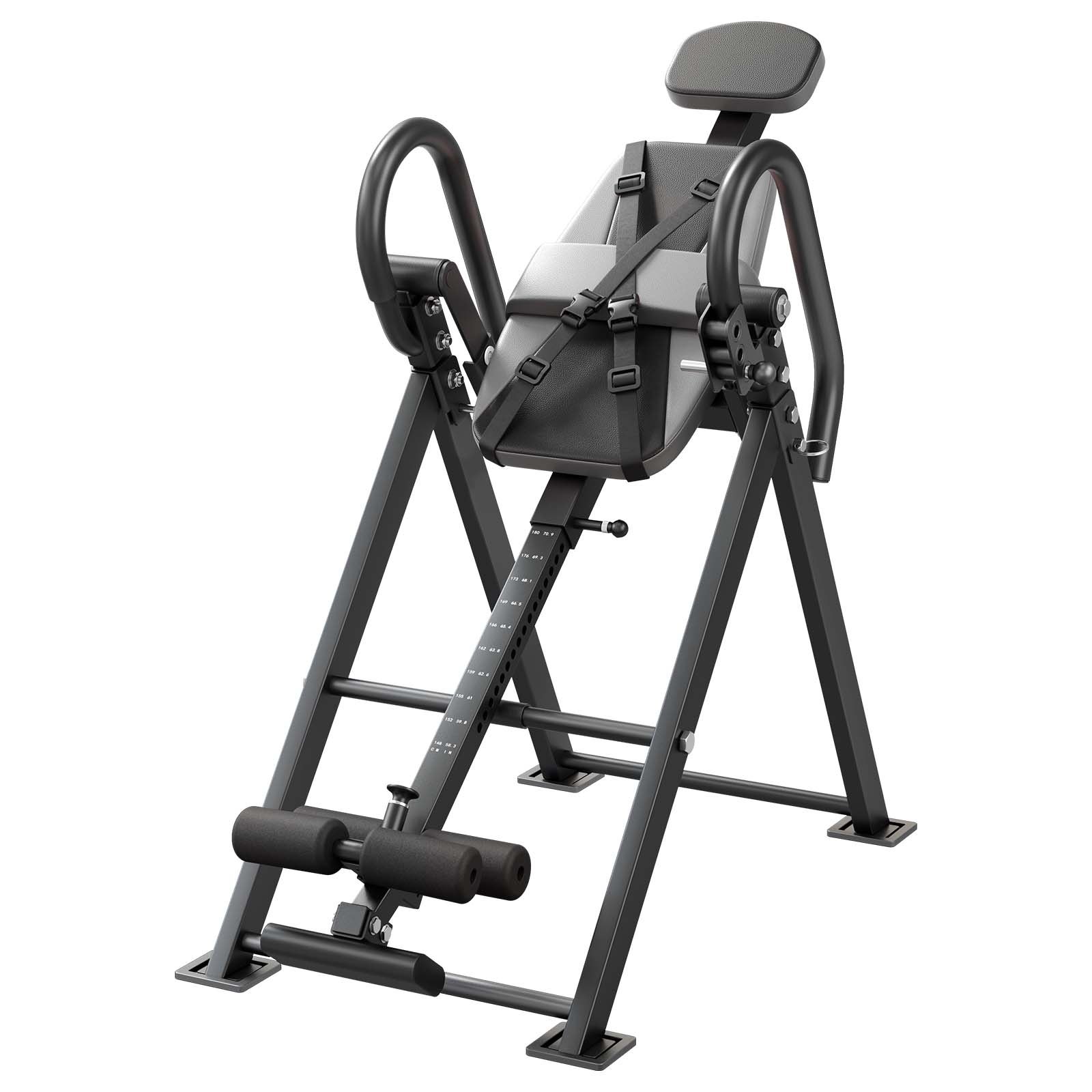 Inversion Table, 300 Lbs Capacity Heavy Duty Back Inverter Stretcher, Inverted With Stable Structure, Dual-Roller Locking, Decompression Tables For Shoulders, Neck, Knees$135.99
 View on Mallflare
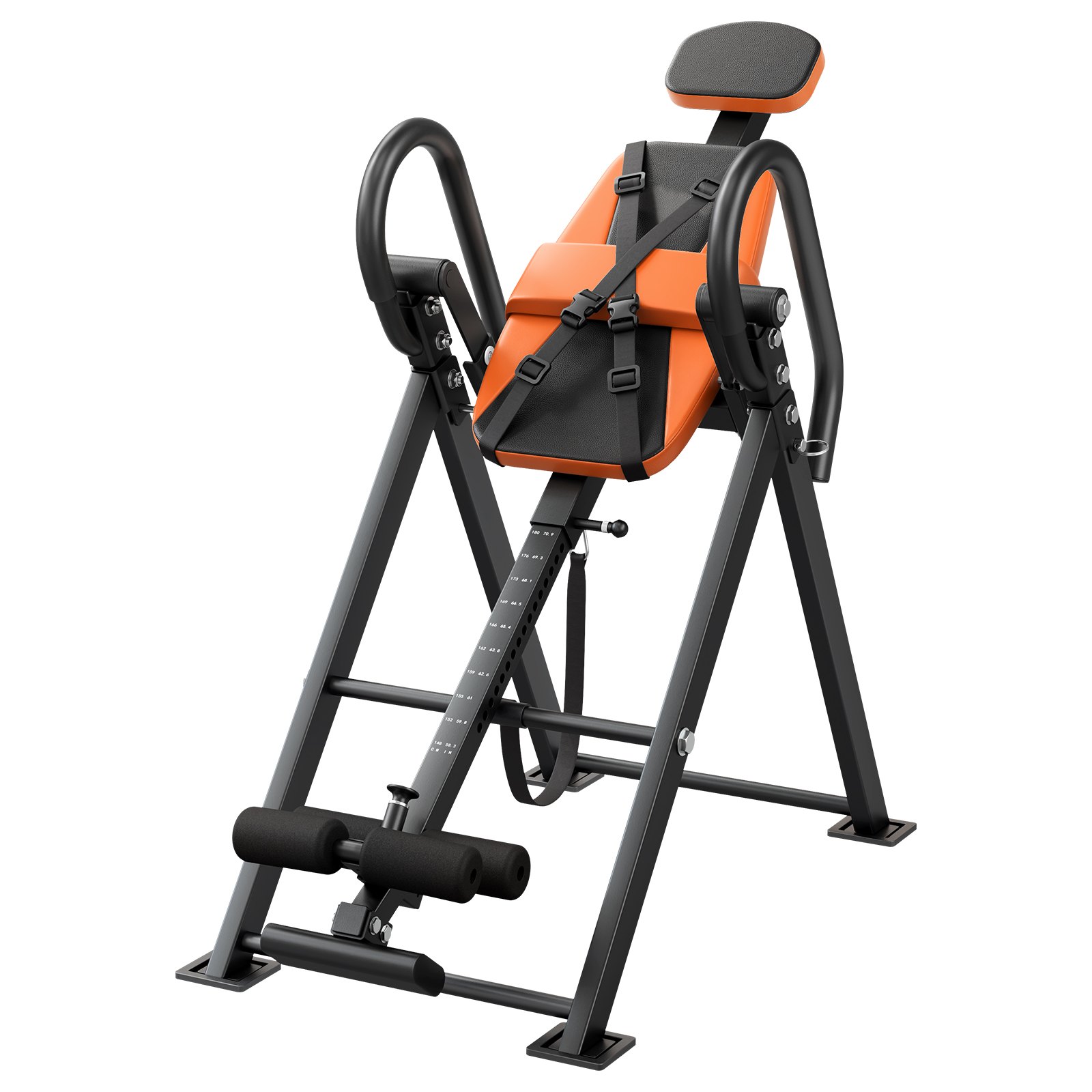 Inversion Table, 300 Lbs Capacity Heavy Duty Back Inverter Stretcher, Inverted With Dual-Roller Locking, Decompression Tables For Shoulders, Neck, Multi-Angle Adjustable Tether Strap$149.99View on Mallflare
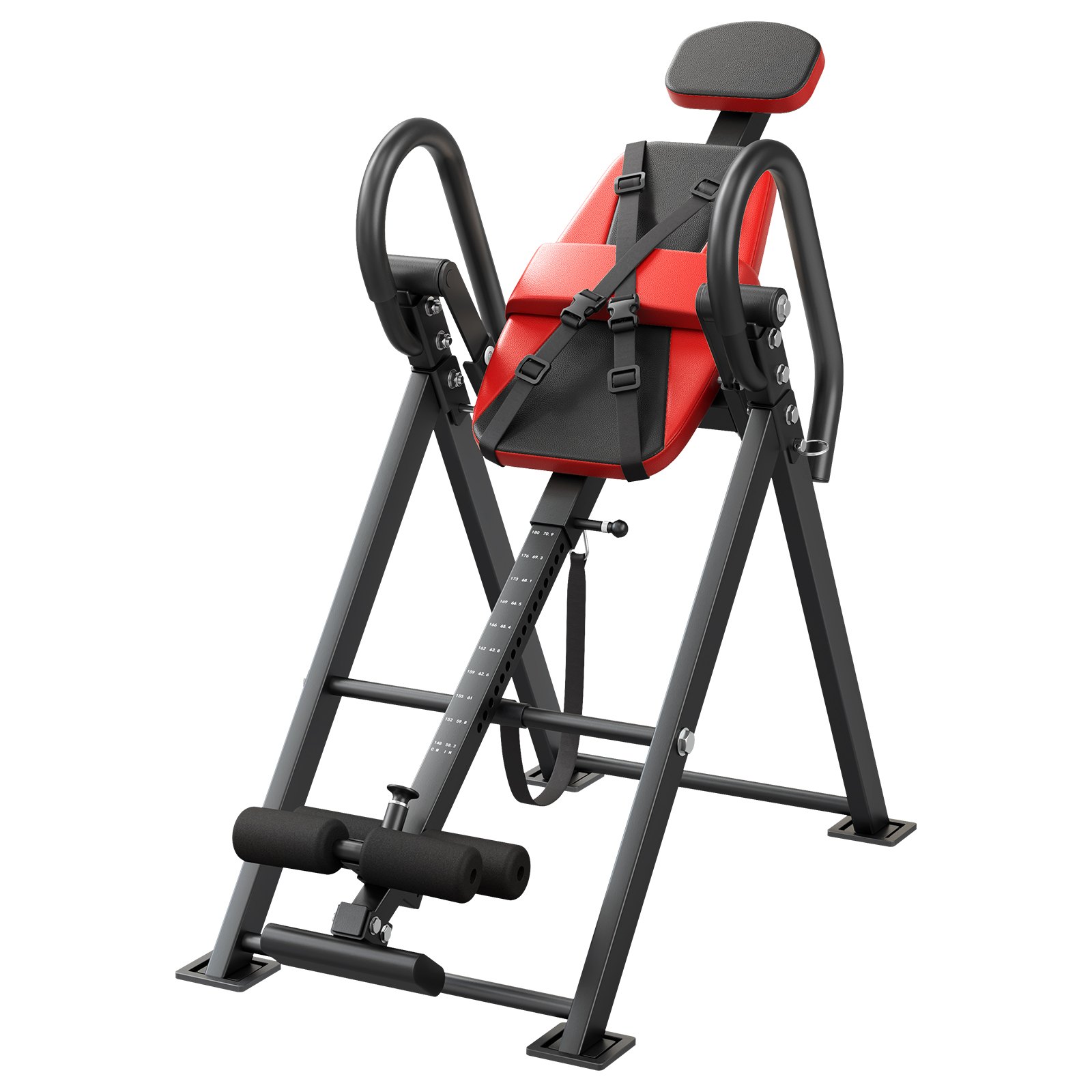 Inversion Table, 300 Lbs Capacity Heavy Duty Inverted Back Inverter Stretcher With Dual-Roller Locking, Decompression Tables For Shoulders, Neck, Multi-Angle Adjustable Tether Strap$153.99View on Mallflare
Highlights
- Full-table models pivot at the ankles and support the entire body length; partial-table or 'inversion bench' designs pivot at the hips and suit users who cannot tolerate full ankle loading.
- Ankle-lock systems range from single-pin spring locks to dual-roller cam locks; dual-roller and ratchet locks hold both ankles independently and are the minimum for safe full inversion beyond 60 degrees.
- Frame rating is the structural limiter: 300 lb capacity requires at least 1.5 mm-wall steel tubing and a welded A-frame base; 250 lb-rated tables often use 1.2 mm tubing and bolted joints.
- Adjustable tether straps set maximum inversion angle (typically 15-60 degrees); a tether with a quick-release cam cleat lets you cap rotation short of full inversion for back-pain users.
Best use cases
- Best fit for chronic low-back pain: choose a full-table with a 300 lb frame, dual-roller ankle lock, and tether capped at 30-45 degrees; skip partial-table benches that load the hips and cannot decompress the lumbar spine evenly.
- Best fit for scoliosis or lateral-curve management: pick a table with a wide, padded backrest and adjustable side bolsters plus a tether for controlled 20-40 degree inversion; skip minimalist strap backrests that allow the torso to shift laterally.
- Wrong fit for users over 300 lb or with uncontrolled hypertension, glaucoma, or recent spinal surgery: no inversion table is appropriate; a zero-gravity recliner or traction bench is the safer decompression alternative.
Buying tips
- Match user height to table length: most full tables fit 4 ft 10 in to 6 ft 6 in; below 5 ft the ankle clamp may not sit at the correct pivot, and above 6 ft 4 in the headrest may not clear the floor at full inversion.
- Require a dual-roller or ratchet ankle lock over a single-pin lock; single-pin systems can release under load and are the most common failure point on budget tables.
- Check the tether mechanism: a cam-cleat or locking strap with degree markings beats a friction strap, because friction straps slip and let rotation exceed the intended angle.
- Confirm frame capacity margin: buy at least 50 lb above the heaviest user's weight (e.g., a 200 lb user needs a 300 lb-rated table) to preserve weld life and pivot-bolt torque.
Specs
| Table Type | Full-table ankle-pivot / partial hip-pivot |
|---|---|
| Frame Capacity | 250 lb entry / 300 lb+ heavy-duty |
| Ankle Lock | Dual-roller cam vs single-pin |
| Inversion Range | 15-60 deg tether-capped / 0-90 full |
Related searches
What to check before buying
- Measure ceiling height and floor footprint: a full inversion table needs roughly 7 ft of vertical clearance at full rotation and a 4 ft x 2 ft floor area; a partial-table needs less height but more hip clearance.
- Verify the user can self-lock and self-release the ankle clamps while standing; if not, a table with a safety handle or assisted-release lever is required.
- Check the floor surface: carpet or rubber matting is needed under the A-frame to prevent sliding during rotation; hard tile without a mat is a slip hazard.
- Confirm the table ships with a tether strap and ankle cushions; these are not universal across brands and aftermarket tethers may not fit the pivot housing.
FAQ
Data sources: eBay / Amazon listings and product attribute feeds Data updated Nov 17, 2026.
Some links on this page are affiliate links. If you buy after clicking one, we may earn a commission at no extra cost to you. This does not change which products appear here or their order. Affiliate disclosure.