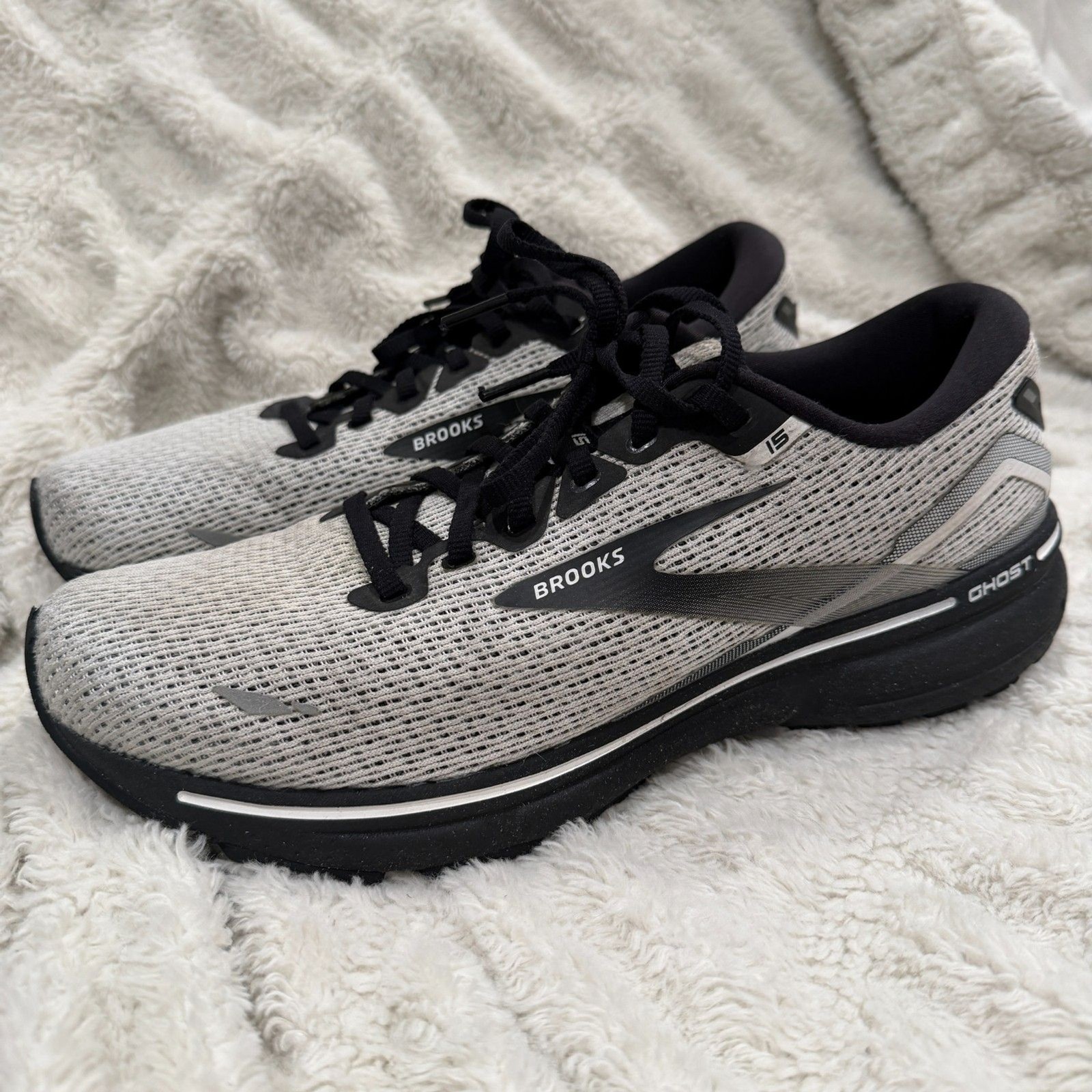

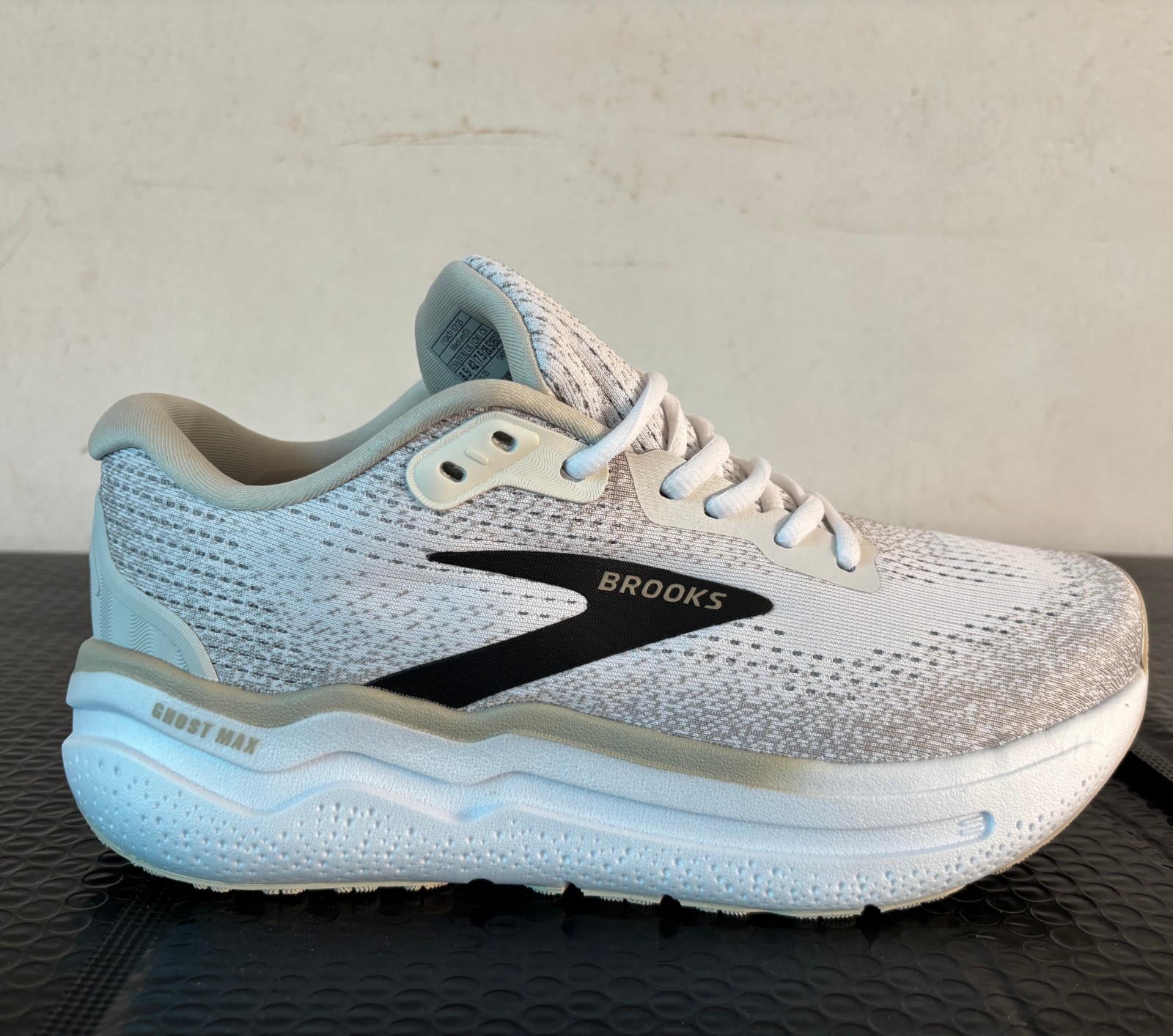
Photos from current listings. Actual item, color, and included accessories may vary.
Brook Running Shoe Buying Guide
Brooks road running shoes split into three engineering families—neutral (Ghost, Glycerin), stability (Adrenaline GTS, Ariel), and max-cushion (Ghost Max)—each using DNA Loft or DNA Loft v3 foam with distinct stack heights. The core trade-off is cushioning vs. ground feel and weight, with stability models adding GuideRails rather than medial posts. Pick your family by gait and mileage: neutral for efficient strikers, stability for overpronation, max-cushion for recovery or high-impact loads.


At a glance
- Category
- Road Running Shoes
- Data updated
- Nov 17, 2026
Current offers
Highlights
- DNA Loft v3 (nitrogen-infused) is lighter and more responsive than standard DNA Loft; Glycerin 21 and Ghost Max 2 use v3, Ghost 15 uses DNA Loft.
- GuideRails holistic support in Adrenaline GTS and Ariel limits excess knee/ankle motion without firmer medial foam or posting.
- Ghost Max 2 runs a 6mm drop with a broad, high-stack platform; standard Ghost 15 uses a 12mm drop for traditional heel-to-toe transition.
- Ghost 15 uses a segmented outsole crash pad and Engineered Mesh upper; Ghost Max 2 adds a full-length DNA Loft v3 midsole and wider base for stability.
Best use cases
- Daily neutral training: choose Ghost 15 (12mm drop, DNA Loft) for a familiar ride; upgrade to Glycerin 21 for softer DNA Loft v3 on longer easy runs.
- Overpronation or knee-tracking issues: pick Adrenaline GTS 23 with GuideRails; skip neutral Ghost—the support is structural, not just a firmer foam.
- High-impact or recovery runs: Ghost Max 2’s 6mm drop and max stack absorb load; wrong fit for speedwork or runners wanting ground feel.
- Trail or mixed-surface: skip Brooks road models entirely; their outsole rubber and stack are tuned for pavement, not aggressive lugs.
Buying tips
- Measure foot length standing and add 0.5–1 cm for toe splay; Brooks road lasts run true to size, but wide options (2E/4E) add volume, not length.
- Match drop to gait: 12mm (Ghost 15) suits heel strikers; 6mm (Ghost Max 2) encourages midfoot and reduces ankle demand—choose by Achilles and calf tolerance.
- Stability tier: Adrenaline GTS/Ariel for overpronation; neutral Ghost/Glycerin for neutral or supinated gait. GuideRails are not interchangeable with posted medial foam.
- Replace at 300–500 miles (500–800 km) or when midsole wrinkles and outsole rubber wears smooth; DNA Loft v3 compresses faster under heavier runners.
Specs
| Support Type | Neutral / Stability / Max-cushion |
|---|---|
| Midsole Foam | DNA Loft vs DNA Loft v3 |
| Heel-to-Toe Drop | 12 mm (Ghost) / 6 mm (Ghost Max) |
| Stability Tech | GuideRails (GTS/Ariel) vs none |
Related searches
What to check before buying
- Measure both feet at day’s end; if longer foot exceeds a half size, size up—Brooks road uppers are breathable mesh with limited stretch.
- Confirm your gait: wet-foot test or prior shoe wear pattern—medial wear signals Adrenaline/Ariel; lateral or neutral wear signals Ghost/Glycerin.
- Check insole and orthotic volume: Ghost Max 2 has a broad platform; deep orthotics may need the removable sockliner swapped or a wider 2E fit.
- Match surface: road shoes use blown rubber and segmented crash pads; gravel or trail requires lugged outsoles with rock plates—Brooks road models lack these.
FAQ
Data sources: eBay / Amazon listings and product attribute feeds Data updated Nov 17, 2026.
Some links on this page are affiliate links. If you buy after clicking one, we may earn a commission at no extra cost to you. This does not change which products appear here or their order. Affiliate disclosure.