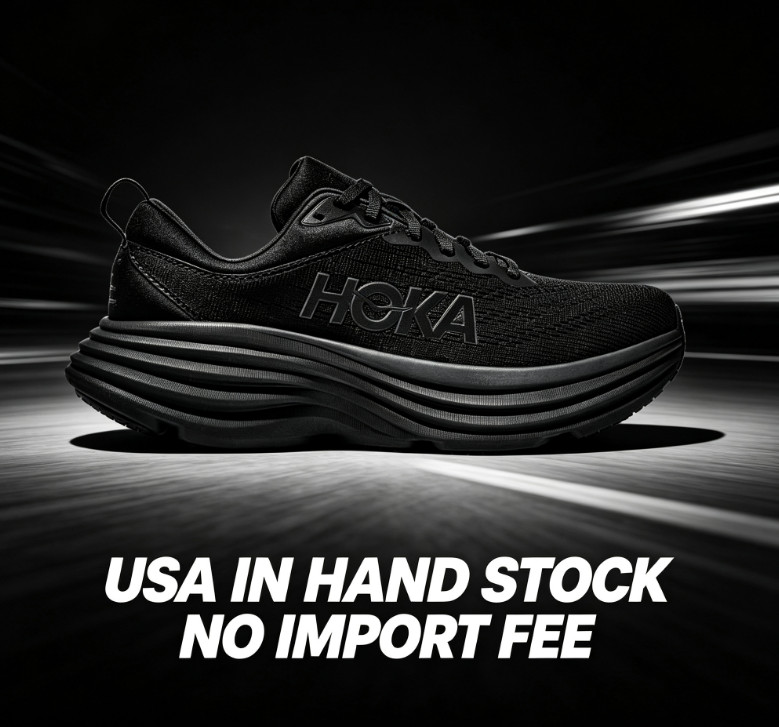

Photos from current listings. Actual item, color, and included accessories may vary.
Running Sneaker Buying Guide
Road running sneakers are engineered foam-and-rubber platforms that balance cushioning, energy return, and stability for repeated pavement impacts. The core trade-off is midsole stack height and foam grade versus ground feel and torsional rigidity—max-cushion models protect joints but can feel vague, while lower-stack trainers feel fast but demand more foot strength. The decision rule: match heel-to-toe drop and stability tier to your gait and weekly mileage, and treat outsole rubber thickness as the durability gate—anything under 2 mm in high-wear zones is a short-life shoe.


At a glance
- Category
- Road Running Shoes
- Data updated
- Nov 17, 2026
Current offers
Highlights
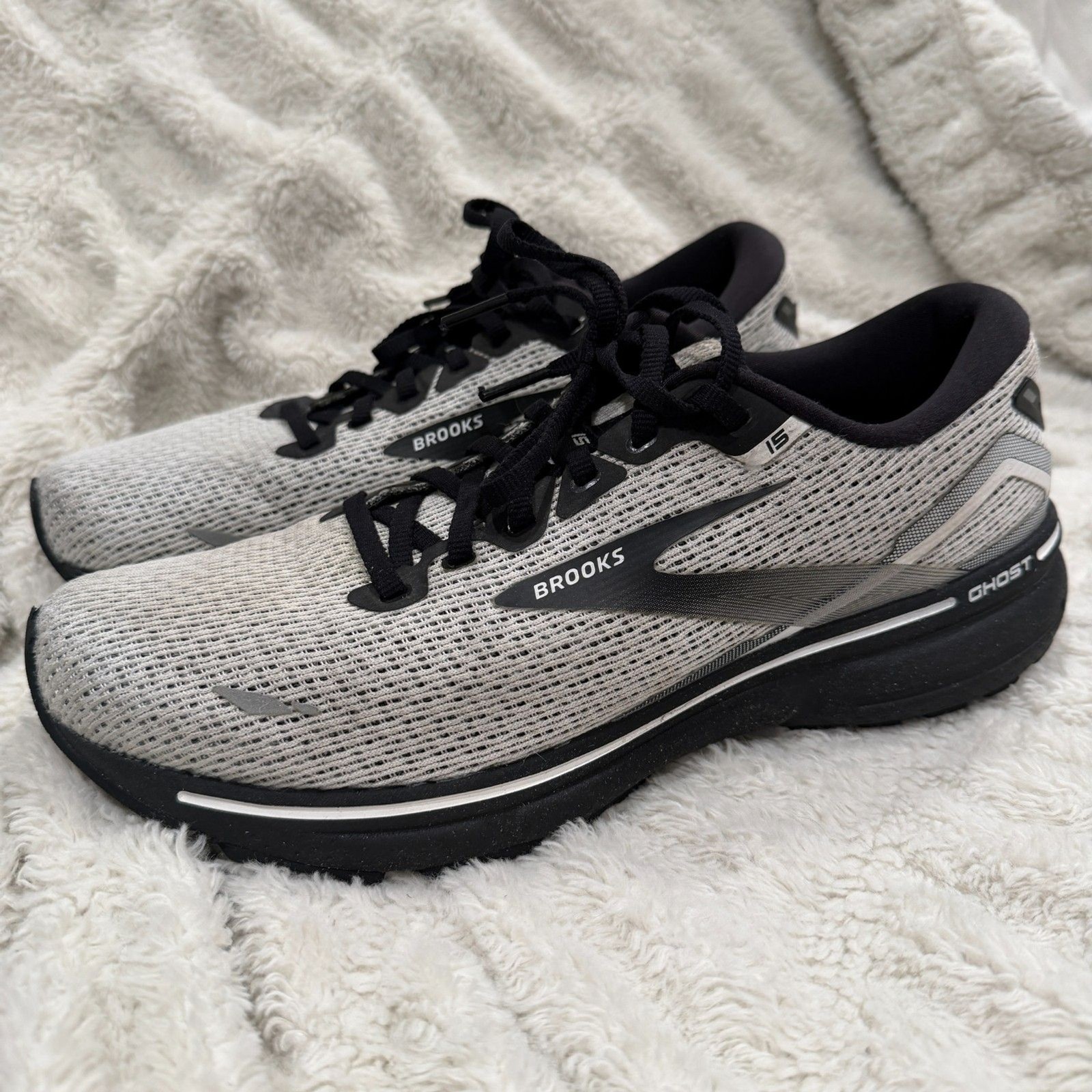
- Midsole foam grade separates tiers: EVA blends (Brooks Ghost 15) last 300-500 km, while supercritical PEBA or nitrogen-infused foams (Hoka Bondi 8) return more energy but compress faster.
- Stack height defines category: max-cushion models run 35-40 mm heel with 4-6 mm drop, neutral trainers sit 28-32 mm with 8-12 mm drop for natural roll-through.
- Outsole rubber coverage is the real durability metric—full-coverage blown rubber or carbon-rubber pods outlast exposed-foam designs that wear through in 150-250 km.
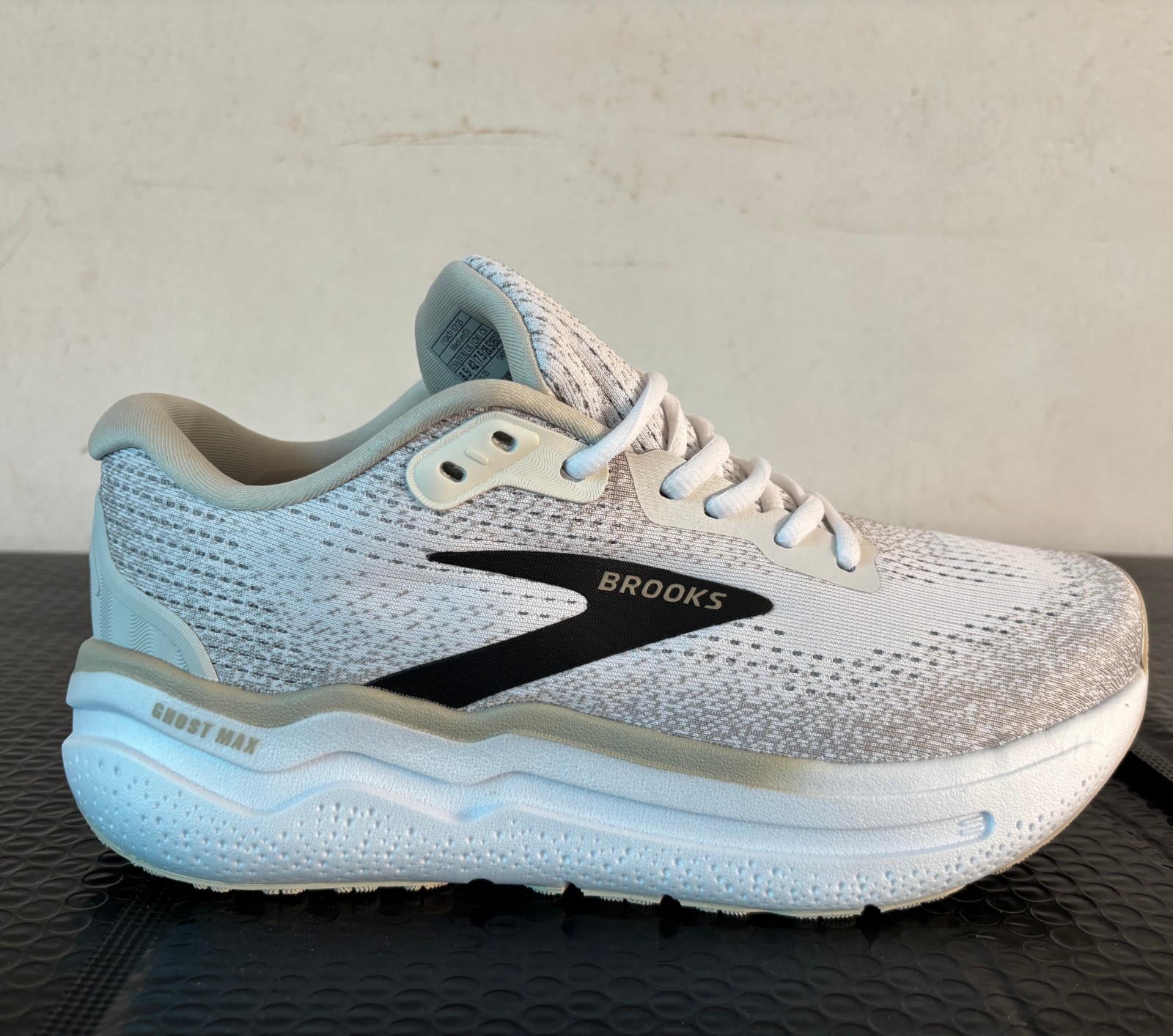
- Stability comes in two forms: guide-rail/medial-post designs (Brooks Ghost Max 2 uses broad platform geometry) versus neutral trainers that rely on wider lasts and firmer foam.
Best use cases
- Daily training at 30-60 km/week: pick a neutral trainer with 8-12 mm drop and full rubber outsole (Brooks Ghost 15 class); skip supercritical race foams that degrade before 400 km.
- Recovery and high-impact protection: choose max-cushion 35-40 mm stack with rocker geometry (Hoka Bondi 8 class) for joint relief; skip low-drop minimal shoes if you have plantar fascia sensitivity.
- Tempo and race day: select a lighter 25-30 mm stack with firmer forefoot and 6-8 mm drop; skip max-cushion platforms because they absorb push-off energy and slow turnover.
- Wide-foot or high-volume runners: prioritize wide toe-box lasts and reinforced heel counters; skip knit-upper models that stretch and cause forefoot splay instability.
Buying tips
- Measure your foot at end of day and add 8-10 mm of toe clearance: running shoes should fit 1/2 size up from your casual shoe, not snug.
- Match drop to gait: 8-12 mm suits heel strikers and beginners, 4-6 mm suits midfoot strikers, 0-4 mm only for forefoot strikers with established calf strength.
- Check outsole rubber thickness at heel and forefoot—2-3 mm carbon rubber in high-wear zones signals 500+ km lifespan; exposed foam means replace by 300 km.
- Rotate two pairs of different stack heights to spread foam compression and extend each shoe's effective life by roughly 30-40%.
Specs
| Midsole Foam | EVA blend vs supercritical PEBA |
|---|---|
| Stack & Drop | 28-32 mm / 8-12 mm neutral |
| Outsole Rubber | 2-3 mm carbon/blown rubber |
| Upper Type | Engineered mesh vs knit |
Related searches
What to check before buying
- Measure both feet standing—longest foot plus 8-10 mm determines size; width fits when you can wiggle toes without heel lift.
- Confirm your gait type (neutral vs overpronation) via a wet-footprint test or wear pattern: medial heel wear indicates stability need.
- Check surface: road sneakers use blown/carbon rubber for pavement; trail lugs under 3 mm are not substitutes for road outsoles.
- Verify replacement timeline: log weekly km and replace at 500-800 km or when midsole creases feel flat and outsole rubber reaches 1 mm.
FAQ
Data sources: eBay / Amazon listings and product attribute feeds Data updated Nov 17, 2026.
Some links on this page are affiliate links. If you buy after clicking one, we may earn a commission at no extra cost to you. This does not change which products appear here or their order. Affiliate disclosure.