Photos from current listings. Actual item, color, and included accessories may vary.
Hydration Backpack Buying Guide
A running hydration backpack is a body-hugging vest or pack that carries water, nutrition, and layers without bounce. The core trade-off is vest-style fit and low-slung weight distribution versus bladder capacity and back-panel ventilation. Choose a calibrated vest with a 1.5–2L bladder for racing, and a larger 5–8L pack only for self-supported ultra distances.
Carry Style:Running vest vs daypackBladder Capacity:1.5–3 L included or compatibleCargo Volume:5 L race to 12 L ultraFabric Grade:70–100D ripstop nylon
Typical price range$11.89 – $119.00

At a glance
- Category
- Running Hydration & Visibility
- Data updated
- Nov 16, 2026
Current offers
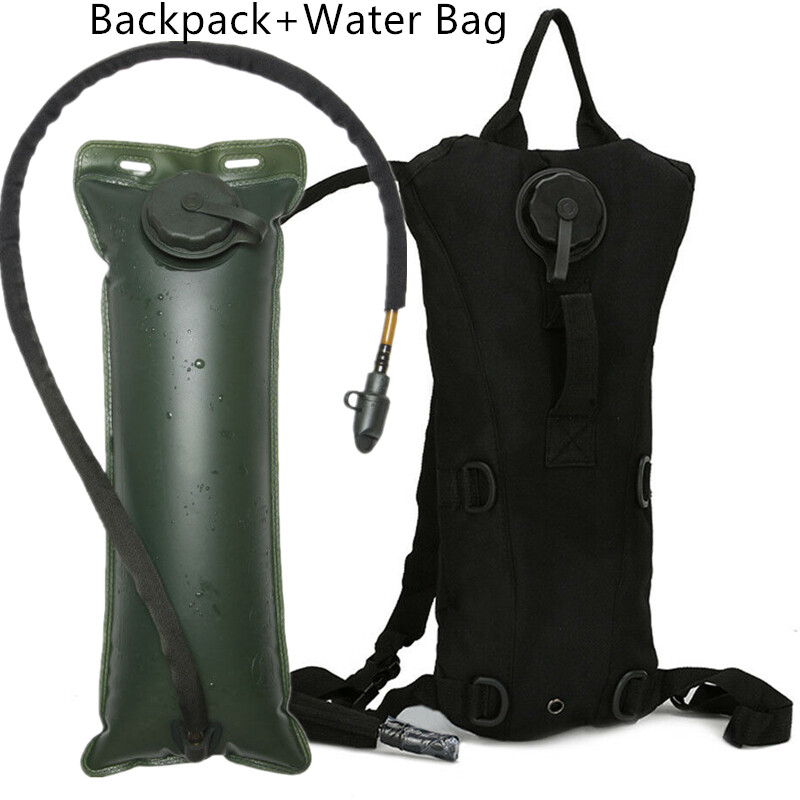 3L Water Bladder Bag Hydration Backpack Pack Hiking Camping Cycling Outdoor USA$11.89
 View on eBay
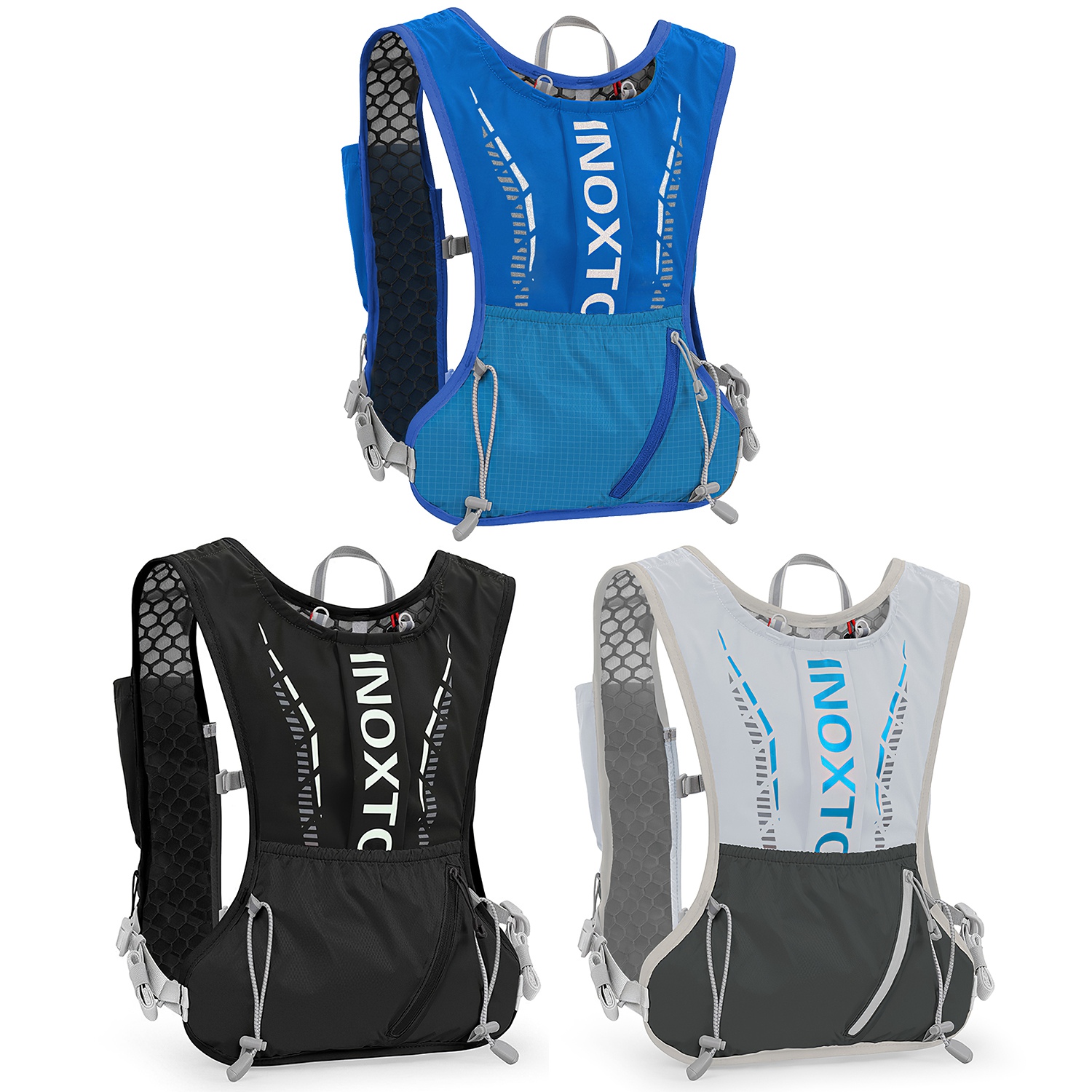 1Pc Sport Hydration Vest Running Backpack With 15oz 50oz Water Bladder Adjustable Strap Storage Bag For Trail Marathon Race Hiking$66.99
 View on Mallflare
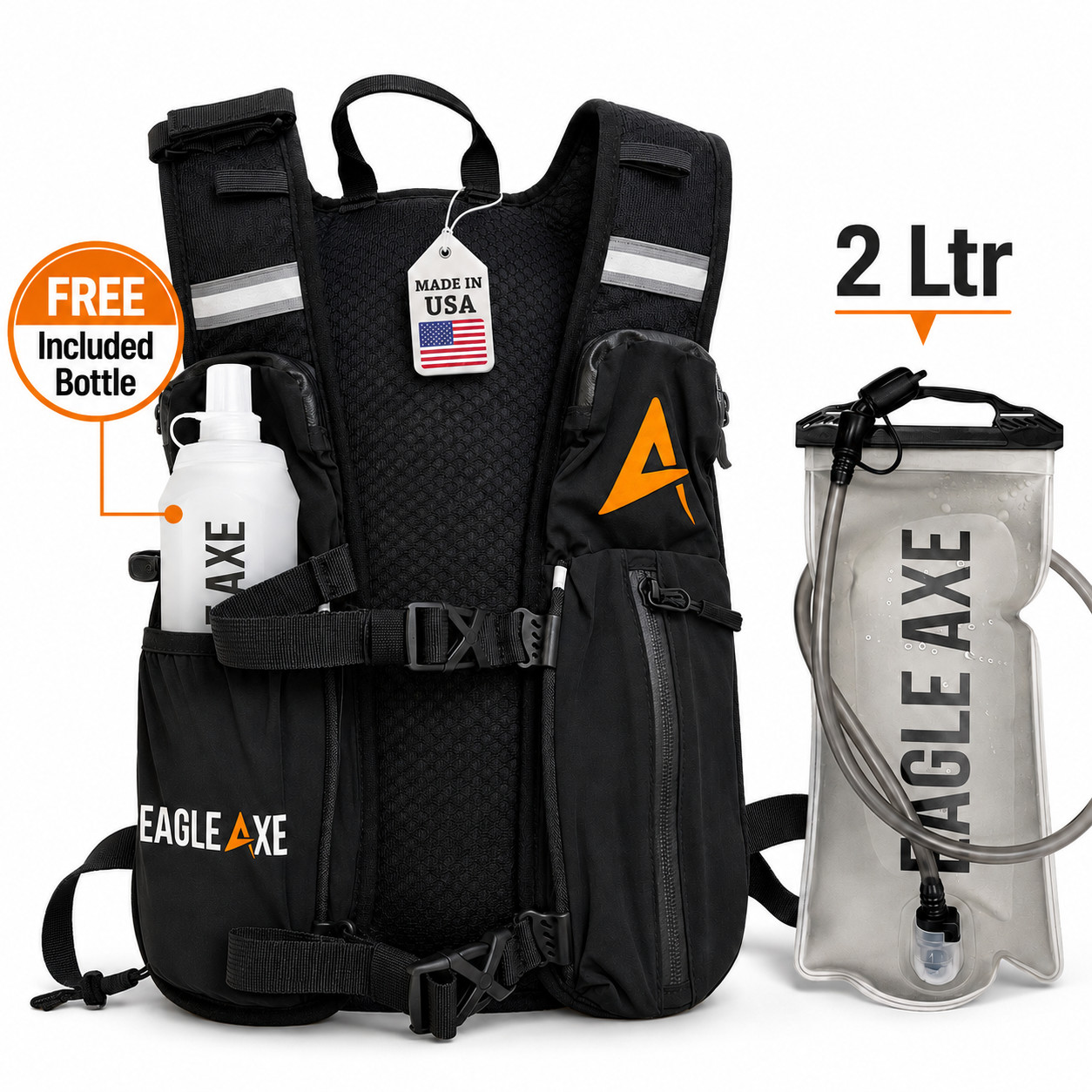 Running Vest Hydration Backpack with 2L Water Bladder Trail Running Cycling Race$13.99View on eBay
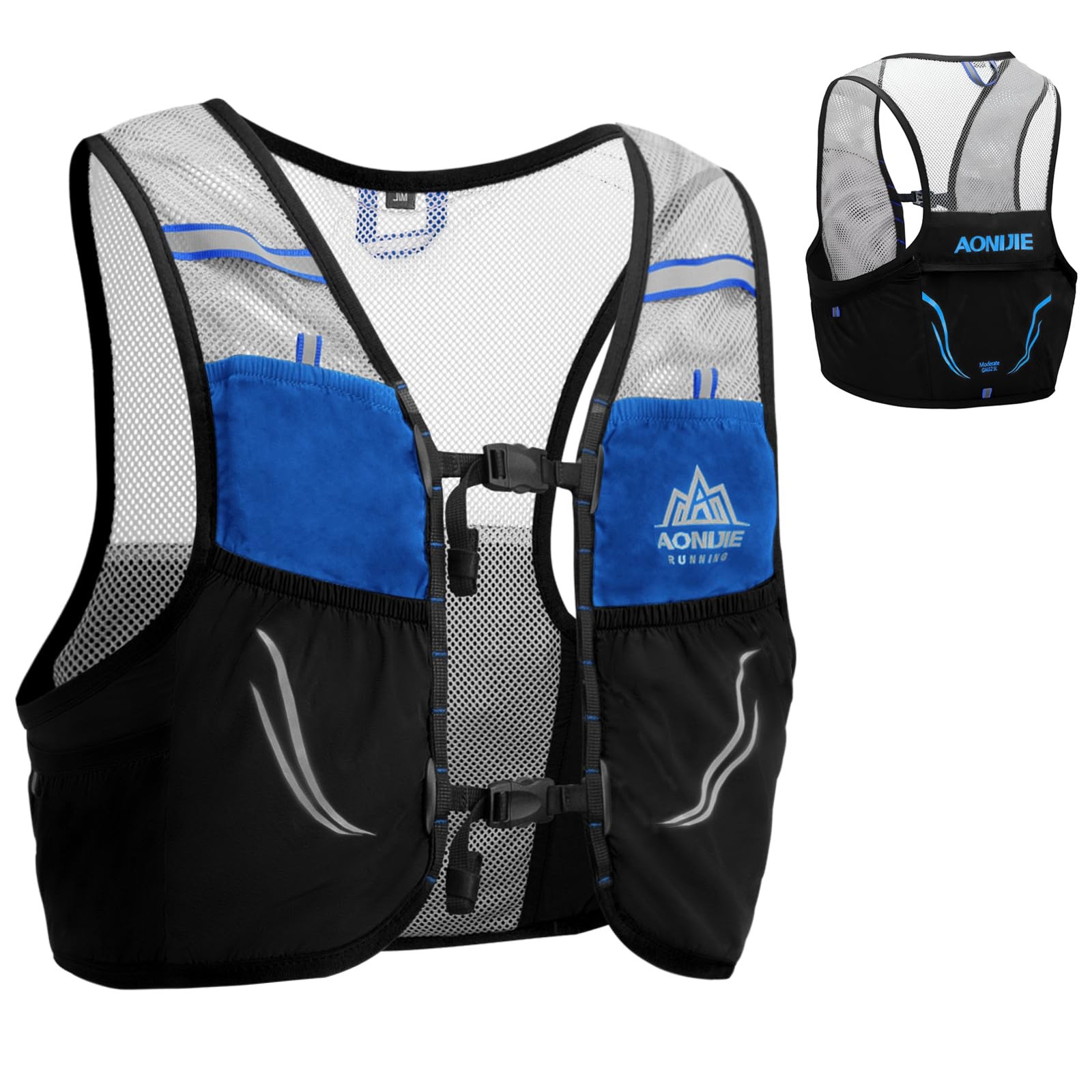 Hydration Backpack Running Vest Pack Backpack for Men - Marathon Trail Race C...$32.71View on eBay
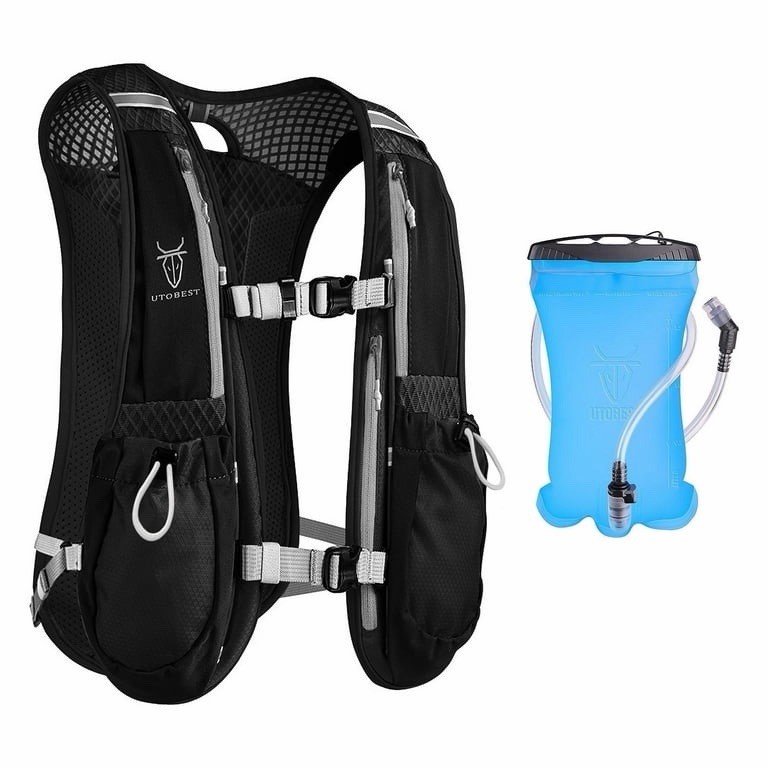 UTOBEST BLACK RUNNING HYDRATION VEST BACKPACK BAG 5L INCLUDES BLADDER$24.97View on eBay
- Hydration Pack Running Vest for Men & – Lightweight Trail Backpack for Marath...$36.25View on eBay
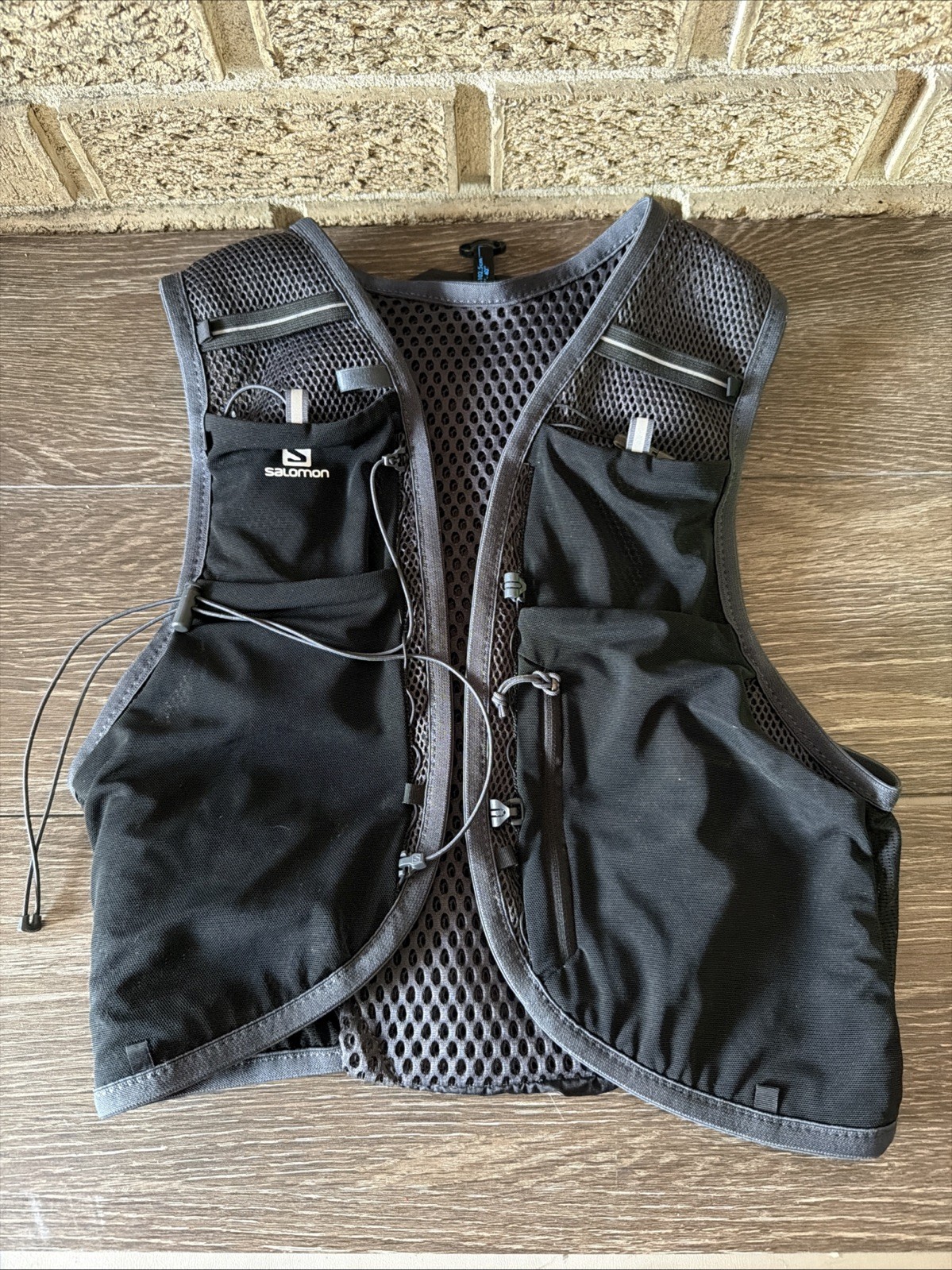 Salomon Active Skin 8 Hydration Vest Size M Excellent Condition Ships Same Day!$55.00View on eBay
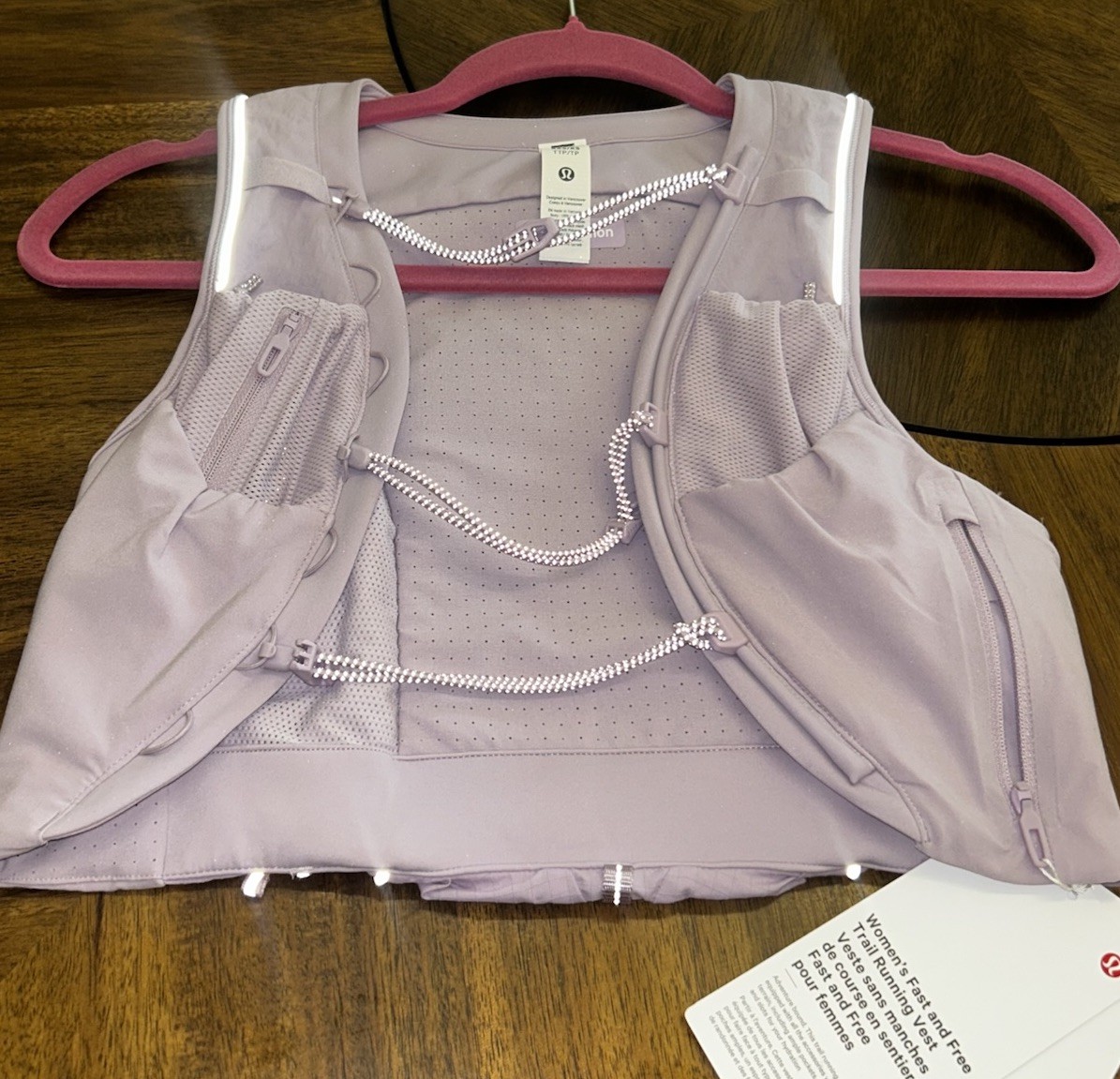 NWT Lululemon Fast and Free Trail Running Vest XXS/XS Lavender Hydration Vest$119.00View on eBay
Highlights
- Vest vs pack architecture: running vests use dual sternum straps and stretch mesh to lock the load; conventional backpacks rely on a waist belt and sway at pace.
- Bladder capacity tiers: 1.5–2L suits 2–4 hour efforts; 3L+ bladders add weight high on the back and suit fastpacking, not tempo runs.
- Cargo volume tiers: 5L vests cover marathon nutrition and a shell; 8L+ vests fit mandatory ultra kit like a 500ml soft flask, headlamp, and space blanket.
- Fabric and seam quality: 70–100D ripstop nylon with taped or bound seams resists abrasion; thin single-layer mesh and unbound edges fray within a season.
Best use cases
- Road marathon or half: pick a 5L vest with a 1.5–2L bladder and front soft-flask pockets; skip 8L+ packs that swing when empty.
- Trail ultra with mandatory kit: choose an 8–12L vest with pole loops and a rear cargo zip; skip minimal race vests that cannot hold a shell and headlamp.
- Daily 5–10K: a 2L waist-pack or handheld is enough; skip full vests that add heat and laundry load for short efforts.
- Hiking and fastpacking: a 3L bladder backpack with a waist belt and back ventilation works; skip running-specific vest sizing if you wear a heavy shell.
Buying tips
- Size by chest circumference, not shirt size: measure the fullest part of the chest and match the vest's stated chest range; a vest that gaps at the sternum will bounce.
- Match bladder volume to duration: 500ml per hour in heat, so a 2L bladder covers roughly 4 hours; carry a refill filter for longer unsupported runs.
- Check sternum strap adjustability: dual adjustable sternum straps with elastic tensioners lock the vest; single fixed straps cannot tune bounce.
- Prioritize front-access pockets: soft-flask pockets angled for one-handed drinking and a zipped phone pocket reduce stops; rear-only access wastes time.
Specs
| Carry Style | Running vest vs daypack |
|---|---|
| Bladder Capacity | 1.5–3 L included or compatible |
| Cargo Volume | 5 L race to 12 L ultra |
| Fabric Grade | 70–100D ripstop nylon |
Related searches
What to check before buying
- Measure chest circumference and torso length, then compare against the vest's stated size range before ordering.
- Confirm bladder compatibility: most vests fit a 1.5–2L bladder, but 3L bladders need a taller rear sleeve.
- Check climate and layer plan: hot climates favor minimal back panel mesh; cold runs need room for a shell over the vest.
- Verify included parts: bladders, soft flasks, and bite valves are often sold separately; confirm what ships in the box.
FAQ
Data sources: eBay / Amazon listings and product attribute feeds Data updated Nov 16, 2026.
Some links on this page are affiliate links. If you buy after clicking one, we may earn a commission at no extra cost to you. This does not change which products appear here or their order. Affiliate disclosure.