Photos from current listings. Actual item, color, and included accessories may vary.
Running Vest With Water Buying Guide
A running vest with water is a wearable hydration pack that carries a soft flask or bladder plus essentials close to the torso for bounce-free running. The core trade-off is between vest-style soft-flask systems for short-to-mid distance racing and larger bladder backpacks for self-supported ultra or trail days. Choose a vest when you need quick bottle access and minimal sway; choose a backpack when total fluid volume and gear capacity outweigh a little extra movement.

At a glance
- Category
- Running Hydration & Visibility
- Data updated
- Nov 16, 2026
Current offers
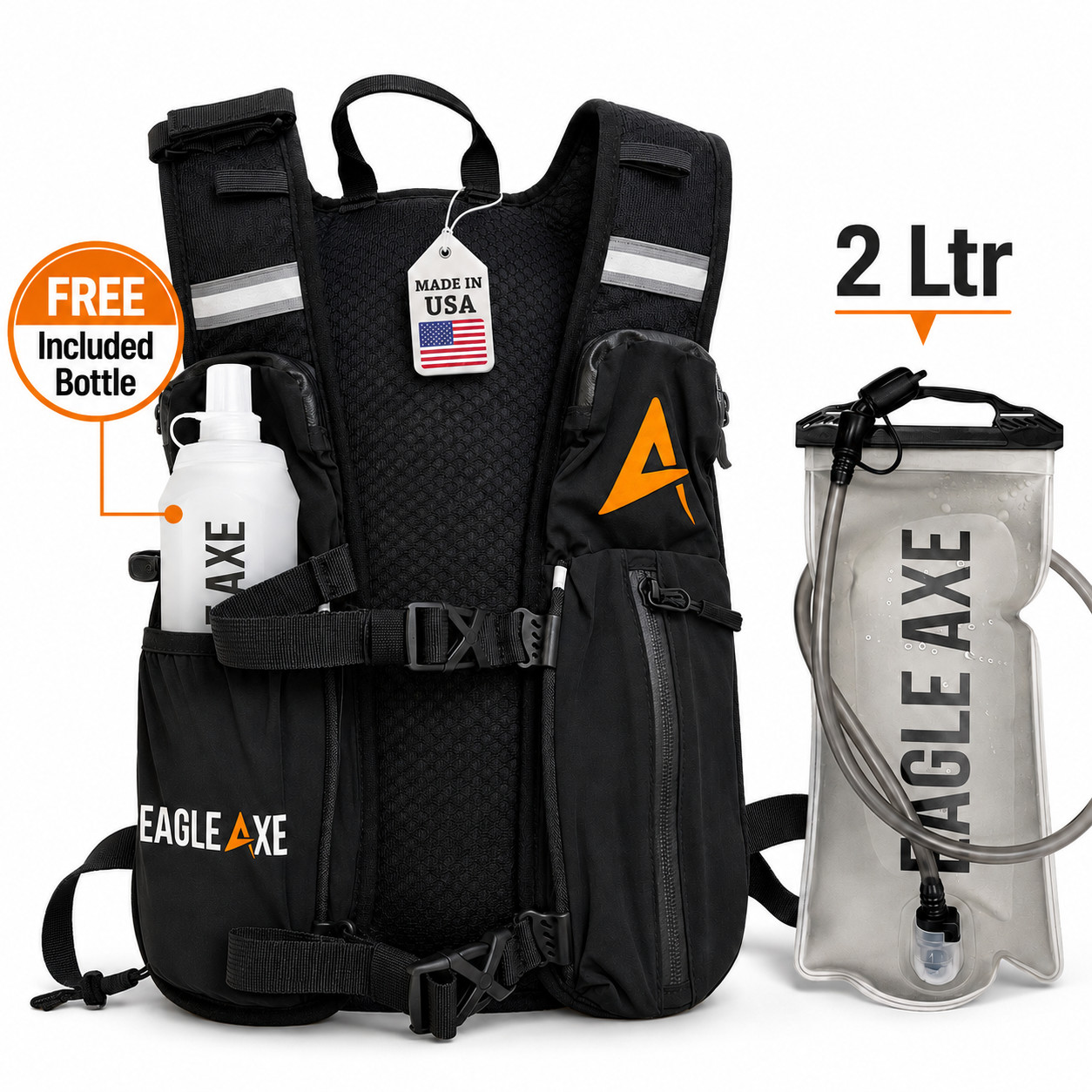 Running Vest Hydration Backpack with 2L Water Bladder Trail Running Cycling Race$13.99
 View on eBay
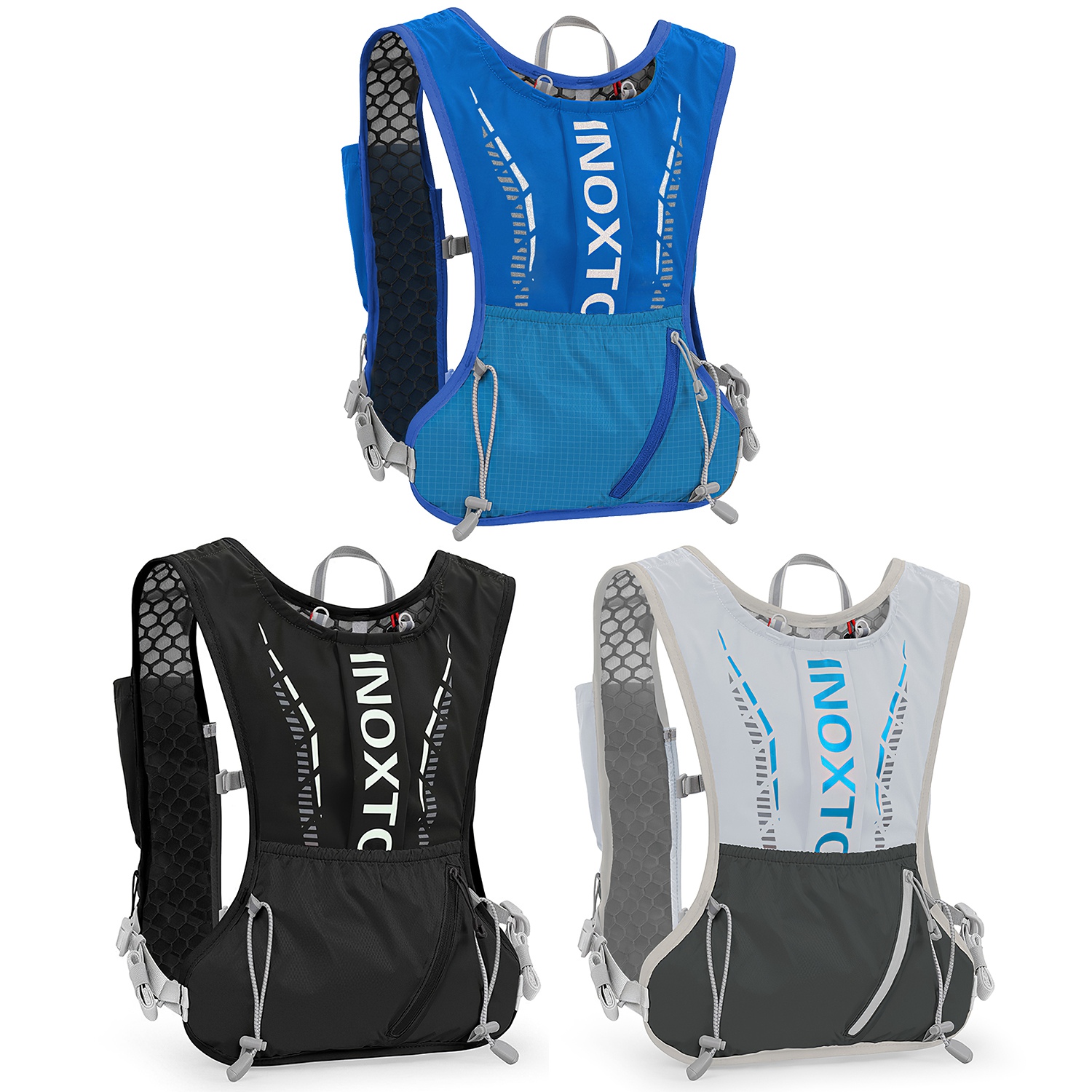 1Pc Sport Hydration Vest Running Backpack With 15oz 50oz Water Bladder Adjustable Strap Storage Bag For Trail Marathon Race Hiking$66.99
 View on Mallflare
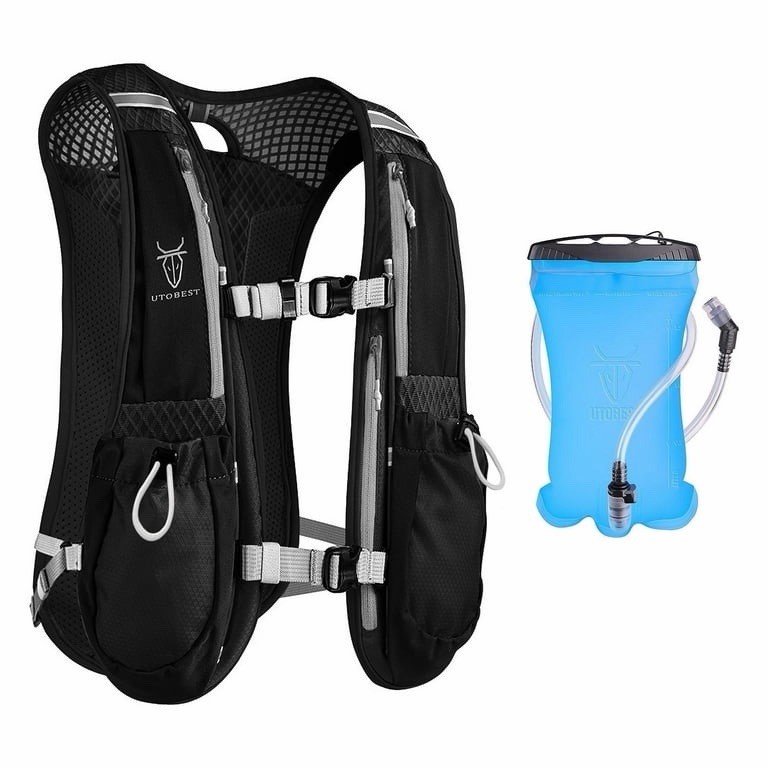 UTOBEST BLACK RUNNING HYDRATION VEST BACKPACK BAG 5L INCLUDES BLADDER$24.97View on eBay
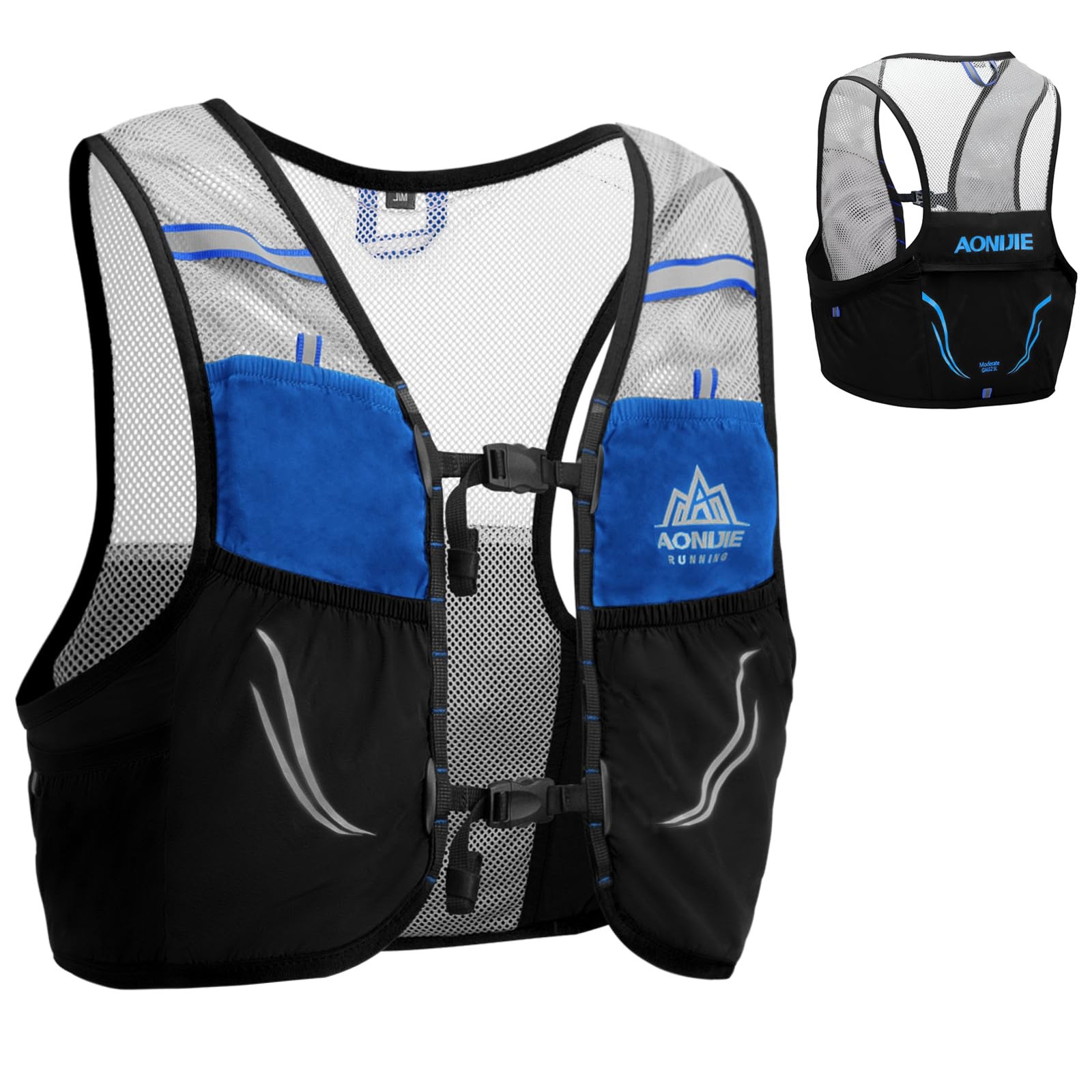 Hydration Backpack Running Vest Pack Backpack for Men - Marathon Trail Race C...$32.71View on eBay
- Hydration Pack Running Vest for Men & – Lightweight Trail Backpack for Marath...$36.25View on eBay
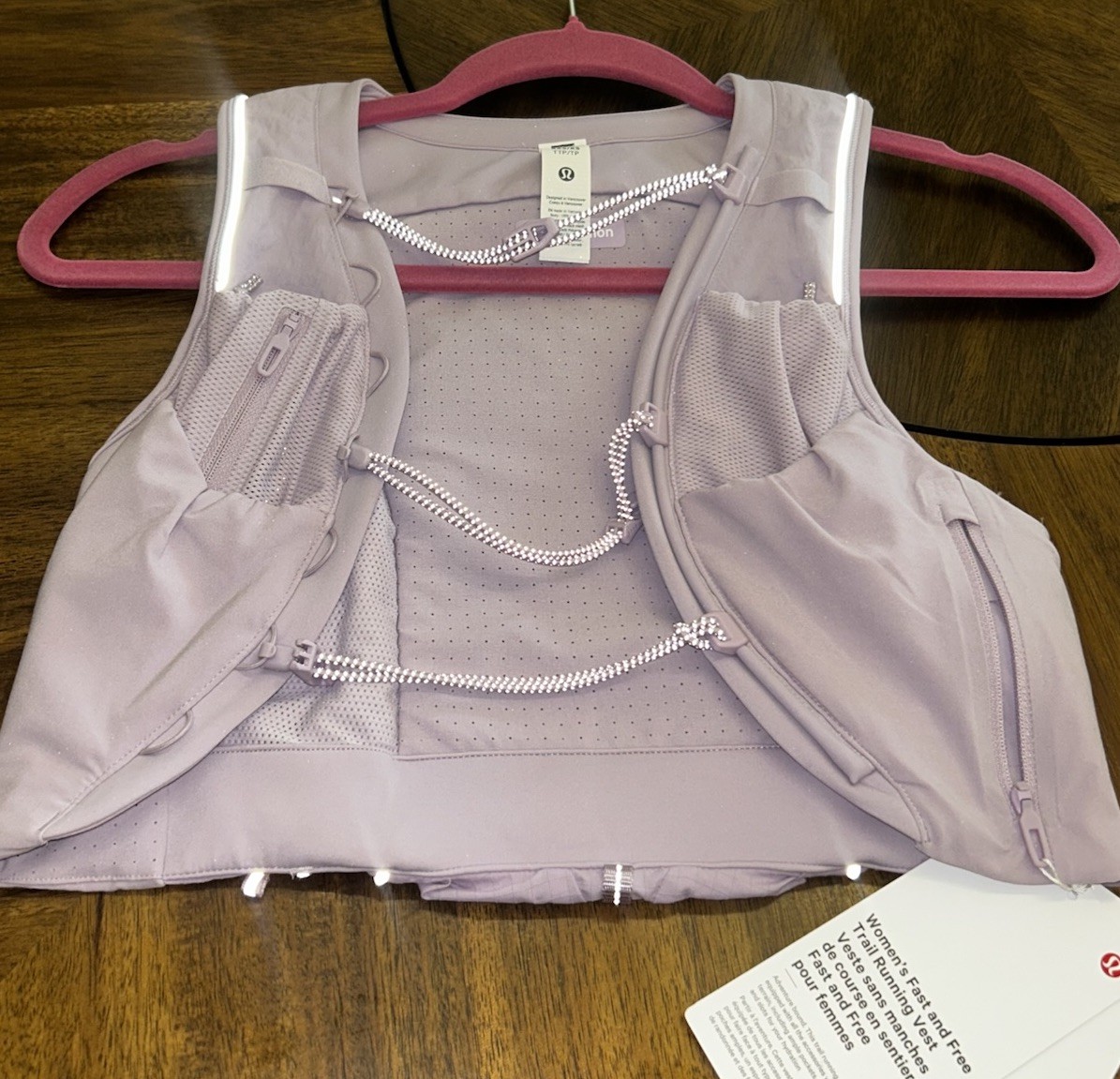 NWT Lululemon Fast and Free Trail Running Vest XXS/XS Lavender Hydration Vest$119.00View on eBay
Highlights
- Vest-style carriers use 500-600ml soft flasks in chest pockets for quick sips; bladder packs carry 1.5-2L in a rear sleeve with a hose.
- Bounce control comes from a snug, adjustable chest and sternum strap system; an unstable pack usually means sizing is too large or straps are too loose.
- Fabric grade matters: breathable stretch mesh and lightweight ripstop nylon shed heat and sweat better than padded, non-breathable pack cloth.
- Capacity tiers separate race vests (5L or less, flask-only) from training/ultra packs (8-15L, bladder-plus-gear) with different strap geometry.
Best use cases
- Pick a 5L vest with two 500ml soft flasks for road marathons and fast trail races where refill points are frequent and gear is minimal.
- Choose a 2L-bladder backpack with 8-15L capacity for self-supported ultra distances, long training runs, or mountain days requiring layers and calories.
- Skip a large multi-liter backpack for short 10K-to-half races; the extra volume and hose routing add weight and bounce you do not need.
- Skip a minimal flask-only vest for remote routes without water sources; running out of fluid is a safety issue, so size total capacity to distance between refills.
Buying tips
- Measure your chest at the fullest point and match the vest's stated chest range; a pack that is too large cannot be tightened enough to stop bounce.
- Match fluid capacity to the longest gap between water sources, not total run distance: plan roughly 400-600ml per hour in heat for most runners.
- Prefer soft flasks with wide-mouth openings for fast refills and cleaning; check that chest pockets fit the flask size you plan to use.
- For bladder packs, confirm the hose length and bite valve reach your mouth without tugging, and that the bladder sleeve is insulated if you run in heat.
Specs
| Carry Style | Vest (flask) vs Backpack (bladder) |
|---|---|
| Fluid Capacity | 1L flasks to 2L bladder |
| Pack Volume | 5L race to 15L ultra |
| Fit System | Adjustable chest + sternum straps |
Related searches
What to check before buying
- Measure chest circumference and torso length, then compare against the vest's size chart rather than assuming clothing size.
- Confirm the pack fits over your planned layers (base layer only vs. shell) without restricting breathing or shoulder movement.
- Check that chest flask pockets or bladder hose are reachable while running and do not rub against collarbone or neck.
- Verify the pack has enough storage for required race kit (phone, keys, nutrition, mandatory gear) without overstuffing.
FAQ
Data sources: eBay / Amazon listings and product attribute feeds Data updated Nov 16, 2026.
Some links on this page are affiliate links. If you buy after clicking one, we may earn a commission at no extra cost to you. This does not change which products appear here or their order. Affiliate disclosure.