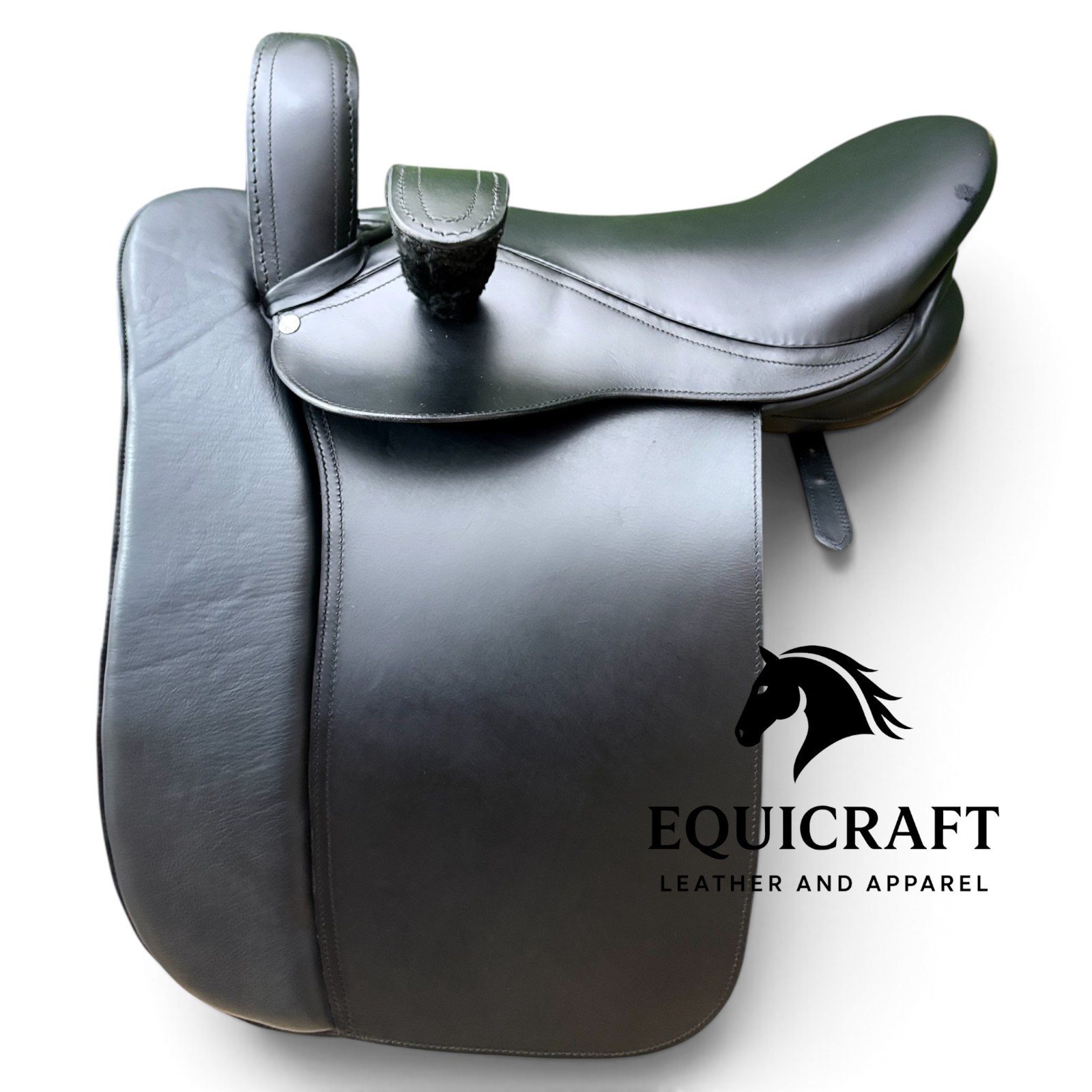

Photos from current listings. Actual item, color, and included accessories may vary.
Horse Riding Saddle Buying Guide
A horse riding saddle is a load-bearing leather or synthetic structure that distributes rider weight across the horse's back and must match both rider seat size and horse wither/back conformation. The core trade-off is between cheap universal-fit imports (thin panels, soft nail-prone trees) and correctly sized saddles with defined tree width, gullet clearance, and panel flocking. The decision rule: buy by measured seat size, tree width, and discipline-specific flap/panel geometry—never by color or generic 'horse size' labels.


At a glance
- Category
- Equestrian Saddles & Pads
- Data updated
- Nov 20, 2026
Current offers
Highlights
- English saddles are sized by rider seat inches (typically 15–18 in); Western saddles by seat inches (13–17 in) and less standardized—measure actual seat pocket, not overall length.
- Tree width is the decisive fit metric: narrow/medium/wide/extra-wide must match wither angle; gullet clearance of roughly 2–3 fingers above the wither is the standard check.
- Panel construction separates durable saddles from compromises: wool-flocked panels can be re-fitted, while sealed foam panels cannot and flatten permanently.
- Leather grade matters: full-grain, vegetable-tanned hide outlasts corrected-grain or bonded leather, which cracks at stress points within seasons of regular riding.
Best use cases
- Choose an English all-purpose or close-contact saddle in 16.5–17.5 in for flatwork and low jumps; skip Western or dressage-specific models unless your discipline requires them.
- Choose a Western saddle with a wide, flat weight-distributing bar for long trail hours; skip lightweight English panels if you routinely ride 3+ hour trail sessions.
- Choose a side saddle only for traditional sidesaddle riding and confirm a fitter for the off-side balance strap; skip it as a first saddle or general-purpose purchase.
- Choose synthetic (leather-look) saddles for wet climates and budget starter setups; skip them if you ride daily and expect 10+ years of service from full-grain leather.
Buying tips
- Match seat size to rider: measure from the saddle's front nail to the cantle; if between sizes, go up only when thigh length demands it—too-large seats lock the rider back.
- Check gullet clearance with the saddle girthed on the horse: 2–3 fingers of clearance above the wither; contact without pressure along the panels is the goal.
- For English saddles, confirm flap length and forward-cut angle match your leg length and discipline; a jump saddle's forward flap differs from a dressage straight flap.
- Inspect billets/straps and stirrup bars: quality saddles use stainless hardware and stitched, not stapled, billet points—reject riveted-only budget construction.
Specs
| Saddle Discipline | English / Western / Side Saddle |
|---|---|
| Seat Size Range | English 15–18 in; Western 13–17 in |
| Tree Width | Narrow / Medium / Wide / X-Wide |
| Panel Type | Wool-flocked vs sealed foam |
Related searches
What to check before buying
- Measure your horse: wither profile (narrow/medium/wide), back length from scapula to last rib, and shoulder angle—take these numbers to any saddle trial.
- Measure yourself: seat size from hip to knee, thigh length for flap choice, and rider weight against the saddle's rated panel load.
- Confirm discipline and tack compatibility: stirrup leather width, girth length/type (long vs short), and pad thickness that will alter fit.
- Check environment: humid/wet climates favor synthetic or sealed leather; dry climates need regular conditioning of full-grain leather to prevent cracking.
FAQ
Data sources: eBay / Amazon listings and product attribute feeds Data updated Nov 20, 2026.
Some links on this page are affiliate links. If you buy after clicking one, we may earn a commission at no extra cost to you. This does not change which products appear here or their order. Affiliate disclosure.