Photos from current listings. Actual item, color, and included accessories may vary.
Saddle Pad Buying Guide
Saddle pads are the critical interface between horse and saddle, where the primary trade-off is breathable, compression-resistant cushioning versus cheap filler that mats and traps heat. The decision rule: buy pads with a defined spine channel, wither clearance, and a durable top fabric (wool, felt, or technical mesh) over generic fleece or foam; skip any pad without a channel or with a flat, unshaped profile.


At a glance
- Category
- Equestrian Saddles & Pads
- Data updated
- Nov 16, 2026
Current offers
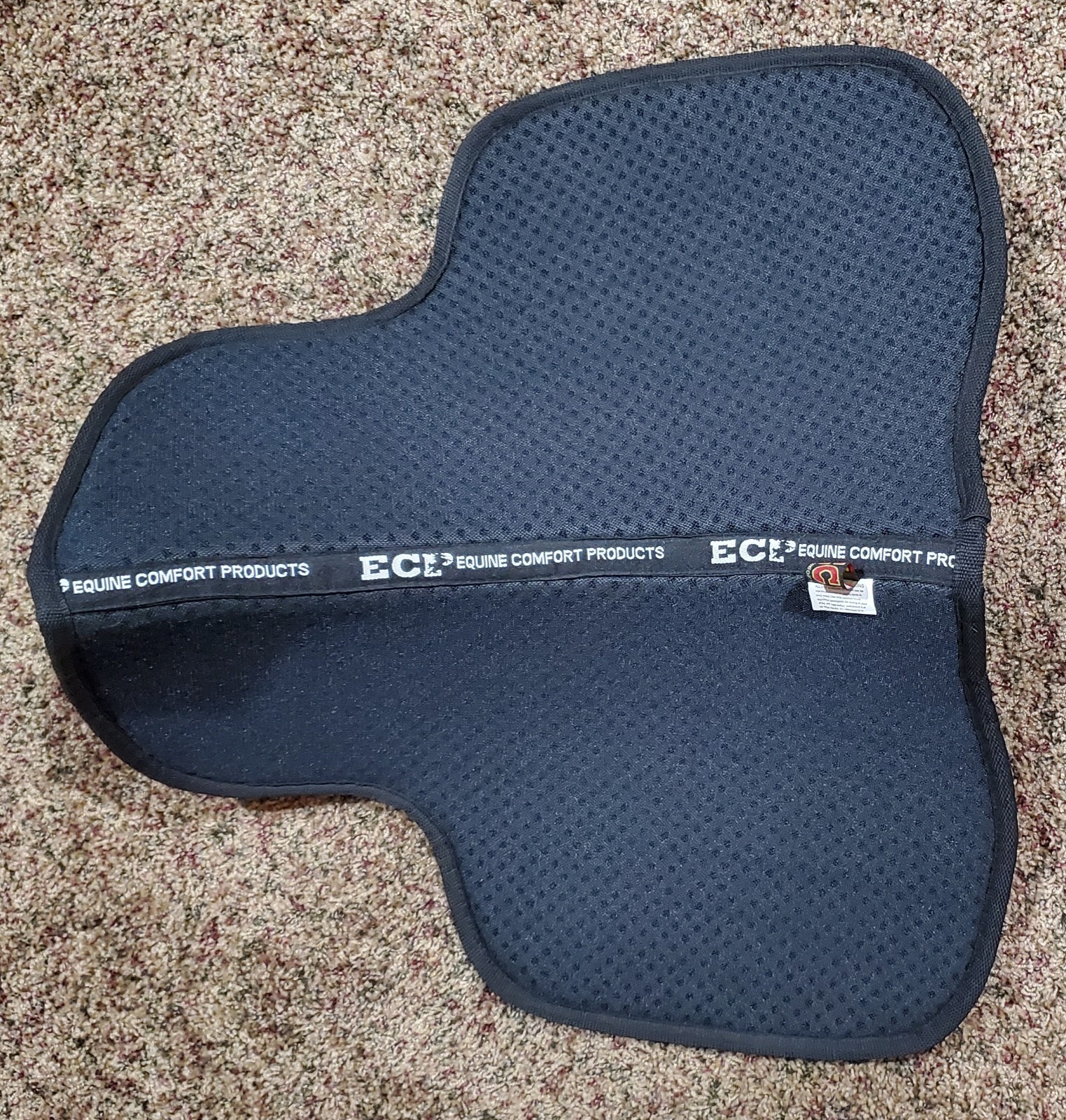 Equine Comfort Products Air Ride Saddle Pad$35.00
 View on eBay
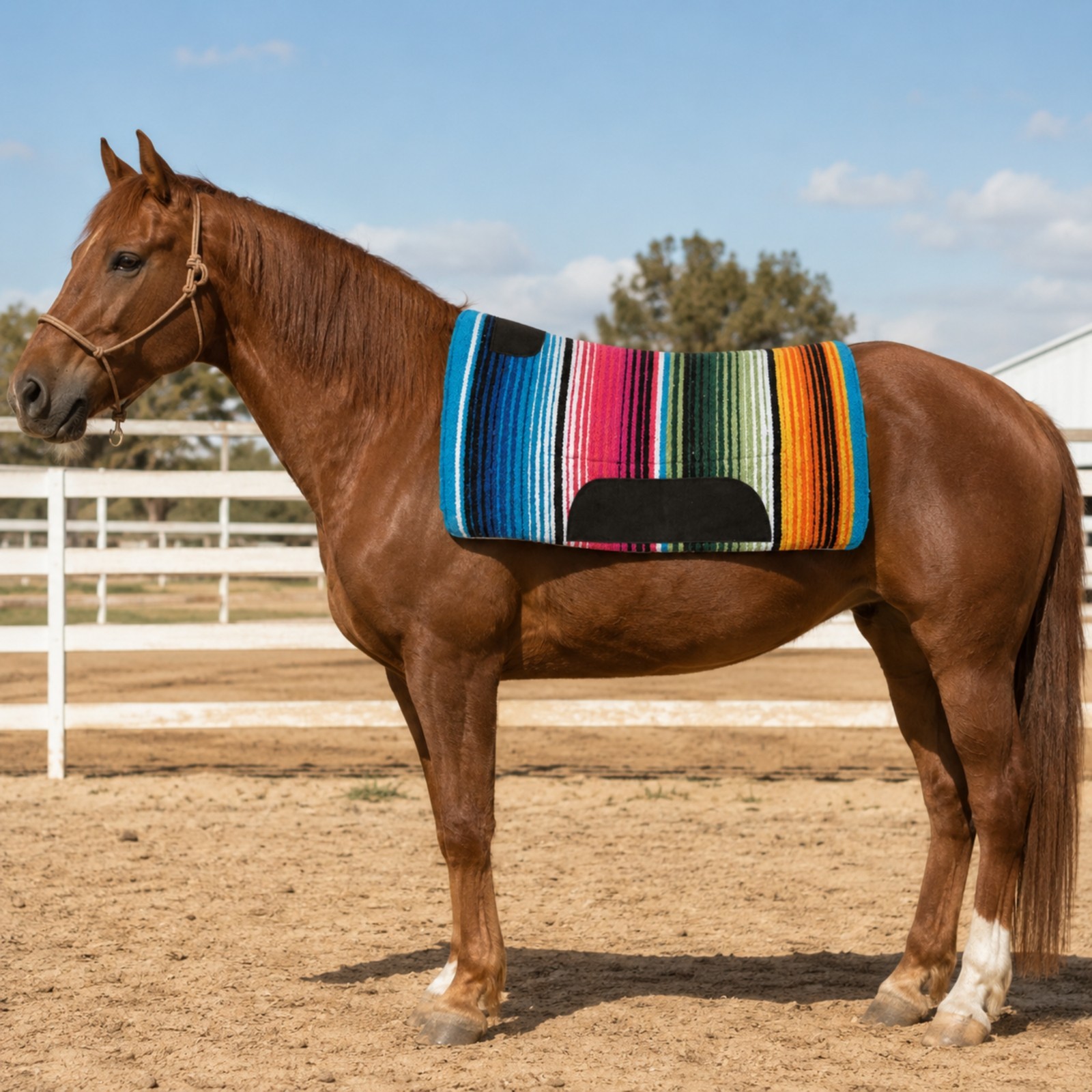 Western Saddle Pad 30x30 Multi Color Horse Tack Pad 1 Inch Fleece Bottom$49.98View on eBay
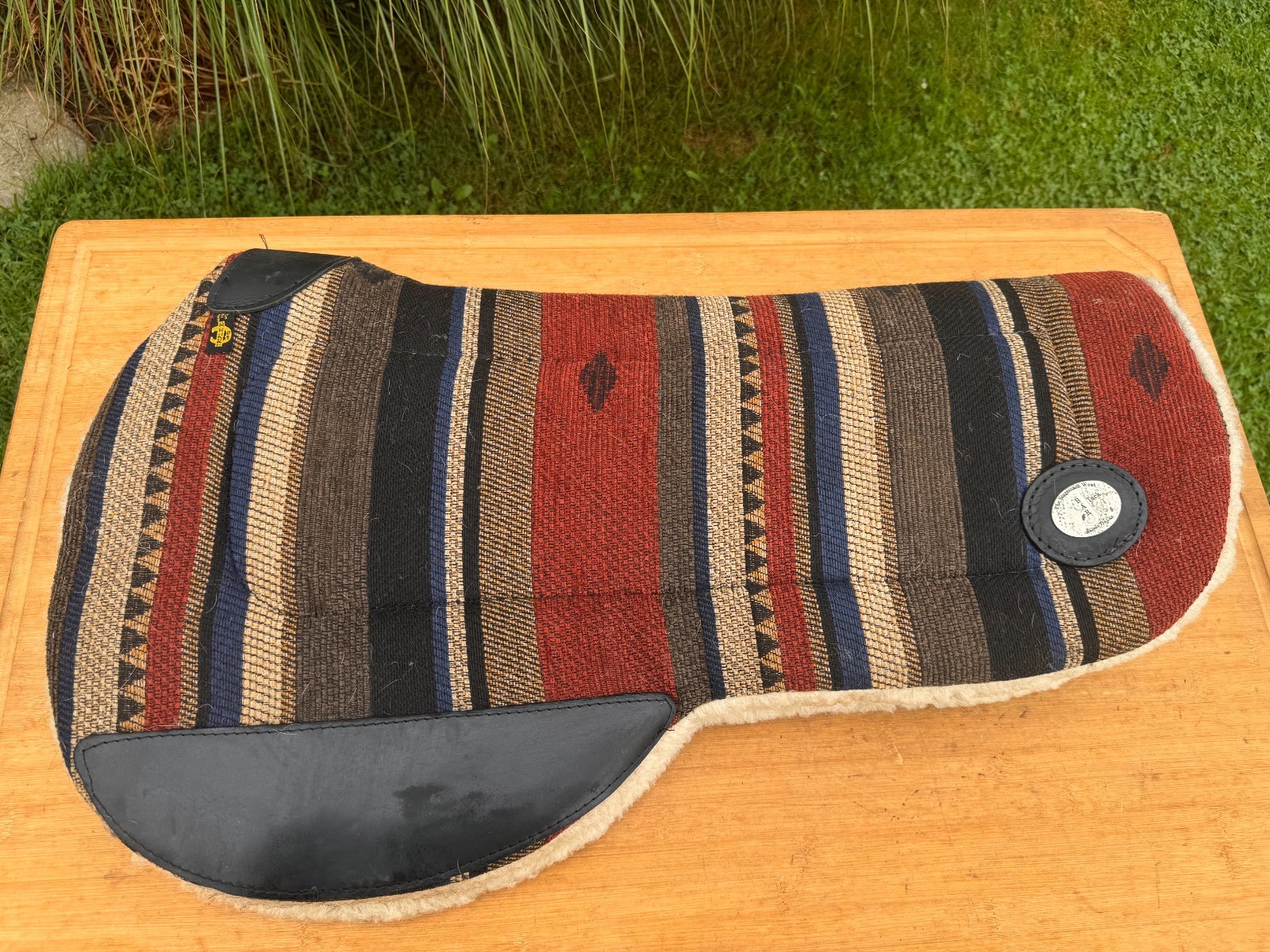 BAR J Saddlery 100% Wool Fleece Western Horse Trail Saddle Pad ~29" x 32" x 1"$55.00View on eBay
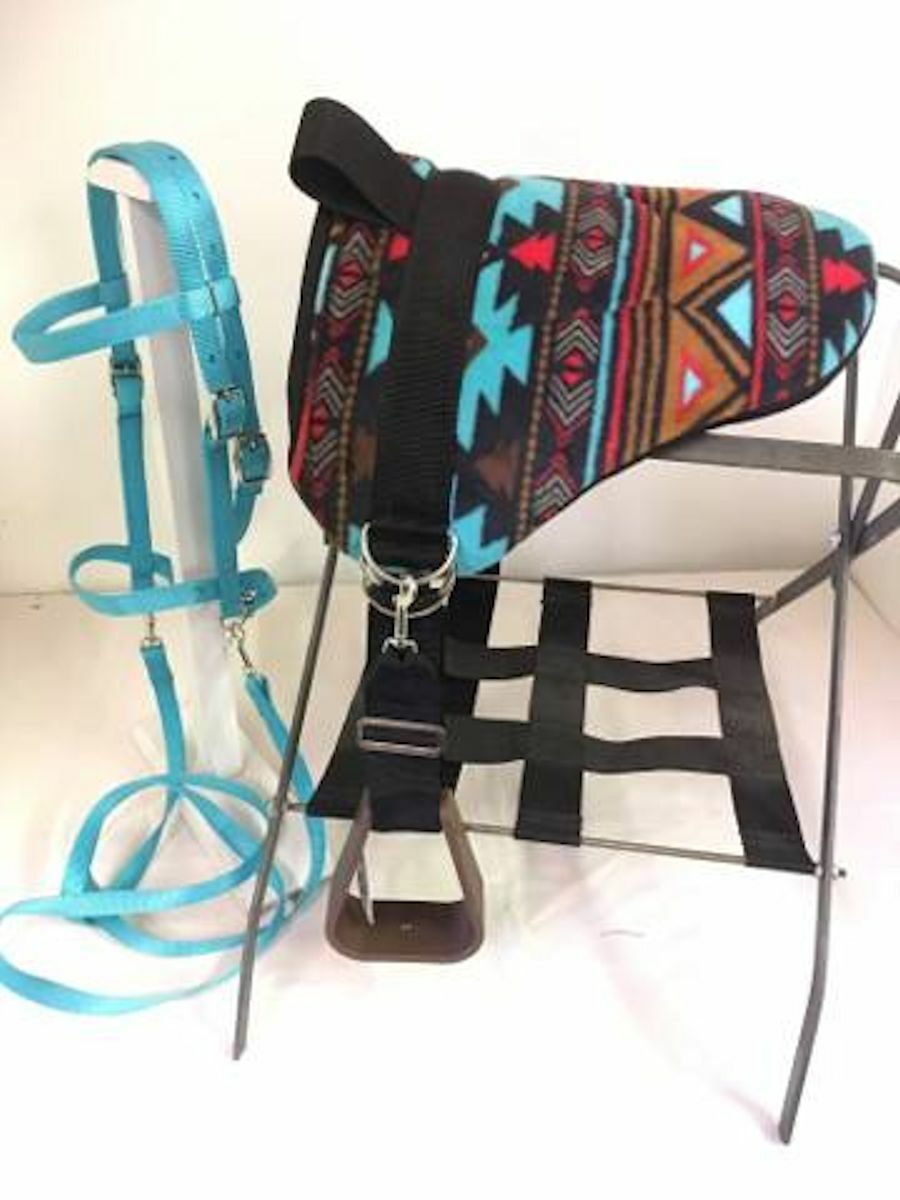 MINI HORSE / SM PONY BAREBACK SADDLE PAD SET SW TURQ BITLESS BRIDLE, CINCH$74.99View on eBay
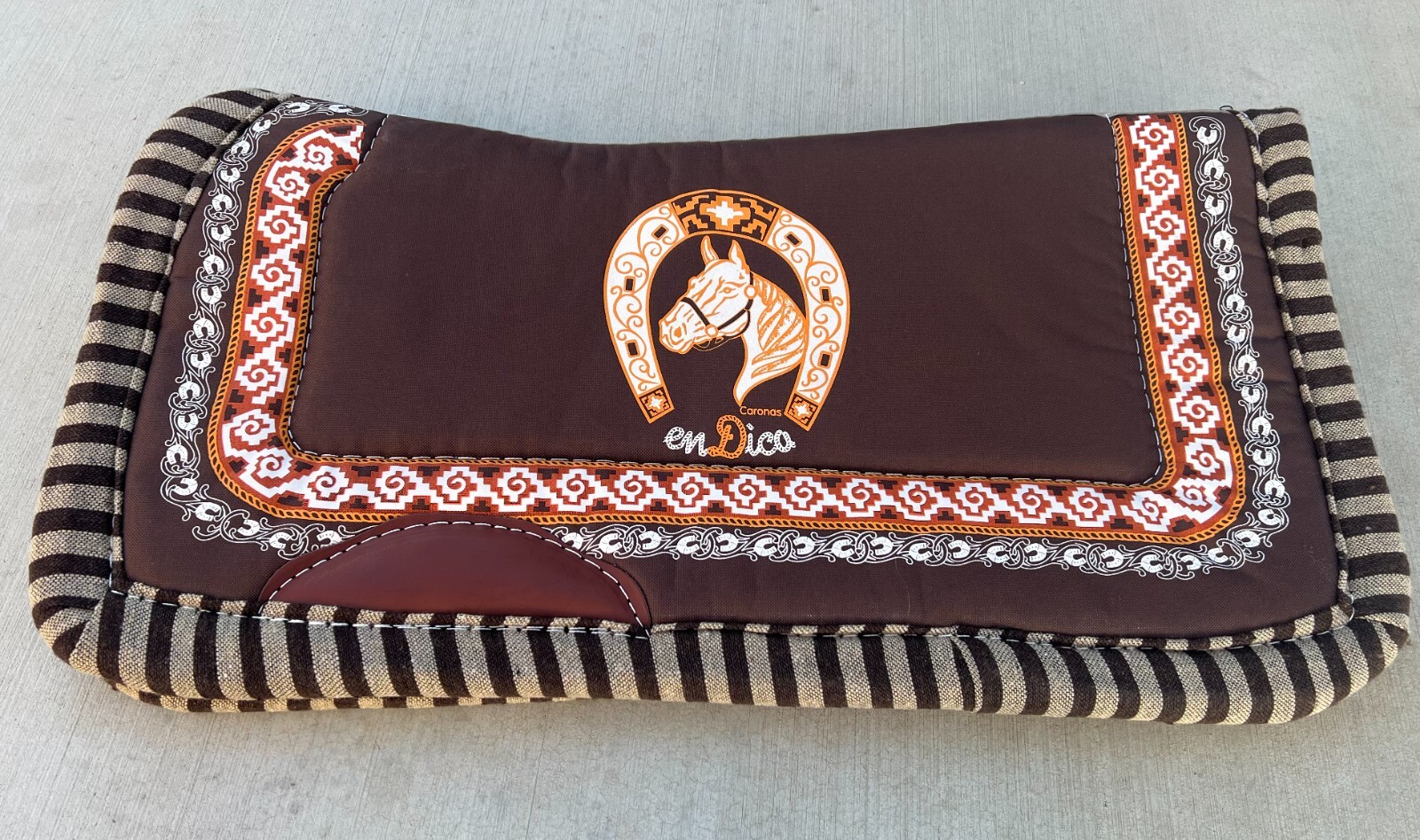 Horse Saddle Pad, Carona Charra Para Caballo$79.99View on eBay
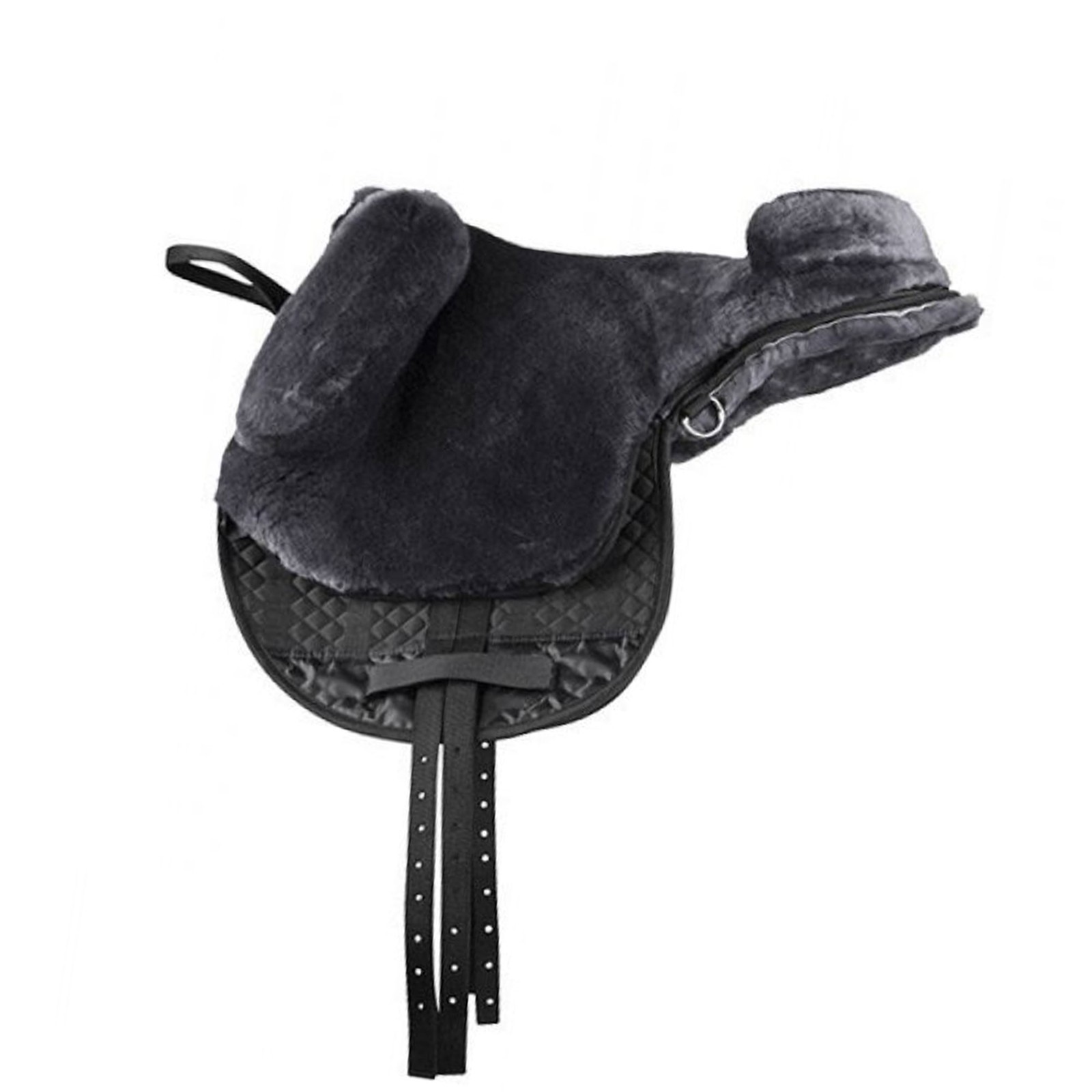 English Black Fleece Lined Bareback Saddle Lightweight Saddle Pad NEW$83.90View on eBay
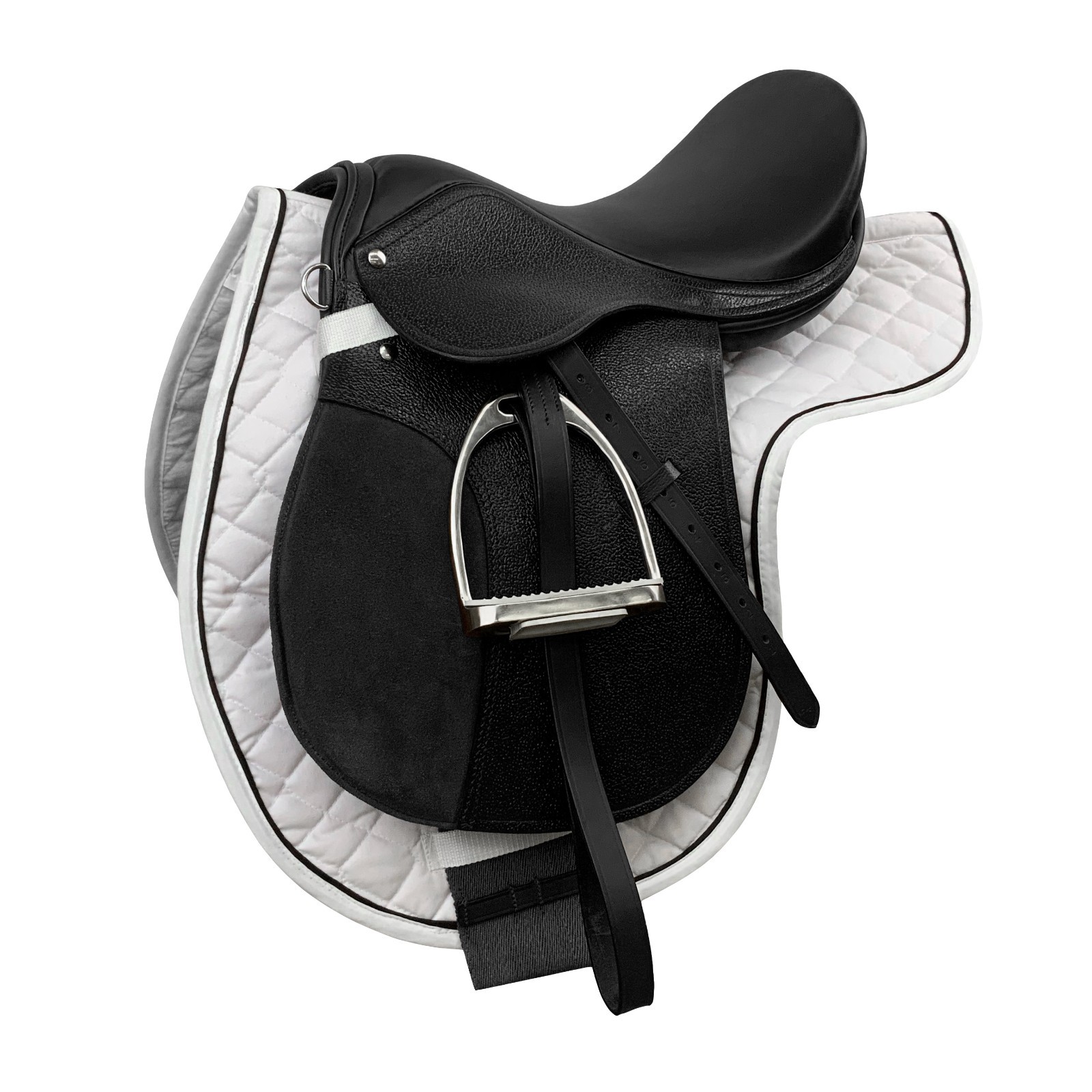 ENGLISH SADDLE SET All Purpose Headstall Reins Leathers Irons Pad & Saddle$230.95View on eBay
Highlights
- Wool felt and 100% wool fleece bottoms resist compression and wick sweat, while synthetic fleece and open-cell foam flatten under load and trap heat.
- A contoured spine channel and cutback wither profile prevent pressure on the spinal processes; flat rectangular pads bridge the back and concentrate load.
- Western pads run 28–32 in along the spine and 30–34 in drop, with 1 in felt or wool standard for trail and 3/4–1 in for arena work.
- English and Australian stock saddle pads are shaped to the panel and must clear 2–3 fingers above the withers; bareback pads use a non-slip underside.
Best use cases
- Australian stock saddle: pick a contoured stock-saddle pad with a cutback wither and 1 in felt core; skip square Western pads that bunch under the leg.
- High-wither horses (Thoroughbred, Arabian): choose a cutback or high-wither pad with 2–3 fingers of clearance; skip flat pads that press on the wither.
- Barrel racing: use a lightweight, close-contact pad with a non-slip top and defined channel; skip thick 1 in+ felt pads that add bulk and shift at speed.
- Budget trail riding: a 1 in wool-blend felt Western pad with a channel is the minimum durable spec; skip sub-1 in synthetic fleece pads that mat within a season.
Buying tips
- Match pad length to saddle: Western pads should extend 1–2 in beyond the skirt; English pads should not protrude more than 1 in past the panel.
- For high withers, measure clearance: the pad must sit 2–3 fingers above the wither with the saddle on; otherwise choose a cutback or shaped pad.
- Wool felt of 1 in or 3/4 in high-density felt outlasts synthetic fleece; check for a defined spinal channel, not just a sewn seam.
- Bareback and English pads need a non-slip underside or grippy top; smooth cotton-backed pads slide under active riders.
Specs
| Pad Type | Western / English / Stock / Bareback |
|---|---|
| Core Material | Wool felt, wool fleece, synthetic fleece |
| Thickness | 3/4–1 in felt standard; 1 in+ for trail |
| Wither Profile | Cutback / contoured channel vs flat |
Related searches
What to check before buying
- Measure saddle skirt length and panel drop, then choose a pad 1–2 in longer (Western) or matched to the panel (English).
- Check wither clearance with the saddle on: 2–3 fingers above the wither before girthing.
- Confirm the pad has a contoured spine channel and cutback wither, not a flat rectangle.
- Verify the underside material: wool felt/fleece for wicking, non-slip grip for bareback or barrel use.
FAQ
Data sources: eBay / Amazon listings and product attribute feeds Data updated Nov 16, 2026.
Some links on this page are affiliate links. If you buy after clicking one, we may earn a commission at no extra cost to you. This does not change which products appear here or their order. Affiliate disclosure.