Trail Gear Advisor

Trail Gear Advisor

Outdoor Gear Reviews & Buying Guides

Compare outdoor gear by use case, features, trade-offs, price, returns, and seller terms before you buy.

Buying guides

Bridles, Bits & Reins

Horse Bridle

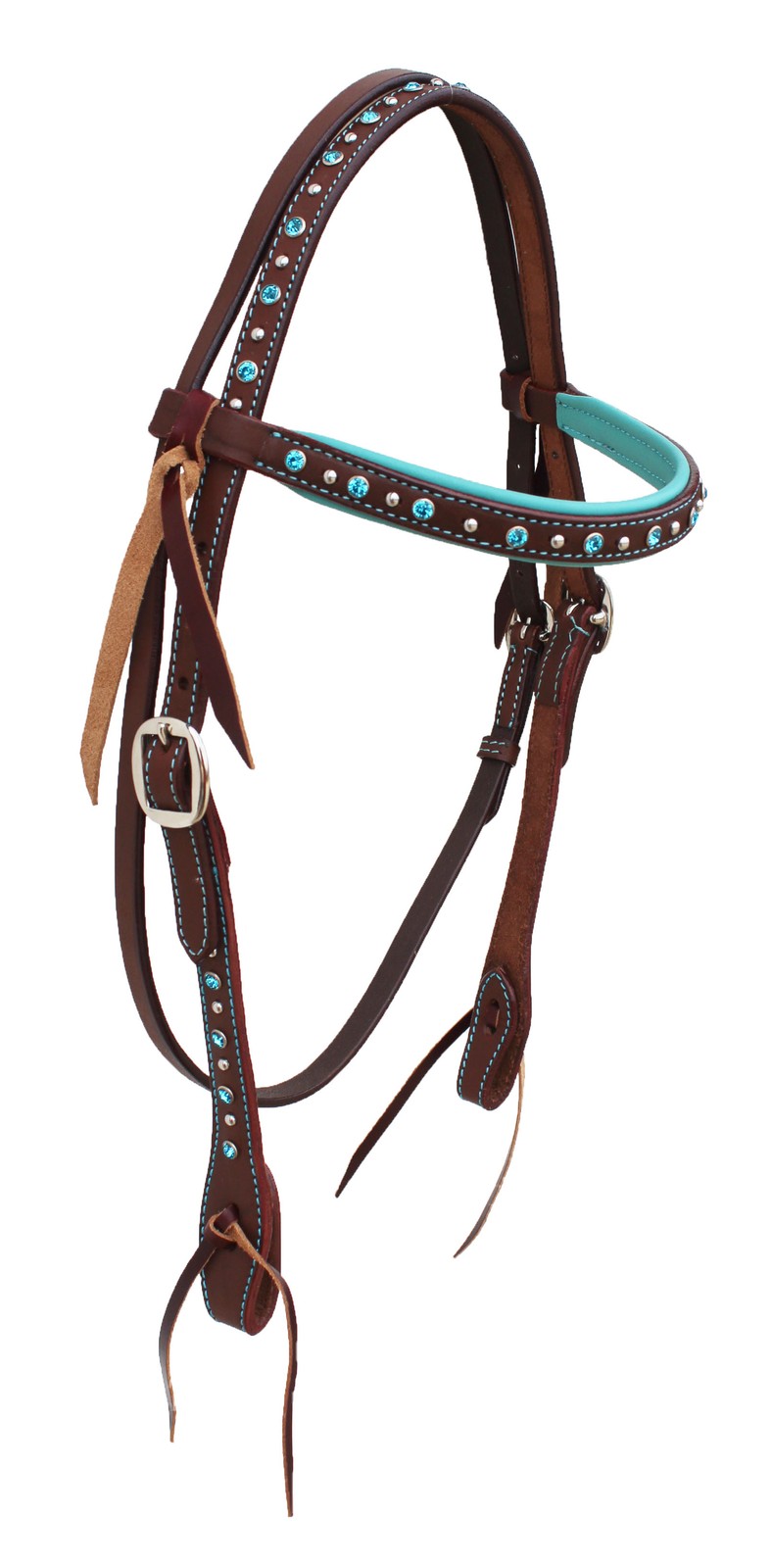
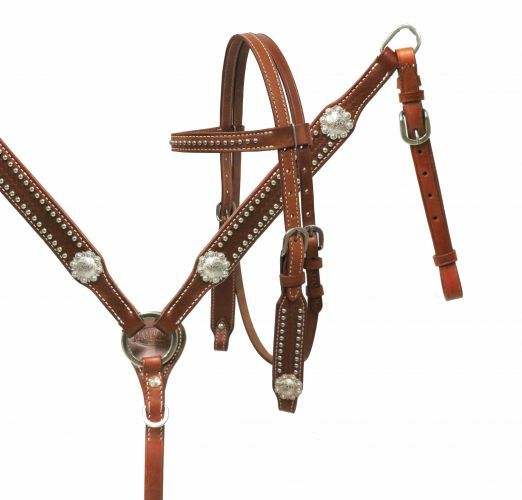
A horse bridle is the headgear that connects the bit and reins to the horse's head, and the core trade-off is leather quality and hardware strength versus low-cost nylon or rawhide construction. Durable bridles use vegetable-tanned leather with solid brass or stainless buckles and stitched joints, while compromises rely on thin split leather, glued seams, or lightweight nylon that stretches under pressure.
Home Pizza Ovens

Gas Pizza Oven

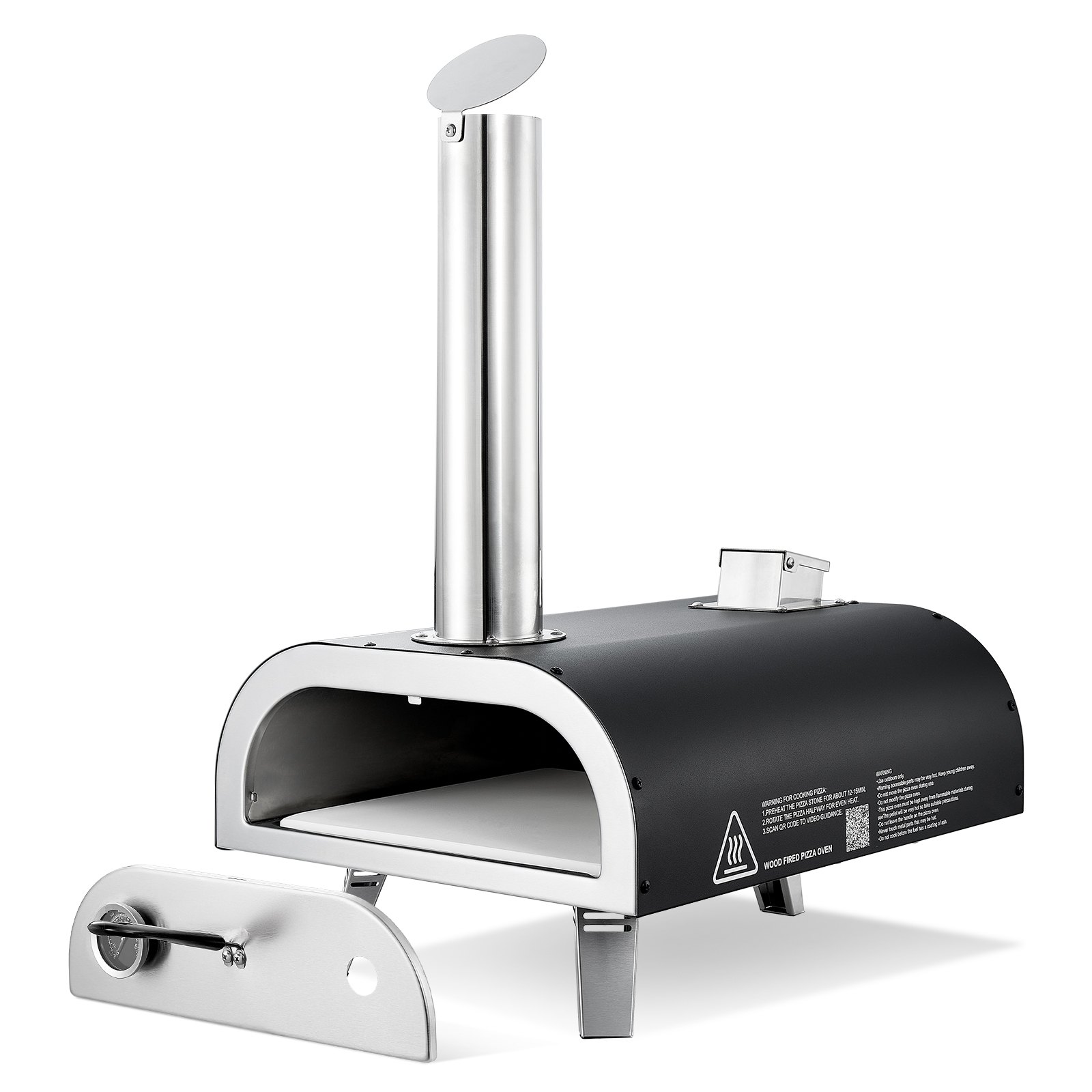
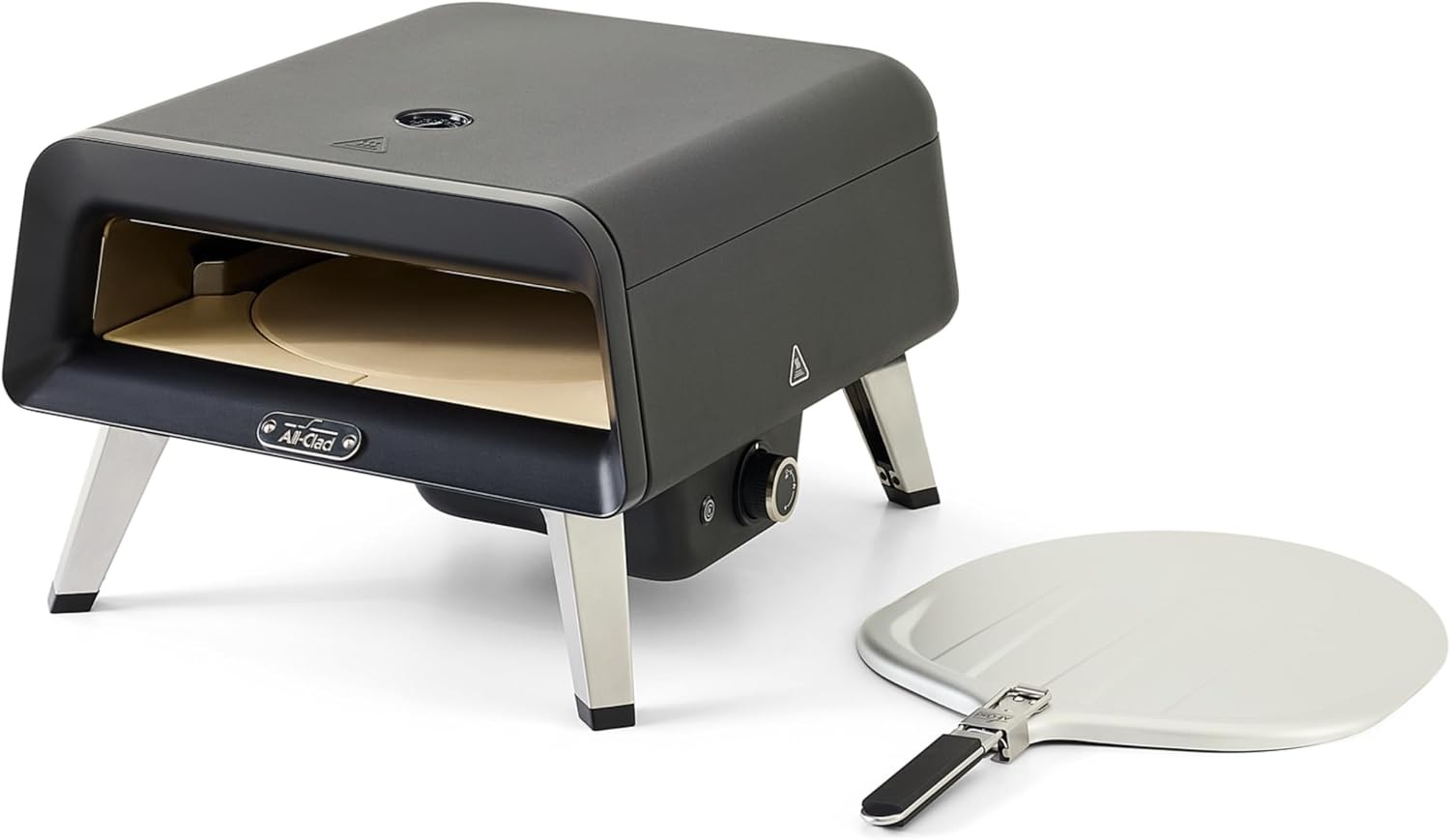
Gas pizza ovens are outdoor, propane-fueled appliances that reach 700-950°F to bake Neapolitan-style pies in 60-90 seconds. The core trade-off is burner architecture and stone mass versus portability: high-output L-shaped or U-shaped burners with thick cordierite hold heat for back-to-back bakes, while lightweight single-burner units sacrifice recovery for camp portability. Choose a unit with a ≥12mm cordierite stone and a dedicated gas burner rated for the box volume; skip thin-stone, dual-fuel compromises if weeknight gas convenience is your priority.

Dive Masks, Fins & Snorkels

Snorkel Set With Fin

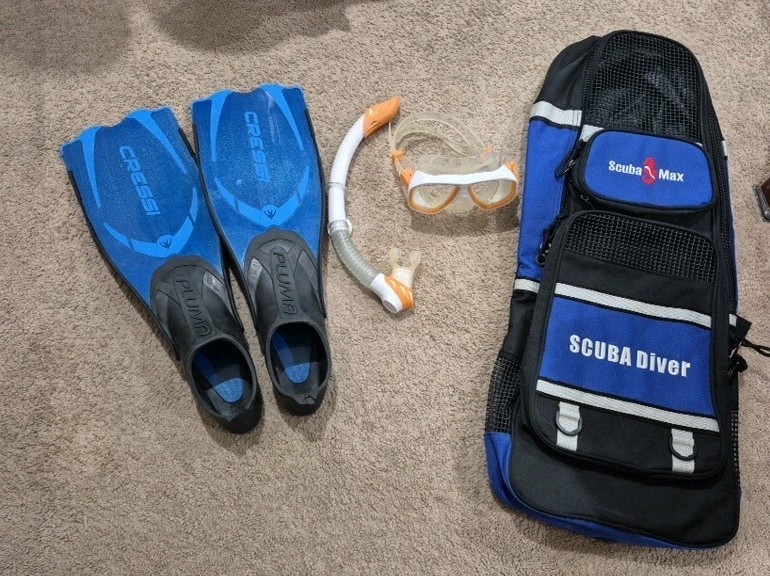
A snorkel set with fins bundles the three core snorkeling tools—mask, dry-top snorkel, and open-heel fins—into one purchase, where the primary trade-off is silicone vs. PVC construction and fin blade stiffness versus comfort. Durable sets use tempered glass lenses, 100% liquid silicone skirts and mouthpieces, and dual-composite fin blades; compromise sets cut corners with plastic lenses, stiff PVC straps, and single-density blades that cause fatigue and leaks.

Home Pizza Ovens

Gas Pizza Oven Outdoor

Gas outdoor pizza ovens are propane- or natural-gas-fired countertop units that reach 800-950°F to bake Neapolitan-style pizza in 60-90 seconds, trading portability and convenience for the higher heat and faster recovery that gas delivers over domestic ovens. The core trade-off is burner architecture and stone mass versus shell insulation: single-burner, thin-cordierite 12-inch units are light and cheap but lose heat on launch, while dual-burner, thicker-stone 16-inch ovens hold temperature through back-to-back bakes. The decision rule: buy a 16-inch dual-burner with a 0.6-inch-plus cordierite or biscotto stone and a built-in thermometer for backyard use, and only drop to a 12-inch single-burner if you need packable weight for camping or tailgating.

Bridles, Bits & Reins

Leather Bridle

A leather bridle is the primary headgear that connects bit to reins and transmits your aids; its quality is defined by leather grade and hardware metallurgy, not cosmetic tooling. The core trade-off is vegetable-tanned, stitched leather with stainless or solid-brass fittings versus chrome-tanned, glued, plated hardware that fails at stress points. The decision rule: buy Grade A or B leather with stitched joints and solid hardware, and reject split-leather or glued construction regardless of finish.

Human-Powered Water Sports

Kayak Oar

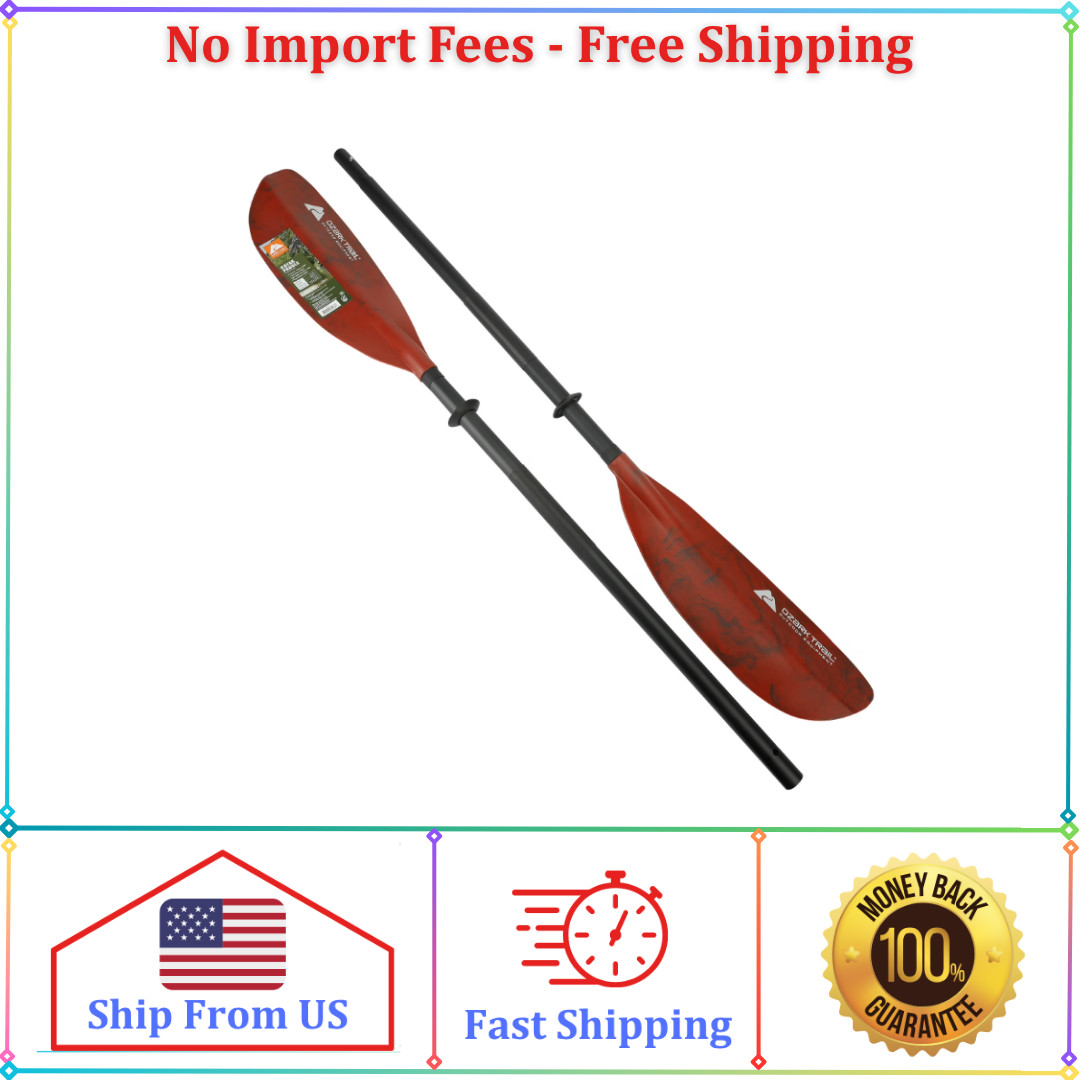
A kayak oar (paddle) is the primary propulsion tool that converts your upper-body rotation into forward thrust; its performance hinges on blade shape, shaft material, and ferrule system. The core trade-off is weight and stiffness versus cost: carbon-fiber shafts and foam-core blades reduce fatigue on long tours, while aluminum/plastic entry sets are heavier but nearly indestructible for casual use. The decision rule: match paddle length and blade size to your boat's beam and your torso height, and only pay for carbon if you paddle more than 2 hours per session or cover 5+ miles regularly.

Cardio Machines

Exercise Bike

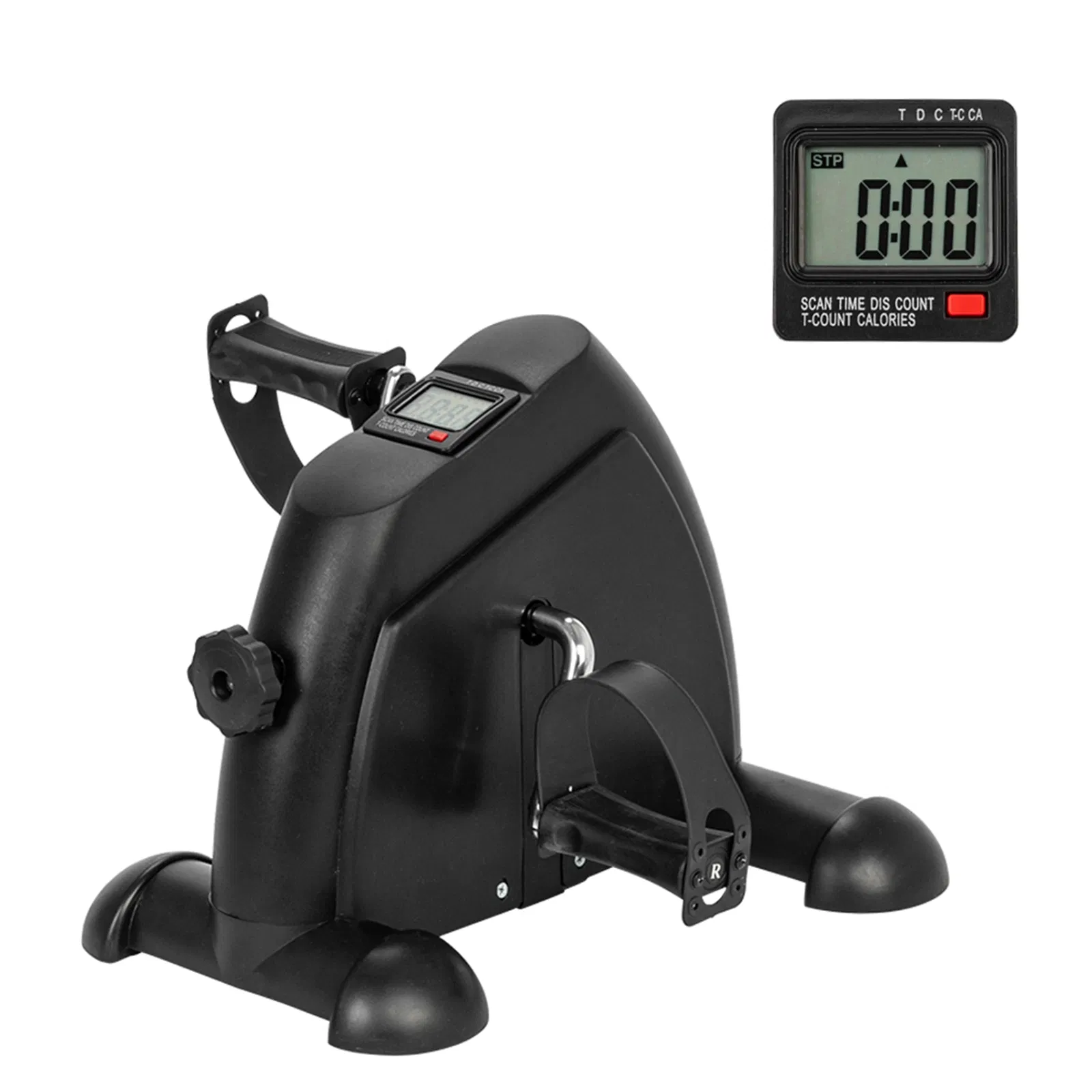
Exercise bikes are stationary cycles for home cardio, split into upright, recumbent, folding X-bikes, and mini pedal exercisers. The core trade-off is flywheel mass and resistance type versus footprint: heavier flywheels (18–40 lb) with magnetic or felt-pad resistance deliver smooth, durable pedaling, while ultra-light flywheels and folding frames economize space at the cost of stability and long-term wear. Buy a magnetic-resistance bike with a flywheel of at least 18 lb for daily training; choose a folding or mini bike only as a secondary, low-impact, or space-saving tool.

Team Sports

Portable Soccer Goal

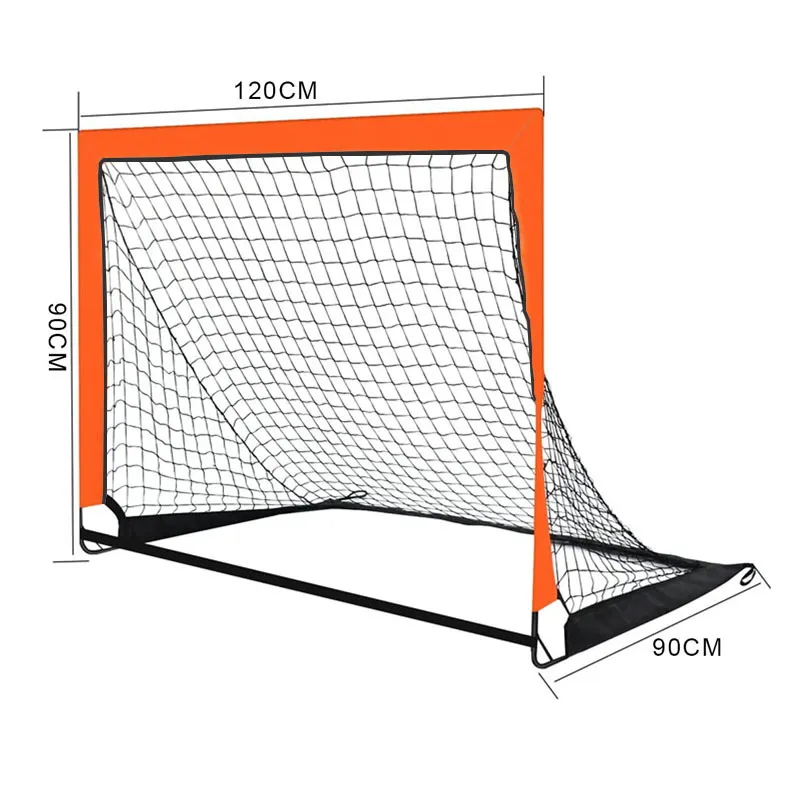
Portable soccer goals span pop-up fiberglass nets for toddlers to folding steel-frame goals sized for adult training, and the core trade-off is frame rigidity and net durability versus pack-down speed and weight. Pop-up designs prioritize instant setup but flex under hard shots, while folding metal or PVC frames hold shape and survive weather. The decision rule: match goal size to the shooter's age and ball speed, then pick a frame material that tolerates your climate and storage routine.

Fishing Hooks, Lures & Baits

Fishing Tackle

Fishing tackle covers the terminal gear—hooks, lures, baits, weights, and the boxes that organize them—that connects your line to the fish. The core trade-off is bulk-count kits with brittle ABS boxes and soft, paint-flaking lures versus lower-count kits built on corrosion-resistant hooks, saltwater-grade hardware, and compartmented boxes that survive seasons of use. Buy a kit whose hook grades and box latches match your water type; skip oversized piece-count sets that pad the count with unusable weights and fragile plastics.

Home Pizza Ovens

Portable Pizza Oven Outdoor

Portable outdoor pizza ovens are compact, transportable units that reach 700–900°F to bake Neapolitan-style pizza in 60–90 seconds, using wood pellets, propane, or dual-fuel configurations. The core trade-off is between the convenience and consistent heat of gas versus the authentic char and higher peak temperatures of wood, balanced against shell gauge and stone thickness that dictate heat retention. A durable portable oven uses a double-wall stainless or cast-iron shell, a cordierite stone at least 0.6 inches thick, and a fuel system matched to your cooking frequency and travel needs.

Golf Bags & Carts

Golf Stand Bag

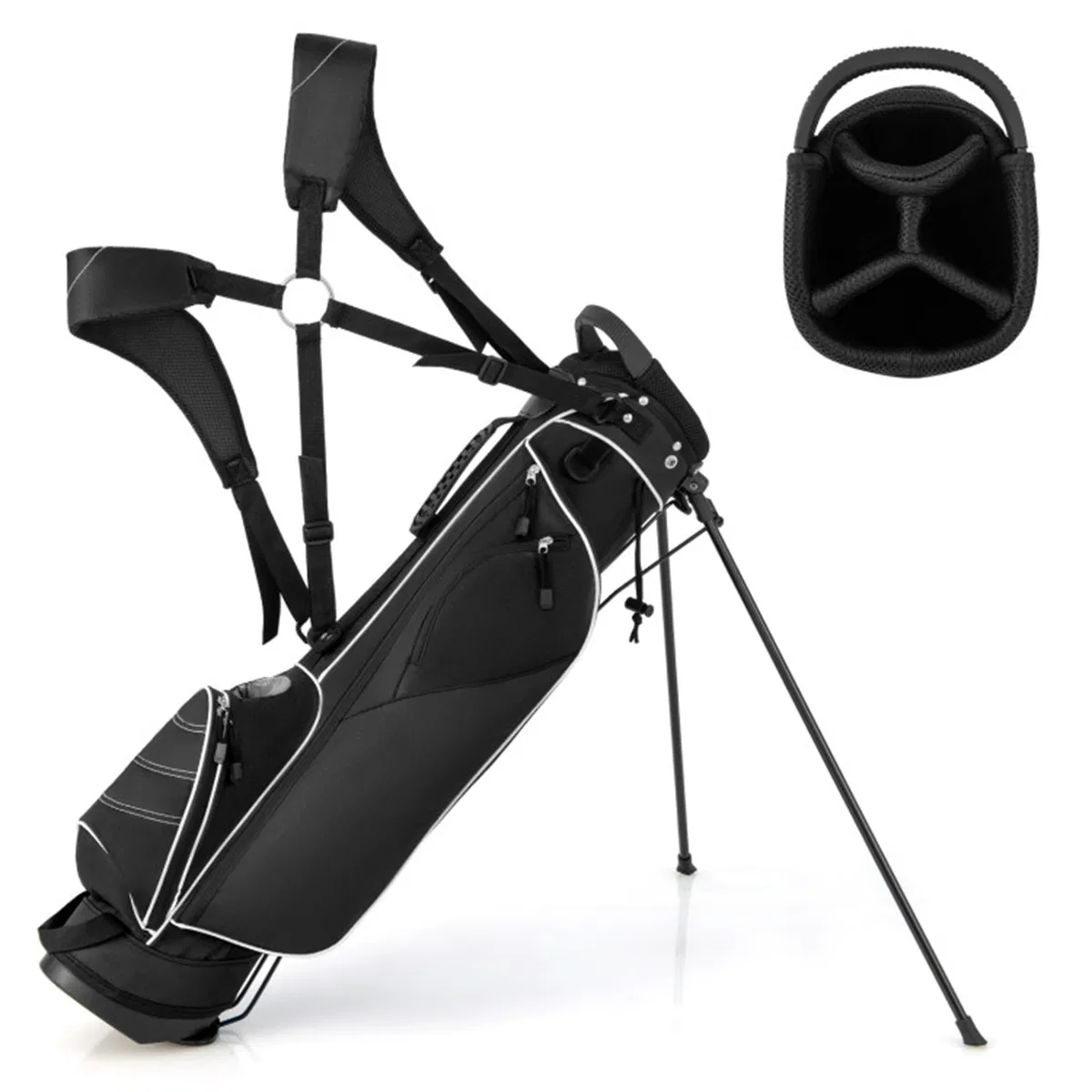
A golf stand bag is a carry-focused bag with an integrated spring- or lever-actuated leg system that lets it stand upright on the turf without a cart. The core trade-off is weight versus structure: ultralight sub-4 lb nylon bags save shoulders over 18 holes but skimp on dividers, padding, and pocket volume, while 5–7 lb bags add full-length dividers, cooler pockets, and stiffer bases for push-cart and riding use. Choose a true stand bag with a 14-way full-length divider and spring-leg mechanism if you walk regularly; skip single-strap, 3-way top bags if you carry more than 10 clubs or play hilly courses.

Tents & Shelters

Canopy Tent

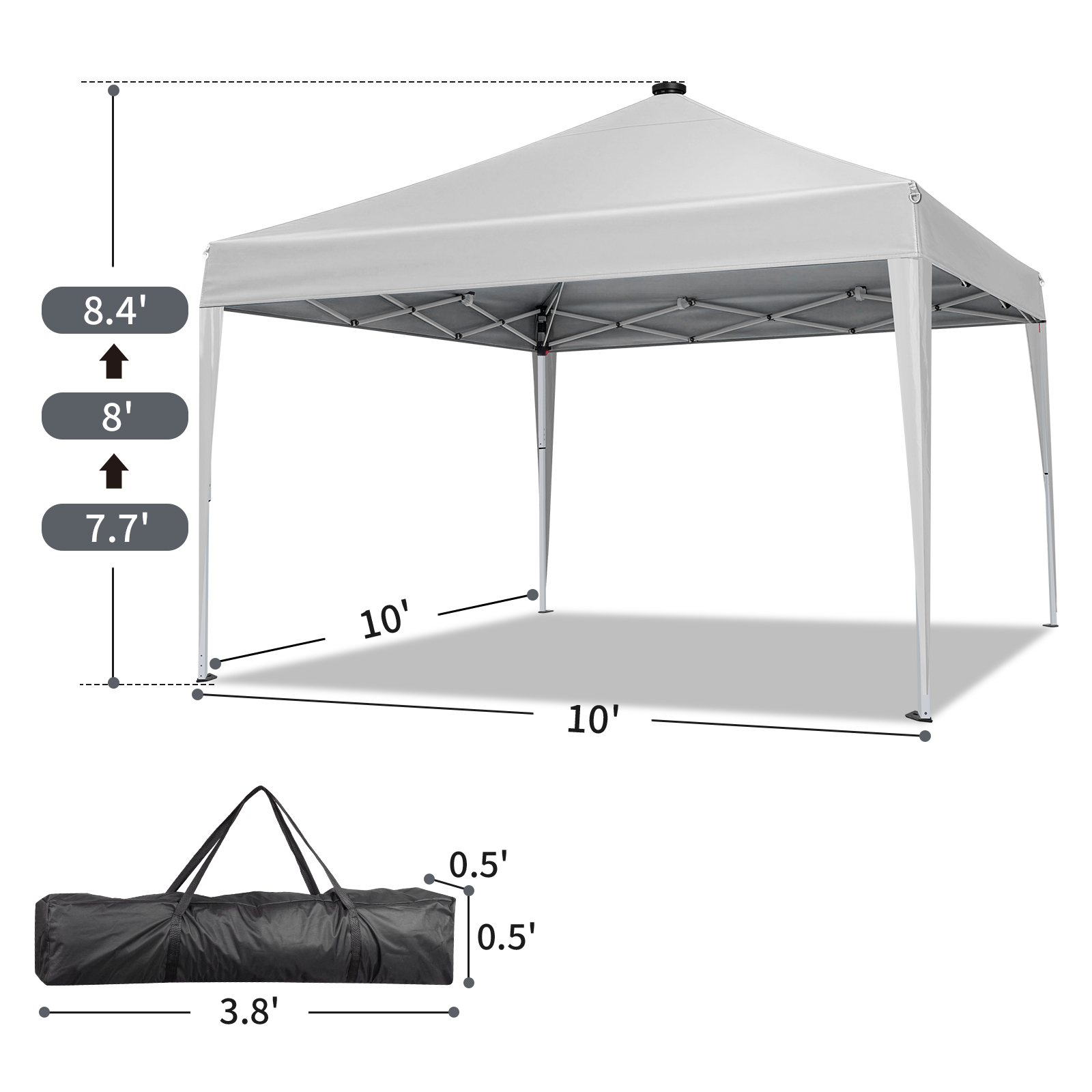
Canopy tents are freestanding fabric shelters used for temporary shade and rain cover at campsites, markets, beaches, and events, ranging from pop-up instant canopies to pole-and-wall event tents and inflatable glamping shelters. The core trade-off is fabric grade against frame gauge: 210D-300D Oxford with a water-resistant coating and a powder-coated steel or aluminum frame handles regular use, while sub-150D polyester on thin tubular legs is fair-weather-only. Buy a steel-legged event canopy for high-wind or multi-day use, aluminum for portability, and skip inflatable air-beam canopies if you need true storm anchoring.

Hiking Backpacks & Hydration Packs

Waterproof Hiking Backpack

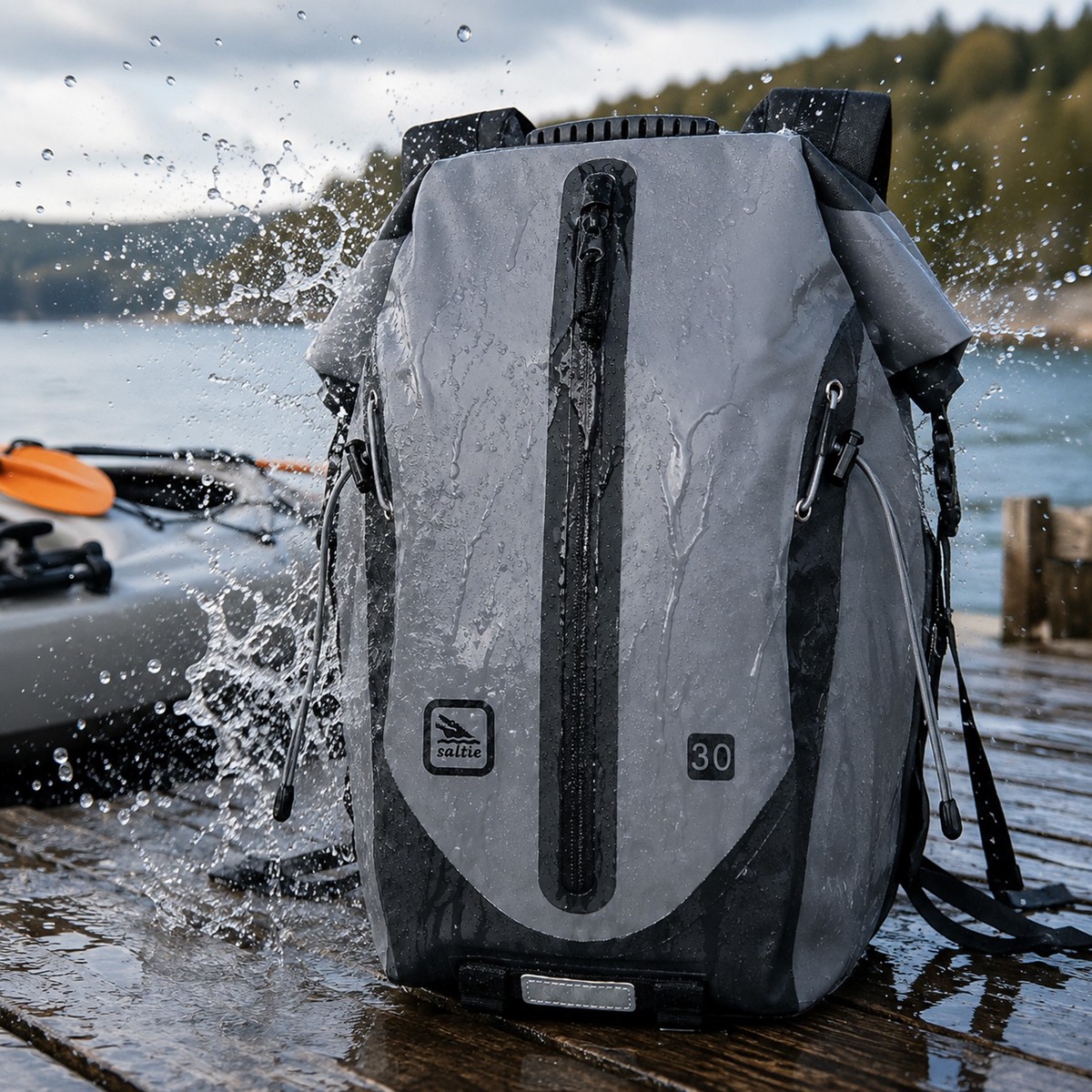
A waterproof hiking backpack is built around one core trade-off: fully sealed construction (welded seams, TPU-coated fabric, roll-top or waterproof zippers) versus water-resistant fabric relying on a separate rain cover. The durable rule is simple: pick a roll-top or welded-seam pack with a hydrostatic-head-rated fabric if rain exposure is expected; treat 'waterproof' packs that ship with a rain cover as water-resistant daypacks that need that cover deployed.

Camping Chairs & Tables

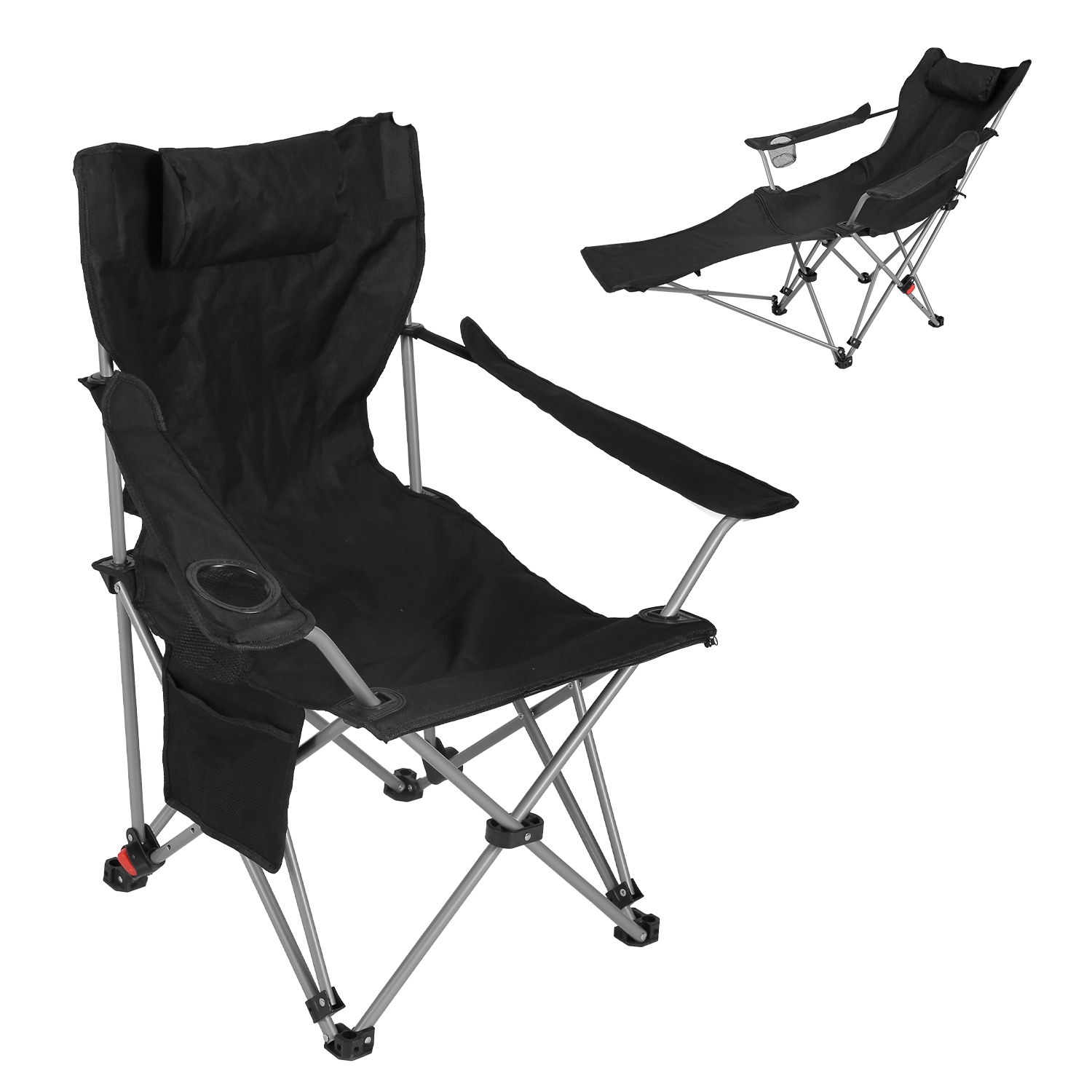
Portable Outdoor Chair

Portable outdoor chairs are folding or collapsible seats built around a metal or composite frame and a weather-resistant fabric sling, engineered to trade weight and packed size against stability and load rating. The core decision is frame architecture and fabric grade: a 1-inch steel X-frame with 600D Oxford carries heavy adults for years, while a thin aluminum or iron tube with 210D polyester flexes and tears within a season. Pick by your body weight plus 50 lb of margin and by packed length versus your vehicle or pack space; skip anything that publishes no frame diameter or fabric denier.

Tents & Shelters

Family Tent

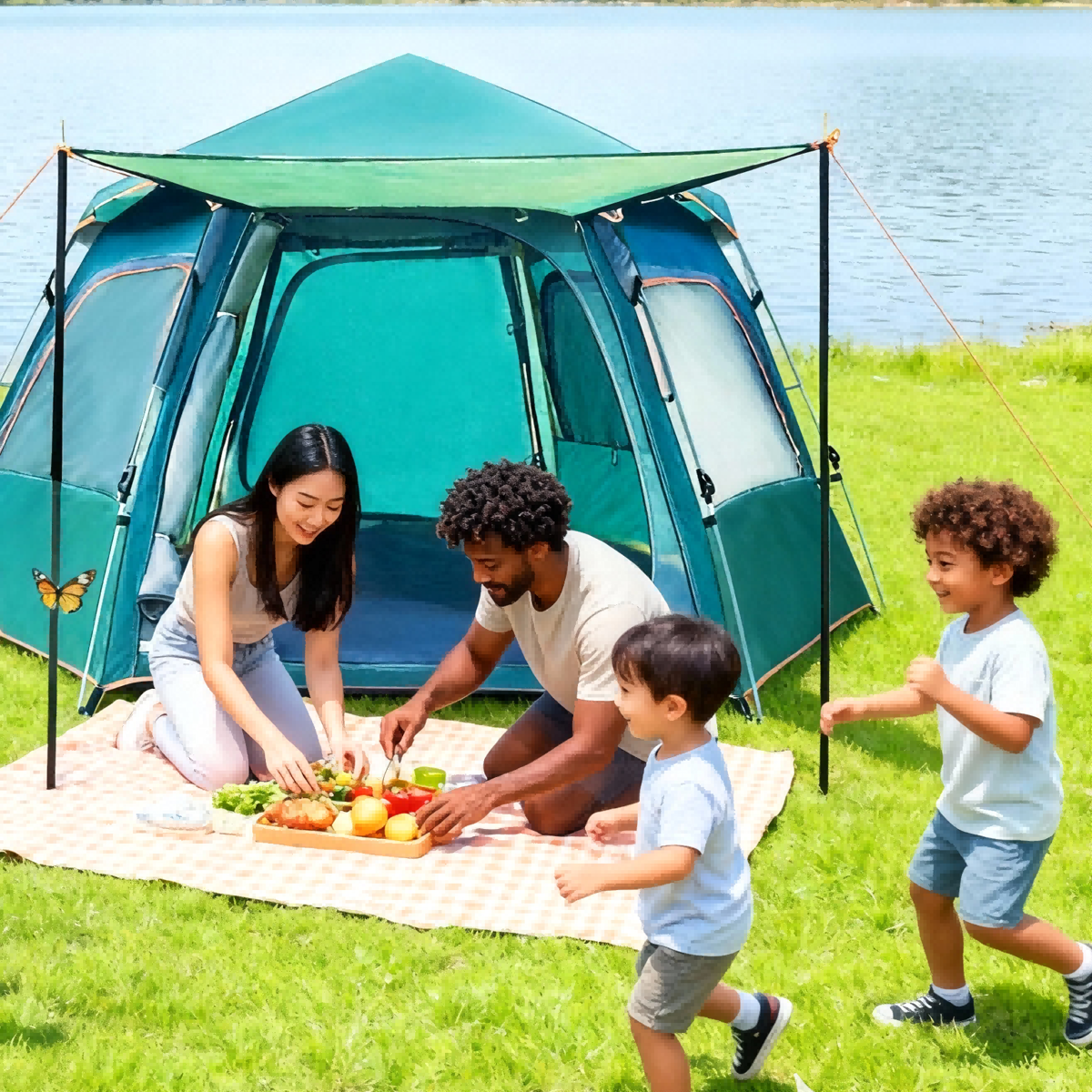
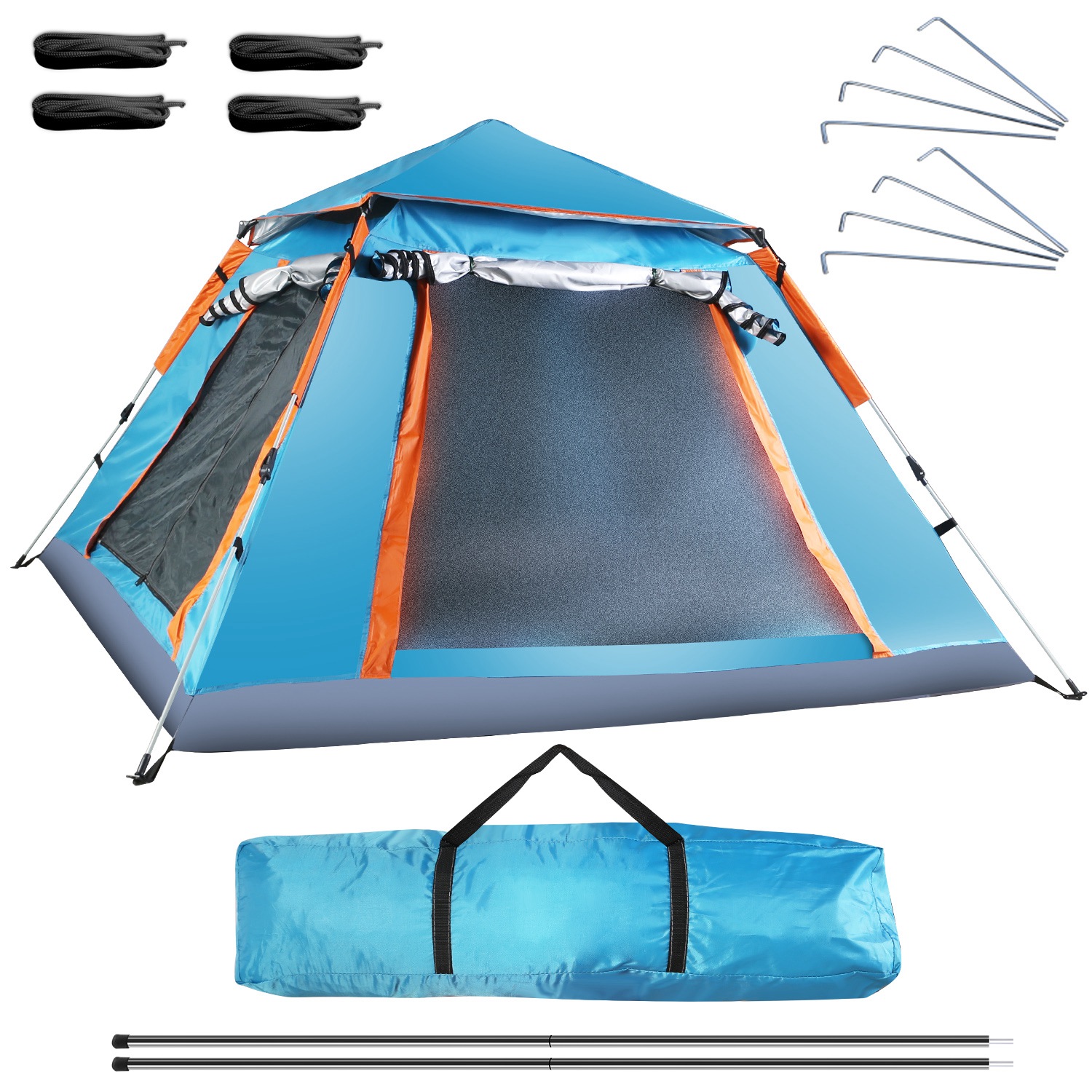
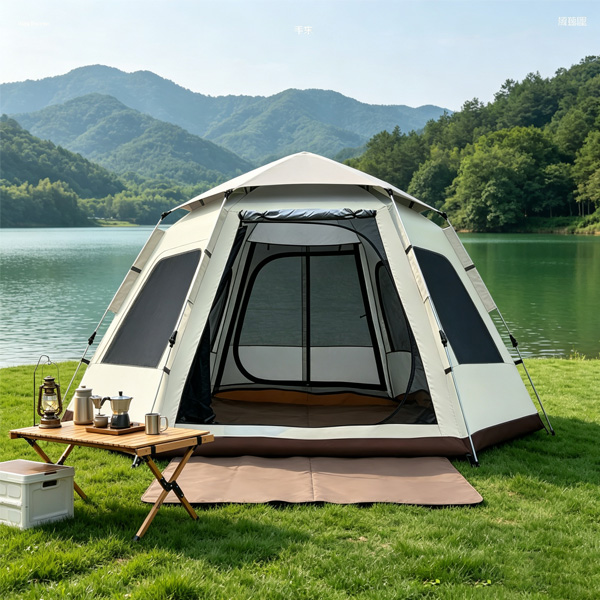
Family tents are large-capacity shelters (4–10+ people) built around two core architectures: fast-pitch dome/cabin tents in coated polyester or Oxford fabric, and heavy 4-season canvas bell tents with stove jacks. The central trade-off is packed weight and setup effort versus weather durability and livable volume. Buy a polyester cabin or pop-up for weekend car camping; buy a canvas bell tent only when stove compatibility and multi-season glamping justify the weight.

Tents & Shelters

Canopy Tent With Sidewall

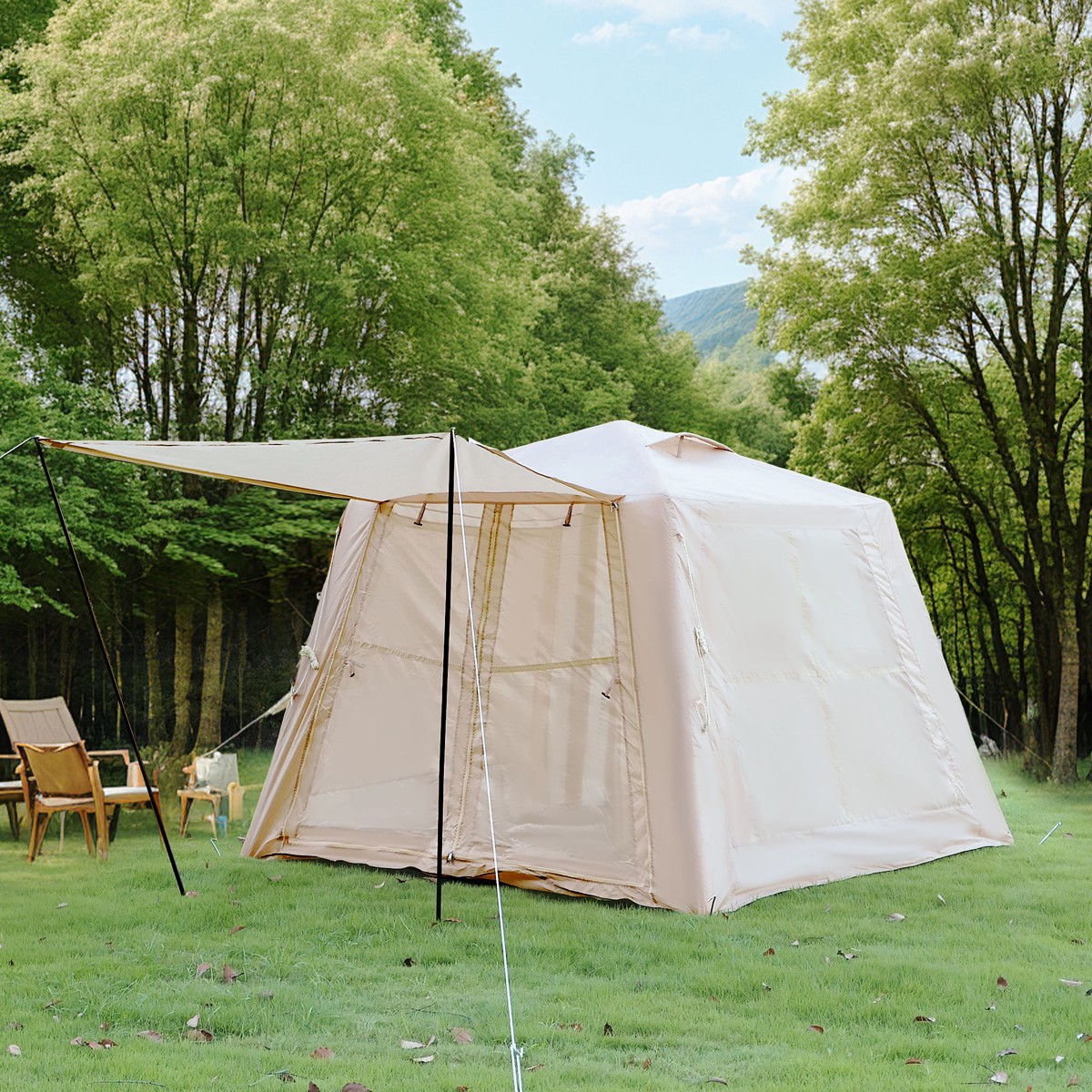
A canopy tent with sidewalls is a freestanding pop-up or pole-frame shelter whose fabric walls convert an open shade canopy into a wind-blocking, rain-shedding, privacy-capable enclosure. The primary trade-off is frame architecture and fabric grade: slant-leg steel pop-ups with 210D Oxford and removable walls suit car camping and market stalls, while straight-leg aluminum frames with 300D+ or vinyl tops handle sustained weather. The decision rule: buy removable, zippered sidewalls on a frame rated for your wind exposure — fixed walls and sub-190T fabric are fair-weather compromises.

Tents & Shelters

Inflatable Tent

Inflatable tents replace rigid fiberglass or aluminum poles with pressurized air beams, trading some pack weight and puncture risk for dramatically faster setup and a more forgiving structure in wind. The core trade-off is air-beam quality and fabric spec: TPU bladders in welded Oxford or ripstop shells hold pressure and resist UV, while single-layer PVC or thin polyester shells sag, leak, and degrade within a season or two. Pick a multi-beam TPU design with a rated hydrostatic head and a high-denier Oxford shell if you camp more than a few weekends a year; treat budget single-beam PVC tents as fair-weather car-camping only.

You may also like

Finding more guides for you…