Trail Gear Advisor
Outdoor Gear Reviews & Buying Guides
Compare outdoor gear by use case, features, trade-offs, price, returns, and seller terms before you buy.
Buying guides
Power Racks, Benches & Platforms
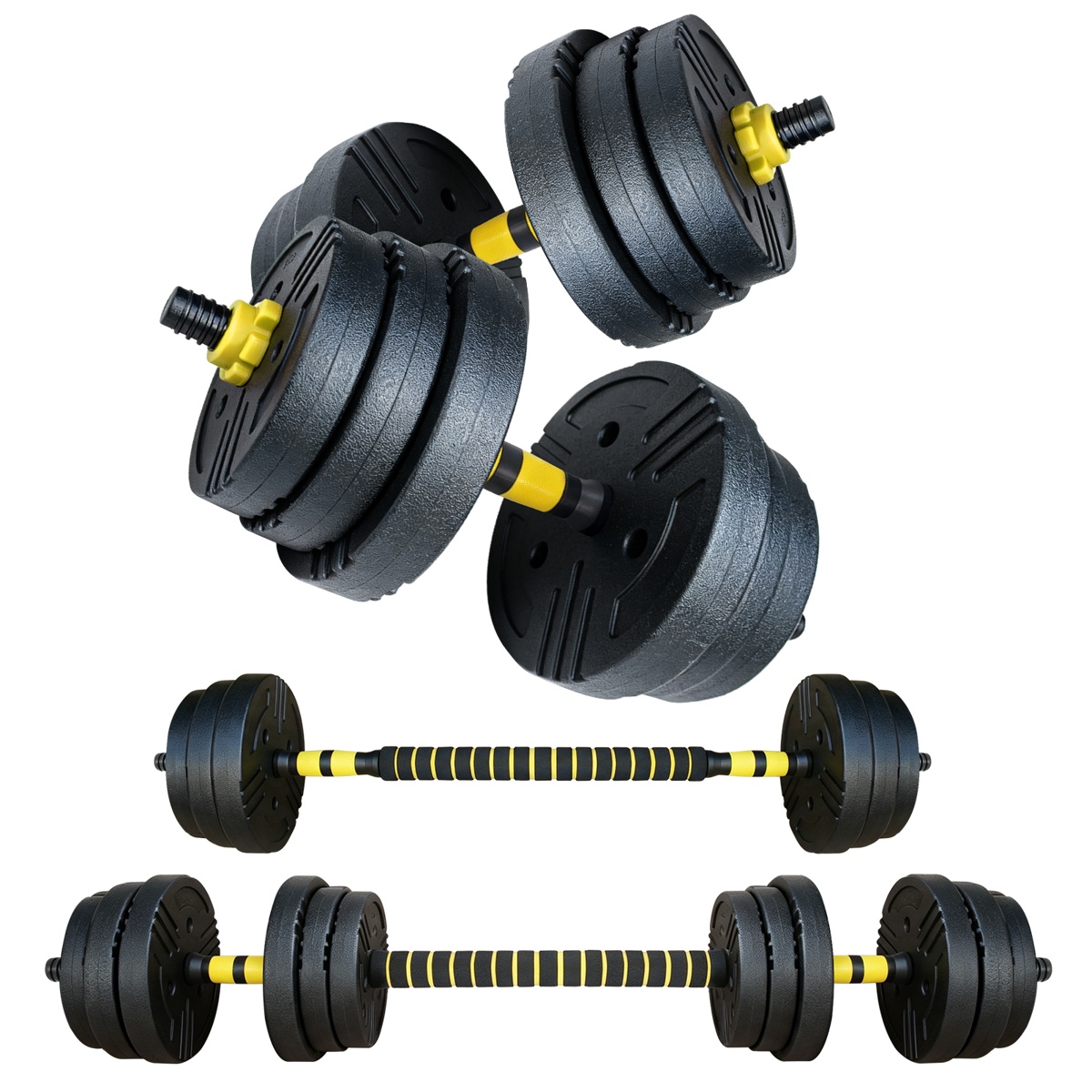
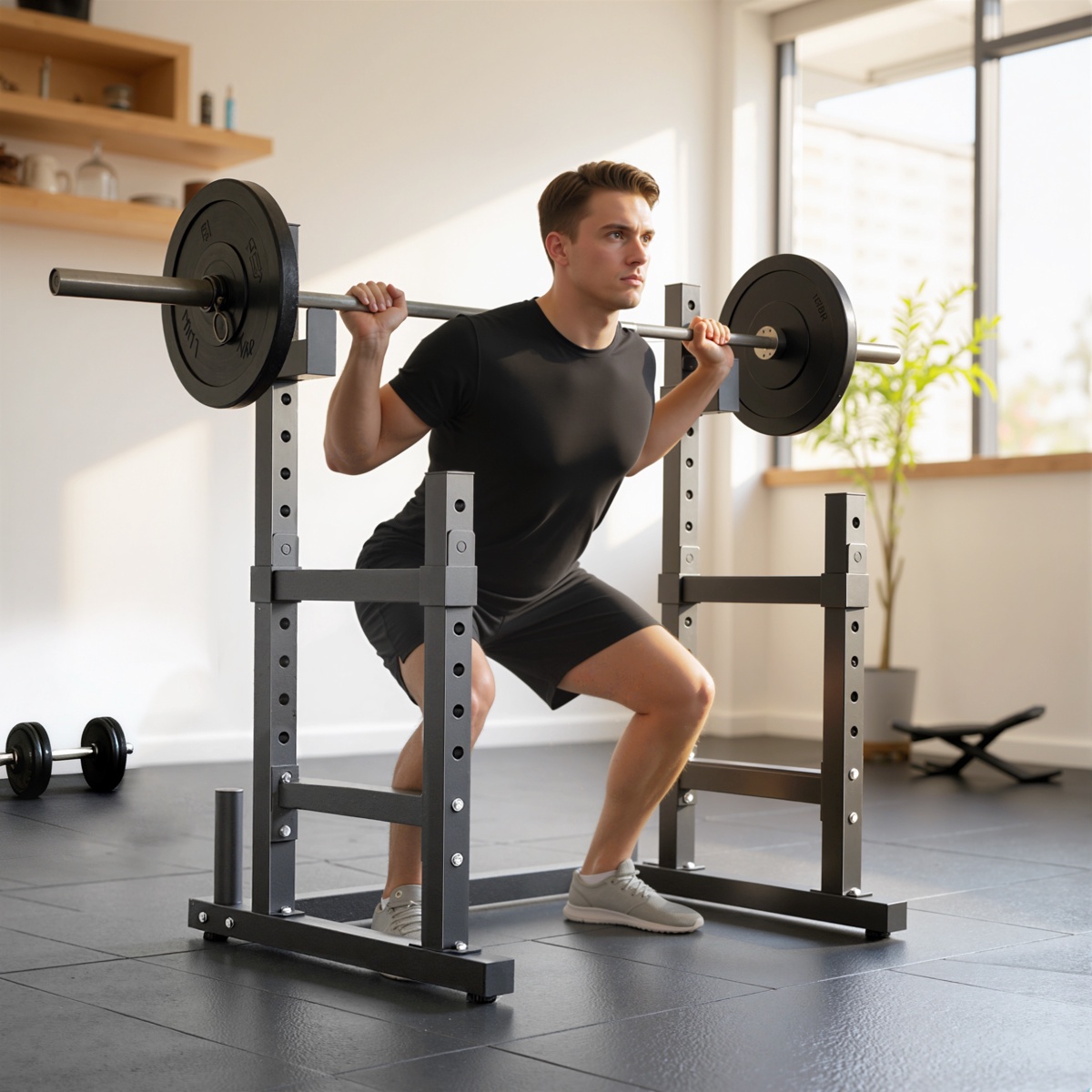
Weight Rack With Weight
Compare current listings and seller terms before buying.
Tackle Storage & Tools
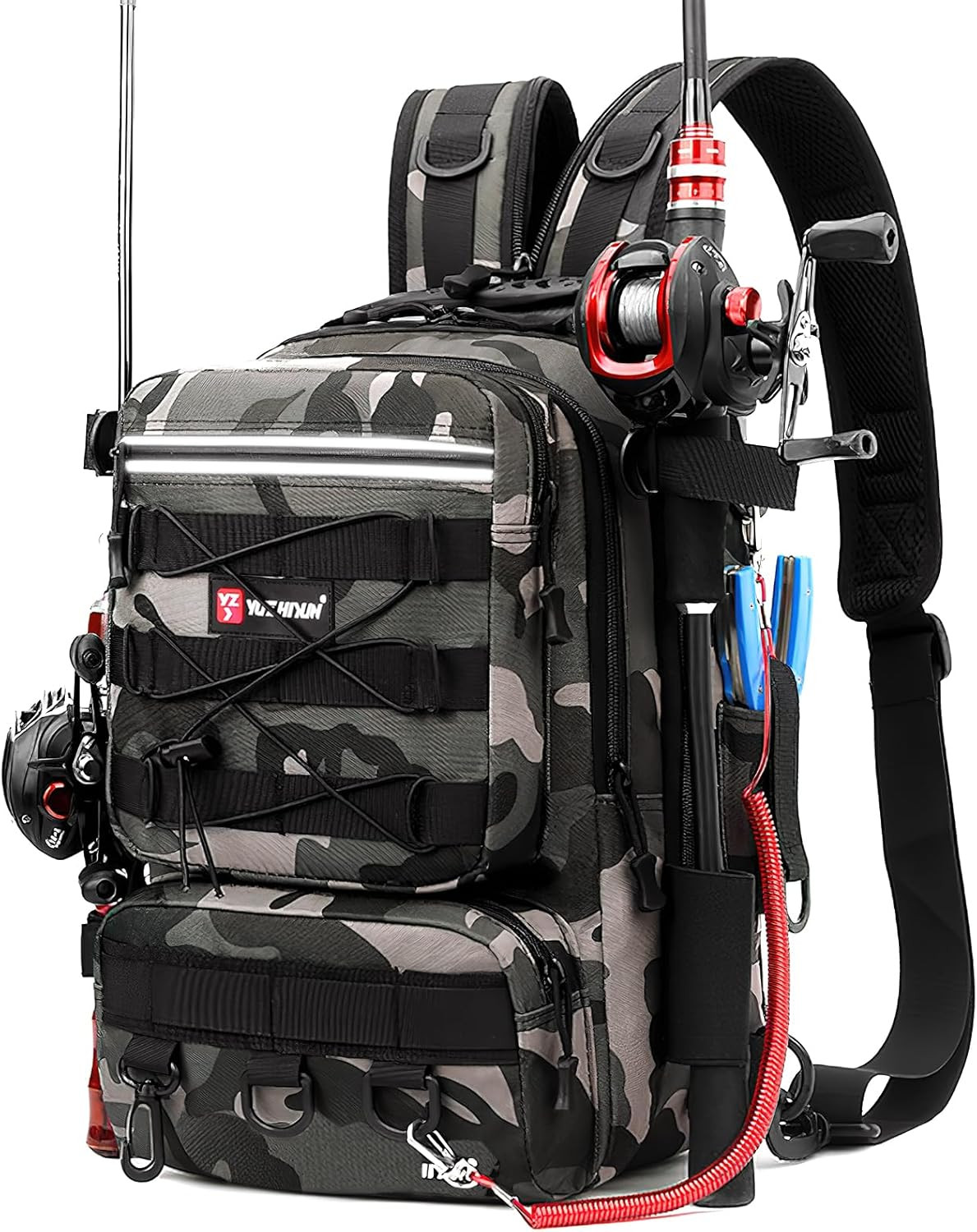
Fishing Backpack With Rod Holder
Compare current listings and seller terms before buying.
Camp Kitchen & Stoves
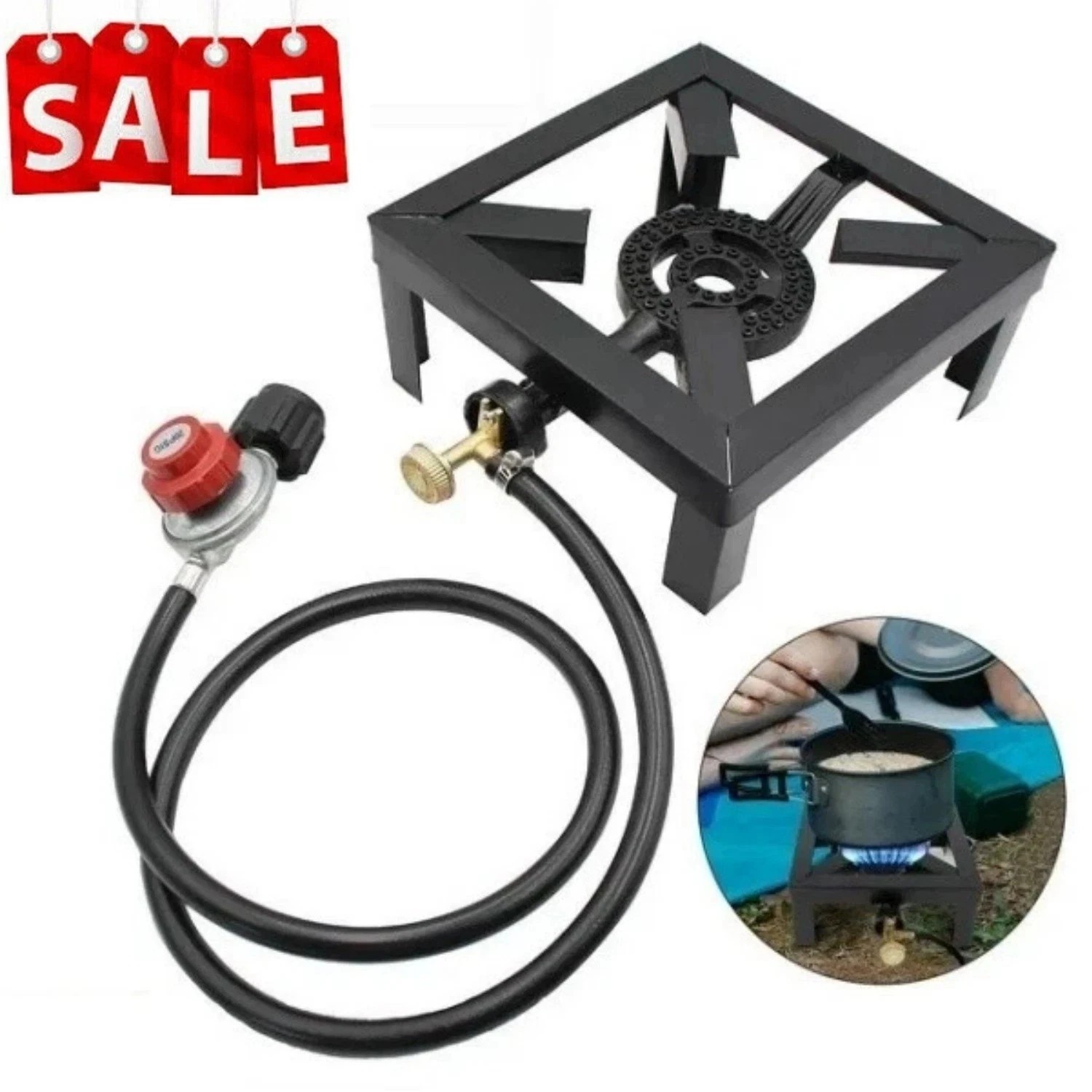
Single Burner Propane Stove
Compare current listings and seller terms before buying.
Skateboard Wheels & Bearings
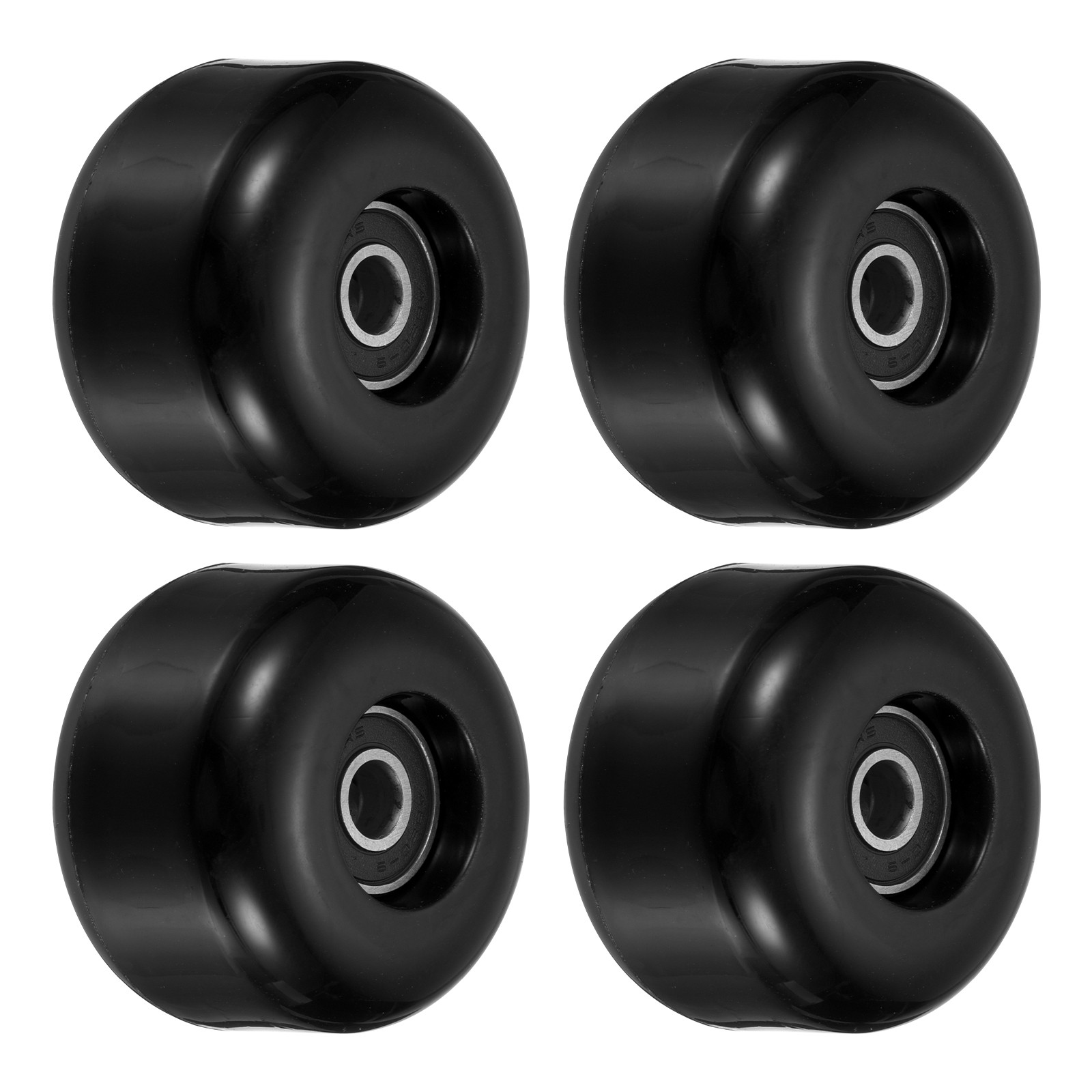
Skateboard Wheel
Skateboard wheels are the urethane contact patches that define your ride's speed, grip, and vibration damping, and the core trade-off is durometer (hardness) versus diameter: softer/larger wheels roll rough ground smoothly but feel sluggish for tricks, while harder/smaller wheels pop fast and slide predictably but transmit every crack. The decision rule is simple: match durometer to surface and diameter to discipline—street technical skating needs 99A–101A at 51–54mm, cruising and rough asphalt need 78A–87A at 56–65mm, and anything outside those proven bands is a compromise.
BBQ Grills & Smokers
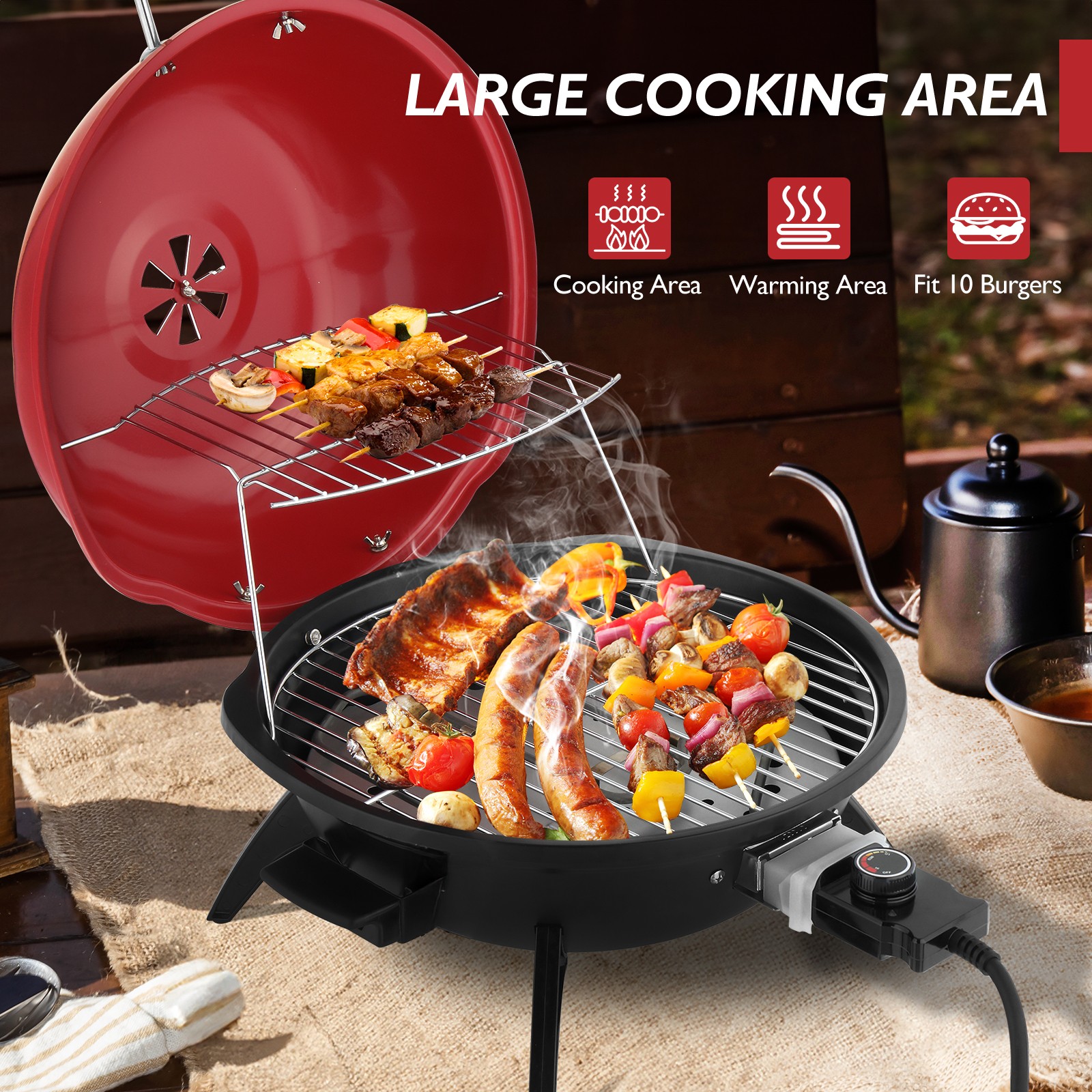
Electric Bbq Grill Outdoor
Electric outdoor BBQ grills split into two architectures: 1600W-class portable electric grills with non-stick plates, and AC120V rotisserie/wood-pellet units that need outdoor power. The trade-off is heat delivery and weather sealing—not wattage alone. Buy a 1600W element with a stainless body and drip tray for patio searing; buy 120V rotisserie or pellet architecture separately if you want hands-off roasting or smoke flavor.
Home Pizza Ovens
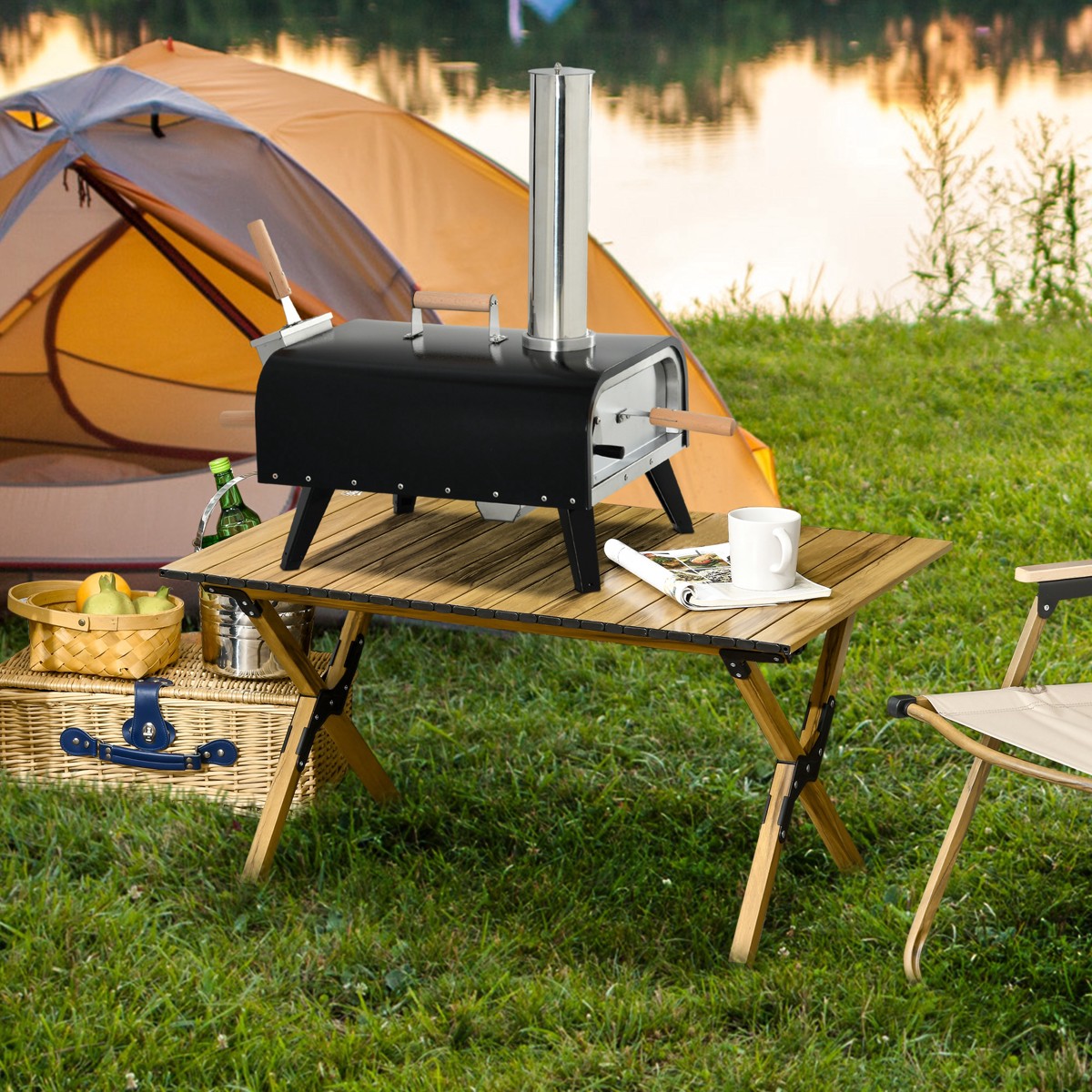
Wood Fired Pizza Oven
Wood-fired pizza ovens are outdoor cookers that burn split hardwood or pellets to reach 800–1000°F for 60–90 second Neapolitan-style crusts. The primary trade-off is thermal mass versus portability: heavy refractory brick or ceramic-fiber insulated domes hold heat for back-to-back pies, while thin steel portable units heat fast but recover slowly. The decision rule is simple—buy insulated refractory or ceramic-fiber construction at 12 inches or larger for repeatable high-heat baking; skip uninsulated single-wall steel unless you need a packable tailgate oven and accept one-and-done bakes.
Tennis & Racquet Sports
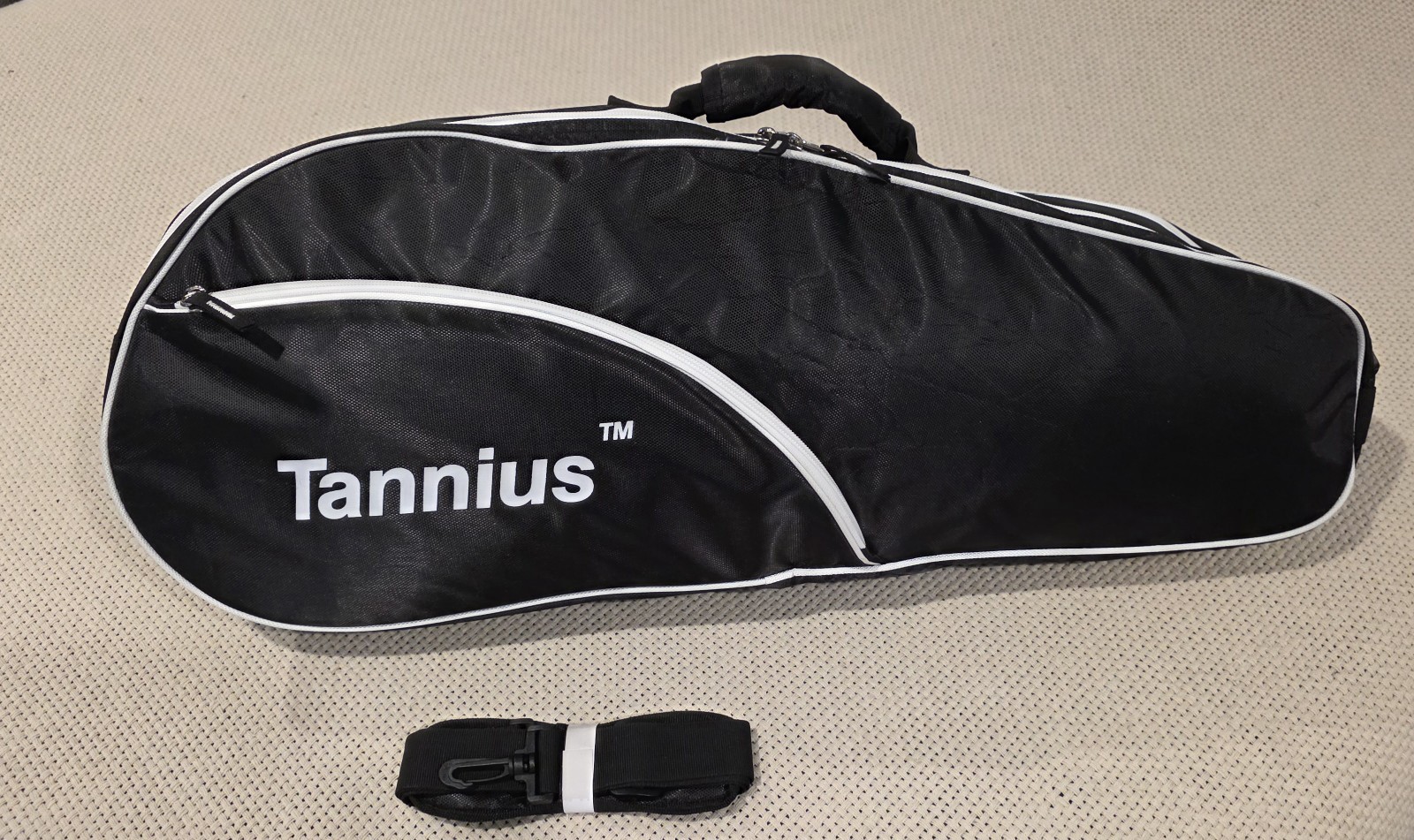
Tennis Racket Bag
A tennis racket bag is a dedicated carrier designed to protect frames, strings, and grips while organizing shoes, apparel, and accessories. The core trade-off is capacity versus weight and structure: multi-racket bags add thermal and frame protection but become bulky, while slim bags are lighter but offer minimal padding. The decision rule: choose a bag rated for at least one more racket than you typically carry, with padded dividers if you use gut or tension-sensitive strings, and a separate ventilated shoe compartment if you play multiple times per week.
Tennis & Racquet Sports
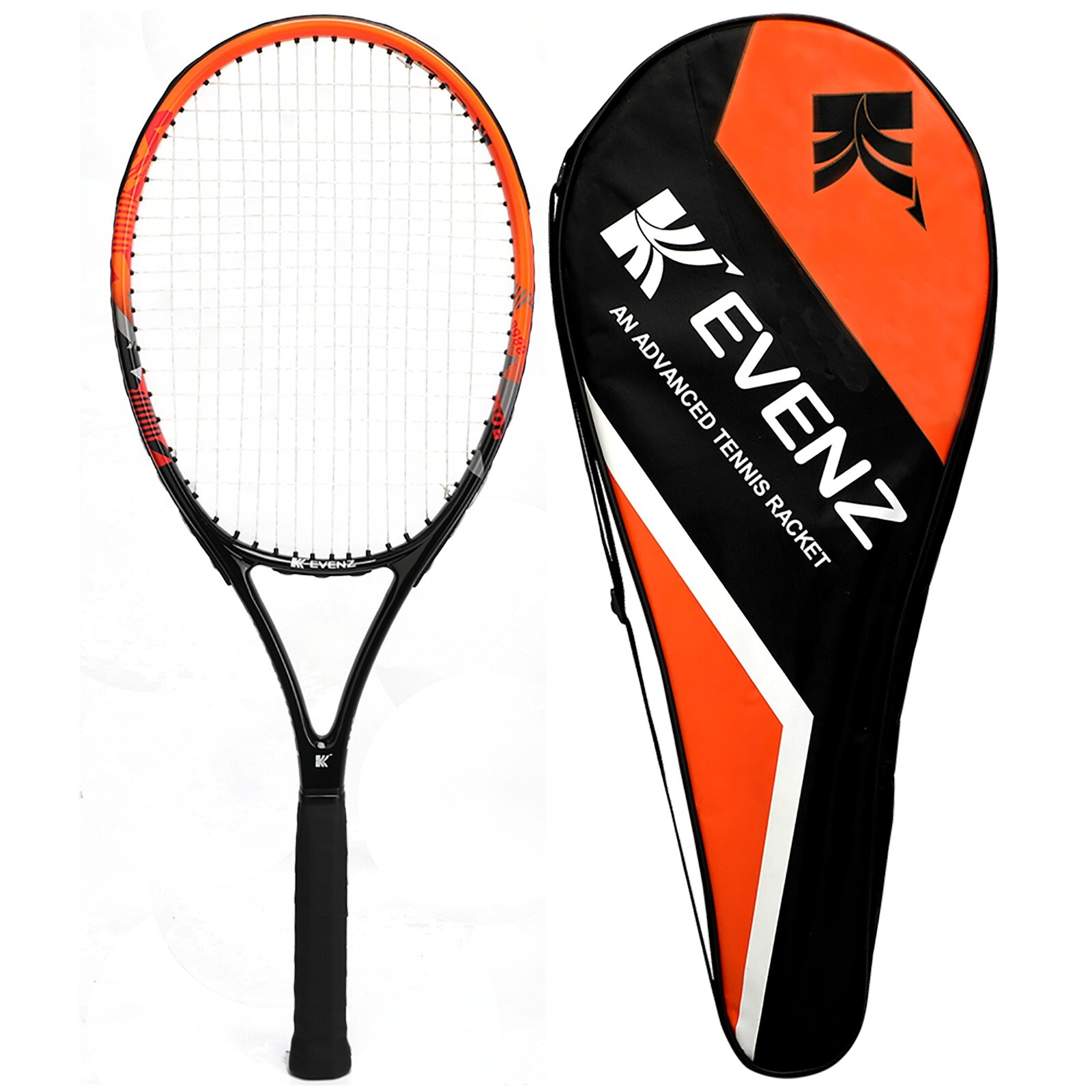
Tennis Racquet Bag
A tennis racquet bag is a dedicated carry system defined by its racquet capacity, thermal protection, and separate compartments for shoes and accessories. The core trade-off is between lightweight single-strap totes and structured multi-racquet bags with padded, ventilated, and thermally insulated compartments. Choose a bag sized to your actual racquet count plus one spare, and skip any bag without a dedicated shoe compartment or at least 5mm of padding if you play more than once a week.
BBQ Grills & Smokers
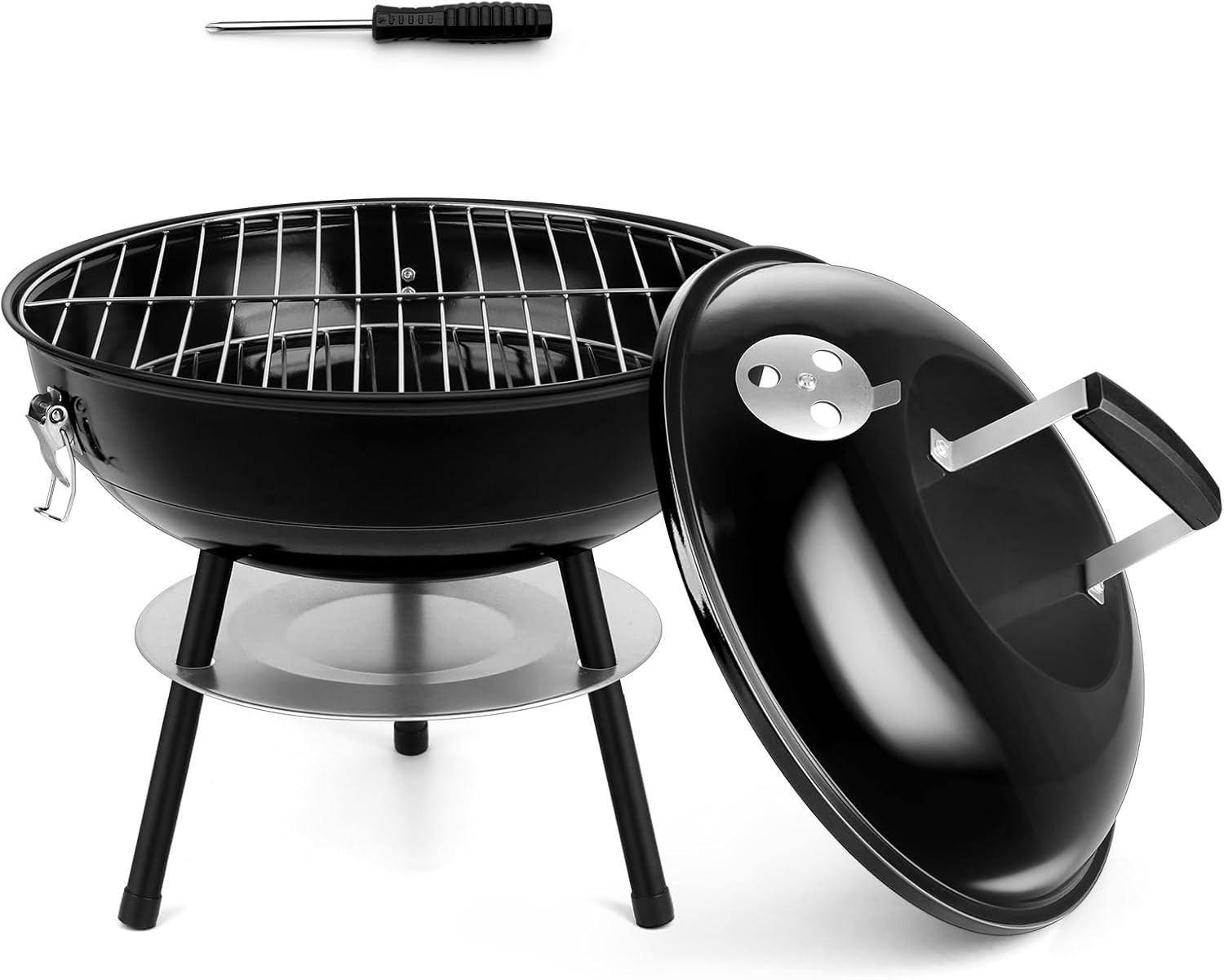
Outdoor Flat Grill
An outdoor flat grill (flat top griddle) is a broad, open cooking surface—usually propane-fired—that replaces grill grates with a solid steel plate for smash burgers, breakfasts, and high-volume searing. The core trade-off is burner output and plate thickness versus portability and footprint: thin plates and low-BTU single burners heat unevenly, while thick rolled-steel plates on multi-burner carts hold heat and recover fast. The decision rule: buy by burner count and plate thickness matched to your cooking volume; skip any griddle whose plate is under roughly 3 mm or whose burners lack independent control.
Fishing Reels
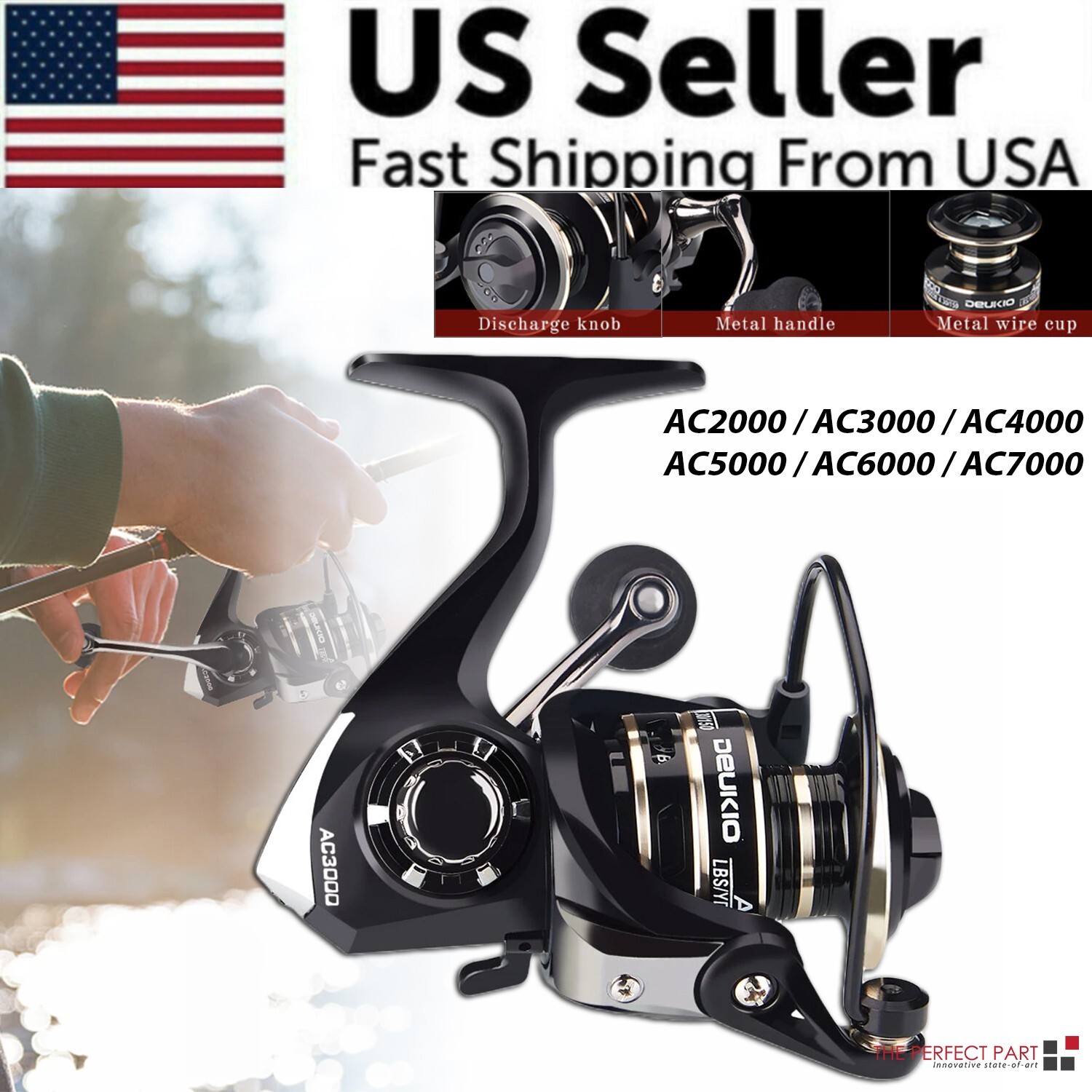
Saltwater Spinning Reel
A saltwater spinning reel is a fixed-spool reel engineered for corrosion resistance, sealed drag/gear protection, and enough line capacity for long runs from inshore and surf species. The defining trade-off is sealed aluminum/alloy construction with stainless bearings versus plastic-bodied budget reels that flex under load and corrode after salt exposure. Choose a reel rated for saltwater with a sealed drag and at least 3 stainless bearings; skip any reel advertised only as 'freshwater' or using plastic body components for salt use.
Team Sports
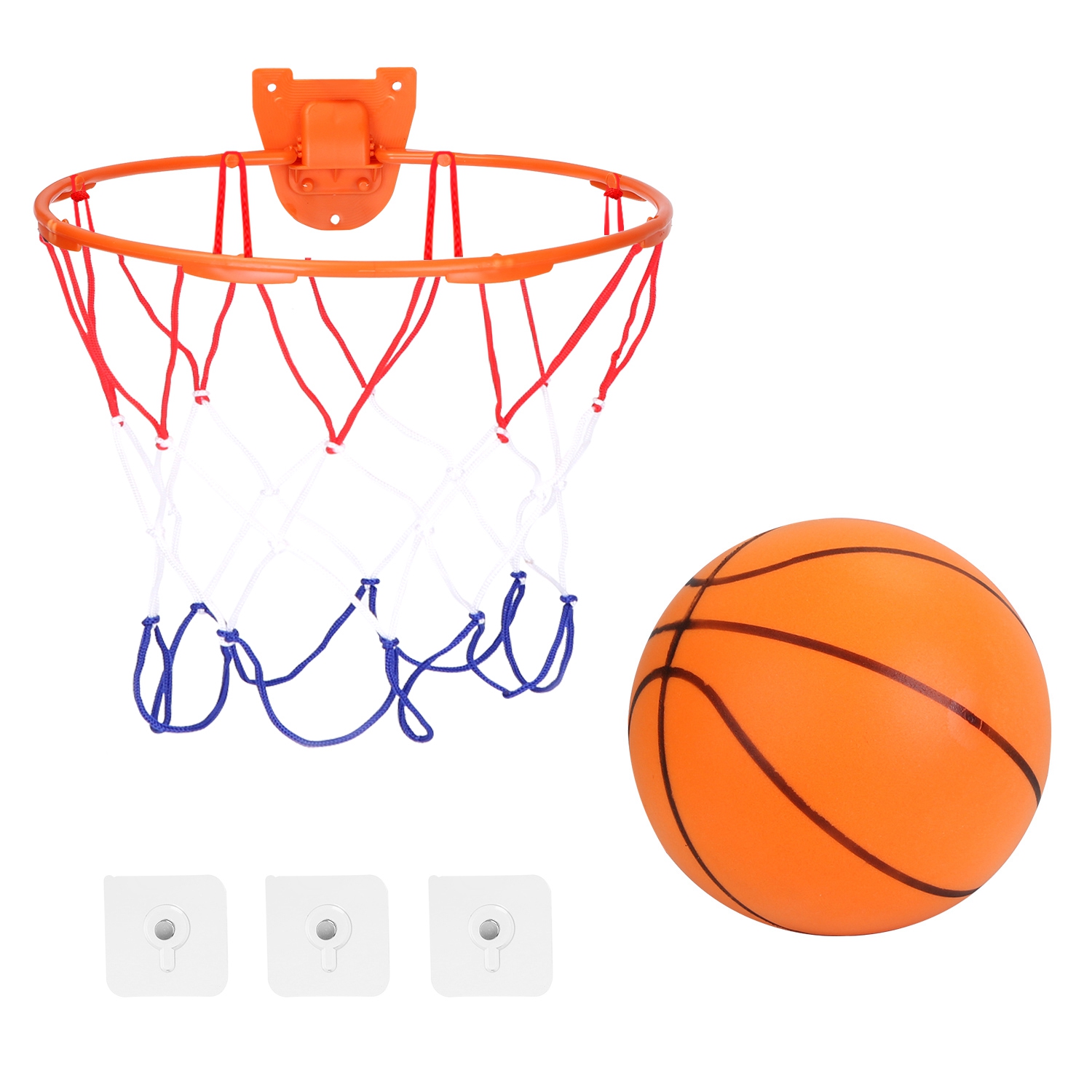
Indoor Basketball Hoop
Indoor basketball hoops range from mini wall-mounted shatter-proof backboards to portable adjustable-height systems with wheels, and the primary trade-off is between fixed wall-mount stability and portable stepless height flexibility. Durable options use steel rims, shatter-resistant polycarbonate or high-density polyethylene backboards, and welded or bolted wall brackets rated for repeated impact, while compromises rely on thin plastic rims and friction-fit poles that wobble and crack. Choose wall-mount for permanent, full-power play in a garage or gym, and portable wheeled systems for youth, multi-height, or flexible-room use.
BBQ Grills & Smokers
Electric Bbq Grill
Electric BBQ grills replace charcoal or gas with a plug-in heating element, trading portability and high-heat searing for push-button ignition, precise temperature control, and indoor-safe operation. The core trade-off is heating-element wattage and grate material versus build thickness and weather sealing: 1600W open-coil units heat fast but need a dedicated 15A circuit, while pellet-fed electric smokers deliver true smoke flavor at the cost of longer cook times. Buy for your power source and cooking surface first; skip any unit without a drip-management system or a stainless or cast-iron grate.
Camp Kitchen & Stoves
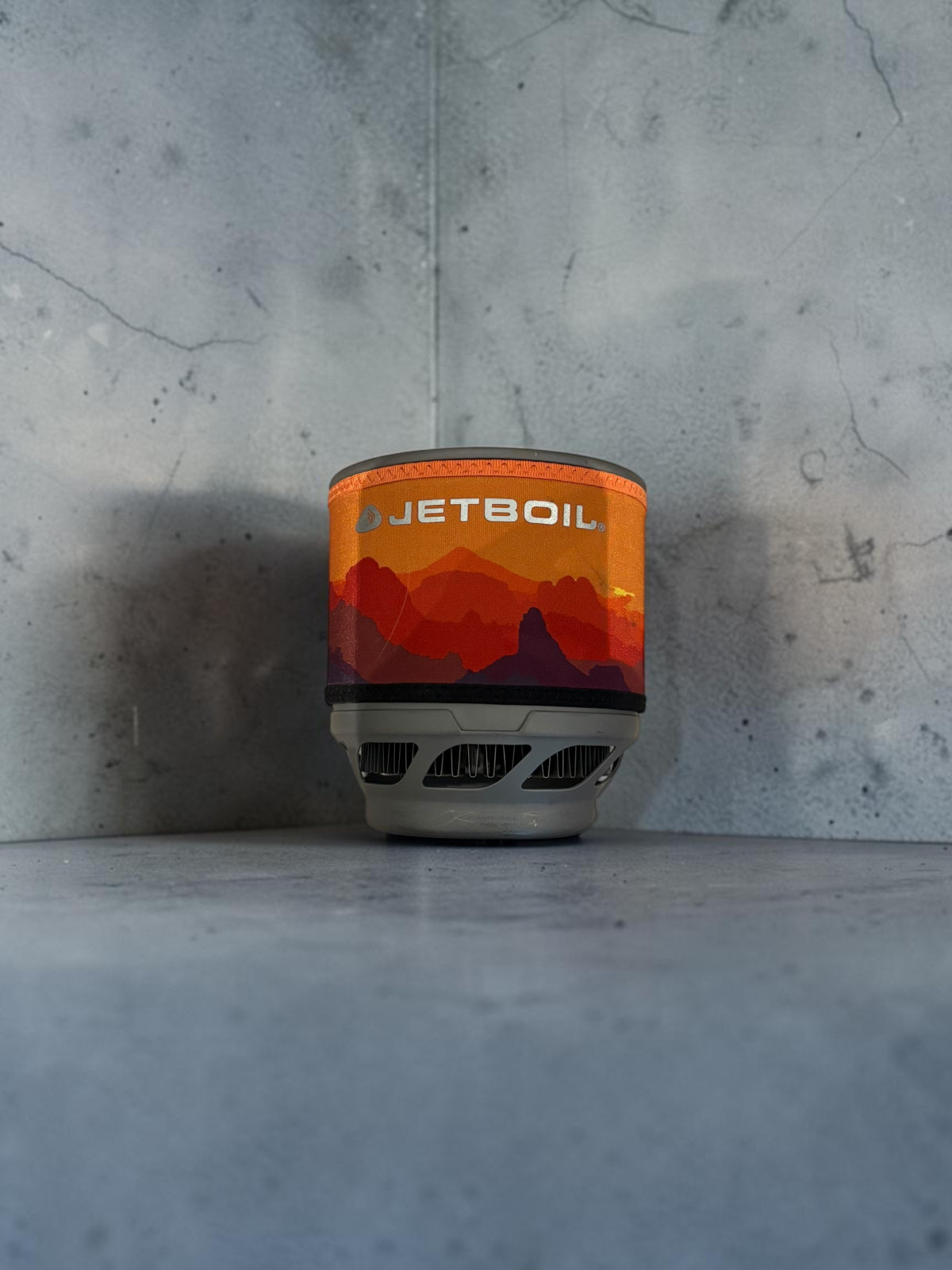
Backpacking Stove
A backpacking stove is a portable cooking system for boiling water and reheating meals on multi-day trips, with the primary trade-off between integrated canister systems (fast, efficient, heavier) and minimalist stoves (light, flexible, slower). Durable options use titanium or stainless steel burners with reliable gas canister valves; compromises use thin aluminum, plastic valves, or wood-burning designs that are slow and require dry fuel.
Fishing Reels
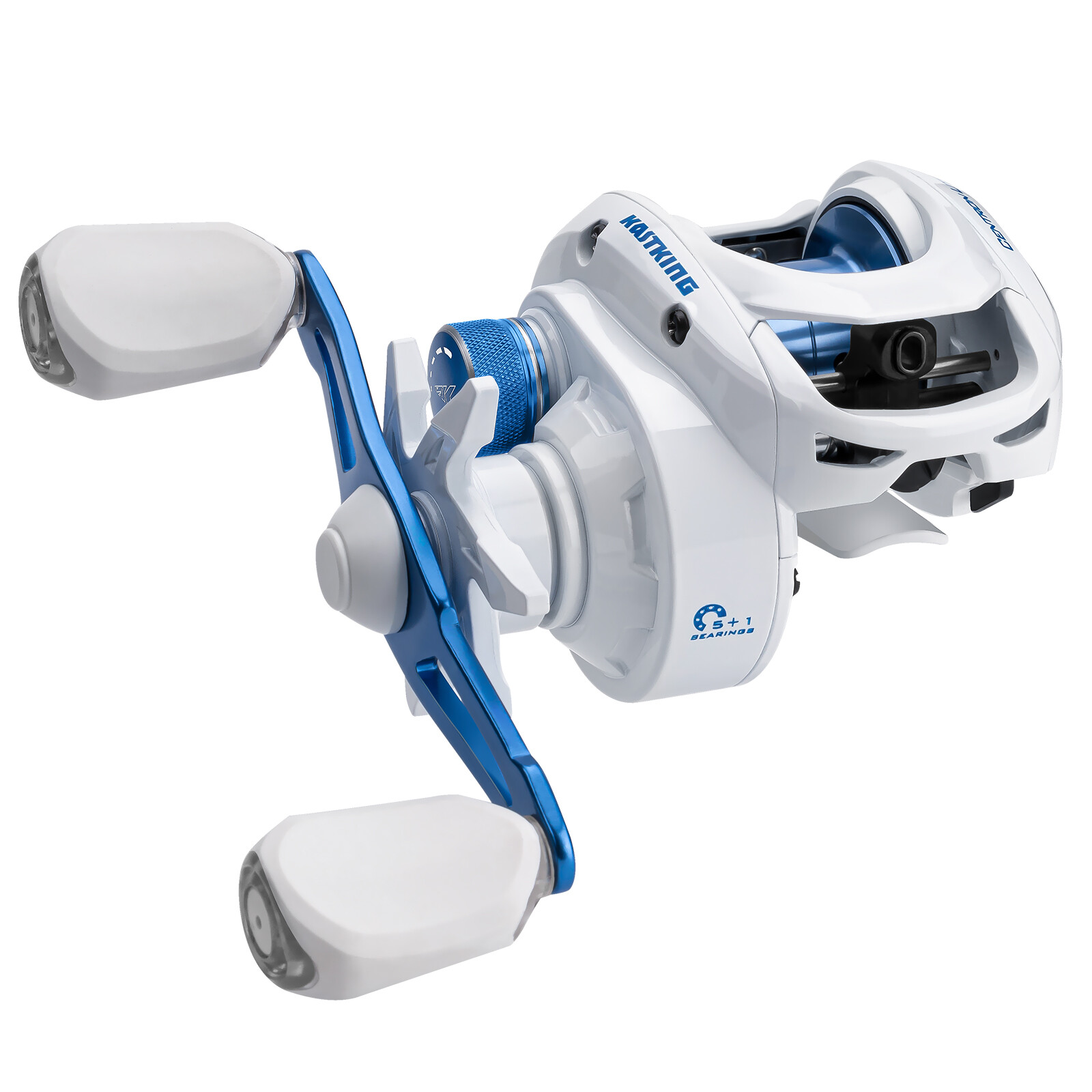
Baitcasting Reel
A baitcasting reel uses a rotating spool controlled by magnetic or centrifugal brakes, trading casting distance and accuracy for the thumb-control skill it demands. The core decision is brake architecture and spool metallurgy: magnetic brakes forgive beginners, centrifugal brakes reward experts, and a graphite frame flexes under drag load while aluminum or brass keeps gears and spool aligned. Buy aluminum-frame, dual-brake reels for durability; skip graphite-frame single-brake units only for light freshwater duty.
Dive Masks, Fins & Snorkels
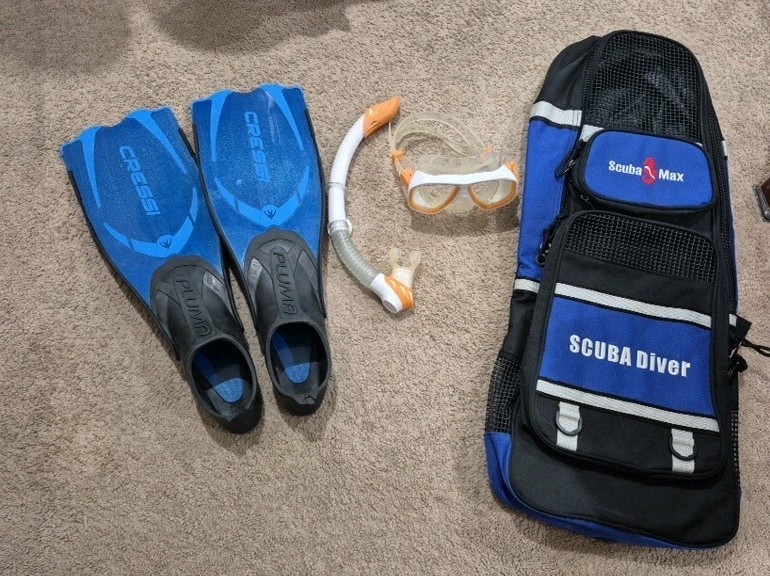
Scuba Fin
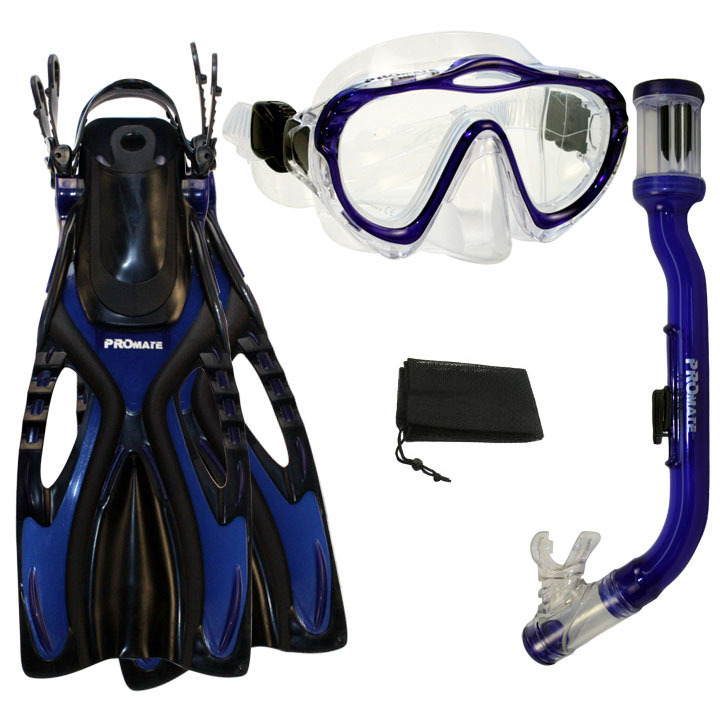
Scuba fins are the propulsion engine of your dive kit, and the core trade-off is blade stiffness versus weight: stiff blades deliver powerful kicks for strong divers, while soft flexible blades suit weaker legs or long surface swims. Choose open-heel fins with adjustable buckles for booted scuba diving, and full-foot pocket fins for warm-water snorkeling or travel where you dive barefoot.
Dive Masks, Fins & Snorkels
Snorkeling Fin
Snorkeling fins are the propulsion half of a snorkel set, and the primary trade-off is blade stiffness versus foot-pocket fit: stiff blades transfer energy efficiently but strain ankles, while soft blades are forgiving but feel sluggish. The decision rule is simple: buy fins whose blade length matches your kick style and whose foot pocket matches your bare-foot or neoprene-sock size, because no blade upgrade rescues a loose or pinching pocket.
BBQ Grills & Smokers
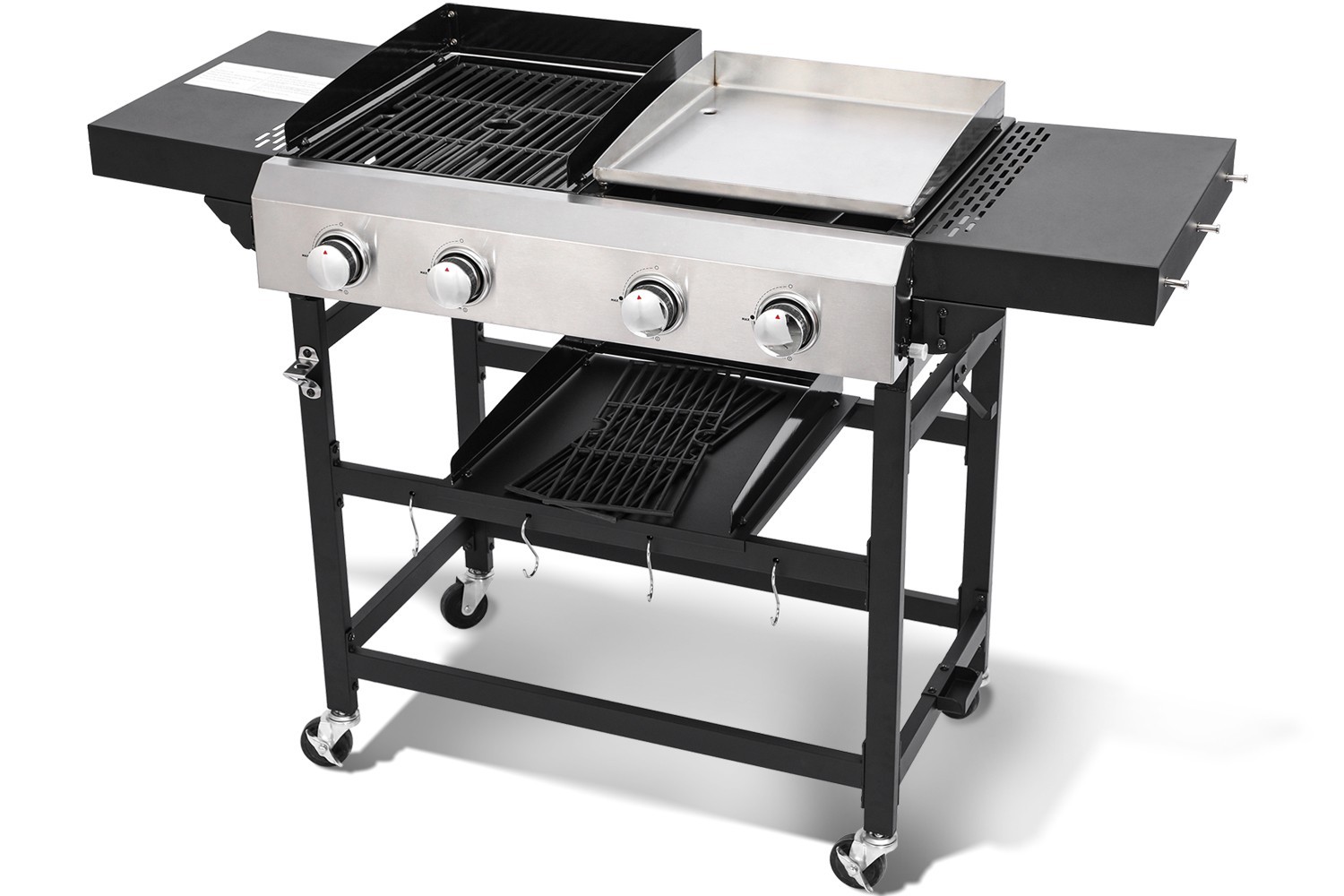
Portable Griddle Grill
A portable griddle grill is a compact, flat-top cooking surface (propane, butane, charcoal, or electric) built for camping, tailgating, and small patios. The core trade-off is burner count and BTU output versus packed size and weight: higher heat and wider cooking area mean more fuel draw and bulk. Choose a griddle with a dedicated grease drain, a hood or wind guard, and a regulator matched to your fuel type; skip thin, single-wall steel tops that warp under high heat.
Fishing Reels
Freshwater Spinning Reel
Freshwater spinning reels are open-face reels defined by spool oscillation, drag stack quality, and body rigidity; the core trade-off is machined aluminum vs graphite/composite construction for weight versus durability. A reel worth buying for freshwater has a sealed or shielded drag, a metal main gear (not zinc die-cast under heavy load), and a spool capacity matched to line class—budget plastic-body reels with unsealed drags fail within a season of regular use.
You may also like
Finding more guides for you…