Power Racks, Benches & Platforms
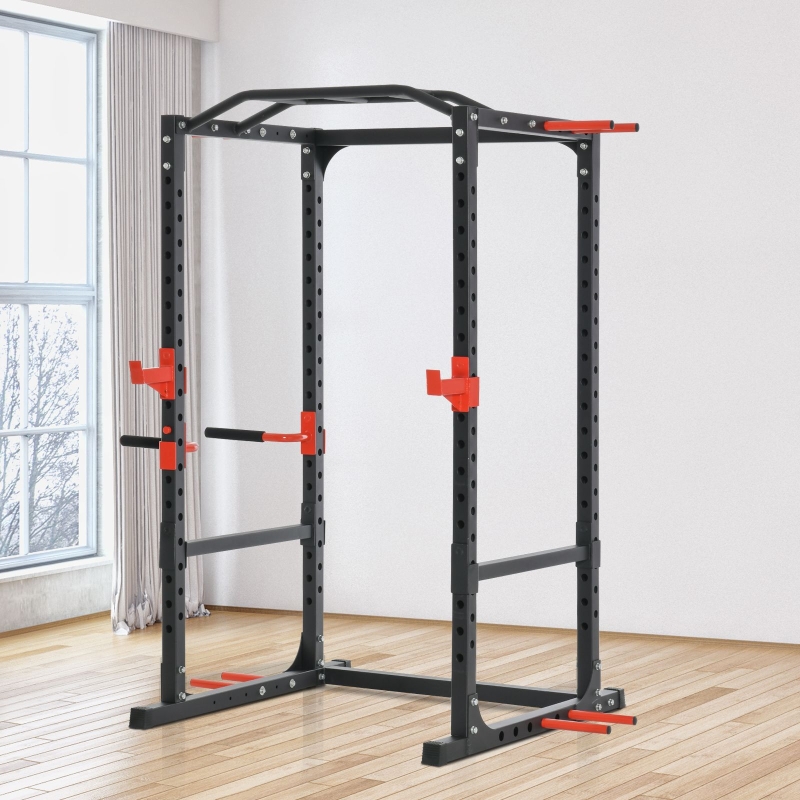
Power Rack With Dip Station
Compare current listings and seller terms before buying.
Trail Gear Advisor
Compare outdoor gear by use case, features, trade-offs, price, returns, and seller terms before you buy.
Compare current listings and seller terms before buying.
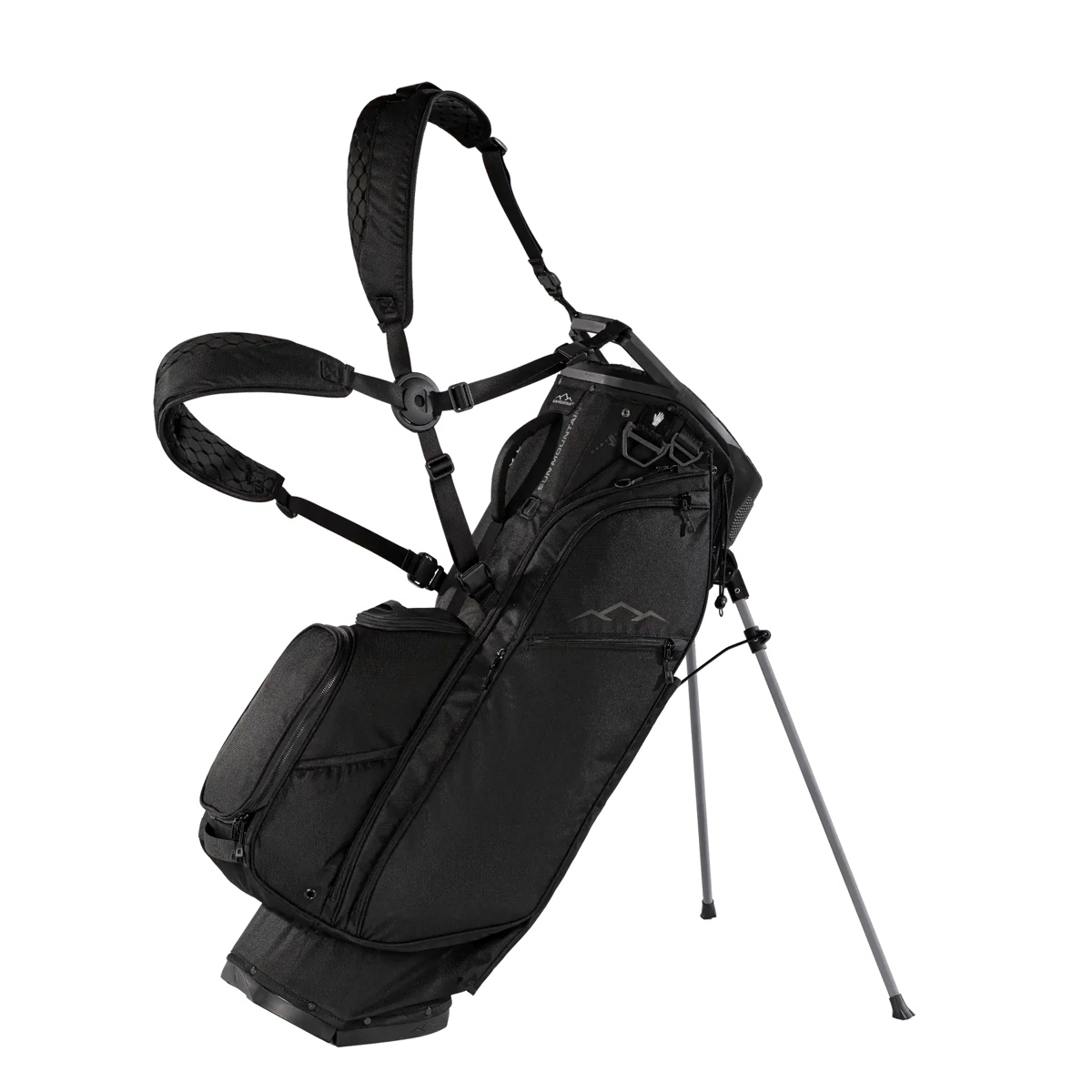
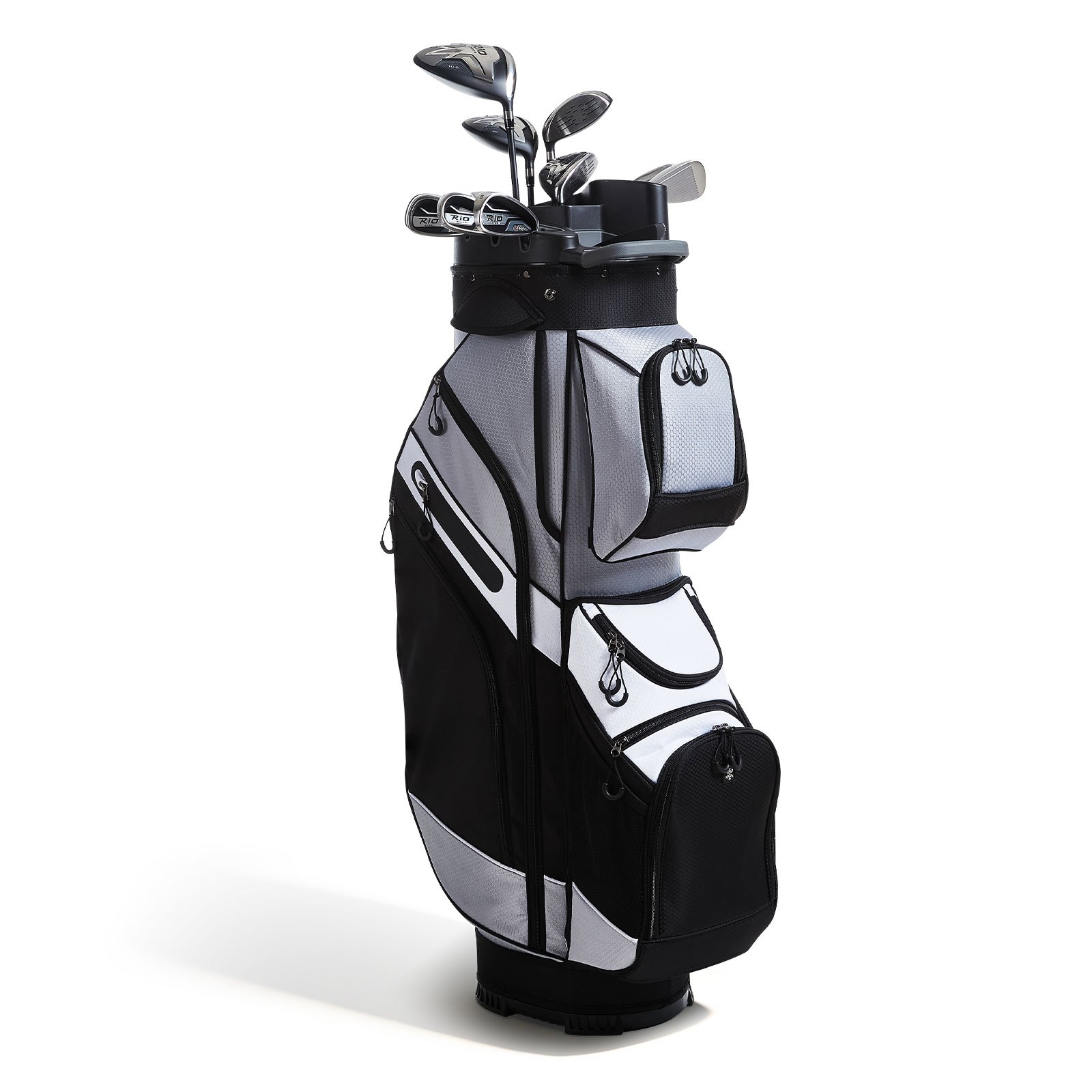
A 14-way stand bag divides the club compartment into 14 full-length individual slots to reduce grip tangle and protect shafts, while its integrated legs let it stand on the range. The core trade-off is weight versus organization: 14-way top bags typically run heavier and bulkier than 4- to 6-way carry bags. The decision rule is simple: buy a 14-way stand bag only if you want cart-like organization with walking capability, and prioritize full-length dividers and a proven stand mechanism over extra pockets.
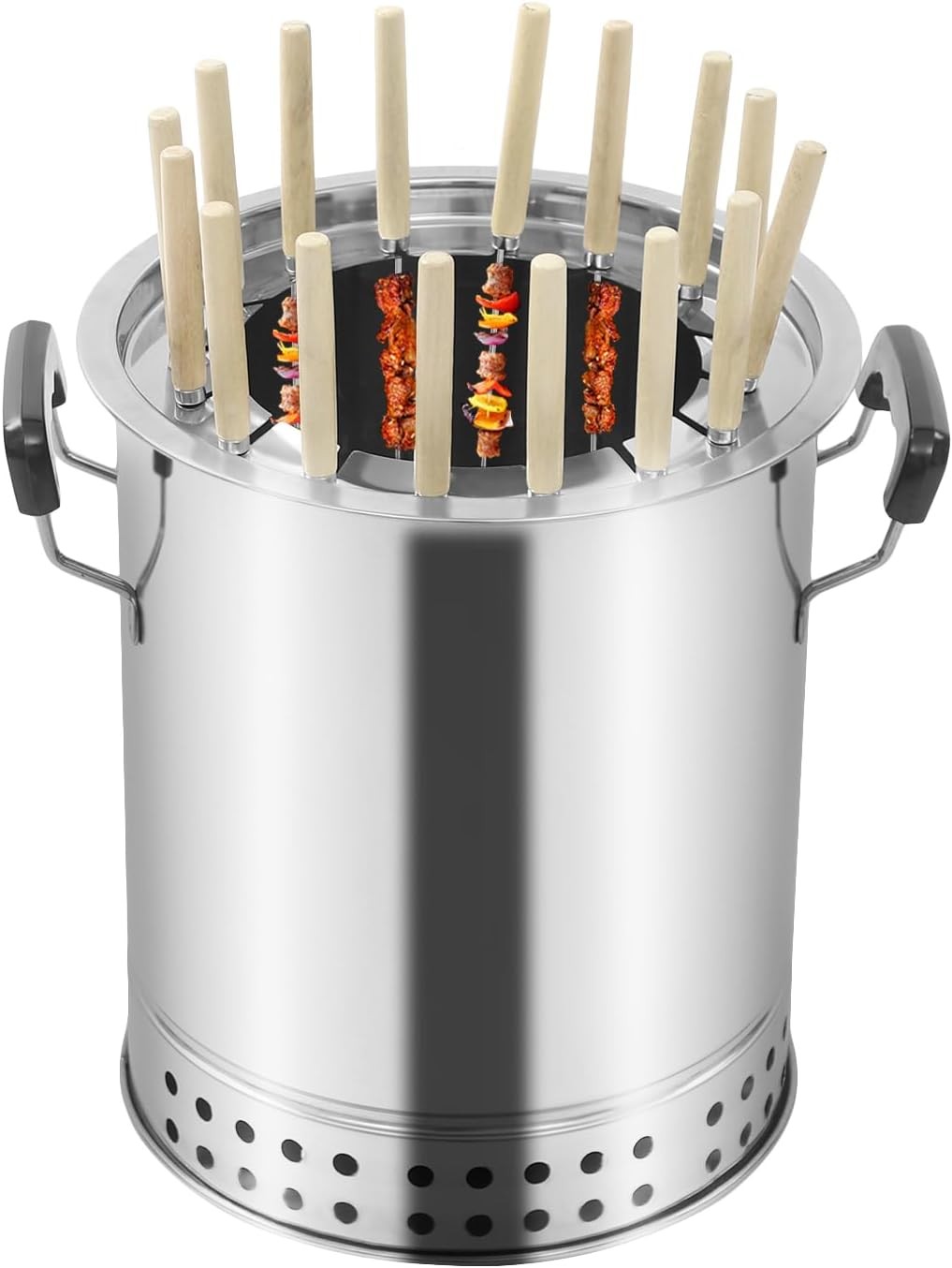
Cooking wood is split into two performance classes: kiln-dried chunk and split-log hardwoods for sustained coal beds, and thin chips or dust for fast smoke infusion. The core trade-off is moisture content and piece geometry—properly dried dense hardwood (hickory, oak, apple) burns clean and long, while wet or resinous softwood smolders and deposits creosote. Buy kiln-dried food-safe hardwood with visible grain and low bark content; skip painted, treated, or softwood scraps.
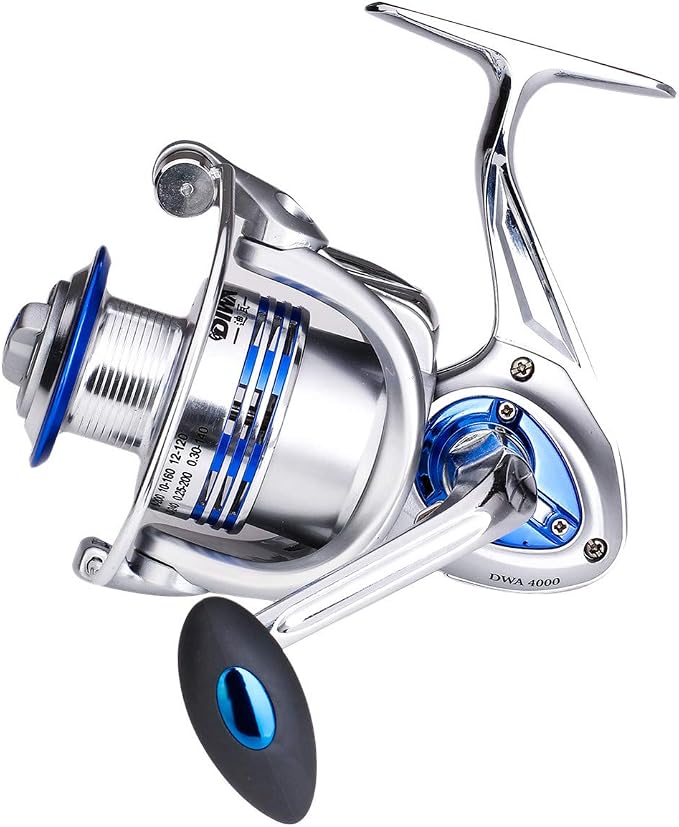
Ultra light spinning reels are compact, sub-200-gram reels sized for 1000–2500 spools, line in the 2–8 lb class, and light lures under 1/8 oz. The core trade-off is weight and spool capacity versus drag stability and frame rigidity: cost-cutting bodies flex under load and small drag washers overheat, while a proper aluminum frame, sealed carbon or felt drag, and a rigid bail wire hold up. The decision rule: prioritize an aluminum or reinforced-composite body with a machined spool and sealed drag, and skip plastic-body reels with bushing-only drives for anything beyond casual panfish.
Compare current listings and seller terms before buying.
Compare current listings and seller terms before buying.
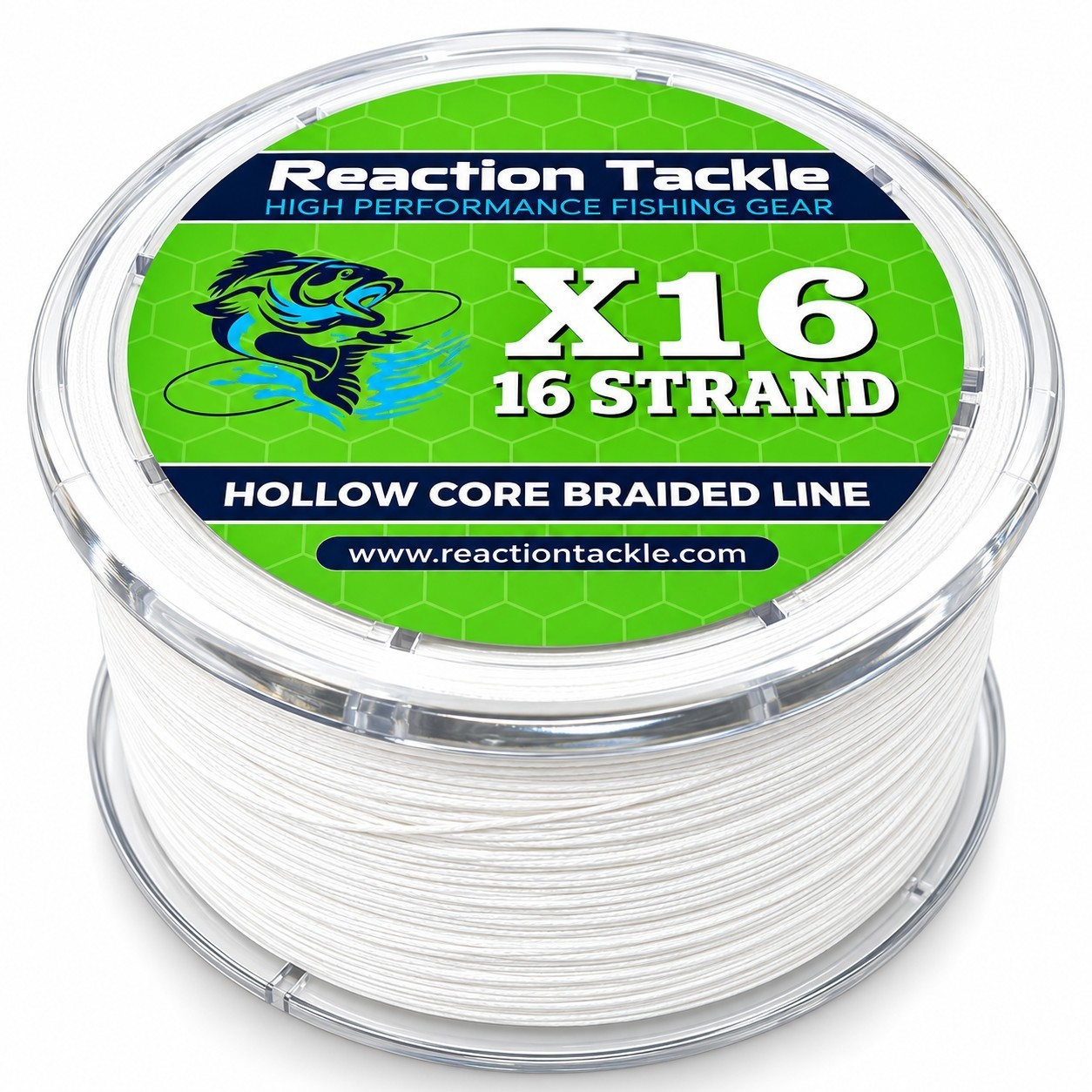
A fishing leader with swivel is a short terminal section—typically 6–36 inches of mono, fluorocarbon, or wire—with a barrel swivel at one end and often a snap or hook at the other, used to prevent line twist and allow quick lure changes. The core trade-off is swivel quality versus leader material: a cheap swivel binds and corrodes under load, while the wrong material (mono vs. fluorocarbon vs. wire) mismatches the target species and water clarity. The decision rule is simple: match swivel tensile rating to your main line's breaking strain, and match leader material to the fish's teeth and the water's abrasiveness—never downsize the swivel to save bulk.

A tackle storage box is a rigid or semi-rigid container system—from single utility trays to multi-drawer boat boxes—that organizes lures, hooks, and tools while resisting water, UV, and impact. The core trade-off is sealed weatherproofing and rust-proof hardware versus quick-draw accessibility and modular capacity; cheap boxes use brittle styrene and unsealed lids, while durable tiers use polypropylene, gasketed seals, and stainless or brass latches. The decision rule: buy gasketed polypropylene with reinforced hinges for boat or kayak use, and simple open-tray polypropylene for garage or bank storage—skip any box with polystyrene walls or non-gasketed latches if it will see spray or rain.
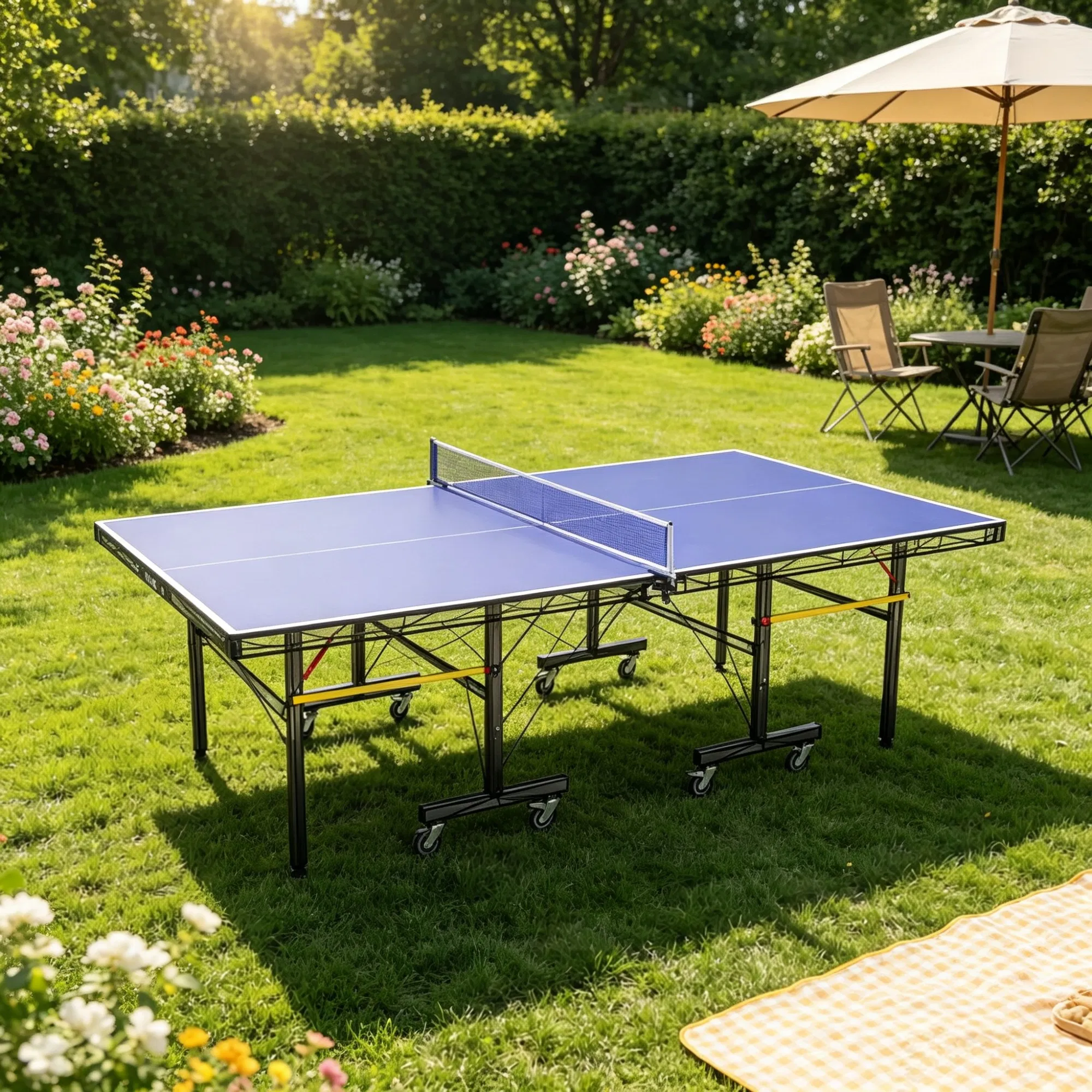
An indoor table tennis table is a dedicated, foldable competition-surface platform—not a topper—built to ITTF dimensional standards with a 15-25mm top that determines bounce consistency, speed, and long-term flatness. The core trade-off is top thickness and frame/leg rigidity versus portability and storage footprint. Buy a regulation 9x5ft table with at least 15mm MDF and independent leg levelers for real play; a conversion top or sub-12mm top is a toy, not a table.
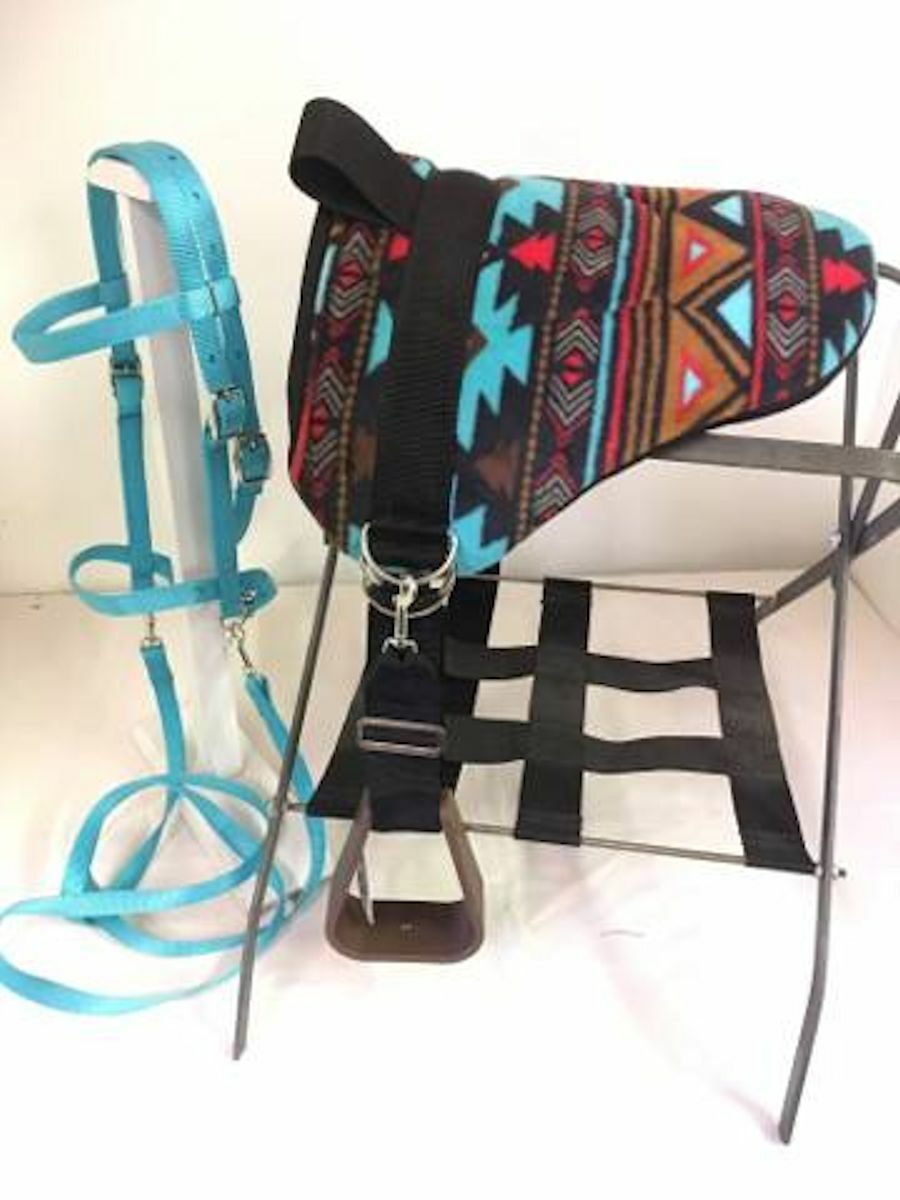
Mini horse saddle pads are scaled-down saddle pads built for Miniature Horses and small ponies, where fit and clearance matter more than full-size cushioning. The core trade-off is between a true mini-specific cut that clears the withers and short back versus a generic small-pony pad that bunches or bridges. Buy only pads with measured mini/pony dimensions and correct gullet or bareback clearance; skip one-size-fits-all pads that assume a full horse back.
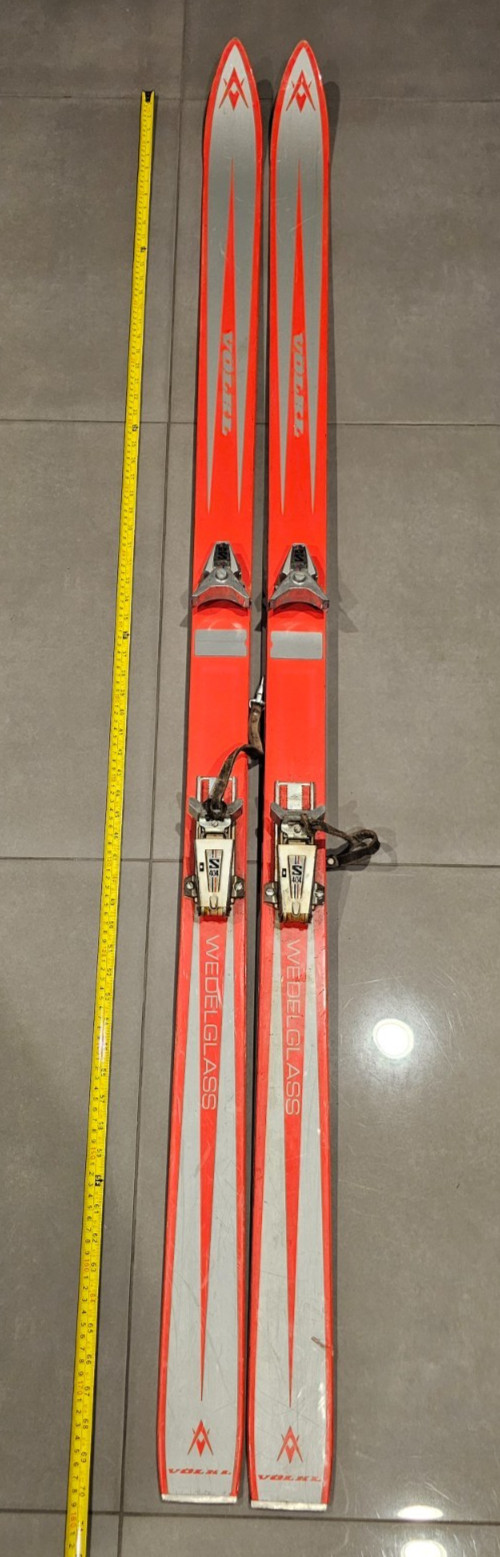
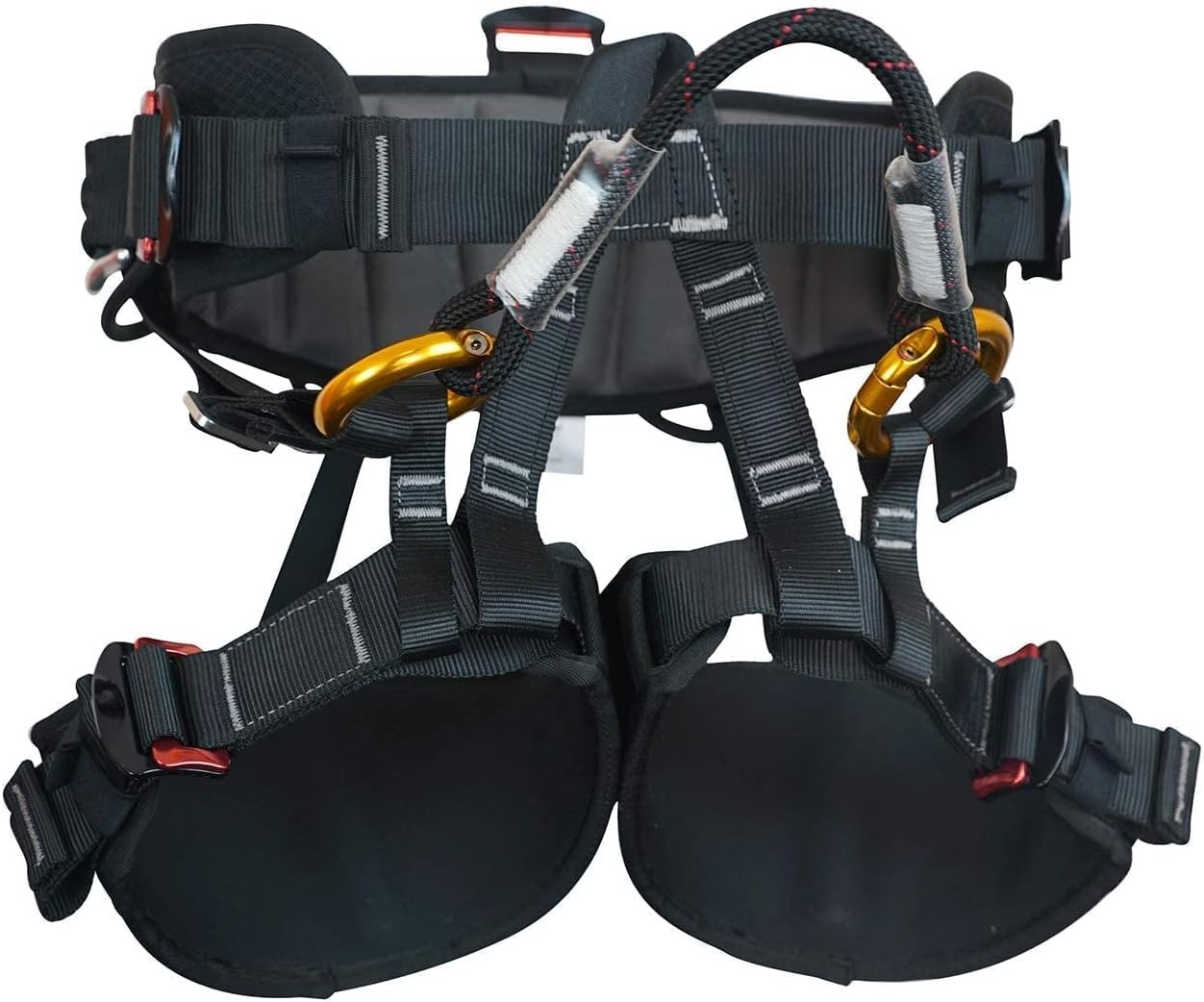
A tree harness is a work-positioning or fall-arrest harness built for arborists, climbers, and rescue users who need hands-free stability around trunks and limbs. The primary trade-off is between a full-body fall-arrest harness and a sit-stand arborist saddle: saddles prioritize all-day comfort and work positioning, while full-body harnesses prioritize fall-arrest compliance. Buy a certified arborist saddle with a floating bridge and rated side D-rings for tree work; treat generic half-body climbing harnesses as sport-climbing gear, not tree-cutting equipment.
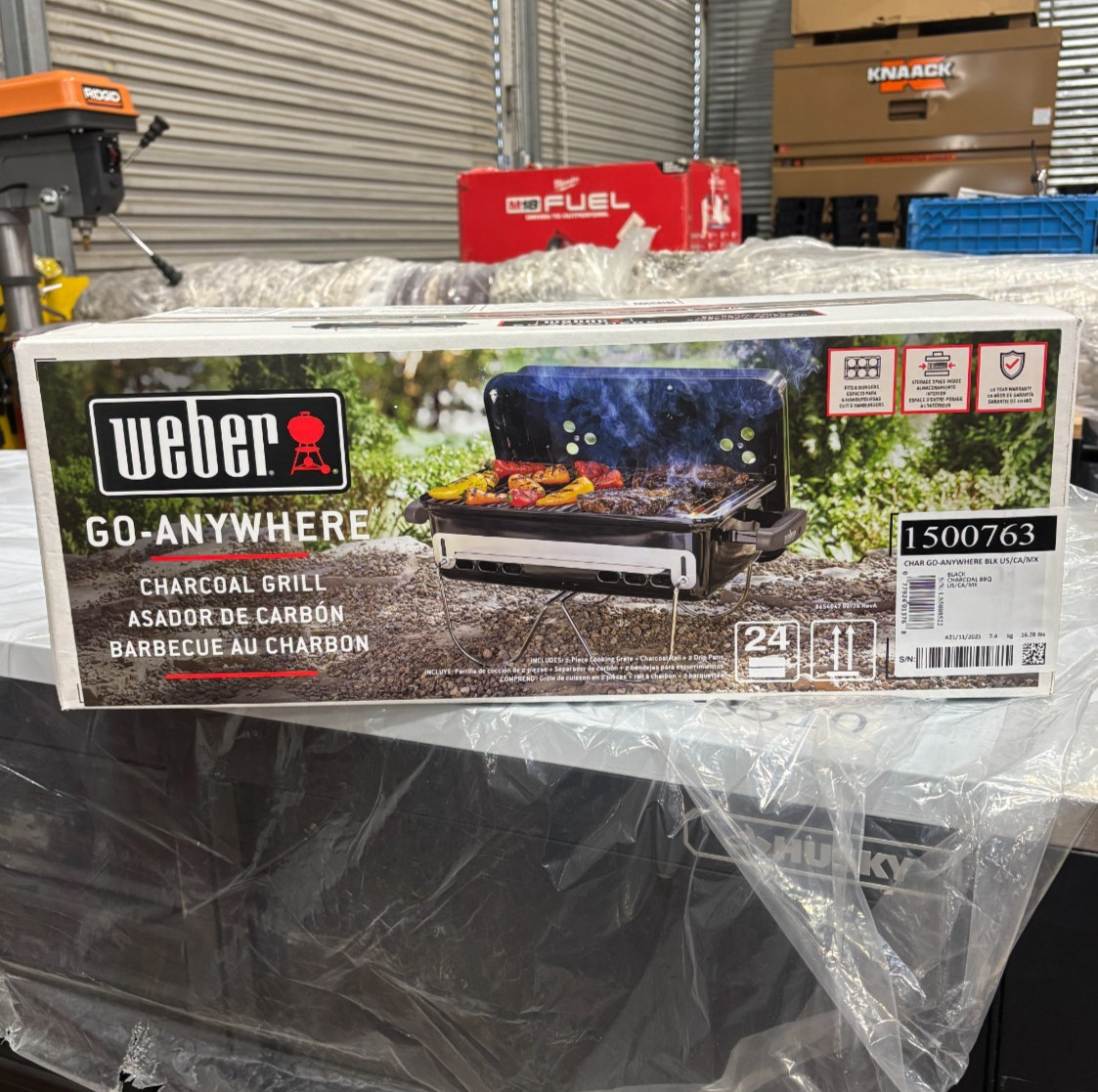
Weber portable BBQs are compact charcoal and gas grills engineered for tailgates, camping, and small patios, with the core trade-off being cast-aluminum durability and porcelain-enameled heat retention versus lighter, cheaper steel builds that rust and warp. The decisive rule: choose a Weber with a cast-aluminum body and porcelain-enameled cast-iron or steel grates for multi-season use; skip any portable grill with a thin stamped-steel firebox and chrome-plated wire grate, which degrades within a few seasons.
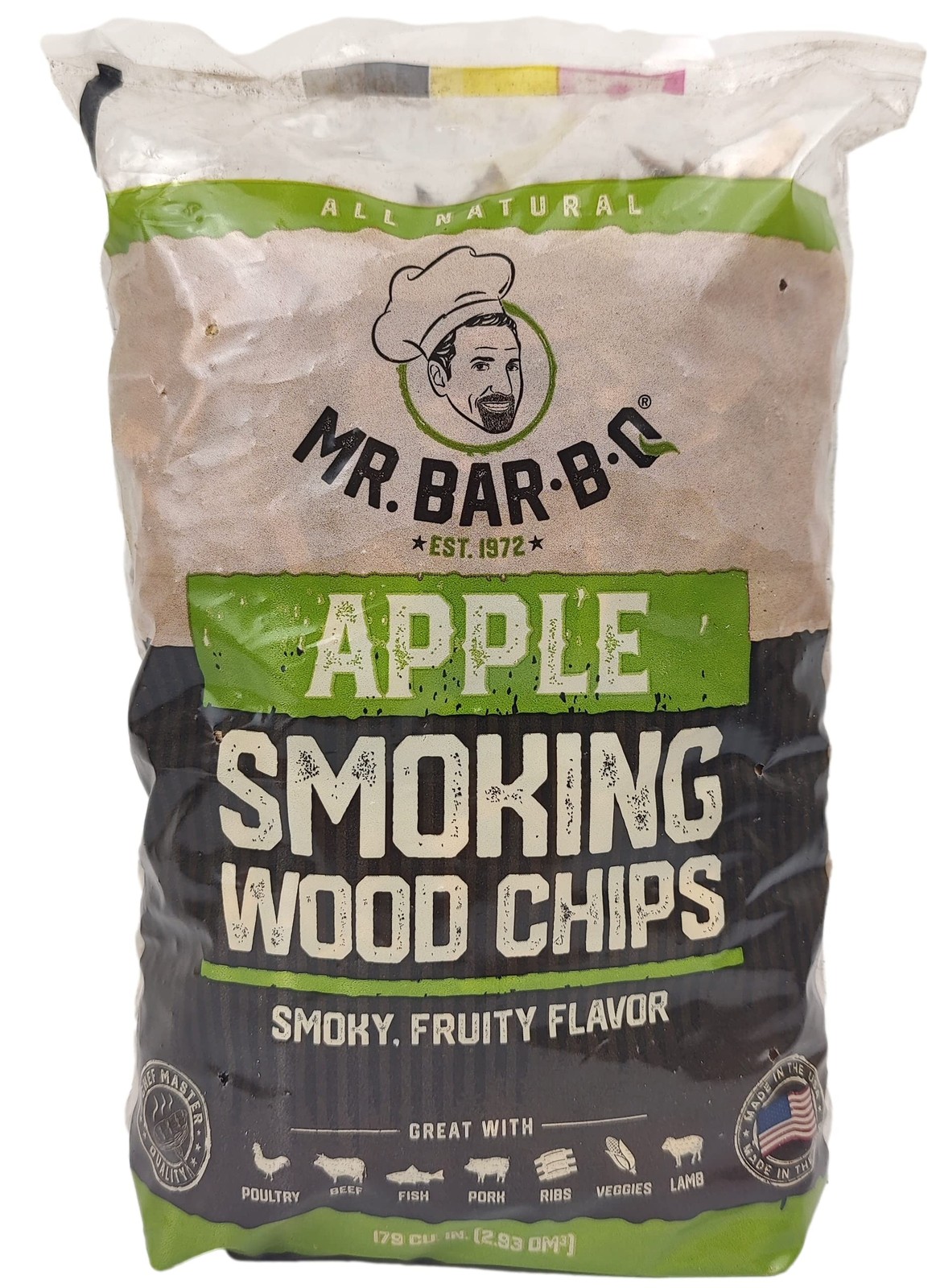
Apple smoking chips are small, kiln-dried hardwood pieces used to generate sweet, fruity smoke in barbecue smokers and grill smoke boxes. The decisive trade-off is chip size and moisture content: uniform, low-moisture chips ignite fast and burn clean, while oversized or damp chips smolder unevenly and impart acrid creosote. Buy chips graded for smoking (roughly 1–3 inch pieces, under 15% moisture) from fruitwood orchards; skip bark-heavy or construction-grade wood.
Finding more guides for you…