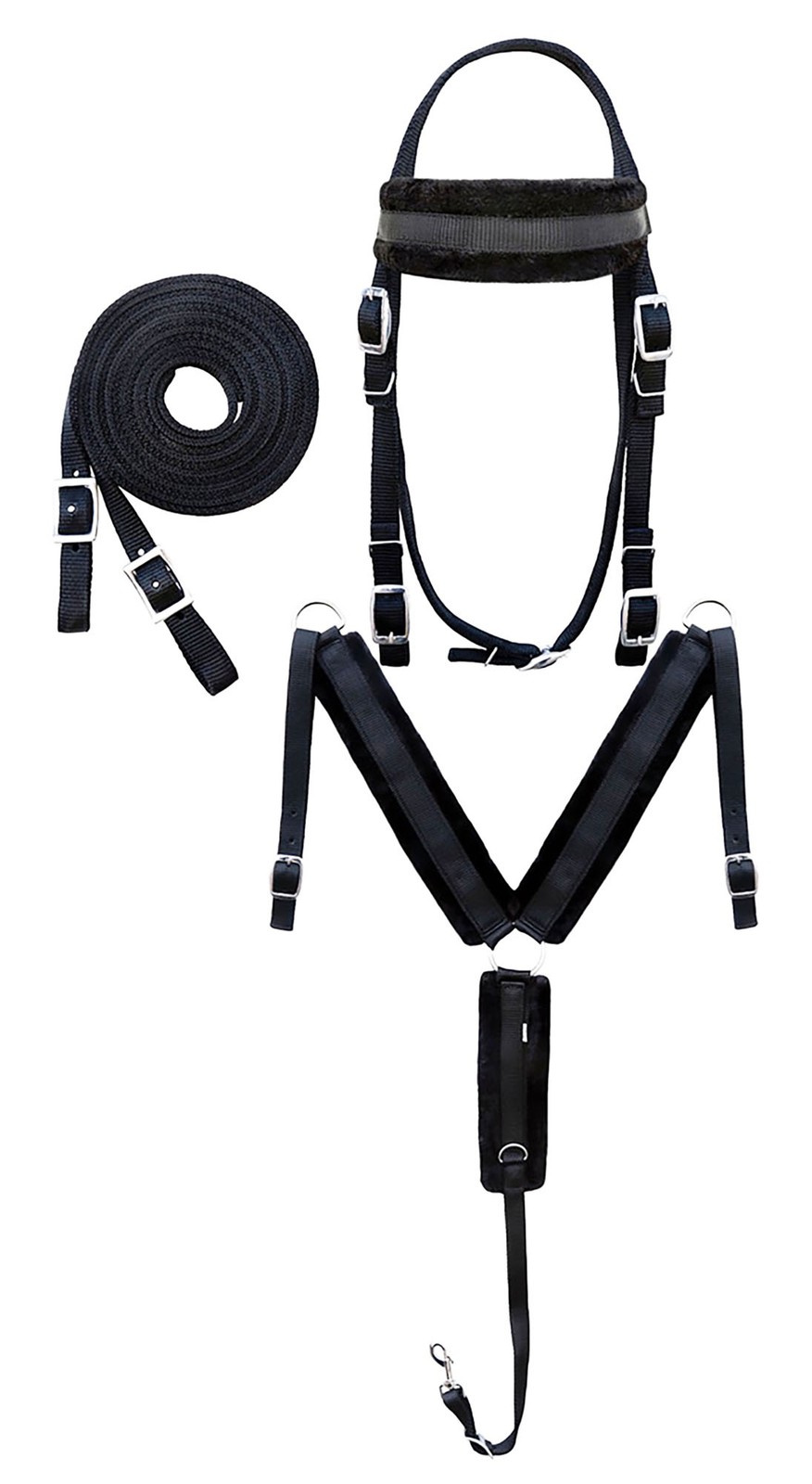

Photos from current listings. Actual item, color, and included accessories may vary.
Bridle And Breast Collar Set Buying Guide
A bridle and breast collar set pairs a headstall with a chest-stabilizing breast collar to keep the saddle and bit aligned during work or showing. The primary trade-off is leather grade and hardware metallurgy versus nylon's weatherproof economy: leather offers feel and longevity when cared for, nylon resists rot but stretches and fades. The decision rule: buy a set whose breast collar attachment matches your saddle rigging and whose leather is at least harness-grade or nylon at least 1200D, not bonded or split leather with plated hardware.


At a glance
- Category
- Bridles, Bits & Reins
- Data updated
- Nov 18, 2026
Current offers
Highlights
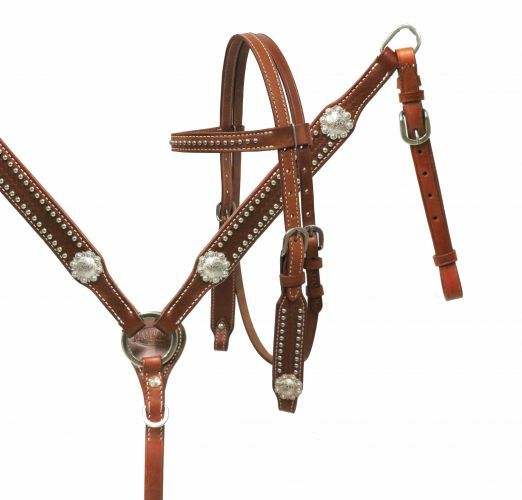
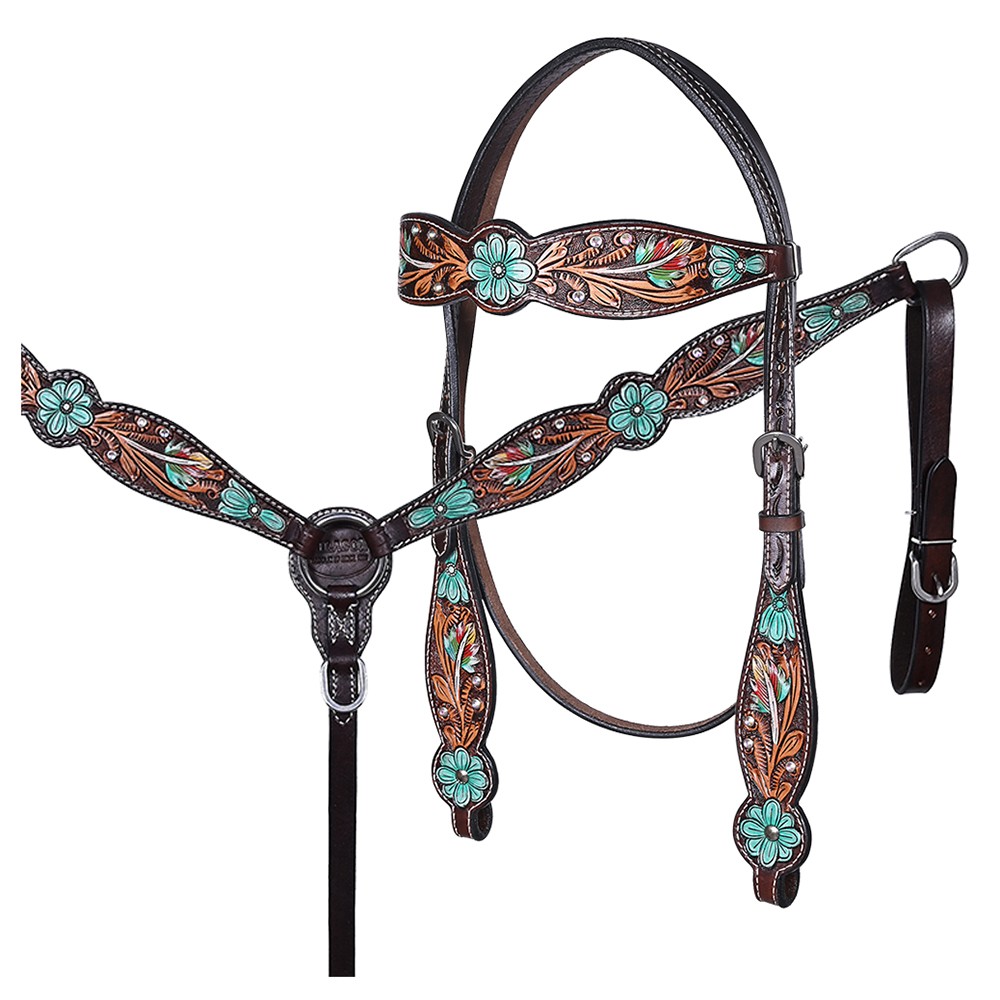
- Leather sets use either harness-grade vegetable-tanned hide (thick, toolable, ages well) or split/bonded leather (thin, cracks at stress points) — the grade determines useful life.
- Nylon sets are rated by denier and webbing width: 1200D–1680D with box-X stitching and brass or stainless hardware outlasts 600D with plated rings.
- Breast collars attach via a center tug strap to the saddle's D-ring or via a full surcingle-style rig; the strap width and length must match your saddle's rigging position.
- Hardware metallurgy matters: stainless steel or solid brass resists rust and bending; plated zinc or pot metal snaps and conchos deform under load.
Best use cases
- Best fit: buy a leather headstall + breast collar set if you show western or trail ride in dry climates and want a set that conforms and improves with oiling.
- Best fit: buy a nylon set for daily training, wet climates, or multiple horses sharing tack — it is hose-cleanable, UV-fading but structurally stable, and low-maintenance.
- Wrong fit: skip pony/cob sizing on a full-size horse; a pony headstall's cheek pieces and browband will not reach, and the breast collar will sit too high on the chest.
- Wrong fit: skip a breast collar with a fixed center strap if your saddle lacks a compatible front D-ring or rigging point — the collar will pull the saddle forward.
Buying tips
- Measure your horse's head: crownpiece to bit ring along the cheek (typically 9–11 in for full size, 7–9 in for pony) and match to the headstall's stated cheek length, not the label 'horse size'.
- For breast collars, measure the chest width from the point of shoulder across to the opposite side (full size commonly 36–44 in); choose a collar with at least 4–6 in of adjustment.
- Choose stainless steel or solid brass buckles, rings, and conchos over plated zinc; plated hardware pits and bends, and conchos can strip their screws.
- For leather, confirm harness-grade or vegetable-tanned construction with stitched, not riveted-only, stress points; nylon should be 1200D or heavier with box-X stitching at ring attachments.
Specs
| Material | Harness leather / 1200D nylon |
|---|---|
| Breast Collar Fit | Full 36-44 in chest / pony smaller |
| Hardware | Stainless or solid brass vs plated |
| Set Components | Headstall, bit loops, reins, collar |
Related searches
What to check before buying
- Saddle rigging: confirm a front D-ring or rigging point for the breast collar's center strap; measure the distance from the D-ring to the collar's tug loop.
- Bit compatibility: match the headstall's bit-loop width to your bit's cheek/ring thickness — thin loops bind on thick rings and restrict rein feel.
- Sizing: measure cheek length, browband length, and chest width; pony, cob, and full sizes differ by several inches, and a poor fit rubs.
- Climate and care: leather needs oiling and dry storage; nylon suits wet or muddy conditions — pick the material for your routine, not the show photo.
FAQ
Data sources: eBay / Amazon listings and product attribute feeds Data updated Nov 18, 2026.
Some links on this page are affiliate links. If you buy after clicking one, we may earn a commission at no extra cost to you. This does not change which products appear here or their order. Affiliate disclosure.