Photos from current listings. Actual item, color, and included accessories may vary.
Horse Leather Rein Buying Guide
Horse leather reins are the direct contact point between rider and bit, so leather grade, width, and length determine feel, durability, and safety. The core trade-off is between supple, broken-in leather for immediate feel versus thicker, stiffer hides that resist sweat and abrasion but need break-in. Choose based on discipline and hand size: English riders need narrow, light reins for precise aids, while Western and trail riders need wider, heavier reins for grip and durability.


At a glance
- Category
- Bridles, Bits & Reins
- Data updated
- Nov 18, 2026
Current offers
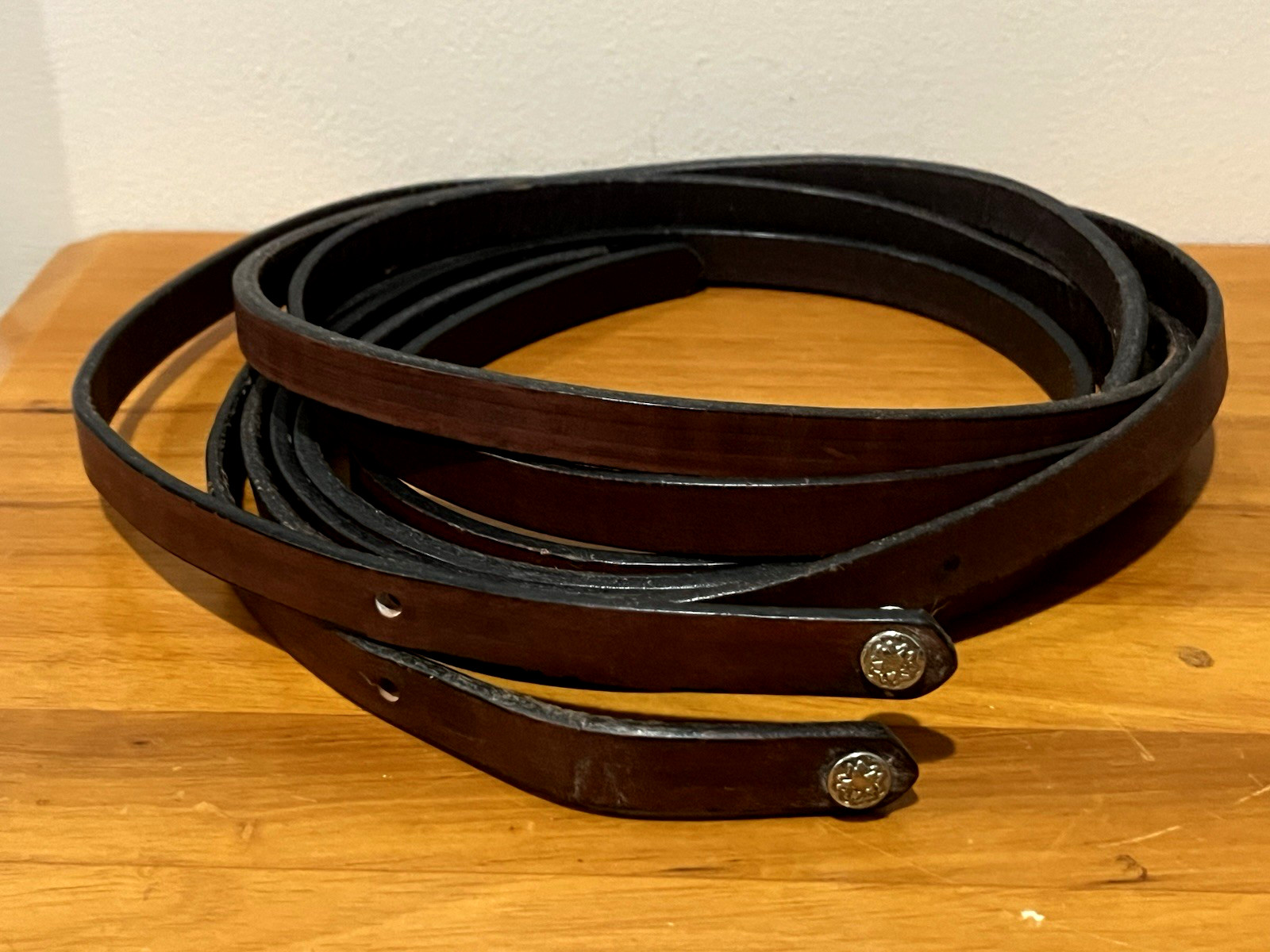 Horse Tack riding Copenhagen Brown Leather Split Reins - 7' Long 5/8 Wide 84"$24.50
 View on eBay
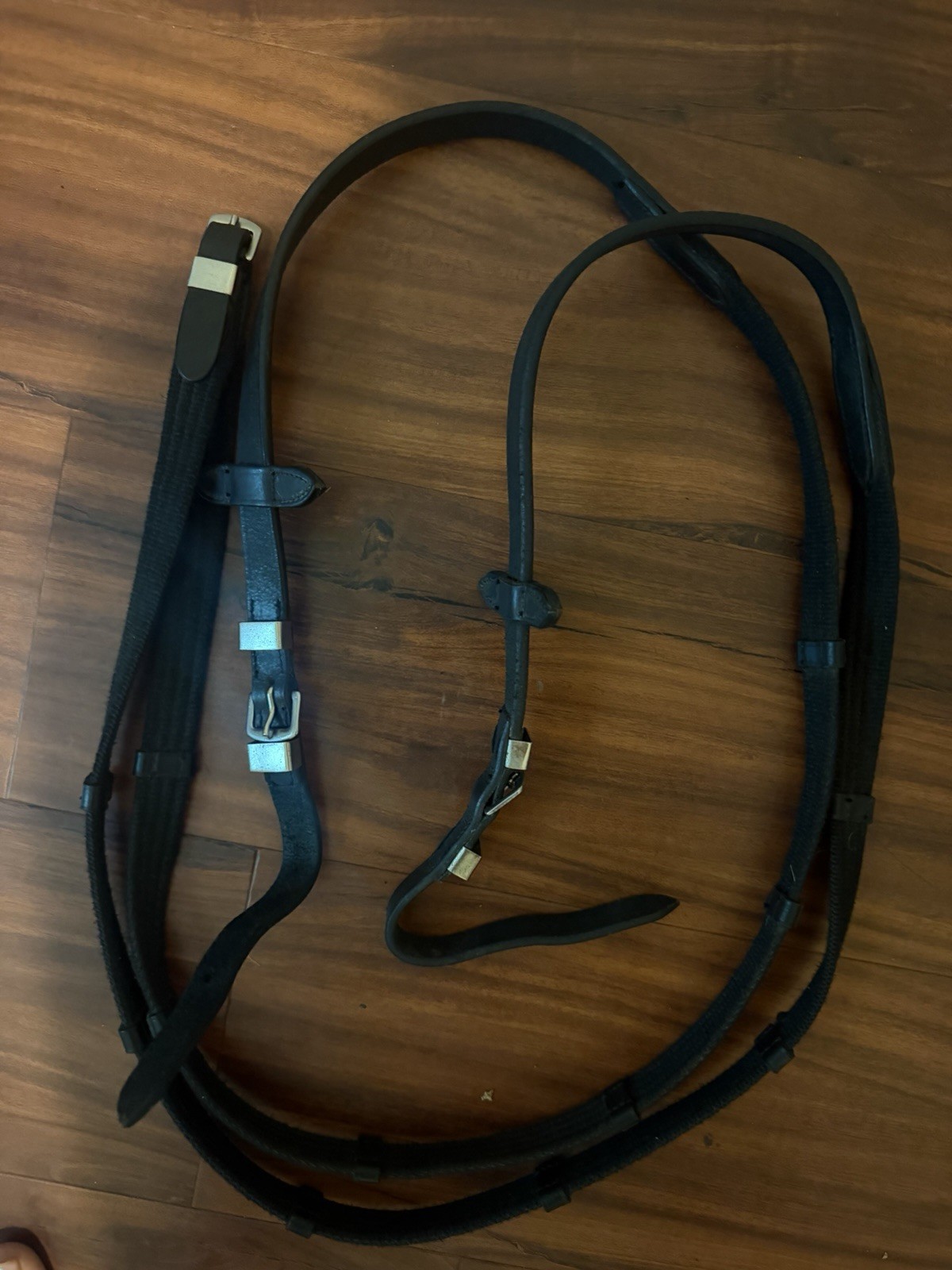 HDR Black Leather Reins with Silver Accent- Horse Tack$29.99View on eBay
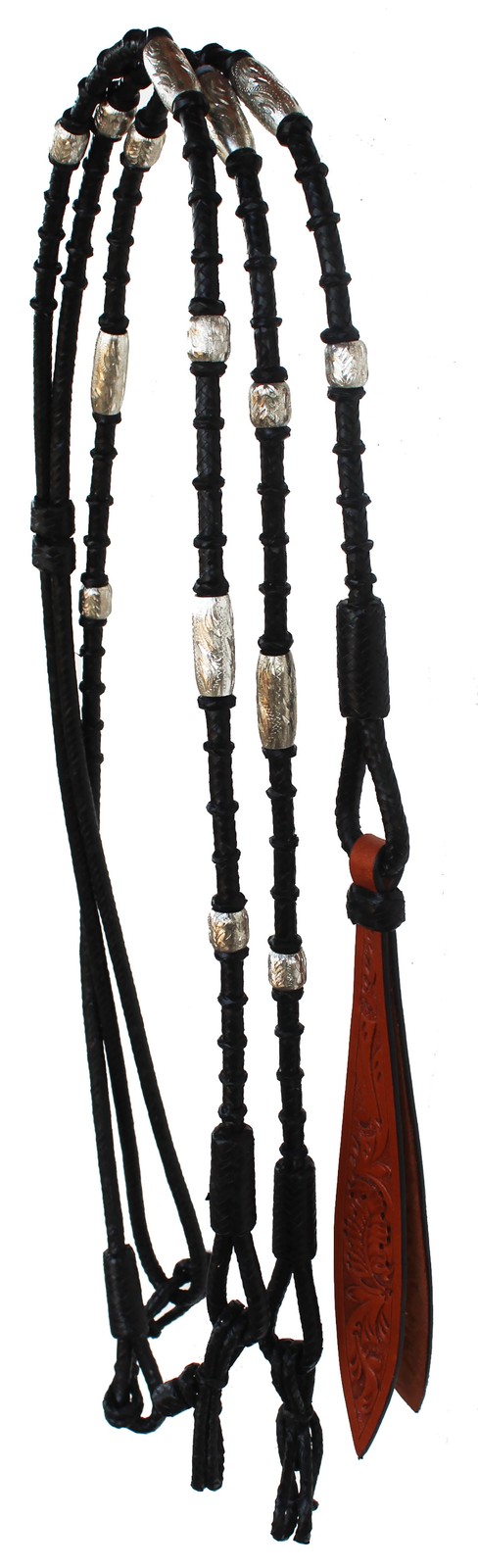 Horse Braided Leather Rawhide Romal Reins Silver Black Tack 6653$59.99View on eBay
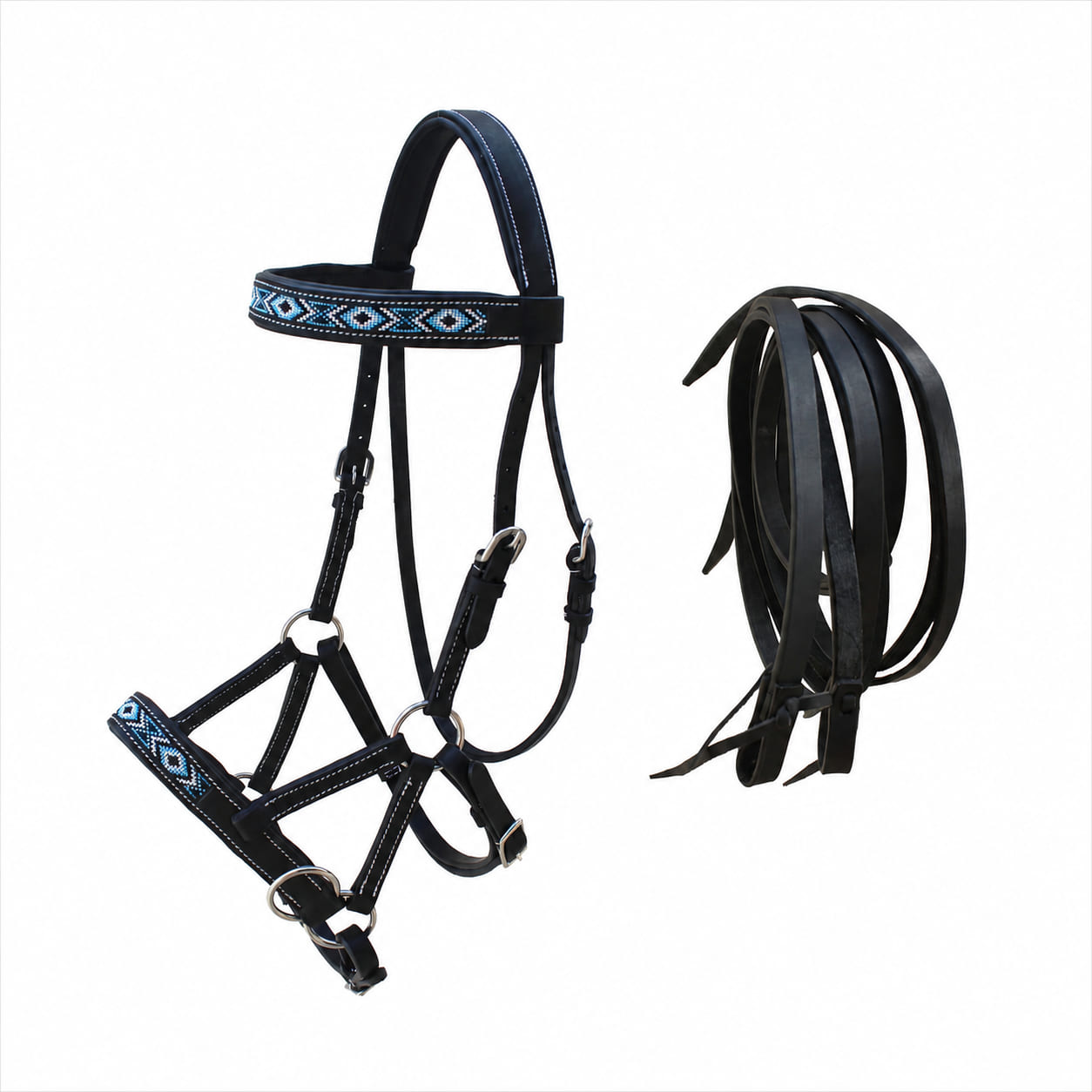 Horse Western English Leather Bitless Sidepull Bridle w/ Split Reins 77RS11$59.99View on eBay
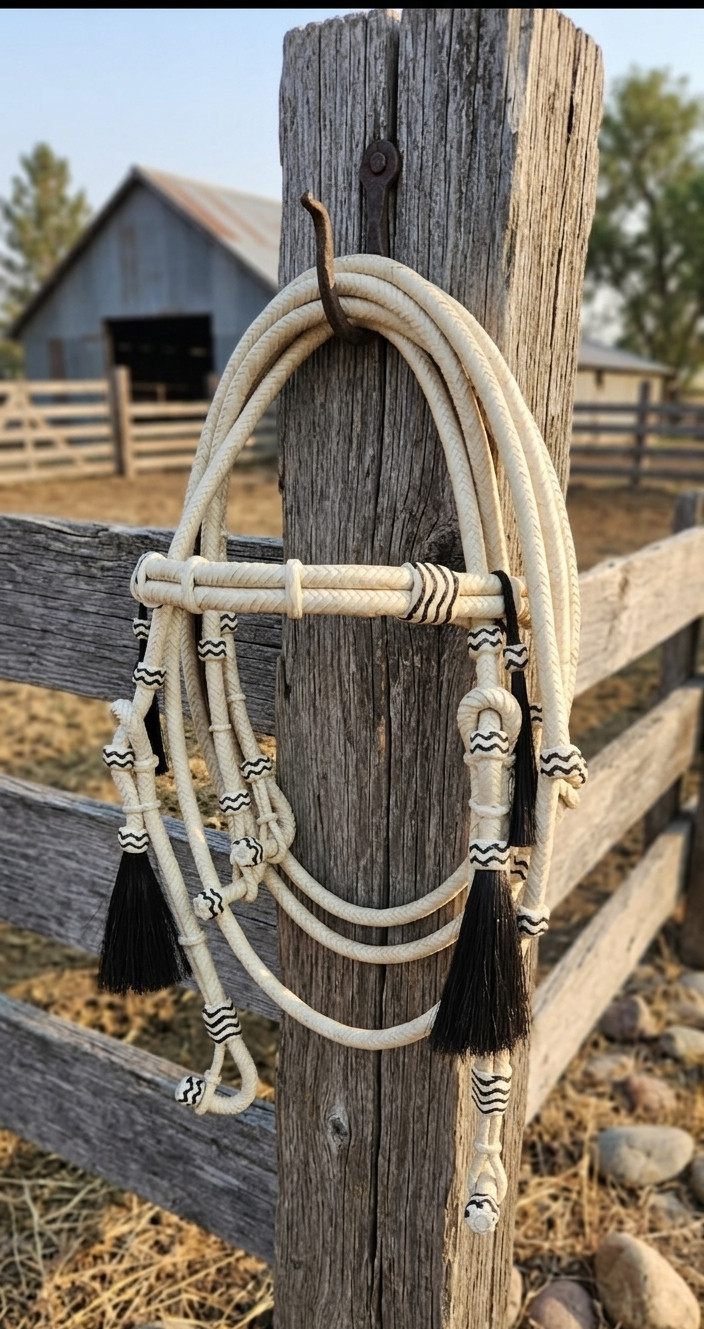 Natural Rawhide Western Leather Headstall Handmade Horse Bridle with Reins Set$89.99View on eBay
Highlights
- Rein width drives hand fatigue and control: 3/8" to 1/2" suits English and fine-handed riders, while 5/8" to 3/4" gives Western and trail riders more grip and less hand strain.
- Leather grade separates durable from disposable: full-grain or top-grain vegetable-tanned hide resists cracking and sweat rot; split-grain or bonded leather delaminates at stress points within a season.
- Length must match discipline and horse size: 7' split reins suit most Western horses, 8-9' reins accommodate larger horses or romal-style setups, and English reins typically run 48-60" per side.
- Hardware and stitching decide longevity: stainless steel or solid brass buckles with Chicago screws outlast plated zinc; hand-stitched or double-stitched seams at bit ends prevent pull-through.
Best use cases
- Best fit for English/dressage: pick 1/2" to 5/8" flat leather reins with stainless buckles and billets hooks for precise, light contact; skip wide Western reins that dull feel.
- Best fit for Western/trail: choose 5/8" to 3/4" split reins in 7-8' lengths with weighted ends for grip and safety; skip narrow English reins that cut into hands on long rides.
- Best fit for bitless/sidepull setups: select reins with sturdy Chicago-screw bit ends and 8-9' length for ground work and neck reining; skip glued-only ends that fail under pressure.
- Wrong fit for showing or hunter classes: braided rawhide romal reins add bulk and visual noise; choose plain flat leather with minimal silver for a clean, legal turnout.
Buying tips
- Measure your horse before buying: for split reins, use 7' for horses under 15.2 hands and 8' for larger horses; English reins should span from bit to hand with 4-6" of slack when seated.
- Pick full-grain vegetable-tanned leather over chrome-tanned or bonded leather; it darkens with oil, molds to your hand, and resists cracking at the bit ends.
- Match width to hand size: riders with small hands should stay at 3/8"-1/2"; riders with large hands or gloves can manage 5/8"-3/4" without losing feel.
- Inspect hardware before riding: demand stainless steel or solid brass buckles and Chicago screws, not plated zinc; check that bit-end loops are double-stitched or riveted.
Specs
| Rein Width | 3/8"-1/2" English / 5/8"-3/4" Western |
|---|---|
| Rein Length | 7'-8' split / 48-60" English per side |
| Leather Grade | Full-grain veg-tan vs bonded split |
| Hardware | Stainless or solid brass vs plated zinc |
Related searches
What to check before buying
- Confirm your bit cheek width and bit-end hardware: reins must attach with buckles or Chicago screws that fit your bit rings without excess play.
- Measure your horse's neck length and your arm reach: split reins should leave 8-12" of tail beyond your hand when riding with one hand.
- Check discipline rules: hunter/jumper and dressage classes require specific rein types and may prohibit braided or romal reins.
- Verify leather finish matches climate: smooth leather suits dry climates, while braided or rawhide-reinforced leather handles wet, humid conditions better.
FAQ
Data sources: eBay / Amazon listings and product attribute feeds Data updated Nov 18, 2026.
Some links on this page are affiliate links. If you buy after clicking one, we may earn a commission at no extra cost to you. This does not change which products appear here or their order. Affiliate disclosure.