Photos from current listings. Actual item, color, and included accessories may vary.
One Ear Bridle Buying Guide
A one-ear bridle is a western headstall with a single ear loop that holds the headpiece in place without a browband, used for training, trail, and show. The core trade-off is between hand-braided rawhide (light, traditional, less forgiving of moisture) and tooled leather (durable, adjustable, heavier); the decisive rule is to match the ear loop circumference to your horse's ear base and buy hardware rated for real pull, not decorative conchos.


At a glance
- Category
- Bridles, Bits & Reins
- Data updated
- Nov 18, 2026
Current offers
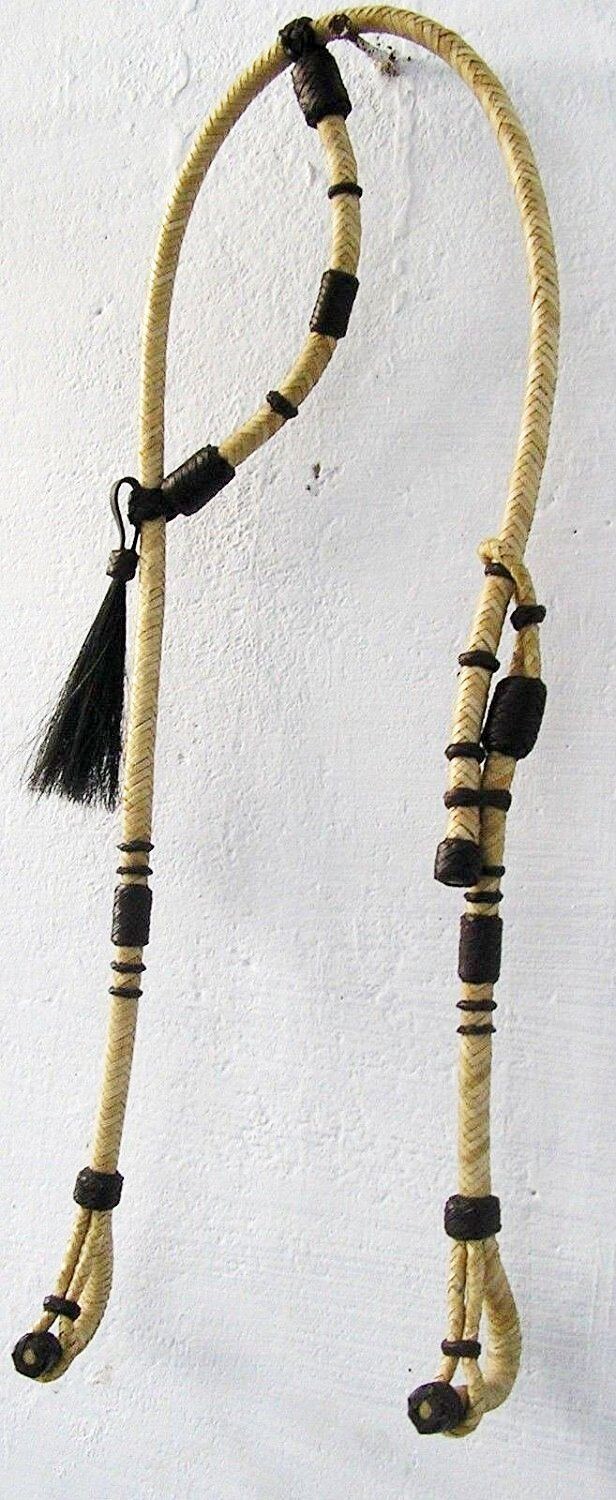 Western One Single Ear Headstall Rawhide Hand Braided Bridle Horse Tack Futurity$35.99
 View on eBay
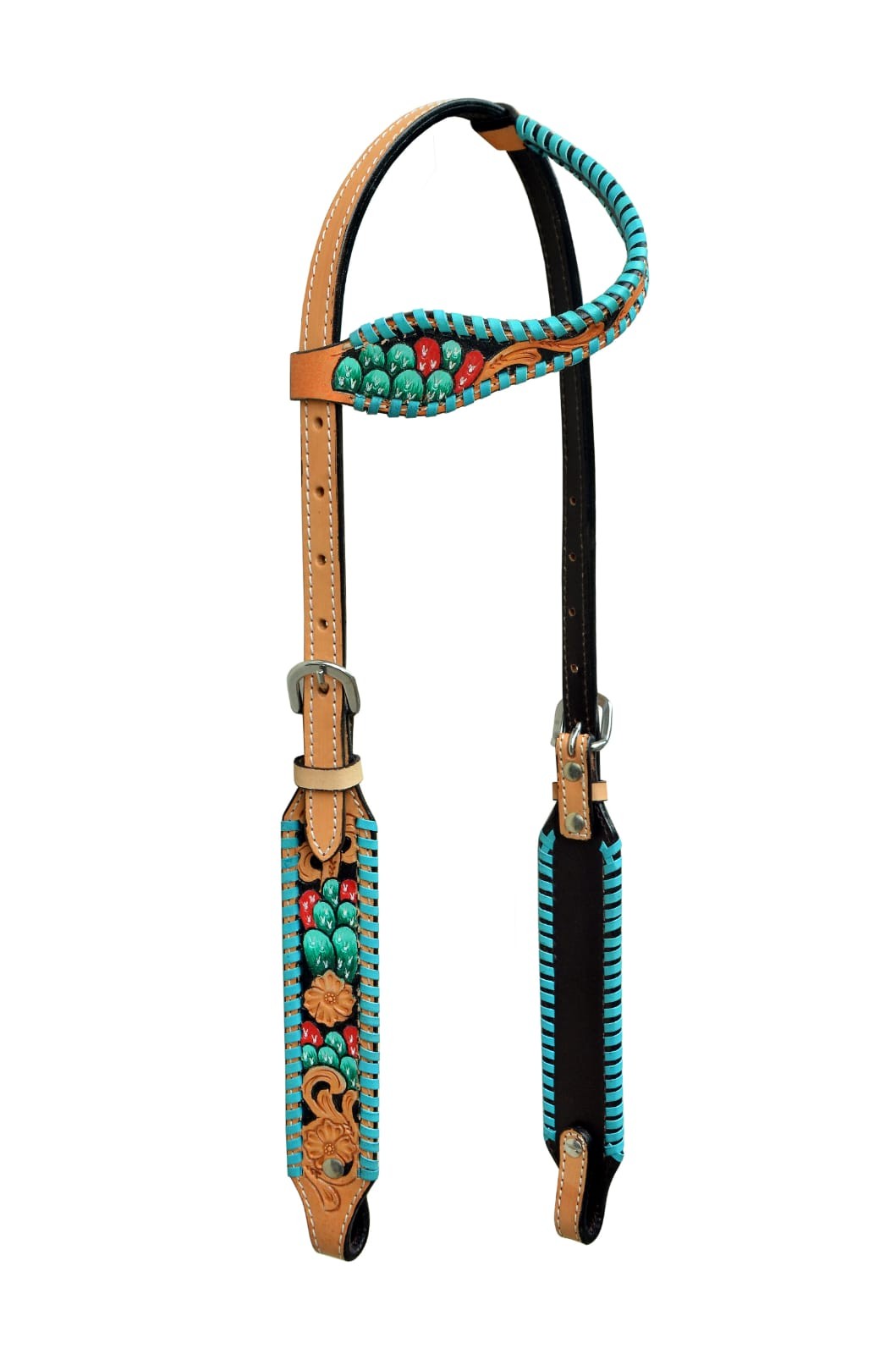 Horse Western Tack Cactus Tooled Leather One Ear Headstall Show Bridle 78AD20HA$48.99View on eBay
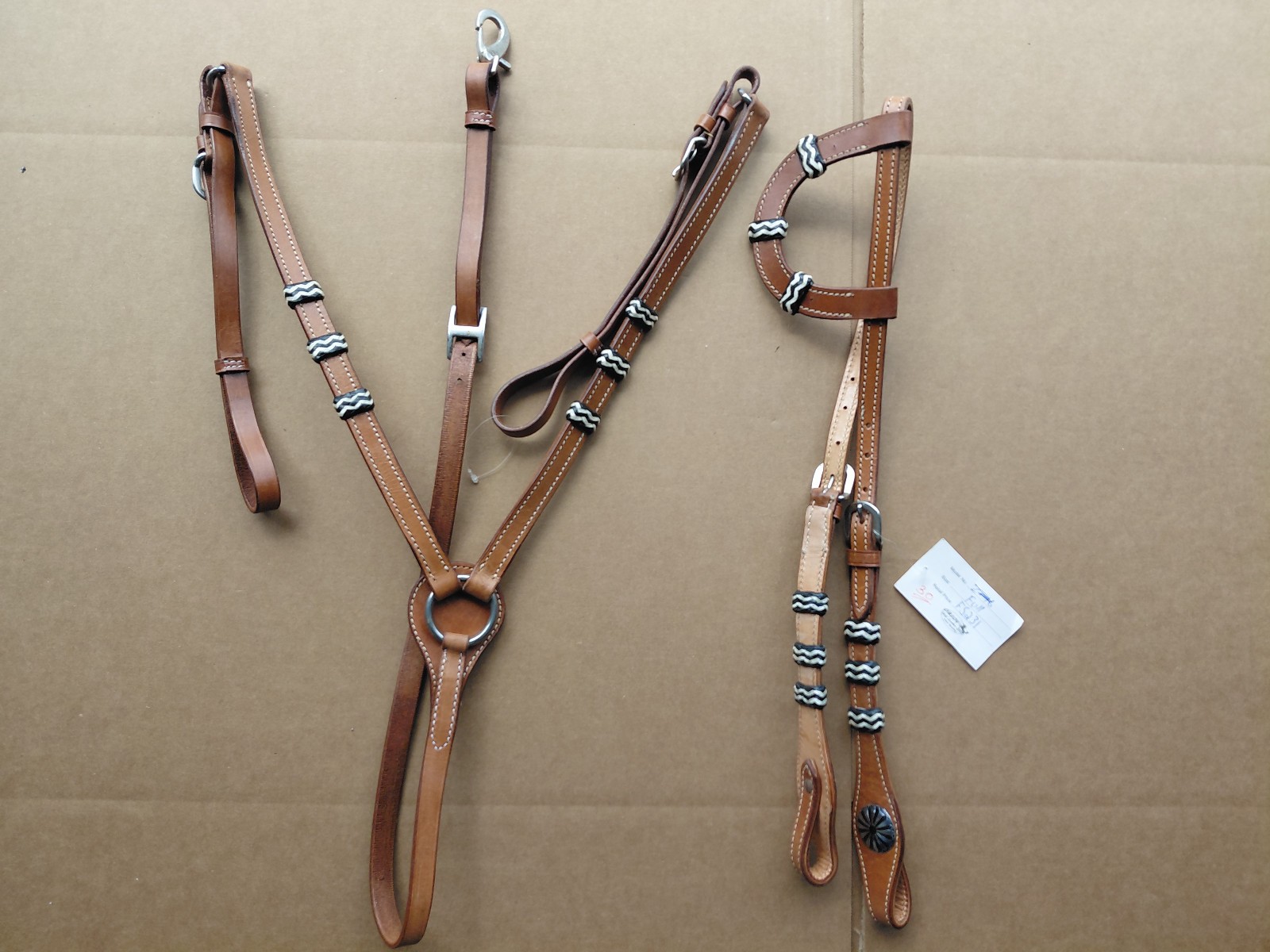 WESTERN ONE EAR HEADSTALL BREAST COLLAR BLACK INLAY CONCHO RAWHIDE FULL SIZE$49.99View on eBay
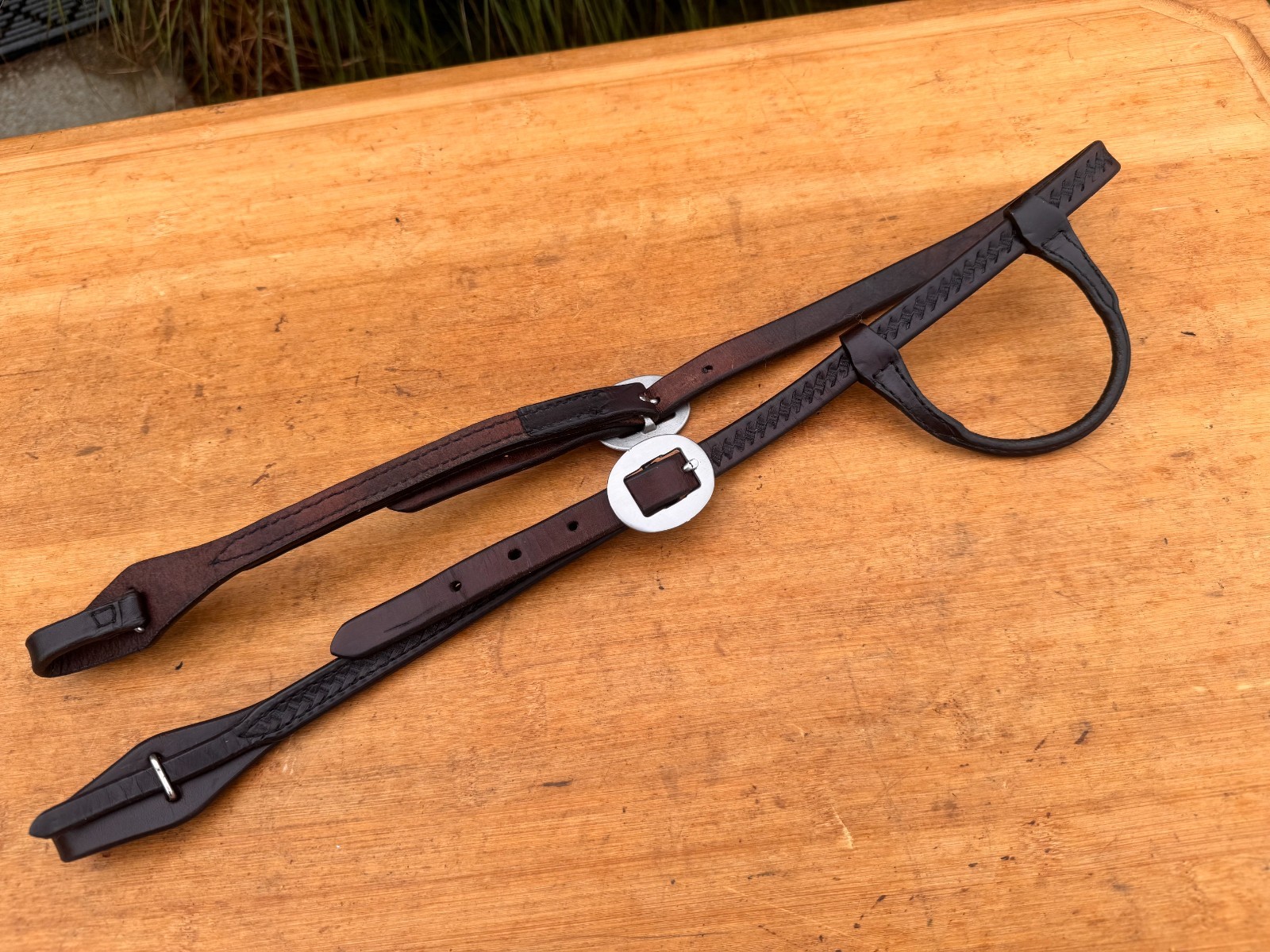 TOP QUALITY Tooled One Ear Western Horse Headstall w Quick Change Ends$55.00View on eBay
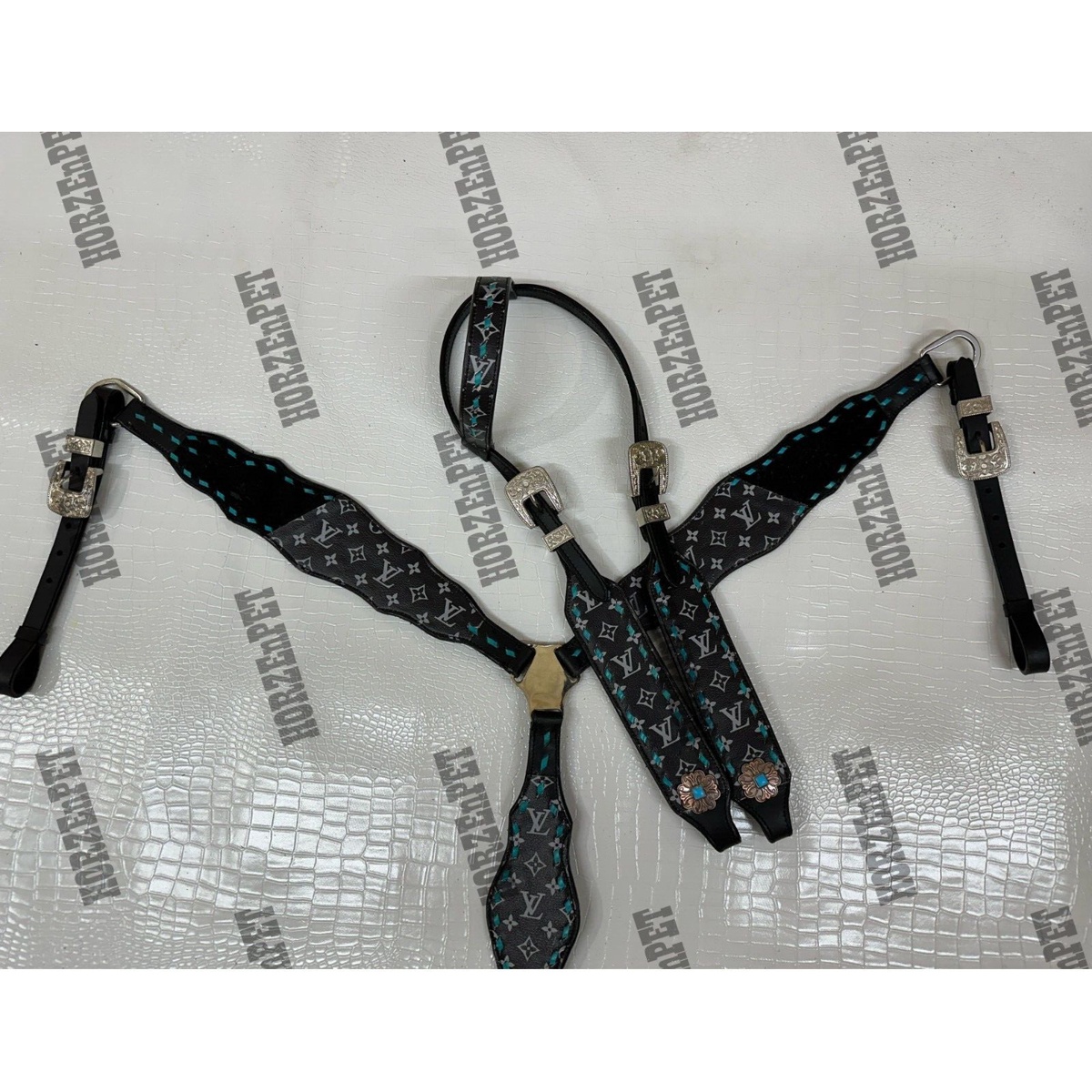 Black Leather Western One Ear Horse Headstall Breast Collar Turquoise Tack Set$119.00View on eBay
Highlights
- One-ear design eliminates the browband and relies on a single ear loop, so fit depends on ear-base circumference, not head width.
- Hand-braided rawhide headstalls are lighter and traditional but stiffen when wet and need conditioning; tooled leather holds shape and resists daily sweat better.
- Quick-change ends (Chicago screws or trigger snaps) let you swap bits without unlacing the cheek pieces, a key durability and convenience differentiator.
- Breast collar sets add chest support for roping and trail; single headstalls alone are for flatwork and showing, not heavy pulling.
Best use cases
- Best fit: flatwork, trail, and western show classes — pick a tooled leather one-ear headstall with quick-change ends and a matching breast collar if you ride long distances.
- Best fit: traditional or futurity-style presentation — choose hand-braided rawhide with a single ear and rawhide reins for light, balanced feel.
- Wrong fit: heavy roping or pulling — skip a plain one-ear headstall and use a browband headstall with a breast collar rated for pull.
- Wrong fit: horses with very wide or sensitive ear bases — skip one-ear designs and use a split-ear or browband headstall instead.
Buying tips
- Measure ear-base circumference with a soft tape; a one-ear loop should allow about one finger of slack, so order the loop size, not just 'full horse'.
- Choose leather thickness of roughly 3–4 mm for daily use; thinner leather stretches under bit pressure, thicker leather needs break-in.
- Match cheek length to your bit: most one-ear headstalls use 5/8-inch or 3/4-inch cheeks with Chicago screws; confirm bit-end width before buying.
- For braided rawhide, check strand tightness and edge finishing; loose braid gaps collect dirt and fail at the ear loop first.
Specs
| Ear Loop Style | Single ear / split-ear western |
|---|---|
| Material Grade | Tooled leather / braided rawhide |
| Bit Attachment | Chicago screw / quick-change ends |
| Set Configuration | Headstall only / with breast collar |
Related searches
What to check before buying
- Measure ear-base circumference and head length from poll to bit; one-ear loops run small, so size up if between sizes.
- Confirm bit-end hardware: Chicago screws or quick-change ends must match your bit's cheek width and hole size.
- If buying a breast collar set, measure chest width behind the withers and confirm strap adjustment range covers it.
- Check leather grade and finish: tooled leather should have sealed edges and solid stitching; rawhide should be conditioned and dry-flexible.
FAQ
Data sources: eBay / Amazon listings and product attribute feeds Data updated Nov 18, 2026.
Some links on this page are affiliate links. If you buy after clicking one, we may earn a commission at no extra cost to you. This does not change which products appear here or their order. Affiliate disclosure.