Photos from current listings. Actual item, color, and included accessories may vary.
One Ear Headstall Buying Guide
A one-ear headstall is a Western bridle whose crown splits into a single ear loop, anchoring the bit and cheek pieces with minimal leather across the poll for close, traditional horse-show contact. The core trade-off is between supple, vegetable-tanned leather that conforms to the ear and stiffer tooled or rawhide-braided constructions that resist stretching but need break-in; cheap split-leather or glued layers delaminate and stretch at the ear loop within a season. The decision rule: buy a single-ear headstall only if it is cut from a single layer of 8–10 oz veg-tan or hand-braided rawhide with stitched, not glued, bit ends, and size it to the horse's actual ear-base circumference rather than a generic full-size label.


At a glance
- Category
- Bridles, Bits & Reins
- Data updated
- Nov 18, 2026
Current offers
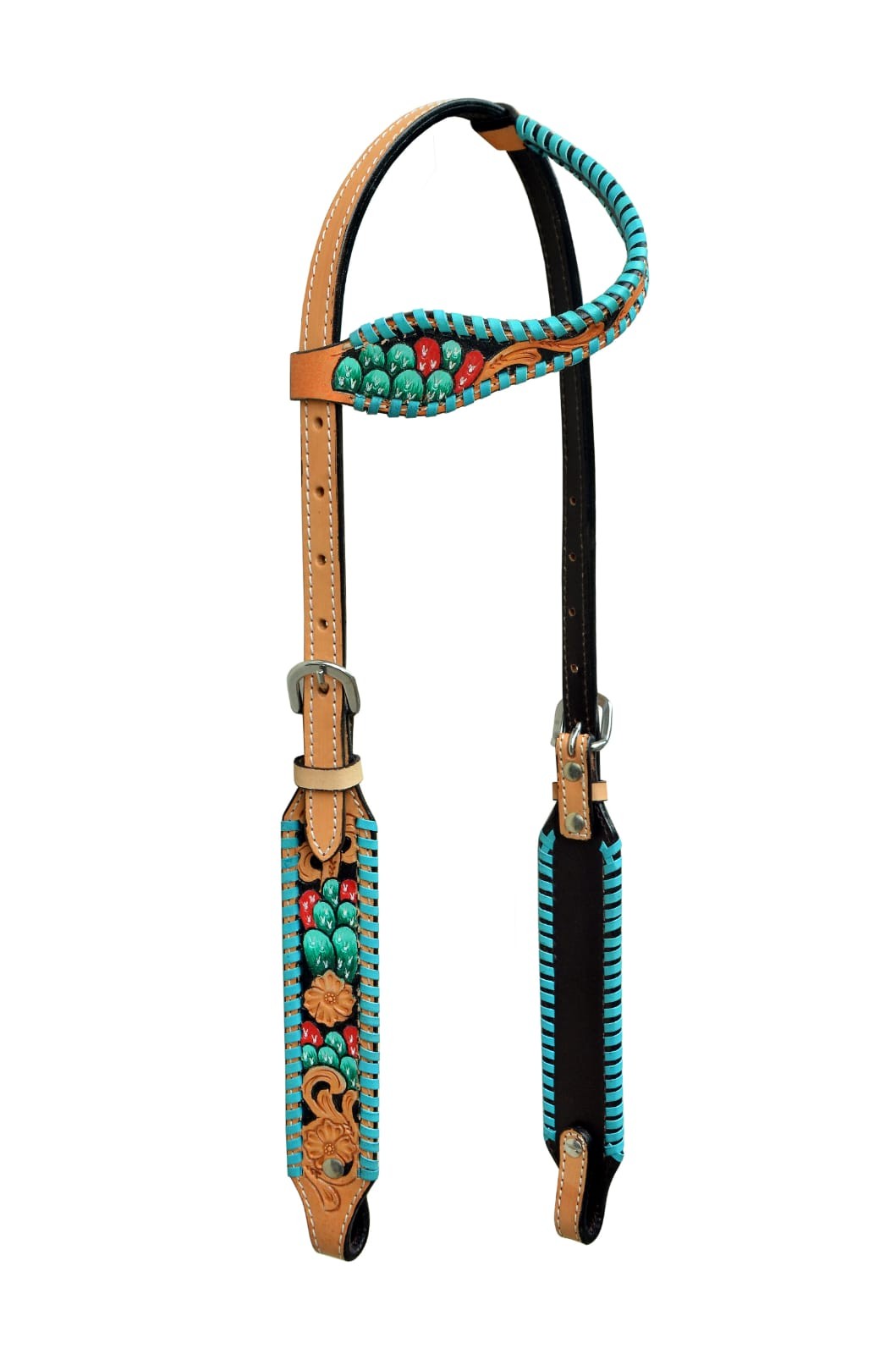 Horse Western Tack Cactus Tooled Leather One Ear Headstall Show Bridle 78AD20HA$48.99
 View on eBay
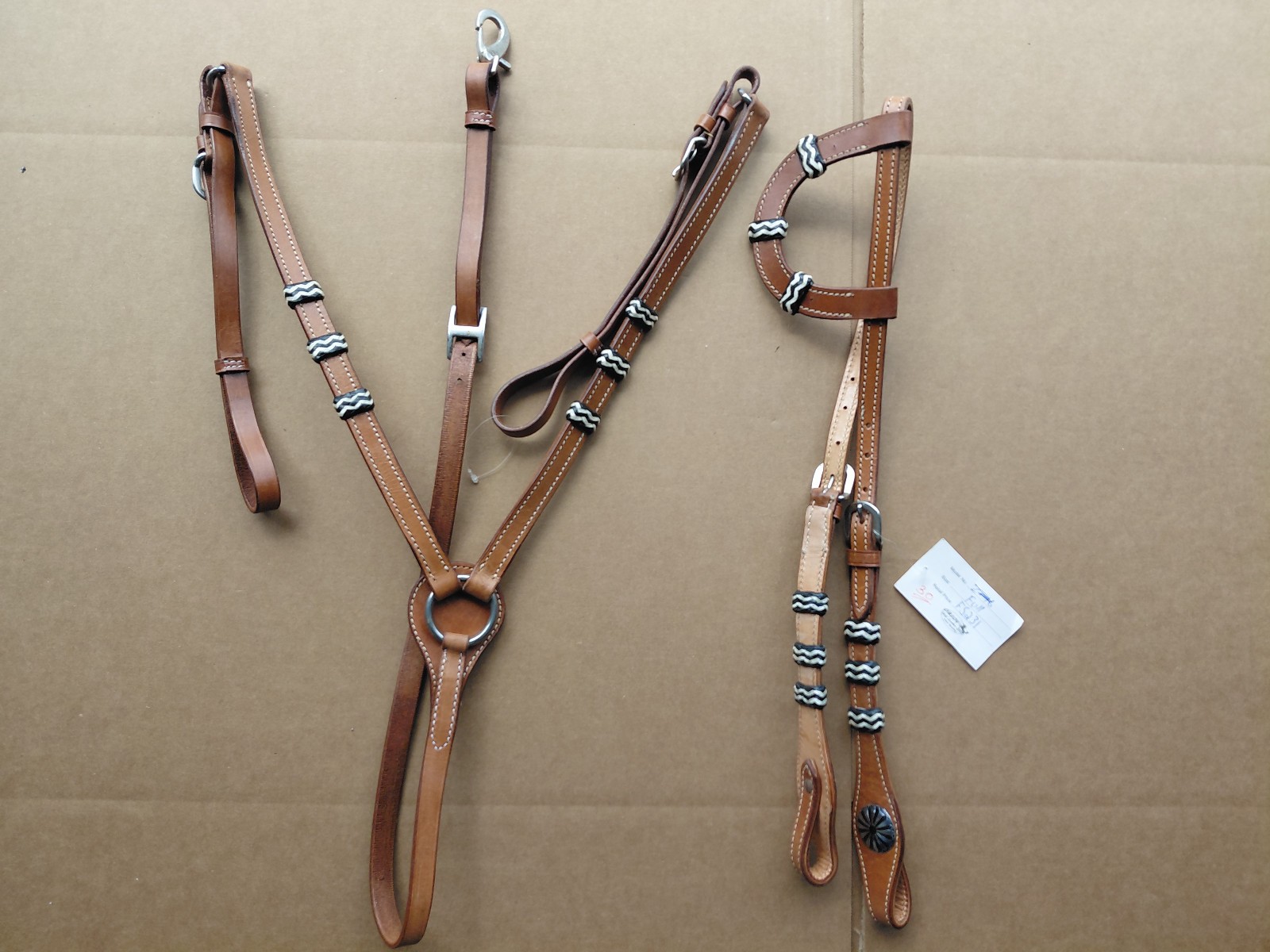 WESTERN ONE EAR HEADSTALL BREAST COLLAR BLACK INLAY CONCHO RAWHIDE FULL SIZE$49.99View on eBay
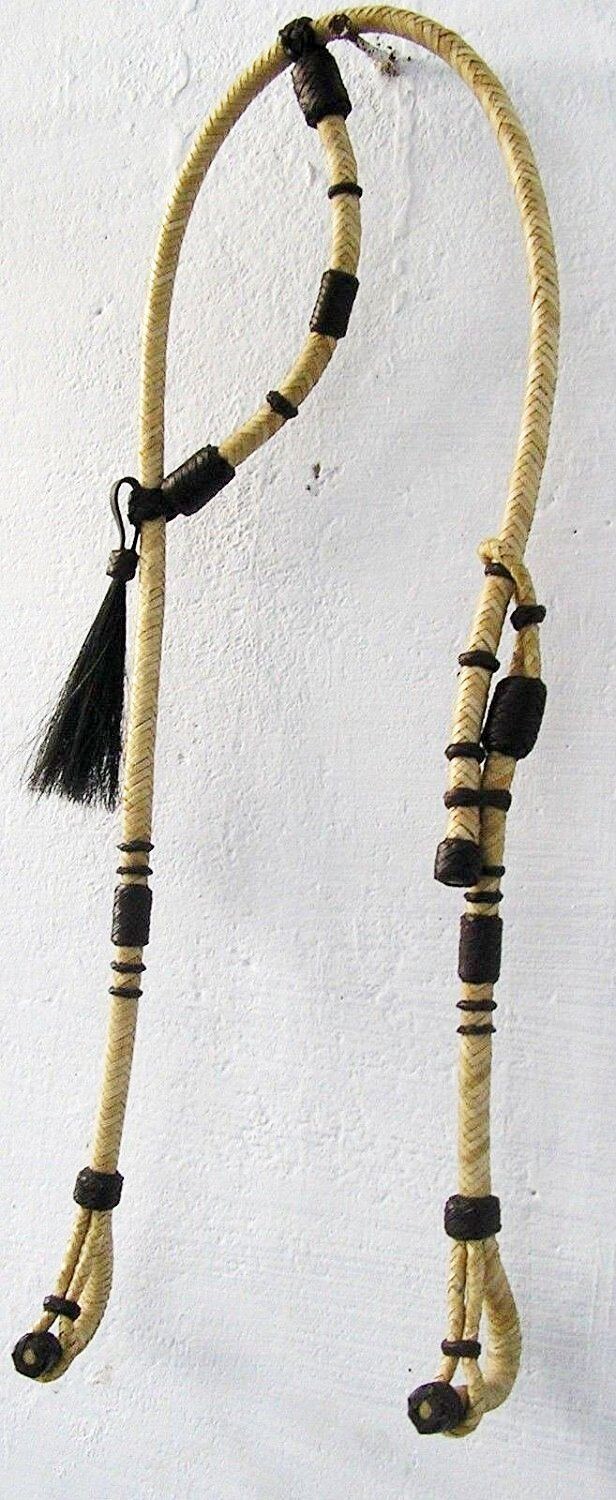 Western One Single Ear Headstall Rawhide Hand Braided Bridle Horse Tack Futurity$35.99View on eBay
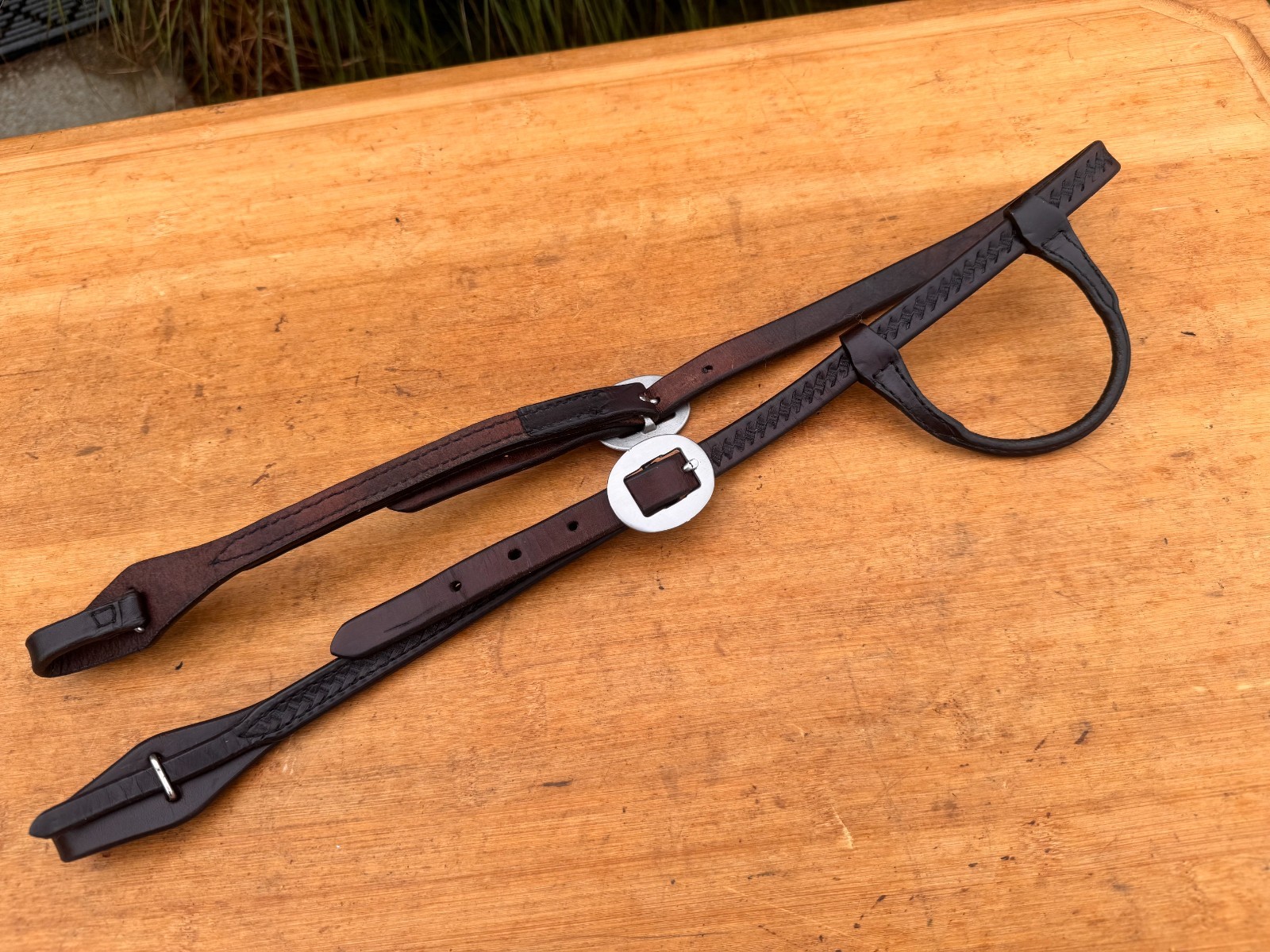 TOP QUALITY Tooled One Ear Western Horse Headstall w Quick Change Ends$55.00View on eBay
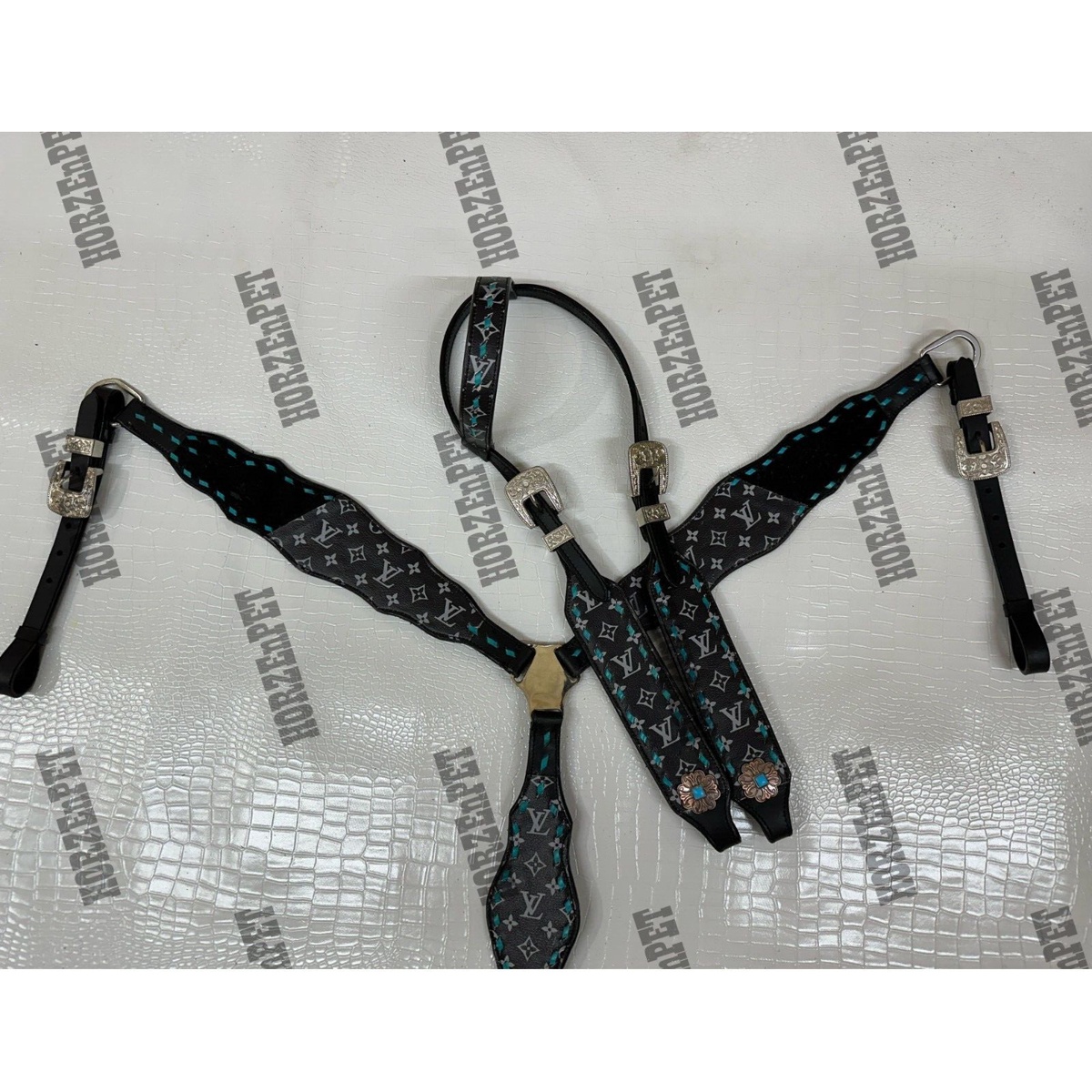 Black Leather Western One Ear Horse Headstall Breast Collar Turquoise Tack Set$119.00View on eBay
Highlights
- One-ear crowns concentrate all headstall tension on one ear loop, so leather thickness and edge finishing at that loop—not overall ornamentation—set service life.
- Vegetable-tanned 8–10 oz (approx. 3.2–4 mm) leather holds shape and accepts tooling; chrome-tanned or split leather is softer but stretches and cracks at the ear fold.
- Hand-braided rawhide one-ear headstalls resist sweat and rain but are unforgiving on thin-skinned or sensitive-eared horses; leather is the safer daily choice.
- Quick-change bit ends (Chicago screws or buckle ends) let you swap bits without cutting leather; stitched-and-glued ends are a durability weak point under rein pressure.
Best use cases
- Best fit: traditional Western show, ranch versatility, and trail riders wanting minimal poll bulk and a clear rein signal—pick tooled veg-tan leather with quick-change ends.
- Best fit: wet, muddy, or humid climates and futurity/working setups—pick hand-braided rawhide with a reinforced ear loop, and pair with a matching breast collar if the horse is narrow-chested.
- Wrong fit: horses with very sensitive ears, thick winter coats, or a history of ear-shyness—a two-ear or browband headstall distributes pressure better; skip the one-ear design.
- Wrong fit: English or dressage work—one-ear geometry is Western-only and will not hold a snaffle at the correct angle for arena tests.
Buying tips
- Measure the ear-base circumference and the distance from ear base to bit mouth; a full-size one-ear typically fits 14.2–16 h horses, but ear-loop diameter varies by maker.
- Choose 8–10 oz veg-tan leather for tooled or carved headstalls; thinner 6–7 oz leather is acceptable only for braided or laced show pieces with light use.
- Match bit ends to your bit: Chicago screw ends suit most Western bits; buckle ends add bulk but allow faster changes; avoid glued-only ends under a curb or leverage bit.
- If buying a set, confirm the breast collar is the same leather grade and width (typically 1.5–2 in) as the headstall—mismatched sets wear unevenly at the connector rings.
Specs
| Ear Configuration | One-ear vs two-ear / browband |
|---|---|
| Crown Material | Veg-tan leather 8-10 oz / braided rawhide |
| Bit End Type | Chicago screw / buckle / tied |
| Size Standard | Full (14.2-16 h) / cob / horse |
Related searches
What to check before buying
- Measure ear-base circumference and ear-base-to-bit distance on the horse; compare against the maker's ear-loop diameter and cheek length, not just 'full' sizing.
- Confirm the bit you will use: cheek-piece width, bit-end type (Chicago screw, buckle, or tie), and whether the headstall includes a curb strap or bit hangers.
- Check climate and workload—rawhide for wet/abrasive use, veg-tan leather for dry show and daily riding; avoid chrome-tanned splits for heavy rein pressure.
- Verify included hardware: rein rings, conchos, and lacing should be stitched or riveted, not glued, and replacement ear loops or crown pieces should be available.
FAQ
Data sources: eBay / Amazon listings and product attribute feeds Data updated Nov 18, 2026.
Some links on this page are affiliate links. If you buy after clicking one, we may earn a commission at no extra cost to you. This does not change which products appear here or their order. Affiliate disclosure.