Photos from current listings. Actual item, color, and included accessories may vary.
Easy Up Tent Buying Guide
Easy up tents eliminate traditional pole threading, using either pre-assembled pop-up frames, inflatable air beams, or hub-and-pole systems to cut setup time dramatically. The core trade-off is setup convenience versus weather stability and packed weight: air-beam and pop-up tents deploy fast but flex more in wind, while hub-pole designs balance speed and rigidity. Choose an inflatable or pop-up model for calm-weather weekend camping, but step up to a hub-pole or geodesic model if you expect high winds or frequent rain.


At a glance
- Category
- Tents & Shelters
- Data updated
- Nov 18, 2026
Current offers
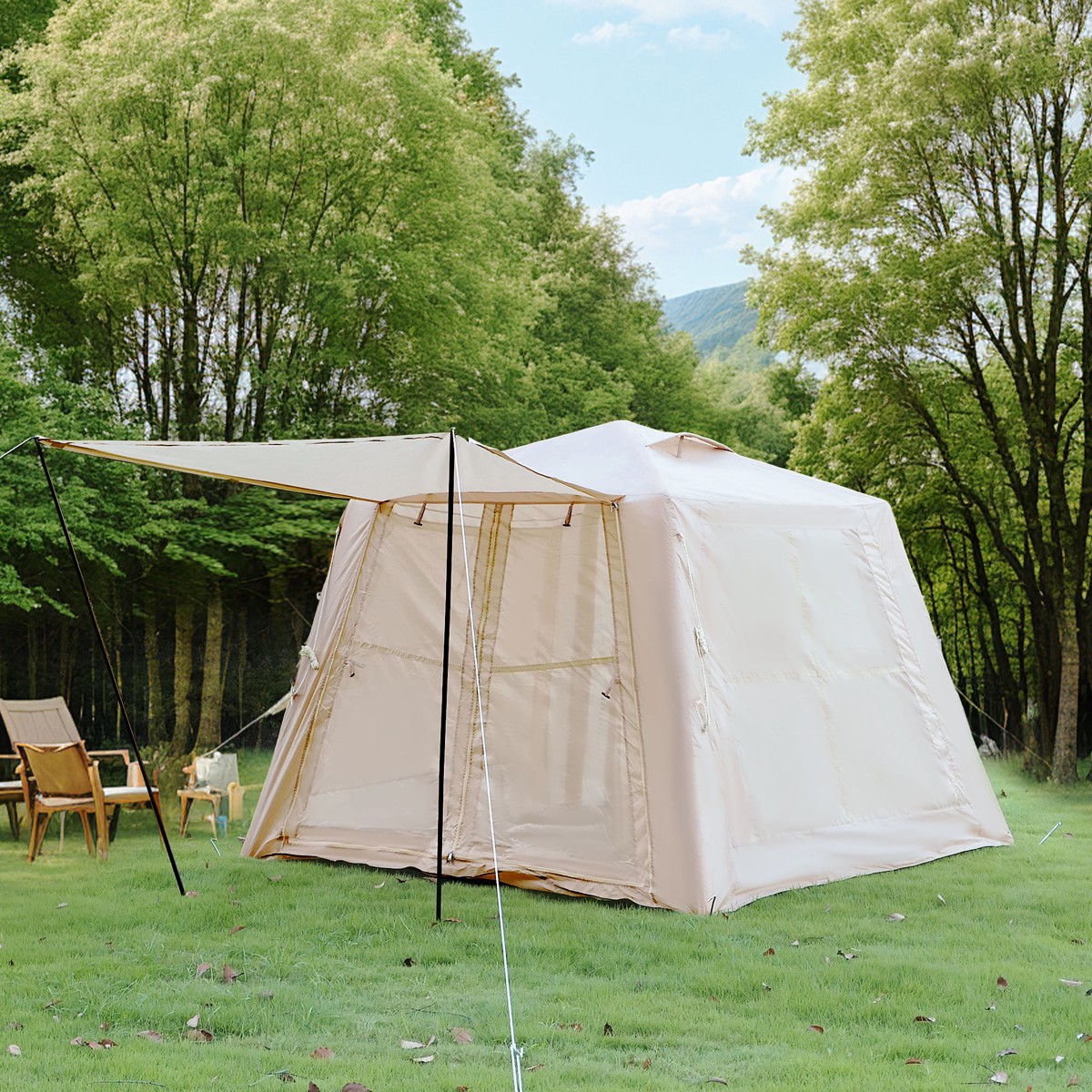 5.76 m ² Inflatable Tents for Camping with canopy, Blow Up Tent Hand Pump, Easy Setup InflatableTent 4 Season Waterproof Oxford Air Glamping for Adult 2-3 Person$180.99
 View on Mallflare
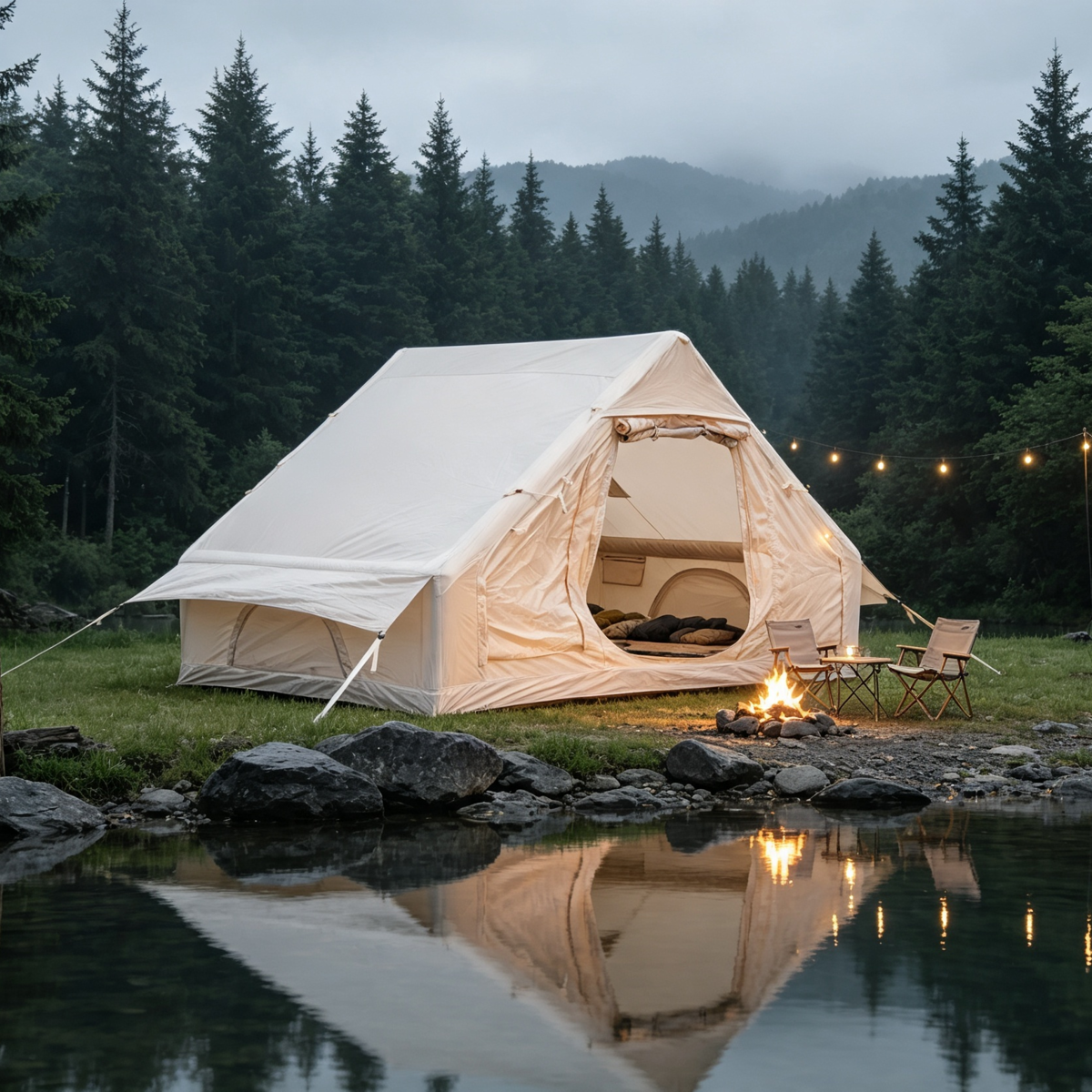 Inflatable Camping Tents with Hand Pump, Air Glamping Easy Setup Waterproof and Windproof Blow up Tent, 4 Seasons Oxford Cabin Mesh & Chimney Window.$256.99View on Mallflare
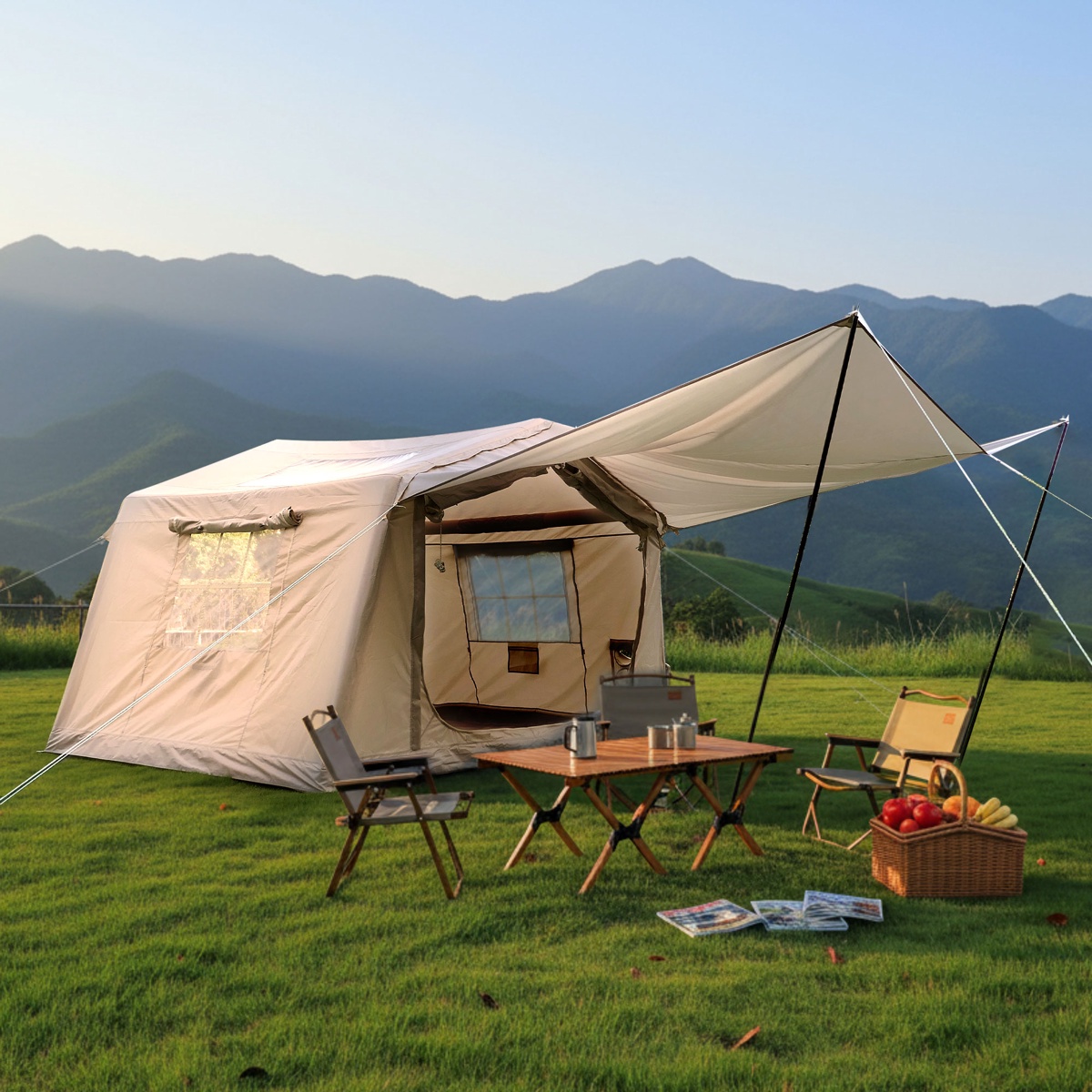 8 m ² Inflatable Tents for Camping with canopy, Blow Up Tent Hand Pump, Easy Setup InflatableTent 4 Season Waterproof Oxford Air Glamping for Adult 4/6/8 Person$371.99View on Mallflare
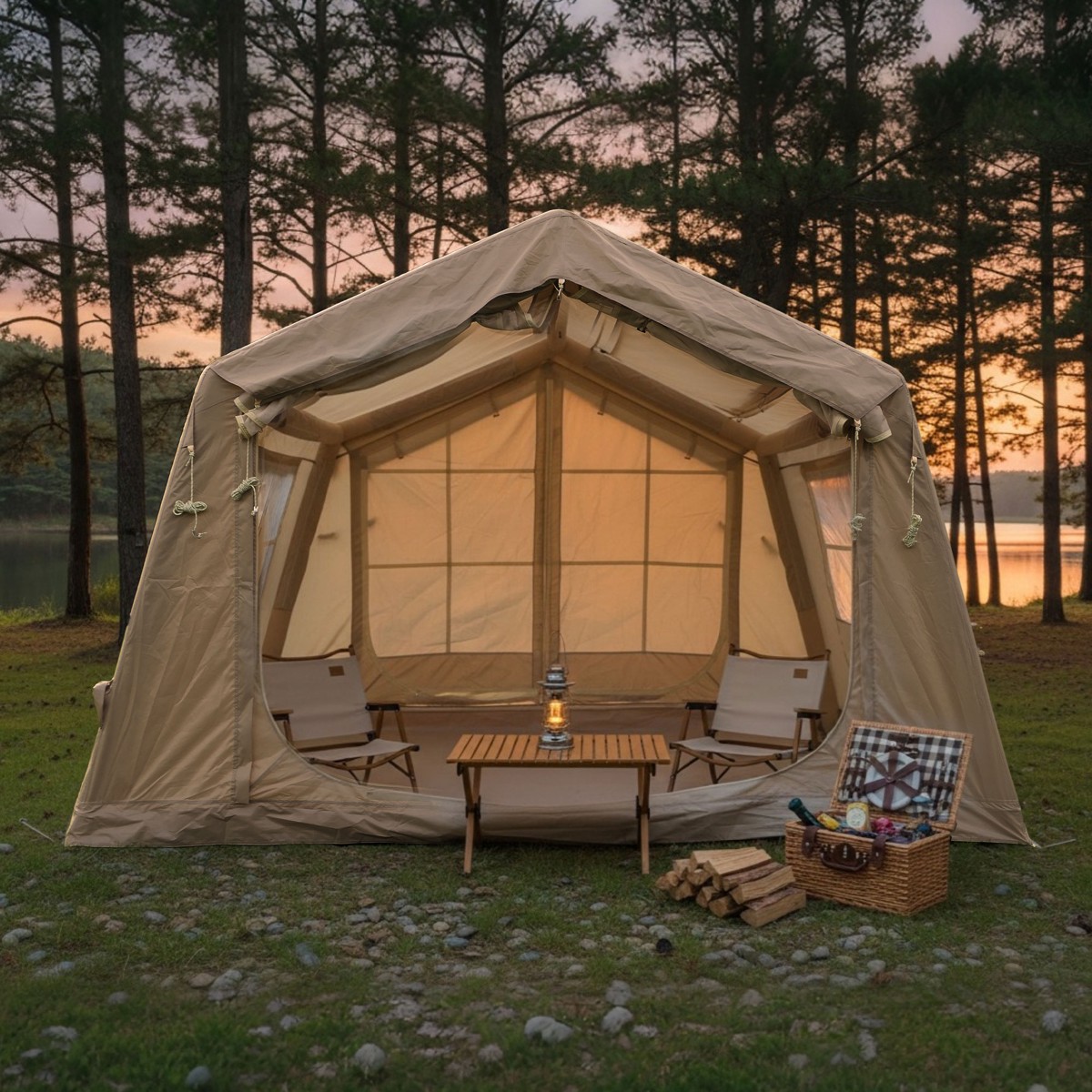 8 m ² Inflatable Tents for Camping, Blow Up Tent with Hand Pump, Easy Setup InflatableTent 4 Season Waterproof Oxford Air Glamping for Adult 4/6/8 Person$377.99View on Mallflare
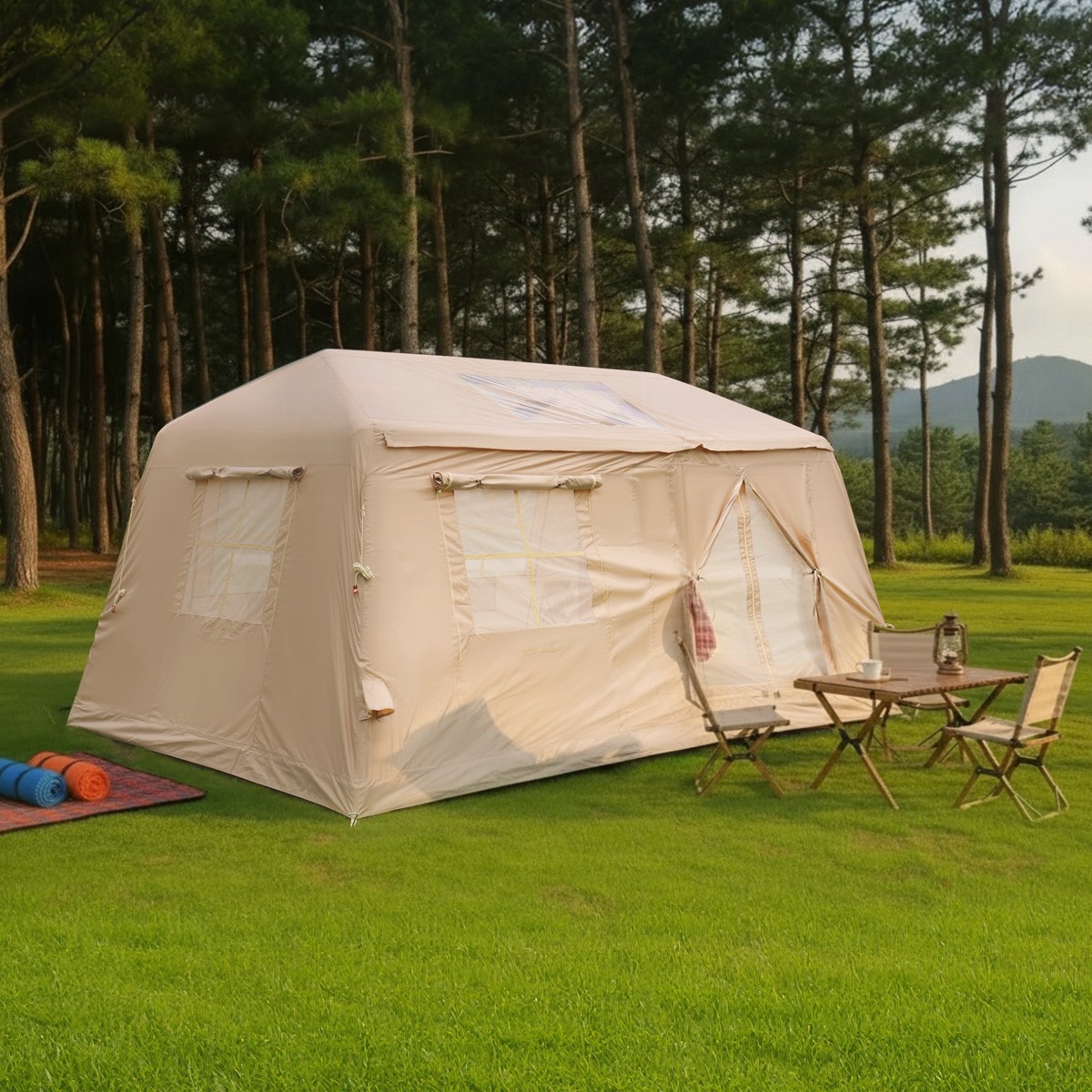 11 m ² Inflatable Tents for Camping, Blow Up Tent with Hand Pump, Easy Setup InflatableTent 4 Season Waterproof Oxford Air Glamping for Adult 4/6/8 Person$483.99View on Mallflare
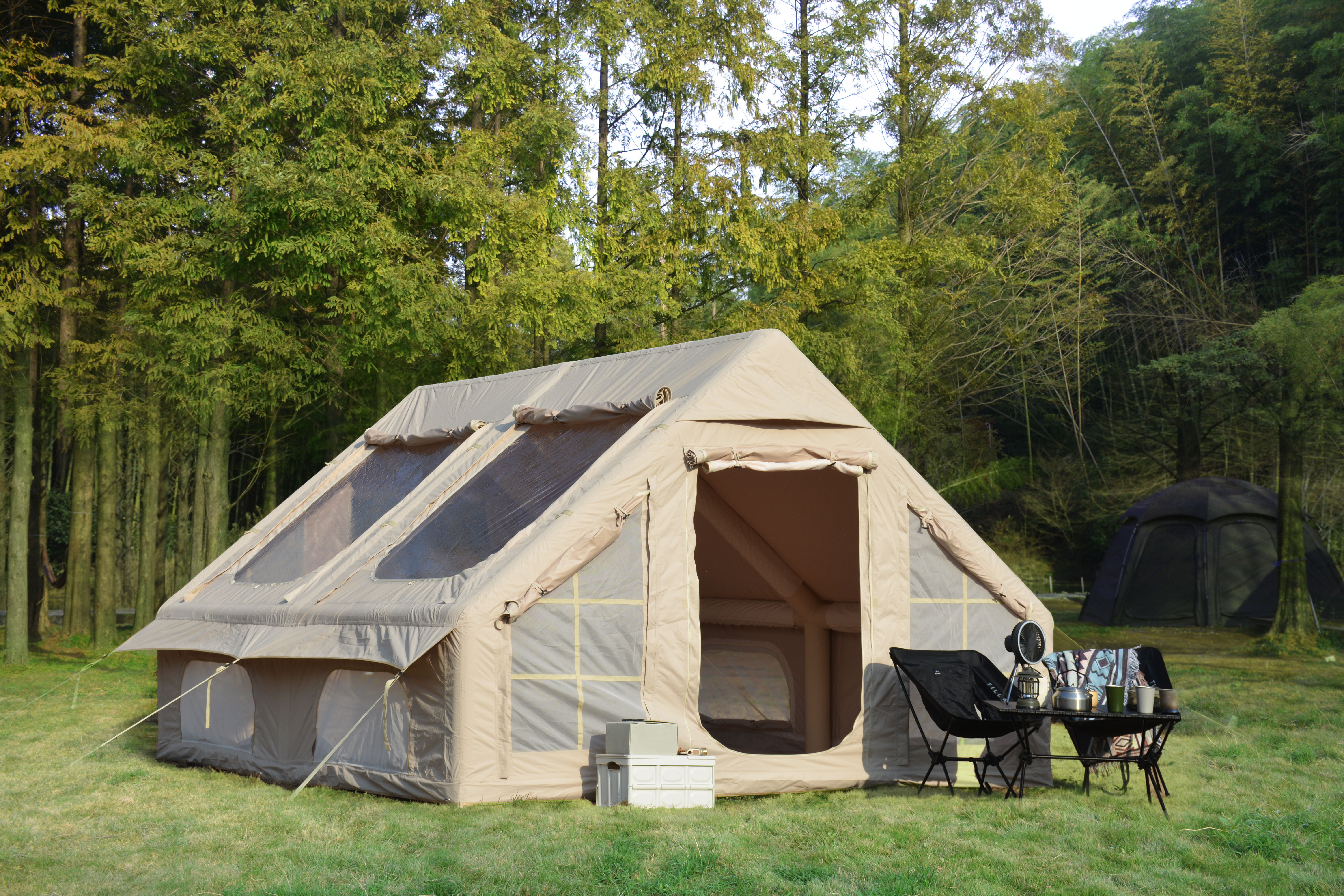 9.8 x13ft Inflatable Camping Tents with Hand Pump, Air Glamping Easy Setup Waterproof and Windproof Blow up Tent, 4 Seasons Oxford Cabin Mesh & Chimney Window. Beige$510.99View on Mallflare
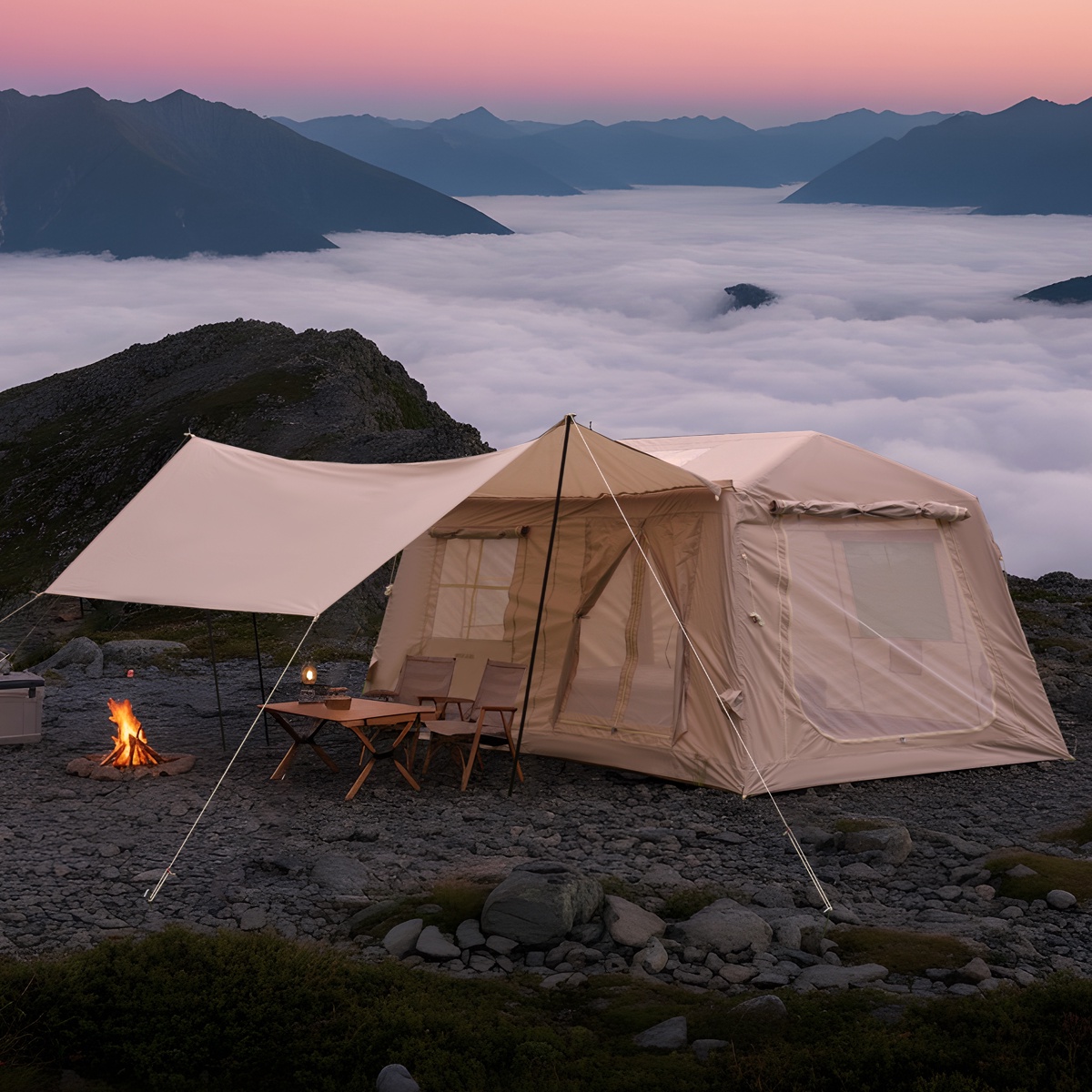 N-11 m ² Inflatable Tents for Camping, Blow Up Tent with Hand Pump, Easy Setup InflatableTent 4 Season Canopy , Waterproof Oxford Air Glamping for Adult 4/6/8 Person$535.99View on Mallflare
Highlights
- Air-beam tents rely on TPU or PVC bladders inside Oxford sleeves; higher denier (210D+) and welded seams resist pinholing better than thin 190T polyester.
- Pop-up tents use pre-bent fiberglass or steel wire frames that spring open instantly but pack into wide flat discs that are awkward to transport and re-fold.
- Hub-and-pole easy-up systems use color-coded aluminum poles with central hubs, offering faster pitch than sleeve tents and far better wind rigidity than air beams.
- Waterproof ratings matter more than 'waterproof' labeling: look for 2000mm+ hydrostatic head for rain, 3000mm+ for sustained storms, and taped or welded seams.
Best use cases
- Best fit: inflatable air-beam tents in 5-11 m² sizes for couples or families car-camping in mild weather—pitch in minutes with the included hand pump and skip the pole puzzle.
- Best fit: pop-up dome tents for festival goers and solo weekenders who prioritize instant setup and short walks from the car; avoid for exposed coastal or alpine trips.
- Wrong fit: inflatable tents for high-wind or snowy conditions—air beams flex and can collapse under snow load; choose a hub-pole or geodesic tent instead.
- Wrong fit: pop-up tents for backpacking—the folded disc is bulky and heavy; a trekking-pole or compact pole tent suits weight-sensitive trips.
Buying tips
- Match floor area to sleepers: allow ~1.5-2 m² per person for sleeping plus gear; a 5.76 m² tent fits 2-3, while 8-11 m² suits 4-6 comfortably.
- Check fabric denier and coating: 210D Oxford with PU coating outperforms 190T polyester for abrasion and tear resistance on air-beam tents.
- Confirm the pump valve type matches the tent's inflation valves (often Boston or screw valves); a mismatched pump renders the air beams unusable.
- For pop-up tents, verify the folded diameter fits your vehicle trunk and that the carry bag is included—repacking without the original fold pattern is difficult.
Specs
| Setup Mechanism | Air-beam / Pop-up / Hub-pole |
|---|---|
| Fabric & Coating | 190T-210D Oxford, PU 2000-3000mm |
| Capacity (floor area) | 5.76-11 m² (2-6 person) |
| Season Rating | 3-season vs 4-season |
Related searches
What to check before buying
- Measure your intended pitch area and compare to the tent's footprint (e.g., 9.8 x 13 ft); add clearance for guylines and entry vestibules.
- Check the packed size and weight against your vehicle or backpack capacity—pop-up discs are wide, air-beam tents are long and heavy.
- Confirm the tent's season rating (3-season vs 4-season) against your climate; 4-season tents add snow-load capability but reduce ventilation.
- Verify included accessories: hand pump, carry bag, pegs, and guylines—missing pegs or pump adapters force extra purchases.
FAQ
Data sources: eBay / Amazon listings and product attribute feeds Data updated Nov 18, 2026.
Some links on this page are affiliate links. If you buy after clicking one, we may earn a commission at no extra cost to you. This does not change which products appear here or their order. Affiliate disclosure.