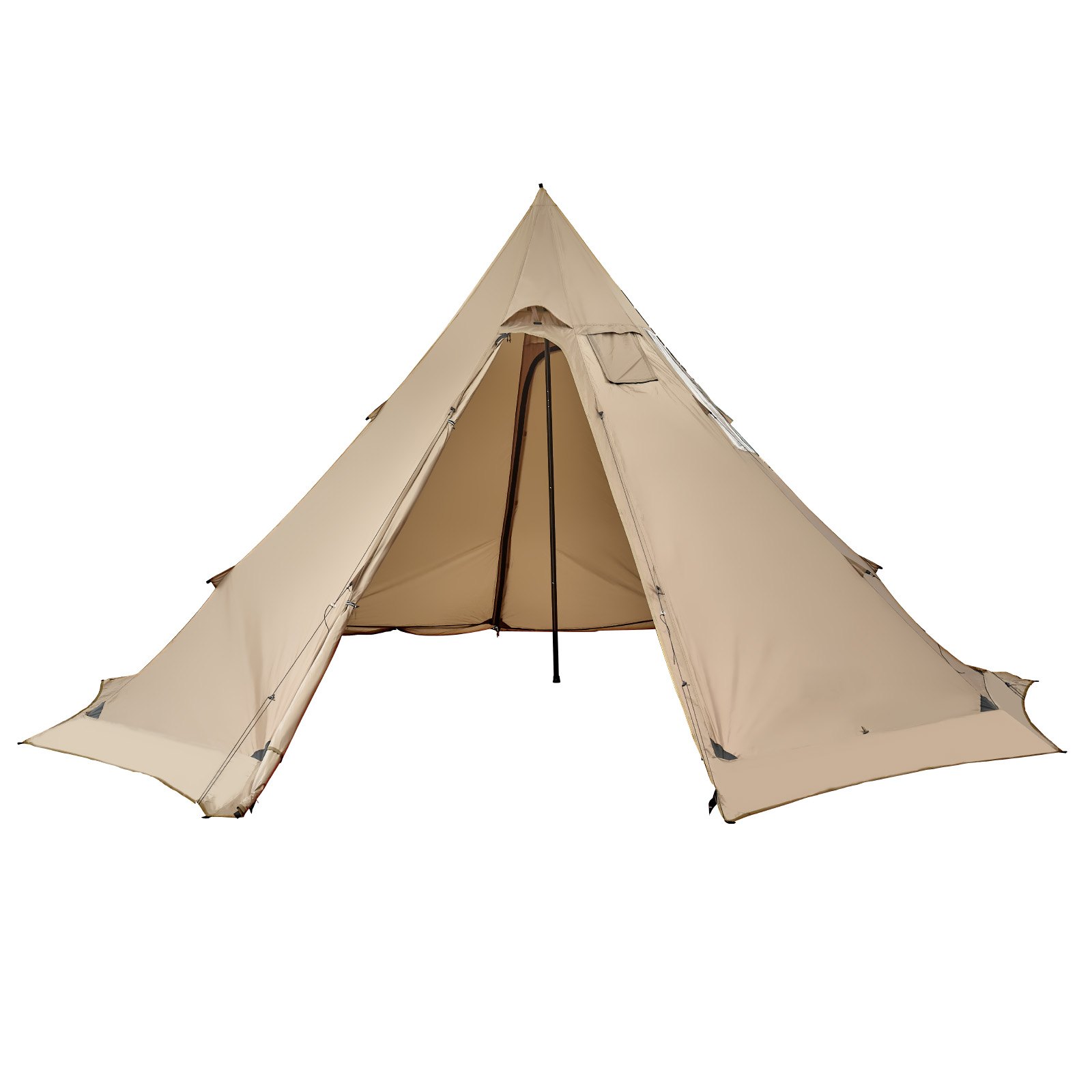

Photos from current listings. Actual item, color, and included accessories may vary.
Hot Tent Stove Buying Guide
A hot tent stove is a portable wood-burning heating system paired with a stove-jack-equipped shelter, where the critical trade-off is between lightweight titanium for backpacking and thicker stainless steel for winter basecamp durability. The decision rule: buy titanium only if total pack weight matters and you burn small loads; buy stainless steel if you need all-night heat retention, larger fireboxes, and long-term warp resistance.


At a glance
- Category
- Tents & Shelters
- Data updated
- Nov 18, 2026
Current offers
Highlights
- Titanium stoves (0.3–0.5 mm wall) save 40–60% weight vs stainless but warp above 1,400°F, so they suit short evening burns, not all-night banking.
- Stainless steel (304 or 201 grade, 0.5–0.8 mm) resists warping and holds coals longer; 201-grade is cheaper but rusts faster than 304 in damp storage.
- Stove-jack compatibility is size-specific: a 3-inch pipe needs a 3-inch jack; using a 2.5-inch pipe in a 3-inch jack leaks smoke and voids the shelter's waterproof rating.
- Vertical pipe height from firebox top to cap should be at least 4–5 feet for reliable draft; shorter runs backdraft in low-pressure winter weather.
Best use cases
- Backpacking solo or in pairs: pick a titanium stove under 3 lbs with a 2.5-inch pipe and a 2–3 person tipi; skip stainless if you hike more than 2 miles to camp.
- Winter basecamp for 3–4 people: pick a stainless steel stove with a 4–6 hour burn time and a 4-inch pipe in a canvas bell tent; skip titanium, which cannot bank coals overnight.
- Family car camping in freezing rain: pick a 4–6 person canvas tipi with a factory-sewn stove jack and a stainless stove with a spark arrestor; skip ultralight silnylon shelters, which melt at stove-pipe temperatures.
Buying tips
- Match pipe diameter to jack diameter exactly: 2.5-inch stoves for 1–2 person tents, 3-inch for 2–4 person, 4-inch for 4–6 person canvas shelters; adapters leak smoke.
- Size firebox to shelter volume: 10,000 BTU output heats roughly 150–200 cubic feet; a 12x12x7 ft tent is about 1,000 cubic feet and needs a 4-inch pipe stove.
- Choose 304 stainless over 201 for coastal or humid climates; 201-grade develops surface rust within one season if stored damp.
- Titanium requires a rolling foil or fiberglass gasket at the door and damper; without it, thin titanium warps at the hinge within a few hot burns.
Specs
| Stove Material | Titanium vs 304/201 stainless steel |
|---|---|
| Pipe Diameter | 2.5 in / 3 in / 4 in |
| Burn Time | 2–3 hr titanium / 4–6 hr stainless |
| Stove Weight | 1.5–3 lb titanium / 5–15 lb steel |
Related searches
What to check before buying
- Measure your shelter's stove jack diameter and height above floor before ordering a stove; a 3-inch jack will not accept a 4-inch pipe without a reducer.
- Confirm your tent floor and wall clearances: stoves need at least 12 inches of non-combustible clearance on all sides; most tipis provide this only at the center.
- Check pipe sections included: you need at least 6–8 feet of total pipe (firebox top to cap) for stable draft, and most stoves ship with 4–5 feet.
- Verify your campsite allows open flames and that you have a spark arrestor cap; many national forests require one for wood stoves.
FAQ
Data sources: eBay / Amazon listings and product attribute feeds Data updated Nov 18, 2026.
Some links on this page are affiliate links. If you buy after clicking one, we may earn a commission at no extra cost to you. This does not change which products appear here or their order. Affiliate disclosure.