Photos from current listings. Actual item, color, and included accessories may vary.
Instant Pop Up Tent Buying Guide
An instant pop-up tent uses pre-assembled sprung or hub-and-pole frames so the shelter deploys in seconds, trading packability and long-term frame durability for speed. The core trade-off is frame architecture: flat sprung-hoop tents are cheapest and fastest but weak in wind, while hub-and-pole 'quick-pitch' frames cost more yet survive real weather. Buy a sprung dome only for fair-weather car camping or festivals; step up to a hub-pole or inflatable instant tent for all-season or multi-night use.

At a glance
- Category
- Tents & Shelters
- Data updated
- Nov 18, 2026
Current offers
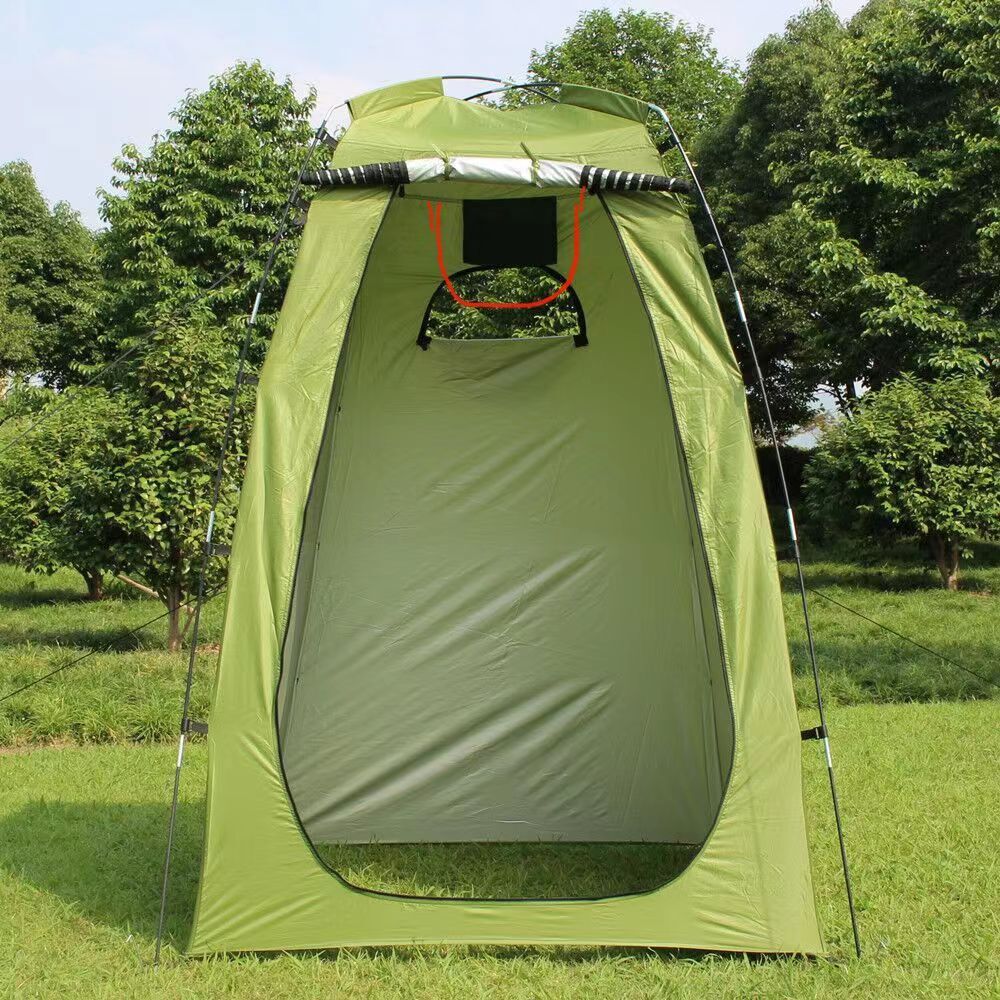 Outdoor Portable Instant Pop Up Tent Privacy Camping Shower Toilet Hiking Green$26.99
 View on eBay
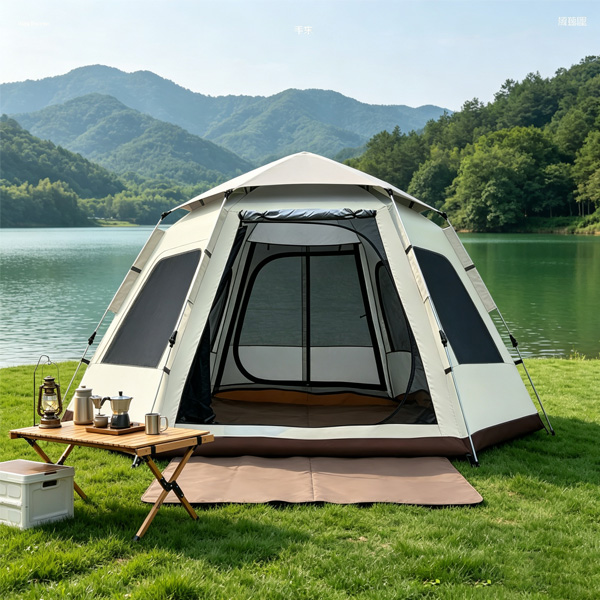 Cream White Instant Pop Up Tent - 3 Second Quick Setup Outdoor Shelter, Windproof Waterproof With Panoramic Mesh Skylight, Extra Spacious Sunshade Canopy For Picnic, Beach, Backyard, Music Festival$54.99
 View on Mallflare
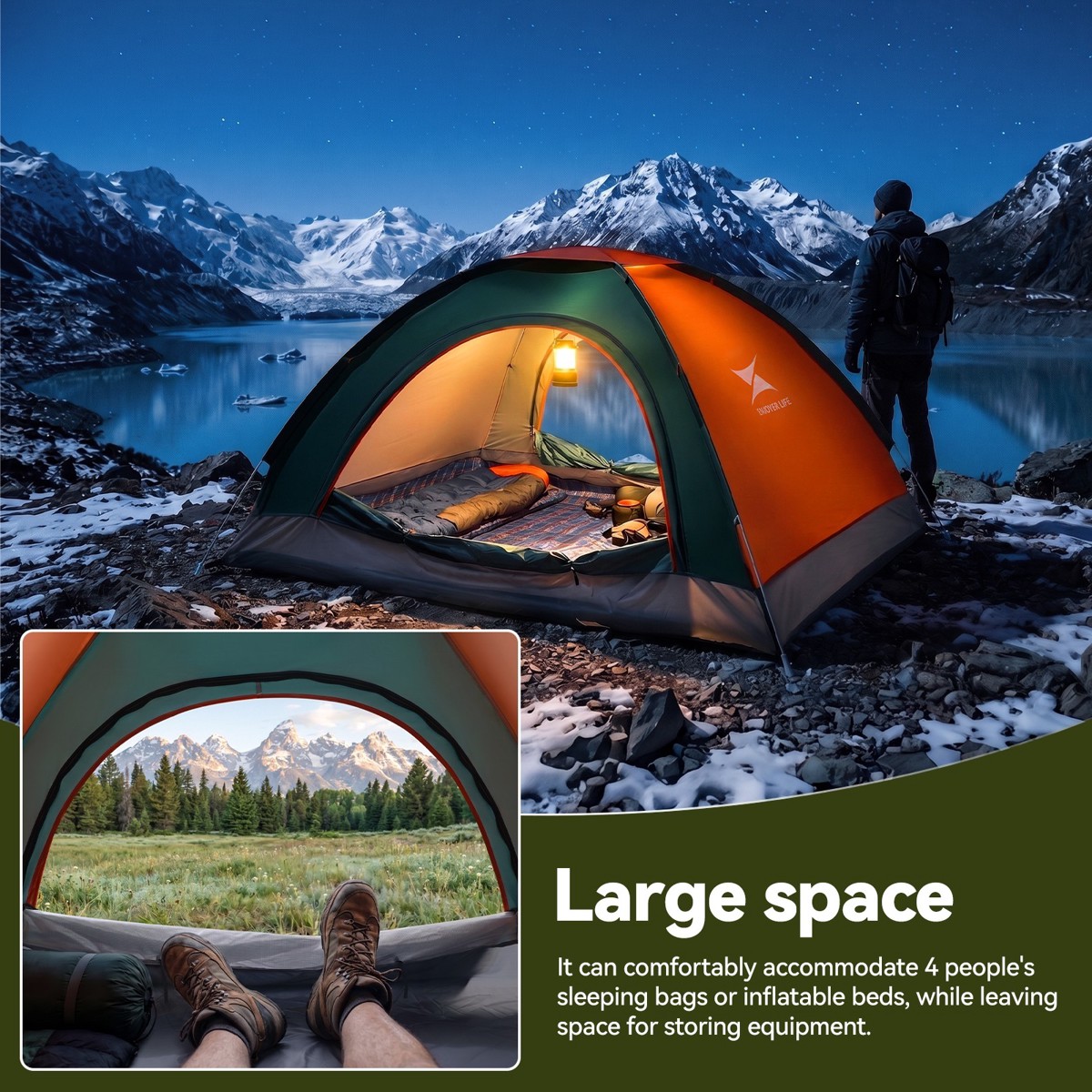 ENJOYER LIFE Pop Up Tents Waterproof Windproof Instant Tent for Camping Hiking$34.89View on eBay
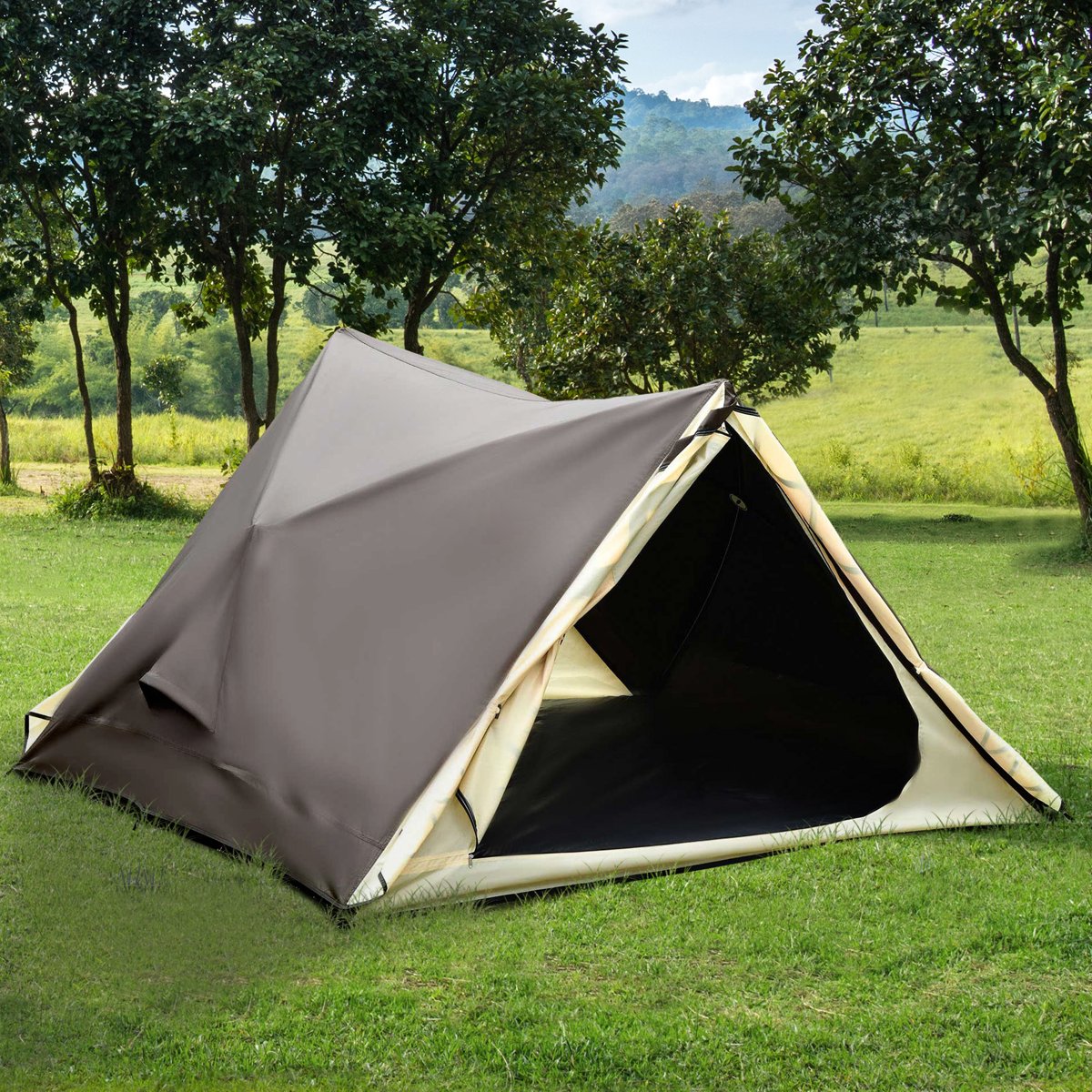 2-3 People Pop Up Camping Tent Waterproof Automatic Instant Portable Cabana Beach with Rainfly, Carry Bag, Windows and Doors, Outdoor Hiking Indoor$75.99View on Mallflare
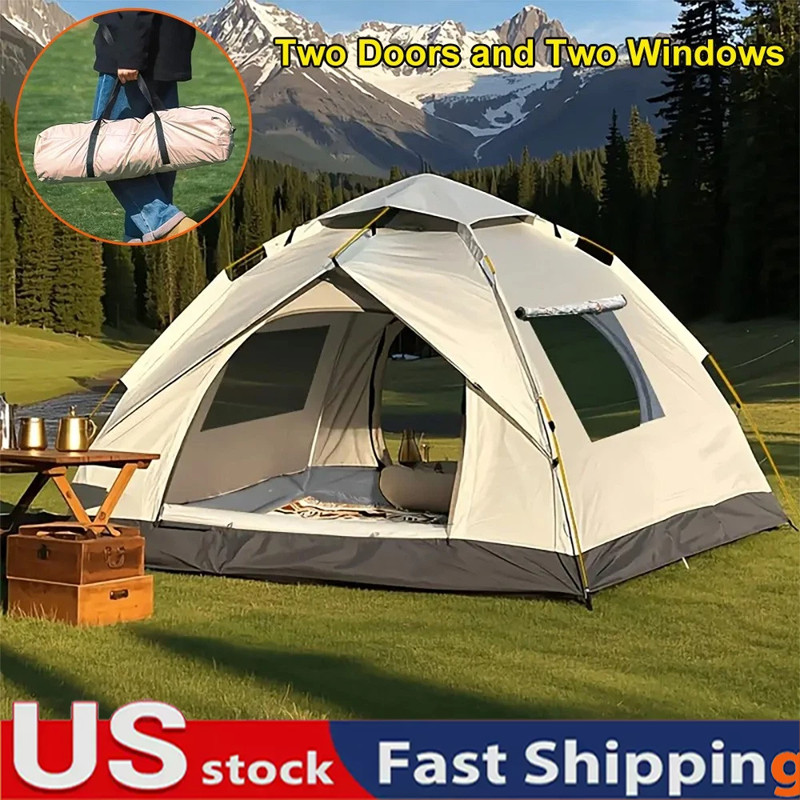 2-3 Person Pop Up Tents Waterproof Windproof Instant Tent for Camping Hiking NEW$35.98View on eBay
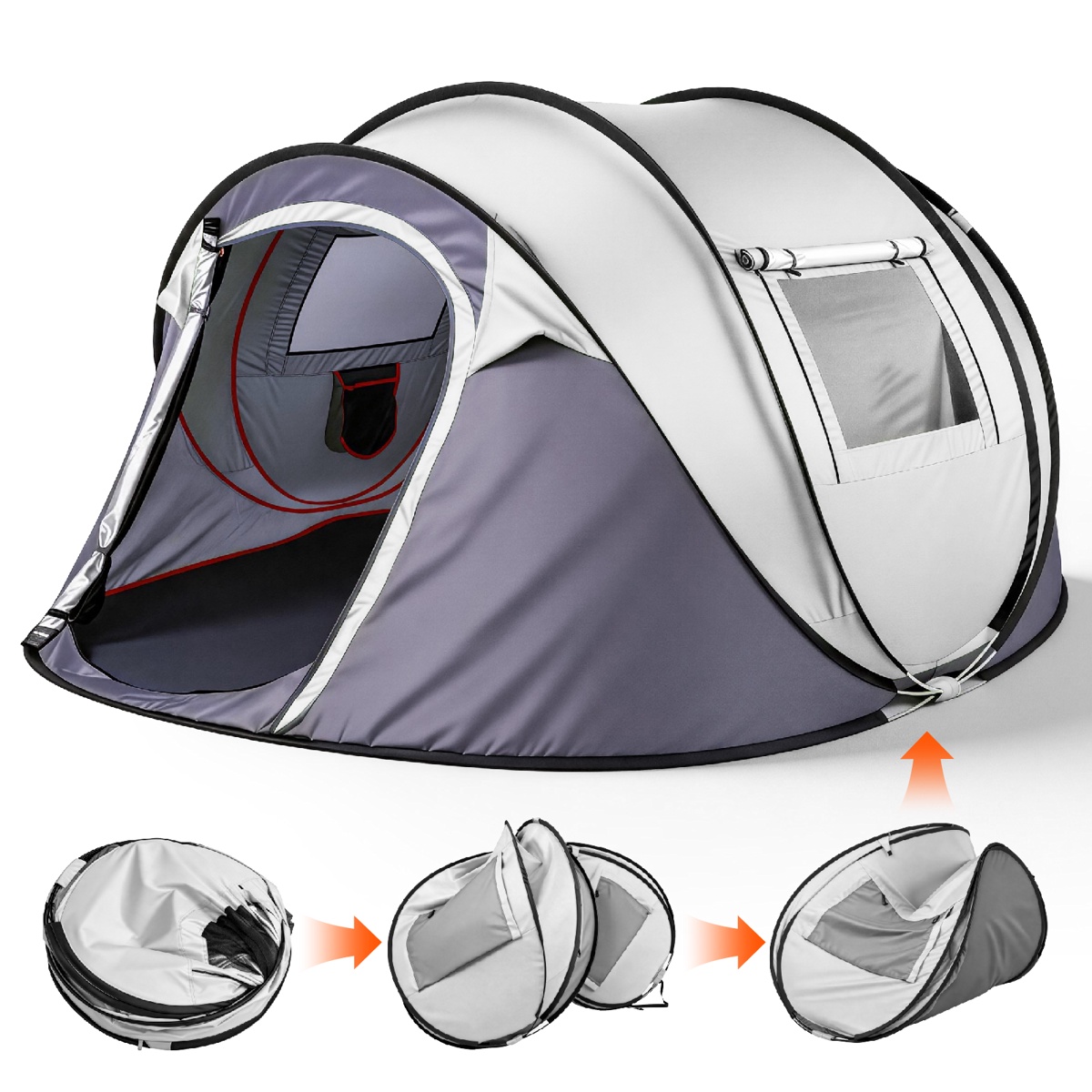 4 Person Pop Up Tent for Camping, Waterproof Instant Family with Front Awning, Automatic Throw Pop Up Flip Pop for Light Gray$98.99View on Mallflare
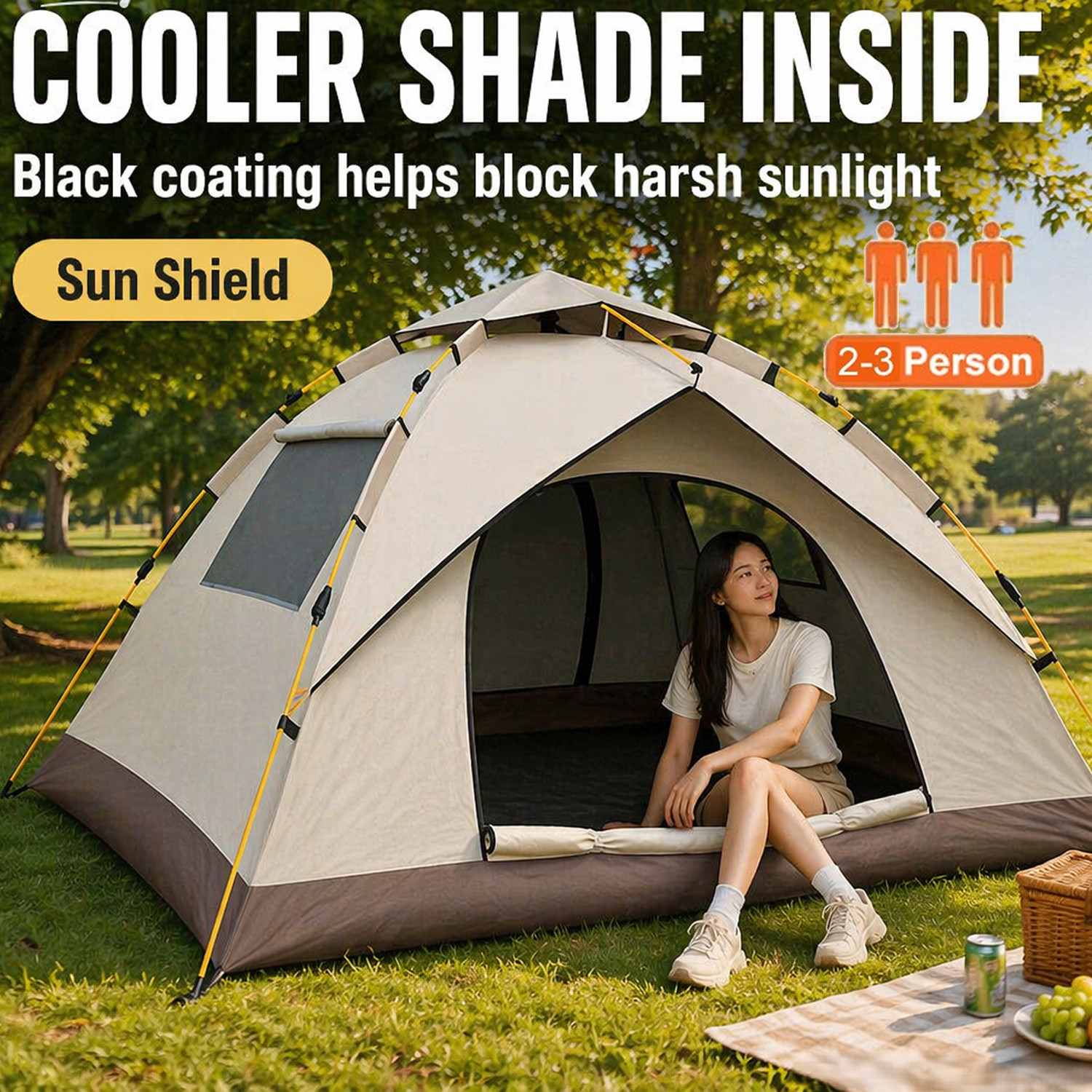 2-3 Person Pop Up Tents Waterproof Windproof Instant Tent for Camping Hiking New$35.99View on eBay
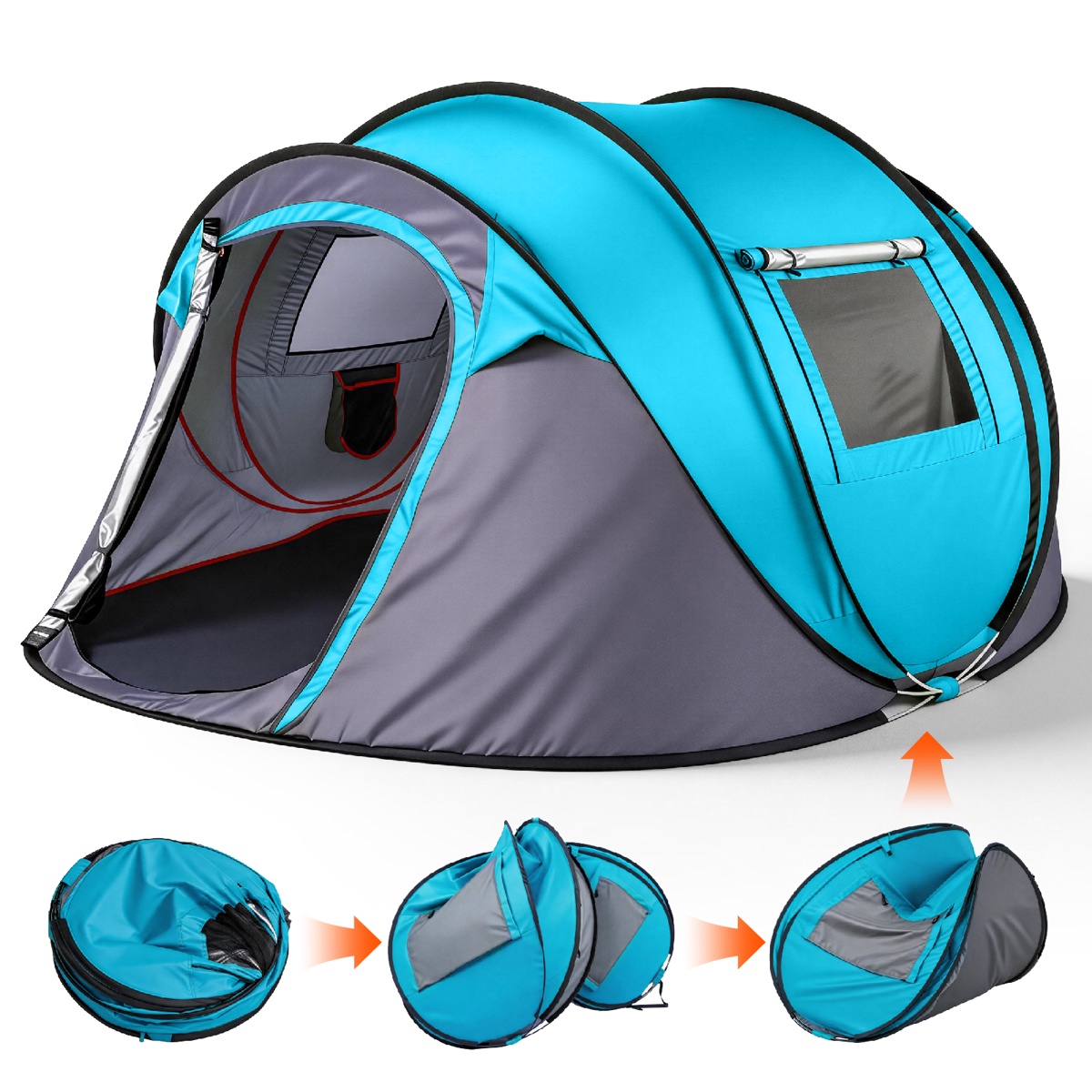 4 Person Pop Up Tent for Camping, Waterproof Instant Family with Front Awning, Automatic Throw Pop Up Flip Pop for Blue$101.99View on Mallflare
- 3-4 Person Pop Up Tents Waterproof Windproof Instant Tent for Camping Hiking NEW$38.99View on eBay
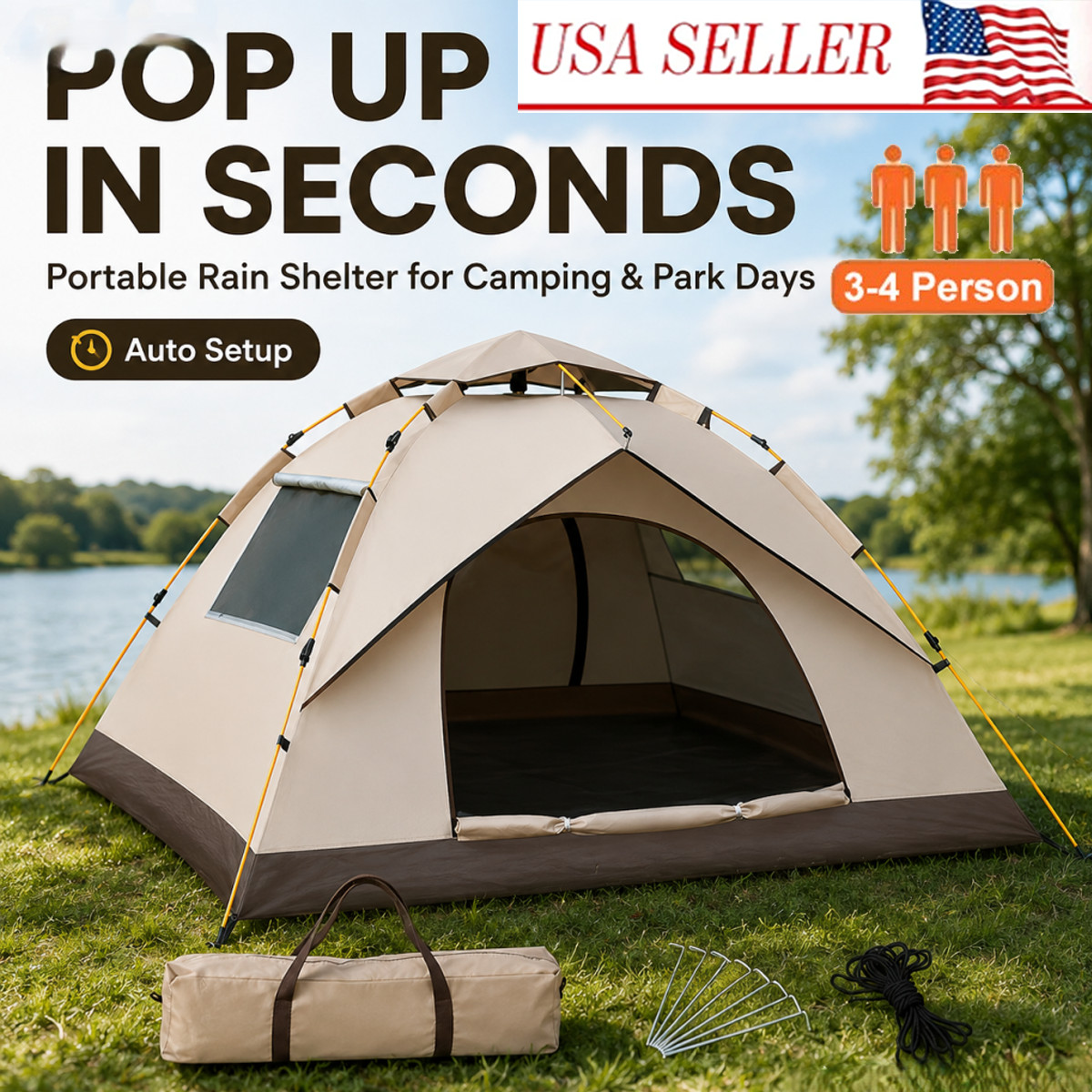 3-4 Person Automatic Quick Pop Up Tents Portable Instant Tent for Camping Hiking$38.99View on eBay
Highlights
- Frame architecture is the durability ceiling: flat sprung hoops bend out of shape in gusts above roughly 20 mph, while hub-and-pole instant tents use cross-braced aluminum or fiberglass hubs that hold real wind loads.
- Hydrostatic head separates real waterproofing from marketing: look for 1,500-2,000 mm HH on the fly for 3-season use; sub-800 mm shells leak in sustained rain.
- Fabric weight and coating drive longevity: 190T polyester is entry level, 210T ripstop with PU/silicone coating on both sides resists UV aging and abrasion far longer.
- Setup speed claims mean frame deployment only — pole-free pitching is 3-10 seconds, but staking, guying, and fly attachment still take 2-5 minutes for a stable pitch.
Best use cases
- Best fit: fair-weather car camping, backyard, beach, and festival use where you pitch and strike daily — choose a 2-3 person sprung pop-up with 1,500 mm HH fly.
- Best fit: family base camping with occasional rain — pick a 4-person hub-pole instant tent with a full-coverage rainfly, taped seams, and front awning.
- Wrong fit: exposed ridge, coastal, or winter camping — skip sprung pop-ups entirely; use a hub-pole instant tent or a conventional geodesic pole tent.
- Wrong fit: backpacking or multi-day hiking — pop-up tents pack long and heavy (typically 7-11 lb); choose a compact pole tent under 4 lb instead.
Buying tips
- Size capacity by floor area, not 'person' claims: allow 30 x 75 in (about 15 sq ft) per sleeper minimum; a '4 person' pop-up often measures only 8 x 8 ft.
- Check packed length against your vehicle boot: sprung pop-ups usually pack as a flat disc 30-40 in across and will not fit some trunks or roof boxes.
- Demand taped or sealed seams plus a bathtub floor with at least 2,000 mm HH; a rainfly that stops short of the ground is the most common leak point on budget pop-ups.
- Match pole material to use: fiberglass is fine for occasional use; aluminum hubs and poles add cost but resist bending and are field-repairable.
Specs
| Frame Type | Sprung hoop vs hub-pole instant |
|---|---|
| Waterproofing | 1,500-2,000 mm HH fly (min) |
| Fabric Grade | 190T polyester vs 210T ripstop |
| Packed Form | Disc 30-40 in vs pole bundle |
Related searches
What to check before buying
- Measure your sleeping pad footprint and compare to the tent's floor dimensions — pop-up 'person' ratings are optimistic by one full sleeper.
- Confirm packed diameter and weight fit your vehicle and carrying plan before choosing a sprung disc design.
- Verify the fly covers the full canopy and seams are taped; check floor HH rating for damp ground.
- Check stake points and guy-line loops exist on all sides — many cheap pop-ups ship with minimal anchoring hardware.
FAQ
Data sources: eBay / Amazon listings and product attribute feeds Data updated Nov 18, 2026.
Some links on this page are affiliate links. If you buy after clicking one, we may earn a commission at no extra cost to you. This does not change which products appear here or their order. Affiliate disclosure.