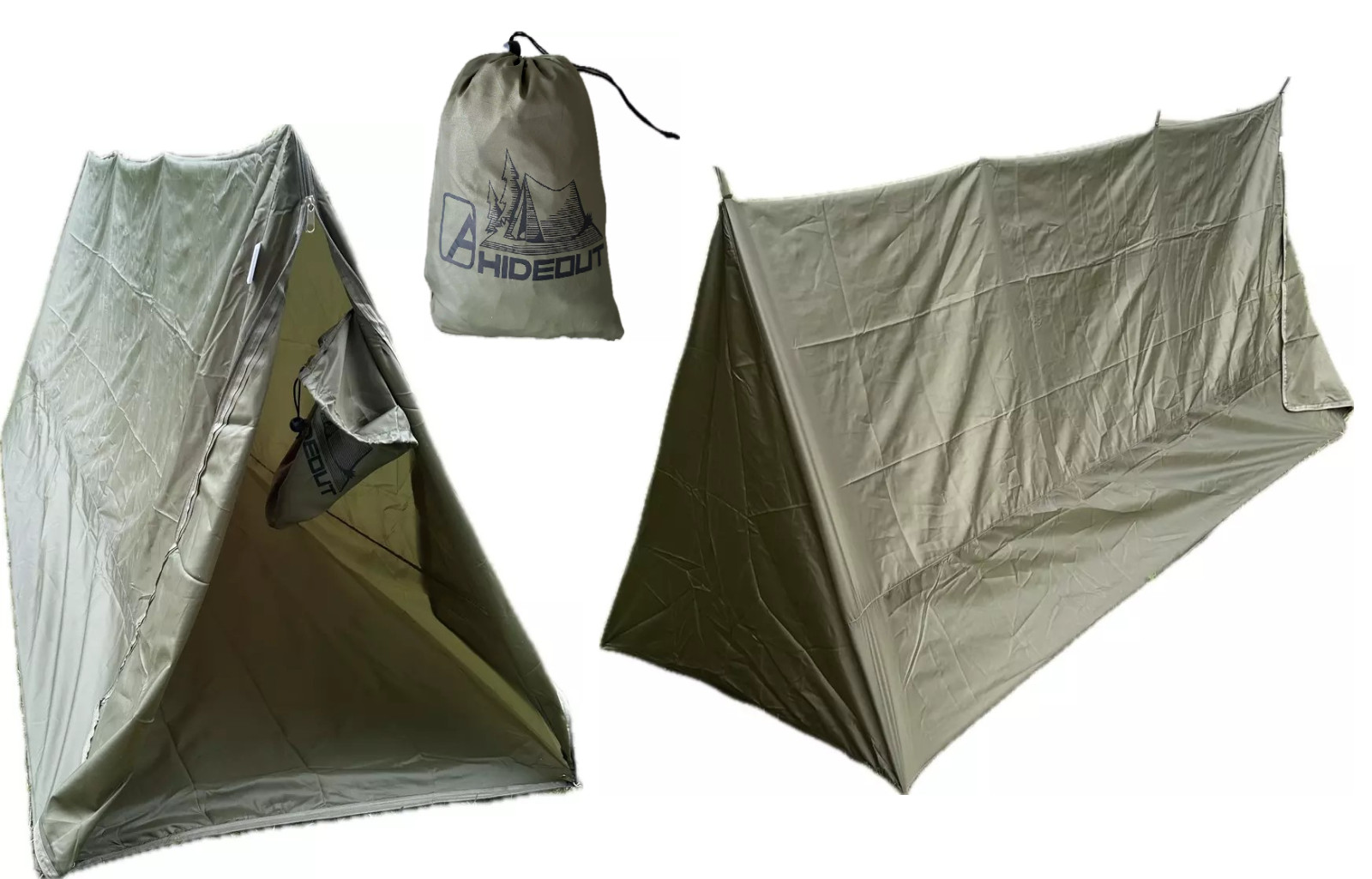

Photos from current listings. Actual item, color, and included accessories may vary.
One Person Tent Buying Guide
A one-person tent is a solo shelter where packed weight, interior livability, and weather protection are traded against each other; ultralight models use thin fabrics and minimal poles while budget models use heavier materials and simpler pole structures. The clear decision rule: choose a tent rated for at least 3 seasons with a full-coverage rainfly and aluminum poles if durability matters, and skip single-wall or fiberglass-pole designs unless packed size and cost are the only priorities.


At a glance
- Category
- Tents & Shelters
- Data updated
- Nov 18, 2026
Current offers
Highlights
- Pole material separates tiers: aluminum alloy (7001 or 7075) resists bending and shattering, while fiberglass poles are heavier and prone to splintering in wind.
- Hydrostatic head ratings define waterproofing: 1,200–1,500 mm fly is minimum for rain, 2,000 mm+ for sustained storms, and bathtub floors need 3,000 mm+.
- Freestanding double-wall designs with a full-coverage rainfly vent better and resist condensation, whereas single-wall ultralights save weight but wet out inside in humid conditions.
- Interior floor dimensions of roughly 7 ft by 2.5–3 ft accommodate a regular sleeping pad (20–25 in wide) and a small pack; vestibule area adds 5–8 sq ft of dry storage.
Best use cases
- Backpacking and thru-hiking: pick a sub-3 lb double-wall freestanding or trekking-pole tent with aluminum poles and a 1,500 mm+ fly; skip heavy fiberglass-pole dome tents.
- Car camping and festival use: choose a 7x3 ft or larger footprint with a full rainfly and easy clip setup; skip ultralight single-wall models that sacrifice durability and ventilation.
- Desert or arid summer trips: a single-wall or mesh-heavy tent with high venting works, but skip it for humid or rainy climates where condensation and splash-back soak the interior.
Buying tips
- Match floor width to your pad: a 20-inch pad needs at least 28 inches of floor width for gear; a 25-inch pad requires 32 inches or more.
- For 3-season use, insist on a full-coverage rainfly that reaches near the ground and a bathtub floor with taped seams; partial flies leave exposed mesh that drips in rain.
- Check packed length against your pack: tents under 18 inches packed length fit horizontally in most 40–60 L packs; longer poles must strap outside.
- Aluminum poles in 8.5–9.5 mm diameter balance weight and strength; thinner 7–8 mm poles save ounces but bend in gusty exposed campsites.
Specs
| Pole Material | Aluminum alloy vs fiberglass |
|---|---|
| Waterproofing | Fly 1,500mm+ / Floor 3,000mm+ |
| Wall Design | Double-wall vs single-wall |
| Floor Dimensions | 7 ft x 2.5–3 ft (solo) |
Related searches
What to check before buying
- Measure your sleeping pad width and length; confirm the tent floor is at least 6 inches wider and 6 inches longer than the pad.
- Verify the tent is freestanding or requires stakes; non-freestanding designs need firm soil or rocks for guylines and may not pitch on platforms.
- Confirm the rainfly and floor hydrostatic head ratings meet your wettest expected conditions (1,500 mm fly / 3,000 mm floor minimum for 3-season rain).
- Check packed weight and volume against your carry method: under 3 lb for backpacking, under 5 lb for kayak or bike camping, and any weight for car camping.
FAQ
Data sources: eBay / Amazon listings and product attribute feeds Data updated Nov 18, 2026.
Some links on this page are affiliate links. If you buy after clicking one, we may earn a commission at no extra cost to you. This does not change which products appear here or their order. Affiliate disclosure.