Photos from current listings. Actual item, color, and included accessories may vary.
Pop Up Beach Tent Buying Guide
A pop-up beach tent is a collapsible sun shelter using pre-bent fiberglass or steel poles that snap into shape in seconds, trading structural rigidity for speed and portability. The decisive trade-off is UPF-rated coated fabric plus sand-anchoring hardware versus thin uncoated nylon and flimsy pegs—durable shelters use 190T+ polyester with silver or blackout PU coating and sandbags, while compromises rely on single-layer fabric and skinny stakes. Choose a coated, sandbag-equipped model for wind and UV exposure; skip uncoated bargain tents for anything beyond light shade.


At a glance
- Category
- Tents & Shelters
- Data updated
- Nov 18, 2026
Current offers
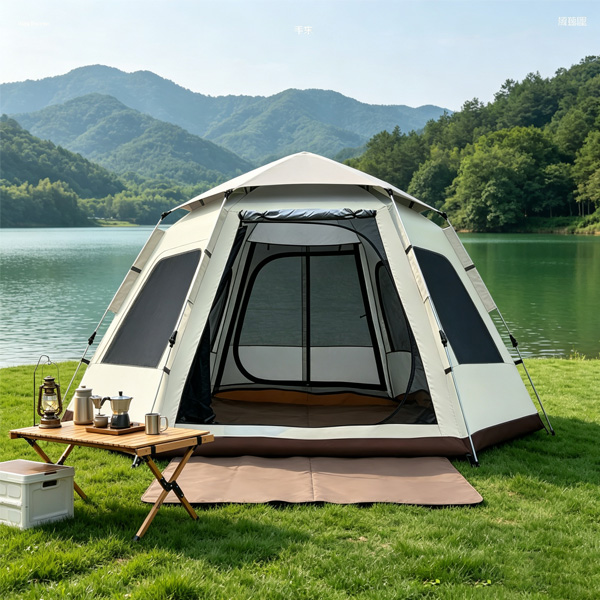 Cream White Instant Pop Up Tent - 3 Second Quick Setup Outdoor Shelter, Windproof Waterproof With Panoramic Mesh Skylight, Extra Spacious Sunshade Canopy For Picnic, Beach, Backyard, Music Festival$54.99
 View on Mallflare
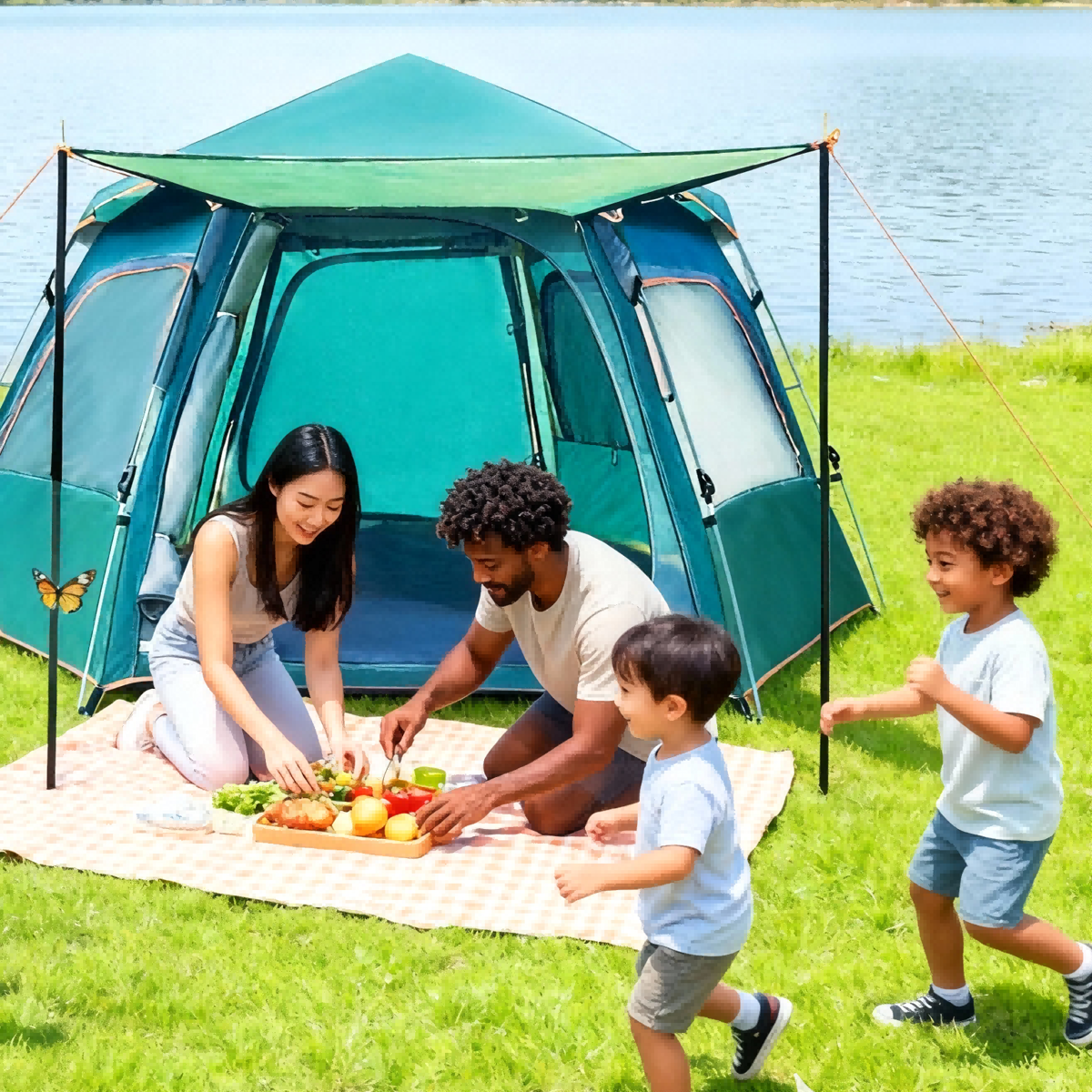 Quick-opening Tent 4-6 Person Medium-sized Outdoor Portable Suitable For Family Camping Activities Pop-up Hiking Beach Party$54.99View on Mallflare
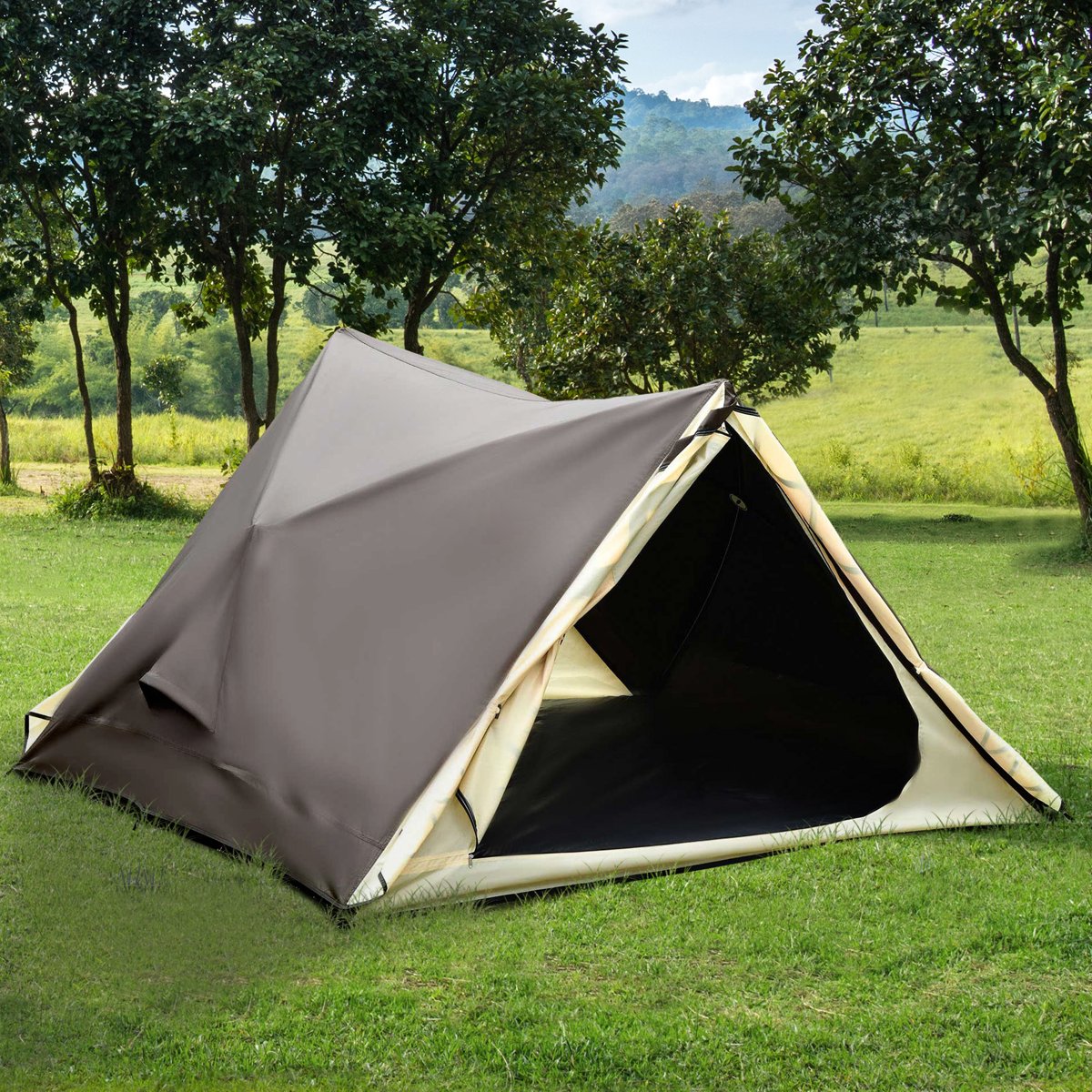 2-3 People Pop Up Camping Tent Waterproof Automatic Instant Portable Cabana Beach with Rainfly, Carry Bag, Windows and Doors, Outdoor Hiking Indoor$75.99View on Mallflare
Highlights
- Fabric grade: 190T–210T polyester or nylon with silver/blackout PU coating delivers UPF 50+; uncoated 170T fabric fades and leaks UV within a season.
- Frame architecture: pre-bent fiberglass poles (6–8 mm) snap open in 2–5 seconds; steel-wire frames resist wind better but add weight and rust risk near saltwater.
- Anchoring: dedicated sandbags plus 4–6 ground stakes and guylines are the real wind-resistance mechanism—pop-up canopies blow away without them.
- Ventilation: mesh windows/doors on at least two walls prevent condensation and heat buildup; single-door enclosures trap hot air and limit airflow.
Best use cases
- Best for 2–3 people on a windy beach: pick a low-profile dome with sandbags, guylines, and UPF 50+ coated fabric; skip tall canopy-style tents that catch wind.
- Best for family shade at picnics or festivals: choose a 4–6 person instant cabin with mesh skylight and wide door; skip 2-person domes that feel cramped with gear.
- Wrong fit for overnight or rain-heavy camping: pop-up beach tents lack bathtub floors and rainfly coverage—use a proper camping tent instead.
- Wrong fit for rocky or hard-packed ground: thin fiberglass poles and short stakes bend or pull out; choose a freestanding camping tent with aluminum poles.
Buying tips
- Match floor dimensions to occupants: allow roughly 2 ft × 1.5 ft per seated person; a 2–3 person tent needs about 6–7 ft wide floor.
- Require UPF 50+ and a PU coating (silver or blackout) on the fly; uncoated fabric offers minimal UV protection and degrades fast.
- Check packed length and weight: fiberglass pop-ups typically pack to 30–40 in and 3–6 lb—confirm it fits your car trunk and carrying distance.
- Insist on included sandbags, guylines, and at least 4 stakes; these are mandatory for beach wind, not optional accessories.
Specs
| Fabric & Coating | 190T–210T polyester, UPF 50+ PU |
|---|---|
| Frame Type | Pre-bent fiberglass vs steel wire |
| Capacity | 2–3 or 4–6 person seated |
| Anchoring Kit | Sandbags + 4–6 stakes + guylines |
Related searches
What to check before buying
- Measure your intended footprint: confirm the open floor size fits your group and fits within beach/picnic space rules.
- Confirm wind plan: sandbags and stakes must match your ground type—sand, grass, or hard-packed soil.
- Check UV and climate: UPF 50+ coated fabric for strong sun; mesh ventilation for hot, still days.
- Verify companion gear: carry bag, stakes, guylines, and sandbags included; no separate pole purchase needed.
FAQ
Data sources: eBay / Amazon listings and product attribute feeds Data updated Nov 18, 2026.
Some links on this page are affiliate links. If you buy after clicking one, we may earn a commission at no extra cost to you. This does not change which products appear here or their order. Affiliate disclosure.