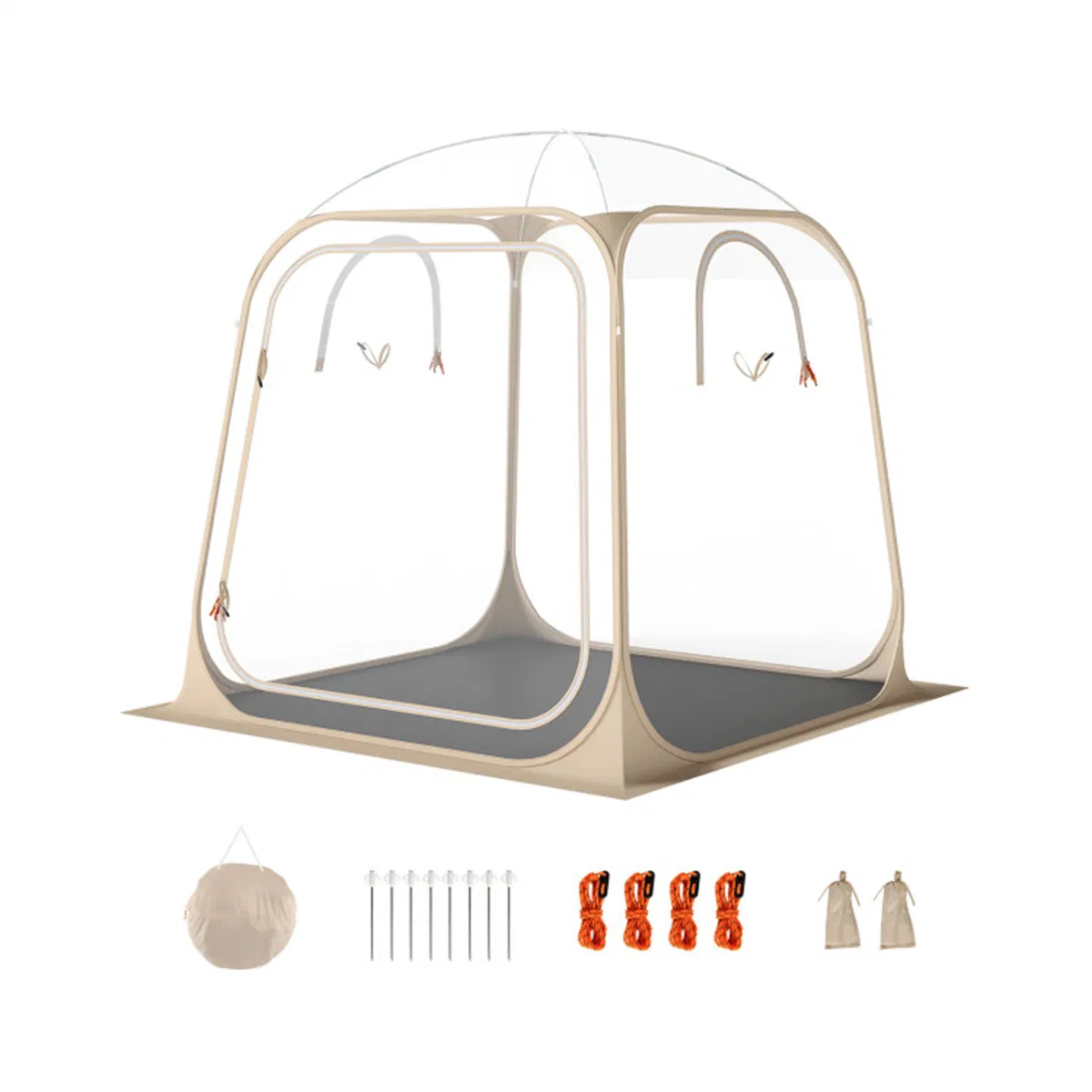

Photos from current listings. Actual item, color, and included accessories may vary.
Sport Tent Buying Guide
Sport tents are portable, fast-pitch shelters built for sideline spectating, ice fishing, and quick basecamps rather than multi-day backpacking. The core trade-off is between hub-and-pole pop-up speed and weatherproof durability: cheap PVC shells crack in cold, while insulated or coated nylon shells hold shape and warmth. Buy a hub-style shelter with taped seams and a full-coverage rainfly or insulated shell; skip single-layer transparent pods unless the use is strictly fair-weather spectating.


At a glance
- Category
- Tents & Shelters
- Data updated
- Nov 18, 2026
Current offers
Highlights
- Hub-style pop-up frames deploy in under two minutes and use fiberglass or aluminum poles; aluminum hubs survive repeated cold-weather setup far better than fiberglass.
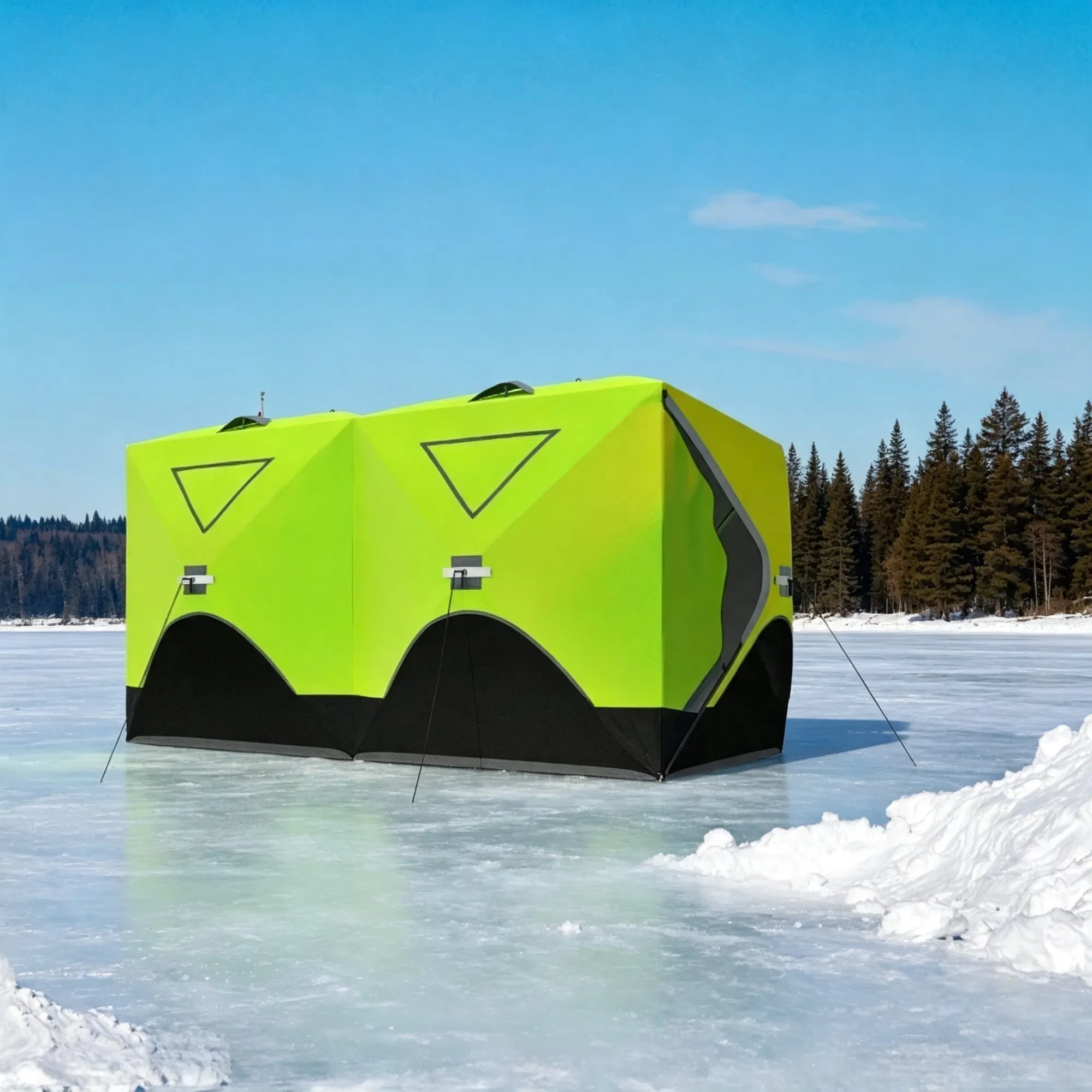
- Insulated ice shelters use a quilted thermal liner that can raise interior temperature and reduce condensation; uninsulated PVC or polyester pods offer no warmth retention.
- Clear PVC windows and full-transparent shells are for visibility at sports events, but PVC stiffens and cracks below freezing, so cold-weather buyers should choose insulated nylon instead.
- A 7×7 ft footprint fits 2–4 seated spectators or anglers; 8-person ice shelters typically span 8×8 ft or larger and need a longer packed length in the carry bag.
Best use cases
- Sideline parent at soccer or football games: choose a hub-style sport tent with clear or mesh panels and a 7×7 ft footprint to seat 2–4 people out of wind and rain.
- Ice fishing or winter sports: pick an insulated pop-up shelter with two doors and a quilted liner; skip transparent PVC pods that become brittle in sub-freezing temperatures.
- Fair-weather shade or beach basecamp: a single-layer pop-up pod with UV-coated polyester is enough; do not pay for insulation you will not use.
- Overnight camping or windy exposed sites: skip sport pods entirely and choose a double-wall camping tent with a full-coverage rainfly and aluminum poles.
Buying tips
- Match footprint to occupants: 7×7 ft seats 2–4 people with gear; allow roughly 8–10 sq ft per seated adult and step up to 8×8 ft or larger for four or more.
- Check pole and hub material: aluminum hubs and poles outlast fiberglass in cold and repeated setups; fiberglass is acceptable only for occasional fair-weather use.
- For winter use, require an insulated quilted liner and taped seams; single-layer PVC or uncoated polyester condenses and freezes inside.
- Confirm packed length and weight against your vehicle: 8-person ice shelters often pack to 50–60 inches and weigh 30–40 lbs, so measure the trunk before buying.
Specs
| Frame Type | Hub pop-up: aluminum vs fiberglass |
|---|---|
| Shell Material | PVC / polyester / insulated nylon |
| Footprint | 7×7 ft (2–4) to 8×8 ft+ (4–8) |
| Season Rating | 3-season spectating vs insulated winter |
Related searches
What to check before buying
- Measure your vehicle trunk or cargo area against the shelter's packed length and carry-bag dimensions.
- Confirm the footprint fits your sideline space or ice-fishing spot with room for chairs and gear.
- For cold-weather use, verify the shell is insulated nylon rather than PVC and that seams are taped.
- Check that the shelter includes stakes, guylines, and a carry bag; windproof claims require anchoring hardware to matter.
FAQ
Data sources: eBay / Amazon listings and product attribute feeds Data updated Nov 18, 2026.
Some links on this page are affiliate links. If you buy after clicking one, we may earn a commission at no extra cost to you. This does not change which products appear here or their order. Affiliate disclosure.