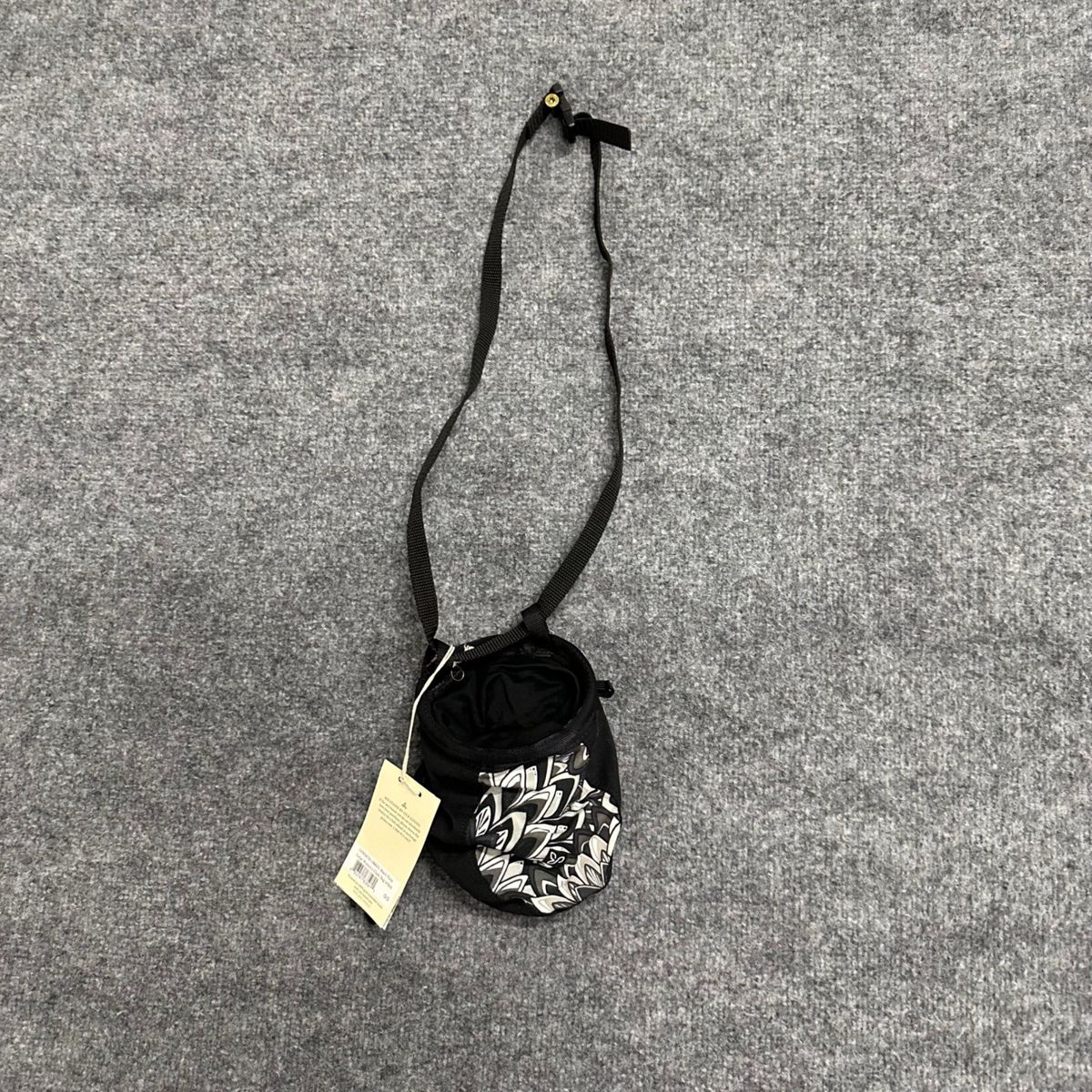

Photos from current listings. Actual item, color, and included accessories may vary.
Climbing Chalk Buying Guide
Climbing chalk is magnesium carbonate (MgCO3) used to absorb hand moisture and improve grip on rock or plastic holds, available as loose powder, blocks, or liquid chalk. The core trade-off is drying power versus skin wear and gym cleanliness: pure chalk dries best but leaves heavy residue, while liquid chalk with alcohol binds tighter and lasts longer between re-applications. The decision rule: buy loose or block chalk for outdoor rock and high-humidity sessions, and choose liquid chalk or chalk balls for gyms with air filtration or strict chalk policies.


At a glance
- Category
- Climbing Chalk & Training
- Data updated
- Nov 16, 2026
Current offers
Highlights
- Magnesium carbonate purity drives absorbency: 80-100% pure chalk dries fast but can dry skin; blends with drying agents or lower-grade fillers feel gritty and leave excess dust.
- Liquid chalk is MgCO3 suspended in alcohol; it evaporates on contact and forms a thin layer that lasts 2-3 times longer than powder, but alcohol content can sting open cuts.
- Chalk balls are porous fabric spheres filled with loose chalk; they reduce airborne dust in gyms but deliver less chalk per application than loose chalk blocks.
- Block chalk is compressed MgCO3 that grinds down slowly; it is denser than loose powder and favored by boulderers for precise, low-dust application on fingertip pads.
Best use cases
- Outdoor sport or trad climbing in humid conditions: pick loose chalk or a chalk block plus a fleece-lined chalk bag for maximum drying power and easy reapplication at hanging belays.
- Indoor bouldering gyms with air-quality rules: choose liquid chalk or a chalk ball to minimize airborne dust and comply with posted chalk policies, and skip loose powder.
- Competition or plastic-hold training where grip consistency matters: use liquid chalk as a base layer and top up with block chalk on fingertip pads for longer sessions between brushes.
- Deep-water soloing or wet-weather climbing: skip chalk balls and choose a high-purity loose chalk mixed with a small amount of drying alcohol gel to maintain adhesion on damp holds.
Buying tips
- Check the label for magnesium carbonate percentage: 80-100% pure chalk is the standard for drying power, while blends under 70% with calcium carbonate or fillers leave more residue.
- For gym use, buy liquid chalk with at least 50% alcohol content; lower-alcohol formulas dry slower and require more frequent reapplication on plastic holds.
- Match chalk form to bag type: loose chalk needs a fleece-lined bag with a wide mouth, block chalk fits standard bags with a drawstring, and liquid chalk needs no bag but requires a drying wait of 30-60 seconds.
- Buy block chalk in 50-100g sizes for bouldering sessions; larger 200g+ blocks are for route climbing where you re-chalk less often and need a longer-lasting chunk in the bag.
Specs
| Chalk Form | Loose powder / Block / Liquid |
|---|---|
| MgCO3 Purity | 80-100% pure vs blended fillers |
| Liquid Alcohol Content | 50%+ for fast drying |
| Gym Compliance | Liquid/ball for dust-controlled gyms |
Related searches
What to check before buying
- Confirm your gym's chalk policy before buying loose powder: many gyms require liquid chalk or chalk balls with dust-control rules posted at the front desk.
- Measure your chalk bag's mouth diameter: 12-14 cm openings work with block chalk, while loose chalk needs a fleece lining and a 10-12 cm mouth to avoid spills.
- For outdoor use, check local rock ethics: some crags ban loose chalk residue and require chalk balls or liquid chalk to protect sandstone and limestone surfaces.
- Verify skin sensitivity to alcohol-based liquid chalk before a long session: apply a small amount to a fingertip and wait 10 minutes to check for irritation or excessive drying.
FAQ
Data sources: eBay / Amazon listings and product attribute feeds Data updated Nov 16, 2026.
Some links on this page are affiliate links. If you buy after clicking one, we may earn a commission at no extra cost to you. This does not change which products appear here or their order. Affiliate disclosure.