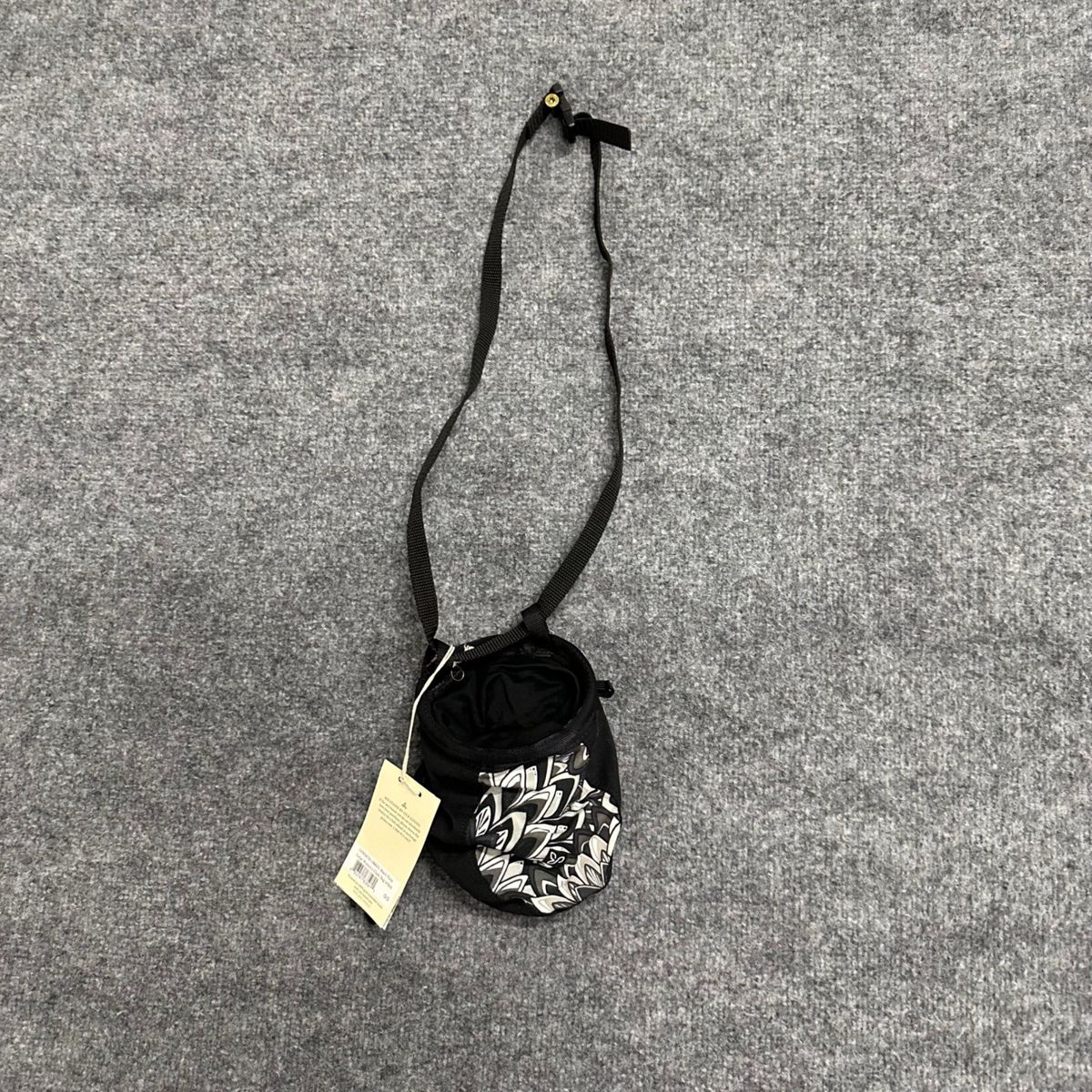

Photos from current listings. Actual item, color, and included accessories may vary.
Climbing Chalk Bag Buying Guide
A climbing chalk bag is a fabric pouch that holds loose chalk or a chalk ball and mounts to your harness or waist via a belt or strap; the core trade-off is between a floppy, lightweight sack that leaks dust and a structured, fleece-lined bag with a rigid mouth that stays open for one-handed dips. Buy a bag with a stiff rim, a secure drawstring closure, and a fleece or terry lining if you climb regularly; skip thin single-layer nylon sacks with no closure for anything beyond casual gym use.


At a glance
- Category
- Climbing Chalk & Training
- Data updated
- Nov 16, 2026
Current offers
Highlights
- Rim structure determines one-handed usability: a wire or plastic stiffener keeps the mouth open, while unlined nylon sacks collapse and force two-handed fumbling.
- Lining material controls dust and chalk retention: fleece or terry cloth liners hold powder and reduce leakage, while bare nylon liners shed chalk fast and coat your gear.
- Closure type separates clean from messy: drawstring or roll-top closures seal the bag for transport, whereas open-mouth bags with only a belt loop spill chalk in your pack.
- Mounting hardware defines fit: a waist belt suits bouldering and gym sessions, while a belt-loop or carabiner attachment is required for harness-based sport and trad climbing.
Best use cases
- Best for gym bouldering: pick a waist-belt bag with a stiff rim and fleece lining so you can chalk between attempts without removing it.
- Best for sport and trad climbing: choose a bag with a belt loop or carabiner attachment plus a drawstring closure that seals against the harness and pack.
- Wrong fit: a thin unlined nylon sack with no closure is fine only as a spare or for children, and will leak chalk and collapse during real climbing sessions.
Buying tips
- Match capacity to chalk format: a standard bag holds a loose chalk block or a 50–75 g chalk ball; oversized bags waste chalk and smaller sock-style bags suit only tight spaces.
- Choose a fleece or terry lining over bare nylon: the lining traps dust and lets you load a chalk ball without it tearing, extending bag life.
- Verify the belt or loop: a waist belt should adjust to fit over a harness or layers, and a belt-loop attachment needs a compatible harness waist belt width.
- Prefer a stiffened rim (wire or plastic) over a soft rim: it keeps the opening accessible with chalky fingers and prevents the bag collapsing mid-climb.
Specs
| Rim Type | Stiffened wire/plastic vs soft |
|---|---|
| Lining | Fleece/terry vs bare nylon |
| Mount | Waist belt vs harness loop/carabiner |
| Closure | Drawstring/roll-top vs open mouth |
Related searches
What to check before buying
- Measure your harness waist belt width so a belt-loop bag slides on without bunching or sagging.
- Confirm whether you need a waist belt for bouldering or a harness attachment for roped climbing before choosing the mount type.
- Check the closure: a drawstring or roll-top is required if the bag will travel in a pack or car between sessions.
- Verify lining and rim construction in the product description; fleece lining and a stiffened rim are the durability markers.
FAQ
Data sources: eBay / Amazon listings and product attribute feeds Data updated Nov 16, 2026.
Some links on this page are affiliate links. If you buy after clicking one, we may earn a commission at no extra cost to you. This does not change which products appear here or their order. Affiliate disclosure.