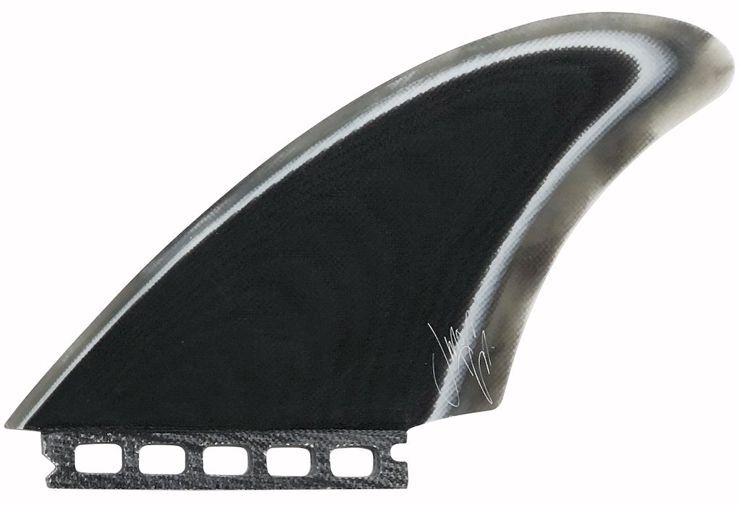

Photos from current listings. Actual item, color, and included accessories may vary.
Future Keel Fin Buying Guide
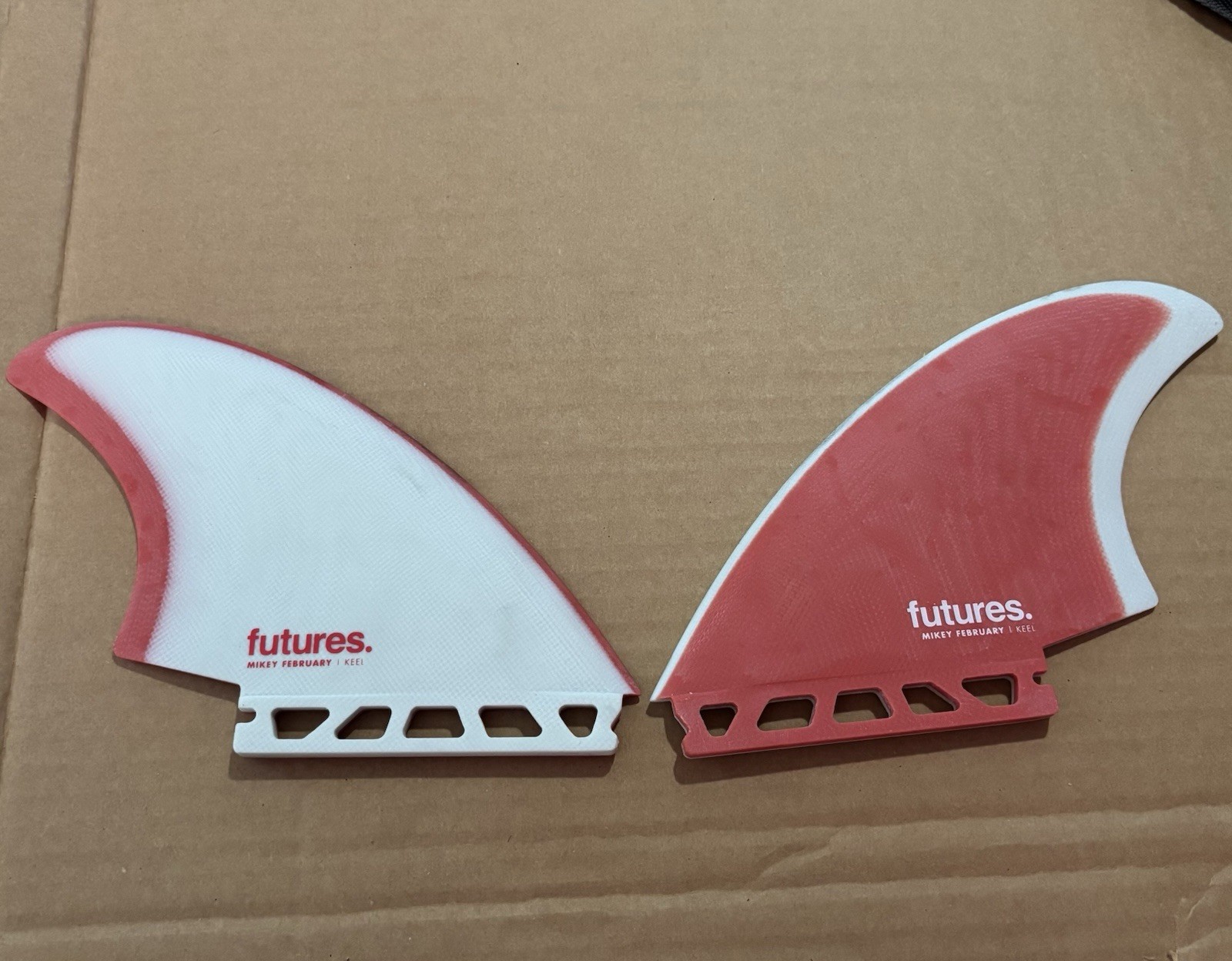
Future Keel Fins are twin-fin templates built specifically for the Futures dual-tab cant system, delivering drive, speed, and pivot for modern fish and mid-length twins. The core trade-off is template area versus flex: larger keels generate down-the-line speed but can feel tracky, while smaller or flexier keels loosen the tail at the cost of drive. The decision rule is simple: match the fin's base length to your Futures boxes and your board's tail width, and choose fiberglass over honeycomb only if you want a stiffer, more predictable feel in weak surf.


At a glance
- Category
- Surf Fins, Leashes & Wax
- Data updated
- Nov 16, 2026
Current offers
Highlights
- Futures dual-tab base uses two parallel tabs with a grub screw per box; compatible only with Futures boxes, not FCS or single-tab systems.
- Keel templates typically run 6.5–7.5 inches of depth and 5.5–7 inches of base, with 4–6 degrees of cant built into the base angle.
- Fiberglass construction (6oz + 4oz layup) delivers a stiffer flex pattern; honeycomb or carbon/hexcore cores lighten the fin and quicken rebound.
- Futures' Mikey February Keel and Captain Fin's McCallum Keel differ mainly in sweep and tip area: more upright = tighter pivot, more swept = longer arc and drive.
Best use cases
- Best fit: modern fish or twin-fin mid-length with Futures boxes and a wide, flat tail — pick a larger, more swept keel (6.5–7.5 in depth) for down-the-line drive.
- Best fit: groveler or small-wave twin with a narrower tail — choose a smaller, more upright keel to keep the board loose and avoid tracking on weak days.
- Wrong fit: any board with FCS, FCS II, or single-tab boxes — Futures keels will not seat; you need the corresponding FCS-compatible keel instead.
- Wrong fit: thruster or quad setups — keel fins are twin-specific; adding a trailer or using them in a 5-box layout changes the board's balance and is not recommended.
Buying tips
- Measure your Futures box spacing: standard Futures boxes are set at 1/2-inch tab width; keel bases 5.5–7 inches long suit most fish tails, but verify tail width at the tail block before sizing up.
- Match fin depth to rider weight: under 150 lbs lean toward 6.5-inch depth; 150–190 lbs use 7-inch; over 190 lbs or heavy-footed surfers can run 7.5-inch keels for more drive.
- Choose fiberglass for predictable flex and durability in warmer water; choose honeycomb or carbon if you want a lighter, livelier feel and surf mostly weak, small waves.
- Check cant angle: 4 degrees suits most fish and mid-length twins; 6 degrees adds lift and looseness but can feel skatey on longer boards — stay near 4 for classic keel feel.
Specs
| Base System | Futures dual-tab (2 tabs per fin) |
|---|---|
| Fin Depth | 6.5–7.5 in (weight-dependent) |
| Cant Angle | 4–6 degrees built-in |
| Construction | Fiberglass / Honeycomb / Carbon |
Related searches
What to check before buying
- Confirm your board uses Futures dual-tab boxes — look for two parallel slots per side with a grub screw, not a single long slot.
- Measure tail width 12 inches up from the tail: wide tails (over 14 inches) pair well with larger keels; narrow tails need smaller, more upright templates.
- Check your existing fin box depth and screw length — Futures keels use standard grub screws, but deep boxes may need longer screws for a secure fit.
- Match fin material to water temperature and board construction: fiberglass for cold-water stiffness and durability; honeycomb for warm-water flex and lightweight performance.
FAQ
Data sources: eBay / Amazon listings and product attribute feeds Data updated Nov 16, 2026.
Some links on this page are affiliate links. If you buy after clicking one, we may earn a commission at no extra cost to you. This does not change which products appear here or their order. Affiliate disclosure.