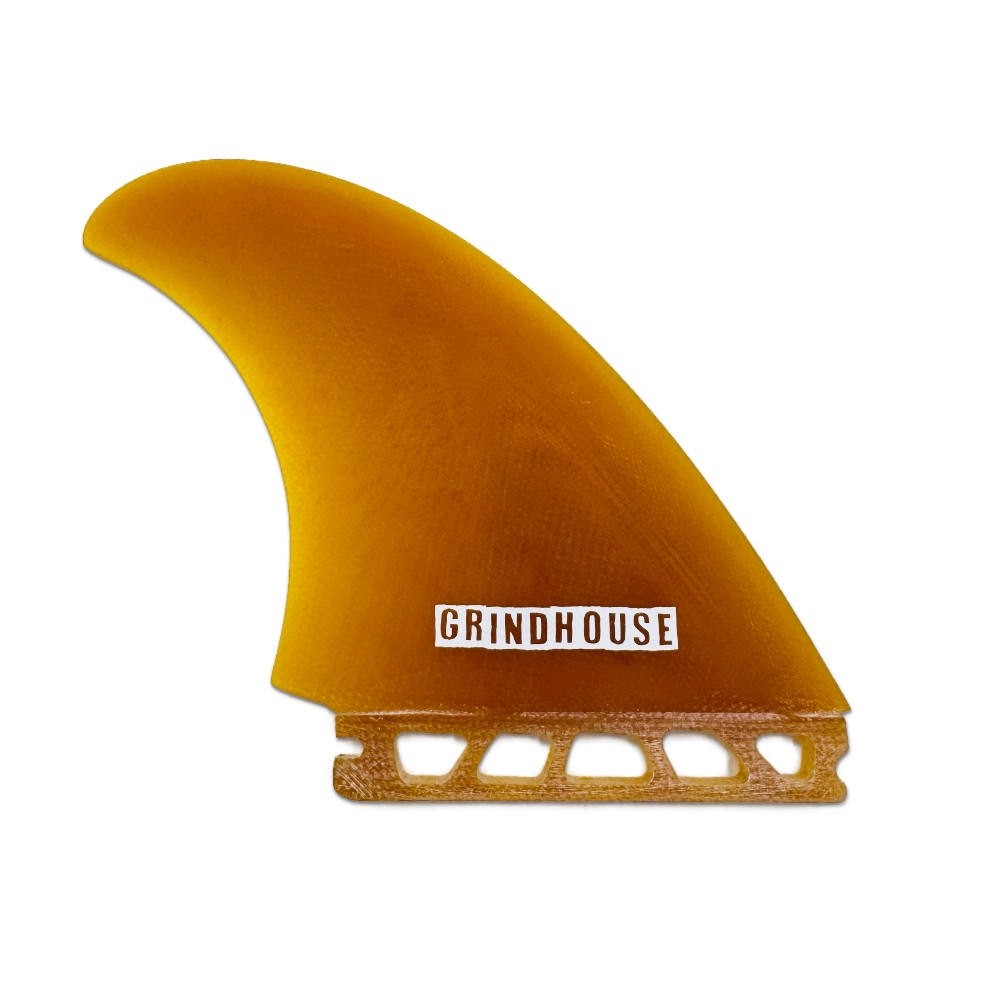

Photos from current listings. Actual item, color, and included accessories may vary.
Twin Fin Surfboard Fin Buying Guide
Twin-fin sets are paired side fins that transform a board's turn and speed characteristics, and the core trade-off is between upright pivot (tighter turns, less drive) and keel-style area (drive and hold, stiffer feel). Choose based on fin-box system, template area, and construction grade — not colorway — to get a durable set that matches your board and wave type.


At a glance
- Category
- Surf Fins, Leashes & Wax
- Data updated
- Nov 18, 2026
Current offers
Highlights
- Futures boxes use a single-screw, flat-base tab; FCS II uses a tool-less twin-tab click system, and FCS I requires grub screws — mismatched sets will not seat.
- Foil symmetry matters: 50/50 foils track straighter in smaller surf, while flat/inside foils generate lift and speed but feel looser rail-to-rail.
- Construction tiers separate durability: solid fiberglass (FG) resists impact and holds flex memory; honeycomb/hexcore is lighter but moreprone to pressure dings.
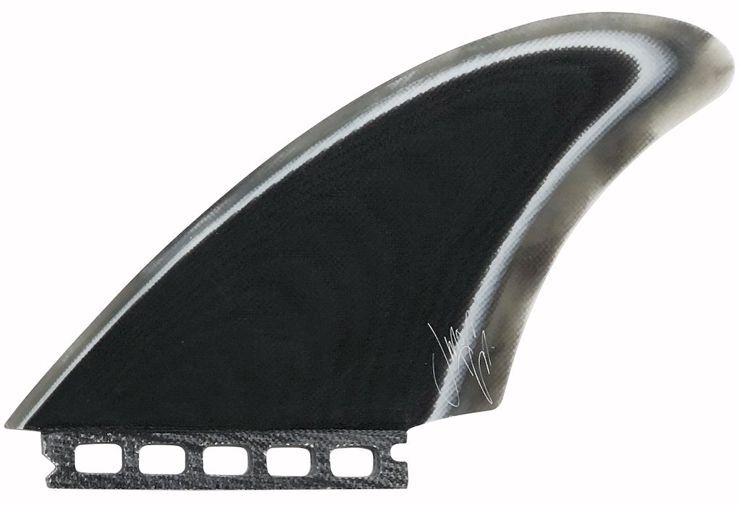
- Keel templates (large area, low sweep) maximize drive for fish shapes; upright twin templates (narrow tip, high sweep) suit modern twin-fin shortboards needing quick pivots.
Best use cases
- Best fit: retro fish or groveler in weak-to-mushy waves — pick large-area keel twins in fiberglass for planing speed and hold through turns; skip upright narrow twins.
- Best fit: modern twin-fin shortboard in punchy beach breaks — choose upright, high-sweep twin templates for snappy pivots; skip oversized keels that over-stiffen rail-to-rail transitions.
- Wrong fit: thruster or quad-only boards with three- or four-box clusters — twin sets need exactly two side boxes; verify box count and spacing before buying.
- Wrong fit: heavy beginner soft-tops with shallow fin boxes — keel-area twins can rip soft-box inserts; use flexible soft-top-specific twins or stay with included fins.
Buying tips
- Match the fin-box system first: Futures flat-tab, FCS II twin-tab click, or FCS I grub-screw — a set that does not match the box brand cannot be installed.
- Size fin area to rider weight: small (under ~120 lb), medium (~120–170 lb), large (~170–210 lb), and XL (210+ lb); larger area adds drive but slows rail-to-rail response.
- For fish shapes under 6'0", choose keel twins with 20–30 sq in per fin; for twin-fin shortboards, upright twins around 15–22 sq in per fin keep pivot sharp.
- Prefer solid fiberglass (FG) construction for reef and rocky breaks; honeycomb or hexcore suits lightweight riders chasing flex in soft waves.
Specs
| Fin Box System | Futures flat-tab / FCS II / FCS I |
|---|---|
| Template Type | Keel (drive) vs Upright (pivot) |
| Construction | Solid fiberglass vs honeycomb core |
| Size Tier | S / M / L / XL by rider weight |
Related searches
What to check before buying
- Count your board's fin boxes: twin sets require exactly two side boxes — confirm no center or rear quad boxes are in use.
- Measure box spacing and cant: Futures and FCS boxes have different toe-in and cant angles, so a set designed for one system may sit wrong in another.
- Confirm rider weight against the fin set's size tier (S/M/L/XL) to avoid over- or under-finning the board.
- Check board tail width: wide fish tails need larger keel area; narrow tails pair better with upright, moderate-area twins.
FAQ
Data sources: eBay / Amazon listings and product attribute feeds Data updated Nov 18, 2026.
Some links on this page are affiliate links. If you buy after clicking one, we may earn a commission at no extra cost to you. This does not change which products appear here or their order. Affiliate disclosure.