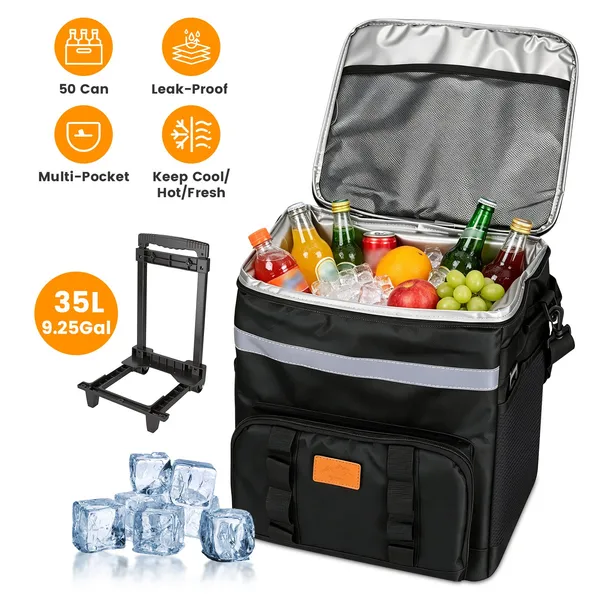

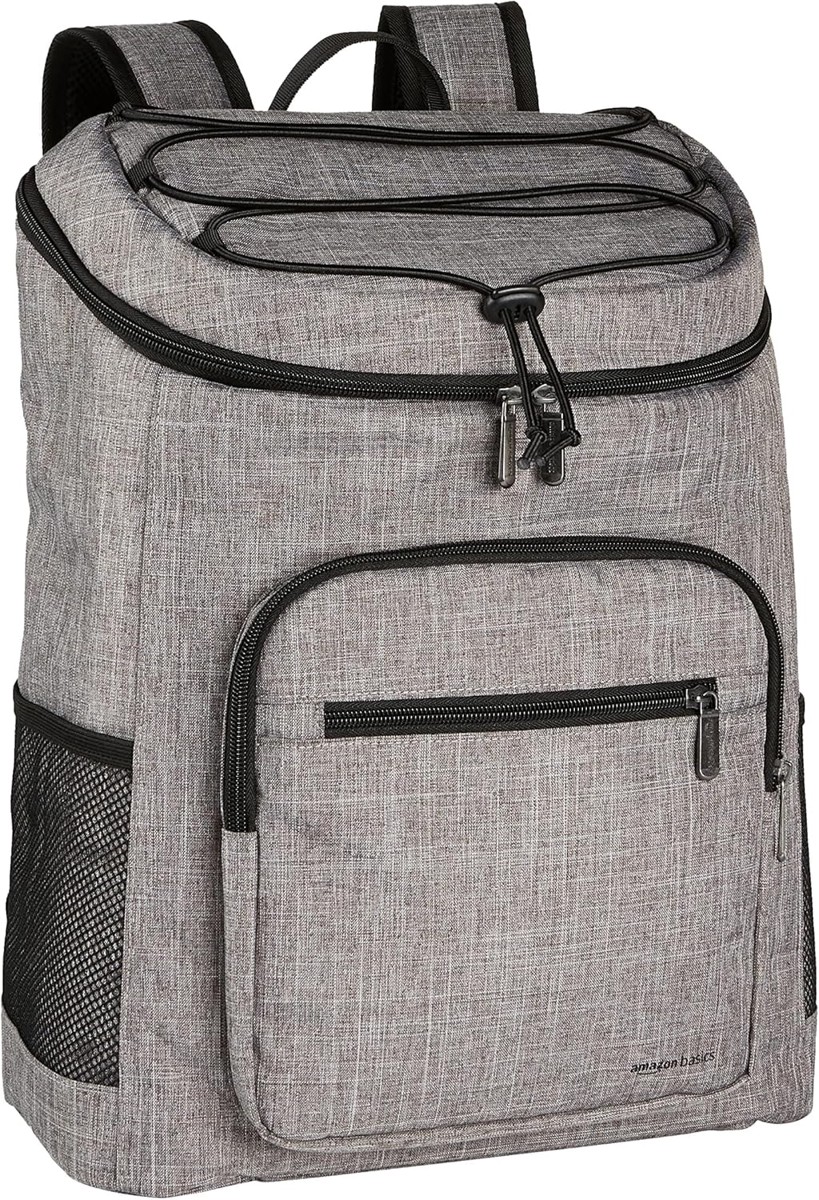
Photos from current listings. Actual item, color, and included accessories may vary.
Backpack Cooler Buying Guide
A backpack cooler is a soft-sided insulated bag with shoulder straps that trades ice retention and load capacity for carry comfort and packability. The decisive trade-off is closed-cell foam thickness and liner weld quality versus weight and bulk: thicker molded foam and a leak-proof welded liner hold ice far longer, while thin open-cell foam and stitched seams leak cold air and condensation. Buy by ice-retention tier and strap/hip-belt construction, not by liter claims alone.


At a glance
- Category
- Camp Kitchen & Stoves
- Data updated
- Nov 17, 2026
Current offers
Highlights
- Ice retention scales with foam: 15-20 mm molded closed-cell PE or EVA holds ice roughly 24-48 hours; 25-30 mm premium foam with a gasketed lid reaches 2-3 days.
- Liner construction decides leak resistance: heat-welded TPU or PEVA seams are waterproof; stitched-then-taped seams and zippers without storm flaps wick condensation and leak.
- Carry system tiers: padded contoured shoulder straps plus a load-bearing hip belt transfer weight at 15 kg+; flat webbing straps without a hip belt are day-trip only.
- Rolling hybrid coolers add a telescopic handle and wheels, which adds dead weight and a rigid frame that reduces packability and usable interior volume.
Best use cases
- Best fit for day hikes, beach trips, and commutes: 15-25 L soft cooler backpack with 15-20 mm foam and welded liner, carrying under 10 kg of food and ice.
- Best fit for overnight camping and 2-day trips: 30-40 L pack with 25 mm+ molded foam, gasketed lid, hip belt, and external daisy-chain or molle attachment points.
- Wrong fit: a wheeled 2-in-1 rolling cooler backpack for trail use—rigid frames and wheels add 2-3 kg of dead weight and perform poorly on uneven ground.
- Wrong fit: thin stitched-seam promotional cooler backpacks for multi-day trips; they hold under 12 hours of ice and will soak through clothing.
Buying tips
- Size by load math: 1 kg of ice plus 1 kg of food/drink per person per day; a 20 L pack suits 1-2 people for a day, 35 L for two people overnight.
- Check foam thickness in the product specs: 15-20 mm closed-cell PE/EVA is day-trip grade; 25-30 mm molded foam with an airtight gasketed lid is multi-day grade.
- Prefer heat-welded TPU or PEVA liners and water-resistant zippers with storm flaps; stitched seams and exposed coil zippers are the first leak points.
- On rolling 2-in-1 models, verify wheel diameter and handle height: small hard wheels under 75 mm stall on sand and gravel; telescopic handles need 100 cm+ extension for tall users.
Specs
| Insulation Foam | 15-30 mm closed-cell PE/EVA |
|---|---|
| Ice Retention | 24 hr day tier to 48-72 hr premium |
| Capacity Range | 15-40 L soft-sided |
| Carry System | Padded straps + hip belt vs webbing |
Related searches
What to check before buying
- Measure your torso and shoulder width: padded straps and a hip belt need to fit your frame; flat webbing straps chafe at loads above 8-10 kg.
- Confirm interior dimensions against your largest item (e.g., 2 L bottle height); liter ratings overstate usable space when the lid is domed or the frame is rigid.
- For rolling hybrids, check packed weight and wheel type against your terrain—pavement and boardwalk yes, loose sand and mud no.
- Verify the liner is fully removable or wipe-clean and that the exterior has at least one drain port or leak-proof base for melting ice.
FAQ
Data sources: eBay / Amazon listings and product attribute feeds Data updated Nov 17, 2026.
Some links on this page are affiliate links. If you buy after clicking one, we may earn a commission at no extra cost to you. This does not change which products appear here or their order. Affiliate disclosure.