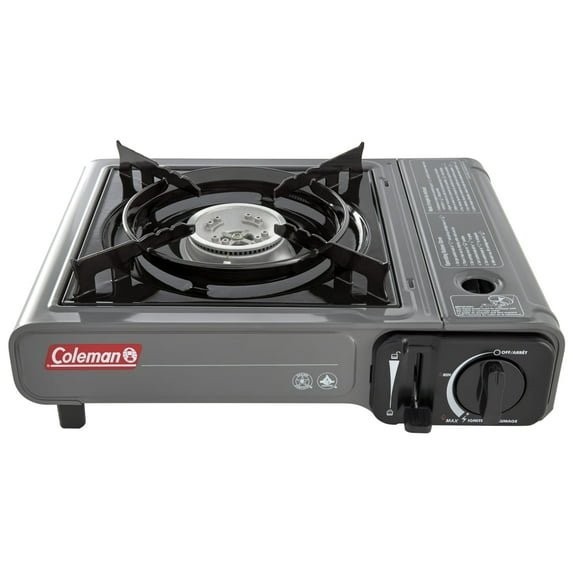

Photos from current listings. Actual item, color, and included accessories may vary.
Coleman Portable Stove Buying Guide
Coleman portable stoves are field-proven camp cooking appliances spanning single-burner butane tabletop units to propane multi-burner and 3-in-1 grill configurations. The primary trade-off is fuel architecture—disposable butane canisters for ultralight simplicity versus refillable propane for cold-weather output and long trips—alongside burner count and wind-shielding. The decision rule: match the fuel type and burner count to your group size and lowest expected temperature; skip any stove without a built-in wind block or pressure regulator for exposed alpine use.


At a glance
- Category
- Camp Kitchen & Stoves
- Data updated
- Nov 17, 2026
Current offers
Highlights
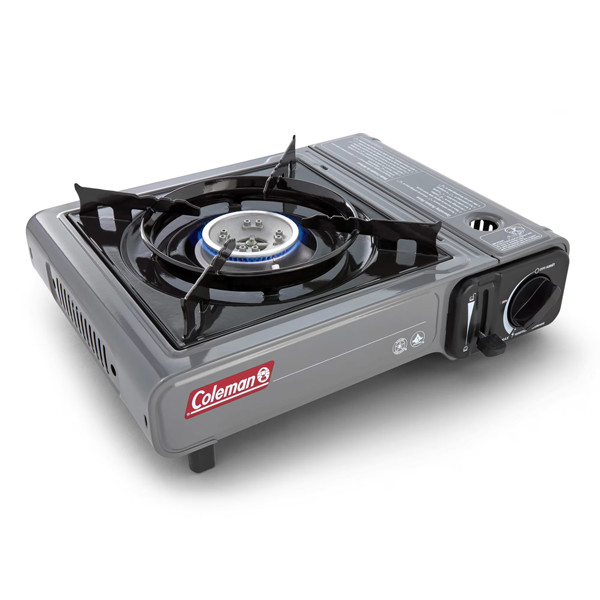
- Single-burner butane tabletop models deliver roughly 7,000–9,000 BTU and run on 8 oz disposable canisters; propane two-burner models output 20,000–30,000 BTU total with refillable tanks.
- Butane loses vapor pressure below 40°F (4°C) and can fail to light; propane remains reliable to about -20°F (-29°C), making fuel choice a temperature decision.
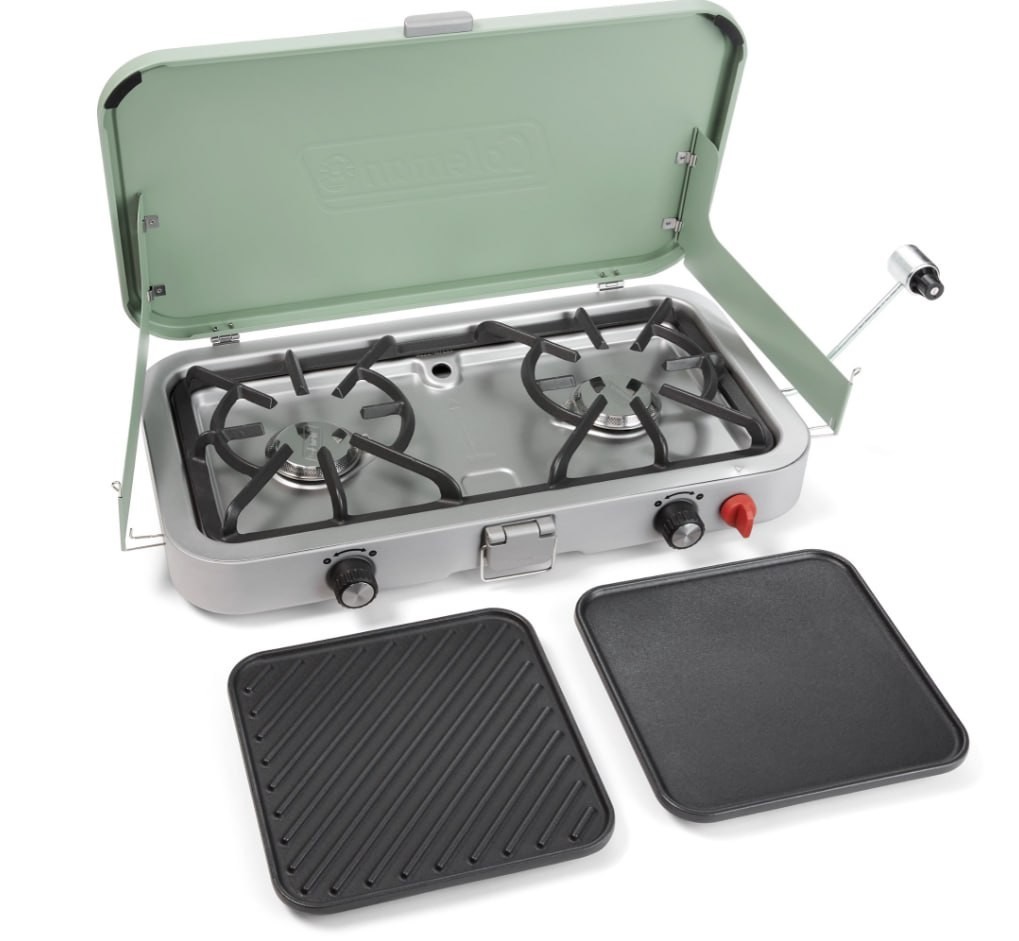
- Cascade 3-in-1 architecture combines a two-burner stove, a grill box, and a griddle insert, replacing three separate camp cooking appliances in one footprint.
- Wind panels and recessed burner heads add 20–40% effective heat retention in breezy conditions; stainless-steel or porcelain-coated drip trays determine long-term corrosion resistance.
Best use cases
- Best fit: solo or two-person backpacking and car camping with a single-burner butane tabletop stove—lightweight, stable on a picnic table, and enough for boil-and-simmer meals.
- Best fit: family basecamp cooking for four or more people with a two-burner propane stove or Cascade 3-in-1; skip single-burner butane if you need simultaneous pot and pan cooking.
- Wrong fit: sub-freezing winter trips with any butane canister stove—switch to a propane model with a hose regulator or a liquid-fuel stove instead.
- Wrong fit: packing a two-burner propane stove for ultralight trips—the steel body and fuel tank add bulk and weight that defeat the purpose.
Buying tips
- Count burners against your pot count: one burner per simultaneous pot or pan; two-burner models need at least 24 inches of table width.
- Match fuel to climate: butane canisters for trips above 40°F, propane for cold-weather or high-altitude use, and check whether the stove uses a disposable canister or a refillable tank with hose.
- Verify BTU per burner rather than total output—a 20,000 BTU two-burner stove gives 10,000 BTU per burner, while a 9,000 BTU single burner concentrates heat for faster boils.
- Check the burner head material and grate coating: stainless or porcelain-coated steel resists rust, while bare steel requires drying after every use.
Specs
| Fuel Type | Butane canister / Propane tank |
|---|---|
| Burner Count | 1-burner to 2-burner + grill |
| BTU Output | 7,000–30,000 BTU total |
| Ignition | Push-button matchless / Manual |
Related searches
What to check before buying
- Measure your camp table or tailgate surface: two-burner and 3-in-1 models need roughly 24–30 inches of width and a heat-safe surface.
- Confirm fuel compatibility before packing: butane canisters (8 oz bayonet or threaded) versus propane tanks (1 lb disposable or refillable with hose regulator).
- Check the stove's wind protection: folding side panels or a recessed burner head are essential for exposed sites; add a windscreen for butane models.
- Verify ignition type: matchless push-button ignition removes the need for lighters, but carry waterproof matches as a backup in wet conditions.
FAQ
Data sources: eBay / Amazon listings and product attribute feeds Data updated Nov 17, 2026.
Some links on this page are affiliate links. If you buy after clicking one, we may earn a commission at no extra cost to you. This does not change which products appear here or their order. Affiliate disclosure.