Photos from current listings. Actual item, color, and included accessories may vary.
Backpacking Stove Buying Guide
A backpacking stove is a portable cooking system for boiling water and reheating meals on multi-day trips, with the primary trade-off between integrated canister systems (fast, efficient, heavier) and minimalist stoves (light, flexible, slower). Durable options use titanium or stainless steel burners with reliable gas canister valves; compromises use thin aluminum, plastic valves, or wood-burning designs that are slow and require dry fuel.

At a glance
- Category
- Camp Kitchen & Stoves
- Data updated
- Nov 16, 2026
Current offers
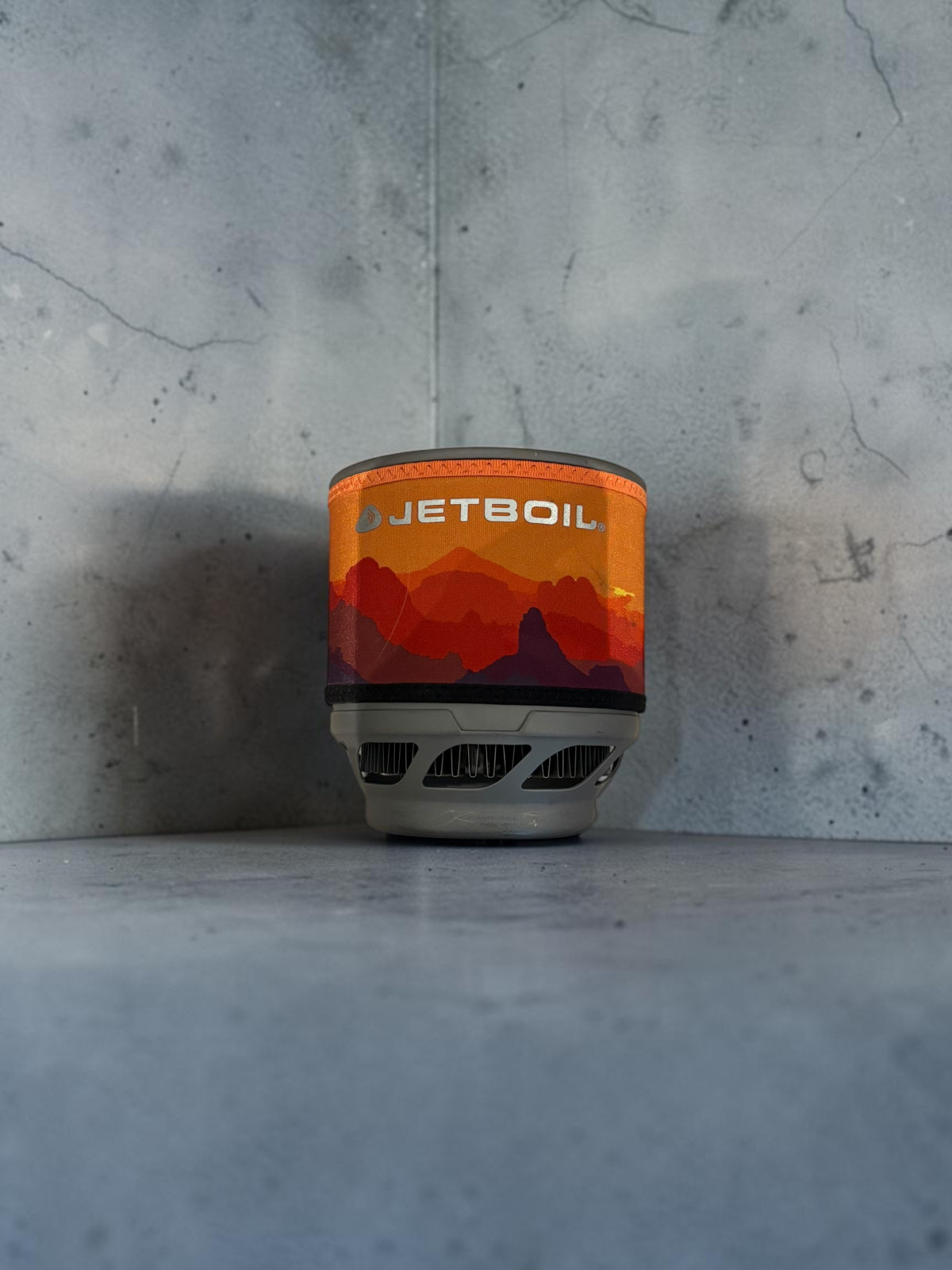 Jetboil MiniMo Camping and Backpacking Stove - Incomplete$44.99
 View on eBay
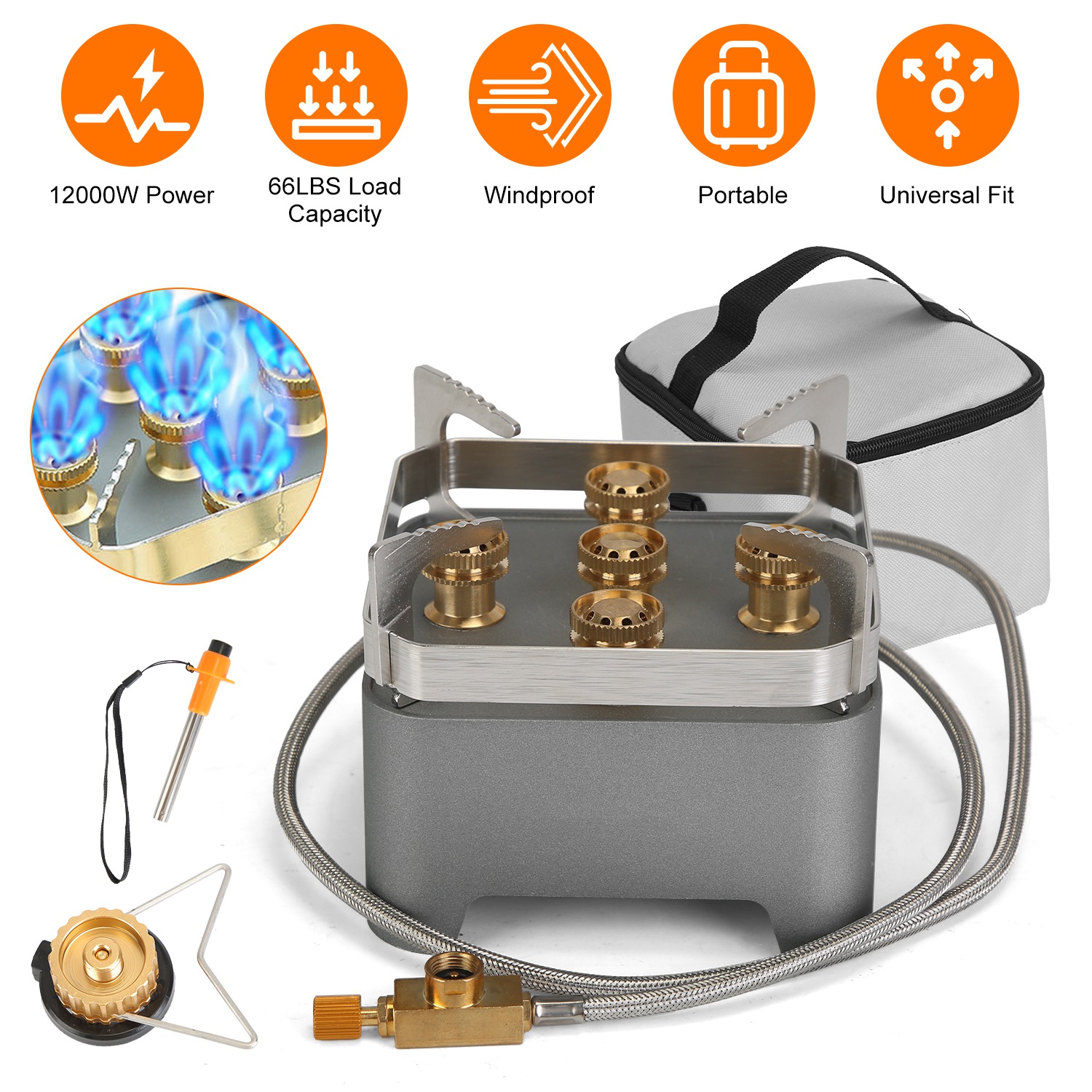 12000W Portable Camping Stove With Cassette Adapter Windproof Outdoor Backpacking Burner Carrying Case Igniter for Hiking Picnic$85.99
 View on Mallflare
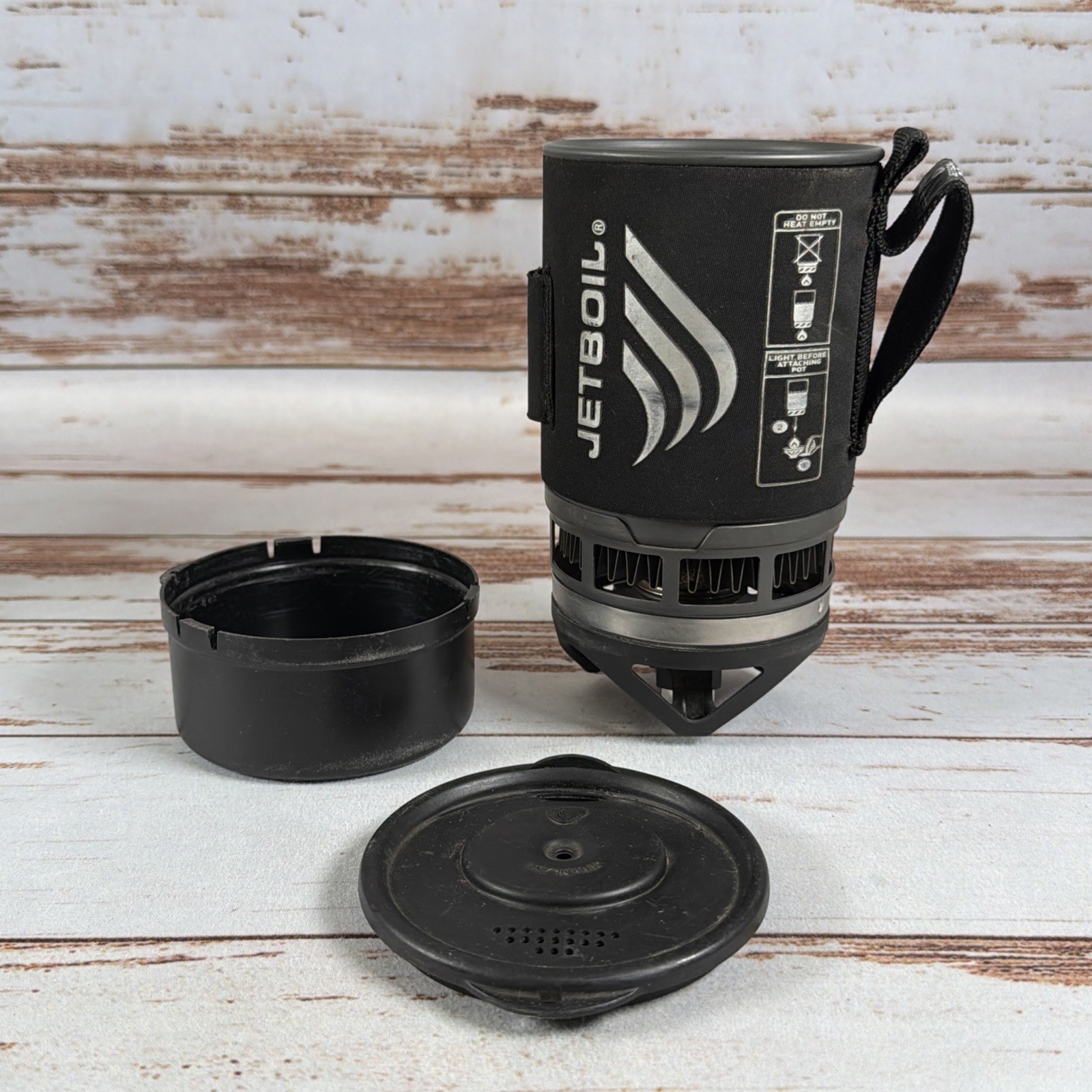 Jetboil PCS Backpacking Stove 1L Cooking System Used$49.00View on eBay
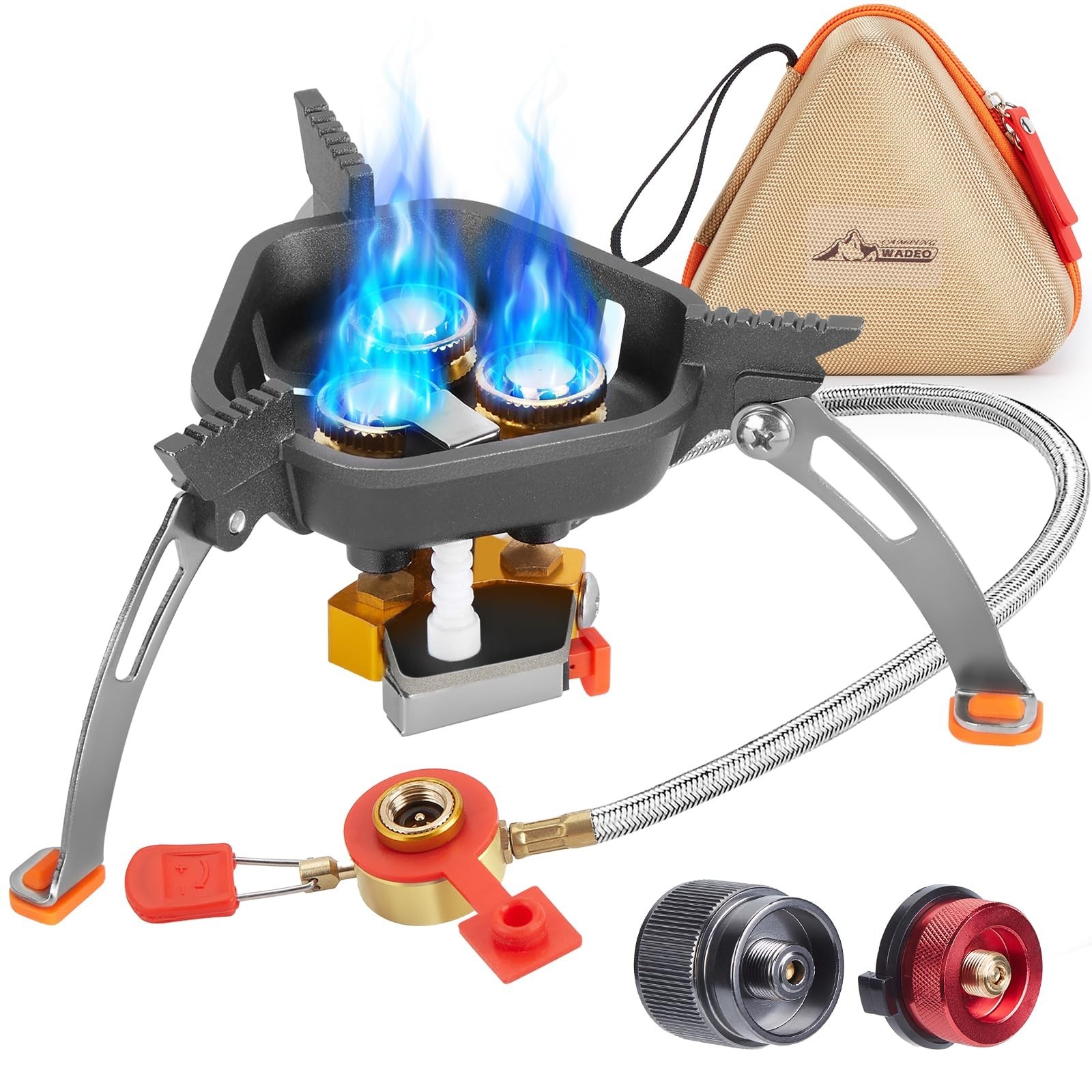 WADEO 7200W Windproof Camping Stove for Outdoor Backpacking Hiking and Picnic$31.99View on eBay
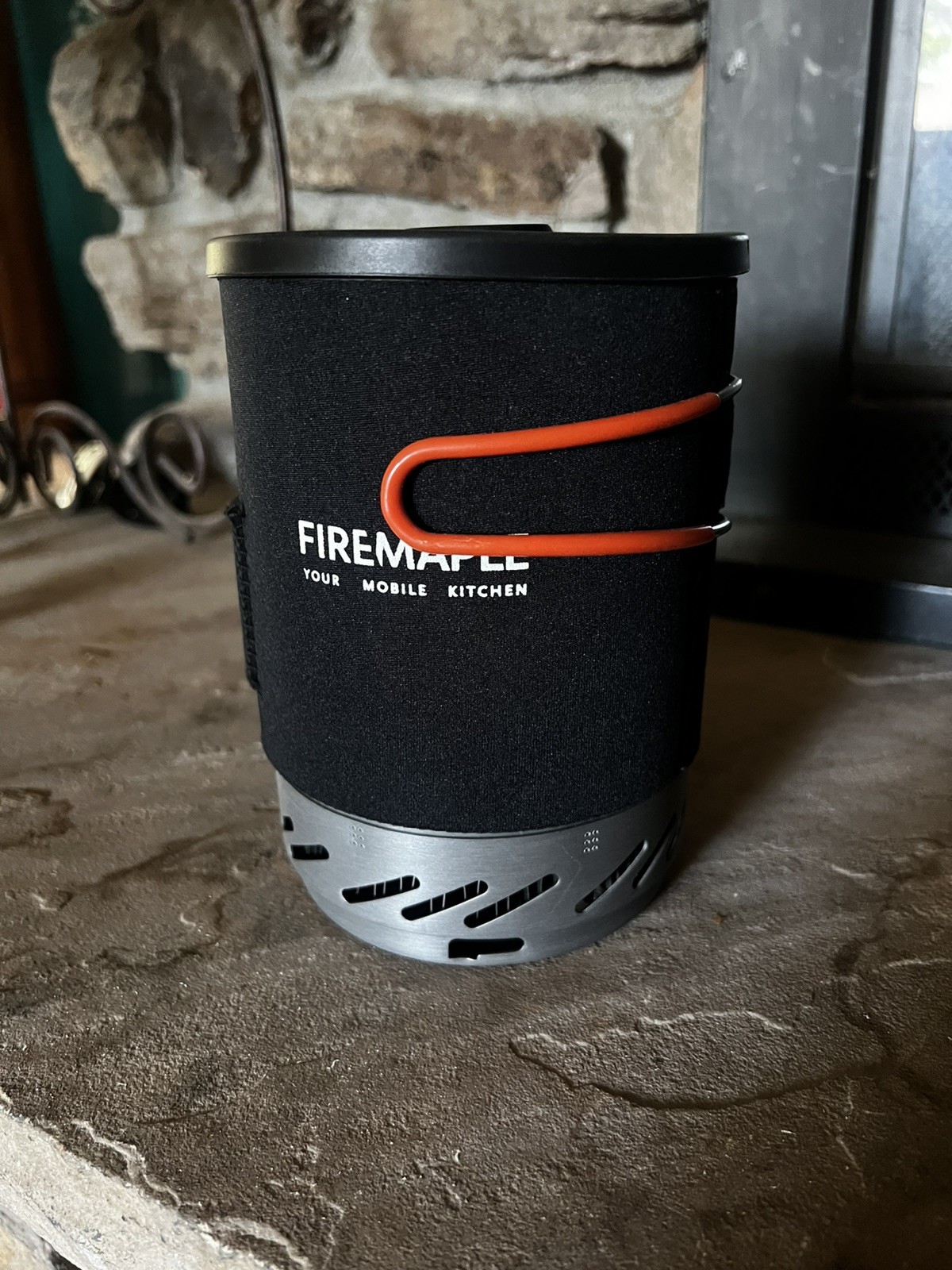 FireMaple "Fixed Star 1" Backpacking and Camping Stove System 1 liter$34.99View on eBay
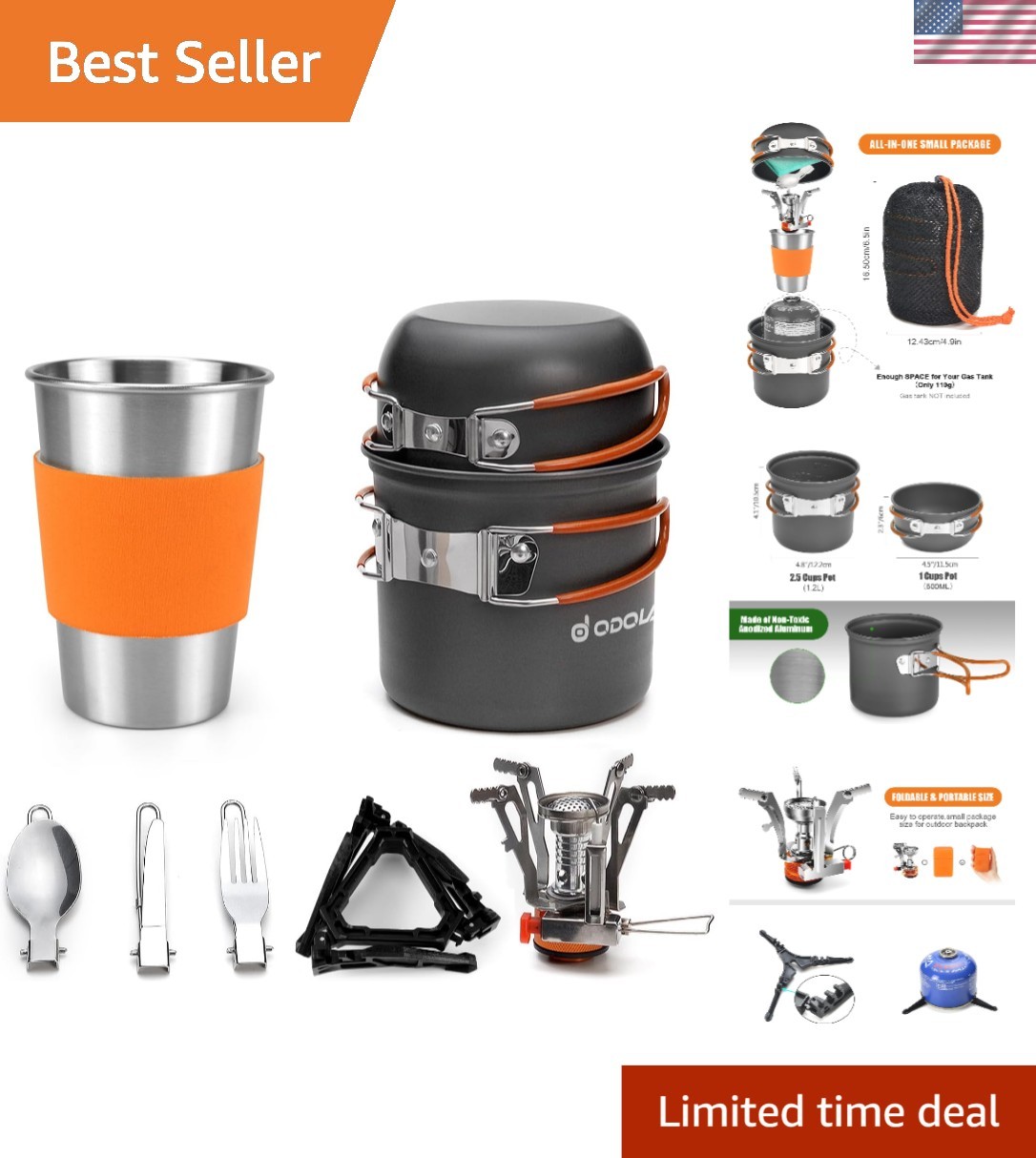 Complete Backpacking Cooking Kit: Mini Stove, Pots, Utensils & Storage Bags$35.00View on eBay
 Camping Cookware Set Aluminum 10-Piece Stove Pots Cups Cutlery for Backpacking$38.99View on eBay
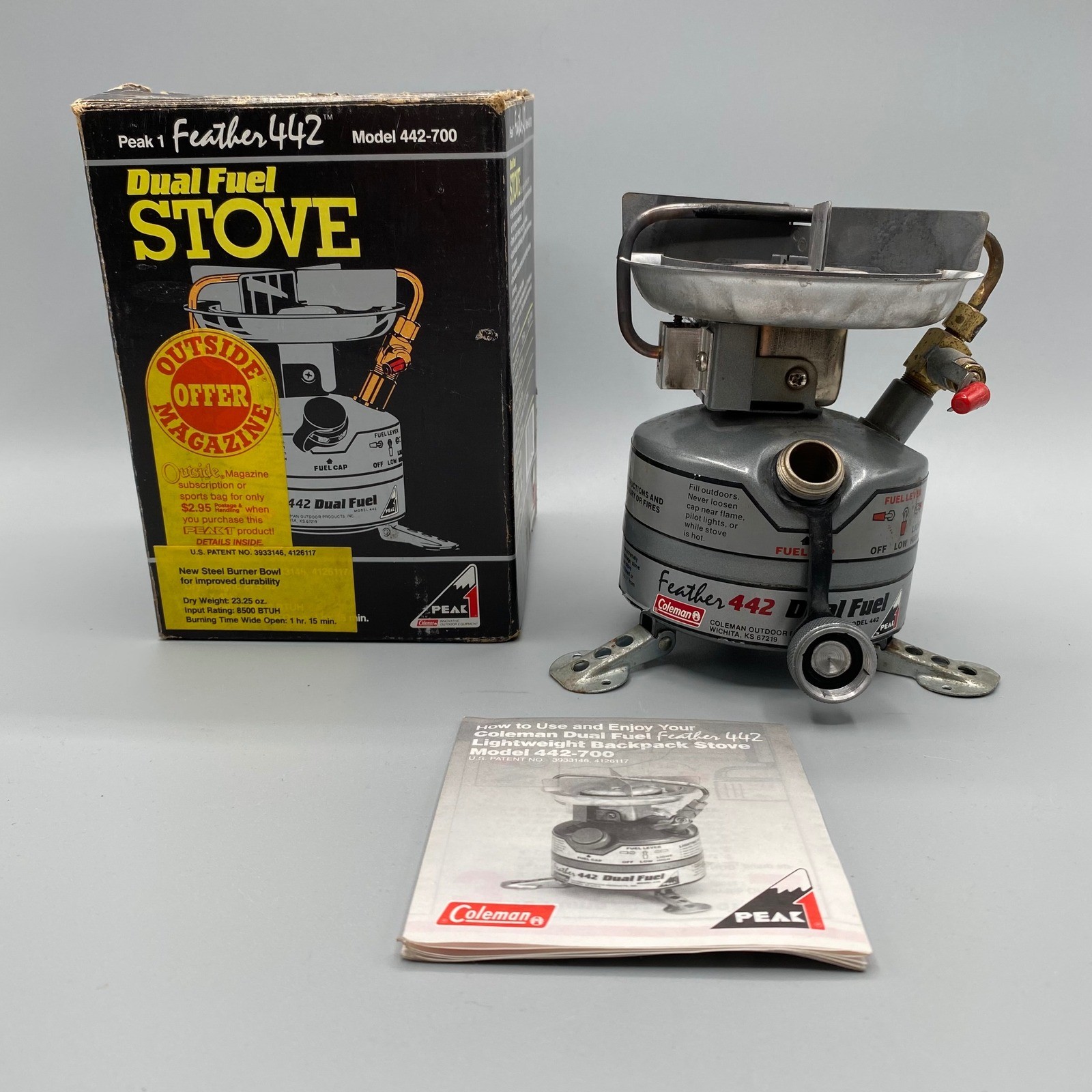 Coleman Feather 442 Dual Fuel Stove Peak 1 Backpacking Model 442-700 *Read$42.00View on eBay
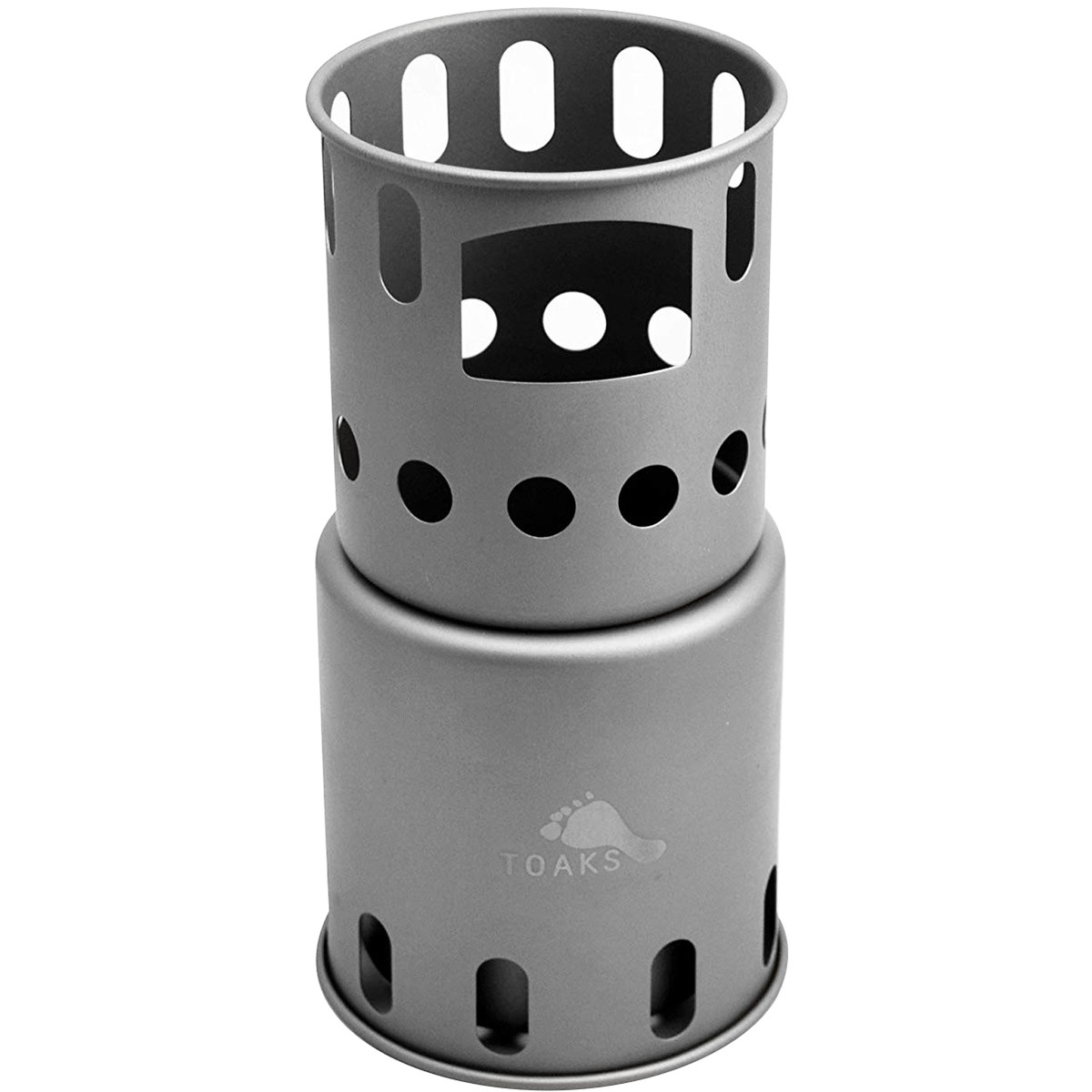 TOAKS Titanium Backpacking Wood Burning Stove STV-12 - Small - Outdoor Camping$44.95View on eBay
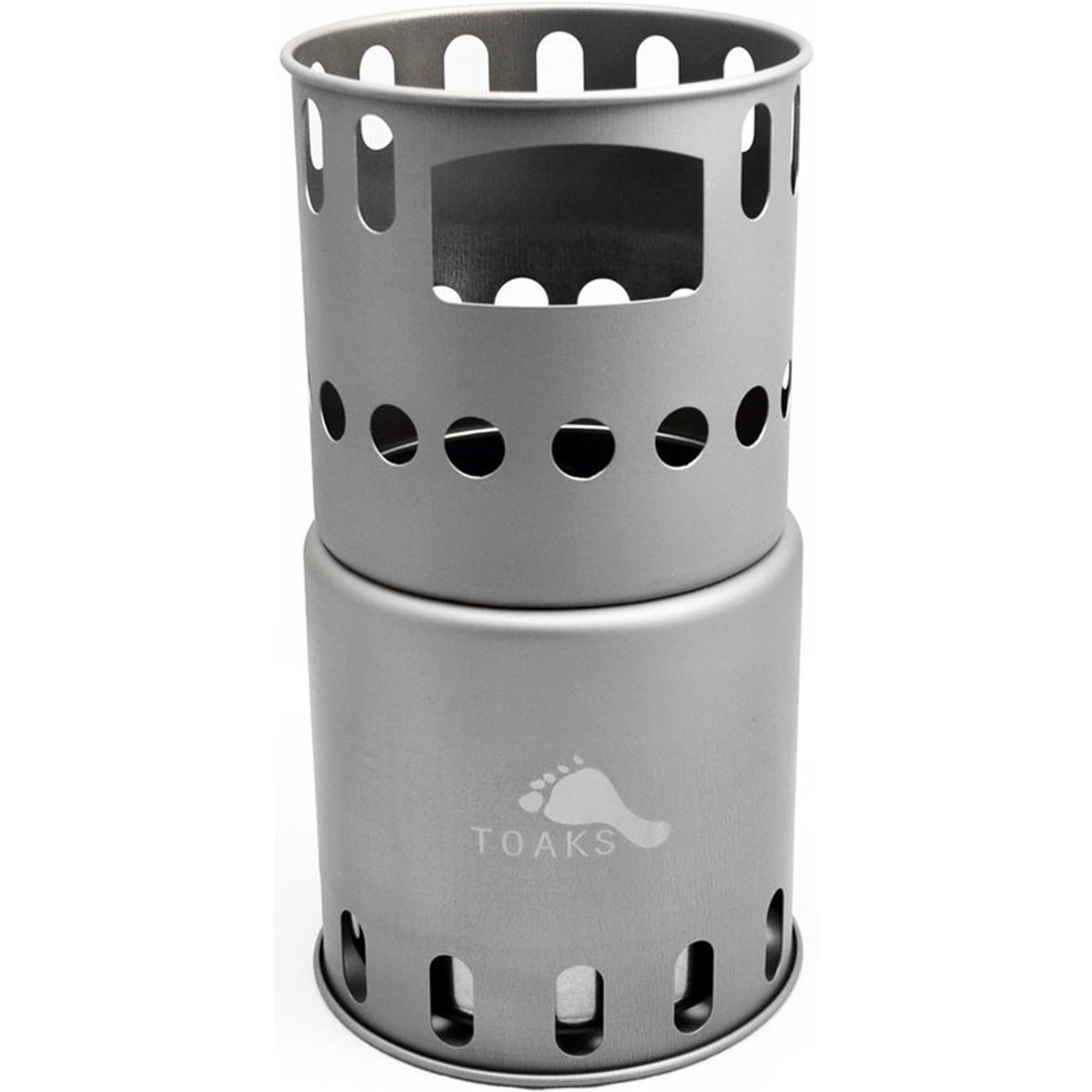 TOAKS Titanium Backpacking Wood Burning Stove STV-11 - Outdoor Camping$59.95View on eBay
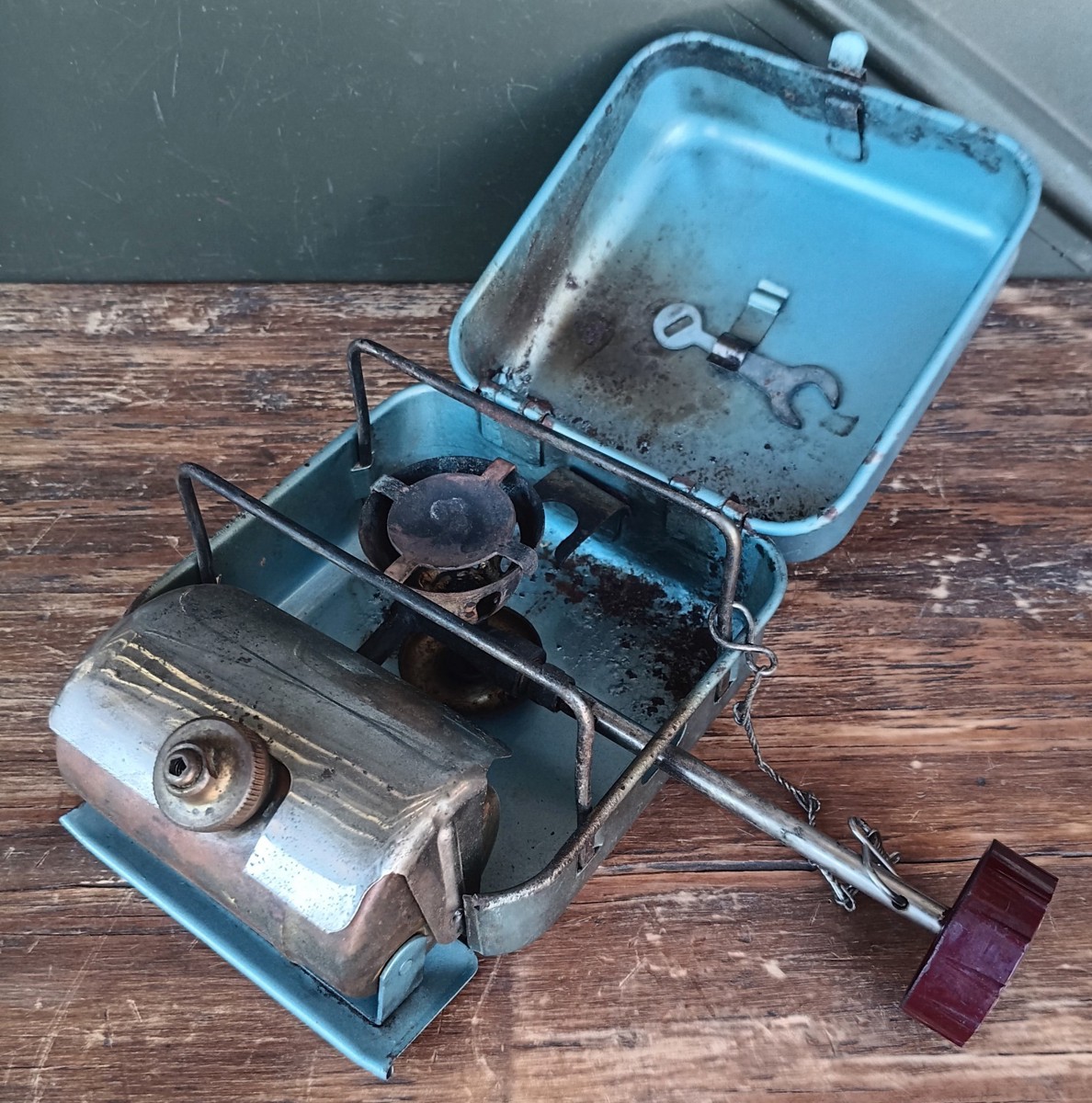 Optimus 8R Stove ~ Backpacking Hiking Gas Camping Cooking Vintage 1960's$88.50View on eBay
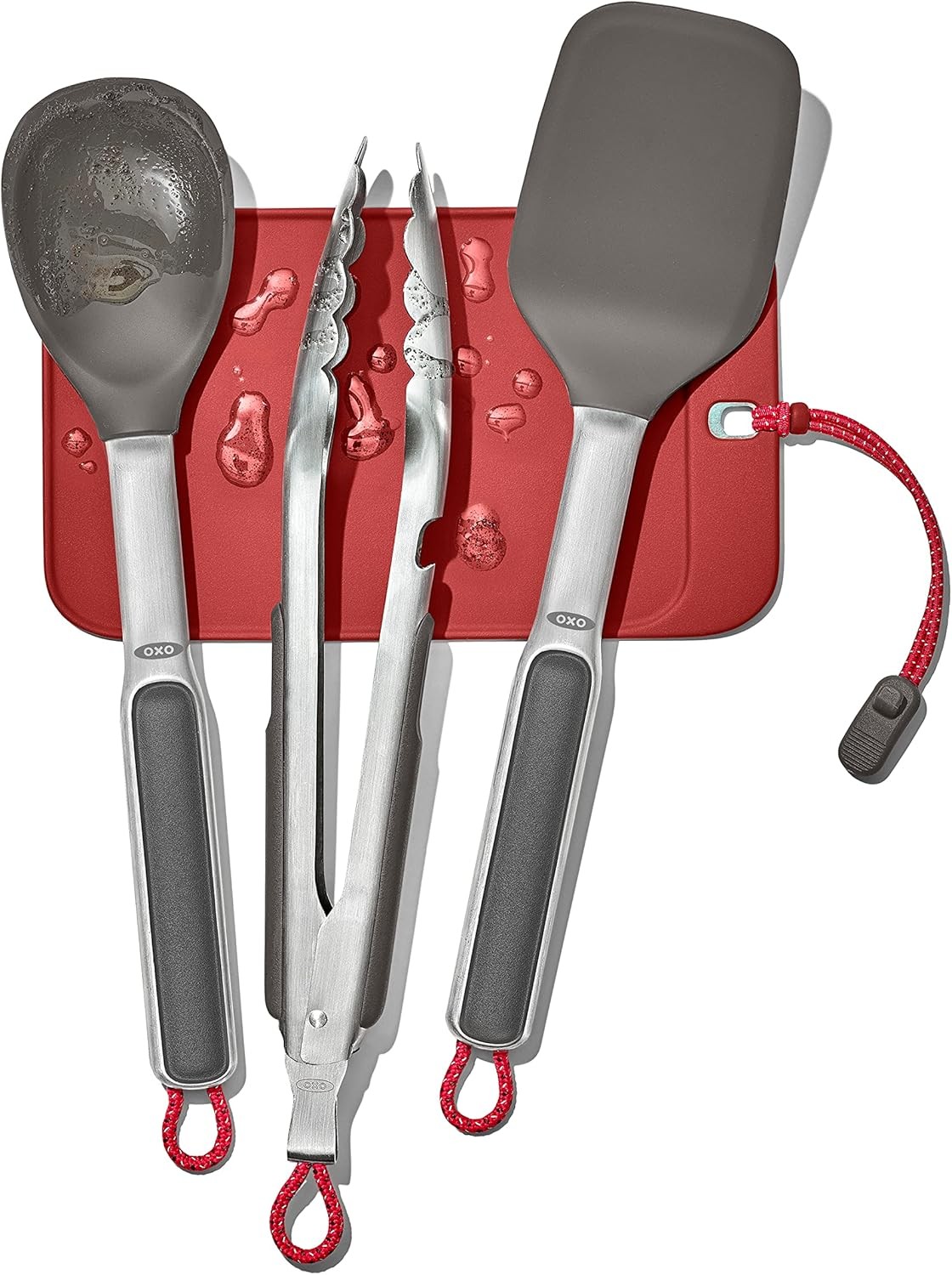 Camp Stove Outdoor Cooking Set Portable Backpacking$138.44View on eBay
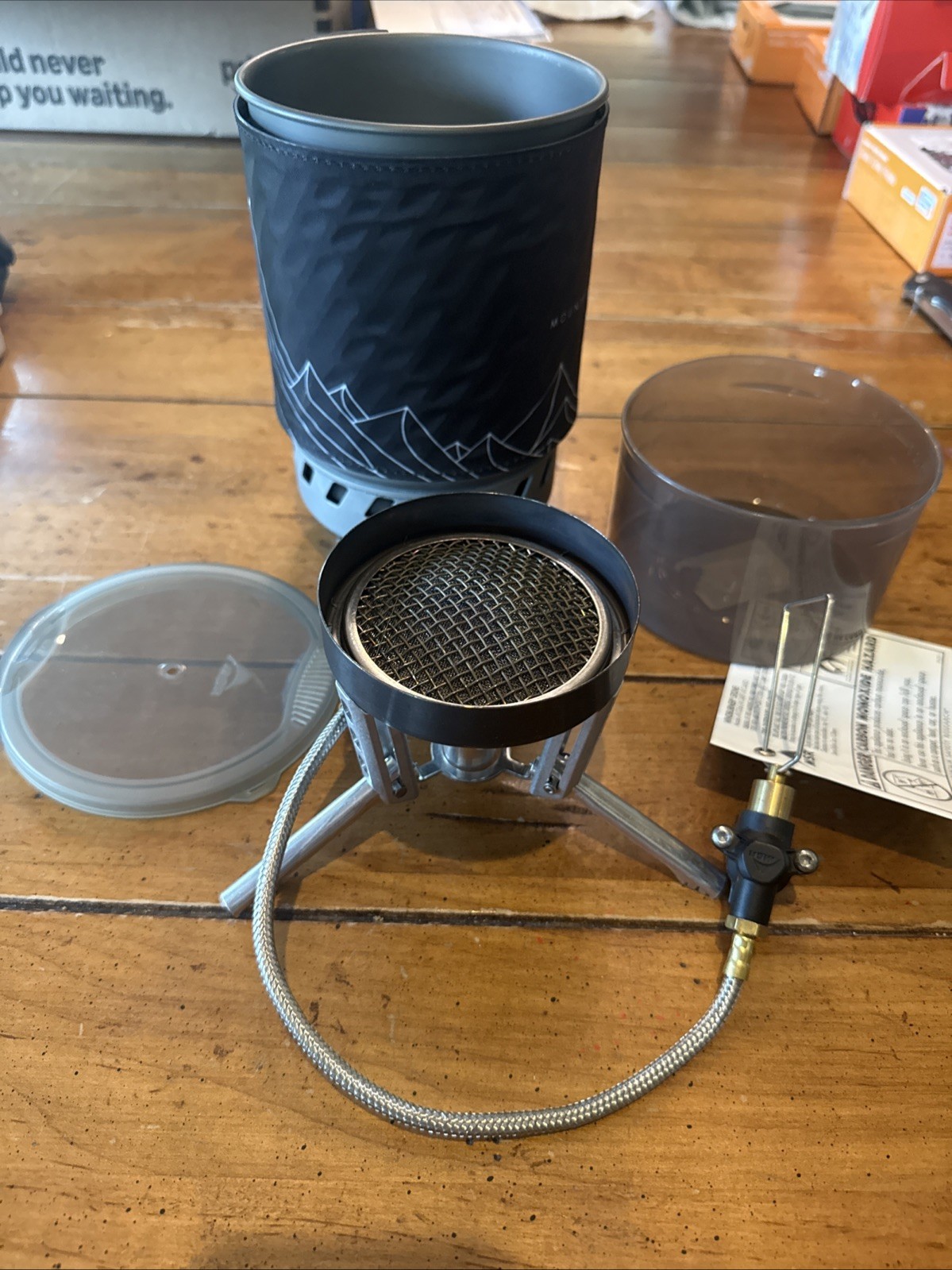 MSR Windburner Duo Stove 1.8 L Black Backpacking Free Shipping$149.95View on eBay
Highlights
- Integrated canister systems like Jetboil MiniMo and PCS offer 0.8–1L pots and 0.8–1.5L systems with 2.5–3.5 min boil times for 0.5L water, while minimalist stoves like TOAKS titanium wood stoves weigh 100–200g but depend on dry twigs and produce soot.
- Liquid-fuel stoves such as Coleman Feather 442 dual-fuel run on white gas or unleaded and operate below freezing, but require priming and maintenance; canister stoves lose pressure in cold below -10°C unless using inverted canister or winter gas blends.
- Burner material grade dictates durability: titanium burners resist corrosion and heat warping at 50–100g, aluminum burners are lighter but soften above 400°C, and brass valves offer the most precise flame control but add weight.
- Windproof designs with recessed burners and heat exchangers improve efficiency by 20–30% and reduce fuel use to 8–12g per 0.5L boil, while open burners in wind can double fuel consumption.
Best use cases
- Best for solo fast-and-light trips: choose a 100–200g titanium canister stove (e.g., TOAKS or similar minimalist) with a 0.5–0.8L pot; skip integrated systems if pack weight is critical.
- Best for two-person efficiency and melting snow: pick an integrated canister system with heat exchanger and 1L pot (Jetboil MiniMo or FireMaple Fixed Star 1); skip open burners in windy, cold conditions.
- Best for sub-freezing expeditions or long trips without resupply: use a liquid-fuel or inverted-canister stove (Coleman Feather 442 or similar); skip ultralight canister stoves that lose pressure below -10°C.
- Wrong fit: wood-burning titanium stoves for wet climates or fire-ban areas; they are slow, sooty, and often prohibited—use a canister stove instead.
Buying tips
- Match stove weight to trip style: integrated systems weigh 300–600g all-in, minimalist canister stoves 50–150g plus pot, and liquid-fuel stoves 500–800g with fuel bottle.
- Check fuel compatibility: standard canister stoves use EN 417 threaded cartridges (butane/propane mix); liquid-fuel stoves need white gas or unleaded and a separate fuel bottle.
- For cold weather below -10°C, choose an inverted-canister stove or liquid-fuel; standard upright canister stoves lose pressure and require warming the canister.
- Pot size and burner diameter must match: a 1L pot with a 10–12cm base fits most stoves; oversized pots on small burners cause instability and heat loss.
Specs
| Stove Type | Integrated canister / minimalist / liquid-fuel |
|---|---|
| Burner Material | Titanium / aluminum / stainless steel / brass |
| Boil Time (0.5L) | 2.5-5 min (integrated); 4-8 min (minimalist) |
| Fuel Type | EN 417 canister / white gas / wood |
Related searches
What to check before buying
- Measure your pack's available space: integrated systems with 1L pots take 15x15x20cm; minimalist stoves fold to 5x5x10cm.
- Confirm fuel availability at your destination: canister cartridges are widely sold in North America and Europe; liquid fuel (white gas) is common but requires a bottle.
- Check campsite regulations: open flames and wood-burning stoves are banned in many alpine and fire-prone areas; canister stoves with shut-off valves are usually allowed.
- Verify pot compatibility: if using an existing pot, ensure its base diameter is at least 10cm and made of aluminum or titanium for even heat; avoid thin stainless that scorches.
FAQ
Data sources: eBay / Amazon listings and product attribute feeds Data updated Nov 16, 2026.
Some links on this page are affiliate links. If you buy after clicking one, we may earn a commission at no extra cost to you. This does not change which products appear here or their order. Affiliate disclosure.