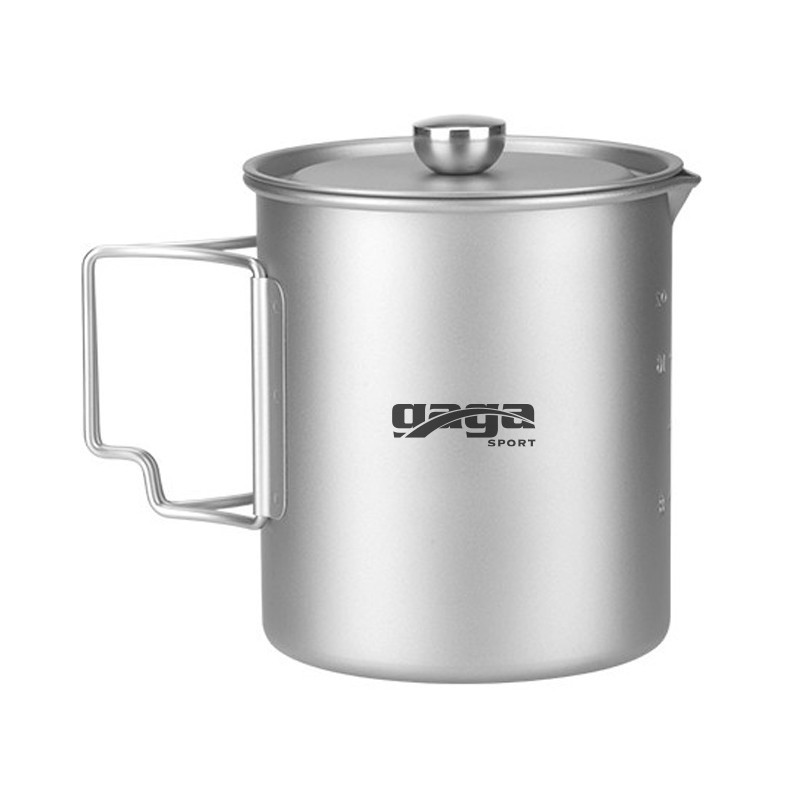

Photos from current listings. Actual item, color, and included accessories may vary.
Camping Coffee Maker Buying Guide
Camping coffee makers fall into three build families: manual press/immersion (French press, AeroPress-style), pour-over drippers, and percolator/moka pots—each trading brew speed and cleanup against weight and packability. The decisive split is metal grade and wall thickness (titanium vs. 304 stainless vs. aluminum) plus whether the brewer works on a camp stove or only with pre-boiled water. Buy titanium or 18/8 stainless when weight and durability matter; skip thin aluminum or plastic pressers for multi-season use.


At a glance
- Category
- Camp Kitchen & Stoves
- Data updated
- Nov 16, 2026
Current offers
Highlights
- Titanium French presses (e.g., 750 ml class) weigh roughly 150–200 g versus 400–600 g for 304 stainless equivalents—titanium wins on pack weight but conducts heat poorly, so pre-warm the carafe.
- Stainless steel brewers use 304 (18/8) food-grade walls; 0.5–0.8 mm wall thickness resists denting, while sub-0.4 mm aluminum bodies deform in a pack.
- Percolators require a stove-safe base (no plastic handle over flame) and a 3–6 cup capacity maps to 350–700 ml brewed volume—match to group size.
- Pour-over cones need a paper or reusable mesh filter and a separate kettle; French press and moka pots are self-contained but leave sediment or require fine-grind tuning.
Best use cases
- Best fit: solo ultralight hiker — pick a 350–500 ml titanium French press or collapsible pour-over cone under 200 g; skip heavy glass carafes and percolators.
- Best fit: car-camping family of 3–4 — choose a 6-cup stainless percolator or 1 L French press that works on a two-burner stove; skip 250 ml personal presses.
- Best fit: fast morning brew without filters — select an AeroPress-style press or moka pot; skip pour-over if you don't want to carry paper filters.
- Wrong fit: buying a 750 ml titanium press for a couple—it brews more than needed and adds weight; a 500 ml double-wall stainless press holds heat longer and is cheaper.
Buying tips
- Match brewer volume to group: 350 ml per 2 espressos or 1 large mug; 750 ml serves 2–3 coffee mugs; 1 L serves 4. Oversizing wastes fuel and pack space.
- Choose 18/8 (304) stainless for durability and heat retention; titanium for minimum weight; avoid uncoated aluminum for acidic coffee over many seasons.
- Confirm stove compatibility: percolators and moka pots need a flat base that sits on your burner; French presses and pour-over cones need pre-boiled water only.
- Check filter format: French press uses coarse grind and a fine mesh plunger; pour-over needs #2 or #4 paper filters; moka pots need fine espresso grind—grind size mismatches ruin extraction.
Specs
| Brewer Type | French press / Pour-over / Percolator |
|---|---|
| Body Material | Titanium / 304 stainless / Aluminum |
| Capacity Range | 350 ml to 1 L (1–6 cups) |
| Stove Compatibility | Direct flame (percolator) vs pre-boiled |
Related searches
What to check before buying
- Measure your pack's bottle pocket and stove burner diameter—presses over 90 mm wide won't fit side pockets; percolators need a stable 100 mm+ base.
- Verify your camp stove fuel type (canister vs. liquid) and whether the brewer base is rated for direct flame without a heat diffuser.
- Confirm cup/mug diameter matches the brewer spout or plunger—750 ml presses often need a wide-mouth mug.
- Count your group size and daily cups: 1 cup ≈ 240 ml; add 20% headspace for grounds and plunger travel.
FAQ
Data sources: eBay / Amazon listings and product attribute feeds Data updated Nov 16, 2026.
Some links on this page are affiliate links. If you buy after clicking one, we may earn a commission at no extra cost to you. This does not change which products appear here or their order. Affiliate disclosure.