Photos from current listings. Actual item, color, and included accessories may vary.
Camping Pot Buying Guide
Camping pots range from sub-100g titanium ultralight solo pots to multi-piece stainless steel basecamp cook sets, and the core trade-off is weight and heat conductivity versus durability and abrasion resistance. Titanium wins on grams, aluminum wins on even heating and cost, and stainless steel wins on abuse tolerance but penalizes your pack. The decision rule: match pot material and capacity to your stove's burner diameter and your group size—ultralight solo backpackers should buy titanium or hard-anodized aluminum in the 550–750ml range, while car campers and groups should choose stainless or aluminum sets at 1.5L+ with a lid and bail handle.

At a glance
- Category
- Camp Kitchen & Stoves
- Data updated
- Nov 16, 2026
Current offers
 Solostove Cooking Set Stainless Steel Cookware Outdoor Camping Pot Pan Set$21.00
 View on eBay
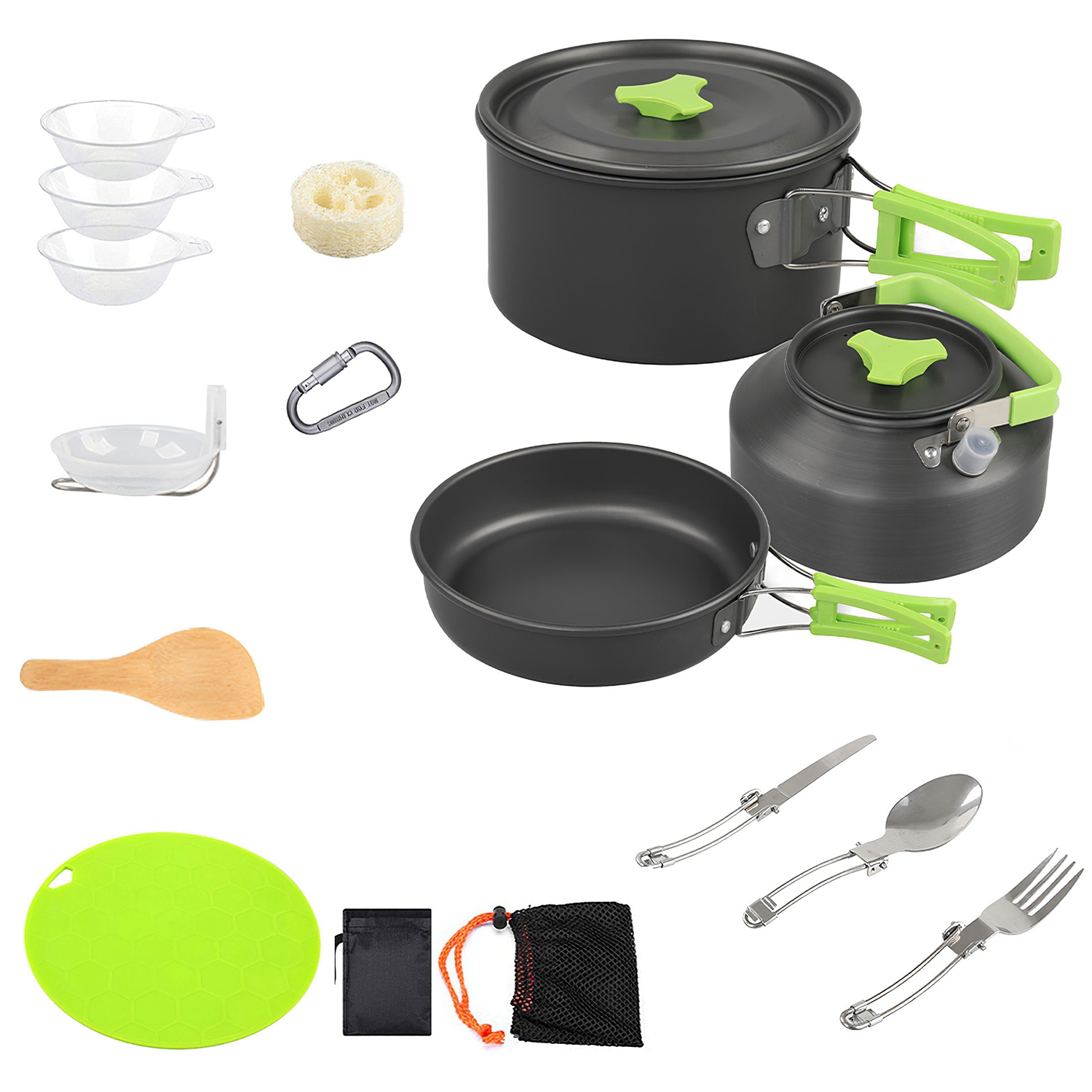 16Pcs Camping Cooking Ware Set Stove Cookware Kit Aluminum Pot Pan Kettle Set With Bowls Knife Fork Spoon Carabiner Spatula Cutting Board For Hiking Picnic Outdoor$50.99
 View on Mallflare
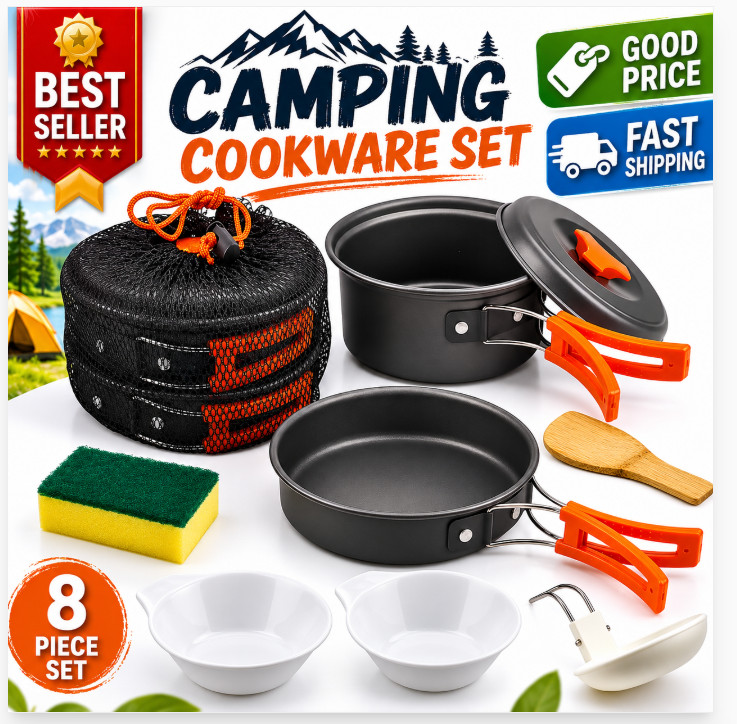 Portable Camping Pots & Pans Set Outdoor Picnic Cookware Tableware Kit$21.99View on eBay
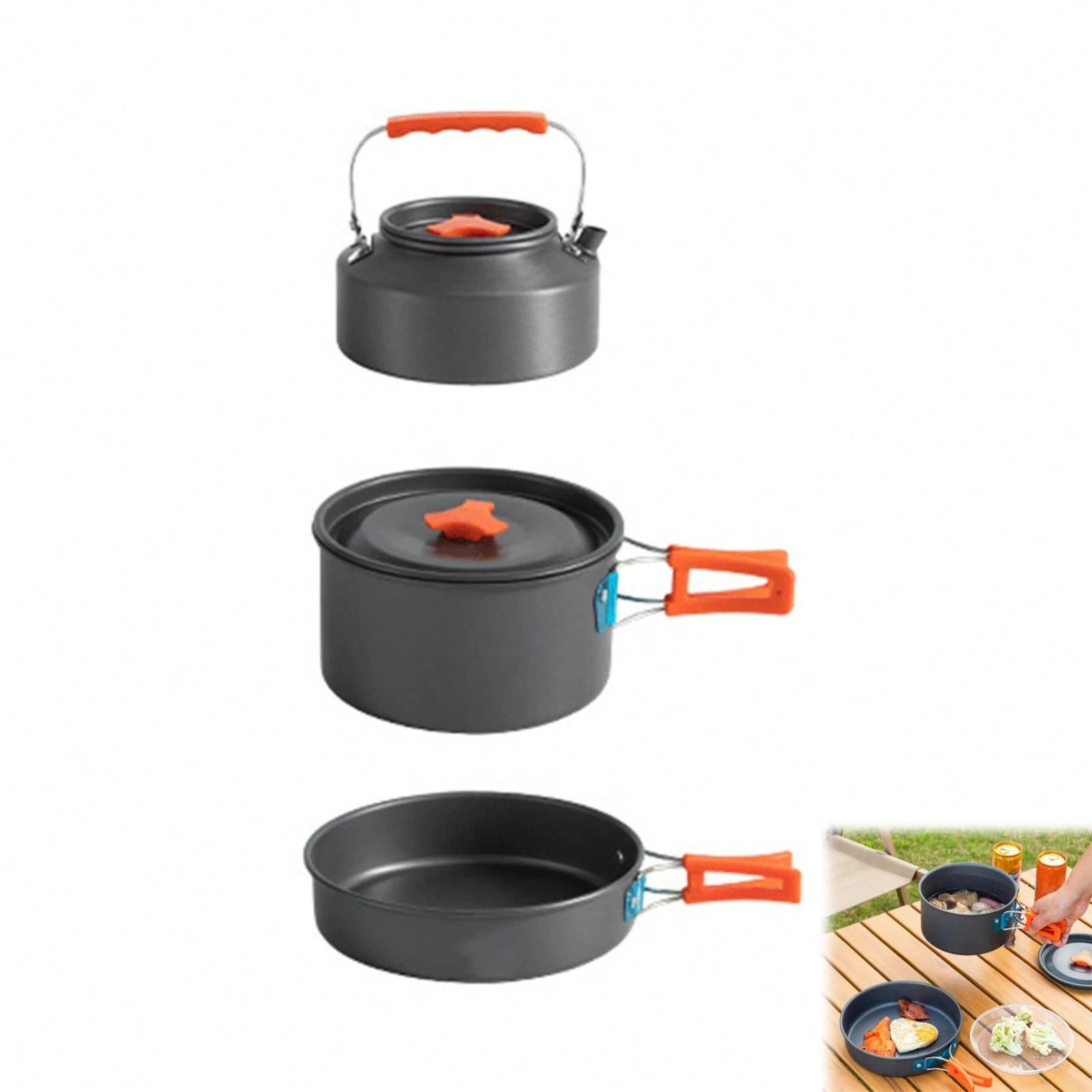 New 3Pcs Camping Pot Set NonStick Aluminum Outdoor Lightweight Cooking Gear$23.28View on eBay
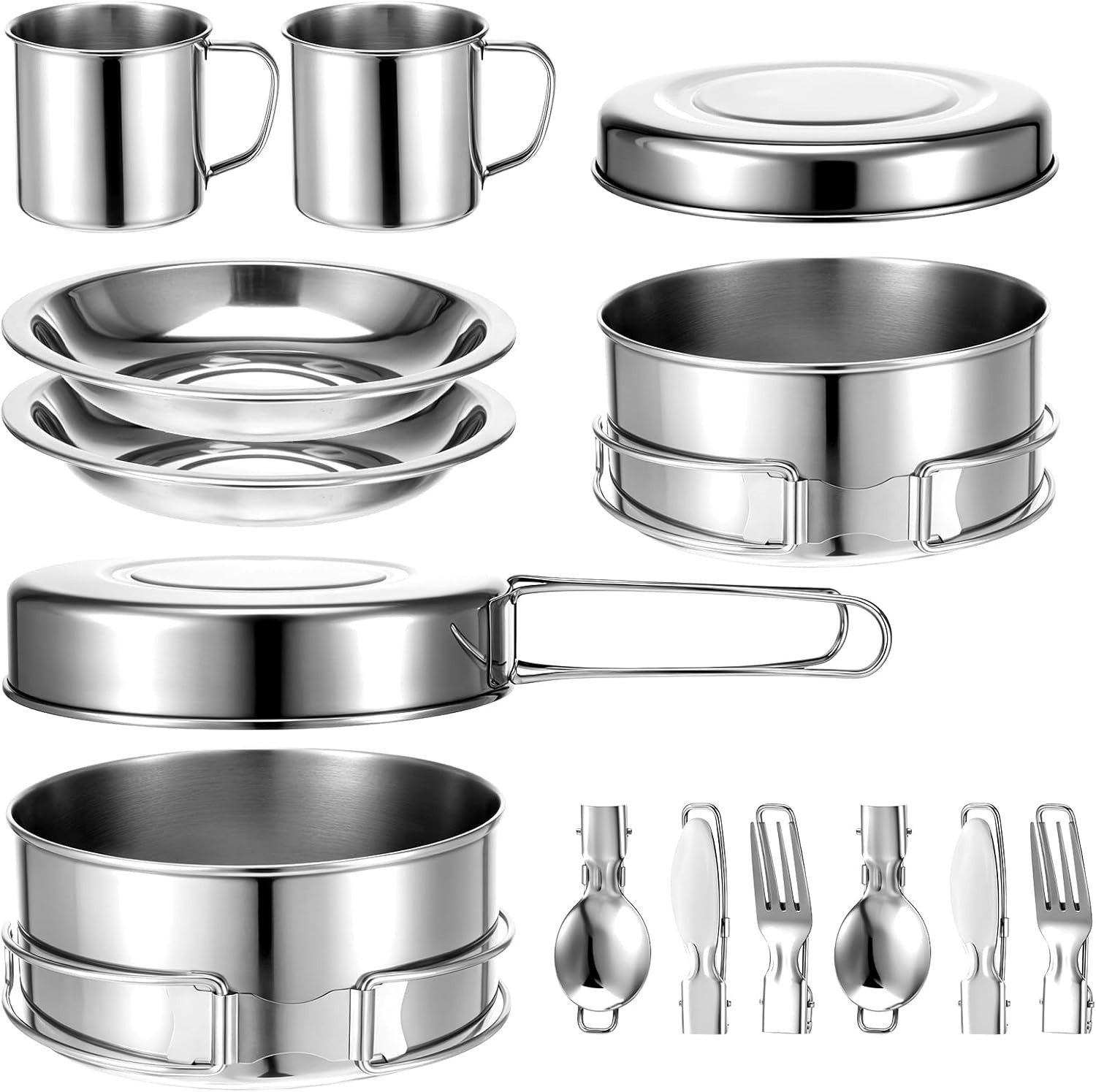 14Pcs Stainless Steel Camping Cookware Set Lightweight Compact Camping Pots Pan$24.09View on eBay
 14Pcs Stainless Steel Camping Cookware Set Lightweight Compact Camping Pots Pan$25.08View on eBay
 14Pcs Stainless Steel Camping Cookware Set, Lightweight Compact Camping Pots Pan$25.62View on eBay
- 14Pcs Stainless Steel Camping Cookware Set Lightweight Compact Camping Pots Pan$26.20View on eBay
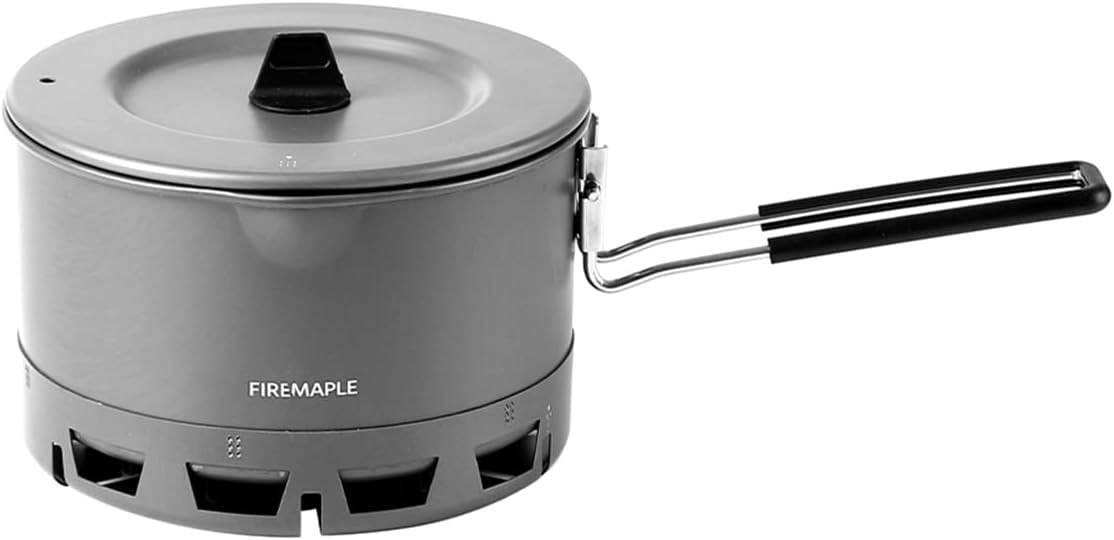 Petrel Ultralight Camping Pot Aluminum Backpacking Cook Pot Compact$29.04View on eBay
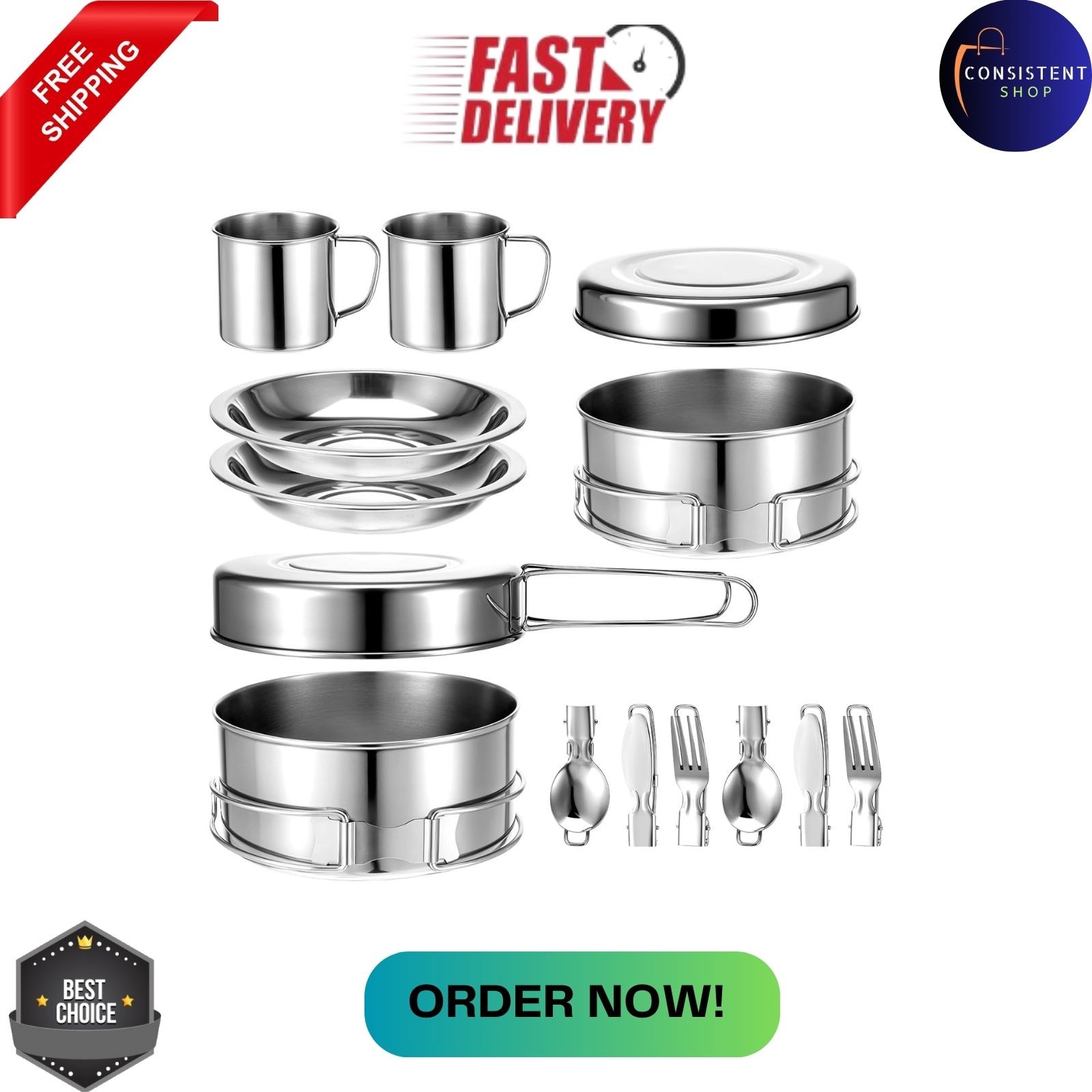 14Pcs Stainless Steel Camping Cookware Set Lightweight Compact Camping Pots Pan$29.81View on eBay
- 14Pcs Stainless Steel Camping Cookware Set, Lightweight Compact Camping Pots$30.39View on eBay
- 14Pcs Stainless Steel Camping Cookware Set Lightweight Compact Camping Pots Pan$31.50View on eBay
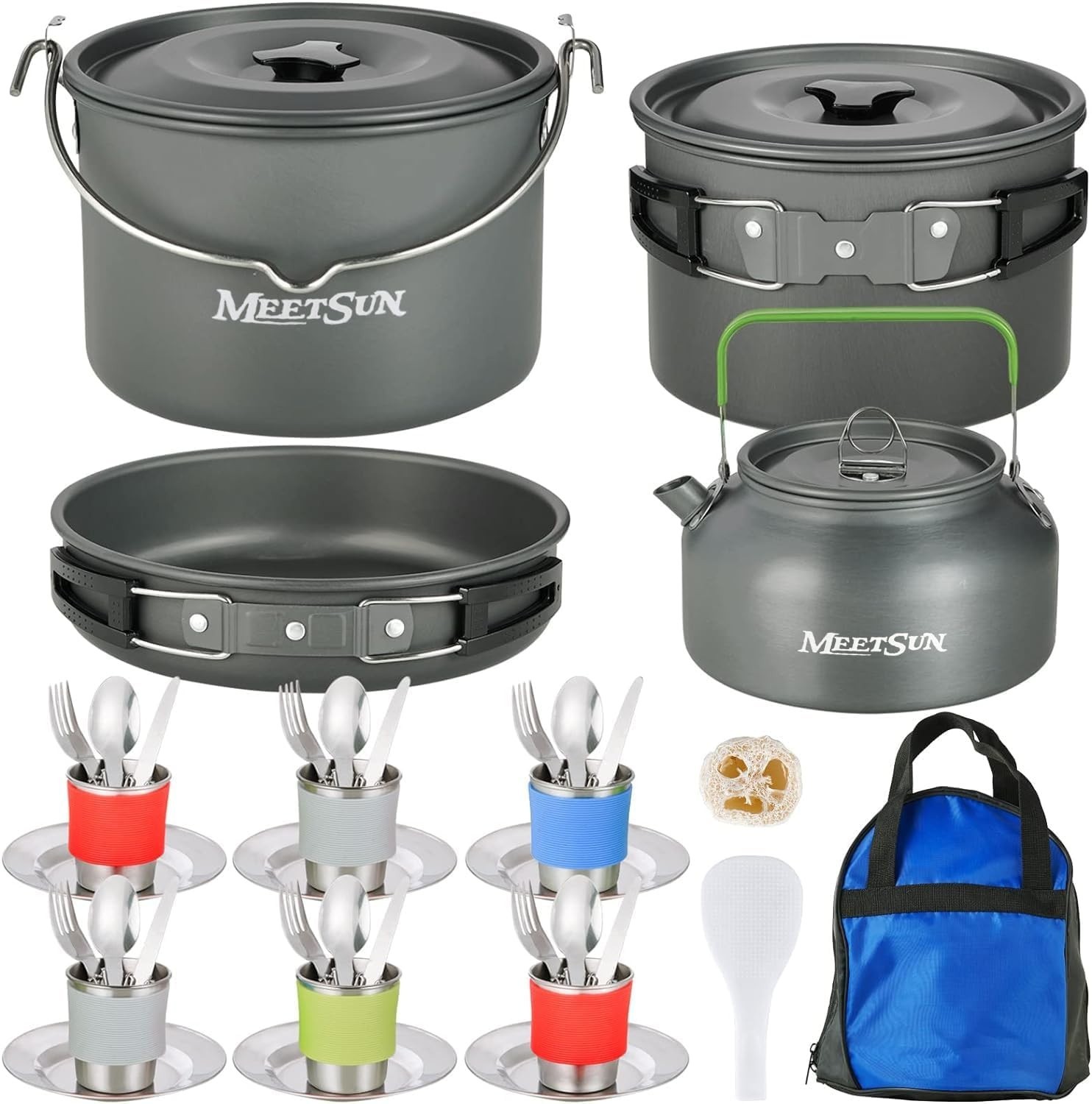 Camping Cookware Set - 37 PCs, Large Size Hanging Pot with Camping Pots and Pans$32.96View on eBay
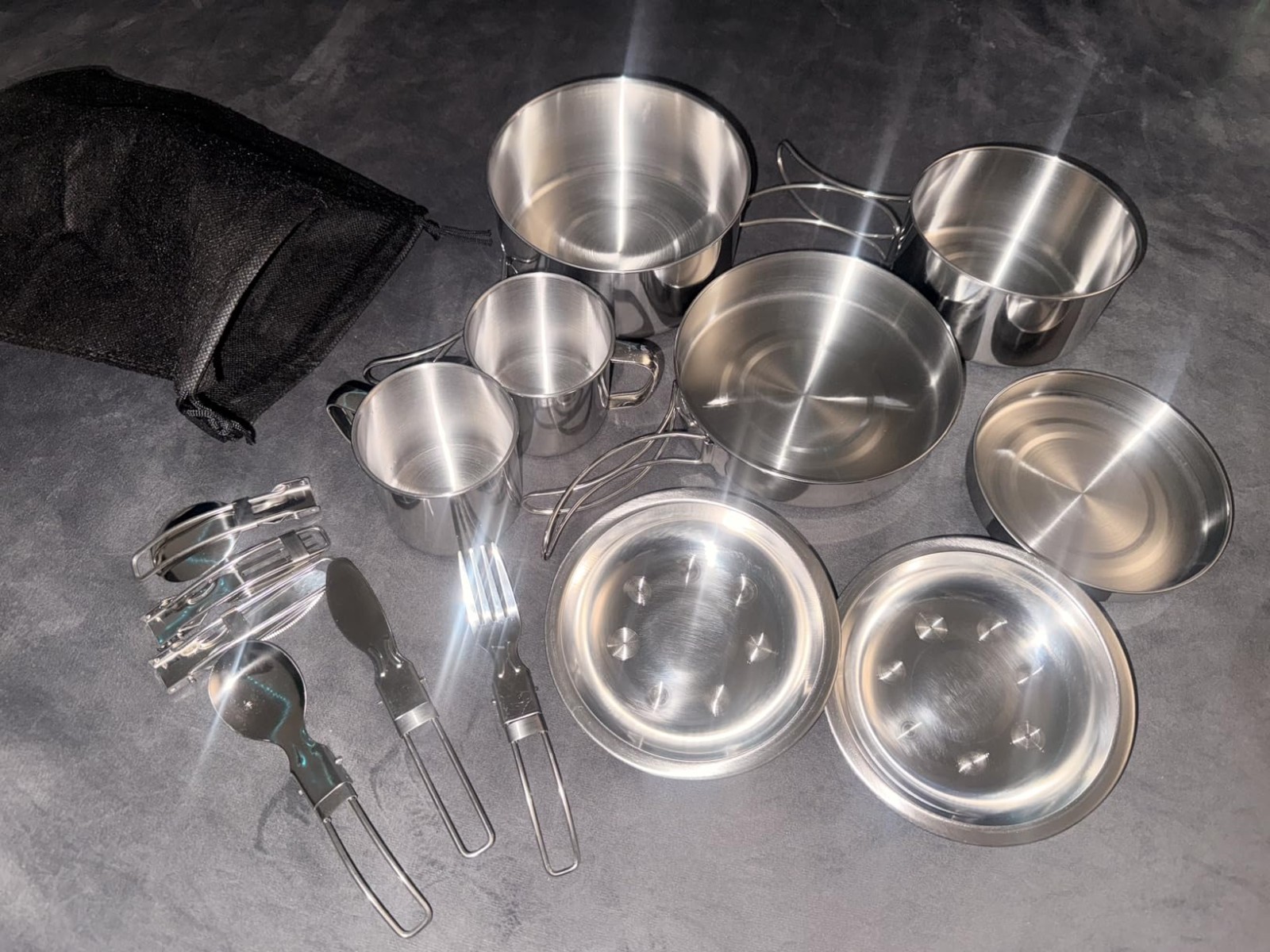 14Pcs Stainless Steel Camping Cookware Set Lightweight Compact Camping Pots Pan$34.99View on eBay
 17PCS Camping Cooking Set, Non-Stick Lightweight Camping Pots and Pans Set wi...$43.02View on eBay
- 17PCS Camping Cooking Set, Non-Stick Lightweight Camping Pots and Pans Set wi...$47.42View on eBay
- 17PCS Camping Cooking Set, Non-Stick Lightweight Camping Pots and Pans Set wi...$48.07View on eBay
- 17PCS Camping Cooking Set, Non-Stick Lightweight Camping Pots and Pans Set wi...$48.07View on eBay
- 17PCS Camping Cooking Set, Non-Stick Lightweight Camping Pots and Pans Set wi...$49.27View on eBay
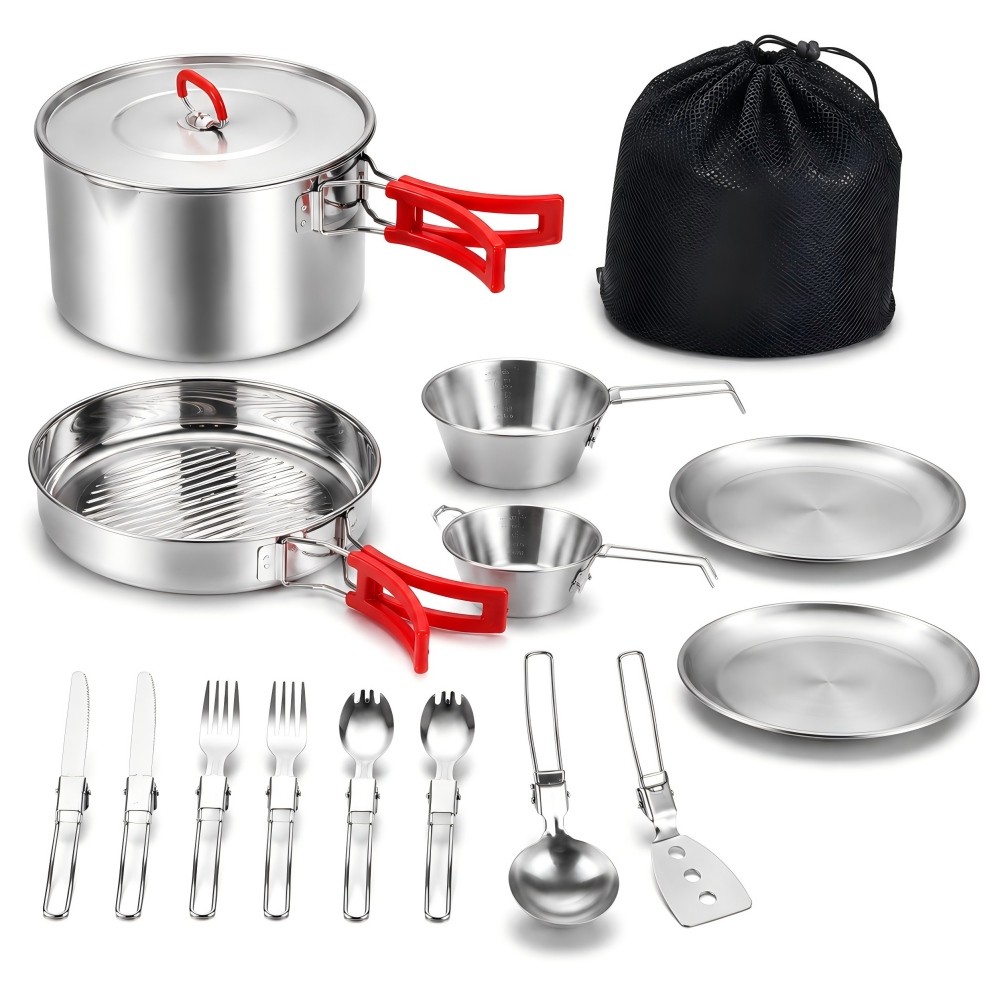 Camping Pot Pan Set Stainless Steel Cookware Kit Utensils Outdoor Cooking Hiking$49.98View on eBay
Highlights
- Titanium pots typically weigh 60–120g for a 750ml solo pot, roughly half the weight of equivalent stainless steel, but titanium transfers heat unevenly and can scorch food without a diffuser.
- Hard-anodized aluminum conducts heat 5–10x better than titanium and resists scratching better than bare aluminum; bare aluminum is cheaper but reacts with acidic foods and dents easily.
- Stainless steel (18/8 or 304) is the most dent- and scratch-resistant pot material but weighs 2–3x a titanium equivalent; it suits basecamp and fire cooking, not fast-and-light backpacking.
- Nesting compatibility is the hidden spec: a pot only nests efficiently with a stove and fuel canister whose diameter is smaller than the pot's base, so match pot base diameter to your burner and canister width.
Best use cases
- Solo ultralight backpacking (1–2 nights): pick a 550–750ml titanium or hard-anodized aluminum pot with a lid and folding handles; skip multi-piece stainless sets that add 500g+ for no benefit.
- Two-person backpacking: choose an 850–1100ml aluminum or titanium pot sized to boil 2 cups plus rehydrate two meals; skip 500ml solo pots that force two boils.
- Car camping and family basecamp: buy a 1.5–3L stainless steel or aluminum cook set with a bail handle and lid; skip ultralight titanium, which scorches on high-output camp stoves.
- Fire and open-flame cooking: use stainless steel or a thick-bottom aluminum pot; skip thin-wall titanium, which warps and hot-spots over open coals.
Buying tips
- Size by volume math: allow 350–500ml per person for rehydrated meals plus 250ml headroom for boil-over; a 750ml pot serves one, a 1.1L pot serves two, and a 1.5L+ pot serves three or more.
- Match pot base diameter to burner diameter: a pot narrower than the burner wastes heat and scorches handles; a pot much wider than the burner heats slowly at the edges.
- Choose 18/8 or 304 stainless for durability, hard-anodized aluminum for even heating at moderate weight, and titanium only when gram-counting outweighs cooking quality.
- Check handle and lid design: folding wire handles stay cooler than riveted solid handles, and a vented lid with a strainer hole lets you drain pasta and rice without a colander.
Specs
| Pot Material | Titanium / Hard-anodized aluminum / 18-8 stainless |
|---|---|
| Solo Pot Capacity | 550–750 ml (1 person) |
| Group Pot Capacity | 1.5–3 L (3+ people) |
| Cook Set Piece Count | 2–14 pcs (pot/pan/tableware) |
Related searches
What to check before buying
- Measure your stove and fuel canister diameter; the pot must be wider than both to nest the kit and protect the canister valve.
- Confirm your group size and meal type: boil-only (freeze-dried) needs less volume than simmered rice, pasta, or one-pot meals.
- Check that the pot's handles fold flat and the lid locks or seats securely for packed transport.
- Verify material compatibility with your stove: titanium and aluminum work on canister stoves, but only stainless or thick aluminum should go on open fires or high-output liquid-fuel burners.
FAQ
Data sources: eBay / Amazon listings and product attribute feeds Data updated Nov 16, 2026.
Some links on this page are affiliate links. If you buy after clicking one, we may earn a commission at no extra cost to you. This does not change which products appear here or their order. Affiliate disclosure.