Photos from current listings. Actual item, color, and included accessories may vary.
Camping Stove Buying Guide
A camping stove is a portable combustion appliance that trades fuel density, wind resistance, and burner output against pack weight and canister compatibility. The decisive engineering variable is fuel architecture: pressurized canister stoves win on output-to-weight but fail in cold and require proprietary cartridges, while liquid-fuel and wood-burning stoves trade ignition convenience for fuel independence. Buy for your fuel ecosystem and altitude first; output and pot stability are secondary tuning parameters.

At a glance
- Category
- Camp Kitchen & Stoves
- Data updated
- Nov 16, 2026
Current offers
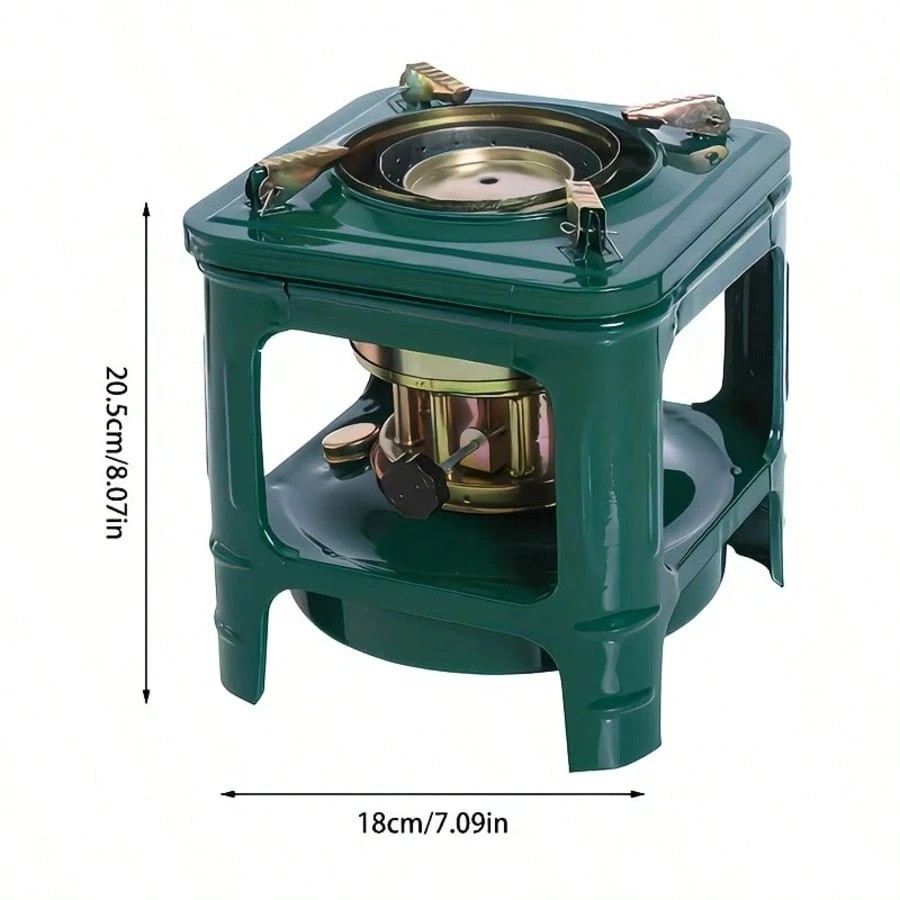 New 16 Core Kerosene Camping Stove Portable Outdoor Cooking Burner Green$20.80
 View on eBay
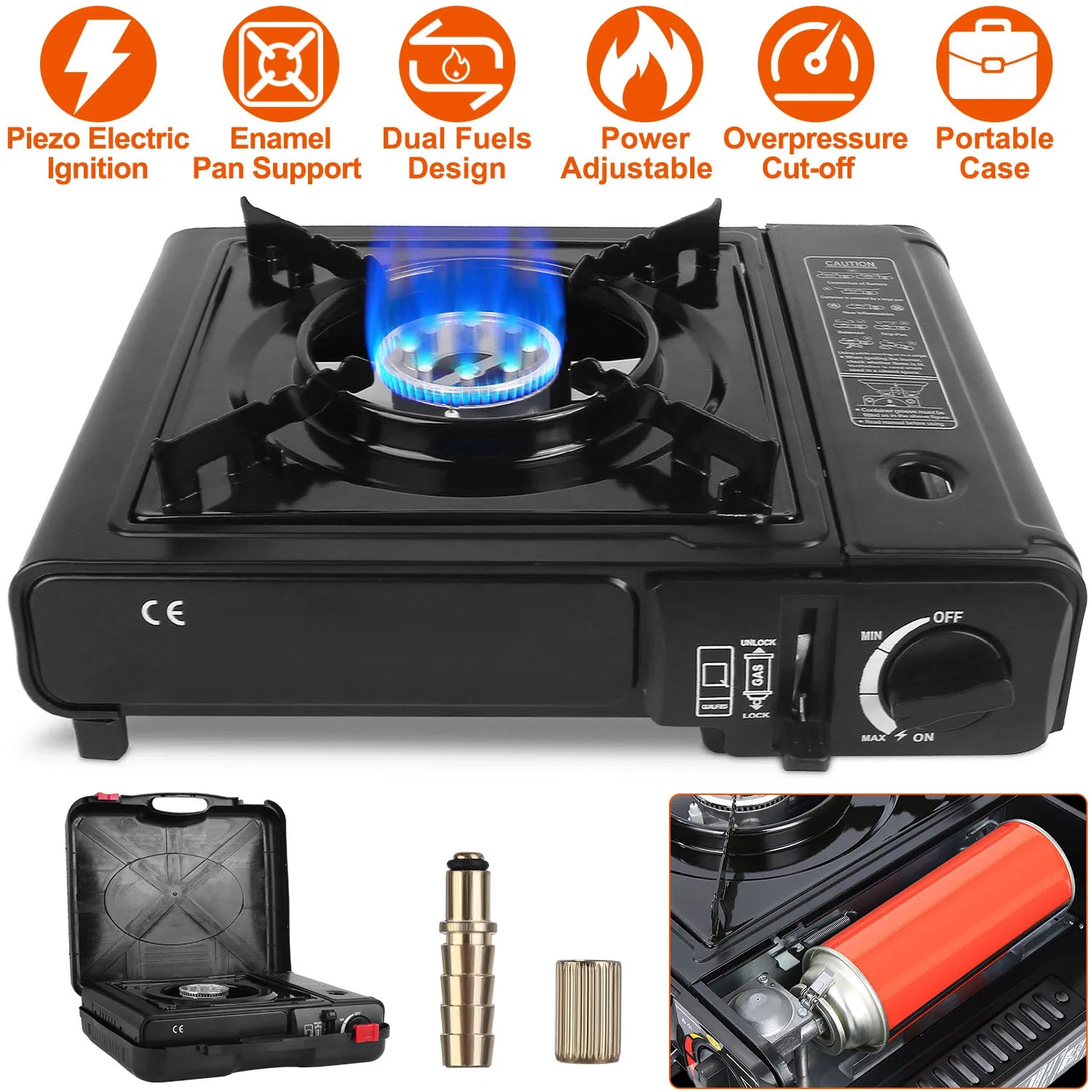 3300W Portable Camping Stove Butane Canister Dual Fuel Burner Piezo Electric Ignition Single with Automatic Tank Ejection Overpressure Cut Off Carry Case for Hiking Picnic Fishing BBQ$58.99
 View on Mallflare
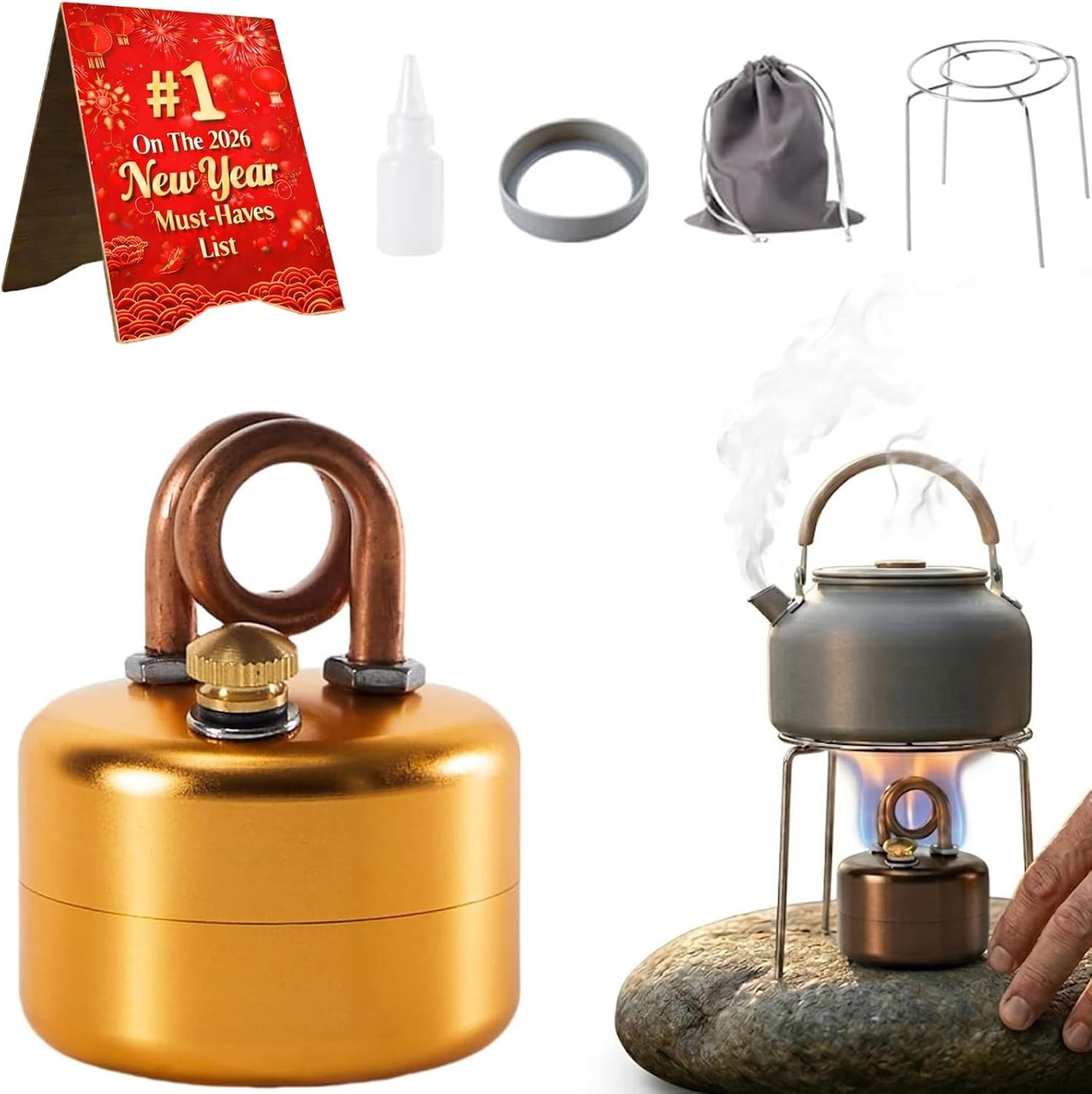 Mini Alcohol Camping Stove Lightweight Brass & Aluminum Spirit Burner with Stand$20.85View on eBay
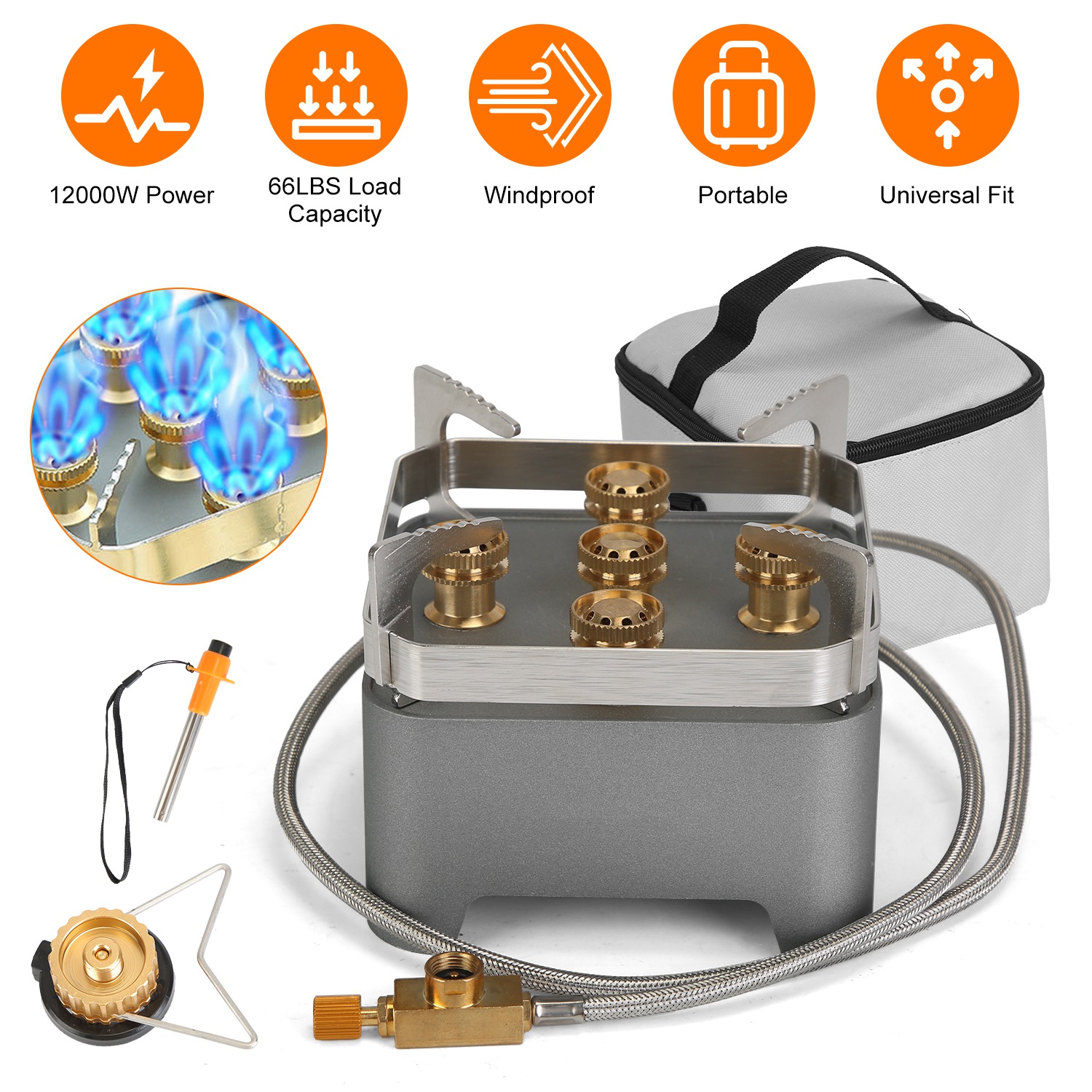 12000W Portable Camping Stove With Cassette Adapter Windproof Outdoor Backpacking Burner Carrying Case Igniter for Hiking Picnic$85.99View on Mallflare
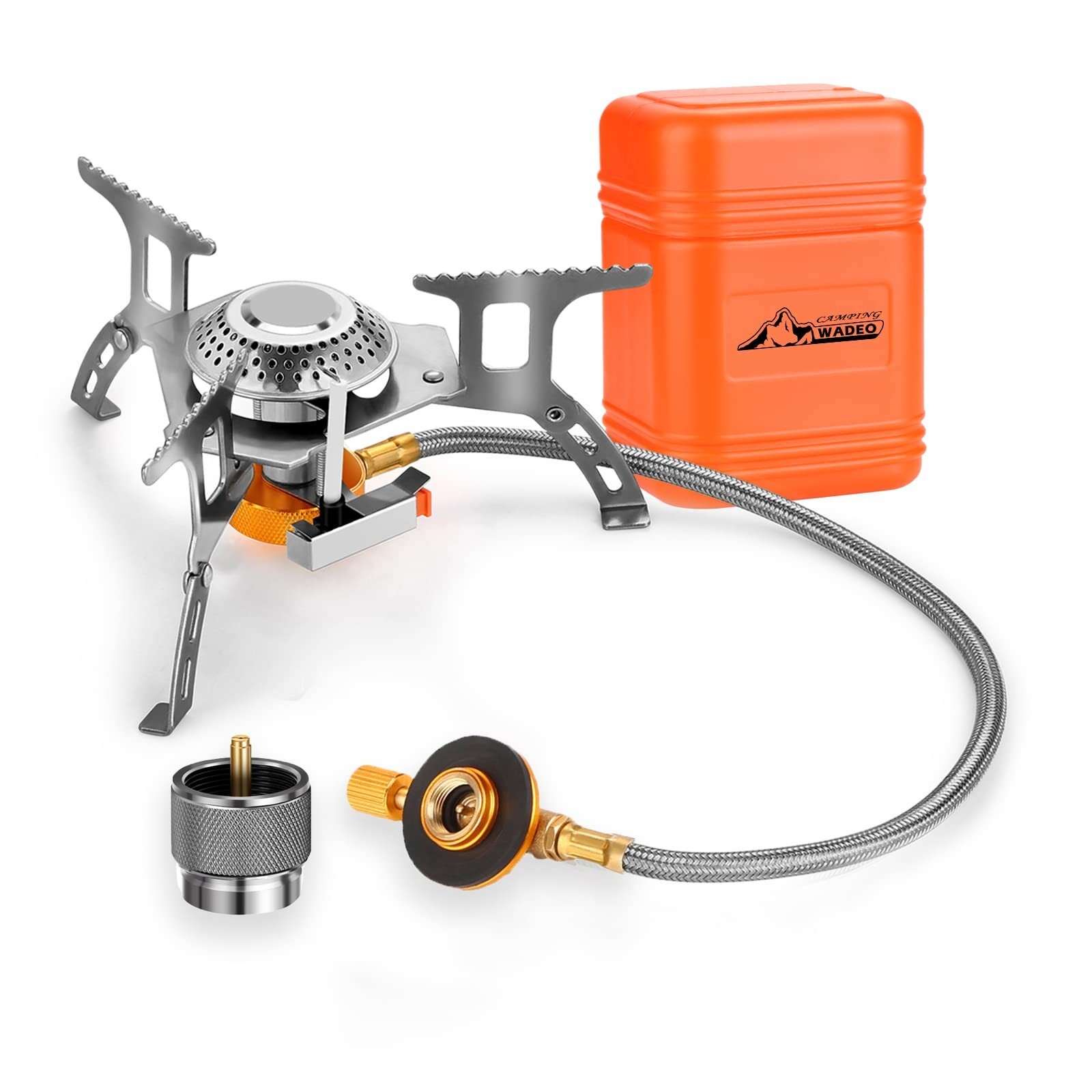 3700W Portable Camping Stove Kit with Accessories for Outdoor Cooking$21.98View on eBay
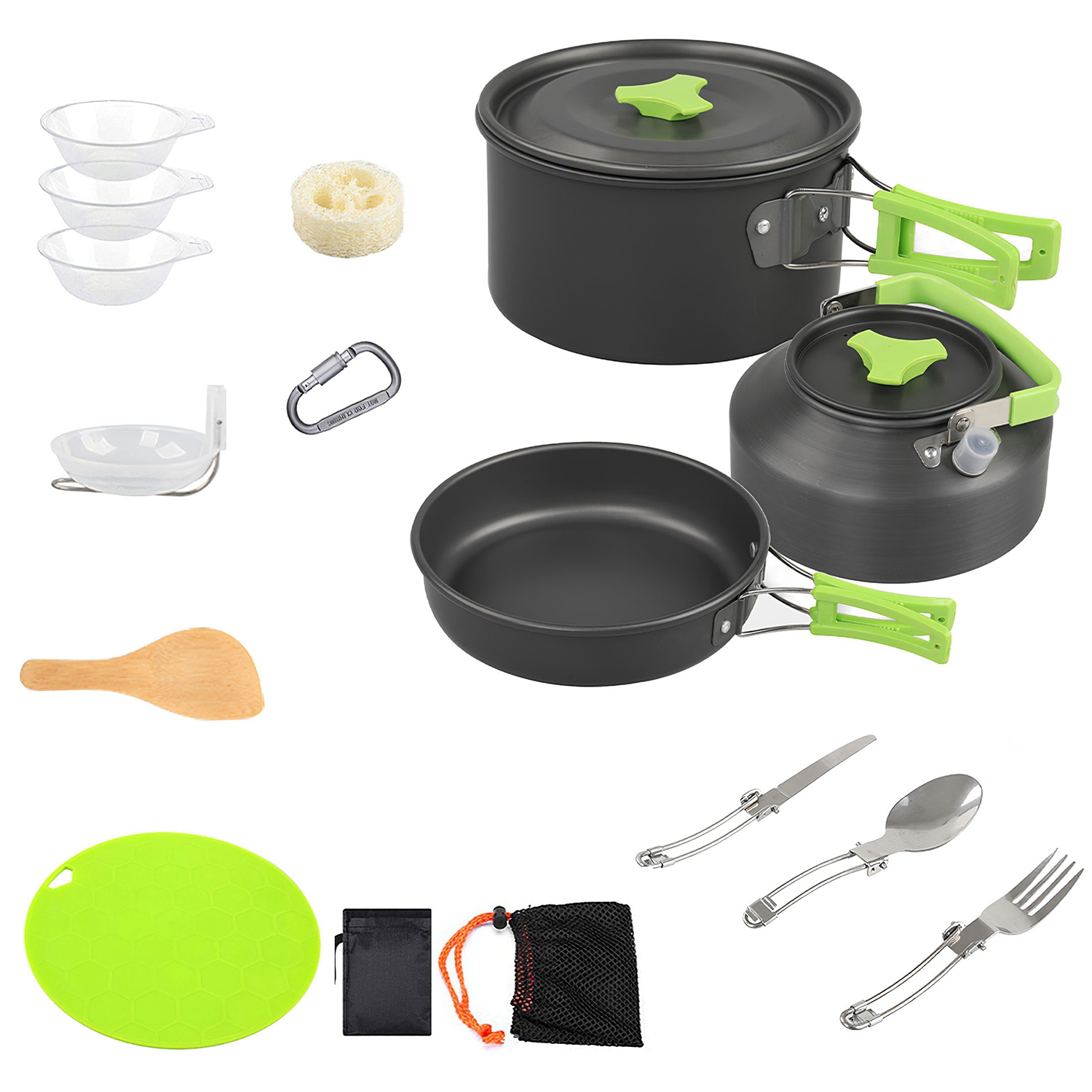 16Pcs Camping Cooking Ware Set Stove Cookware Kit Aluminum Pot Pan Kettle Set With Bowls Knife Fork Spoon Carabiner Spatula Cutting Board For Hiking Picnic Outdoor$50.99View on Mallflare
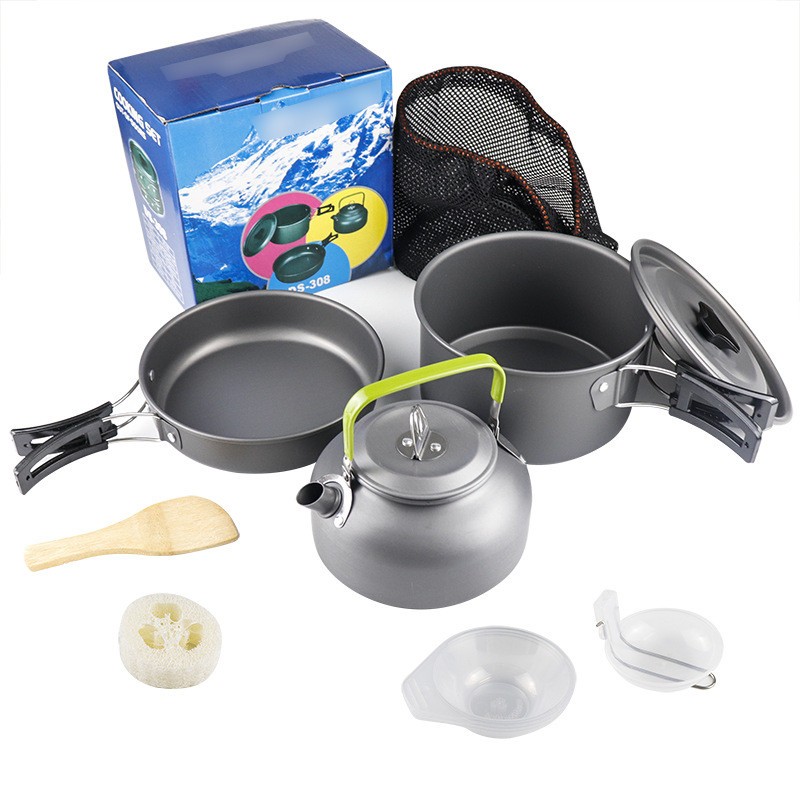 Camping Cooking Ware Set Camping Stove Cookware Aluminum Pot Pan Outdoor$22.91View on eBay
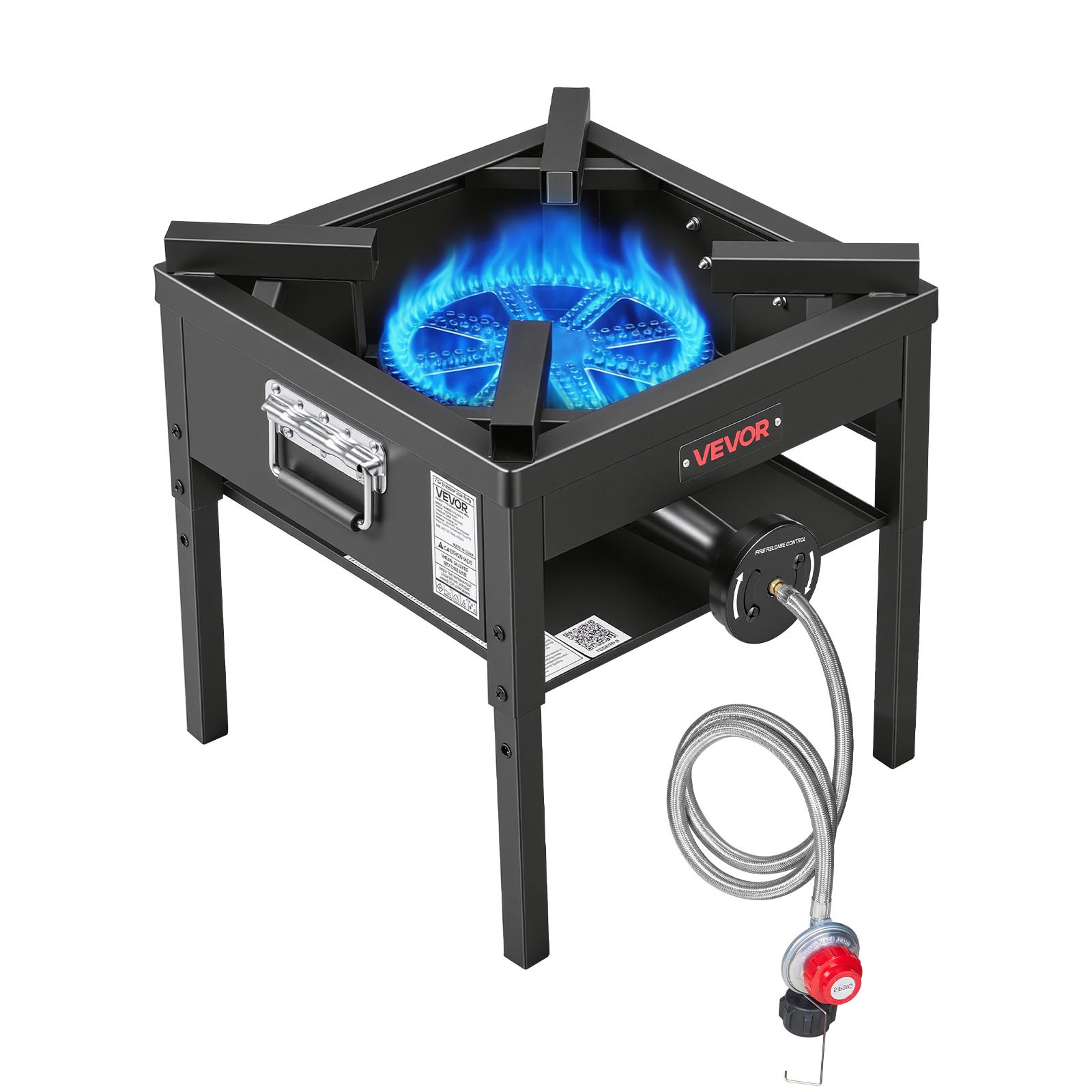 Single Burner Outdoor Propane Gas Stove, 200,000 BTU LPG Gas Camping Heavy Duty Carbon Steel Cooker, With Shield & 20 PSI Regulator, For BBQ Camp Home Patio Seafood Boil$115.99View on Mallflare
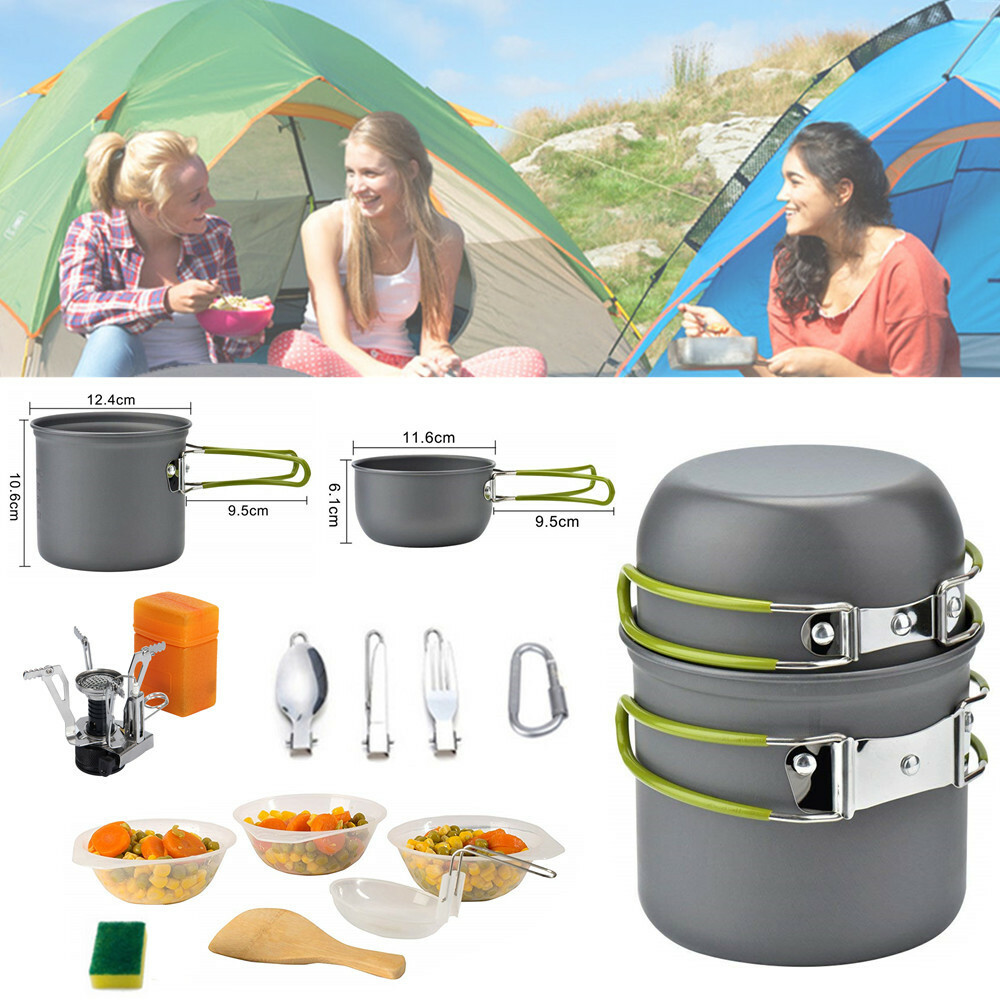 Portable Gas Camping Stove Butane Propane Burner Outdoor Hiking Picnic+Cookware$23.62View on eBay
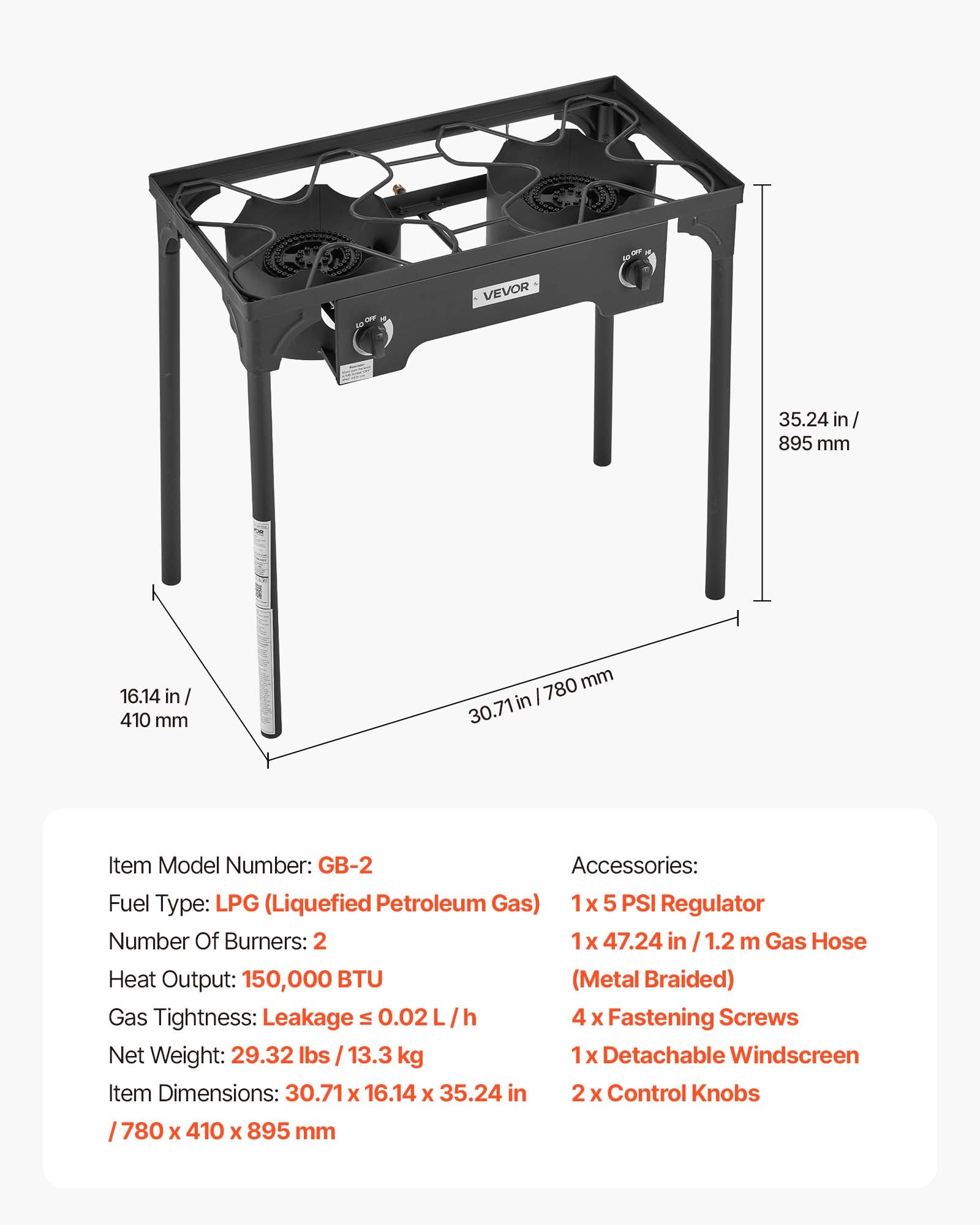 2 Burner Outdoor Propane Gas Stove, 150,000 BTU LPG Gas Camping Heavy Duty Carbon Steel Cooker, With Shield & Tall Stand & PSI Regulator, For BBQ Camp Home Patio Backyard$118.99View on Mallflare
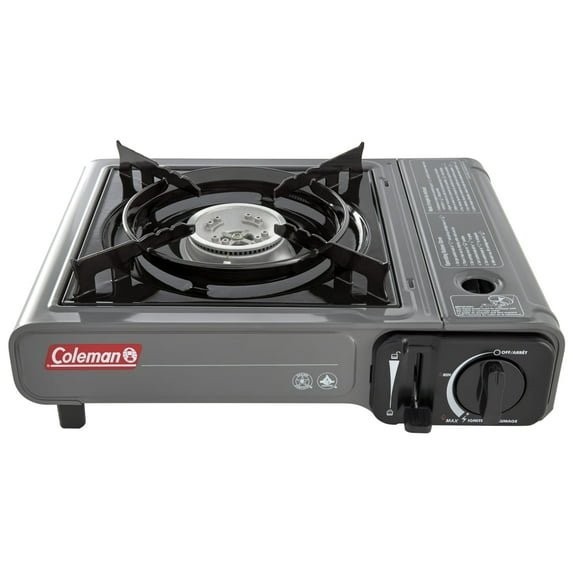 Coleman Tabletop Portable Butane Gas Camping Stove, 1 Burner, Gray$25.00View on eBay
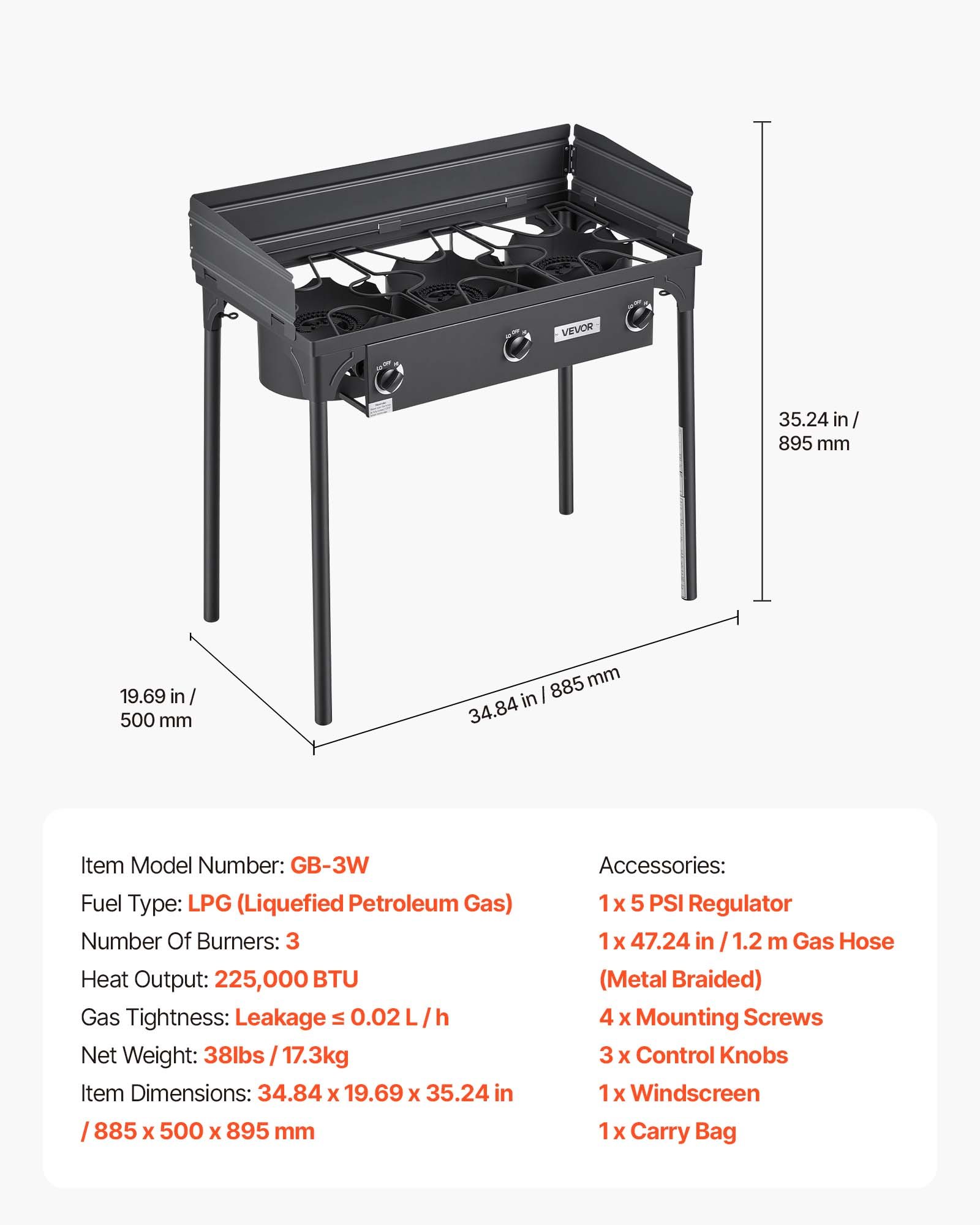 3 Burner Outdoor Propane Gas Stove, 225,000 BTU LPG Gas Camping Heavy-duty Carbon Steel Cooker, With Shield & Tall Stand & Regulator, For BBQ Camp Home Patio Backyard$125.99View on Mallflare
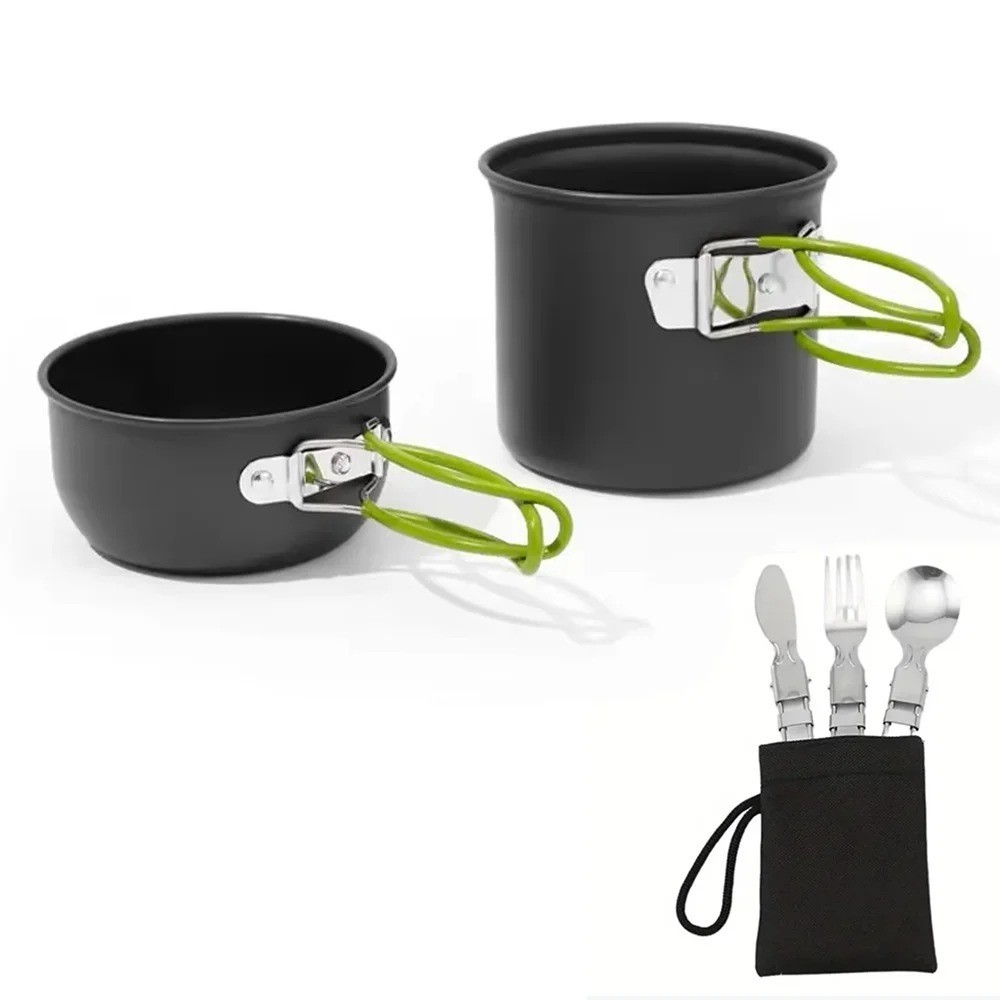 Portable Gas Camping Stove Butane Propane Burner Outdoor Hiking Picnic+Cookware$26.89View on eBay
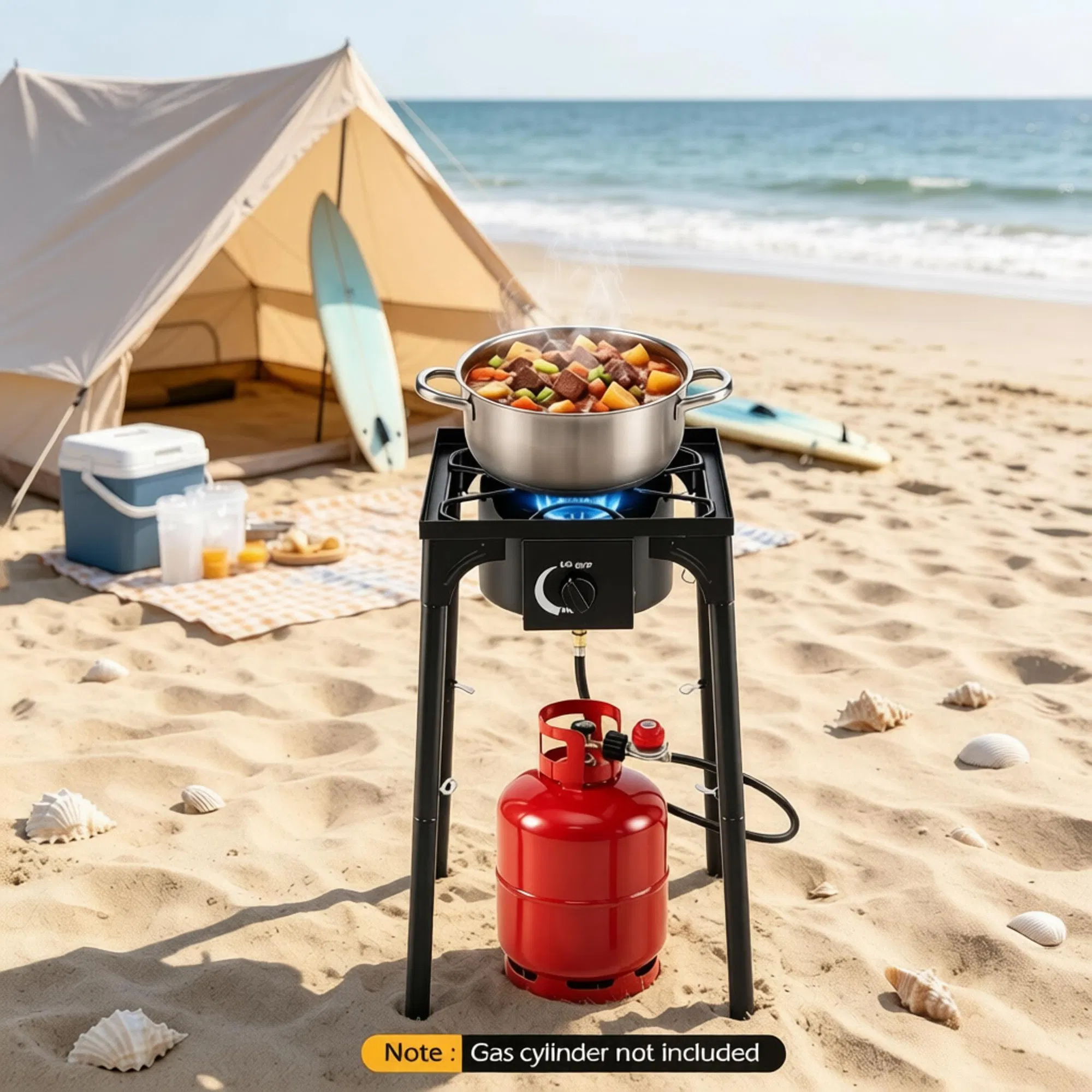 1 Burner Propane Stove 80000 BTU Adjustable Regulator And Hose Camping BBQ Outdoor Cooking Equipment$129.99View on Mallflare
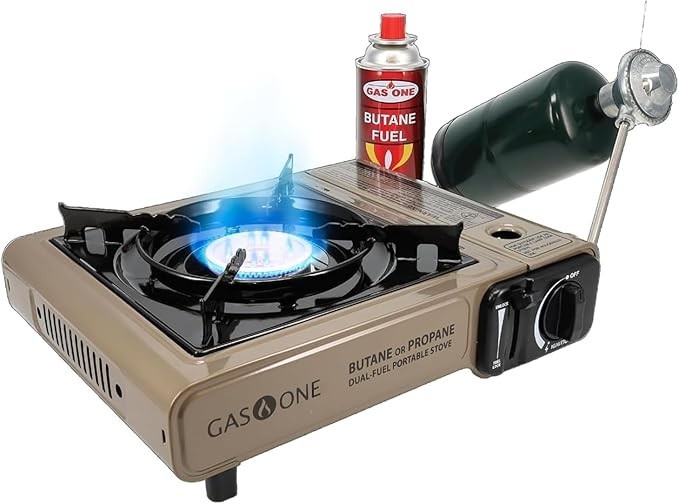 Gas One GS-3400P Propane or Butane Stove Dual Fuel Stove Portable Camping Stove$26.99View on eBay
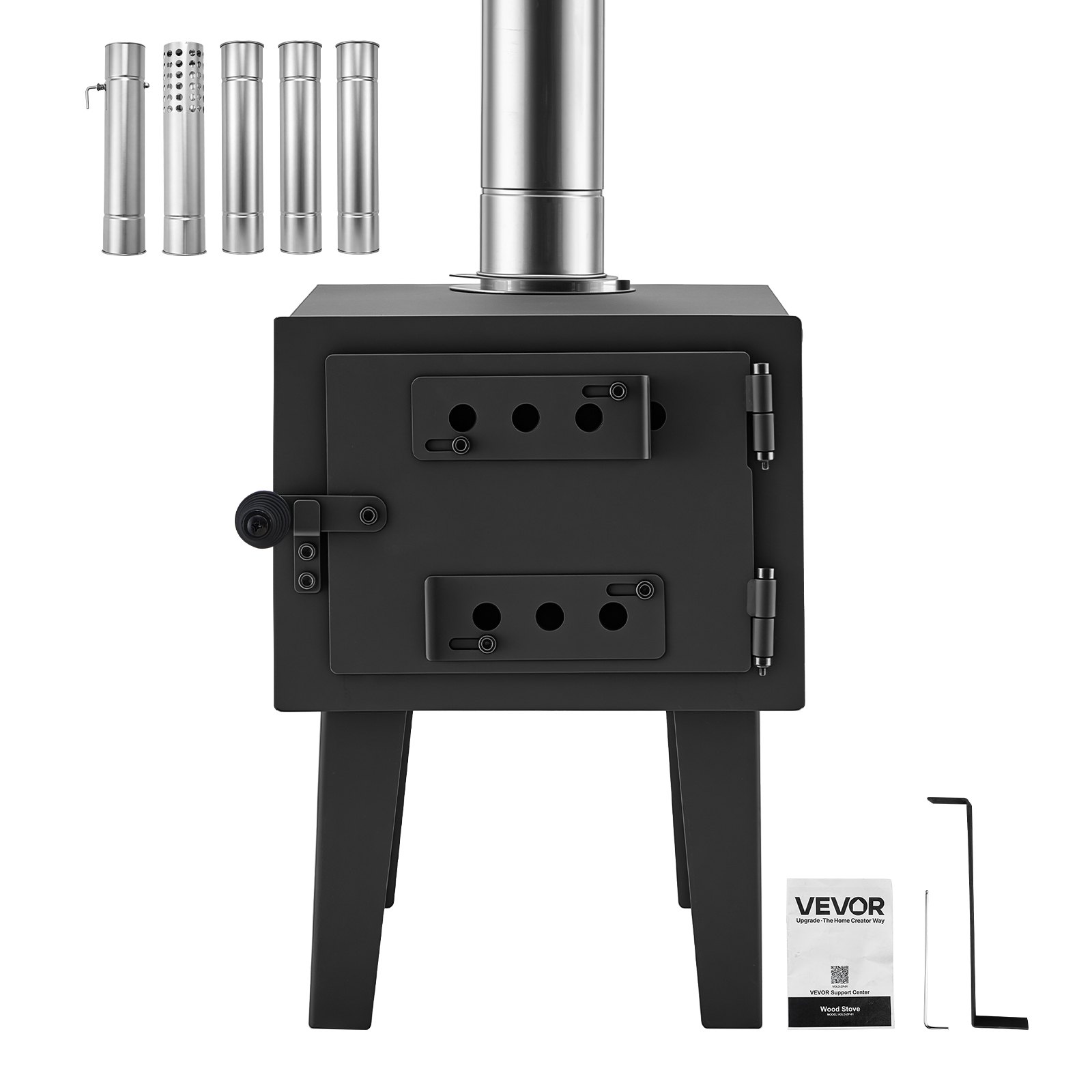 Wood Stove with Dual Sliders Control Burning Camping Tent for Outdoor Heating Cooking Drying, Carbon Steel, Extended Chimney Pipes, Retractable Bracket, and Spark Arrest Tube$170.99View on Mallflare
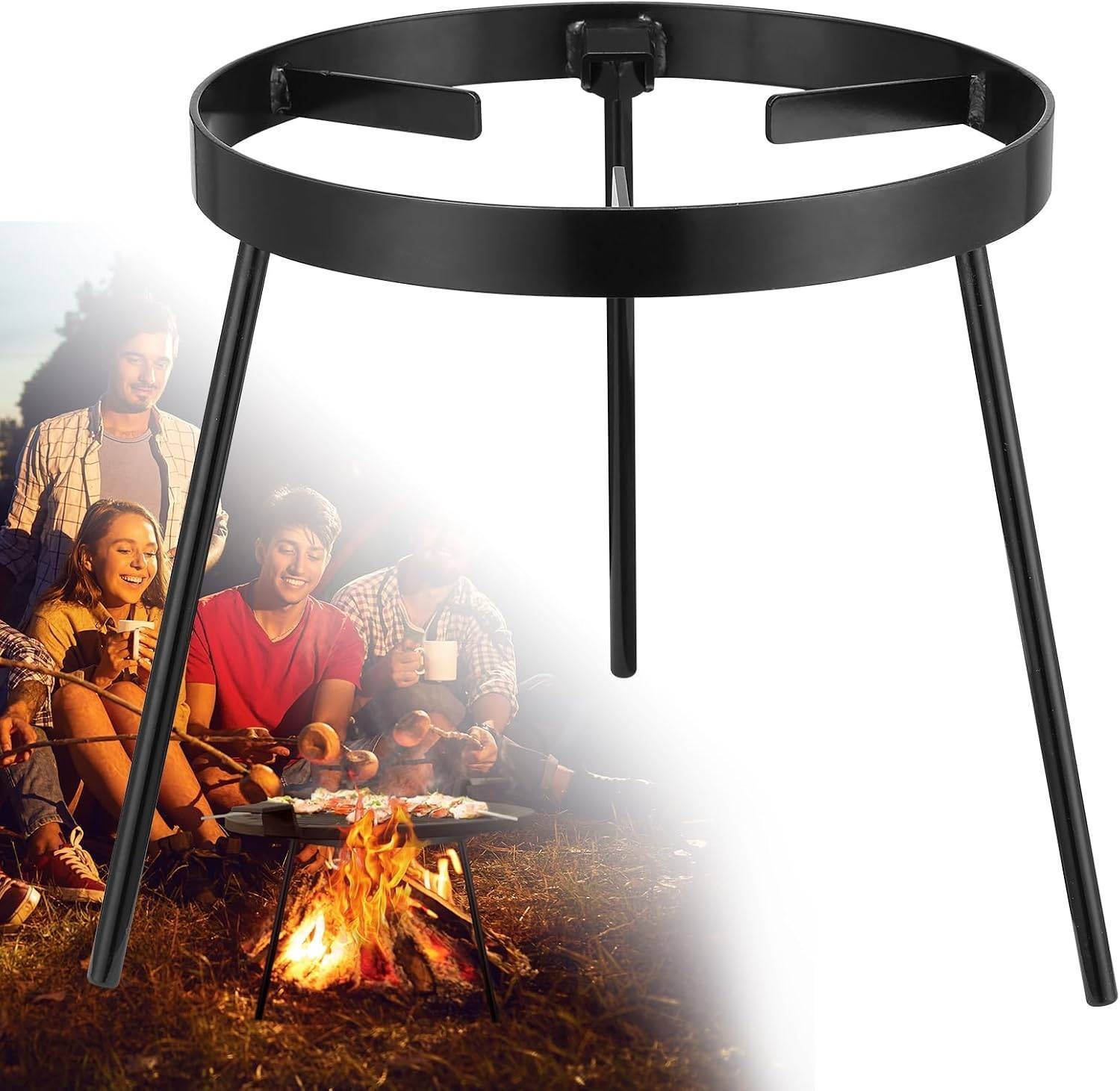 Campfire Cooking Stand Adjustable Pot Stand Tripod Ring Fire Pit Camping Stove$27.99View on eBay
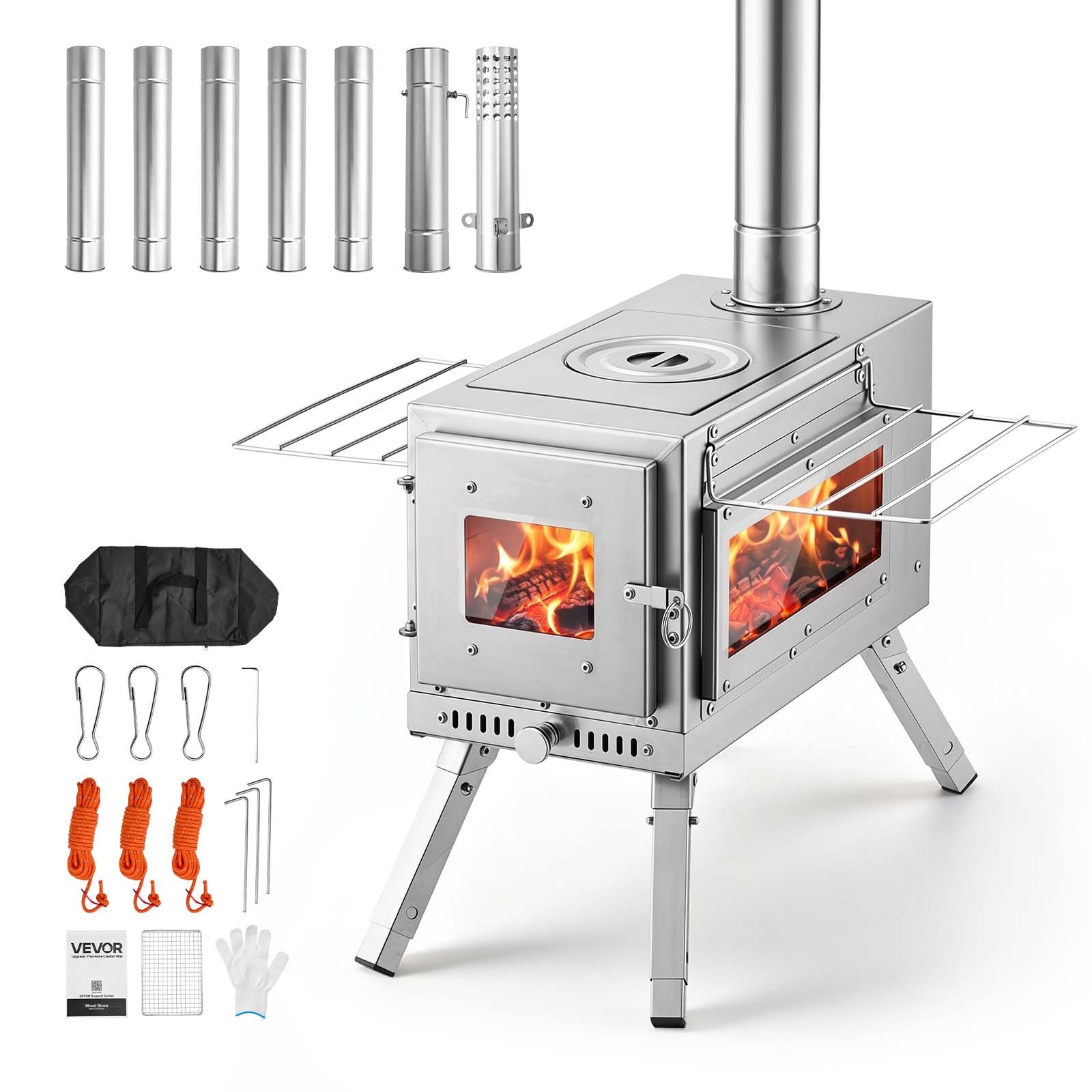 Wood Stove Portable Burning Camping Tent Stainless Steel, for Outdoor Heating Cooking Drying, with Extended Chimney Pipes, Ash Drawer, Heat-Resistant Glass Window, Gloves, Carry Bag$174.99View on Mallflare
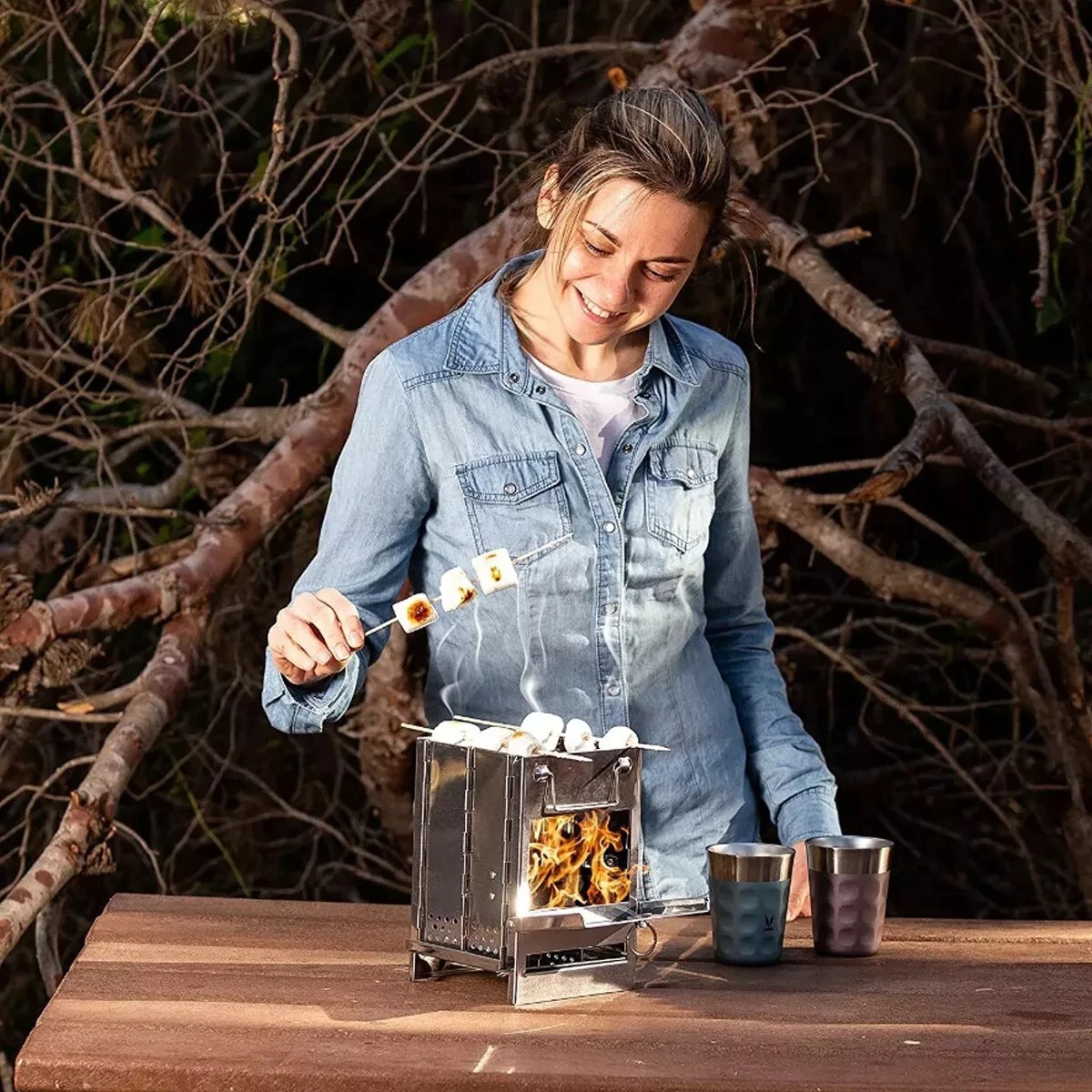 Portable Stainless Steel Wood Burning Camping Stove Folding Hiking Outdoor Cook$27.99View on eBay
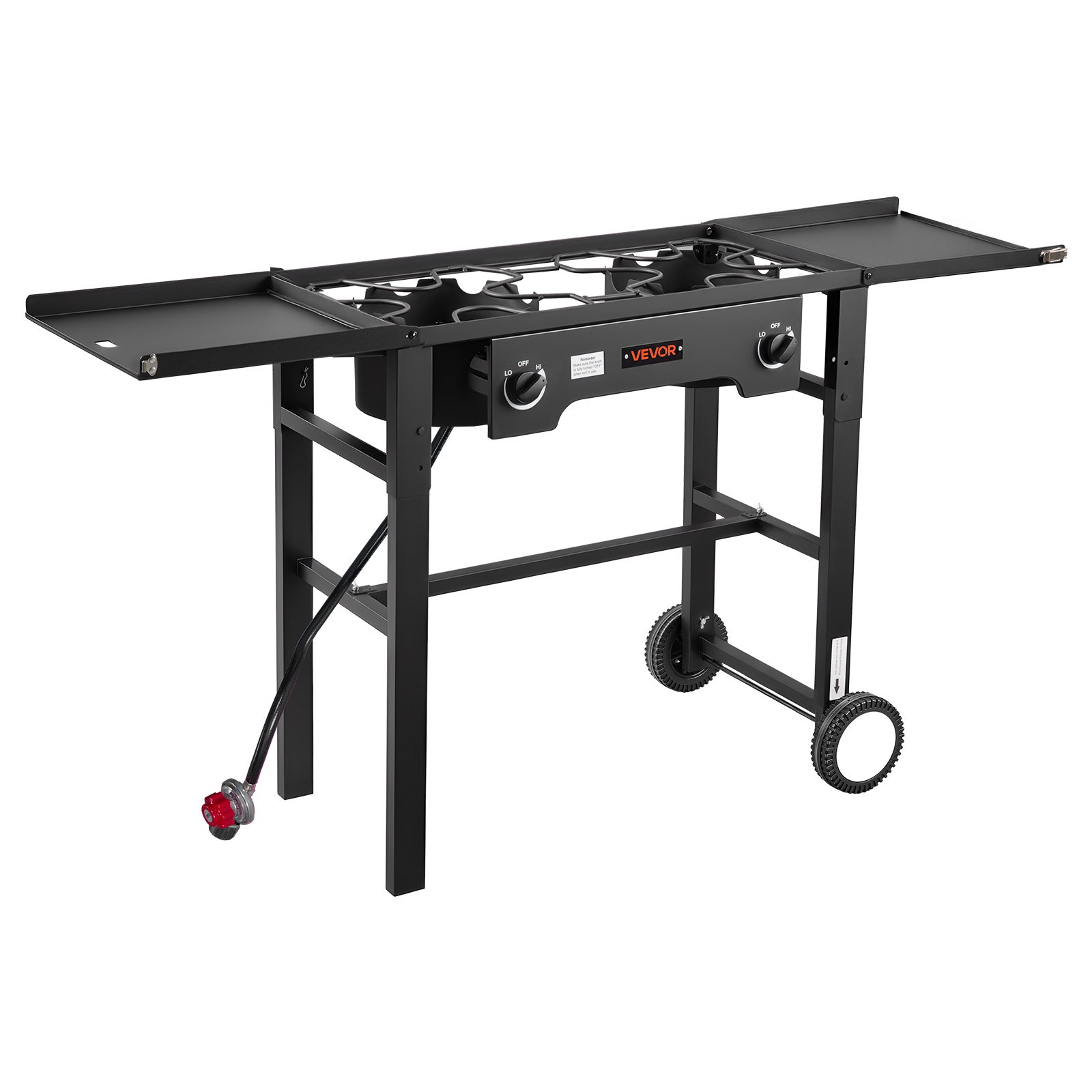 2 Burner Outdoor Propane Gas Stove, 150,000 BTU LPG Gas Camping Foldable Heavy-duty Carbon Steel Cooker, With Wheels & Shield & 20 PSI Regulator, For BBQ Camp Home Patio$182.99View on Mallflare
Highlights
- Canister stoves run on isobutane-propane blends; below roughly 20°F the propane fraction gasses off and output collapses unless the canister is inverted or the stove uses a preheat loop.
- Liquid-fuel (white gas/multi-fuel) stoves deliver 8,000–10,000 BTU and hold output at altitude and cold, but add priming, pump maintenance, and soot risk versus a screw-on canister burner.
- Remote-canister designs with a hose and windscreen outperform integrated canister systems in wind because the canister stays upright and shielded from burner heat.
- Burner output correlates with jet and canister valve size, not pot size; a 3,000–4,000W canister burner is the practical ceiling for backpacking before fuel burn and canister heating become liabilities.
Best use cases
- Backpacking and solo fast-and-light: choose a 3,000–4,000W screw-on canister stove under 4 oz; skip wood stoves and dual-burner propane units.
- Car camping and group cooking: choose a 1–2 burner propane stove with a regulated hose and 8,000–10,000 BTU per burner; skip alcohol and mini canister stoves if you need simultaneous pots.
- Cold-weather, high-altitude, or long expedition use: choose a liquid-fuel or inverted-canister remote stove; skip standard upright canister stoves below 20°F.
- Emergency and off-grid wood/kerosene setups: choose a carbon-steel or stainless tent stove with chimney sections; skip in fire-ban zones or where tent clearance is under 3 ft.
Buying tips
- Match fuel architecture to ambient temperature: upright isobutane canisters lose pressure near freezing, so pick a remote canister with preheat loop or liquid fuel if you cook below 20°F.
- Size output to pot and group: 3,000–4,000W boils 1 L in about 3–4 minutes; 8,000–10,000 BTU propane burners suit 2–4 L pots and group cooking without scorching.
- Check pot stability diameter: burner arms must span at least the pot base; a 6-inch pot on a 3-inch burner is a tip-over risk, so pick wide-fold arms or a remote canister design.
- Respect fuel and container standards: canister stoves use EN 417 threaded cartridges, propane hoses need a regulator and CGA/OPD-compatible connector, and alcohol stoves need denatured or 90%+ ethanol.
Specs
| Fuel Architecture | Canister / liquid fuel / alcohol / wood |
|---|---|
| Burner Output | 3,000–4,000W canister; 8,000–10,000 BTU propane |
| Ignition Type | Piezo / match / auto-ignition |
| Body Material | Titanium / aluminum / stainless / carbon steel |
Related searches
What to check before buying
- Measure your pack volume and base weight budget: canister stoves pack under 0.5 L, while wood tent stoves and dual-burner propane units need dedicated cargo space.
- Confirm fuel availability at your destination: isobutane canisters, white gas, and 1 lb propane cylinders are not interchangeable and not sold everywhere.
- Check tent and shelter clearance for wood stoves: chimney and stove need at least 3 ft of clearance to flammables and a dedicated stove jack in the shelter wall.
- Verify pot and windscreen fit: a windscreen must not enclose a canister (overheating risk), and pot diameter must exceed burner diameter for stable, efficient heating.
FAQ
Data sources: eBay / Amazon listings and product attribute feeds Data updated Nov 16, 2026.
Some links on this page are affiliate links. If you buy after clicking one, we may earn a commission at no extra cost to you. This does not change which products appear here or their order. Affiliate disclosure.