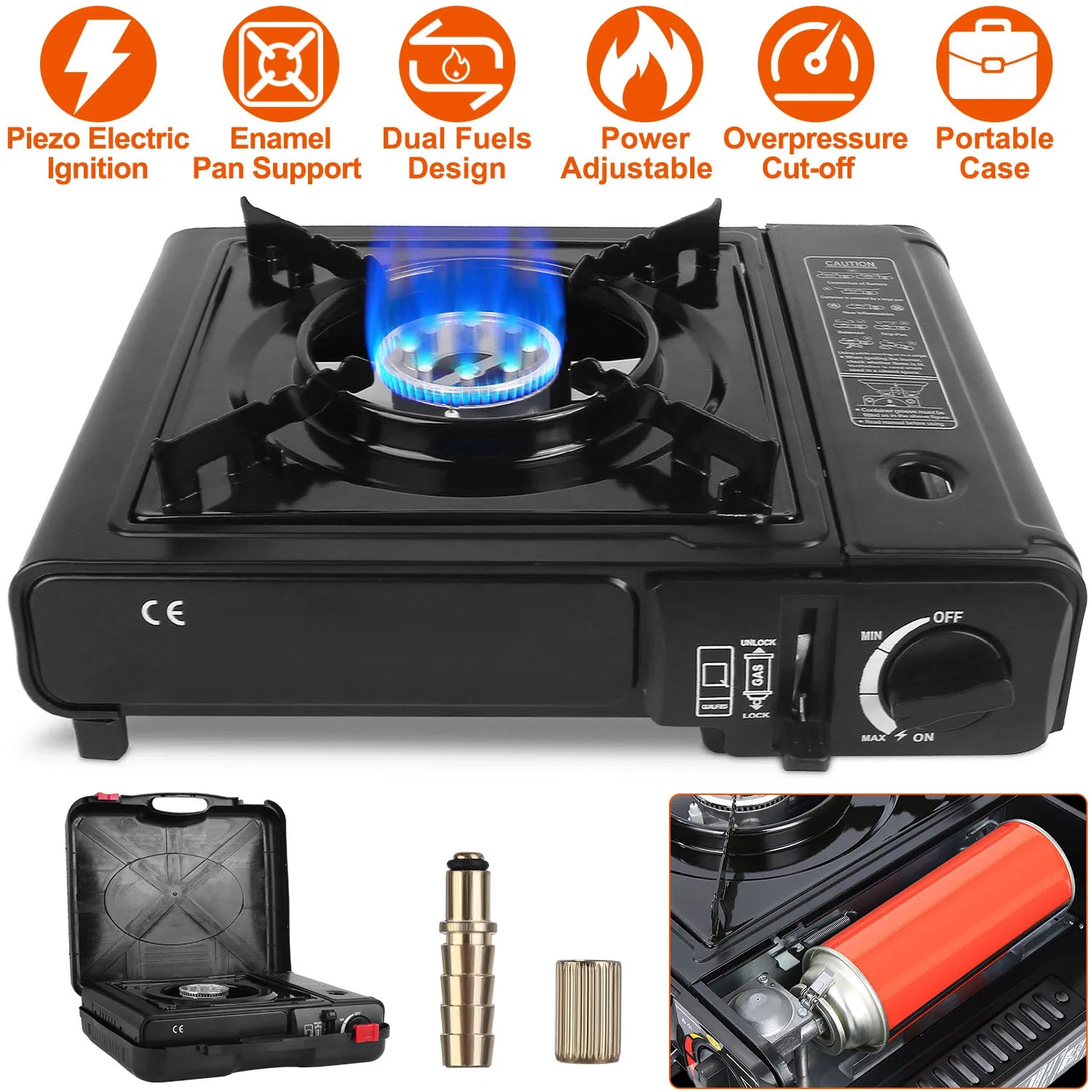

Photos from current listings. Actual item, color, and included accessories may vary.
Electric Stove Portable Buying Guide
Portable electric stoves are compact induction or resistance-heat cooktops that run on AC power instead of combustible fuel, trading the unlimited runtime of gas for zero indoor emissions and precise temperature control. The core trade-off is wattage versus circuit capacity: 1800W units run on any standard 15A outlet, while 3000W+ models require a dedicated 20A circuit or they will trip breakers. Buy induction if you have magnetic cookware and a strong circuit; buy resistance-coil or butane-hybrid only when outlet power is limited or you need true off-grid capability.


At a glance
- Category
- Camp Kitchen & Stoves
- Data updated
- Nov 16, 2026
Current offers
Highlights
- Induction models transfer 85-90% of energy to the pan versus 40-55% for resistance coils, so a 1800W induction unit outperforms a 2000W coil in real heating speed.
- A 3000W+ draw exceeds a standard 15A/120V circuit (max 1800W continuous); these units need a 20A breaker or a 240V supply to run without tripping.
- Single-burner portable units typically measure 11-14 inches wide and weigh 4-8 lbs; dual-burner models jump to 20-24 inches and need a full-size counter or table.
- Butane-hybrid dual-fuel stoves like the Mallflare 3300W combine a gas canister burner with electric piezo ignition, adding overpressure cutoff and automatic canister ejection for outdoor safety.
Best use cases
- Best fit: small-apartment or dorm cooking with a single 1800W induction burner on a standard 15A kitchen outlet — silent, emission-free, and fast for one-pan meals.
- Best fit: camping, tailgating, or emergency backup where no outlet exists — choose a butane/propane dual-fuel portable stove with piezo ignition and overpressure cutoff, not an electric-only unit.
- Wrong fit: high-volume family cooking or canning on a 3000W+ portable electric stove plugged into a shared 15A circuit — the breaker will trip; use a dedicated 20A line or a full-size range.
- Wrong fit: buying induction without checking your cookware — if your pots are aluminum or non-magnetic, a resistance-coil electric stove or gas hybrid is the correct pick.
Buying tips
- Match wattage to your circuit: 1800W max on a 15A/120V outlet; step up to 3000W+ only with a verified 20A breaker or 240V receptacle.
- For induction, test each pan with a magnet — if it doesn't stick firmly, the pan won't work; budget for at least one magnetic-base skillet.
- Choose a butane-hybrid dual-fuel stove over electric-only when portability and off-grid use matter; butane canisters perform poorly below 40°F, so propane is the cold-weather alternative.
- Prioritize units with automatic overpressure cutoff, canister ejection, and a carry case for outdoor gas models; for indoor electric, look for cool-touch handles and a drip tray.
Specs
| Heating Type | Induction / Resistance coil / Dual-fuel gas |
|---|---|
| Power Draw | 1800W (15A) / 3000W+ (20A or 240V) |
| Burner Count | Single (11-14 in) / Dual (20-24 in) |
| Cookware Requirement | Magnetic base for induction; any flat pan for coil |
Related searches
What to check before buying
- Measure your counter or table space: single-burner units need about 12x14 inches of clearance; dual-burner models need 24x14 inches plus ventilation.
- Confirm your kitchen outlet's breaker rating (15A vs 20A) and whether it is shared with other high-draw appliances before buying a 3000W+ stove.
- Check cookware base diameter matches the burner ring (typically 6-8 inches for portable units) and that pans are magnetic for induction.
- For gas-hybrid stoves, verify butane or propane canister availability locally and store canisters upright away from heat per safety labeling.
FAQ
Data sources: eBay / Amazon listings and product attribute feeds Data updated Nov 16, 2026.
Some links on this page are affiliate links. If you buy after clicking one, we may earn a commission at no extra cost to you. This does not change which products appear here or their order. Affiliate disclosure.