Photos from current listings. Actual item, color, and included accessories may vary.
Outdoor Cooking Stove Buying Guide
Outdoor cooking stoves span three distinct architectures: high-pressure propane burners for raw BTU output, canister-top systems for ultralight packing, and wood-burning tent stoves for fuel independence and heat. The core trade-off is between portability (folded size, weight) and thermal density (BTU/hr, wind resistance, fuel type). Buyers should match the stove architecture to the cooking method and environment, not the headline wattage or burner count.

At a glance
- Category
- Camp Kitchen & Stoves
- Data updated
- Nov 16, 2026
Current offers
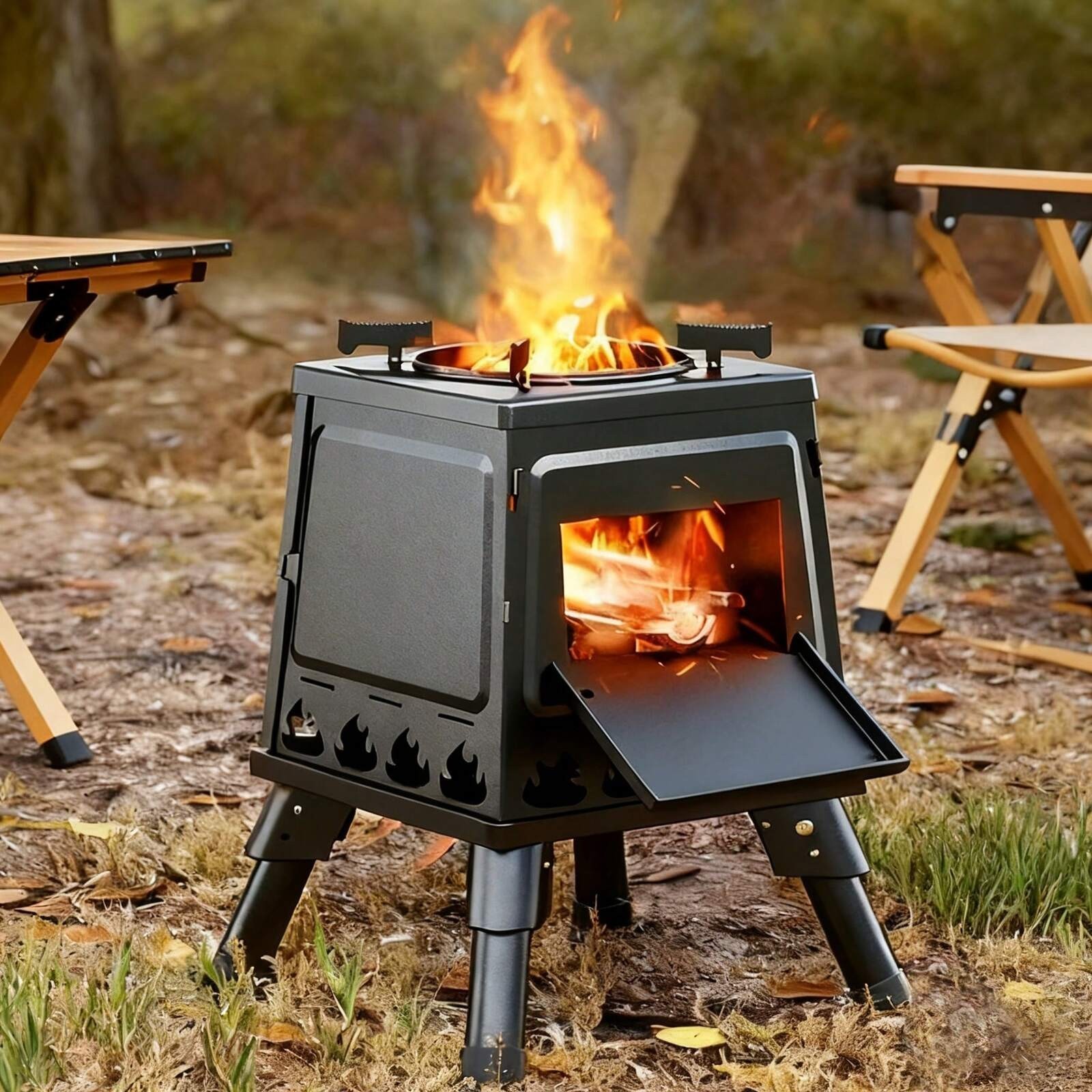 New Portable Wood Burning Camp Stove Folding Outdoor Cooking Stove Black$32.68
 View on eBay
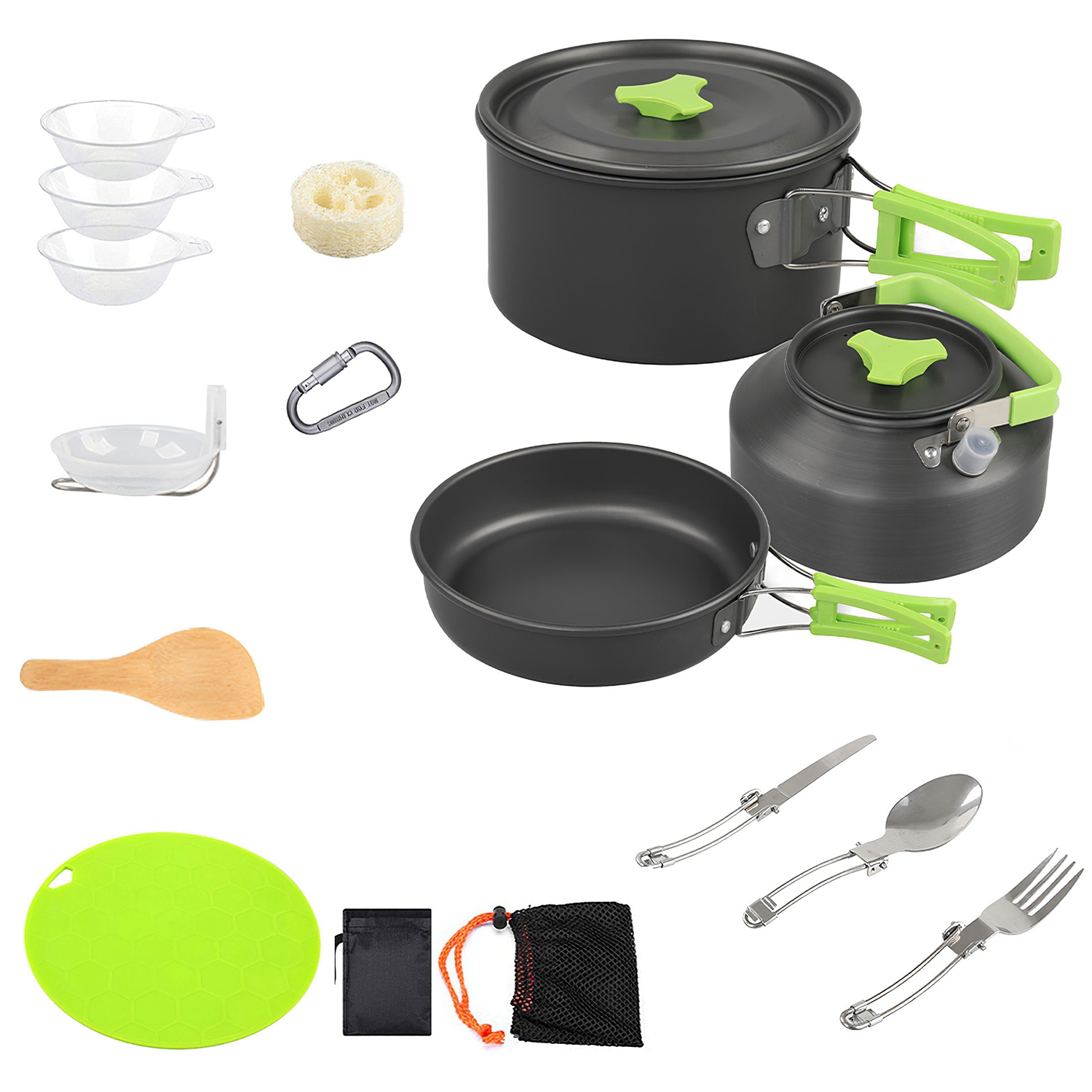 16Pcs Camping Cooking Ware Set Stove Cookware Kit Aluminum Pot Pan Kettle Set With Bowls Knife Fork Spoon Carabiner Spatula Cutting Board For Hiking Picnic Outdoor$50.99
 View on Mallflare
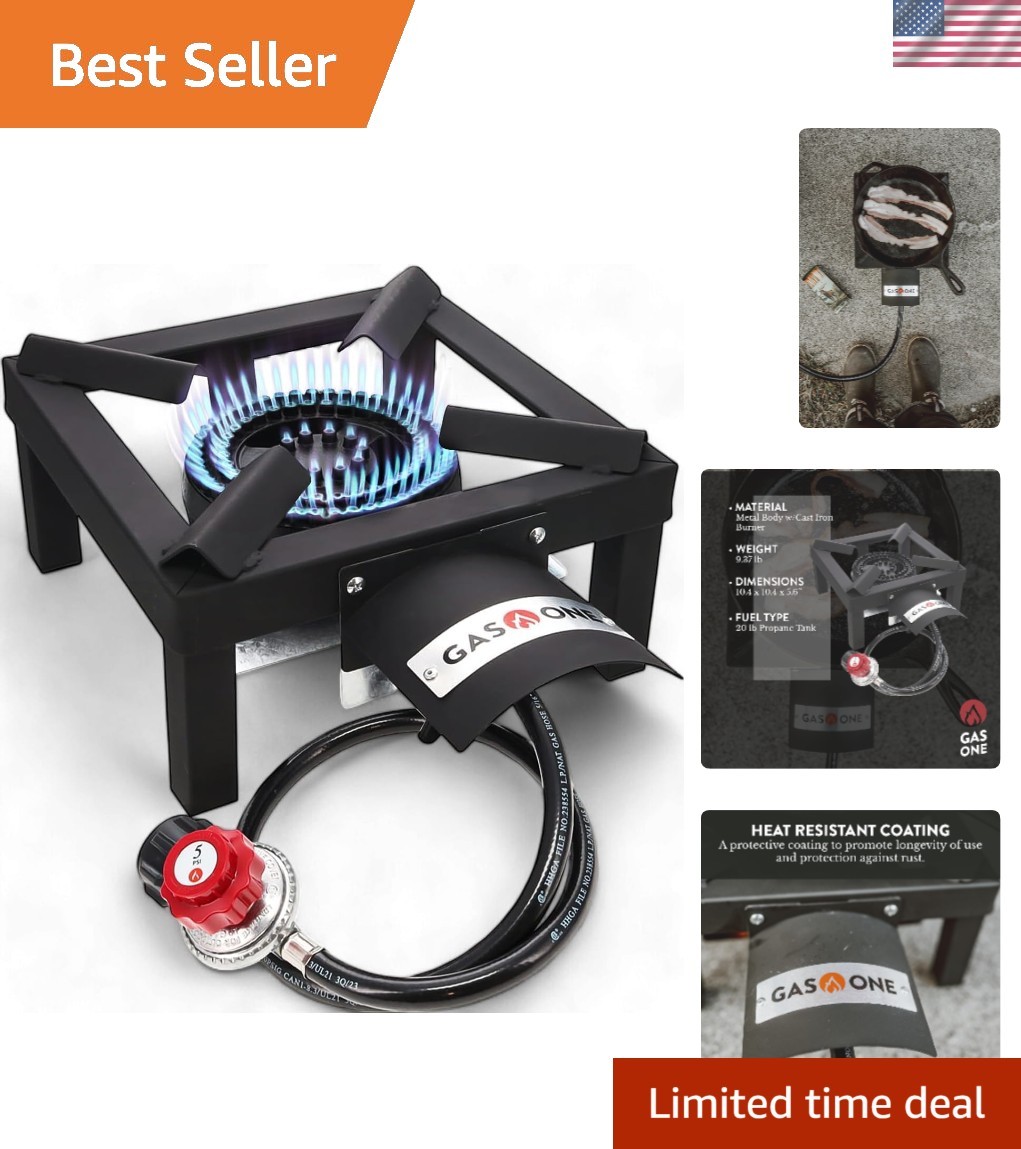 High Pressure Propane Burner - Outdoor Cooking Stove with Heat Protection Guard$53.99View on eBay
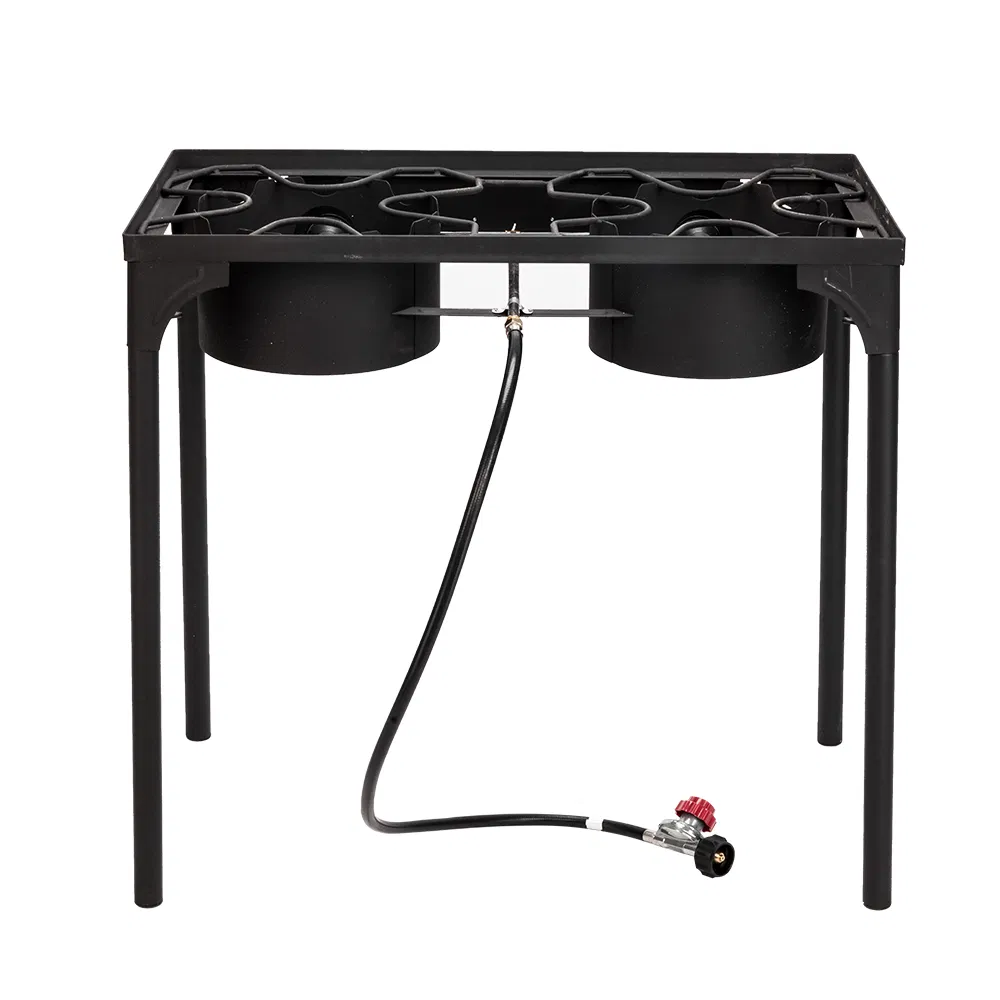 Outdoor Camp Stove High Pressure Propane Gas Cooker Portable Cast Iron Patio Cooking Burner (Double 150000-BTU)$108.99View on Mallflare
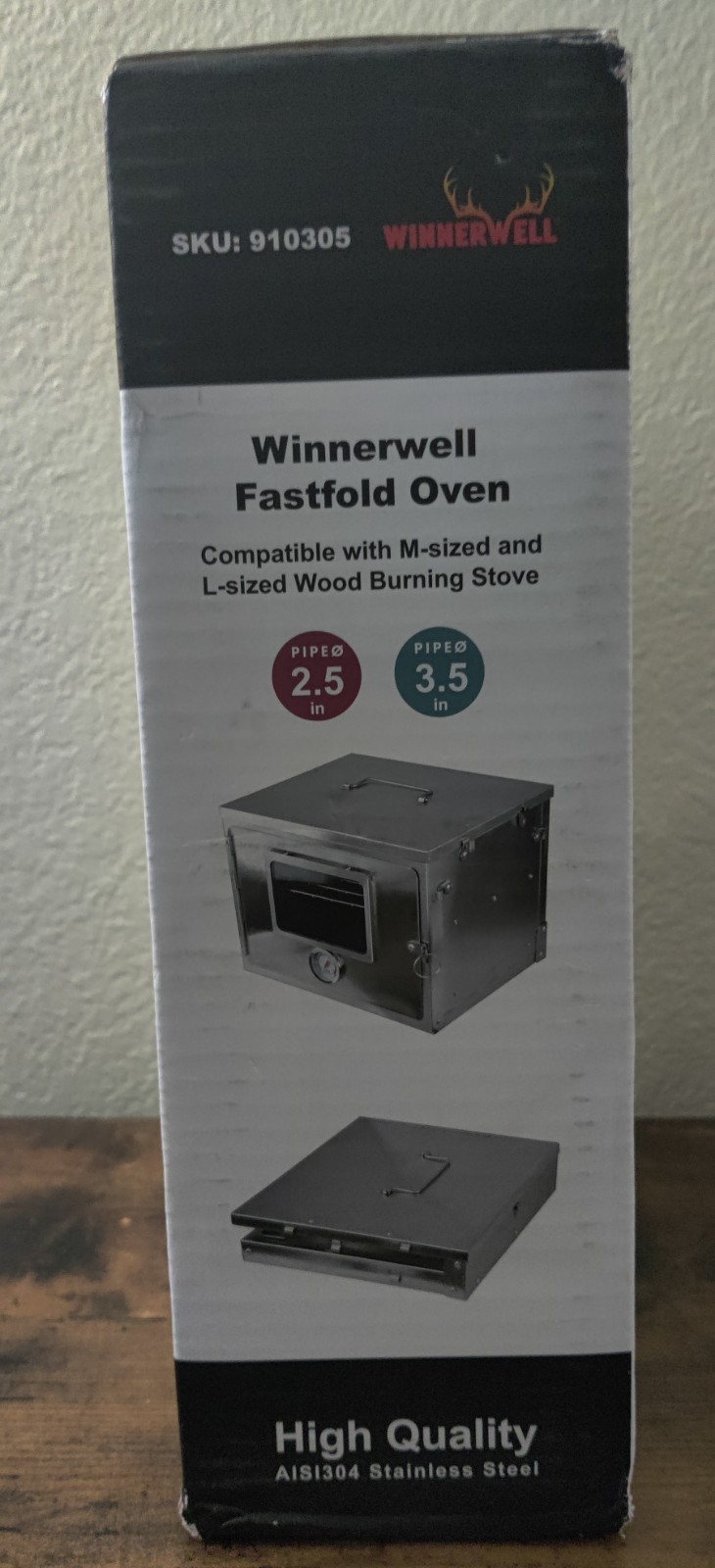 Winnerwell Fast Fold Oven Portable Camping Outdoor Cooking Stove NIB$85.89View on eBay
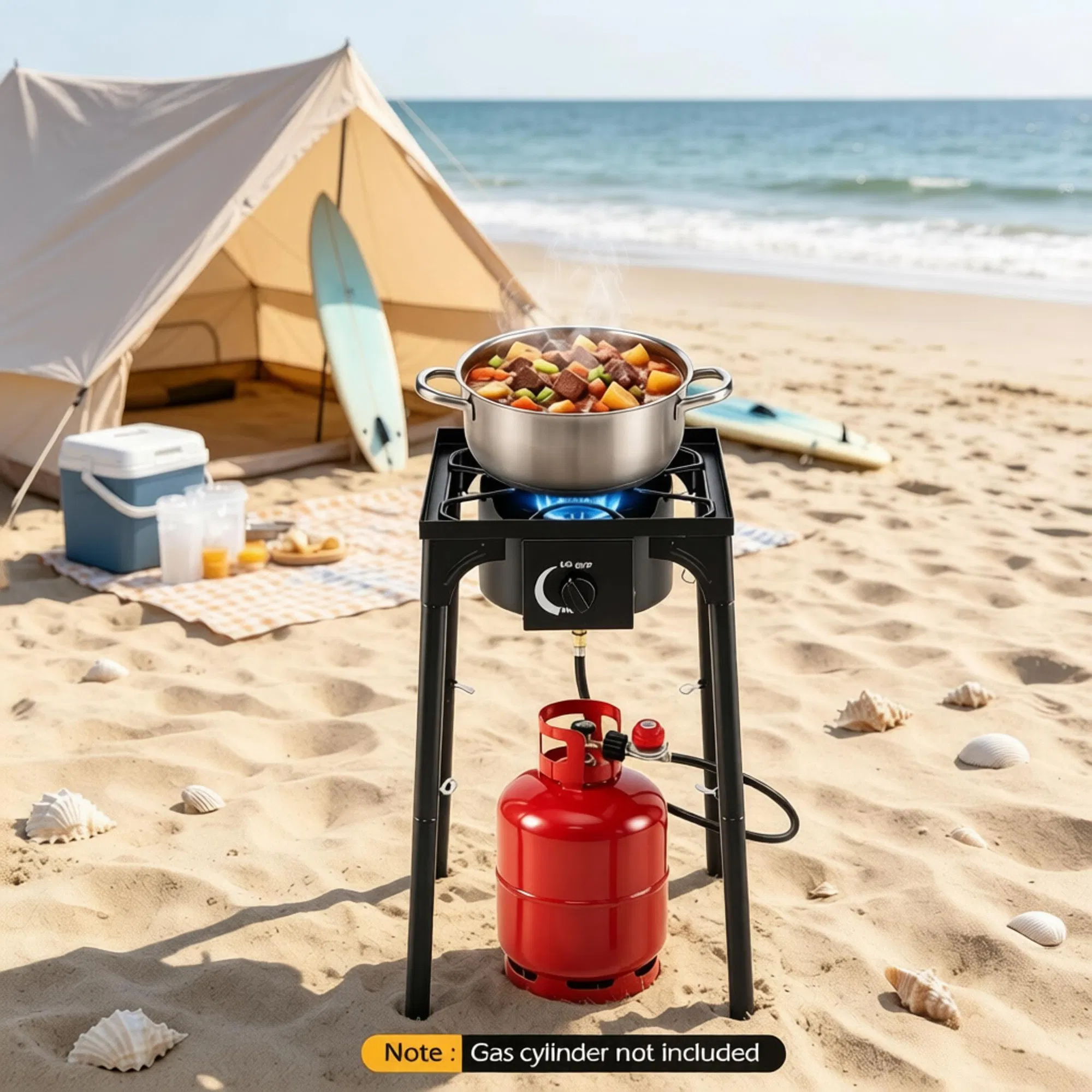 1 Burner Propane Stove 80000 BTU Adjustable Regulator And Hose Camping BBQ Outdoor Cooking Equipment$129.99View on Mallflare
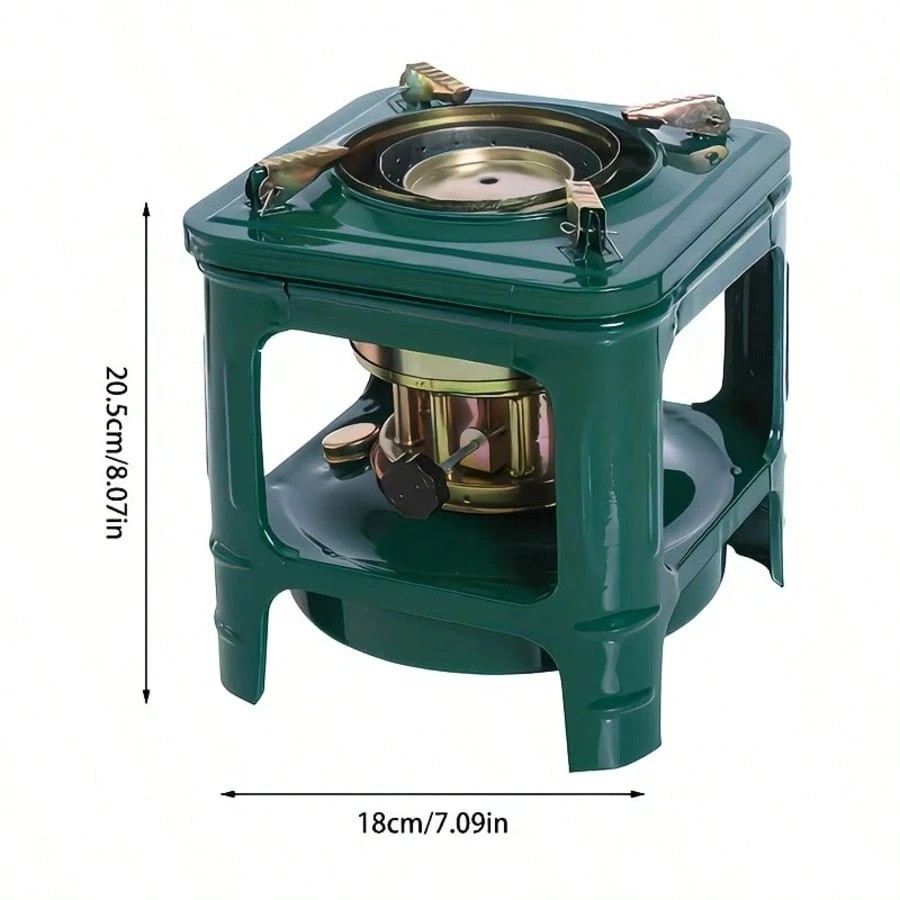 New 16 Core Kerosene Camping Stove Portable Outdoor Cooking Burner Green$20.80View on eBay
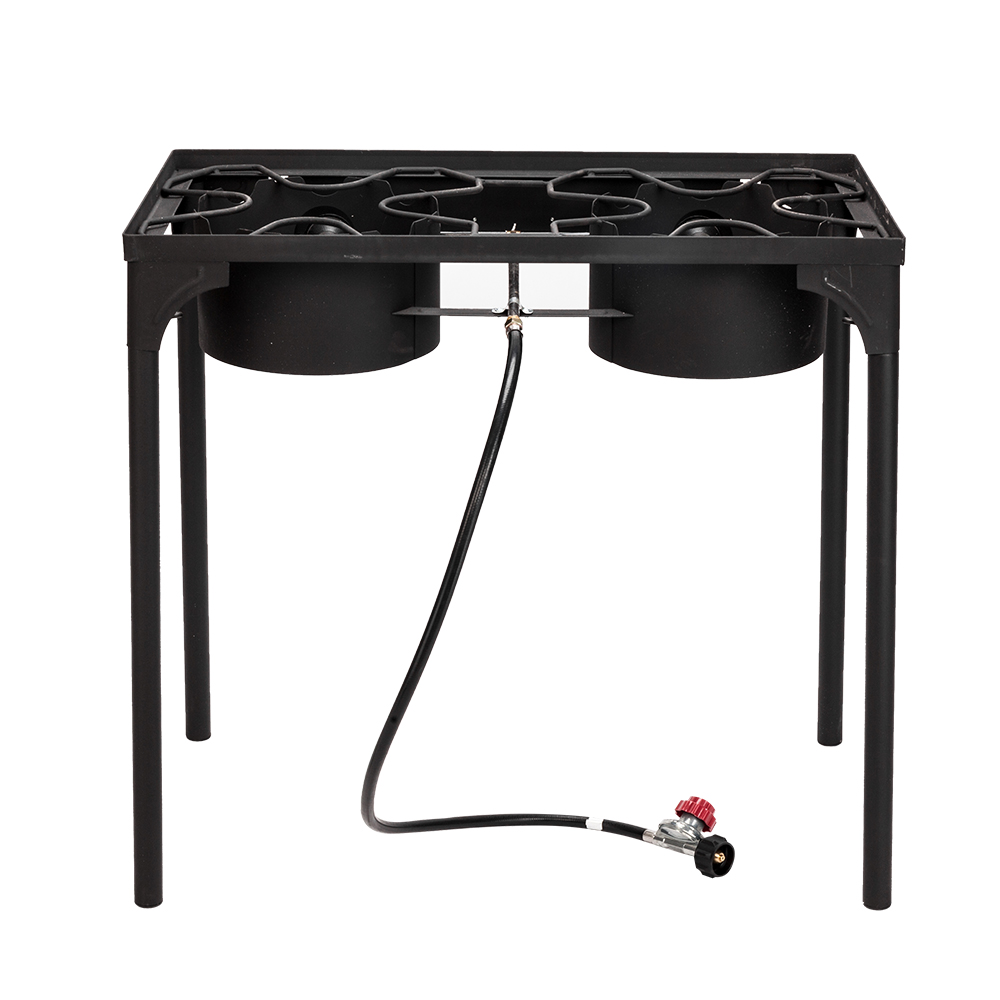 【Replace 1255491】Outdoor Camp Stove High Pressure Propane Gas Cooker Portable Cast Iron Patio Cooking Burner (Double 150000-BTU)$130.99View on Mallflare
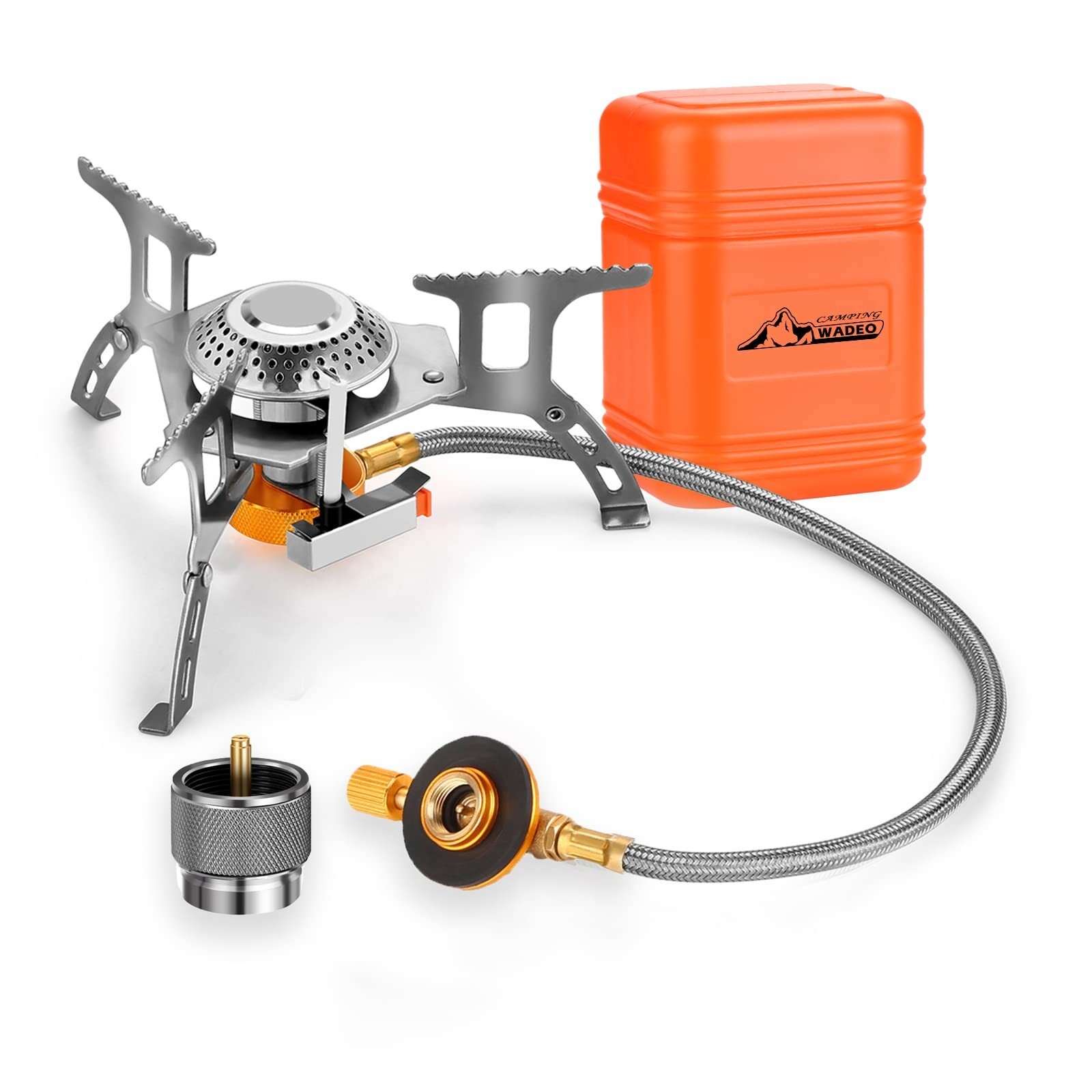 3700W Portable Camping Stove Kit with Accessories for Outdoor Cooking$21.98View on eBay
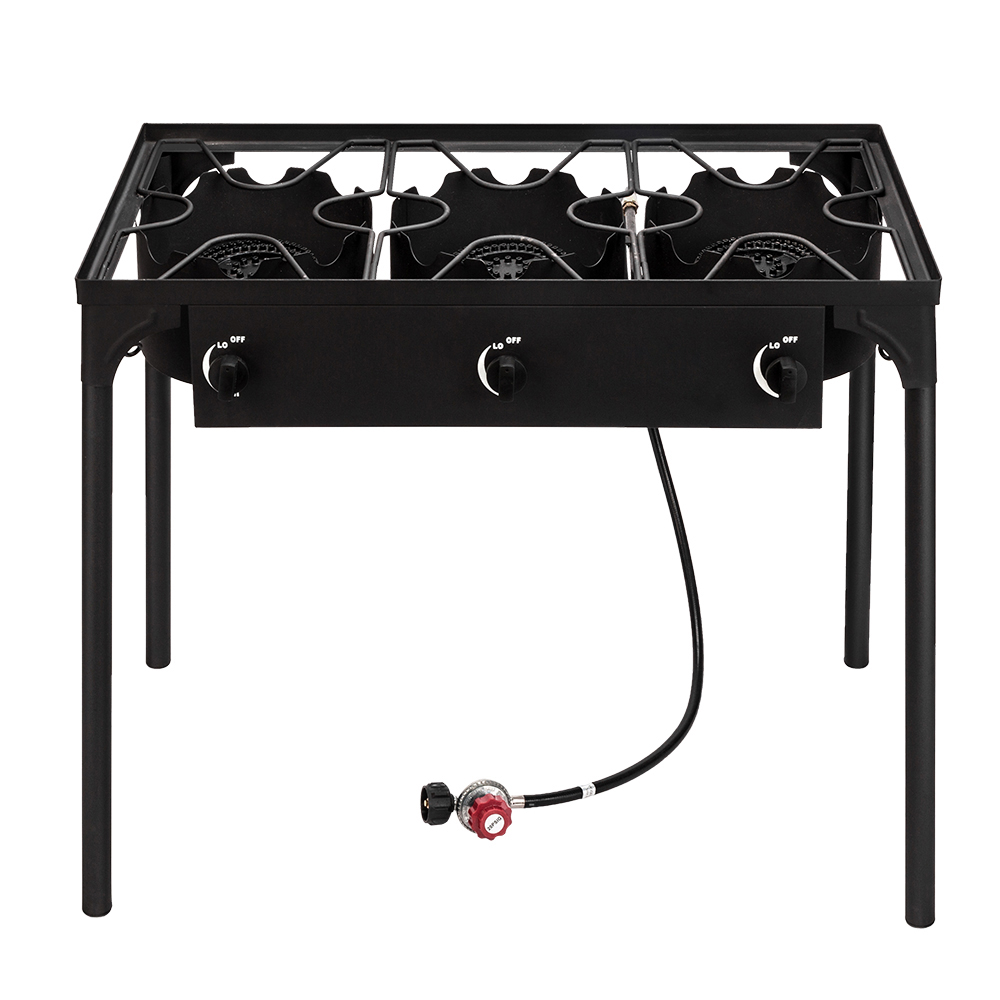 【Replace 15455210】Outdoor Camp Stove High Pressure Propane Gas Cooker Portable Cast Iron Patio Cooking Burner (Three 225000-BTU)$146.99View on Mallflare
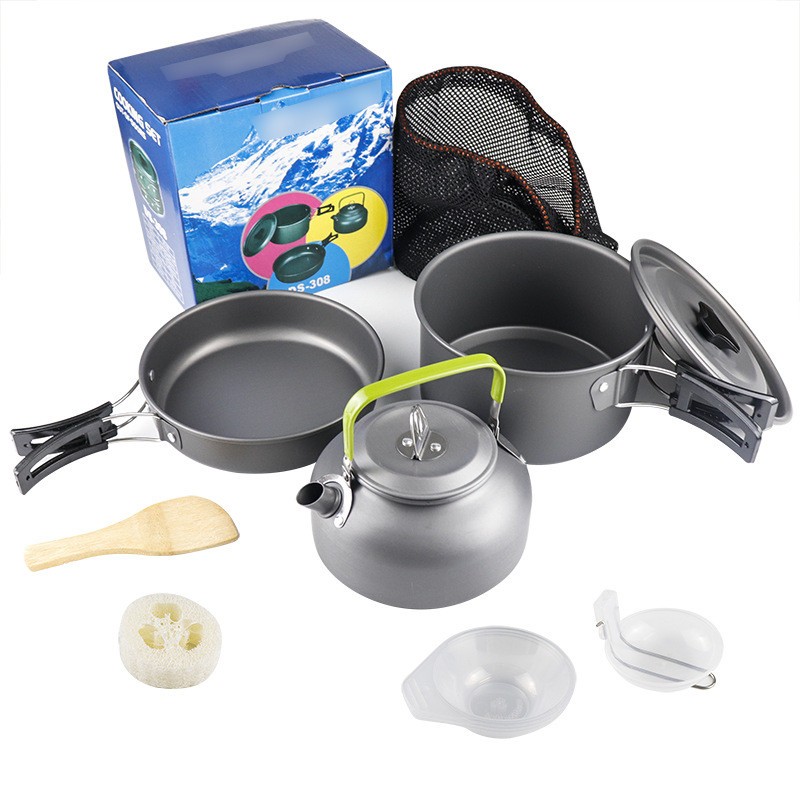 Camping Cooking Ware Set Camping Stove Cookware Aluminum Pot Pan Outdoor$22.91View on eBay
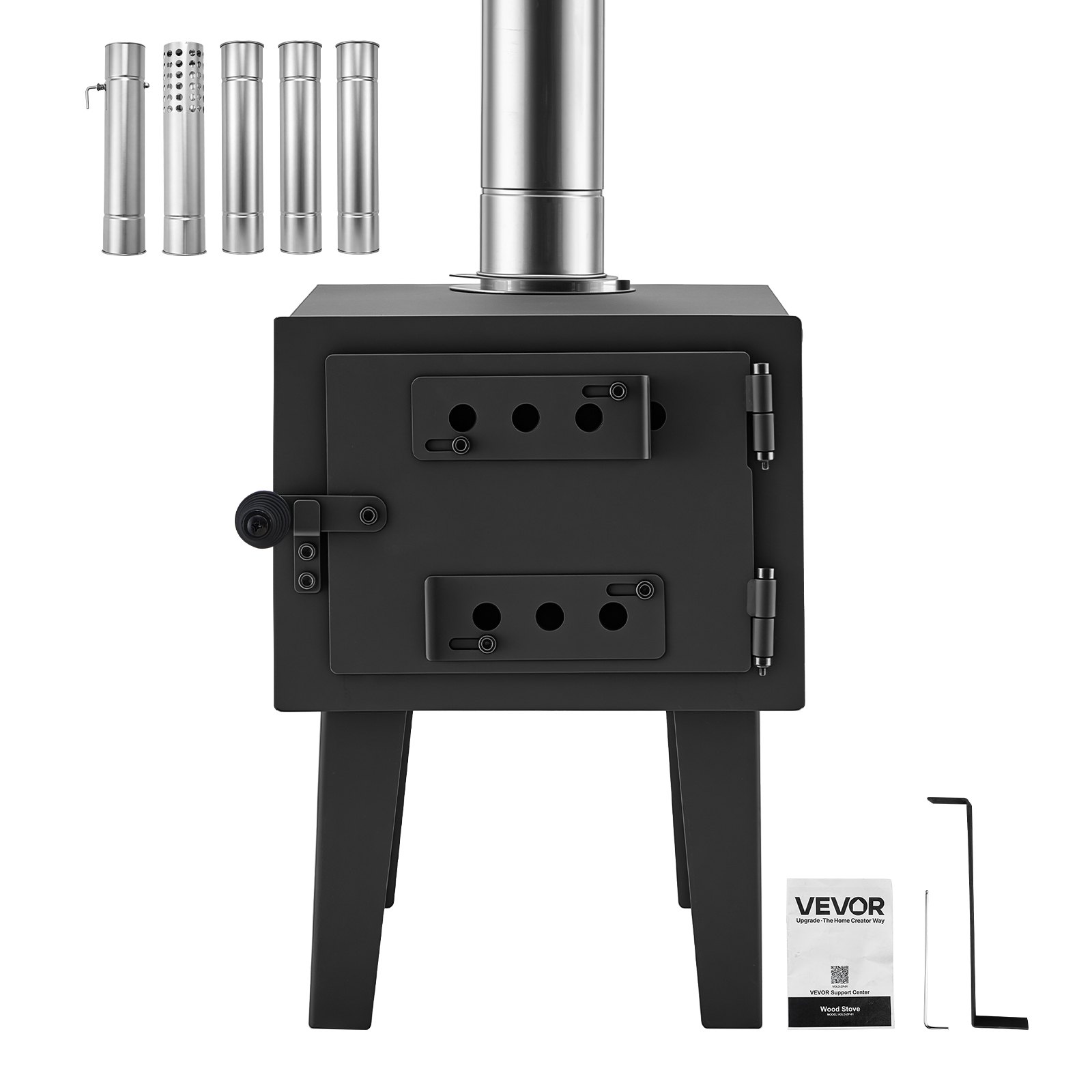 Wood Stove with Dual Sliders Control Burning Camping Tent for Outdoor Heating Cooking Drying, Carbon Steel, Extended Chimney Pipes, Retractable Bracket, and Spark Arrest Tube$170.99View on Mallflare
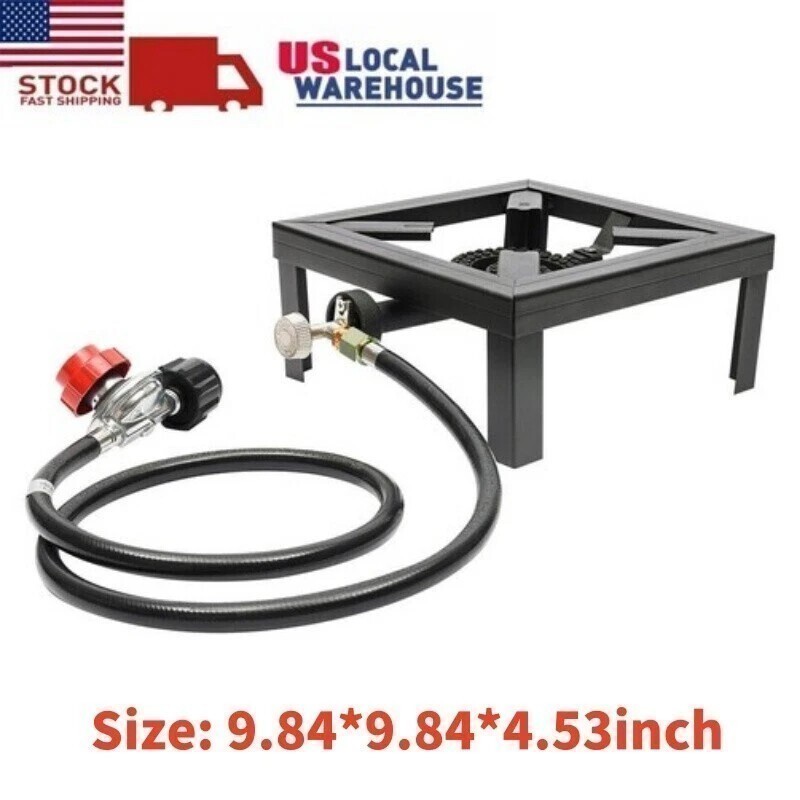 Propane Cooker Burner Stove Gas Outdoor Cooking Camping Stand BBQ Grill & Hose$23.98View on eBay
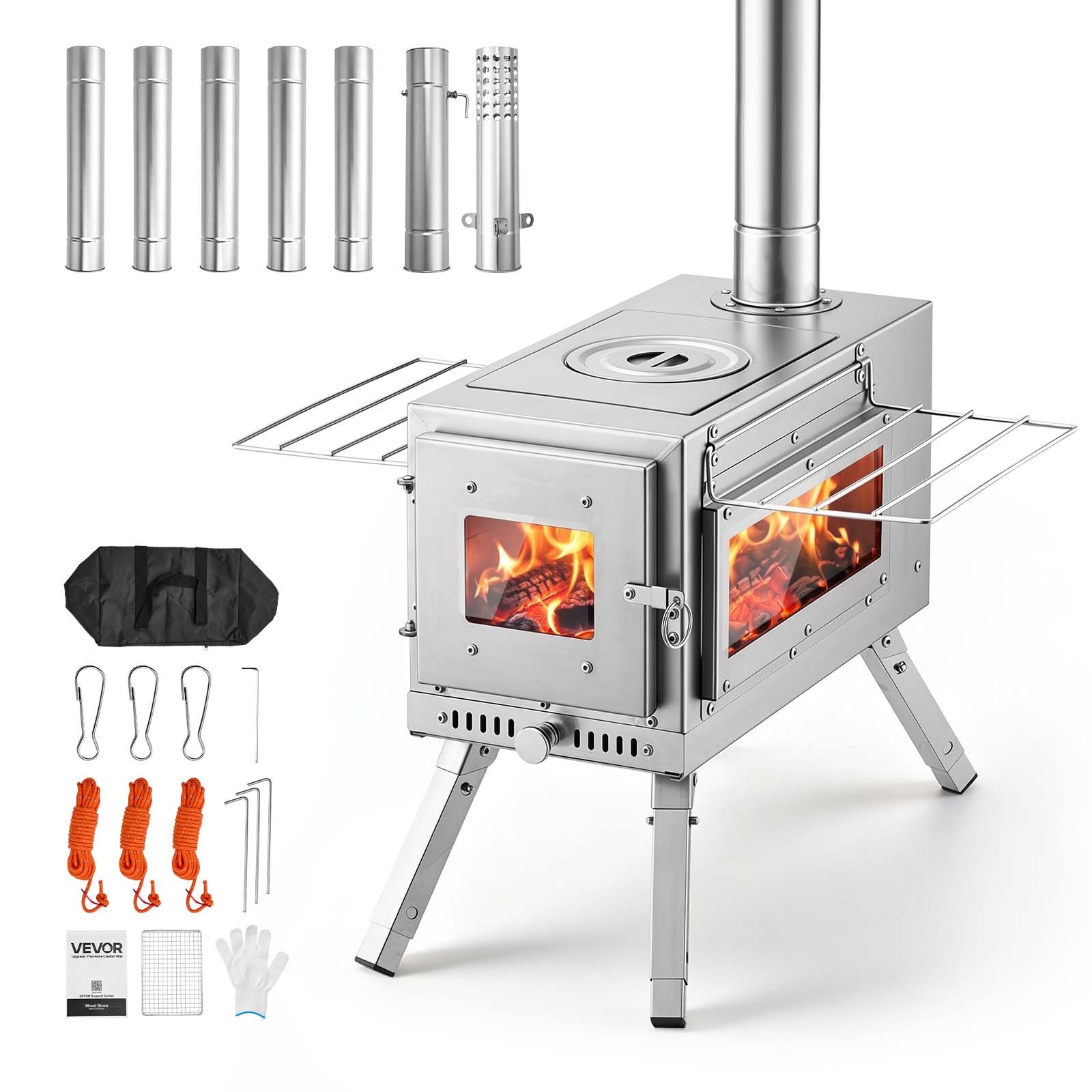 Wood Stove Portable Burning Camping Tent Stainless Steel, for Outdoor Heating Cooking Drying, with Extended Chimney Pipes, Ash Drawer, Heat-Resistant Glass Window, Gloves, Carry Bag$174.99View on Mallflare
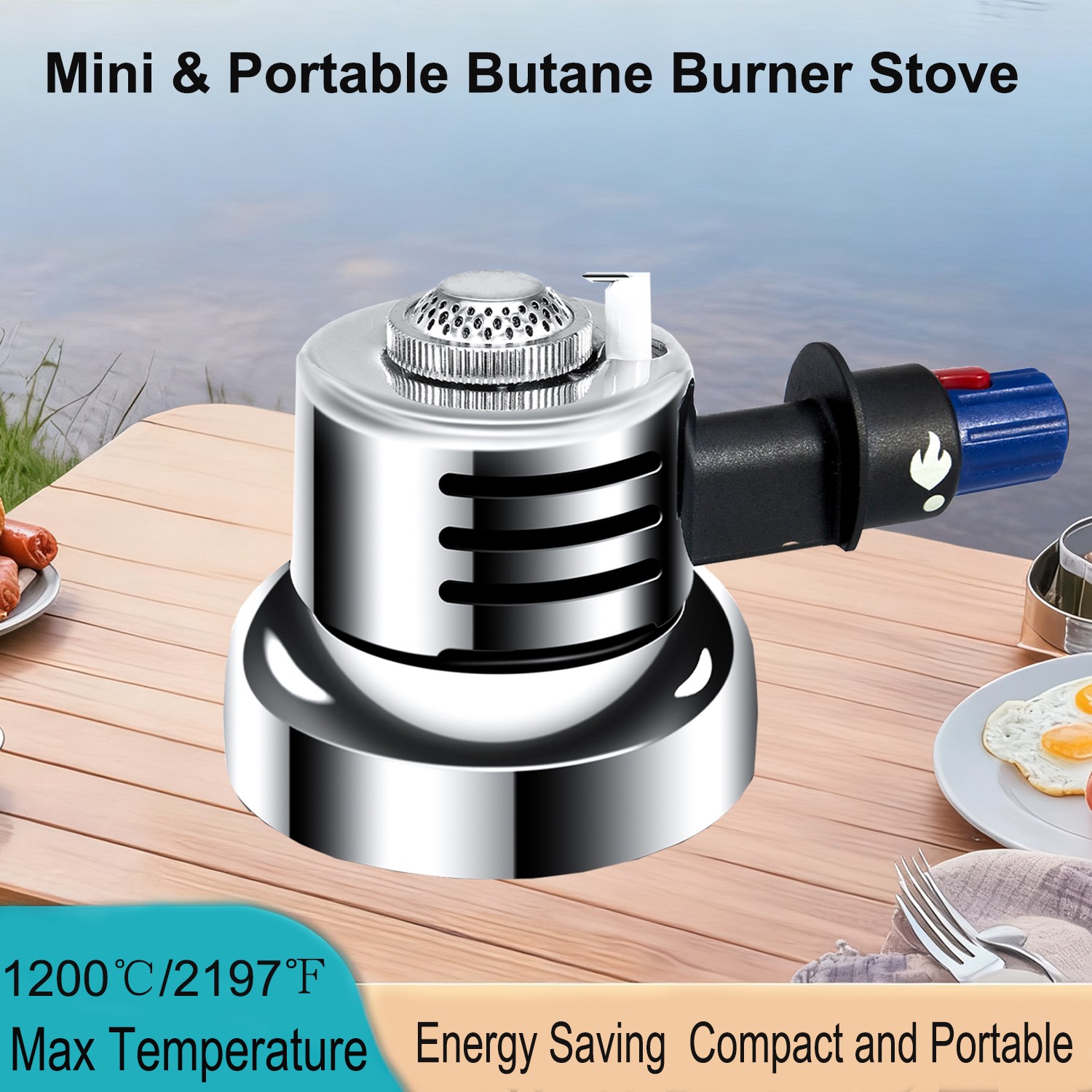 Butane Mini Burner Portable Outdoor Coffee Roaster Syphon Siphon Cooking Stove$23.99View on eBay
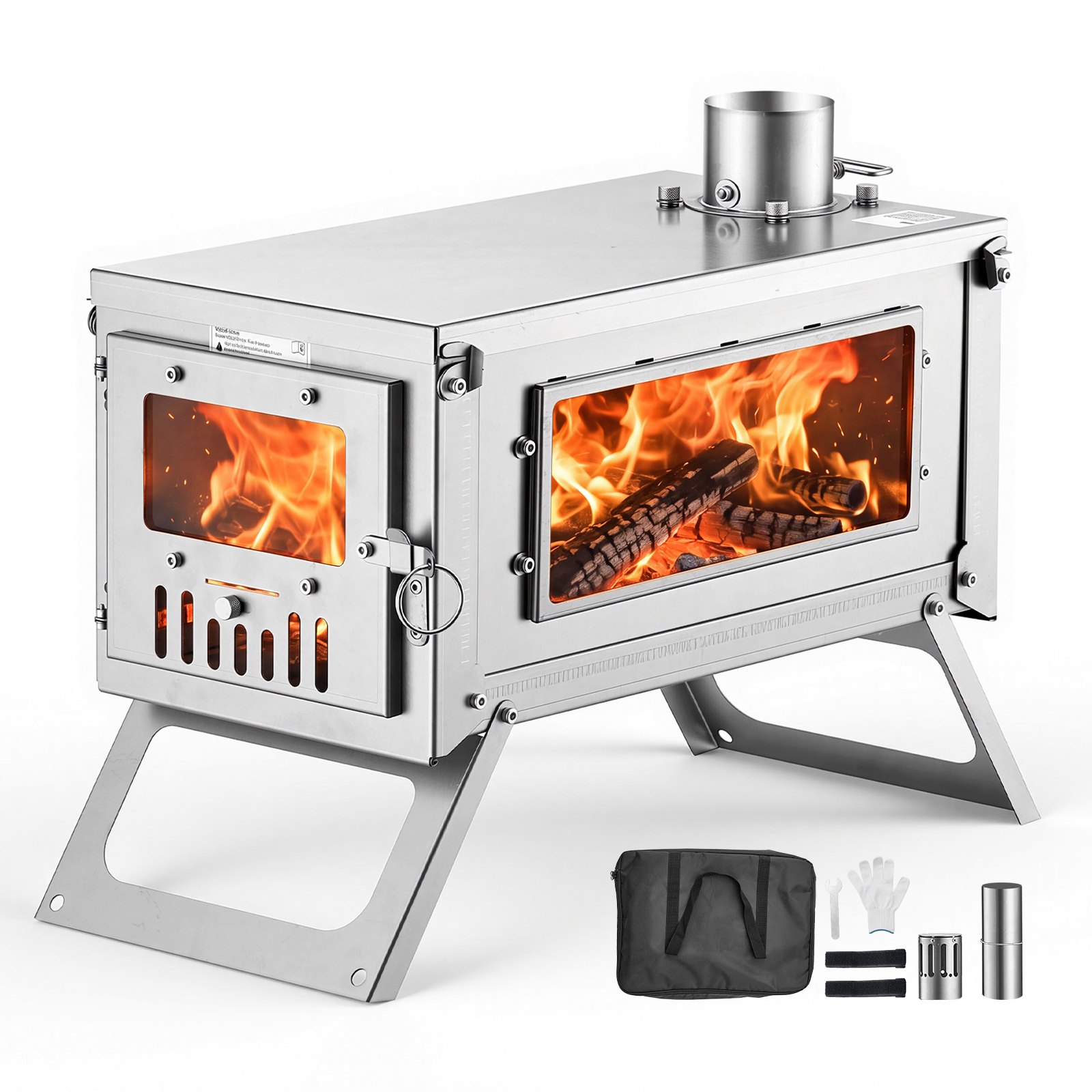 Wood Stove Foldable Portable Titanium Burning Camping Tent for Outdoor Heating and Cooking, 7.05 lbs Lightweight, with Telescopic Retractable Chimney and Heat-Resistant Glass Window$243.99View on Mallflare
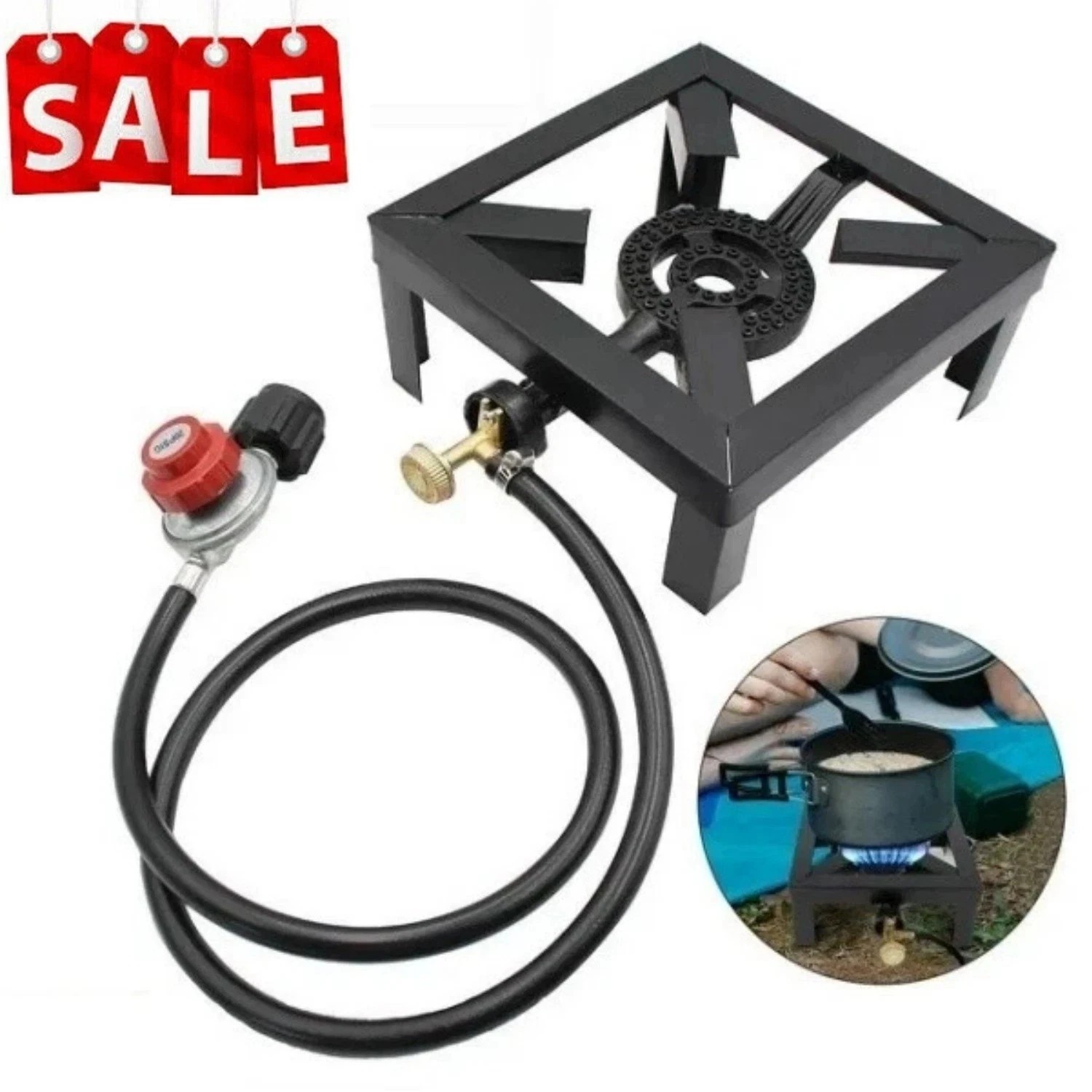 High Output Propane Outdoor Burner Single Stove Heavy Duty Camping Cooking Gas$24.85View on eBay
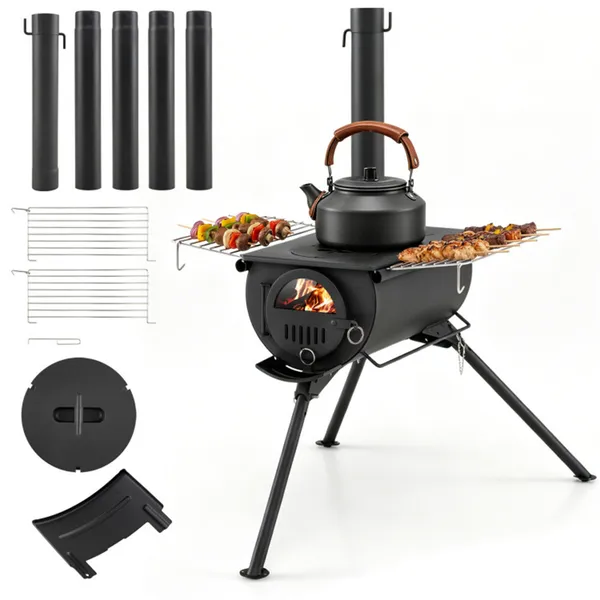 Portable Foldable Wood Burning Tent Stove With 5 Sections Chimney, Heavy Duty Carbon Steel Camping View Window & Cooking Racks For Outdoor Hunting$244.99View on Mallflare
 Propane Cooker Burner Stove Gas Outdoor Cooking Camping Stand BBQ Grill & Hose$24.86View on eBay
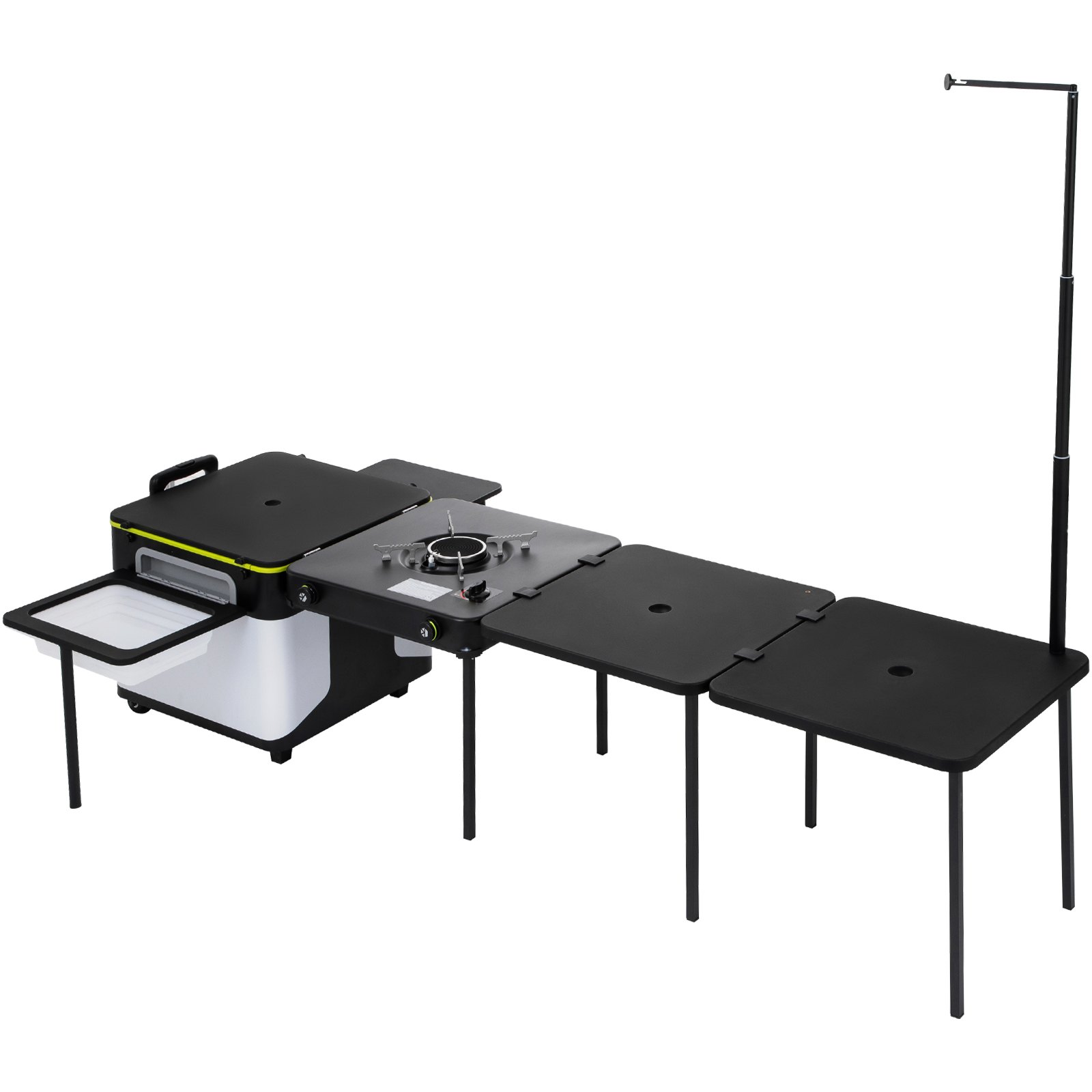 Outdoor Mobile Kitchen, Portable Multifunctional Camp Box With Wheels All In One Integrated Cooking Station Windproof Stove, Folding Tables Storage Organizer, Black$260.99View on Mallflare
Highlights
- Propane burners are rated in BTU/hr: single-burner camp stoves run 8,000-80,000 BTU, while high-pressure cast-iron patio burners reach 150,000-225,000 BTU and require a regulated hose and tank.
- Canister stoves use isobutane/propane mix cartridges; output is typically 2,500-4,000W, and cold-weather performance drops sharply below freezing unless using a preheat or inverted-canister design.
- Wood-burning tent stoves are built from stainless or carbon steel (typically 1-2mm wall) and rely on chimney draft; carbon steel needs seasoning, while stainless resists rust but weighs more.
- Folding canister and wood stoves pack to 1-3 lb and 7-10 inches, while cast-iron propane burners weigh 15-40 lb and are transport-only, not backpacking.
Best use cases
- Car camping and tailgating with large groups: choose a high-pressure propane burner (single or double) with a regulated hose, cast-iron grates, and 50,000+ BTU per burner; skip ultralight canister stoves.
- Backpacking and solo trips: pick a 2,500-3,700W canister stove under 4 oz with piezo ignition and a folding pot support; skip wood stoves and multi-burner propane units.
- Cold-weather tent heating and cooking: select a wood-burning stove with extended chimney pipes, spark arrestor, and a heat-resistant glass window; skip canister stoves that lose pressure below 32°F.
- Emergency or off-grid cooking with no fuel supply: a wood-burning folding stove or rocket stove runs on twigs and biomass; skip propane if you cannot store pressurized cylinders.
Buying tips
- Match BTU to pot size: 8,000-12,000 BTU suits 1-2L pots; 50,000+ BTU is needed for woks, large stockpots, and rapid boiling of 5+ gallons.
- For canister stoves, check the valve type: threaded (EN 417) is standard for international cartridges; pierceable or Lindal valves limit you to specific brands and regions.
- Wood stove steel gauge matters: 1.5-2mm stainless or carbon steel resists warping; thinner 1mm shells deform after repeated high-heat cycles and leak smoke at seams.
- Propane hose and regulator must match your tank: a 0-20 PSI adjustable regulator with a 3/8-inch flare fitting is common for high-pressure burners; low-pressure stoves use a 1 PSI regulator.
Specs
| Stove Type | Canister / Propane / Wood / Multi-fuel |
|---|---|
| Burner Output | 2,500-225,000 BTU/hr |
| Body Material | Stainless / Carbon steel / Cast iron / Aluminum |
| Packed Weight | 1-4 lb (canister) / 15-40 lb (propane) |
Related searches
What to check before buying
- Measure your cooking zone and pack space: propane burners need 12-24 inches of clearance per burner, while folding wood stoves require a flat, non-combustible surface and 3+ feet of chimney clearance.
- Confirm fuel availability: propane requires a refillable tank (5-20 lb) and a compatible hose; canister stoves need EN 417 cartridges; wood stoves need dry, split wood under 2-inch diameter.
- Check local fire regulations: open-flame wood stoves and high-BTU propane burners are banned in some parks and fire bans; canister stoves with enclosed flames are more widely permitted.
- For tent heating, verify your tent has a stove jack (heat-resistant fabric port) sized to the chimney pipe diameter (typically 2.5-3 inches) and adequate ventilation.
FAQ
Data sources: eBay / Amazon listings and product attribute feeds Data updated Nov 16, 2026.
Some links on this page are affiliate links. If you buy after clicking one, we may earn a commission at no extra cost to you. This does not change which products appear here or their order. Affiliate disclosure.