Photos from current listings. Actual item, color, and included accessories may vary.
Outdoor Gas Stove Buying Guide
Outdoor gas stoves split into two distinct architectures: portable butane/propane camp stoves for backpacking and car camping, and high-output cast-iron propane burners for patio, tailgate, and large-pot cooking. The core trade-off is portability versus BTU output and wind stability—compact stoves prioritize pack weight while burner stands prioritize raw heat and durability. Buy a portable stove if you need to boil water for 1–4 people on the trail; buy a high-pressure burner stand if you're cooking for groups, using large pots, or need 100,000+ BTU.

At a glance
- Category
- Camp Kitchen & Stoves
- Data updated
- Nov 16, 2026
Current offers
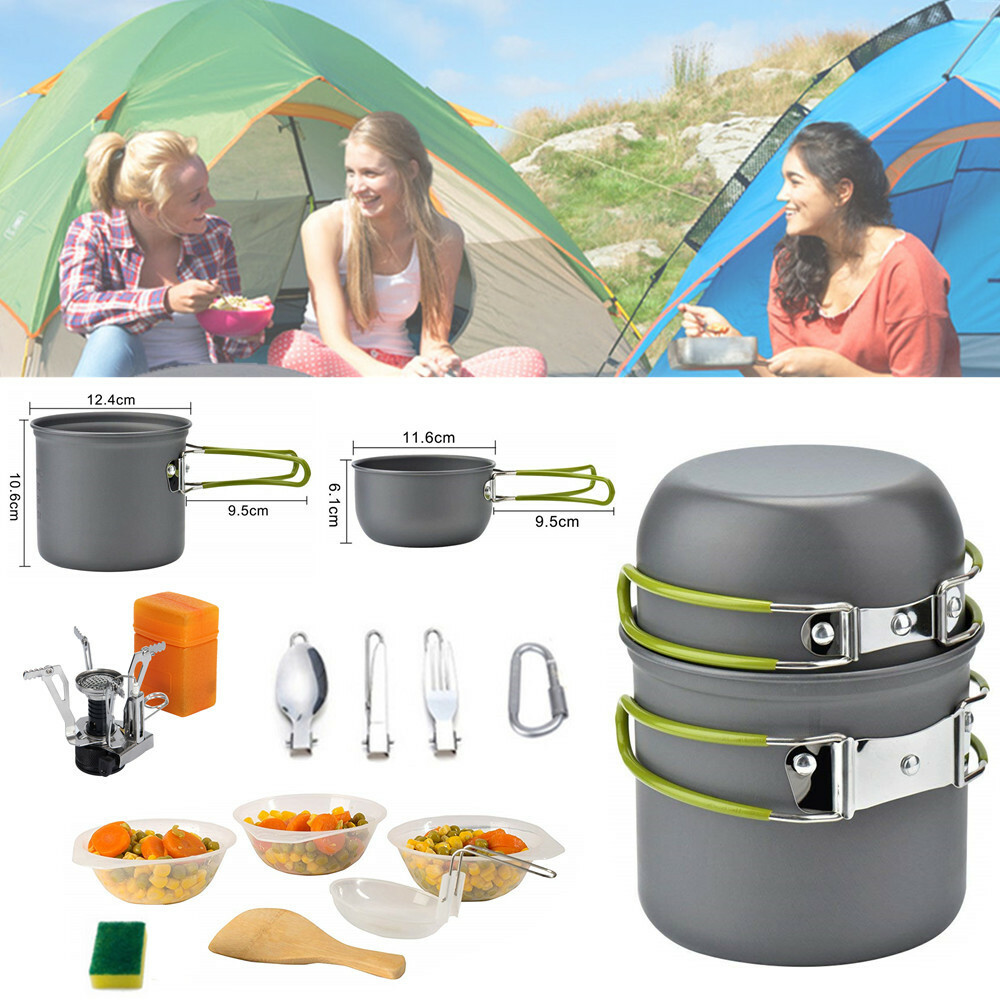 Portable Gas Camping Stove Butane Propane Burner Outdoor Hiking Picnic+Cookware$23.62
 View on eBay
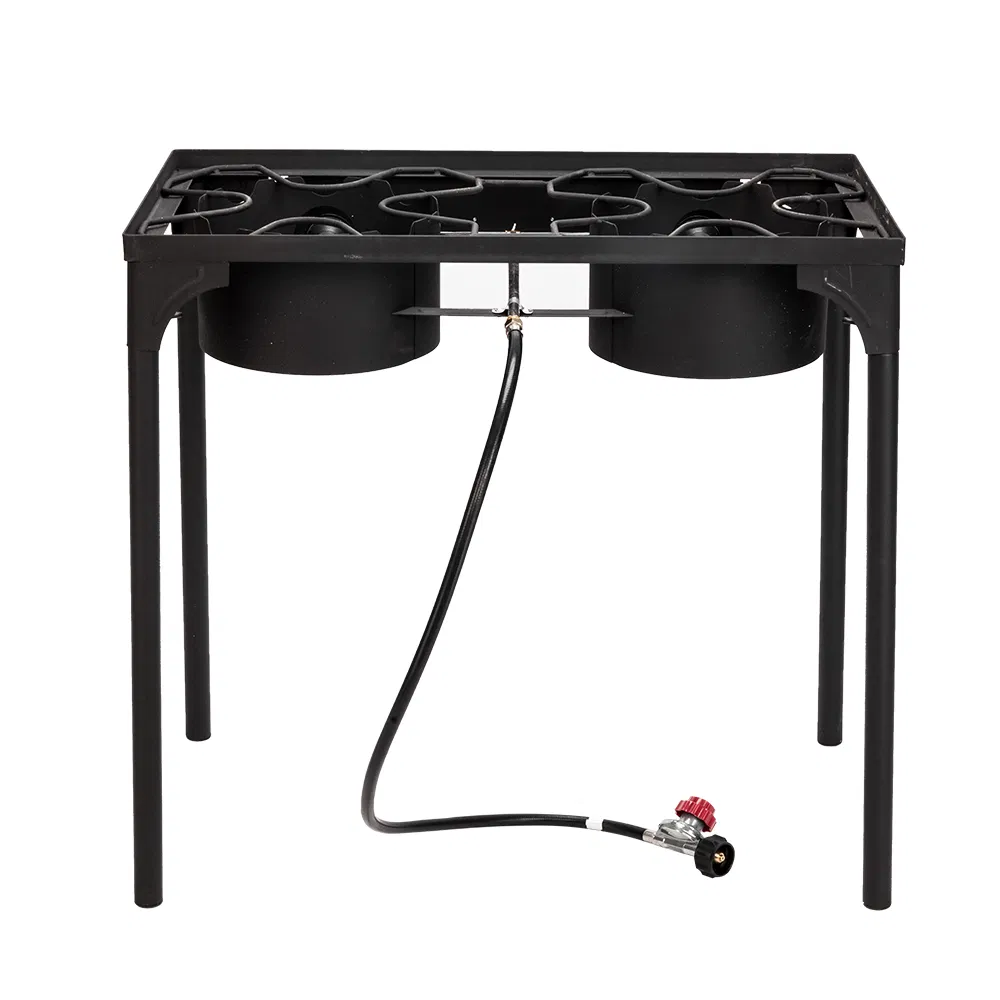 Outdoor Camp Stove High Pressure Propane Gas Cooker Portable Cast Iron Patio Cooking Burner (Double 150000-BTU)$108.99
 View on Mallflare
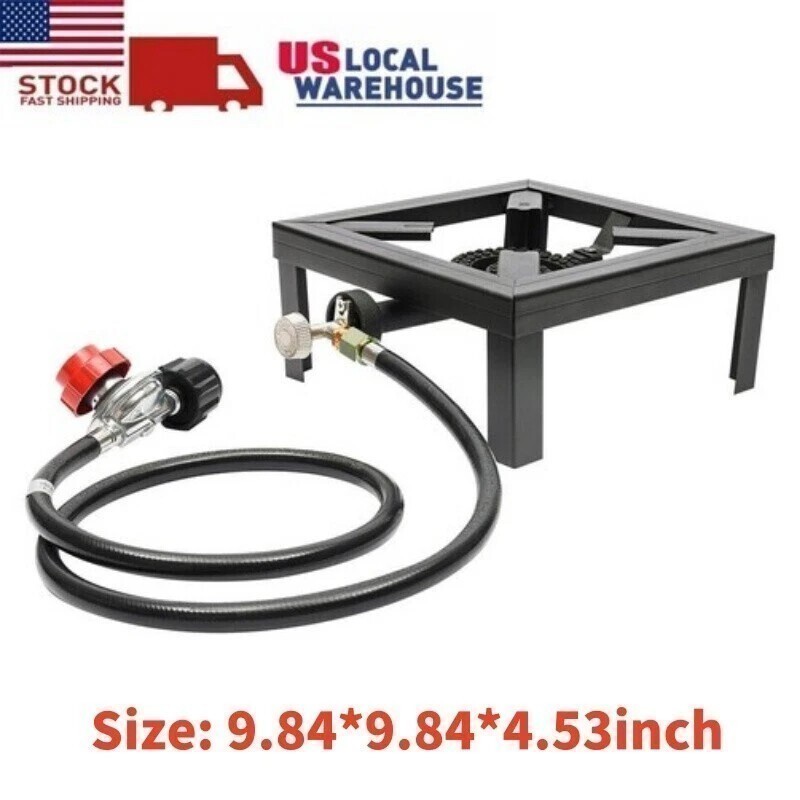 Propane Cooker Burner Stove Gas Outdoor Cooking Camping Stand BBQ Grill & Hose$23.98View on eBay
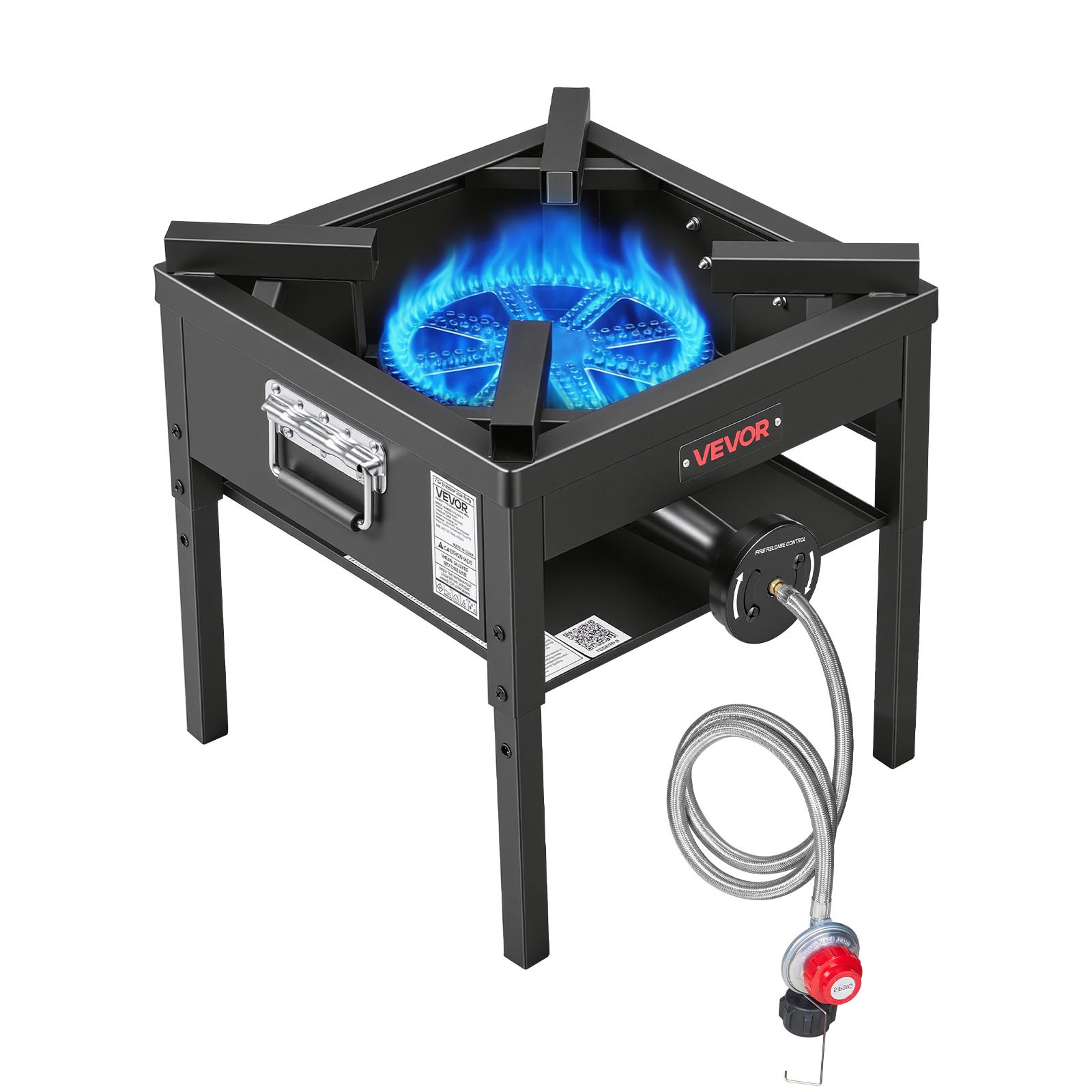 Single Burner Outdoor Propane Gas Stove, 200,000 BTU LPG Gas Camping Heavy Duty Carbon Steel Cooker, With Shield & 20 PSI Regulator, For BBQ Camp Home Patio Seafood Boil$115.99View on Mallflare
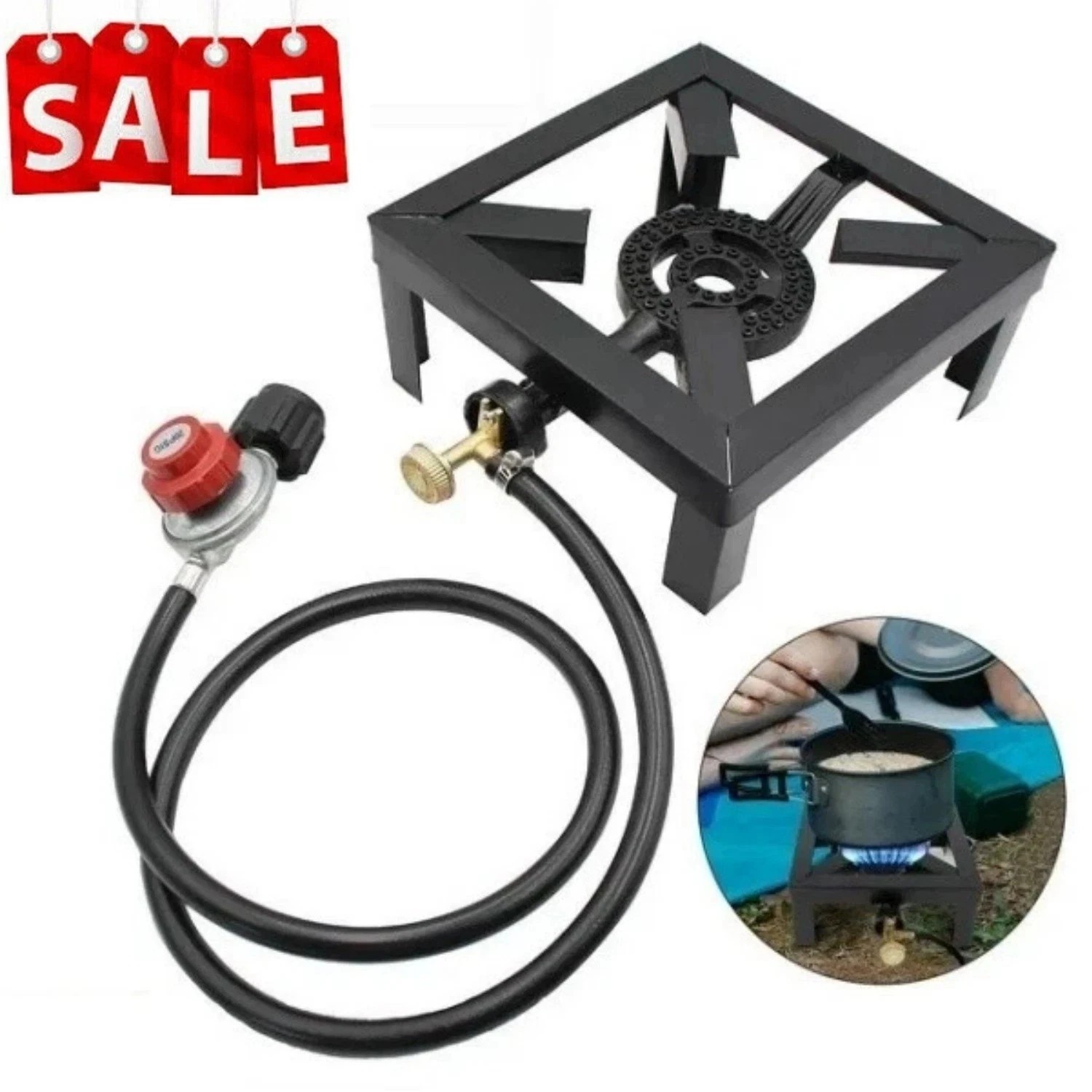 High Output Propane Outdoor Burner Single Stove Heavy Duty Camping Cooking Gas$24.85View on eBay
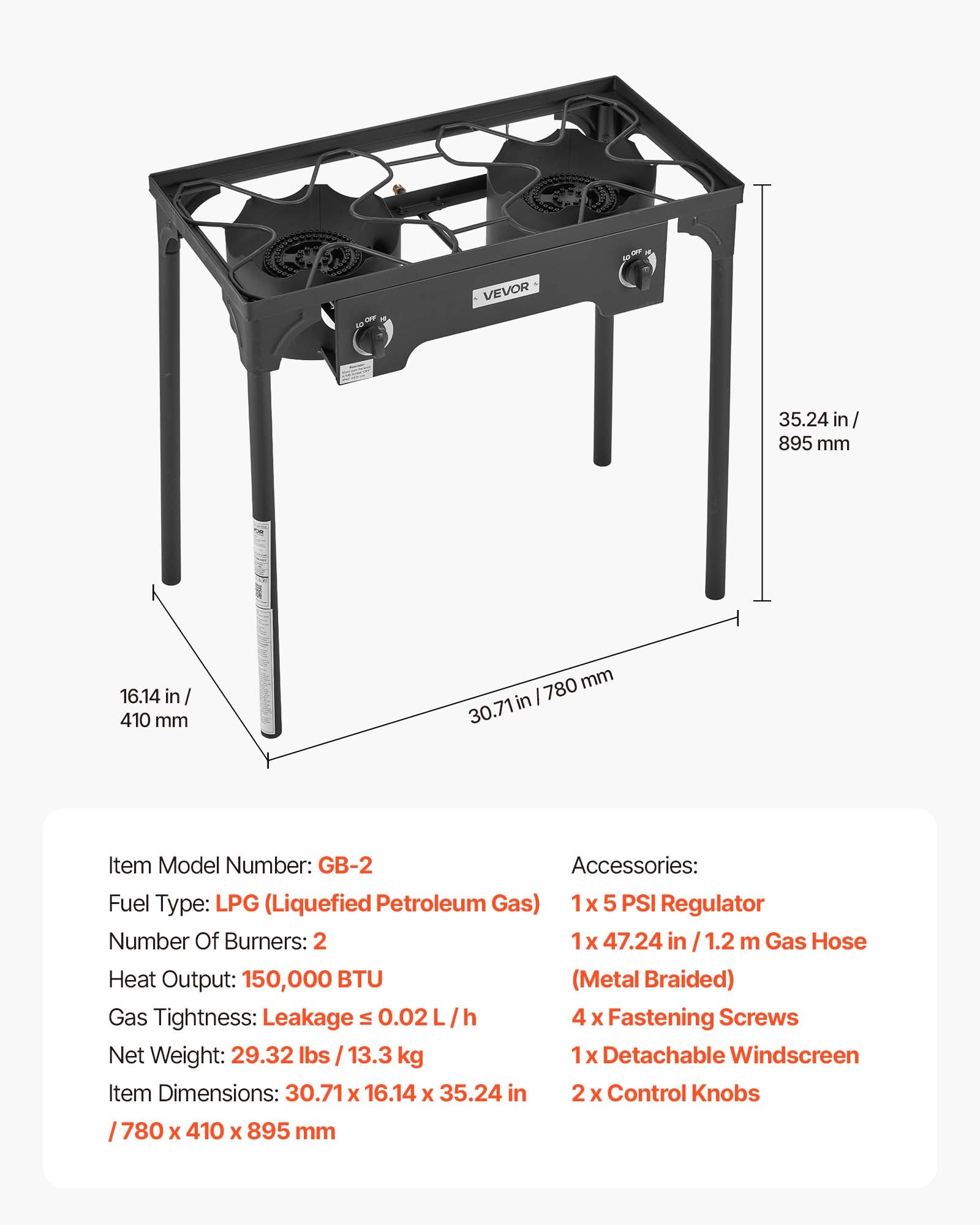 2 Burner Outdoor Propane Gas Stove, 150,000 BTU LPG Gas Camping Heavy Duty Carbon Steel Cooker, With Shield & Tall Stand & PSI Regulator, For BBQ Camp Home Patio Backyard$118.99View on Mallflare
 Propane Cooker Burner Stove Gas Outdoor Cooking Camping Stand BBQ Grill & Hose$24.86View on eBay
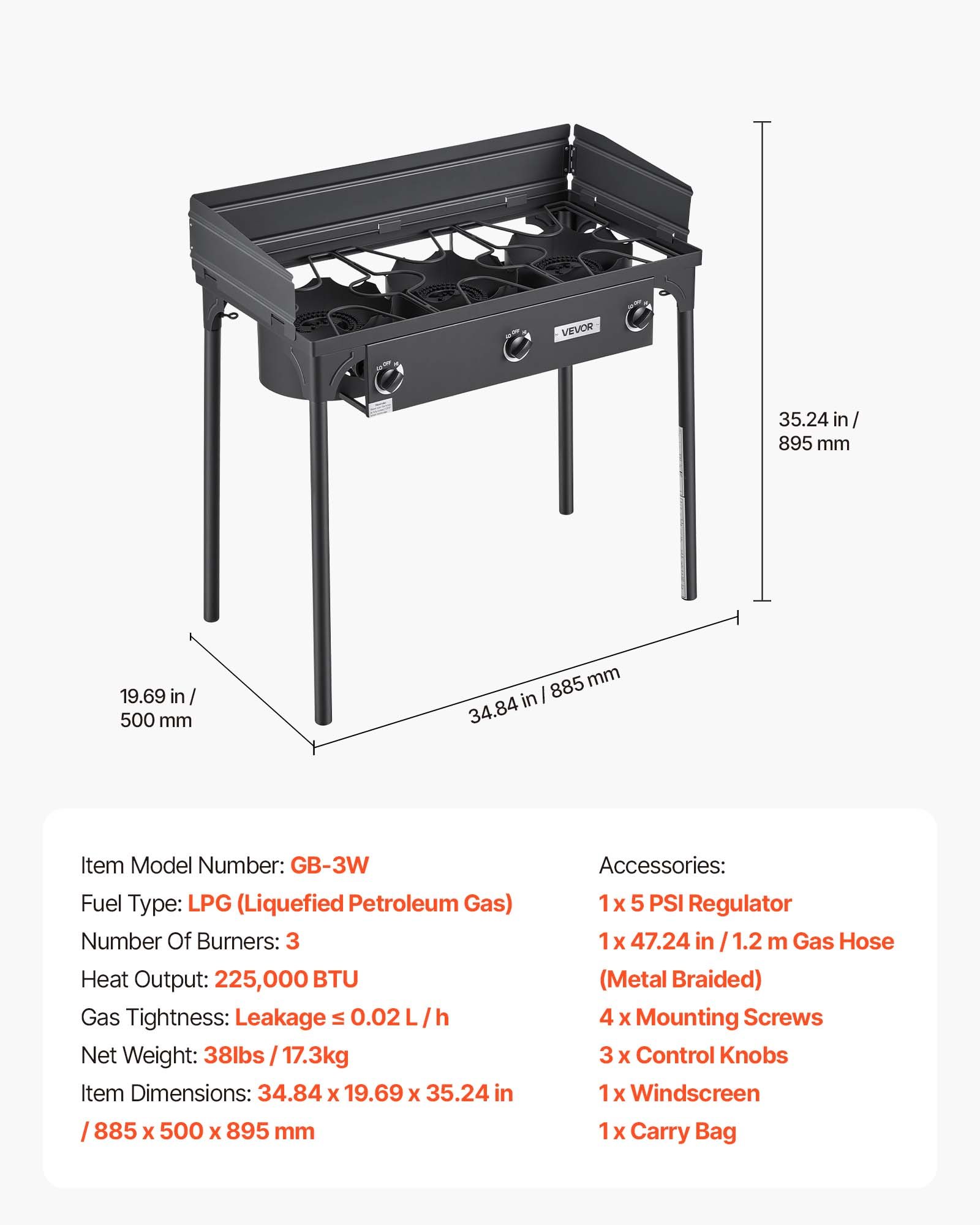 3 Burner Outdoor Propane Gas Stove, 225,000 BTU LPG Gas Camping Heavy-duty Carbon Steel Cooker, With Shield & Tall Stand & Regulator, For BBQ Camp Home Patio Backyard$125.99View on Mallflare
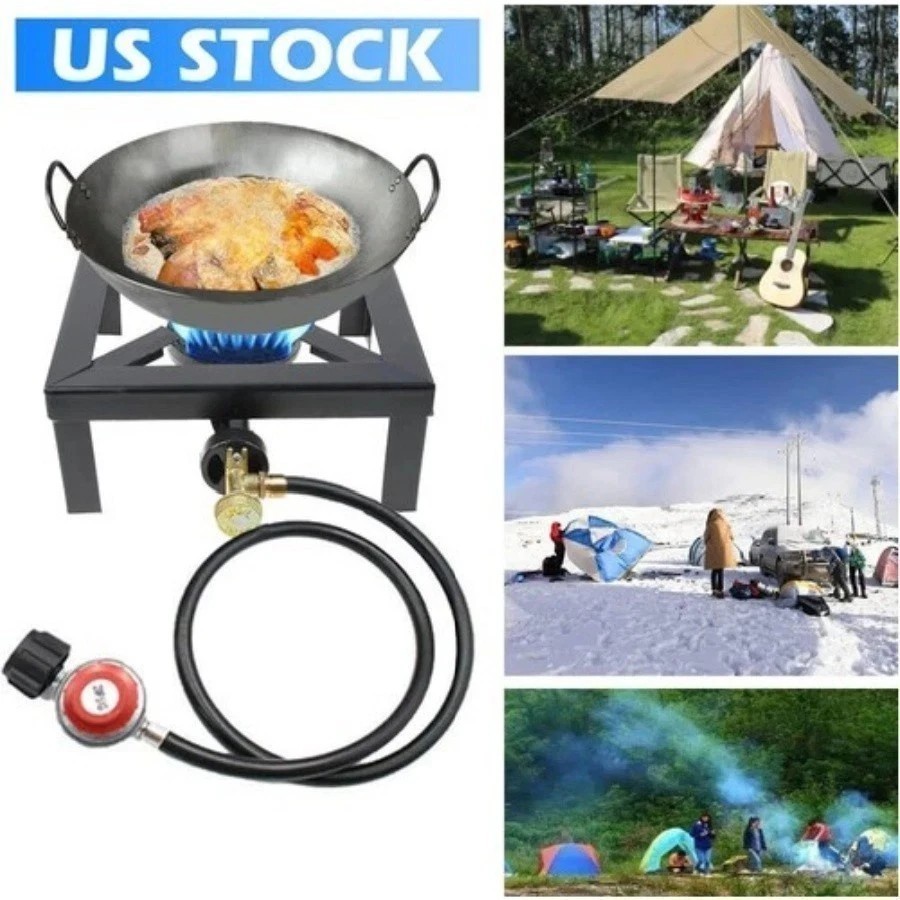 Propane Cooker Burner Stove Gas Outdoor Cooking Camping Stand BBQ Grill w/ Hose$24.87View on eBay
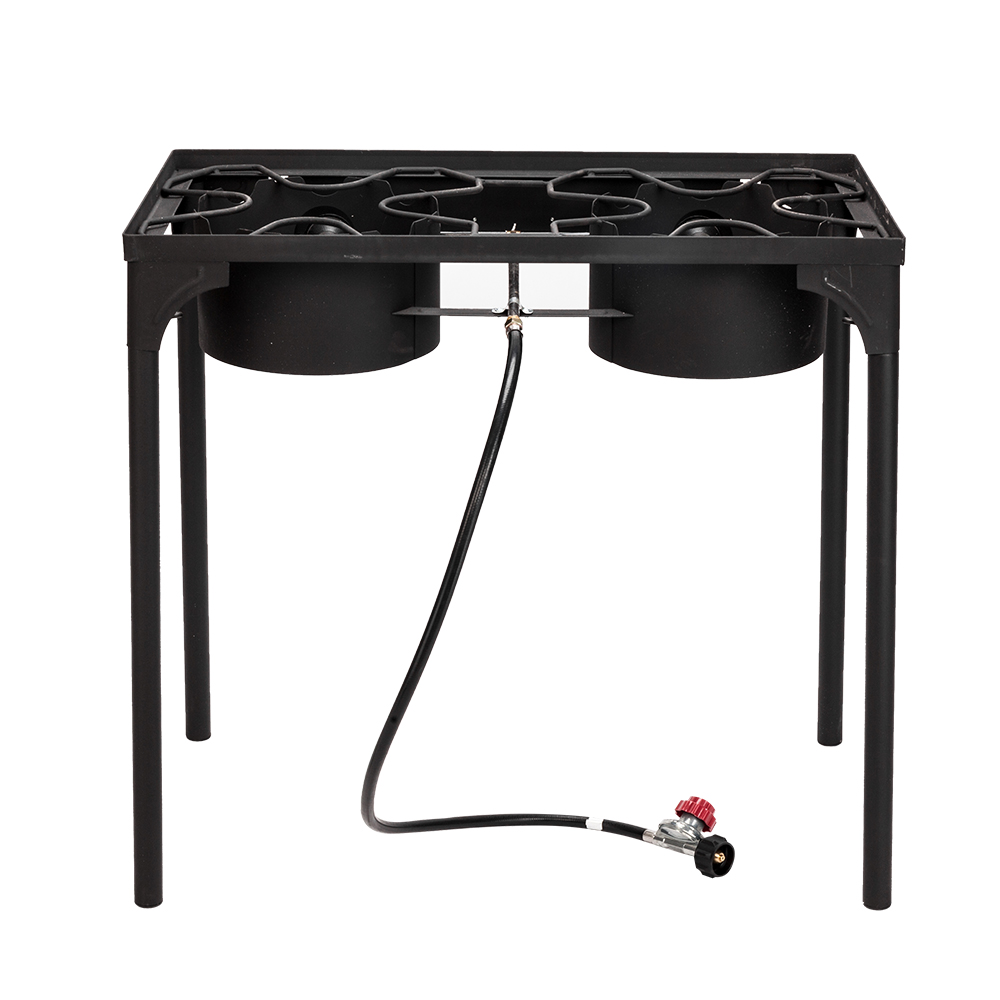 【Replace 1255491】Outdoor Camp Stove High Pressure Propane Gas Cooker Portable Cast Iron Patio Cooking Burner (Double 150000-BTU)$130.99View on Mallflare
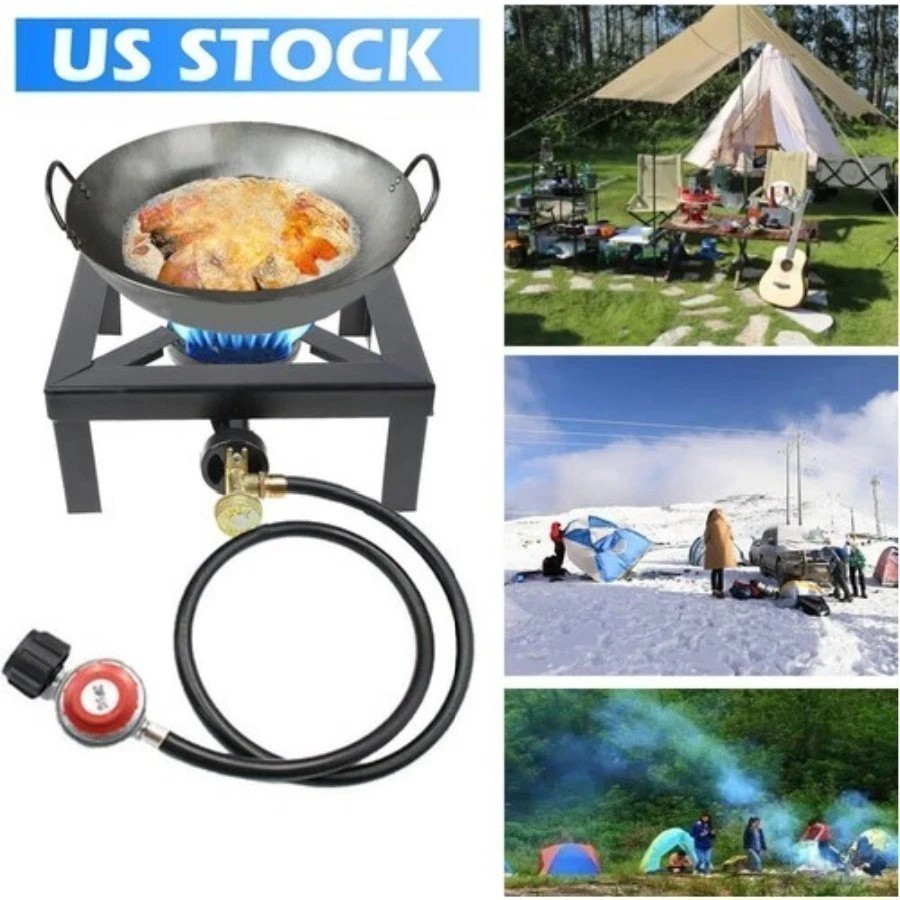 High Output Propane Outdoor Burner Single Stove Heavy Duty Camping Cooking Gas .$24.87View on eBay
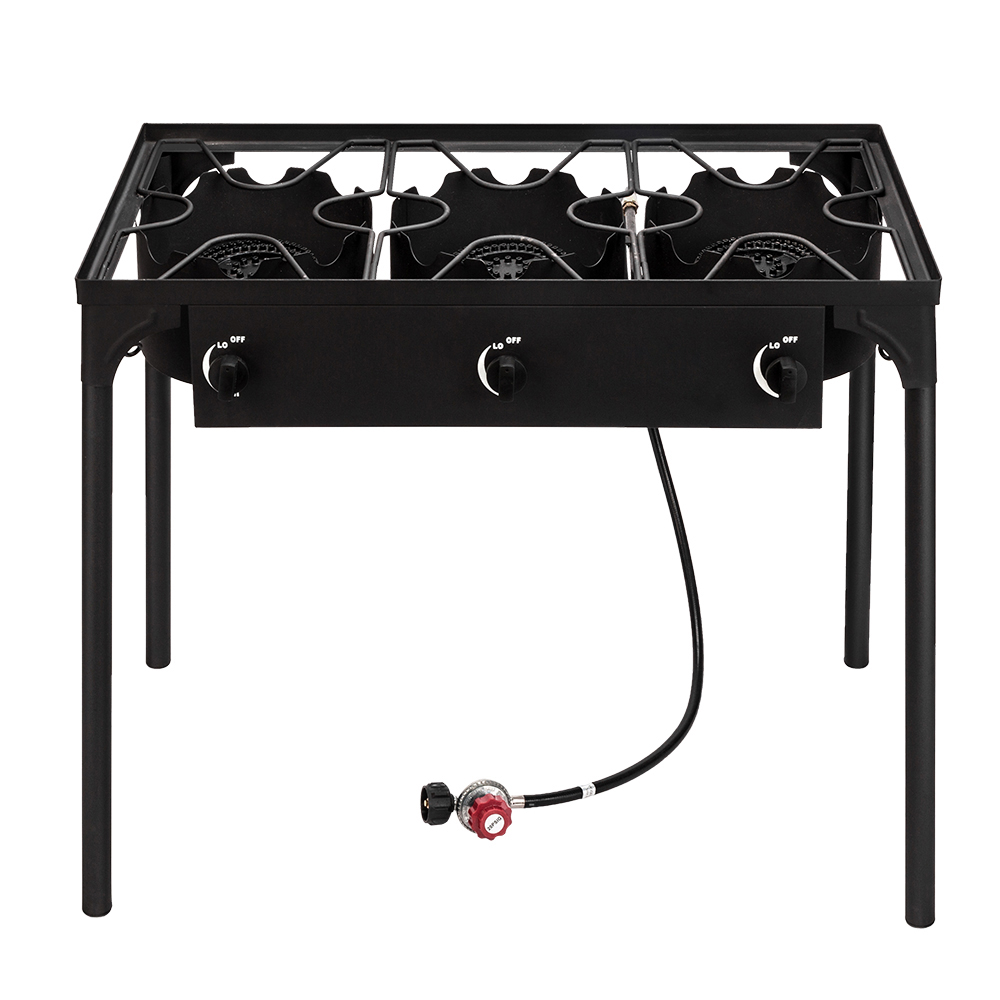 【Replace 15455210】Outdoor Camp Stove High Pressure Propane Gas Cooker Portable Cast Iron Patio Cooking Burner (Three 225000-BTU)$146.99View on Mallflare
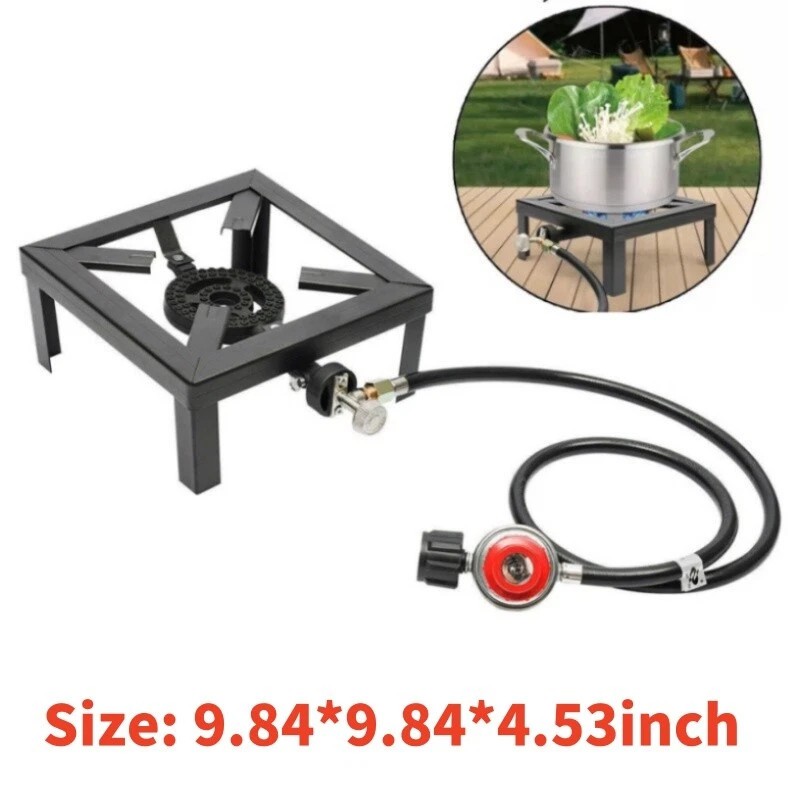 Propane Cooker Burner Stove Gas Outdoor Cooking Camping Stand BBQ Grill w/ Hose$26.88View on eBay
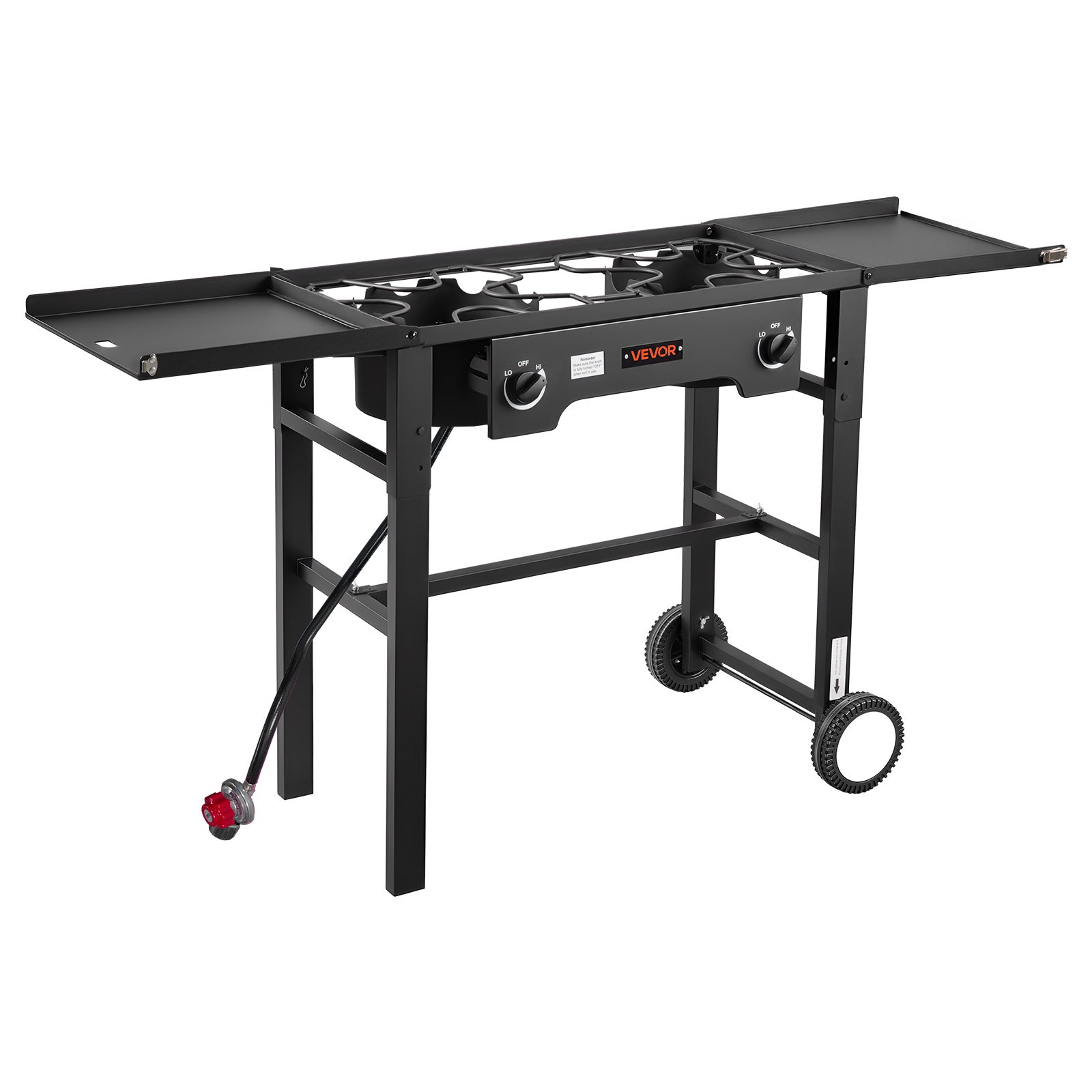 2 Burner Outdoor Propane Gas Stove, 150,000 BTU LPG Gas Camping Foldable Heavy-duty Carbon Steel Cooker, With Wheels & Shield & 20 PSI Regulator, For BBQ Camp Home Patio$182.99View on Mallflare
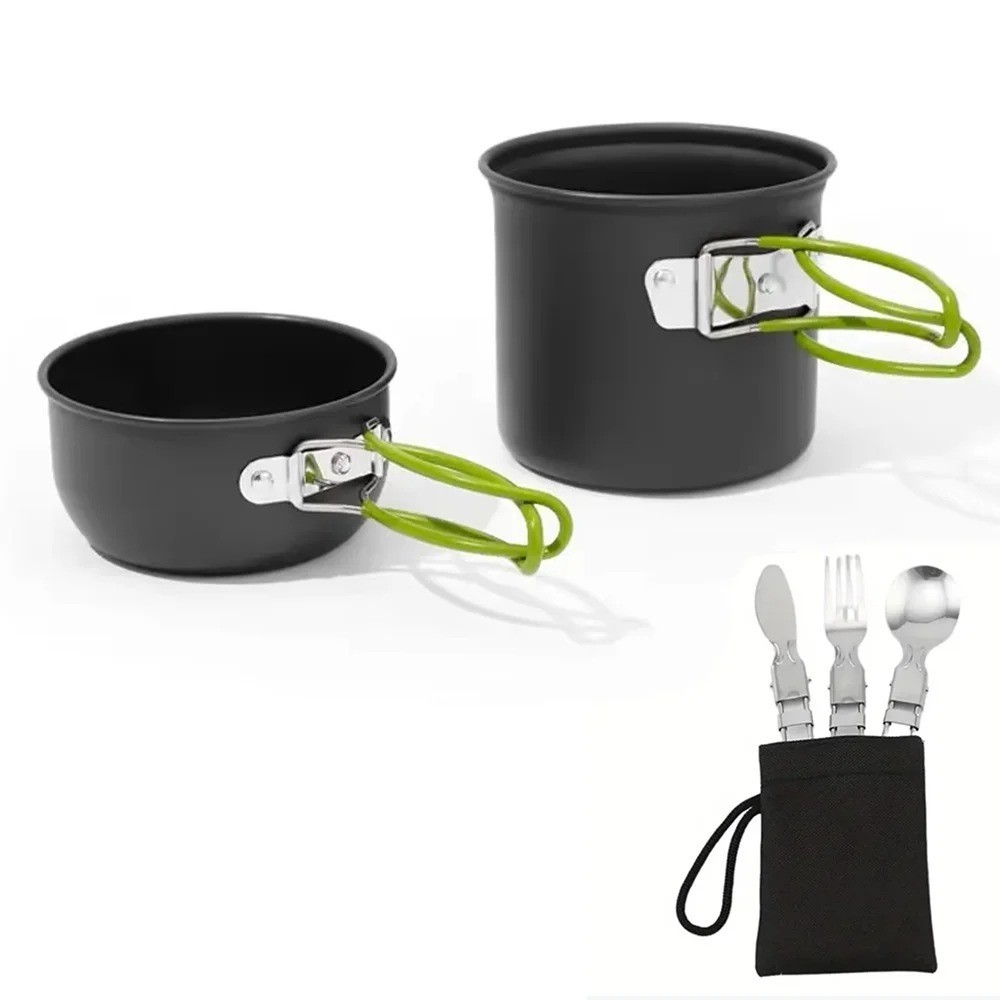 Portable Gas Camping Stove Butane Propane Burner Outdoor Hiking Picnic+Cookware$26.89View on eBay
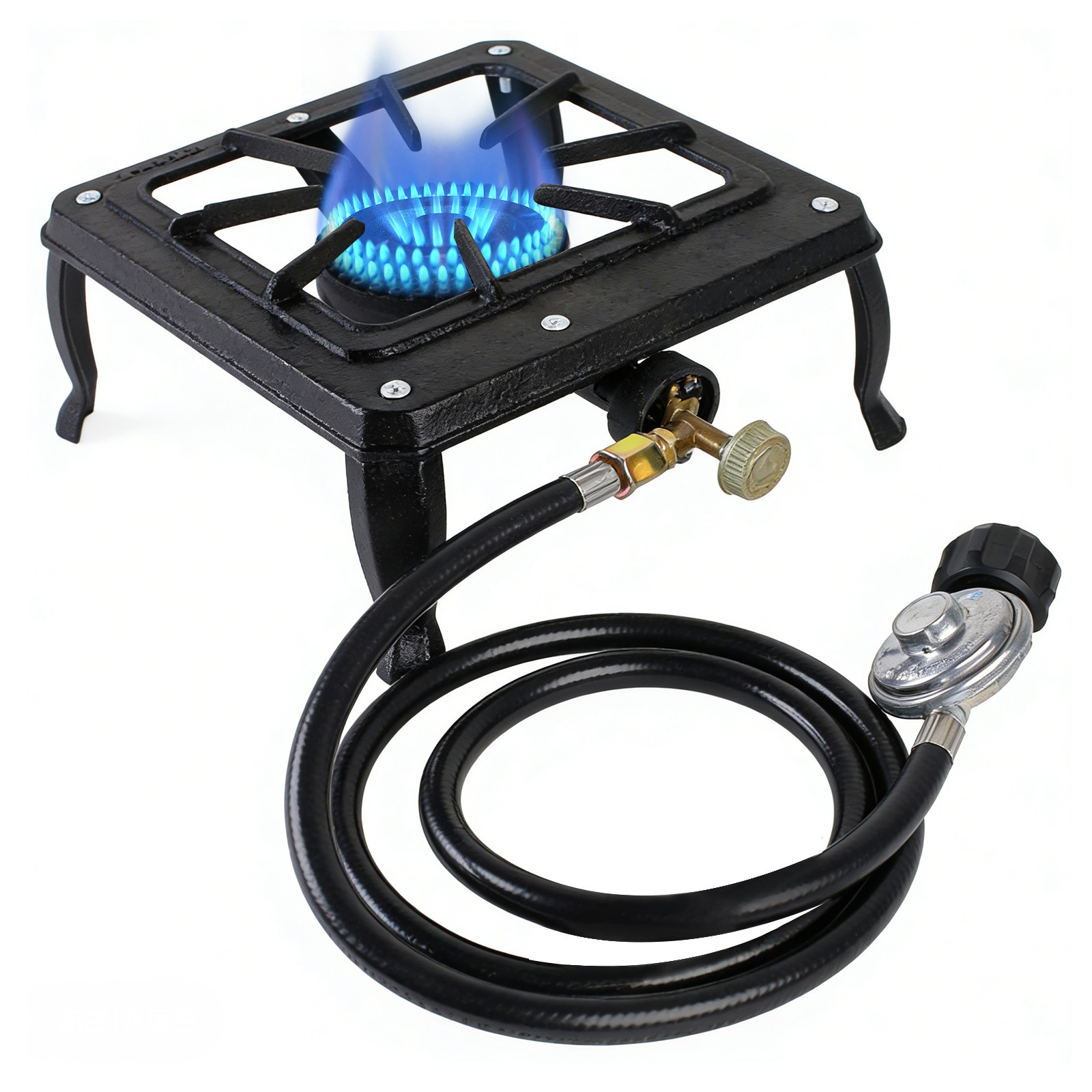 Cast Iron Propane Gas Stove Single Burner Heavy Duty Portable Removable Outdoor$26.99View on eBay
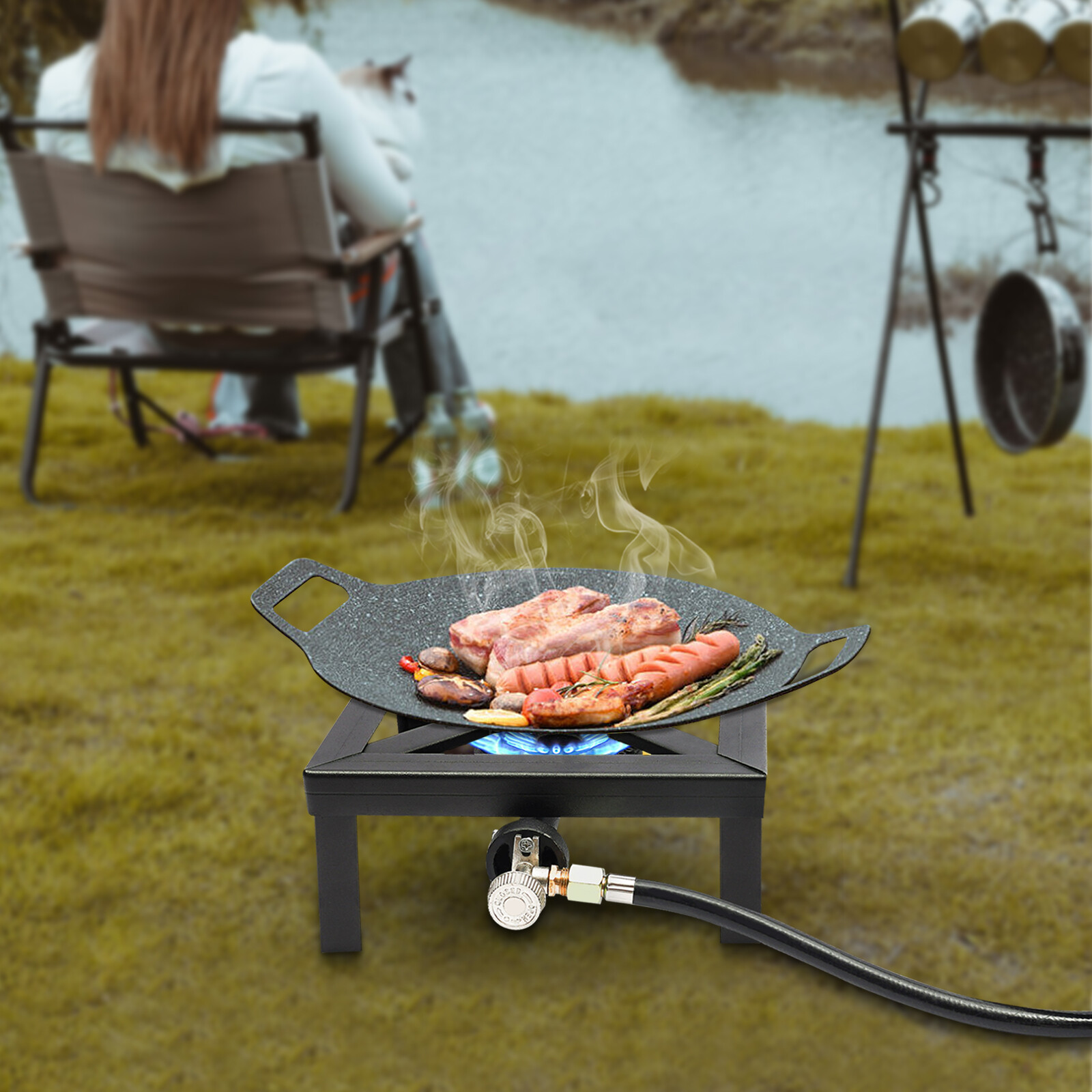 Propane Cooker Burner Stove Gas Outdoor Cooking Camping Stand BBQ Grill + Hose$30.88View on eBay
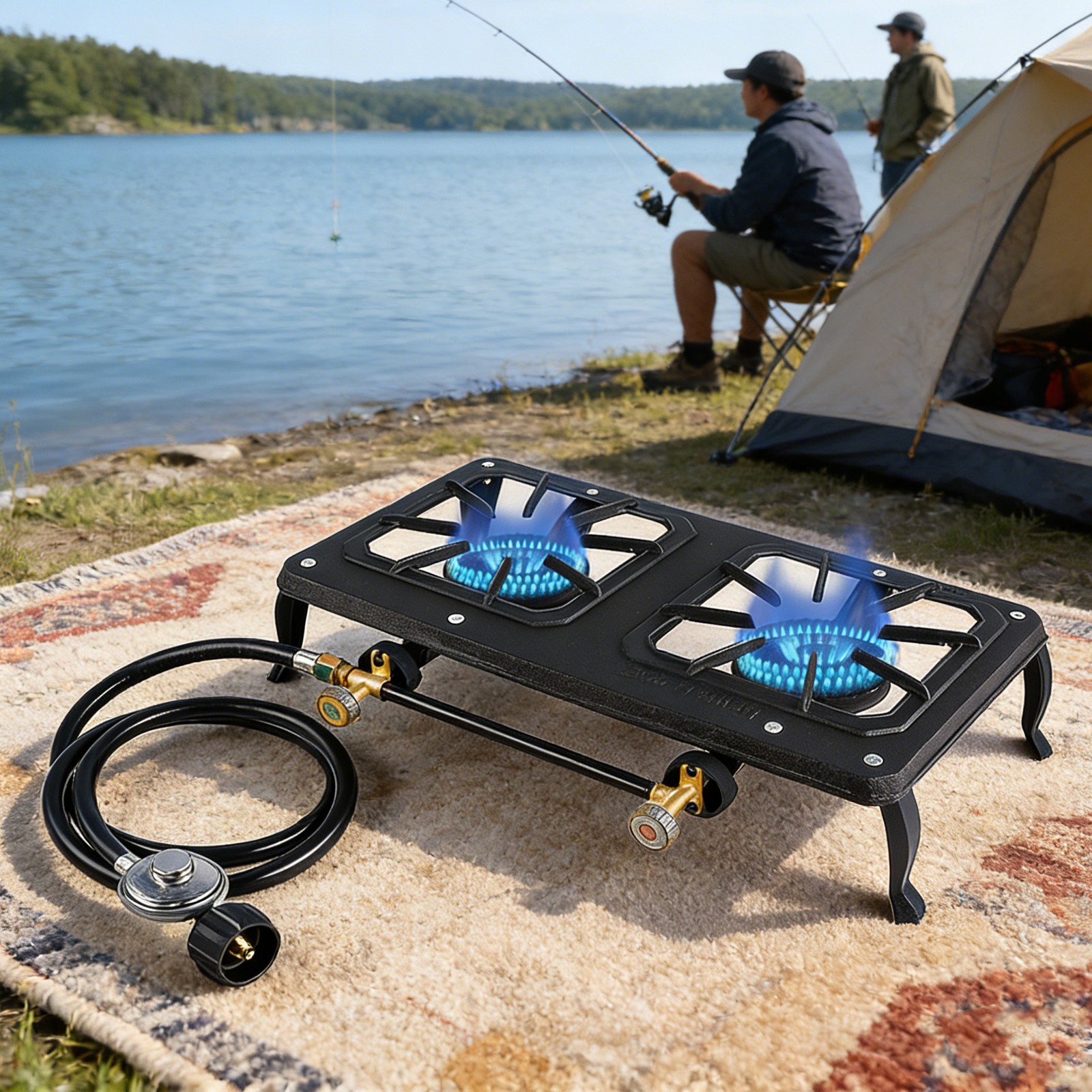 Cast Iron Double Burner Portable Outdoor Camp Stove Propane Gas LPG BBQ Cooke$32.99View on eBay
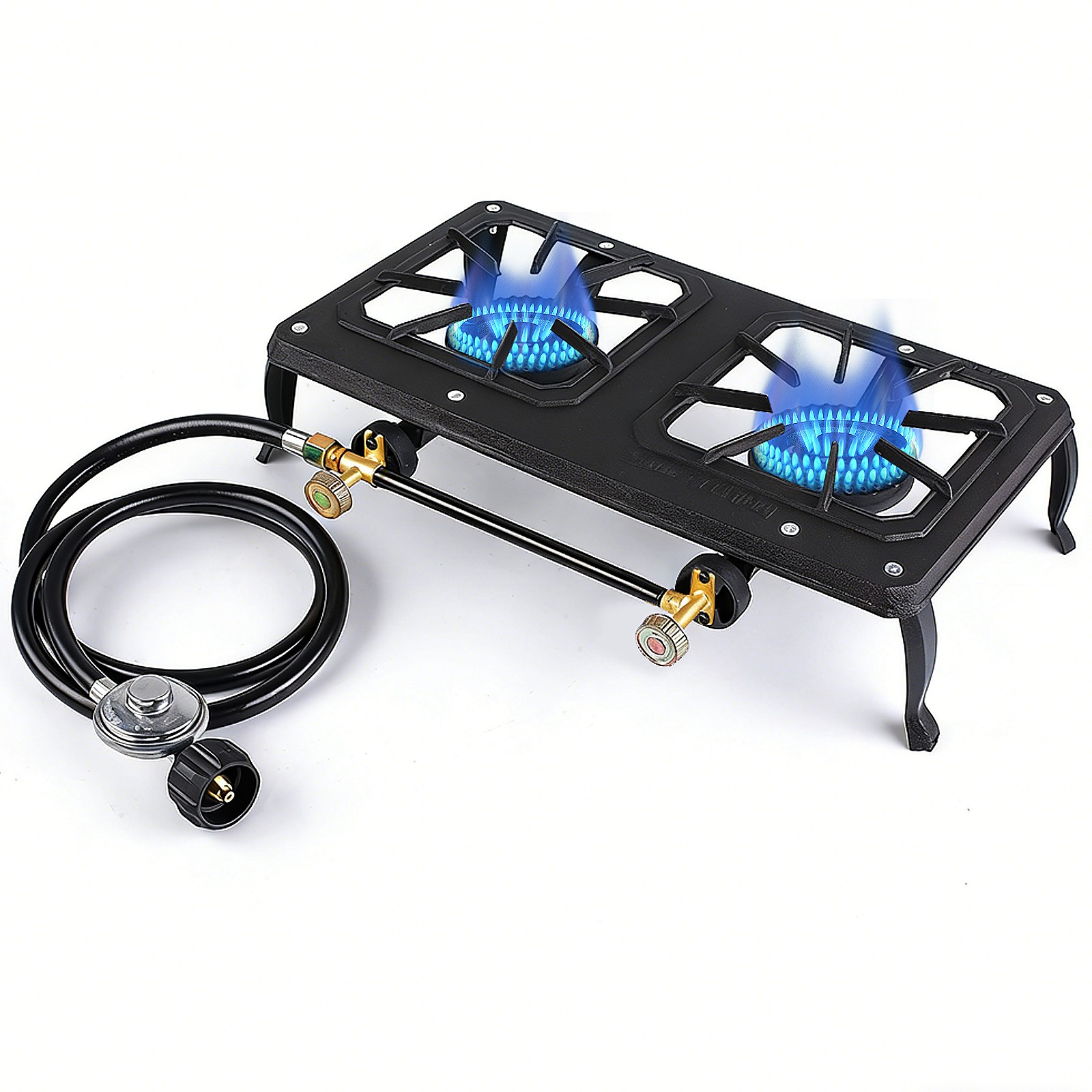 Cast Iron Propane Gas Stove Double Burner Heavy Duty Portable Removable Outdoor$32.99View on eBay
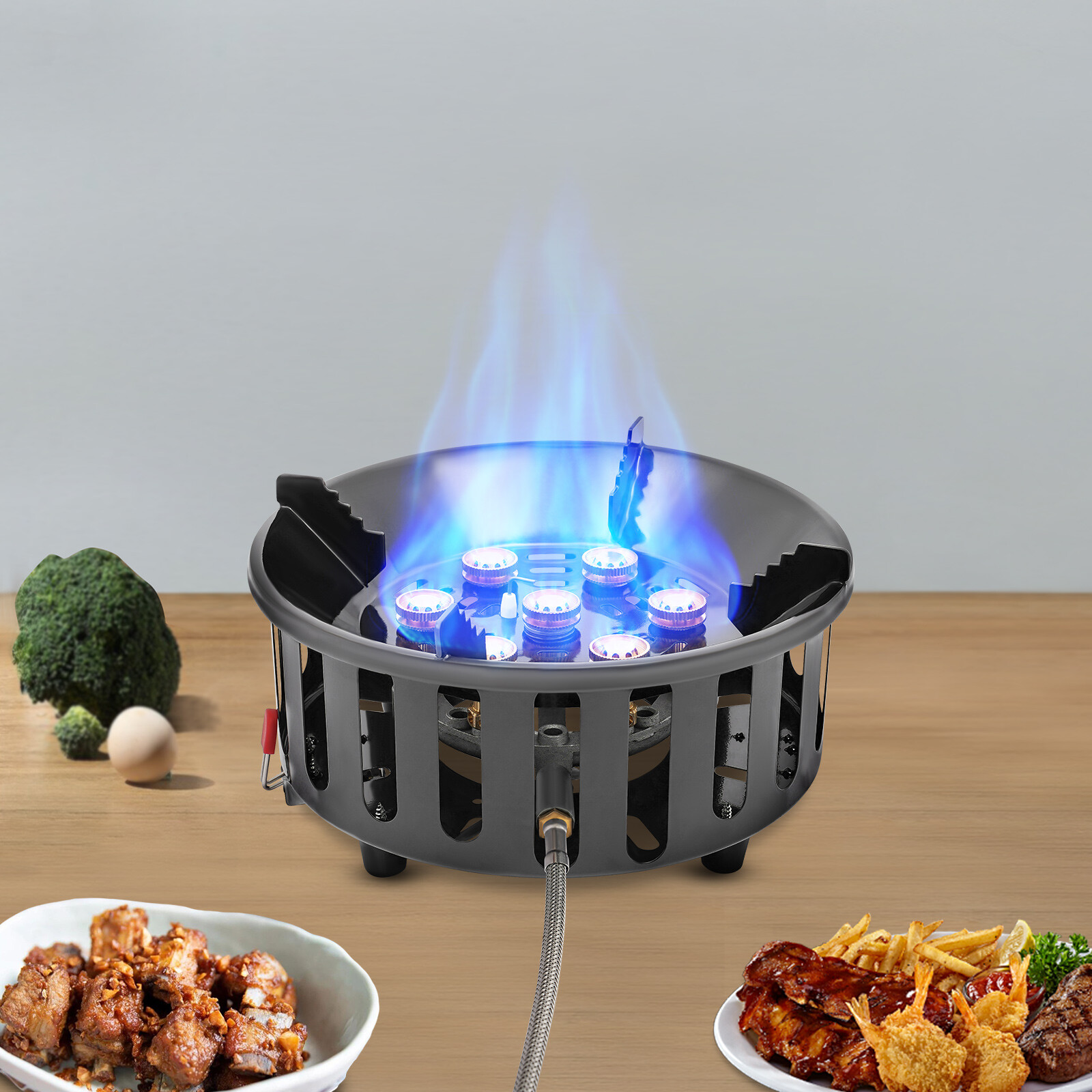 Propane Burner Single Propane Stove Windproof Gas Stove For Outdoor Cooking$37.16View on eBay
Highlights
- Portable camp stoves typically deliver 8,000–12,000 BTU per burner and run on isobutane/propane canisters or 1 lb propane bottles; high-pressure burner stands deliver 65,000–225,000 BTU total across single, double, or triple cast-iron burners.
- Burner stands use cast iron or forged steel heads with 0–20 PSI adjustable high-pressure regulators and braided hose; portable stoves use stamped steel/ aluminum heads with piezoelectric or match ignition and fold-down legs.
- Stainless steel bodies resist rust and corrosion but conduct heat; painted or porcelain-coated steel is lighter and cheaper but chips—cast iron burner heads hold heat and resist warping under heavy pots.
- Wind resistance is determined by burner head depth and wind screens: portable stoves need a folding wind screen or integrated pot support; burner stands rely on the pot sitting close to the burner and a windscreen accessory for open patios.
Best use cases
- Backpacking and solo camping: pick a 1-burner portable butane/propane stove under 2 lbs with piezo ignition and a 8,000–10,000 BTU output—skip cast-iron burner stands that weigh 15+ lbs.
- Car camping and family cooking: choose a 2-burner portable propane stove with 10,000–20,000 BTU per burner and a built-in wind screen—skip single-burner pocket stoves that can't run two pots simultaneously.
- Patio, tailgate, and large-pot cooking: buy a single or double high-pressure cast-iron burner stand rated 65,000–150,000 BTU with a 0–20 PSI regulator and hose—skip compact canister stoves that can't support a 20 qt pot or turkey fryer.
- Emergency and backyard backup: a triple-burner 225,000 BTU stand runs off a standard 20 lb propane tank and handles canning or wok cooking—skip it for backpacking due to weight and bulk.
Buying tips
- Match BTU to pot size: 8,000–12,000 BTU boils 1–2 qt in 4–6 minutes; 65,000+ BTU is required for 5+ gal pots, turkey fryers, and wok cooking—undersized burners stall under large thermal mass.
- Check fuel compatibility: canister stoves accept threaded isobutane/propane mix (EN 417) or 1 lb disposable propane; burner stands use a 0–20 PSI adjustable regulator with a standard QCC-1/ POL tank connection—never run a high-pressure burner without the supplied regulator.
- Weigh portability honestly: a 1-burner canister stove weighs 1.5–3 lbs; a double cast-iron burner stand weighs 15–30 lbs plus a 20 lb tank—choose based on whether you're carrying it or rolling it.
- Priorate wind management: portable stoves need integrated or add-on wind screens; burner stands benefit from a 3-sided windscreen and keeping the pot within 1–2 inches of the burner head for efficient combustion.
Specs
| Burner Type | Portable canister vs cast-iron stand |
|---|---|
| BTU Output | 8k–12k portable / 65k–225k stand |
| Fuel | EN 417 canister / 1 lb / 20 lb tank |
| Burner Count | 1–2 portable / 1–3 stand |
Related searches
What to check before buying
- Measure your largest pot or griddle diameter—burner stands need a pot support span wider than the pot base; portable stoves max out around 8–10 inch pots.
- Confirm fuel supply: canister stoves need threaded EN 417 canisters; burner stands need a 20 lb propane tank with a QCC-1 valve and the included 0–20 PSI hose/regulator.
- Check surface and clearance: burner stands require a non-combustible surface (concrete, gravel) and 3–4 ft overhead clearance; never use under a combustible awning or on a wooden deck.
- Verify ignition and controls: piezo ignition saves matches in wind; adjustable brass valves allow simmer control—fixed high-pressure burners run full-blast only and are not for low-heat simmering.
FAQ
Data sources: eBay / Amazon listings and product attribute feeds Data updated Nov 16, 2026.
Some links on this page are affiliate links. If you buy after clicking one, we may earn a commission at no extra cost to you. This does not change which products appear here or their order. Affiliate disclosure.