Photos from current listings. Actual item, color, and included accessories may vary.
Outdoor Stove Buying Guide
Outdoor stoves split into three real architectures: high-output propane burners for group and basecamp cooking, lightweight canister and alcohol stoves for backpacking, and wood or solar stoves for fuel-free off-grid use. The core trade-off is BTU output and wind resistance versus pack weight and fuel dependency. Buy by fuel type and burner output first: a 60,000+ BTU propane burner for family or group cooking, and a sub-100g canister or alcohol stove for solo travel.

At a glance
- Category
- Camp Kitchen & Stoves
- Data updated
- Nov 16, 2026
Current offers
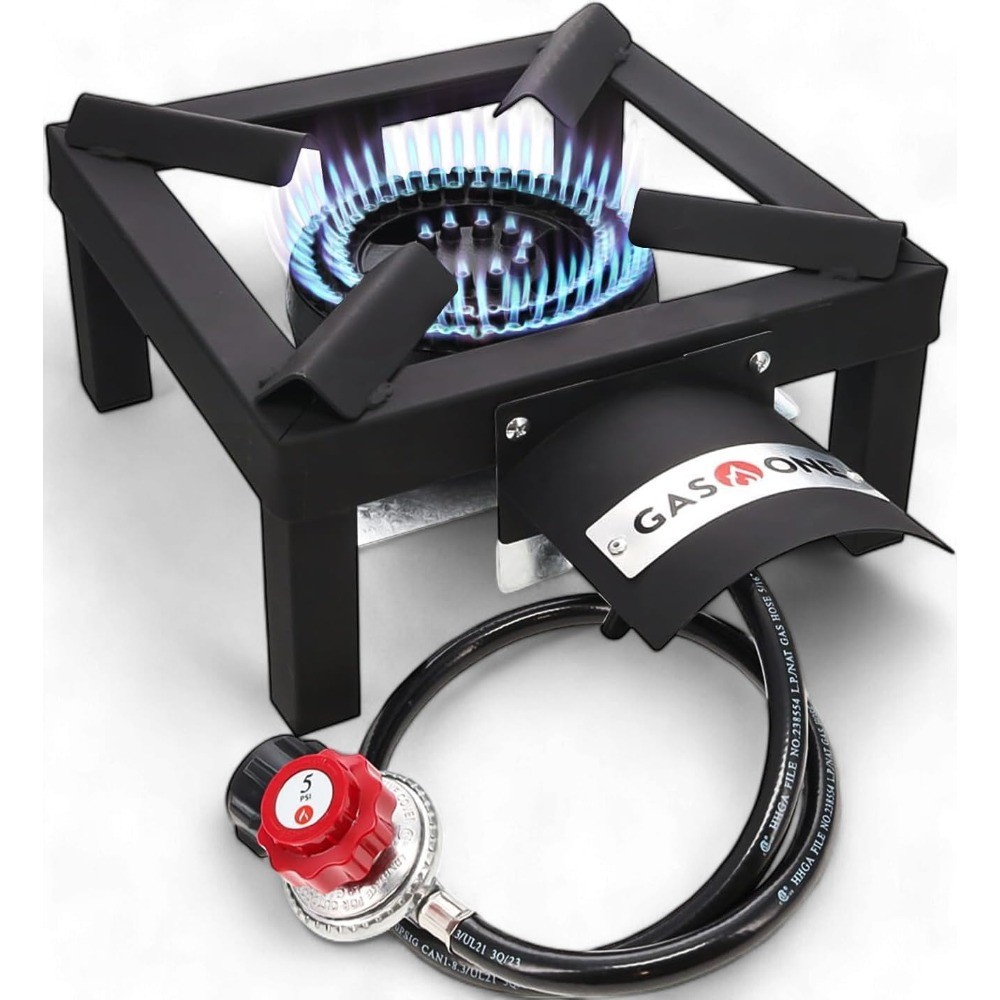 High Pressure Propane Burner 1-Burner Outdoor Stove with Heat Shield Guard$34.19
 View on eBay
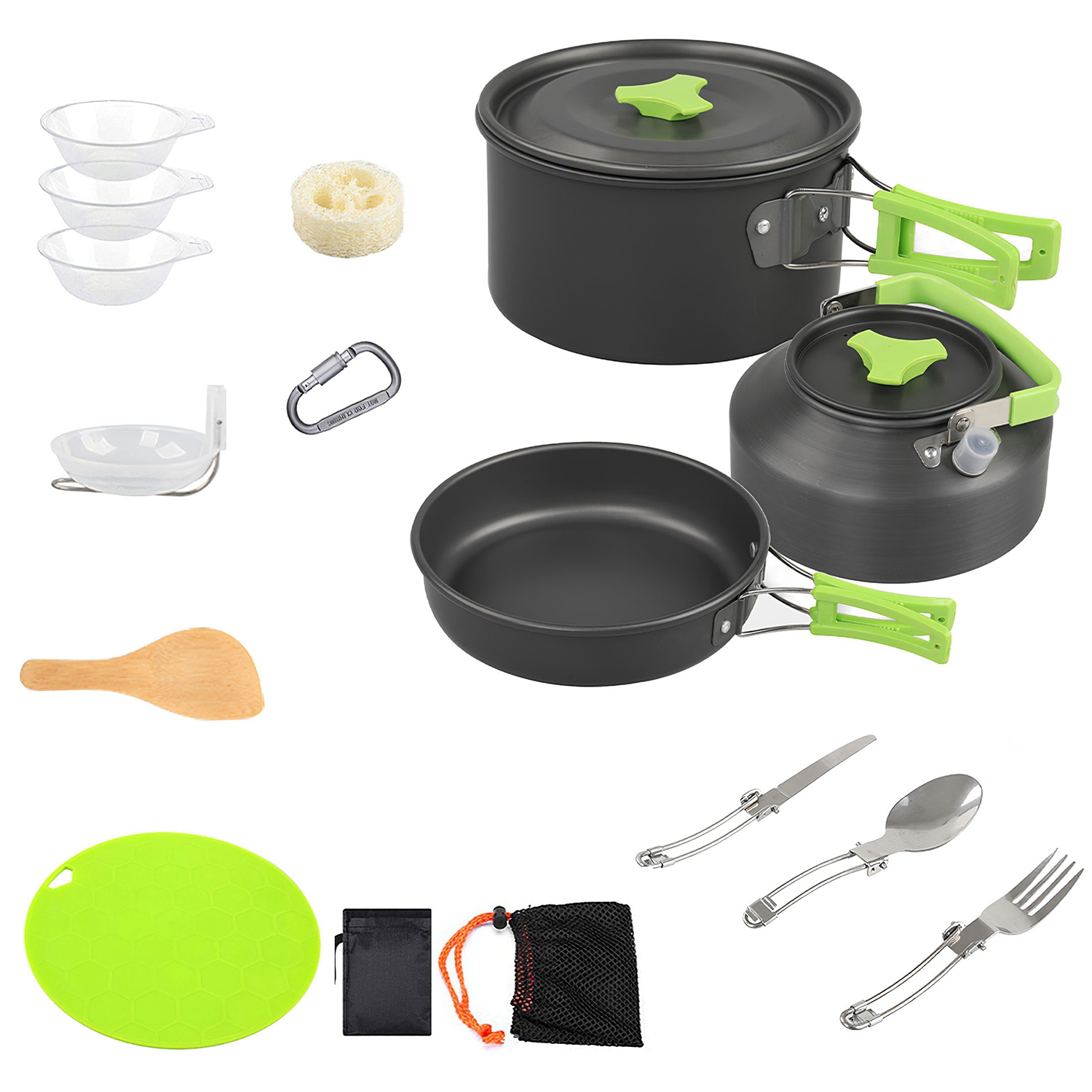 16Pcs Camping Cooking Ware Set Stove Cookware Kit Aluminum Pot Pan Kettle Set With Bowls Knife Fork Spoon Carabiner Spatula Cutting Board For Hiking Picnic Outdoor$50.99
 View on Mallflare
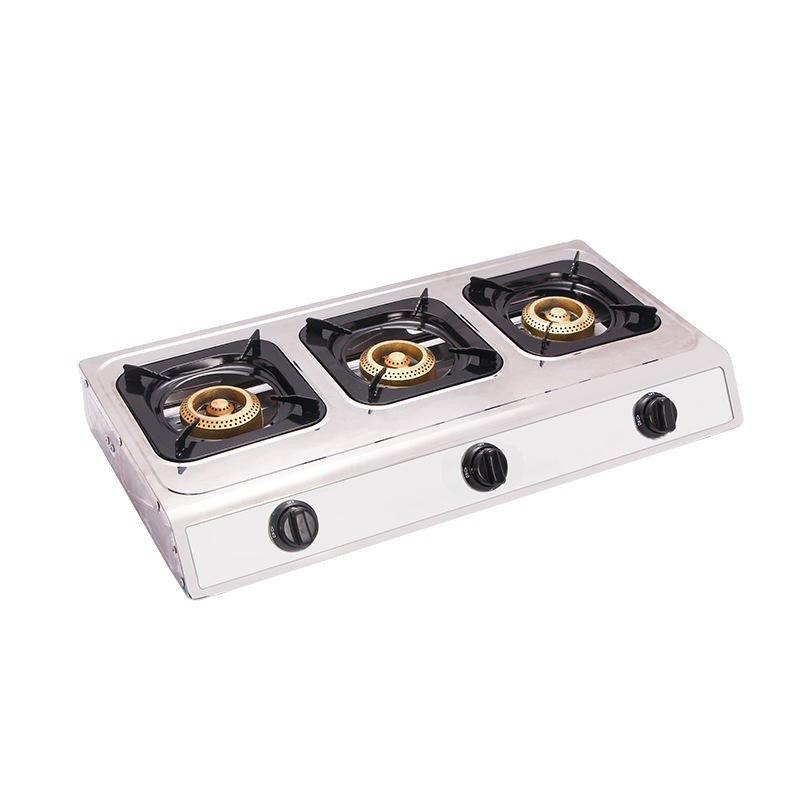 Triple Propane Burner Portable Camping Outdoor Stove w/ Hose & Regulator$58.99View on eBay
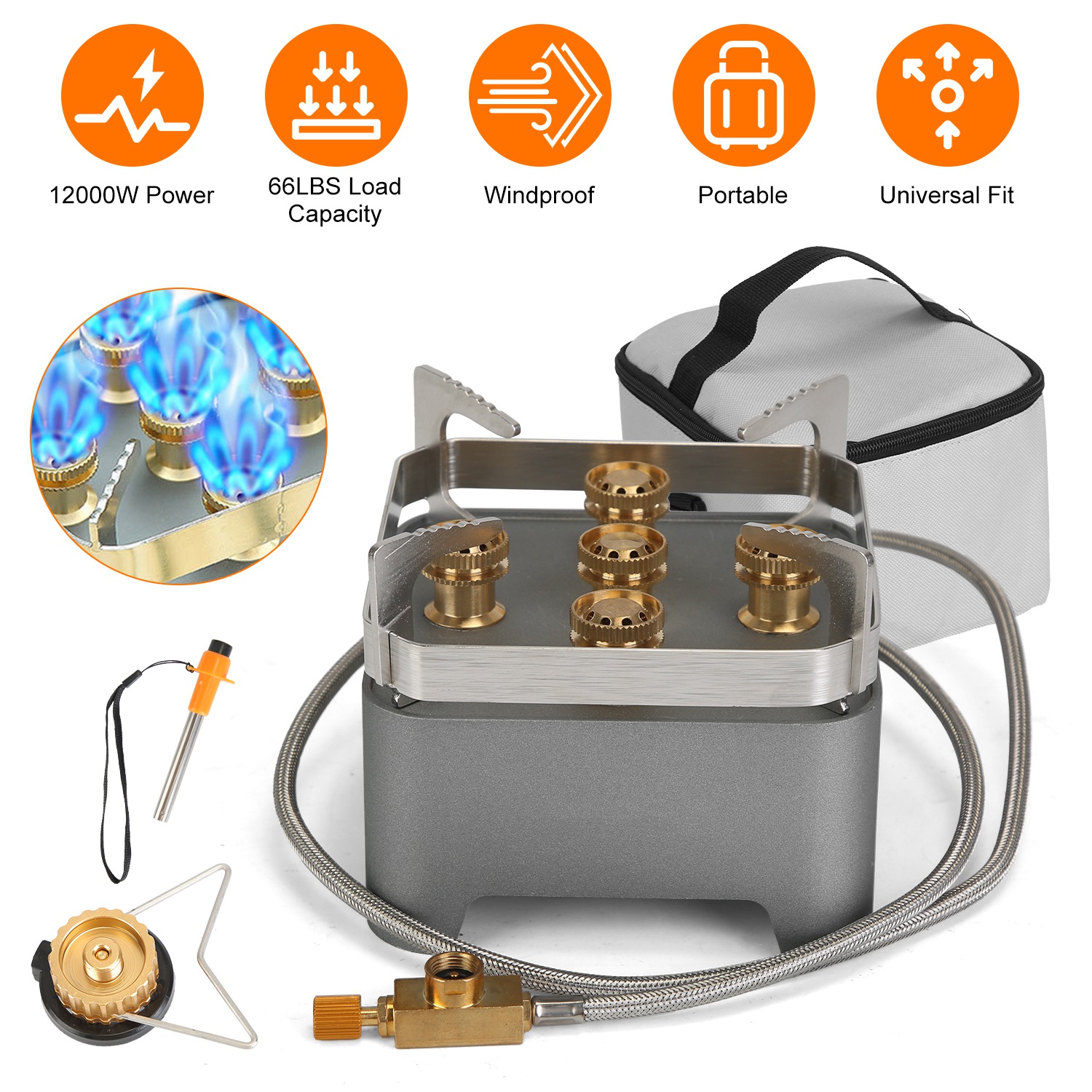 12000W Portable Camping Stove With Cassette Adapter Windproof Outdoor Backpacking Burner Carrying Case Igniter for Hiking Picnic$85.99View on Mallflare
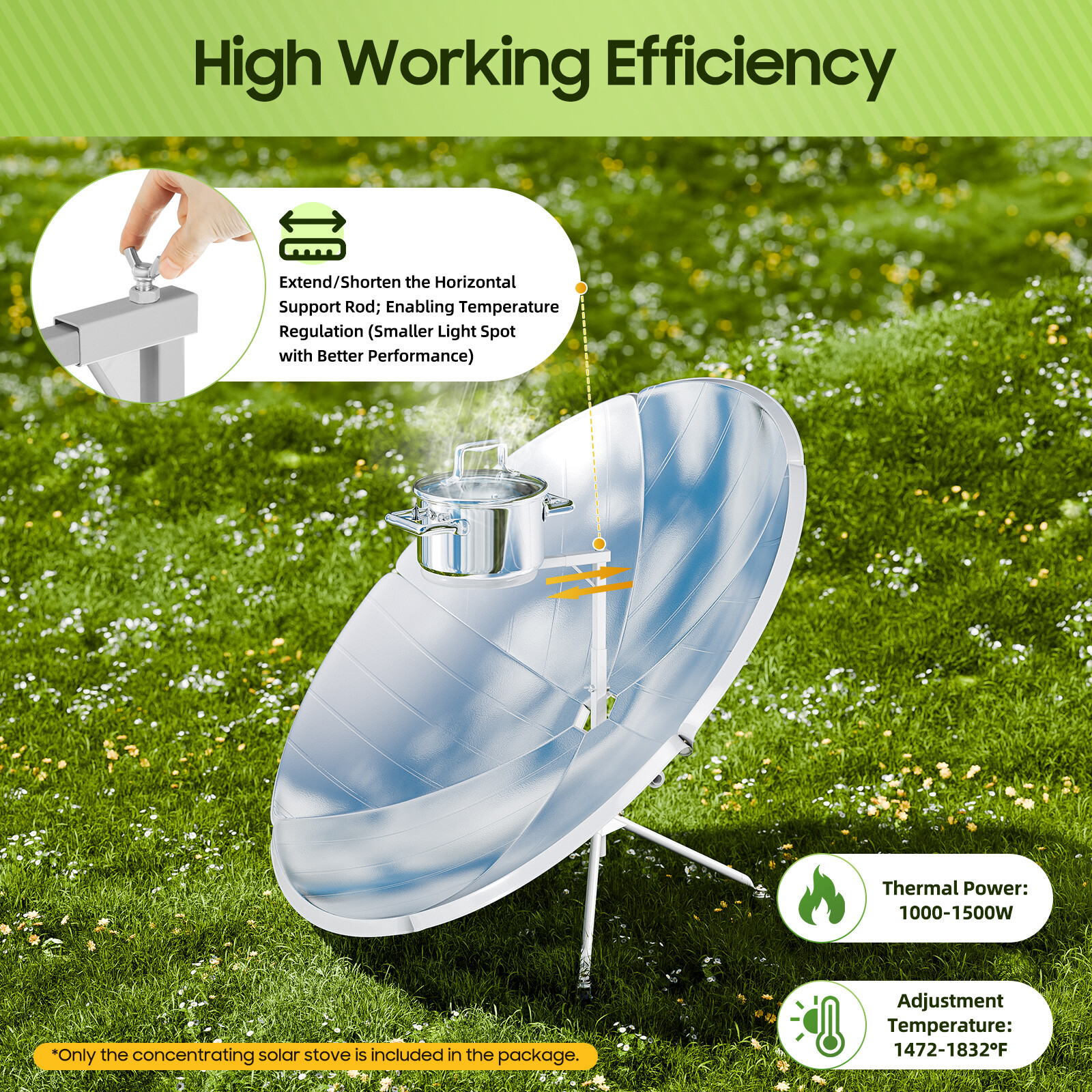 Portable Solar Oven Cooker 1.5m Diameter Multi Function Camping Outdoor Stove US$86.21View on eBay
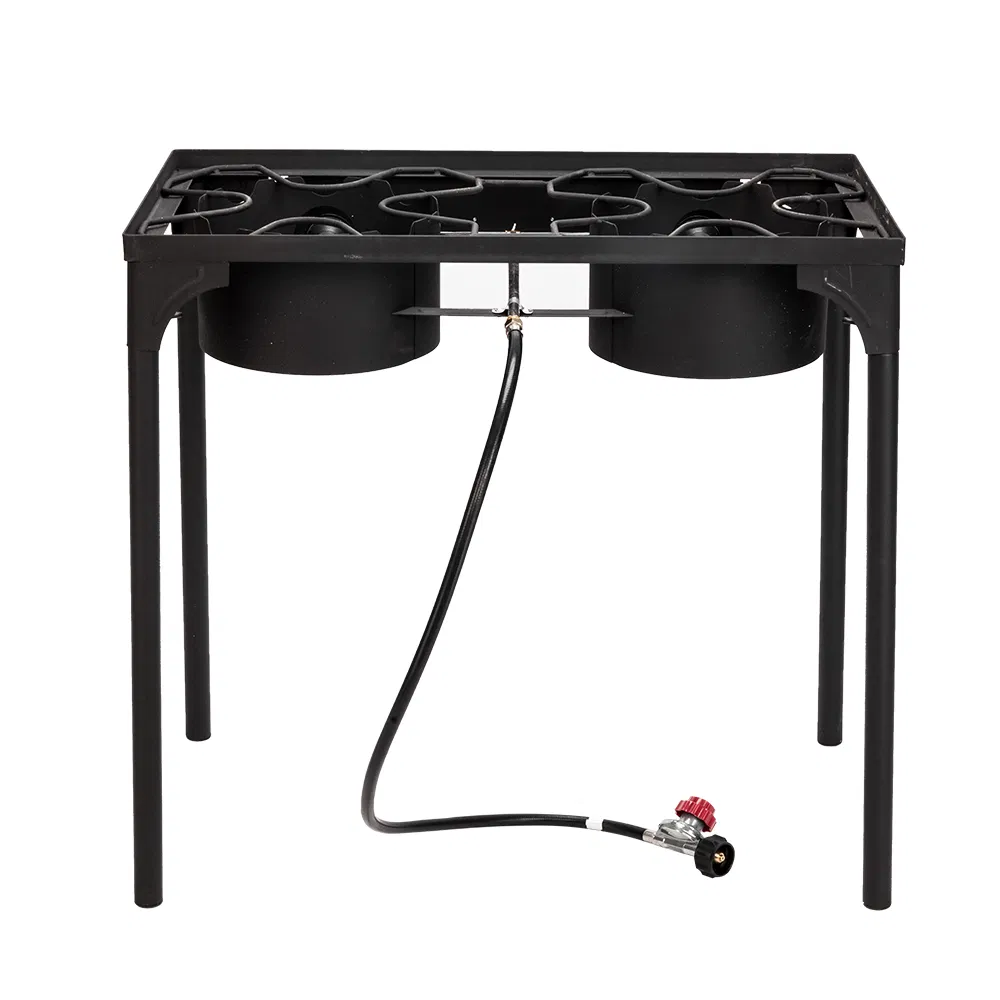 Outdoor Camp Stove High Pressure Propane Gas Cooker Portable Cast Iron Patio Cooking Burner (Double 150000-BTU)$108.99View on Mallflare
- Portable Solar Oven Cooker 1.5m Diameter Multi Function Camping Outdoor Stove US$86.21View on eBay
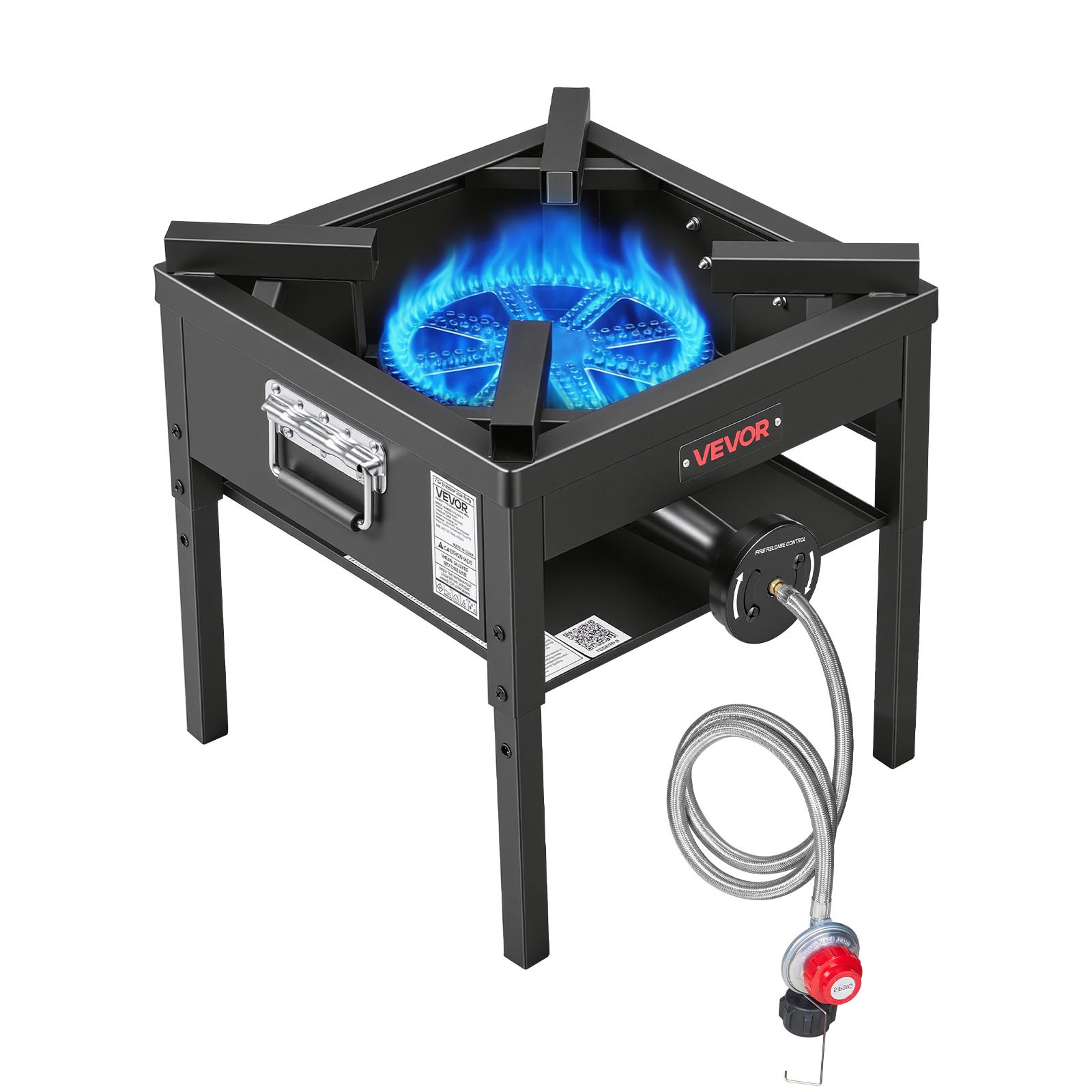 Single Burner Outdoor Propane Gas Stove, 200,000 BTU LPG Gas Camping Heavy Duty Carbon Steel Cooker, With Shield & 20 PSI Regulator, For BBQ Camp Home Patio Seafood Boil$115.99View on Mallflare
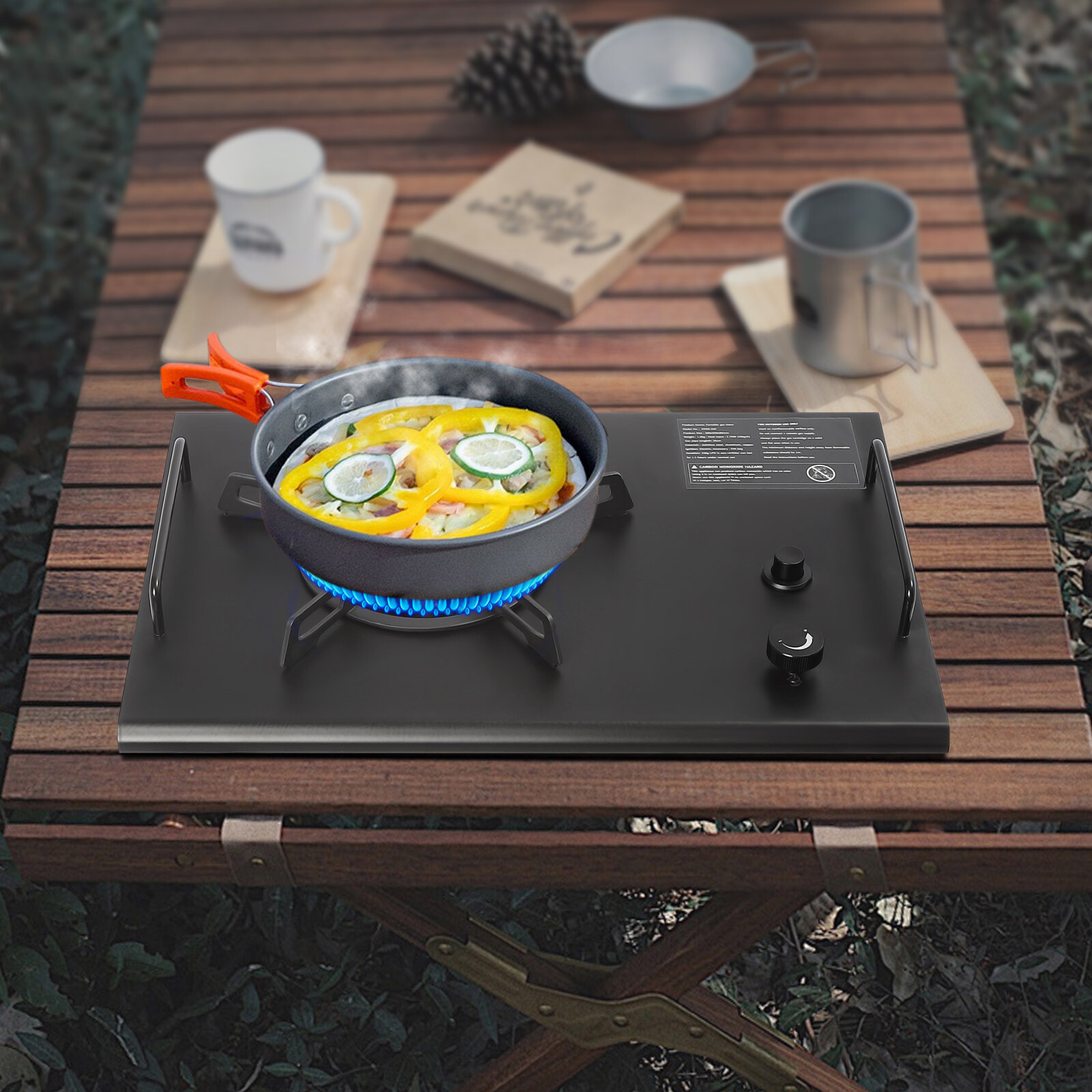 Portable Gas Stove Electronic Ignition Camping Cooking Stove Outdoor Stove+Bag$87.05View on eBay
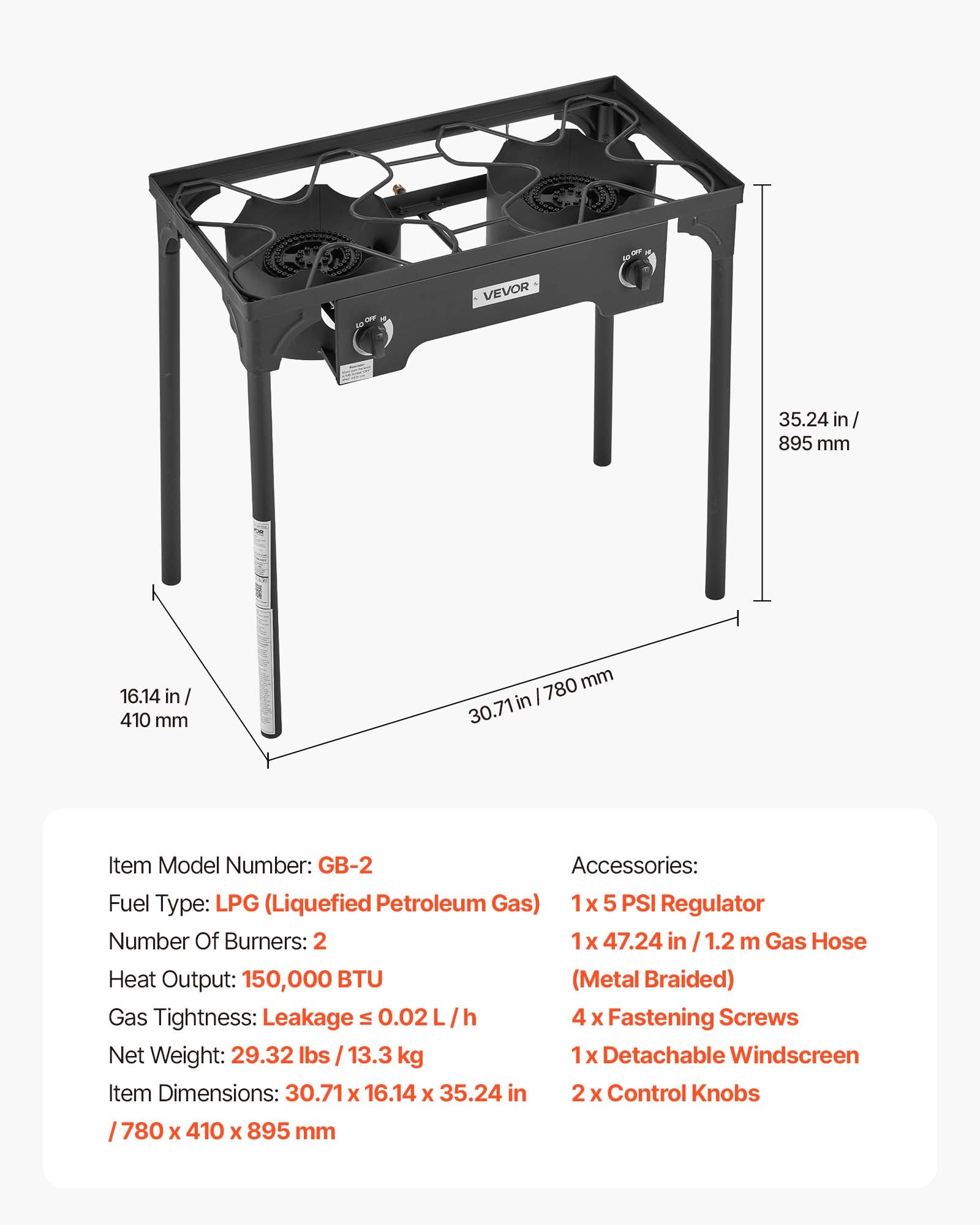 2 Burner Outdoor Propane Gas Stove, 150,000 BTU LPG Gas Camping Heavy Duty Carbon Steel Cooker, With Shield & Tall Stand & PSI Regulator, For BBQ Camp Home Patio Backyard$118.99View on Mallflare
- Portable Gas Stove Electronic Ignition Camping Cooking Stove Outdoor Stove+Bag$87.05View on eBay
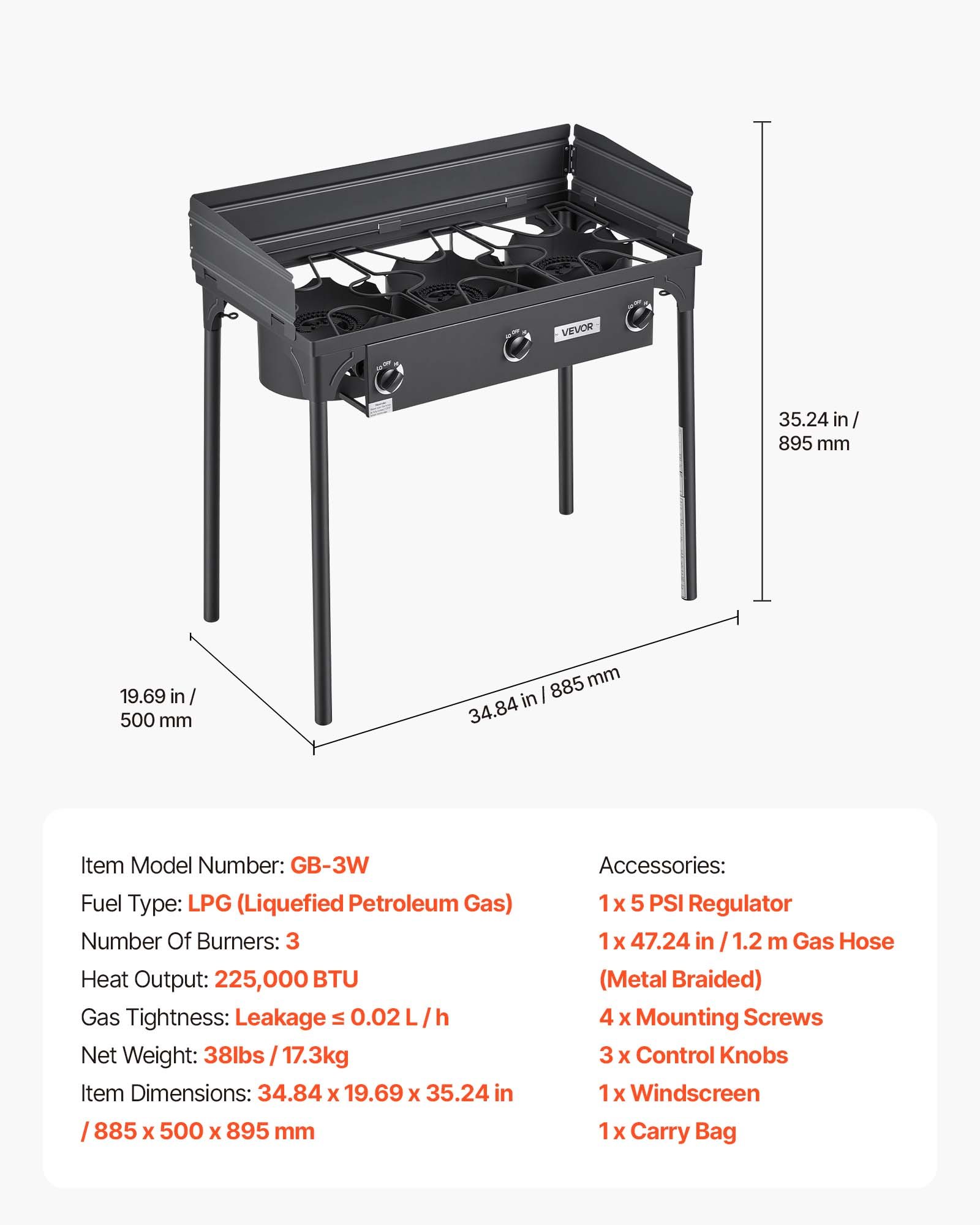 3 Burner Outdoor Propane Gas Stove, 225,000 BTU LPG Gas Camping Heavy-duty Carbon Steel Cooker, With Shield & Tall Stand & Regulator, For BBQ Camp Home Patio Backyard$125.99View on Mallflare
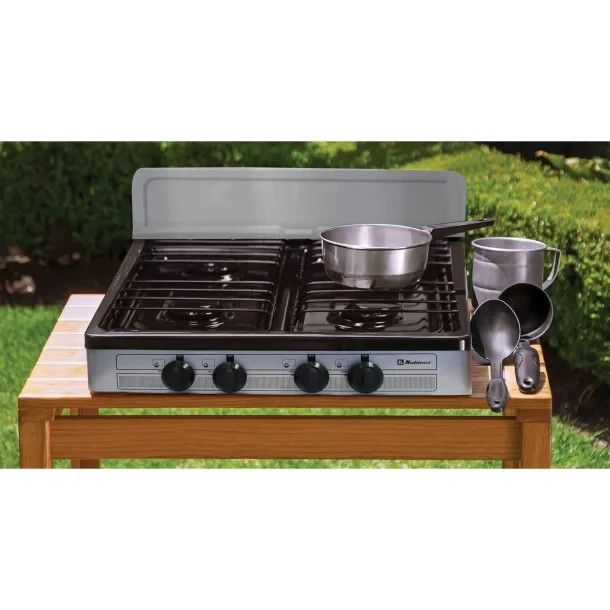 Koblenz® LP Outdoor Stove - 4 Burner$89.59View on eBay
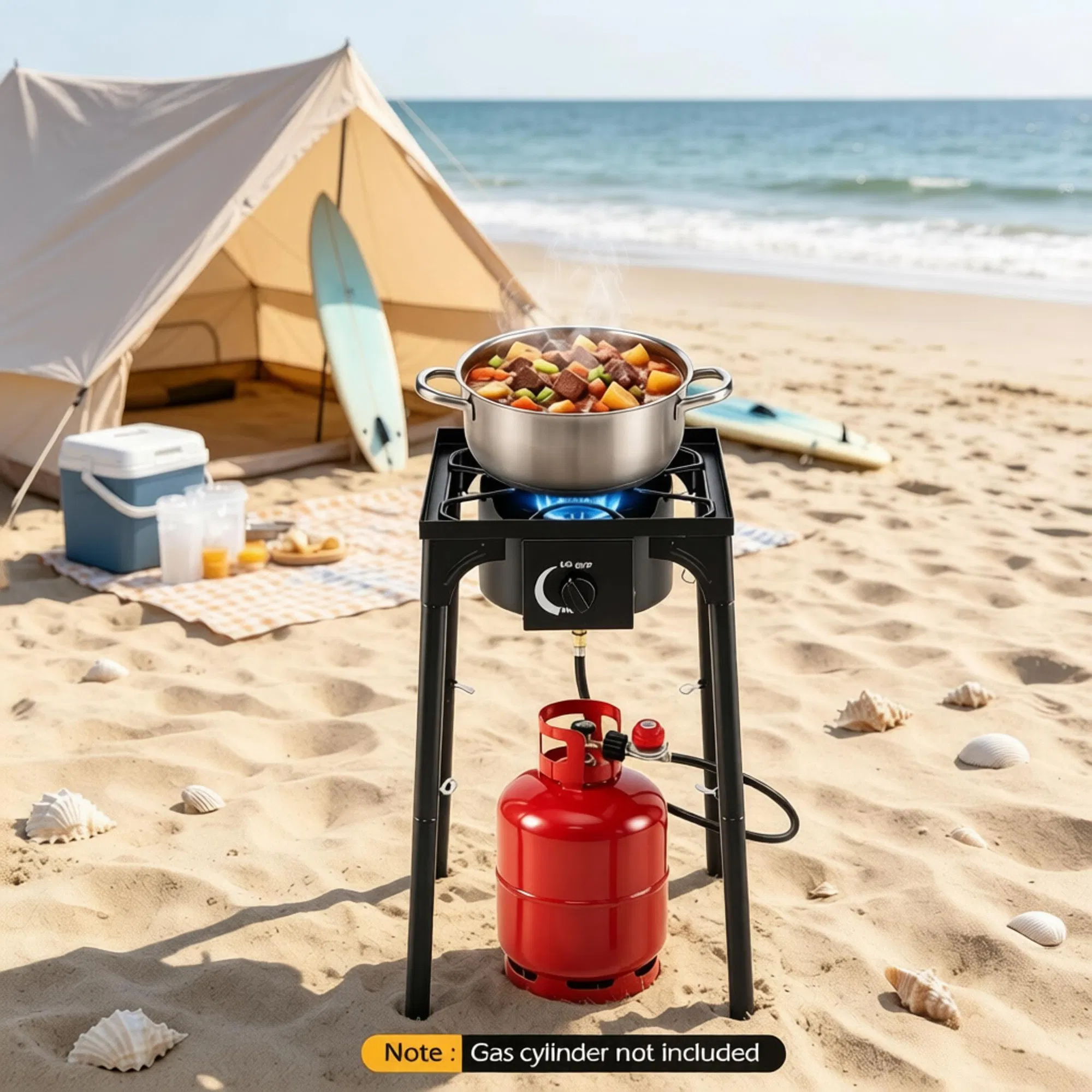 1 Burner Propane Stove 80000 BTU Adjustable Regulator And Hose Camping BBQ Outdoor Cooking Equipment$129.99View on Mallflare
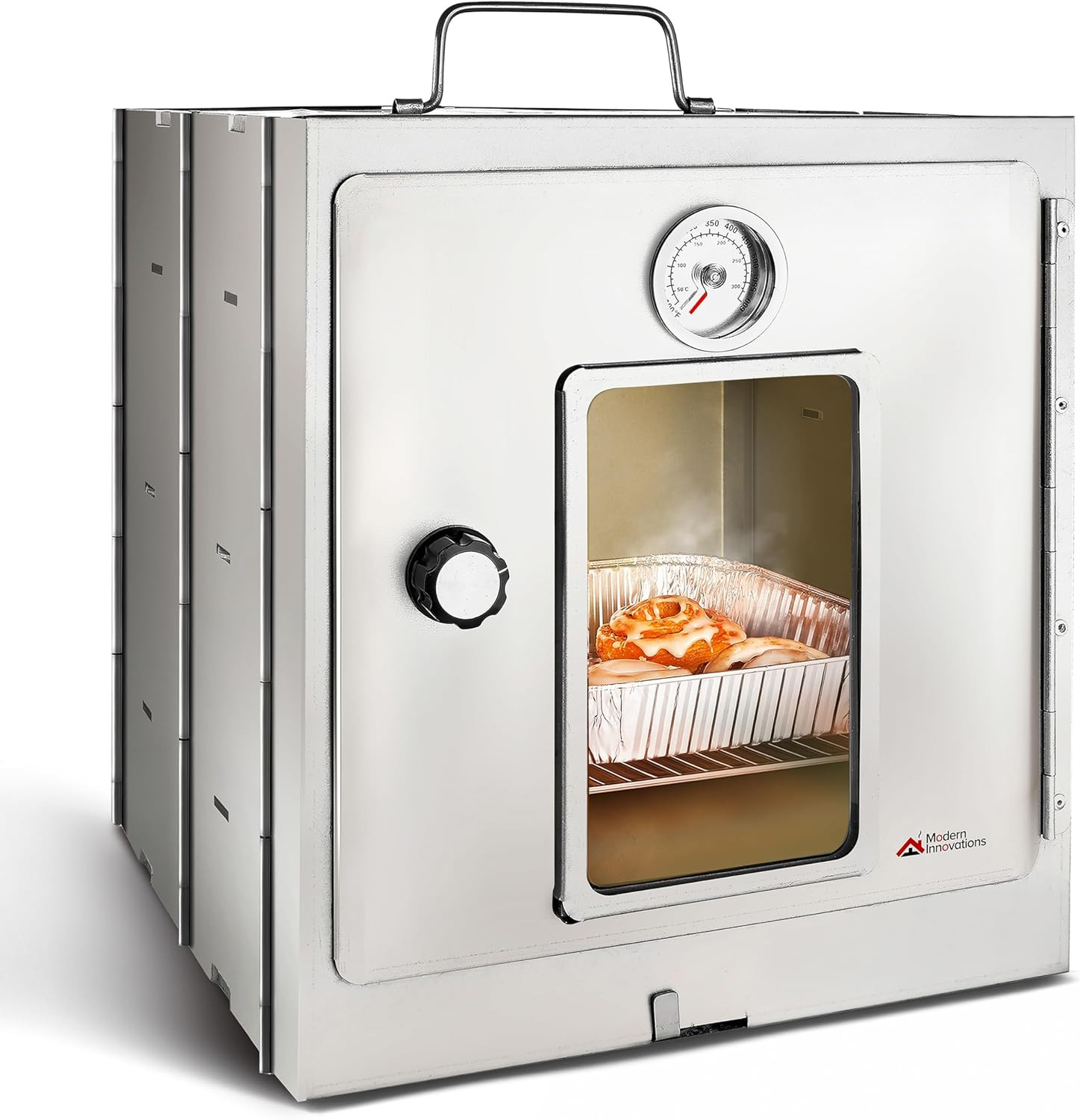 Portable Baking Oven Foldable Outdoor Stove for Campers Use w/ Wood Fire Propane$90.61View on eBay
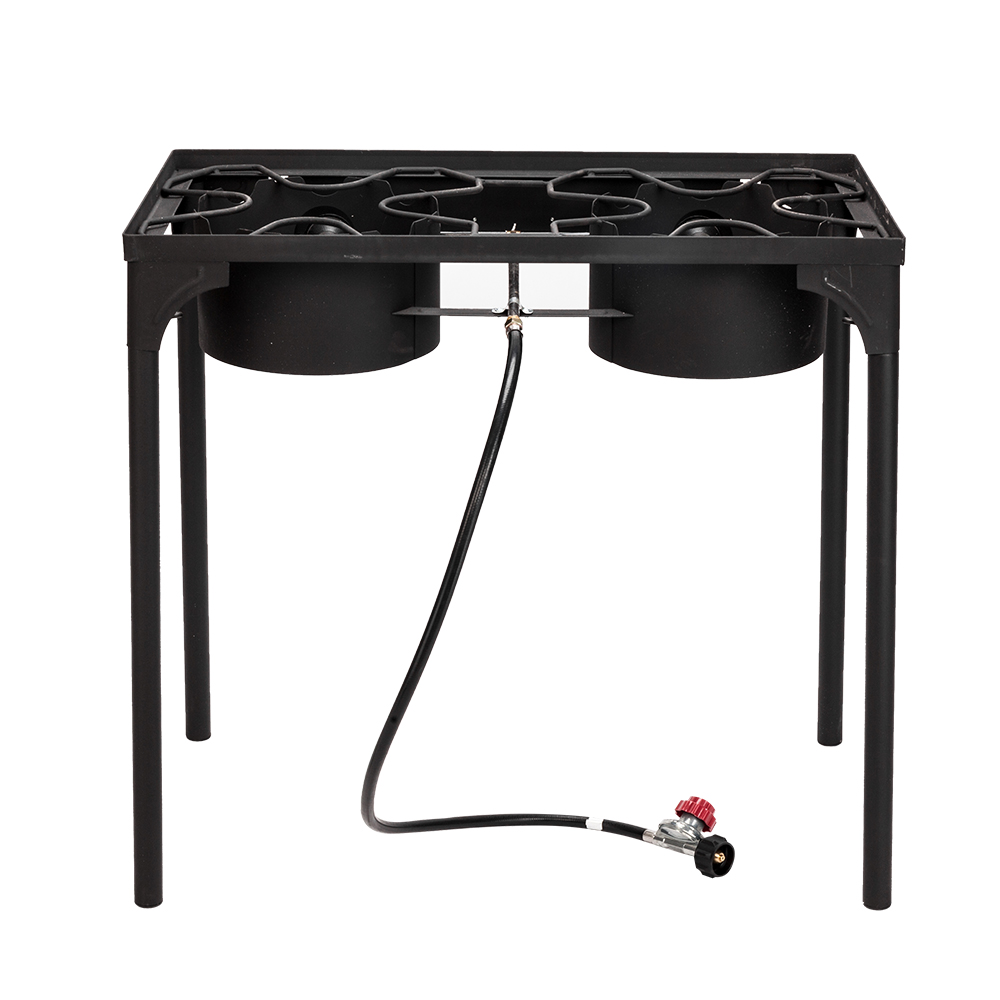 【Replace 1255491】Outdoor Camp Stove High Pressure Propane Gas Cooker Portable Cast Iron Patio Cooking Burner (Double 150000-BTU)$130.99View on Mallflare
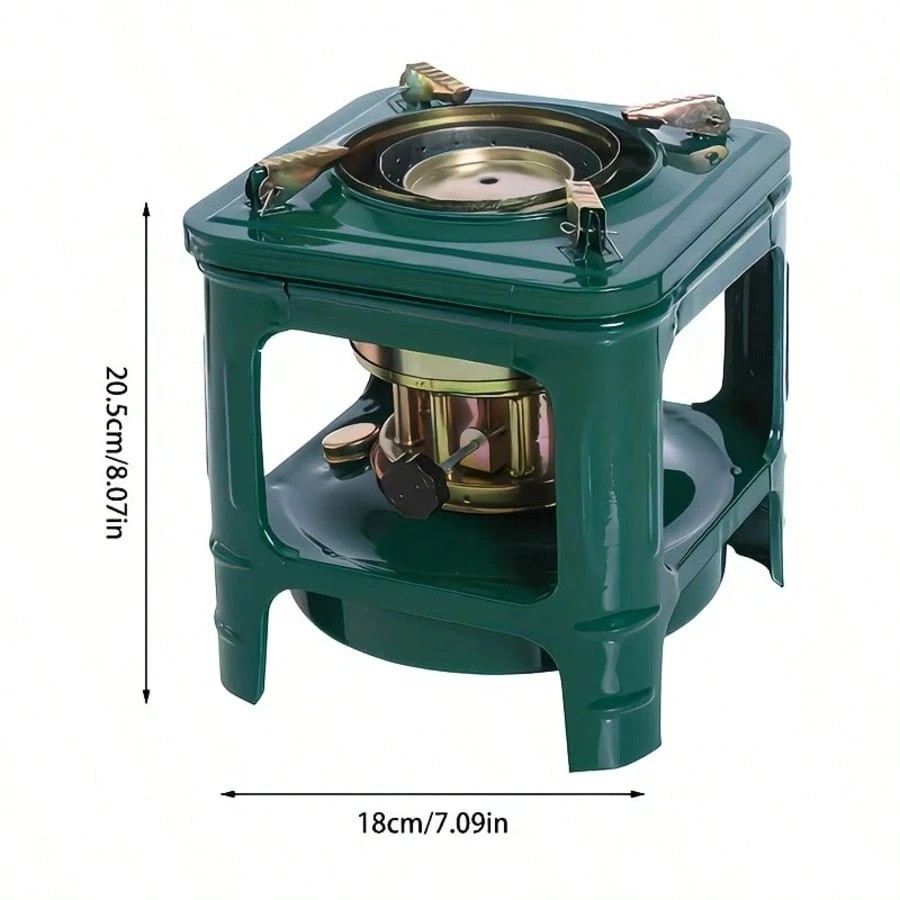 New 16 Core Kerosene Camping Stove Portable Outdoor Cooking Burner Green$20.80View on eBay
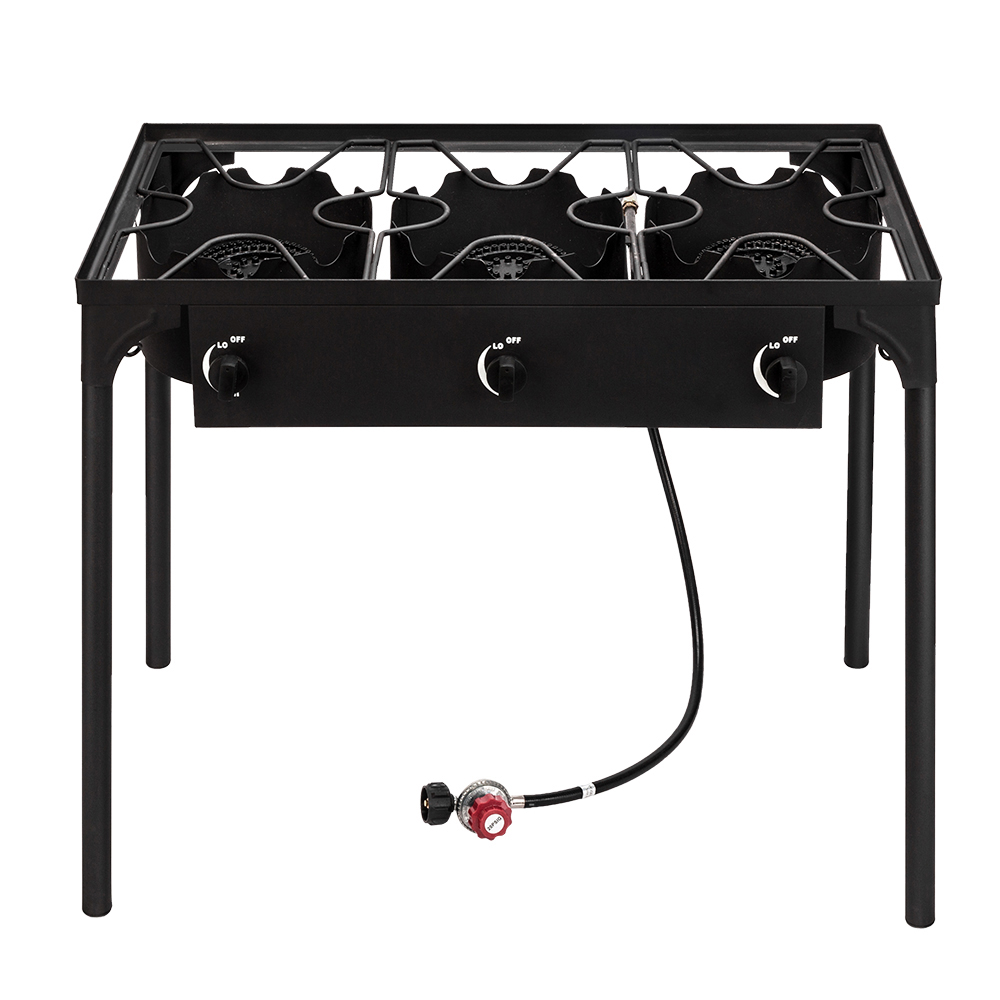 【Replace 15455210】Outdoor Camp Stove High Pressure Propane Gas Cooker Portable Cast Iron Patio Cooking Burner (Three 225000-BTU)$146.99View on Mallflare
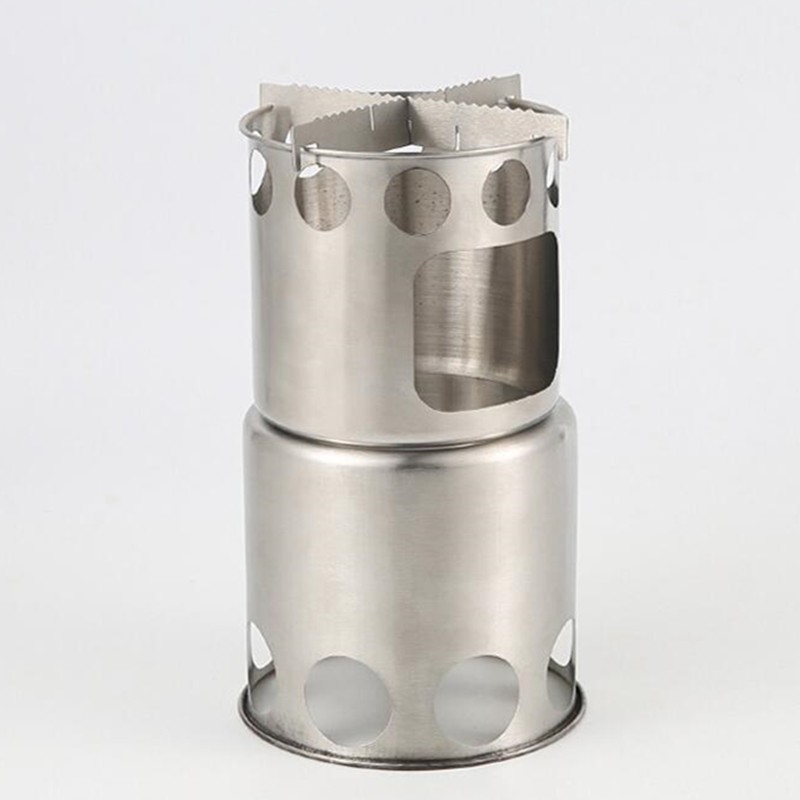 Outdoor 304 Stainless Steel Camping Cookware Mess Set Wood Stove Pot Hiking Tool$21.15View on eBay
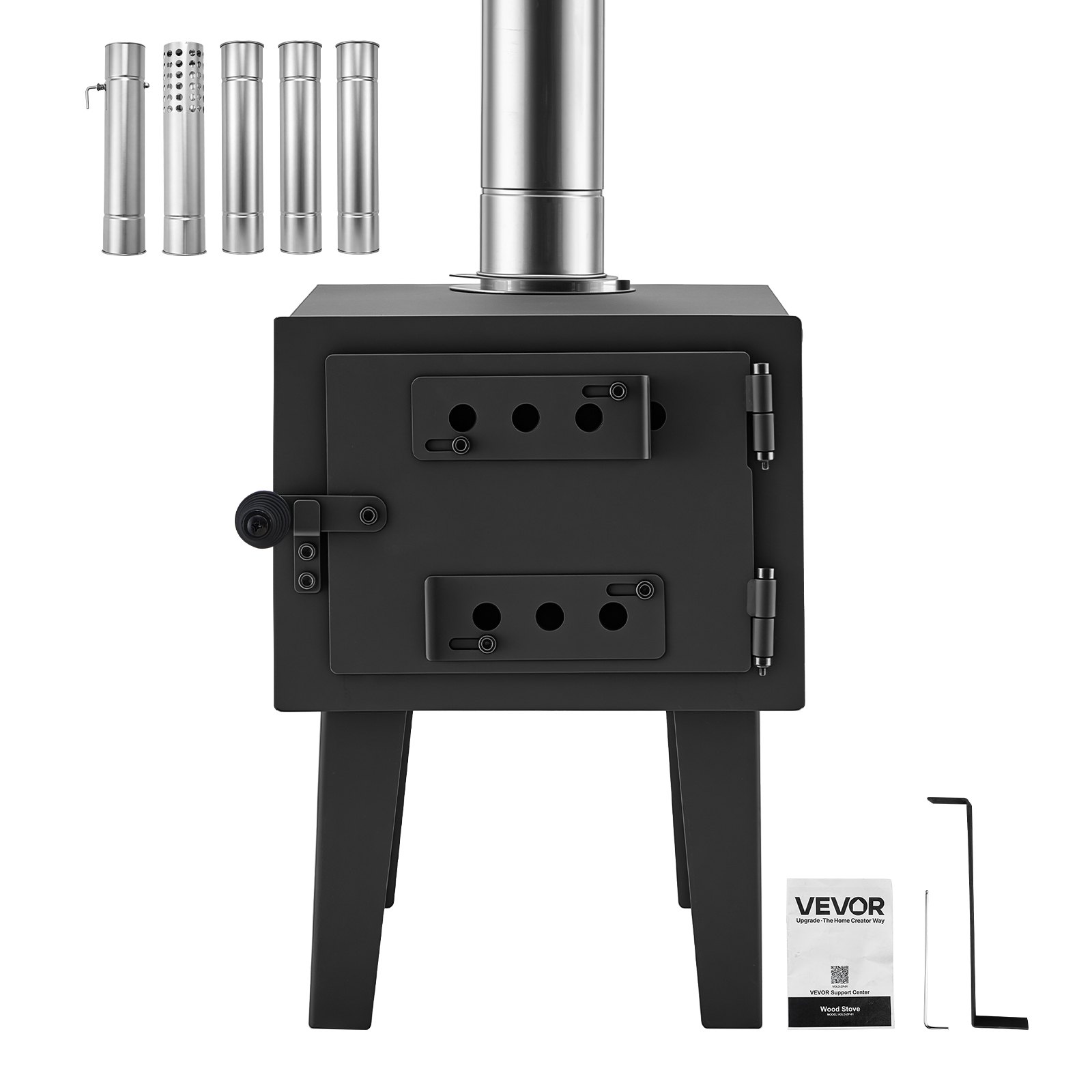 Wood Stove with Dual Sliders Control Burning Camping Tent for Outdoor Heating Cooking Drying, Carbon Steel, Extended Chimney Pipes, Retractable Bracket, and Spark Arrest Tube$170.99View on Mallflare
Highlights
- Propane burners are rated in BTU: single-burner camp stoves run roughly 8,000-80,000 BTU, while triple cast-iron patio burners reach 150,000-225,000 BTU total for large-pot and griddle cooking.
- Canister stoves run on standard isobutane-propane mix canisters with a Lindal valve; cold weather below freezing drops canister pressure, favoring liquid-fuel or wood stoves.
- Wood stoves use carbon or stainless steel fireboxes with spark-arrest chimneys; heat output depends on dry hardwood and controlled air sliders, not fuel ratings.
- Titanium and aluminum cook sets cut pack weight, while cast iron and carbon steel retain heat for searing but add bulk and require seasoning and rust care.
Best use cases
- Car camping, tailgating, and group cooking: choose a high-pressure propane burner with hose and adjustable regulator, plus a heat shield for wind.
- Backpacking and solo trips: pick an integrated canister stove system under 300g with a piezo igniter and matched pot for fuel efficiency.
- Emergency and off-grid backup: a wood stove or solar cooker removes fuel dependency; skip it for quick meals where instant gas control matters.
Buying tips
- Match burner count to pot size: one 10-inch pot fits a single burner, while dual or triple burners need a stable stand and 20+ inch cooking surface.
- Check regulator and hose compatibility; propane burners need an adjustable 0-20 PSI regulator and a standard 20 lb tank connection or 1 lb canister adapter.
- For canister stoves, confirm the threaded Lindal valve; non-threaded pierce-style canisters are cheaper but not refillable or resealable.
- Set pack weight thresholds: titanium pots around 100-150g suit solo trips, while stainless or aluminum sets over 500g are for group basecamps.
Specs
| Fuel Type | Propane / Isobutane / Wood / Alcohol |
|---|---|
| Burner Output | 8,000-225,000 BTU total |
| Burner Count | 1-3 burners / integrated system |
| Body Material | Cast iron / steel / titanium / aluminum |
Related searches
What to check before buying
- Measure your cooking surface and pot diameter; a wok or griddle needs a wider burner stand and heat shield clearance.
- Confirm fuel availability: propane tanks locally, isobutane canisters shipped, or dry wood on site.
- Check wind exposure at your site; open burners lose efficiency without a windscreen or heat shield guard.
- Verify chimney and tent clearance for wood stoves, plus a spark arrestor and heat-resistant gloves.
FAQ
Data sources: eBay / Amazon listings and product attribute feeds Data updated Nov 16, 2026.
Some links on this page are affiliate links. If you buy after clicking one, we may earn a commission at no extra cost to you. This does not change which products appear here or their order. Affiliate disclosure.