Photos from current listings. Actual item, color, and included accessories may vary.
Outdoor Stove Burner Buying Guide
Outdoor stove burners split into two hard architectures: high-pressure propane cast-iron burners for bulk cooking and lightweight canister or alcohol stoves for backpacking. The primary trade-off is raw BTU output and stability versus packed weight and fuel portability. Buy a cast-iron high-pressure burner if you cook for groups from a vehicle; buy a canister or alcohol system only if every ounce matters.

At a glance
- Category
- Camp Kitchen & Stoves
- Data updated
- Nov 16, 2026
Current offers
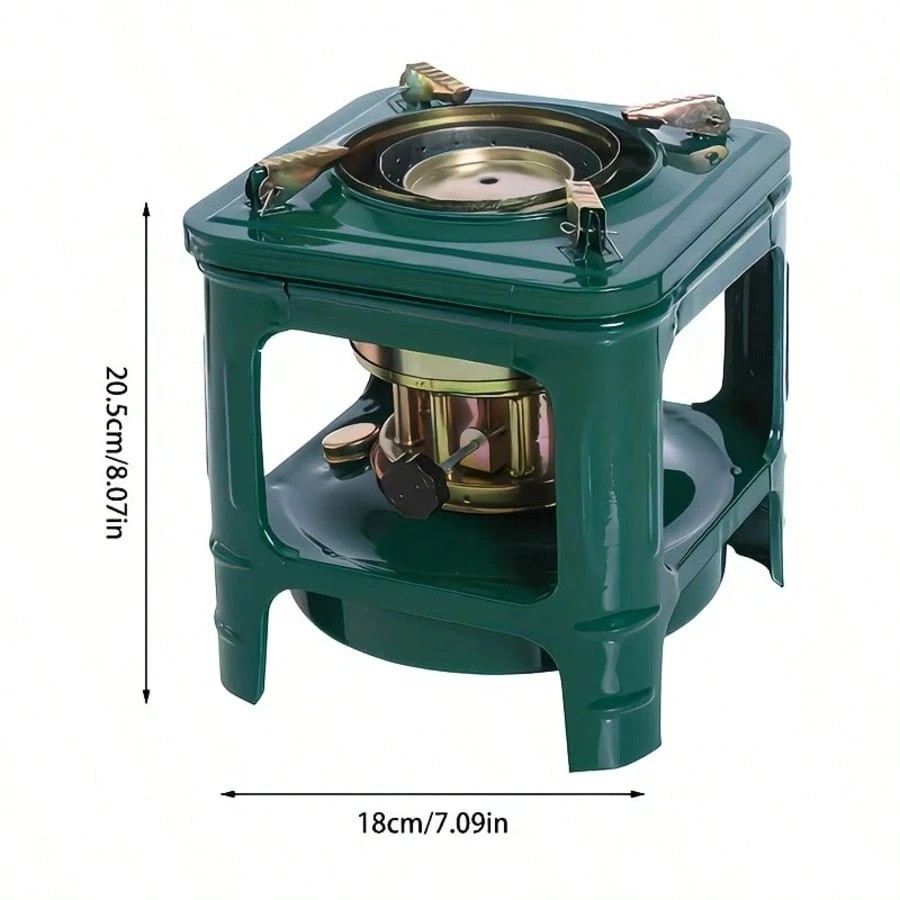 New 16 Core Kerosene Camping Stove Portable Outdoor Cooking Burner Green$20.80
 View on eBay
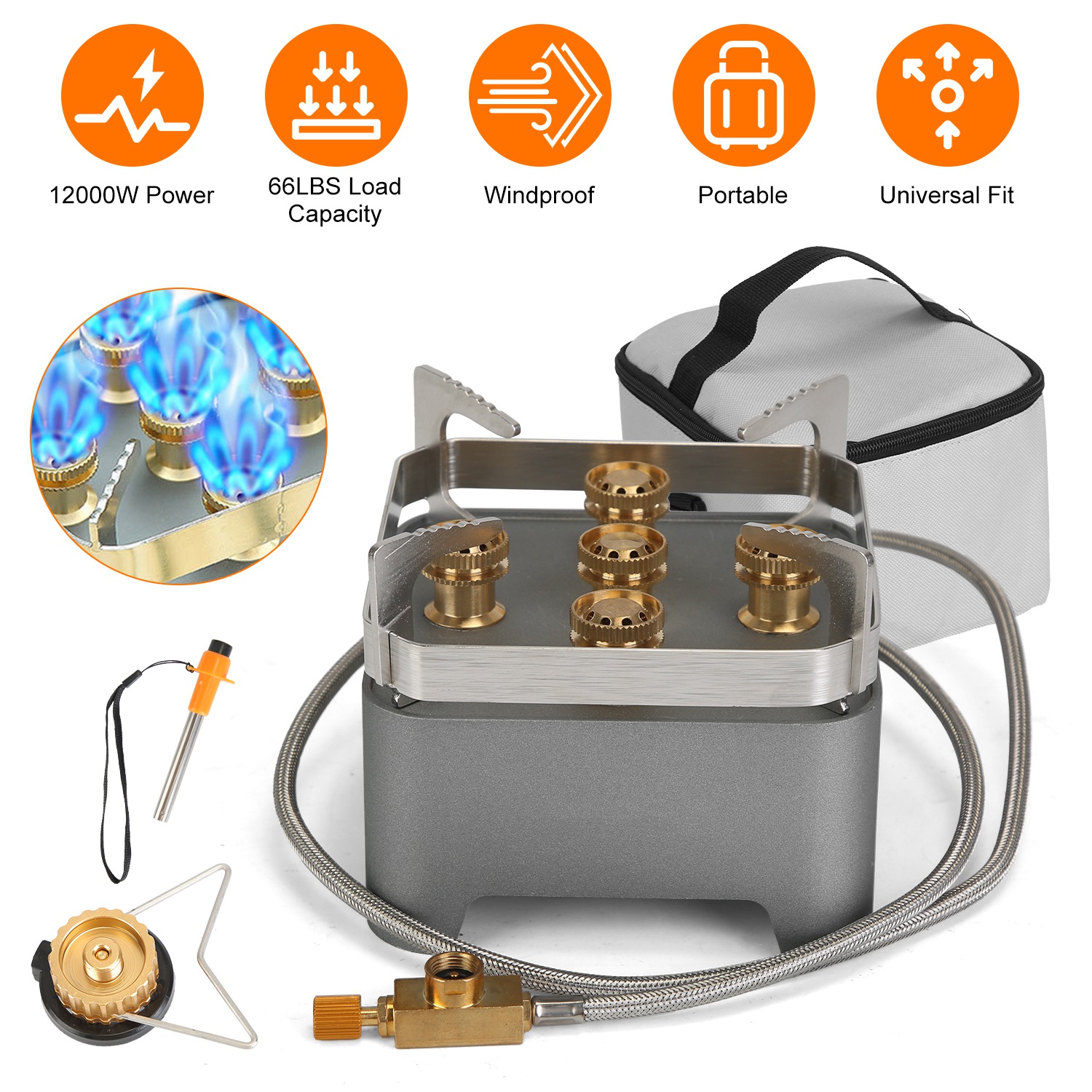 12000W Portable Camping Stove With Cassette Adapter Windproof Outdoor Backpacking Burner Carrying Case Igniter for Hiking Picnic$85.99
 View on Mallflare
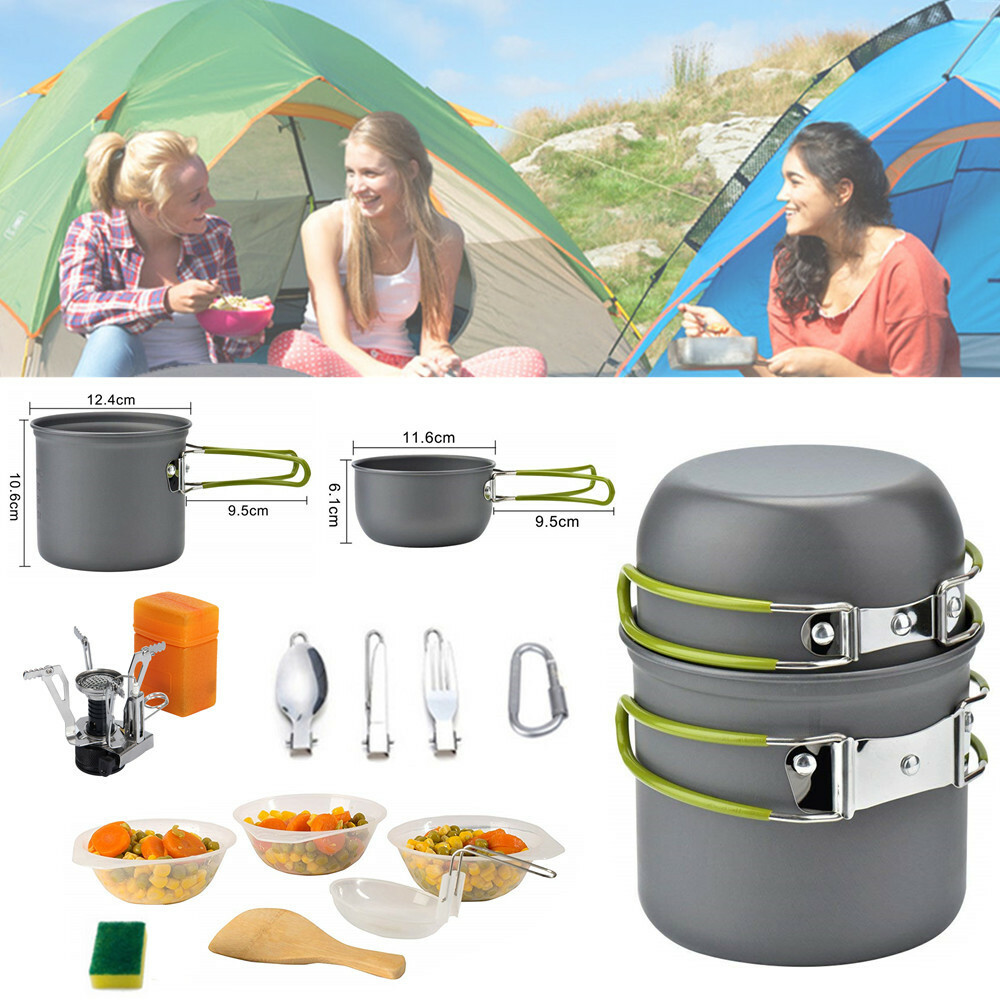 Portable Gas Camping Stove Butane Propane Burner Outdoor Hiking Picnic+Cookware$23.62View on eBay
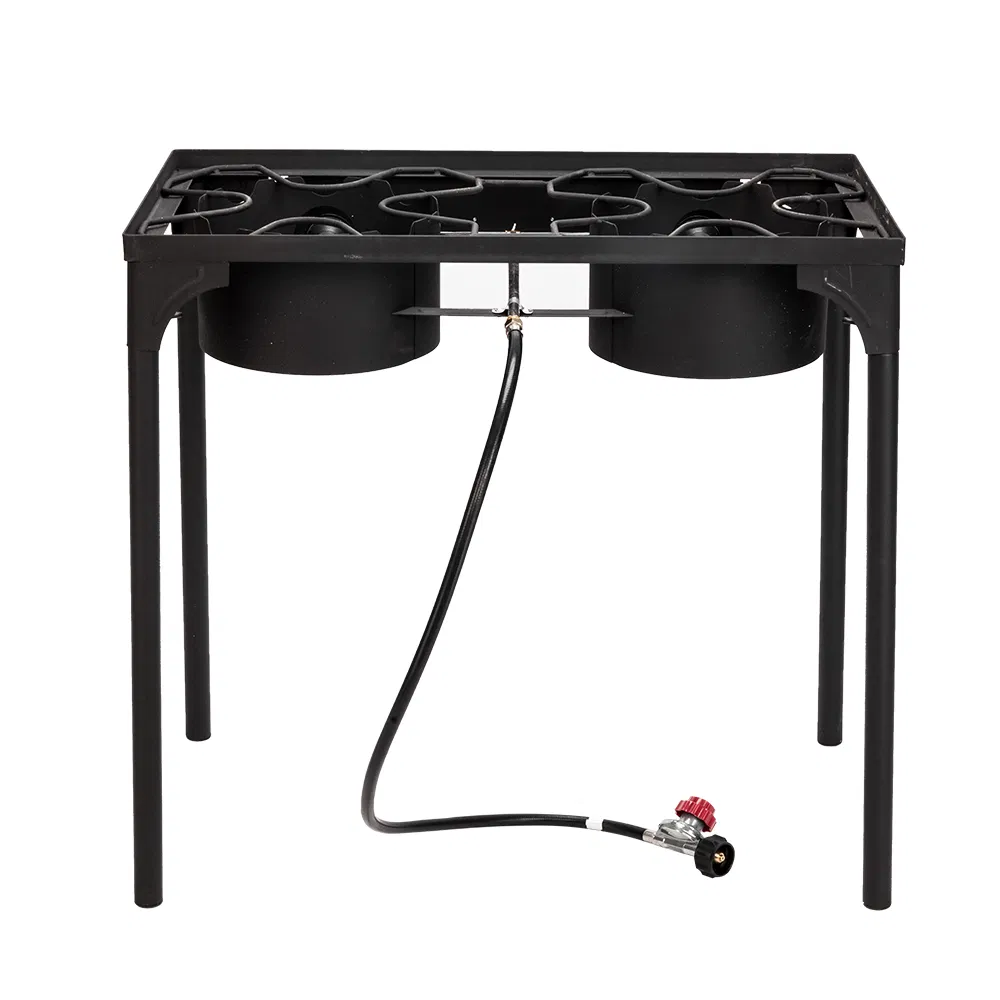 Outdoor Camp Stove High Pressure Propane Gas Cooker Portable Cast Iron Patio Cooking Burner (Double 150000-BTU)$108.99View on Mallflare
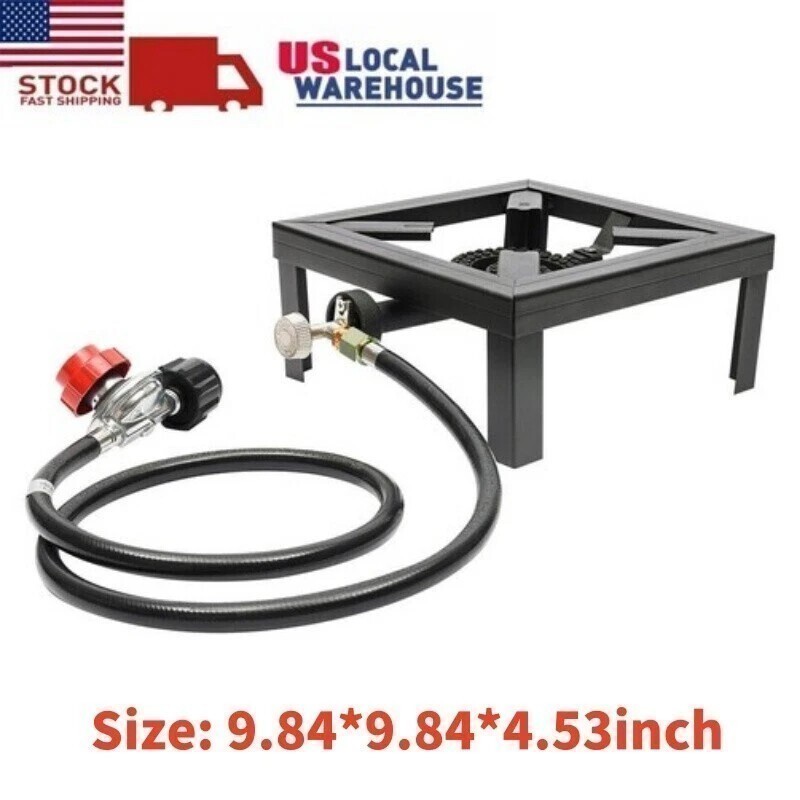 Propane Cooker Burner Stove Gas Outdoor Cooking Camping Stand BBQ Grill & Hose$23.98View on eBay
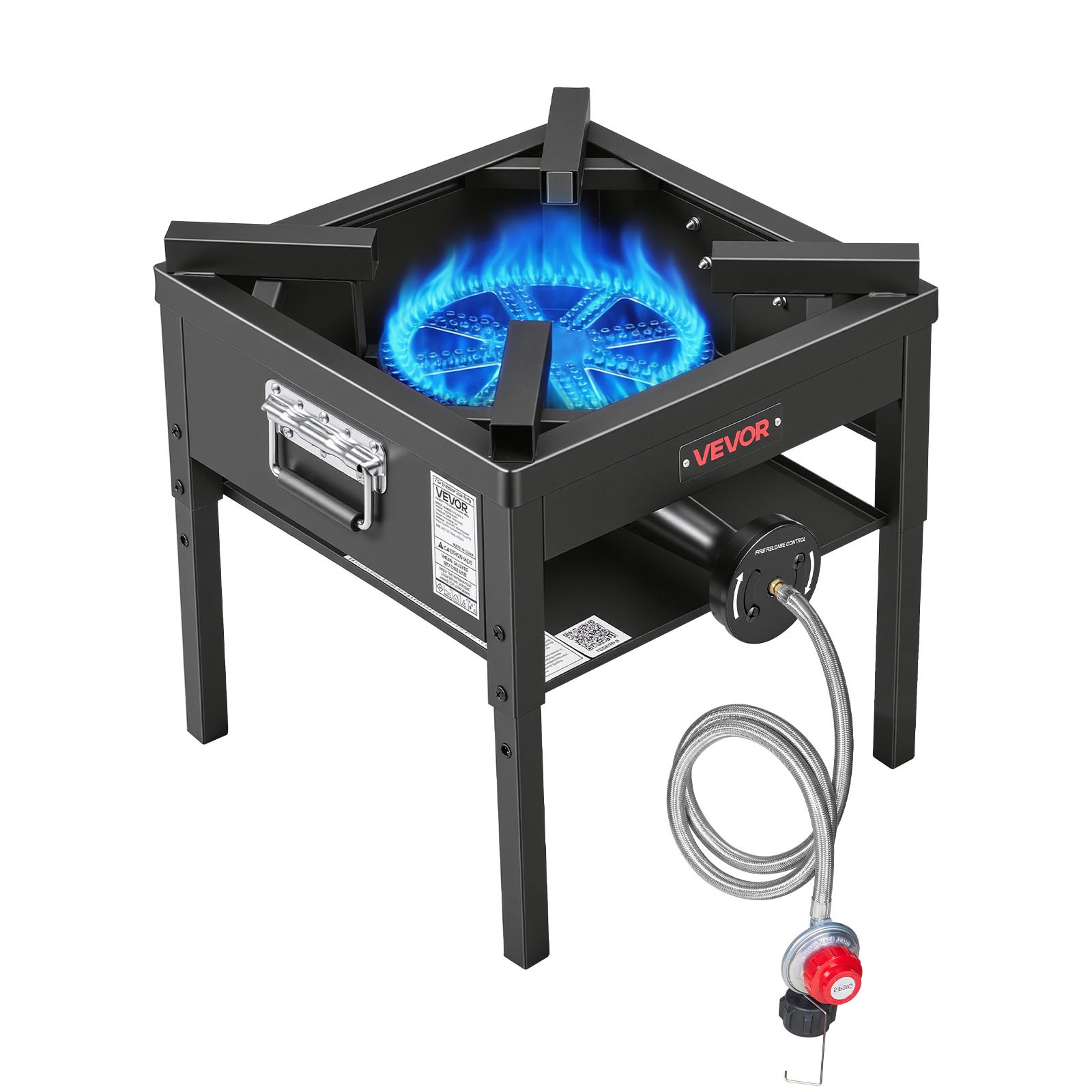 Single Burner Outdoor Propane Gas Stove, 200,000 BTU LPG Gas Camping Heavy Duty Carbon Steel Cooker, With Shield & 20 PSI Regulator, For BBQ Camp Home Patio Seafood Boil$115.99View on Mallflare
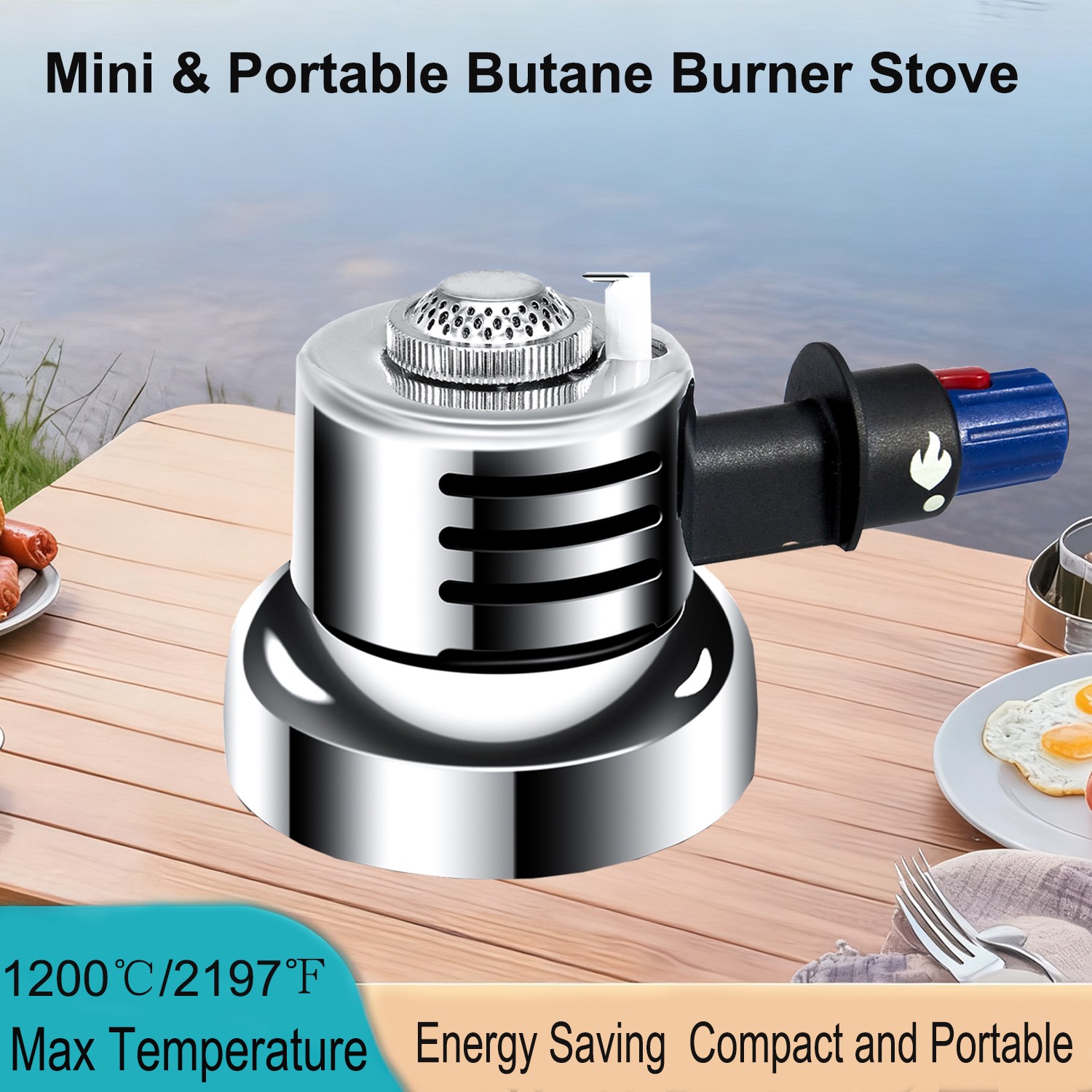 Butane Mini Burner Portable Outdoor Coffee Roaster Syphon Siphon Cooking Stove$23.99View on eBay
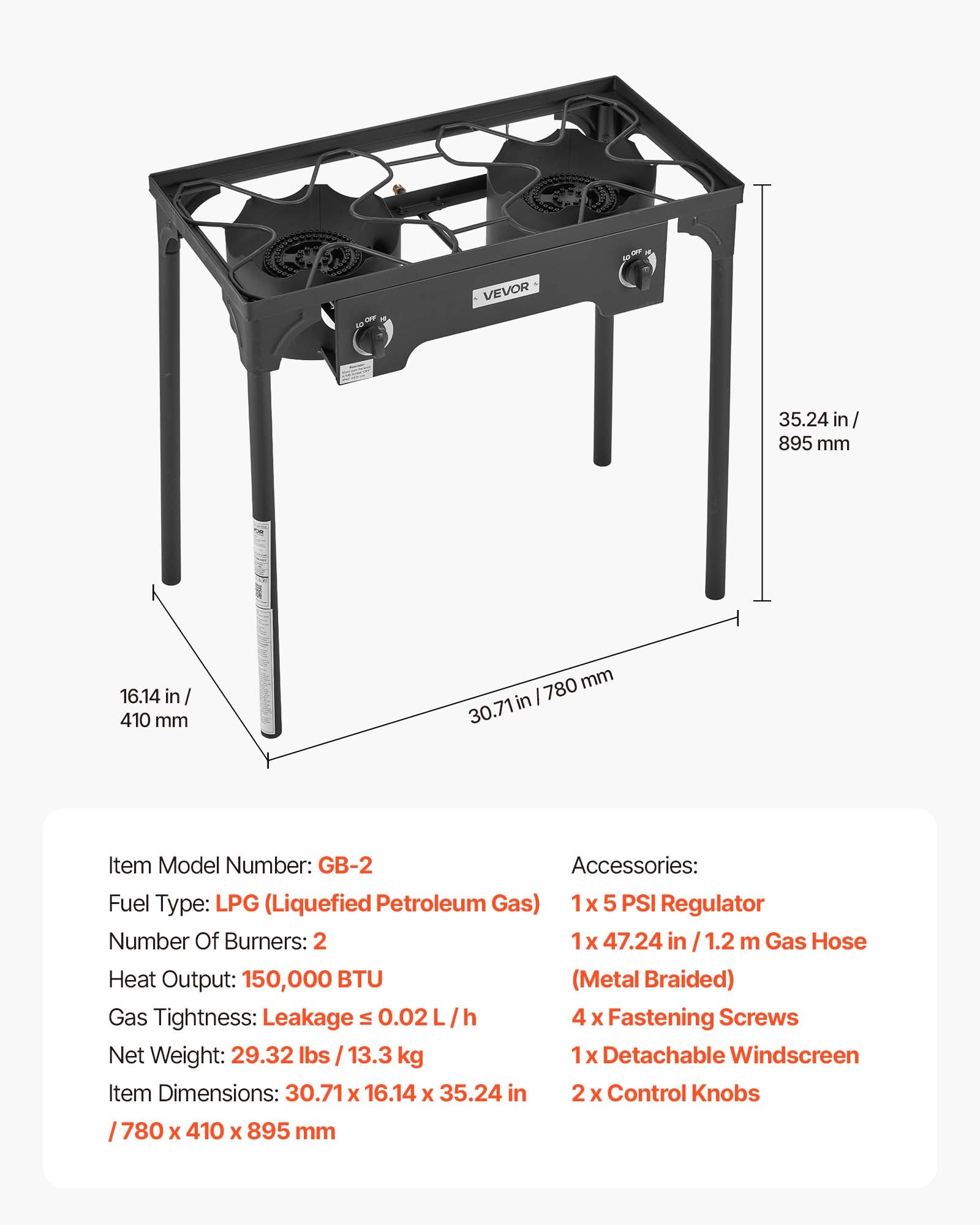 2 Burner Outdoor Propane Gas Stove, 150,000 BTU LPG Gas Camping Heavy Duty Carbon Steel Cooker, With Shield & Tall Stand & PSI Regulator, For BBQ Camp Home Patio Backyard$118.99View on Mallflare
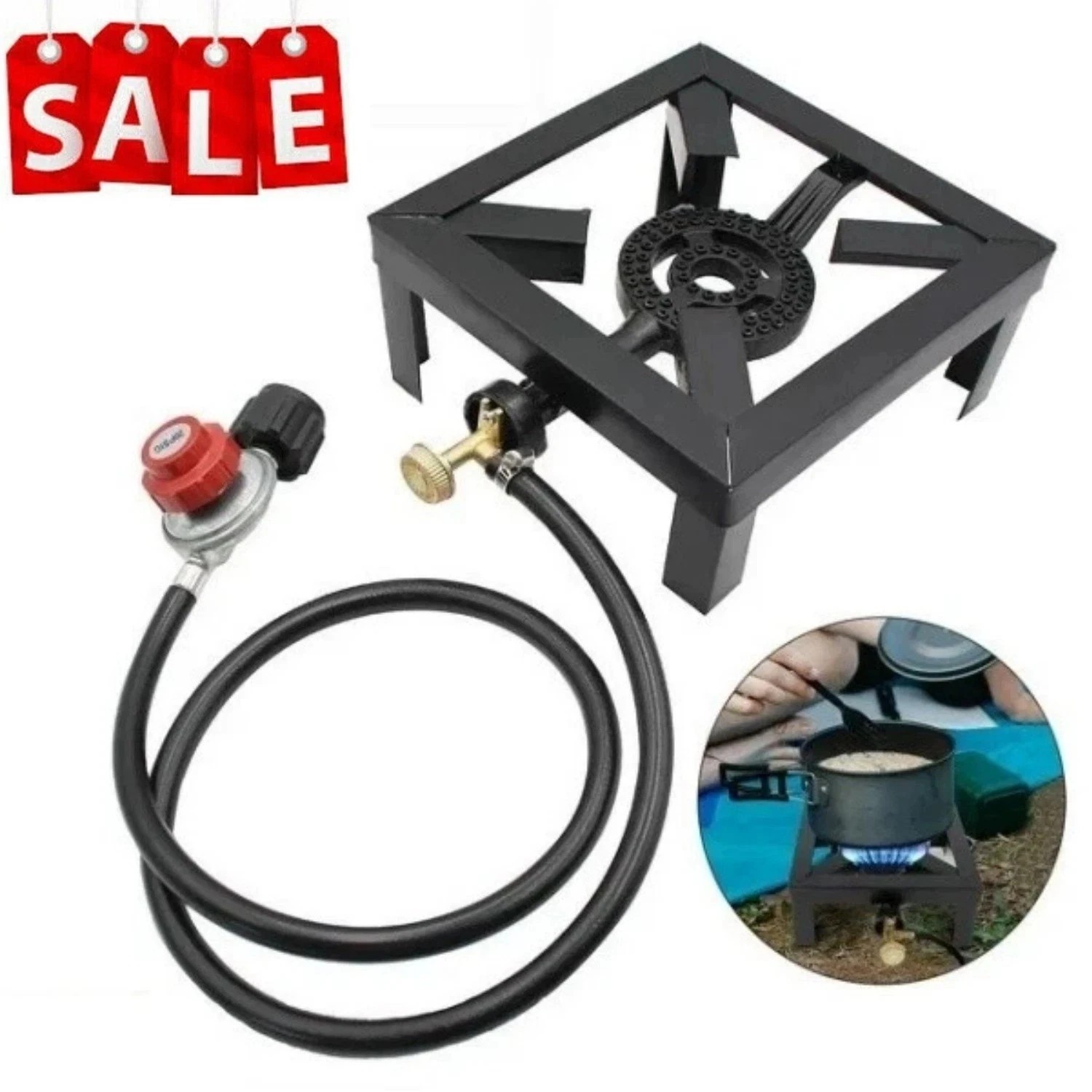 High Output Propane Outdoor Burner Single Stove Heavy Duty Camping Cooking Gas$24.85View on eBay
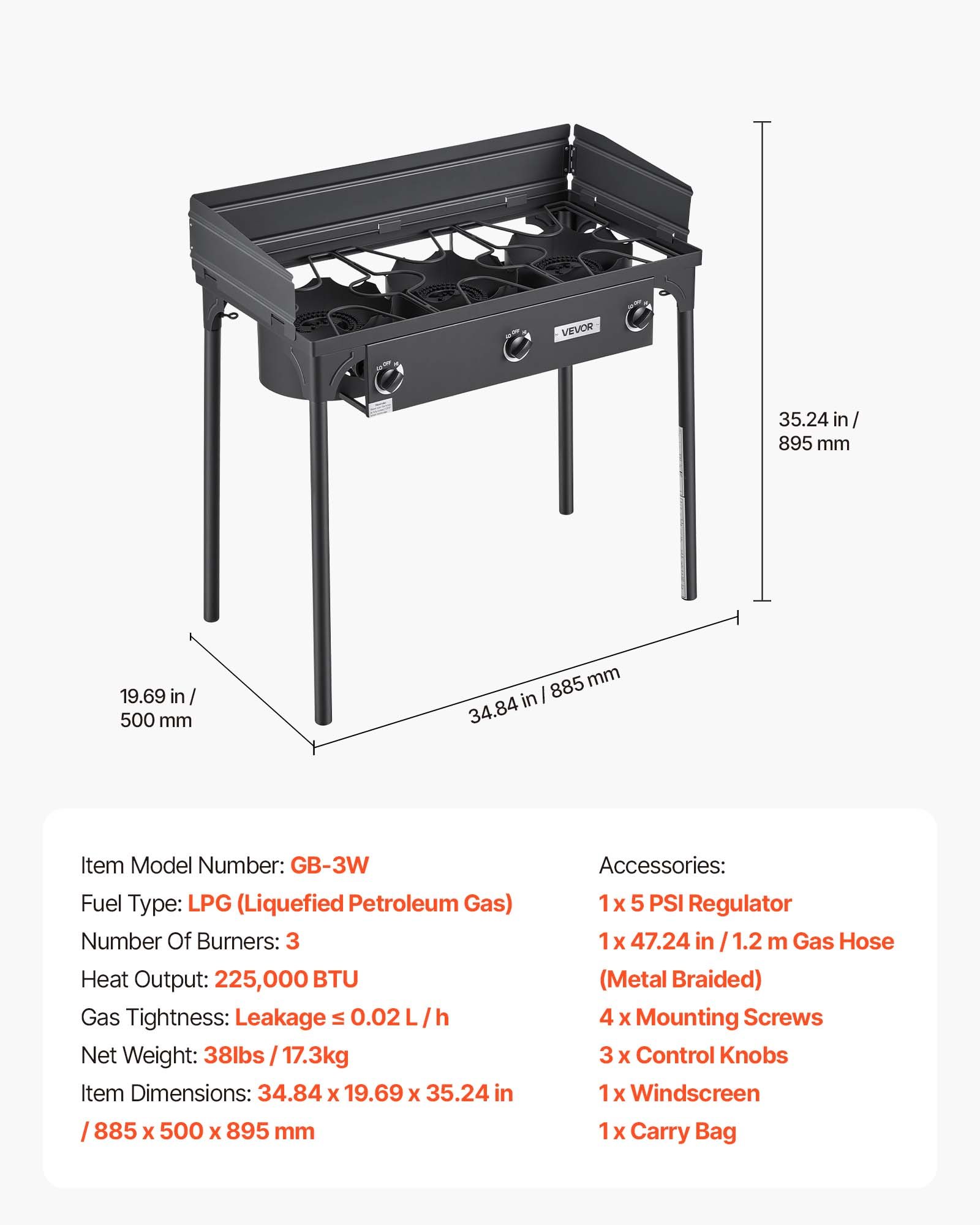 3 Burner Outdoor Propane Gas Stove, 225,000 BTU LPG Gas Camping Heavy-duty Carbon Steel Cooker, With Shield & Tall Stand & Regulator, For BBQ Camp Home Patio Backyard$125.99View on Mallflare
 Propane Cooker Burner Stove Gas Outdoor Cooking Camping Stand BBQ Grill & Hose$24.86View on eBay
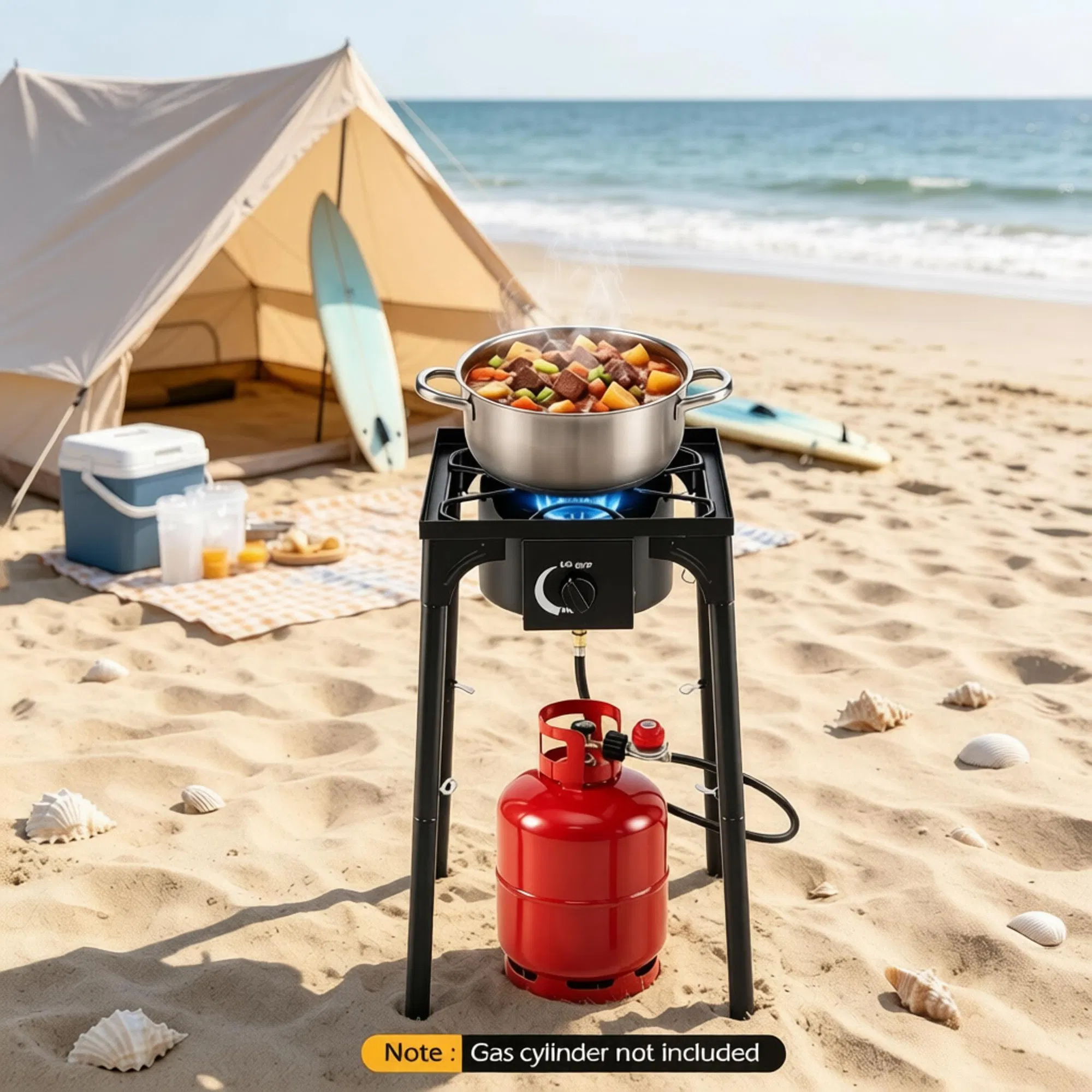 1 Burner Propane Stove 80000 BTU Adjustable Regulator And Hose Camping BBQ Outdoor Cooking Equipment$129.99View on Mallflare
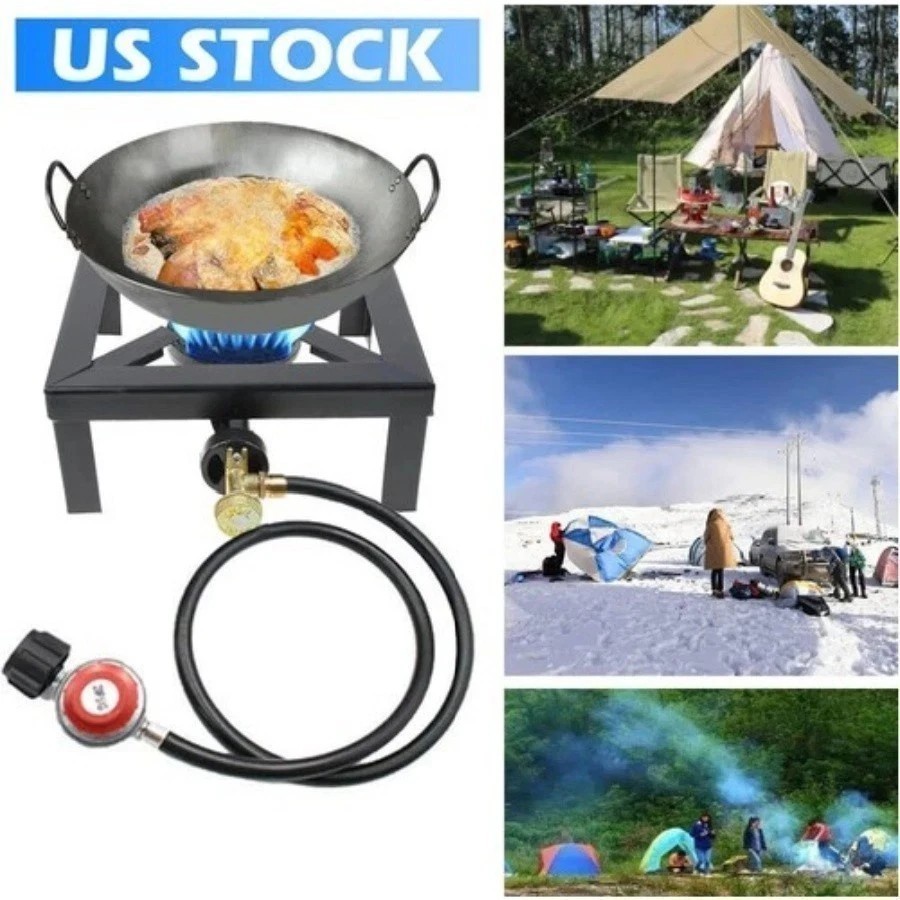 Propane Cooker Burner Stove Gas Outdoor Cooking Camping Stand BBQ Grill w/ Hose$24.87View on eBay
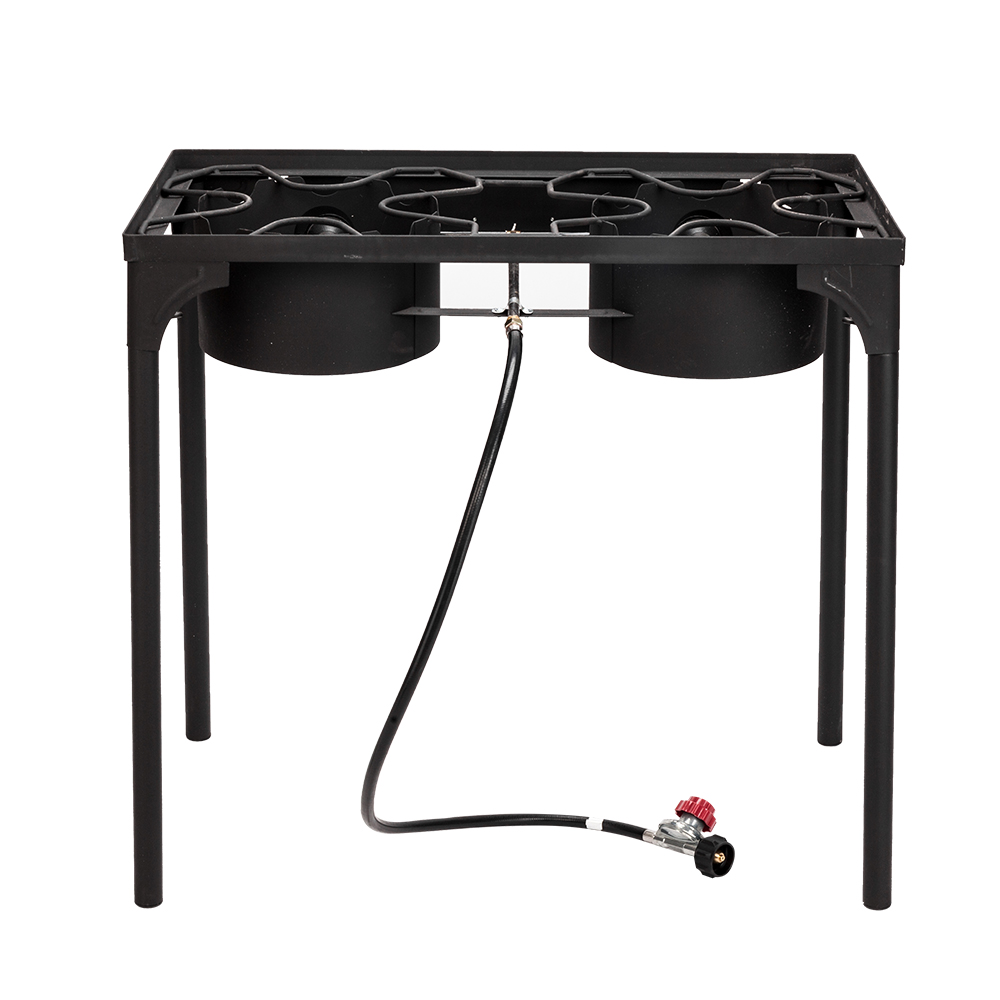 【Replace 1255491】Outdoor Camp Stove High Pressure Propane Gas Cooker Portable Cast Iron Patio Cooking Burner (Double 150000-BTU)$130.99View on Mallflare
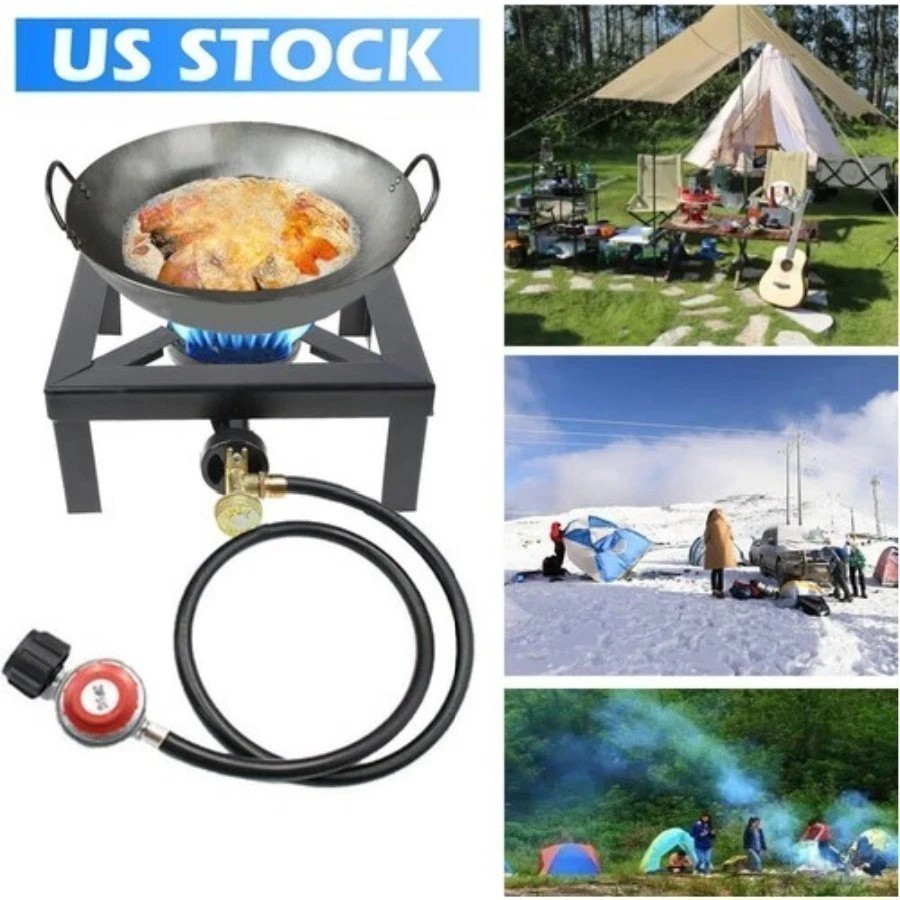 High Output Propane Outdoor Burner Single Stove Heavy Duty Camping Cooking Gas .$24.87View on eBay
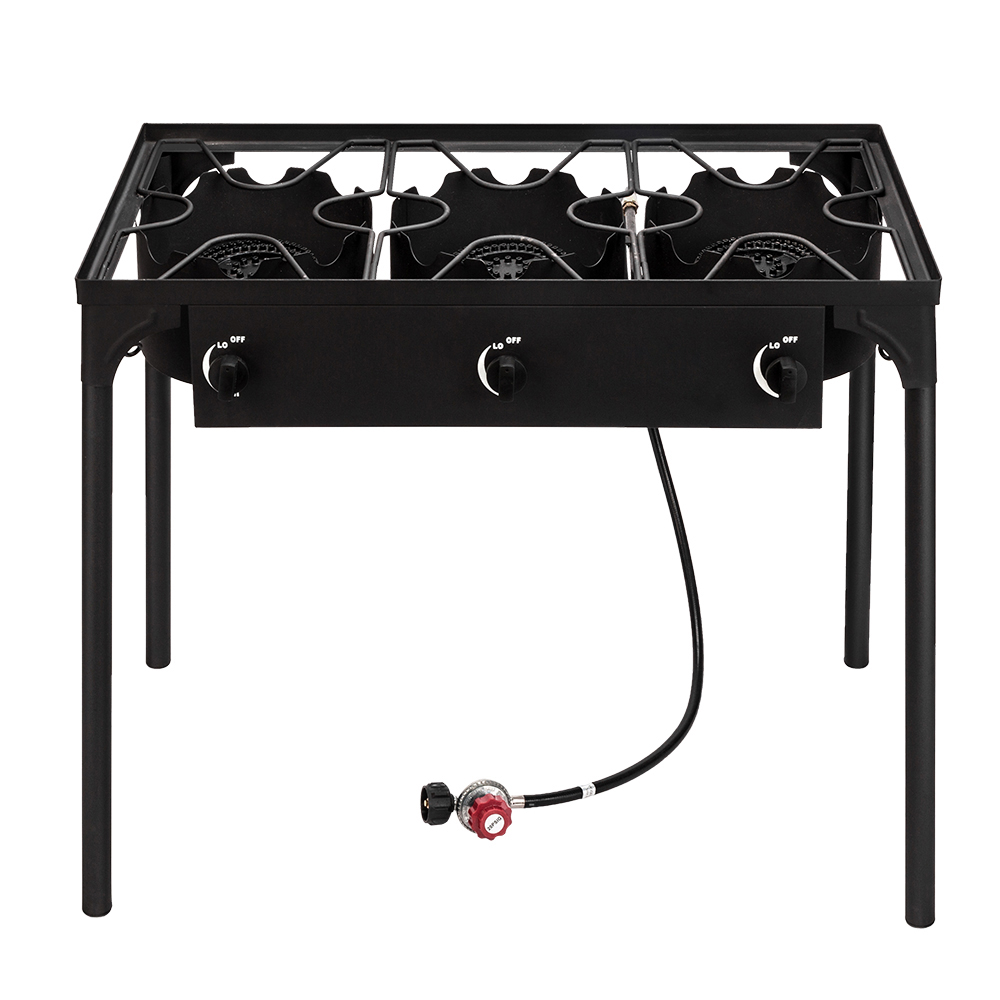 【Replace 15455210】Outdoor Camp Stove High Pressure Propane Gas Cooker Portable Cast Iron Patio Cooking Burner (Three 225000-BTU)$146.99View on Mallflare
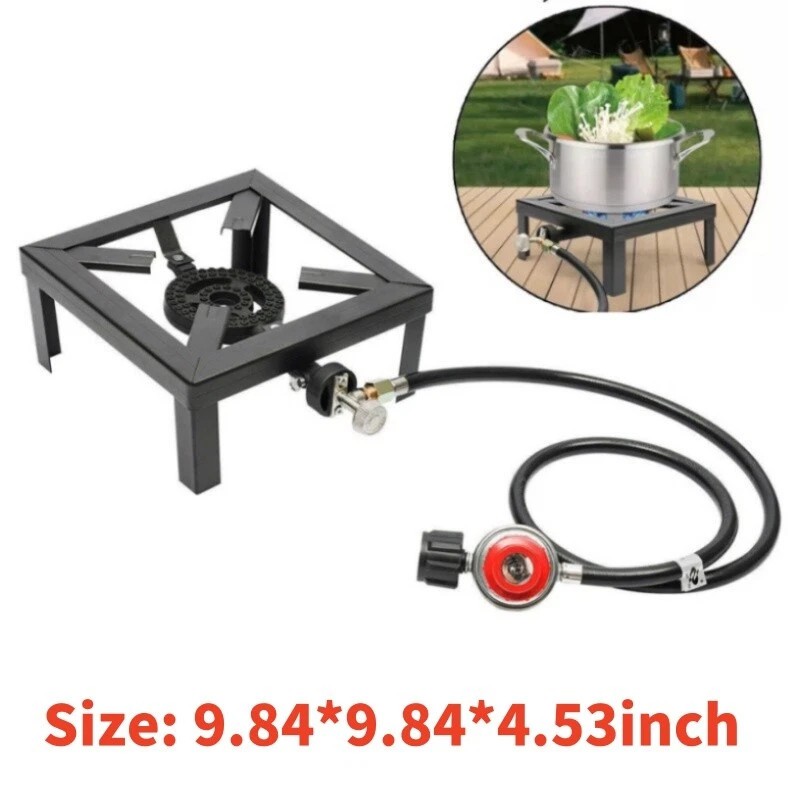 Propane Cooker Burner Stove Gas Outdoor Cooking Camping Stand BBQ Grill w/ Hose$26.88View on eBay
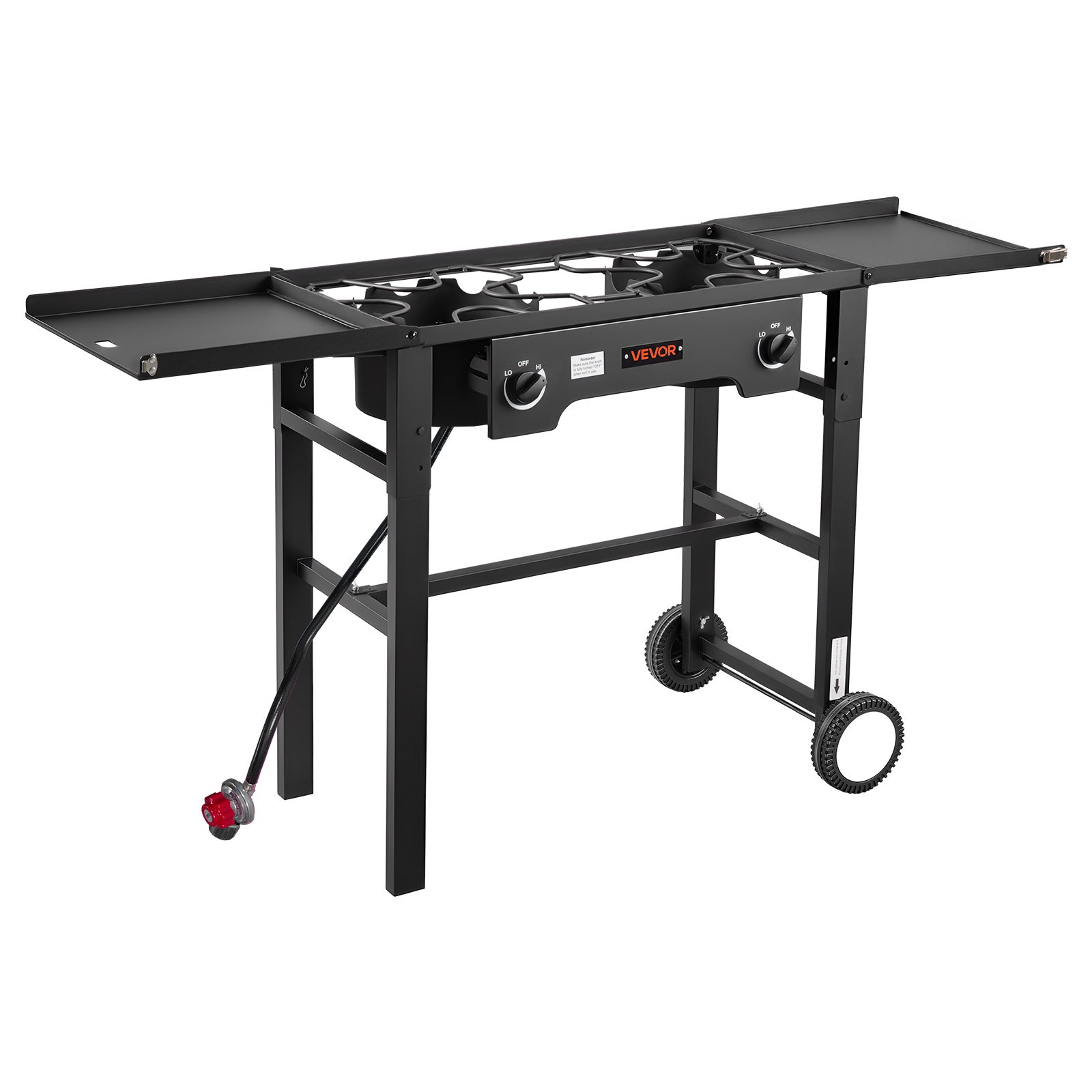 2 Burner Outdoor Propane Gas Stove, 150,000 BTU LPG Gas Camping Foldable Heavy-duty Carbon Steel Cooker, With Wheels & Shield & 20 PSI Regulator, For BBQ Camp Home Patio$182.99View on Mallflare
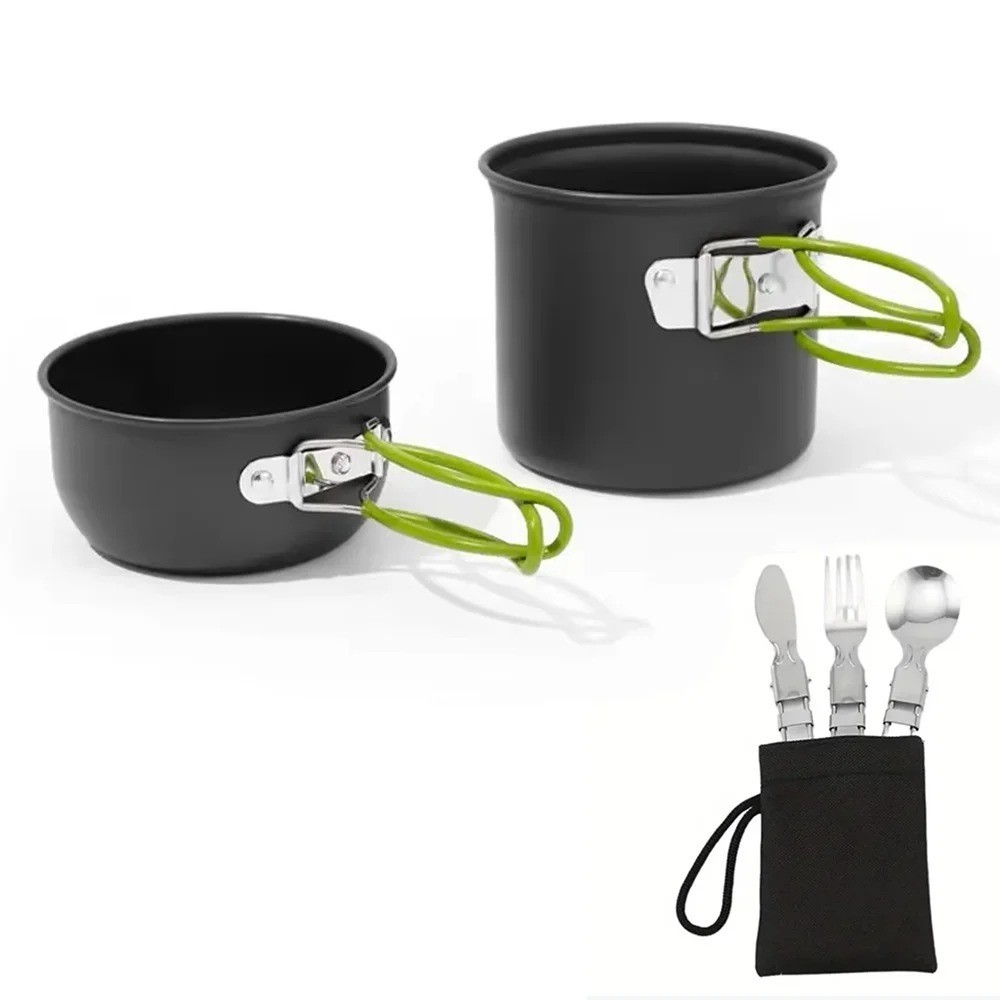 Portable Gas Camping Stove Butane Propane Burner Outdoor Hiking Picnic+Cookware$26.89View on eBay
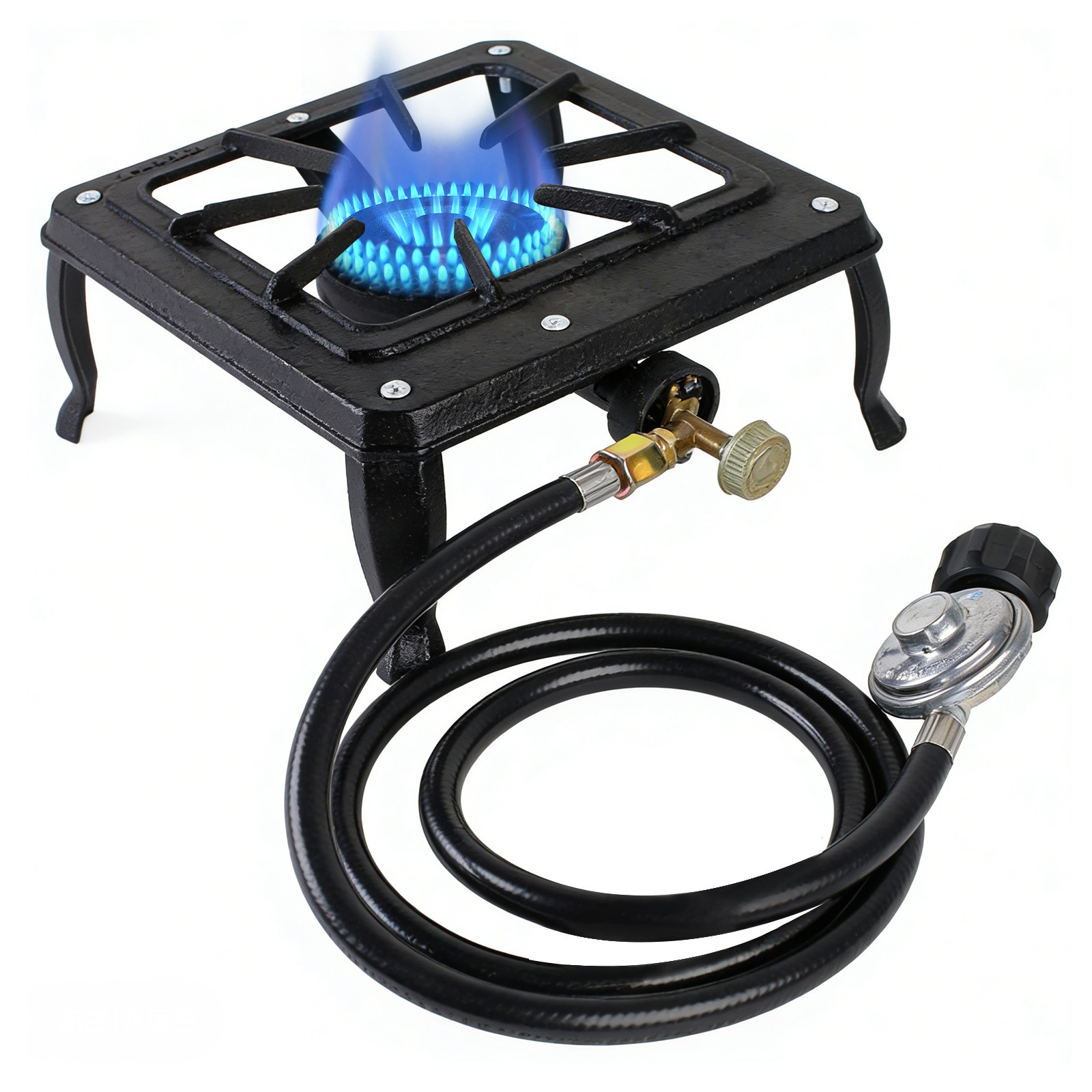 Cast Iron Propane Gas Stove Single Burner Heavy Duty Portable Removable Outdoor$26.99View on eBay
Highlights
- High-pressure propane burners use cast-iron or steel heads rated 80,000–225,000 BTU; single-burner units suit 1–2 pots, triple-burner rigs handle large crawfish or turkey pots.
- Canister stoves run butane, isobutane, or propane blends on threaded or pierceable cartridges; output is typically 8,000–12,000 BTU, enough to boil 1 L in 3–5 minutes.
- Alcohol stoves are the lightest option with zero moving parts but produce roughly 4,000–6,000 BTU and require a wind screen and primer to light reliably.
- Stainless-steel bodies resist corrosion; cast-iron burner heads hold heat and resist warping but add weight; aluminum is lightest but softens under sustained high heat.
Best use cases
- Best fit: high-pressure single burner with adjustable regulator for car camping, tailgating, and stockpot cooking. Skip it for backpacking—cast-iron heads exceed 10 lb.
- Best fit: threaded canister stove for 1–2 person backpacking and fast boils. Skip it for group cooking or pots wider than 8 in—small burner heads create hot spots.
- Best fit: triple-burner 225,000 BTU rig for large gatherings, seafood boils, and turkey frying. Skip it unless you have a stable table and a 20 lb tank with hose.
- Best fit: alcohol stove for ultralight solo trips and emergency kits. Skip it in high wind or sub-freezing cold—output drops and priming becomes unreliable.
Buying tips
- Match burner head diameter to pot base: an 8 in head under a 12 in pot wastes heat; a 6 in head under a 16 in stockpot scorches the center.
- For high-pressure propane, confirm the regulator is adjustable and the hose reaches your tank; fixed regulators limit output and prevent simmering.
- Canister stoves need a threaded Lindal valve for isobutane mixes; pierceable butane cartridges suit only low-output coffee and siphon burners.
- Check legs and wind screens: three or four wide-splayed legs with a full perimeter screen hold stability and efficiency in wind above 10 mph.
Specs
| Burner Architecture | High-pressure propane / canister / alcohol |
|---|---|
| BTU Output | 8,000–225,000 BTU by tier |
| Burner Head Material | Cast iron / stainless / aluminum |
| Fuel Connection | QCC1 tank hose / Lindal valve / open alcohol |
Related searches
What to check before buying
- Measure your largest pot base and confirm the burner head and leg span exceed it by at least 2 in for stability.
- Confirm your fuel standard: 20 lb propane tank with hose for high-pressure burners, threaded canister for backpacking, or liquid alcohol.
- Check surface and clearance: cast-iron high-BTU burners need a non-combustible table and 3 ft of overhead clearance.
- Verify the stove fits your vehicle or pack: triple-burner rigs are stand-alone units, while canister stoves collapse to under 4 in.
FAQ
Data sources: eBay / Amazon listings and product attribute feeds Data updated Nov 16, 2026.
Some links on this page are affiliate links. If you buy after clicking one, we may earn a commission at no extra cost to you. This does not change which products appear here or their order. Affiliate disclosure.