Photos from current listings. Actual item, color, and included accessories may vary.
Portable Gas Stove Buying Guide
Portable gas stoves are compact combustion cookers that trade heat output, fuel compatibility, and wind resistance against pack weight and canister cost. The core decision is canister style: threaded iso-butane/propane mixes for cold-weather reliability and precision, versus cheap bayonet butane canisters that lose pressure below freezing. Buy a stove whose fuel standard matches your coldest expected trip and whose burner output matches your cookware diameter, or accept weak simmering and fuel waste.

At a glance
- Category
- Camp Kitchen & Stoves
- Data updated
- Nov 16, 2026
Current offers
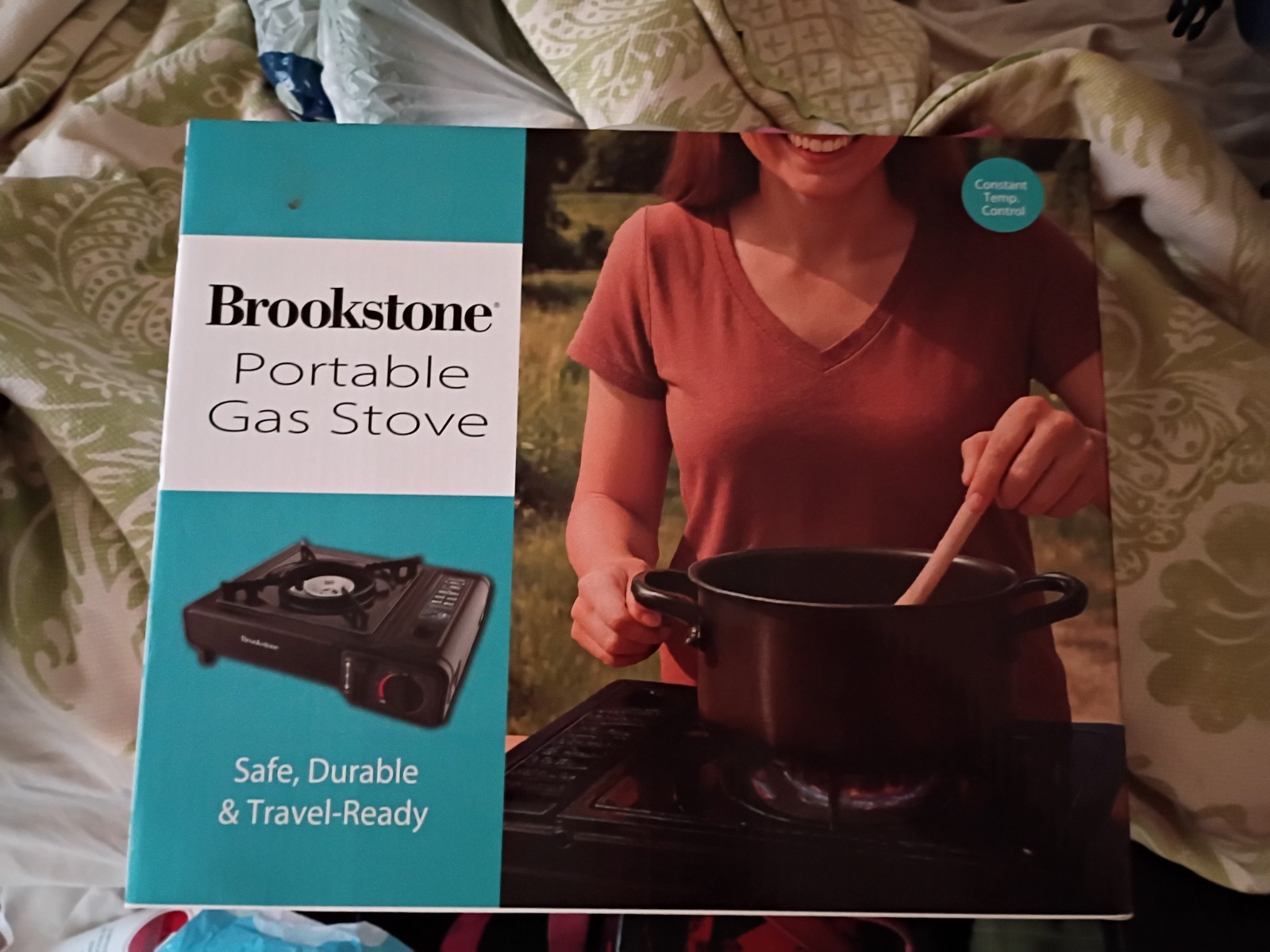 Brookstone Portable Gas Stove 1 Burner 8500 BTU Black w/ Carry Case$26.99
 View on eBay
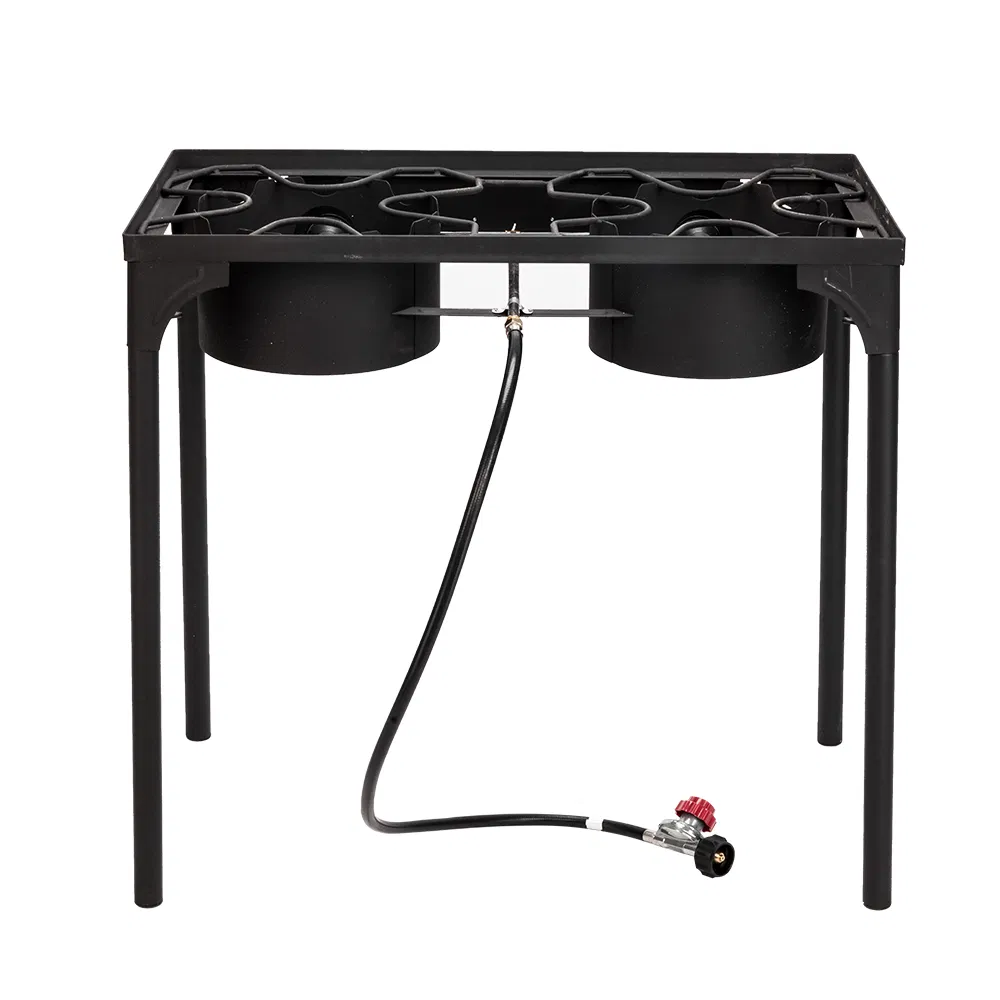 Outdoor Camp Stove High Pressure Propane Gas Cooker Portable Cast Iron Patio Cooking Burner (Double 150000-BTU)$108.99
 View on Mallflare
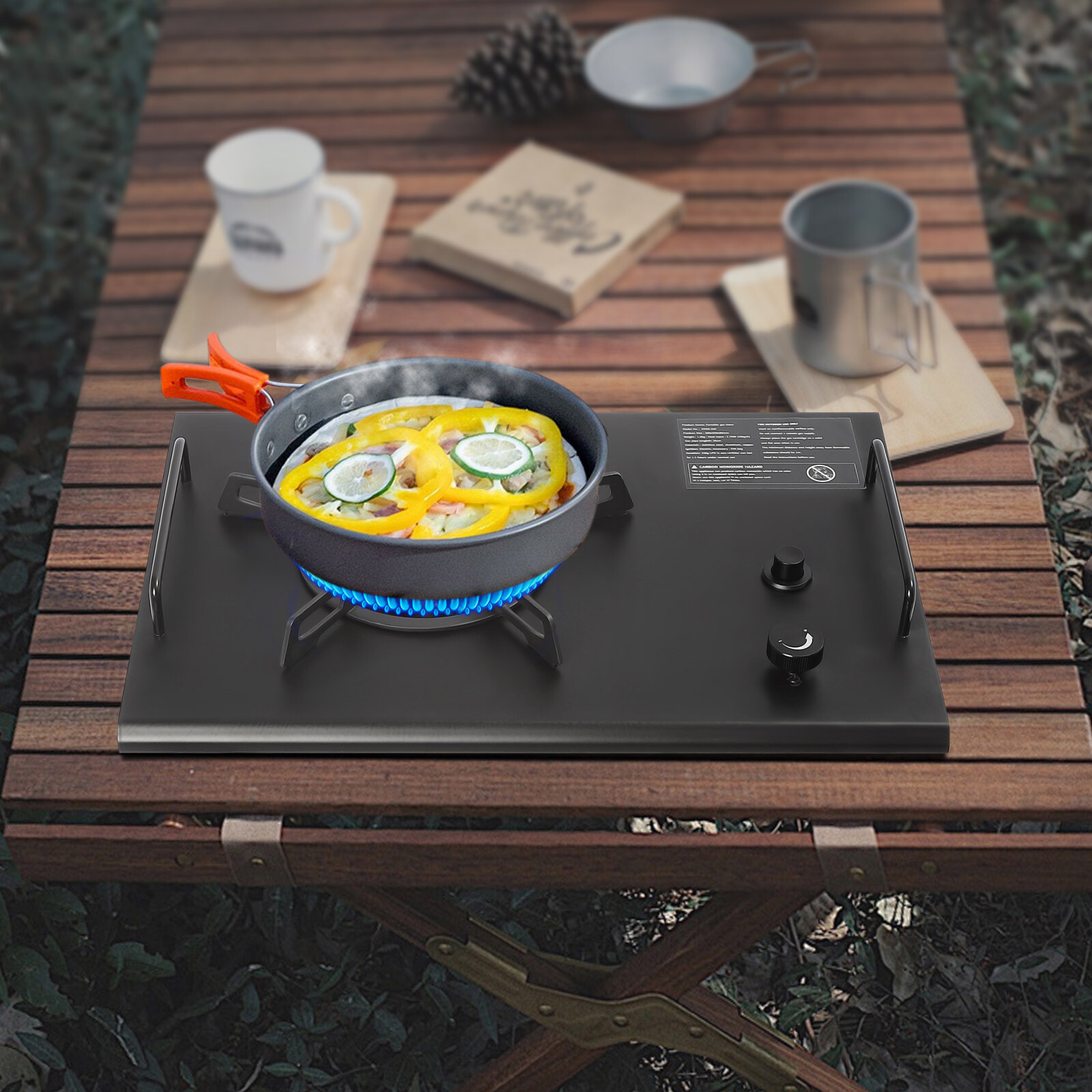 Portable Gas Stove Electronic Ignition Camping Cooking Stove Outdoor Stove+Bag$87.05View on eBay
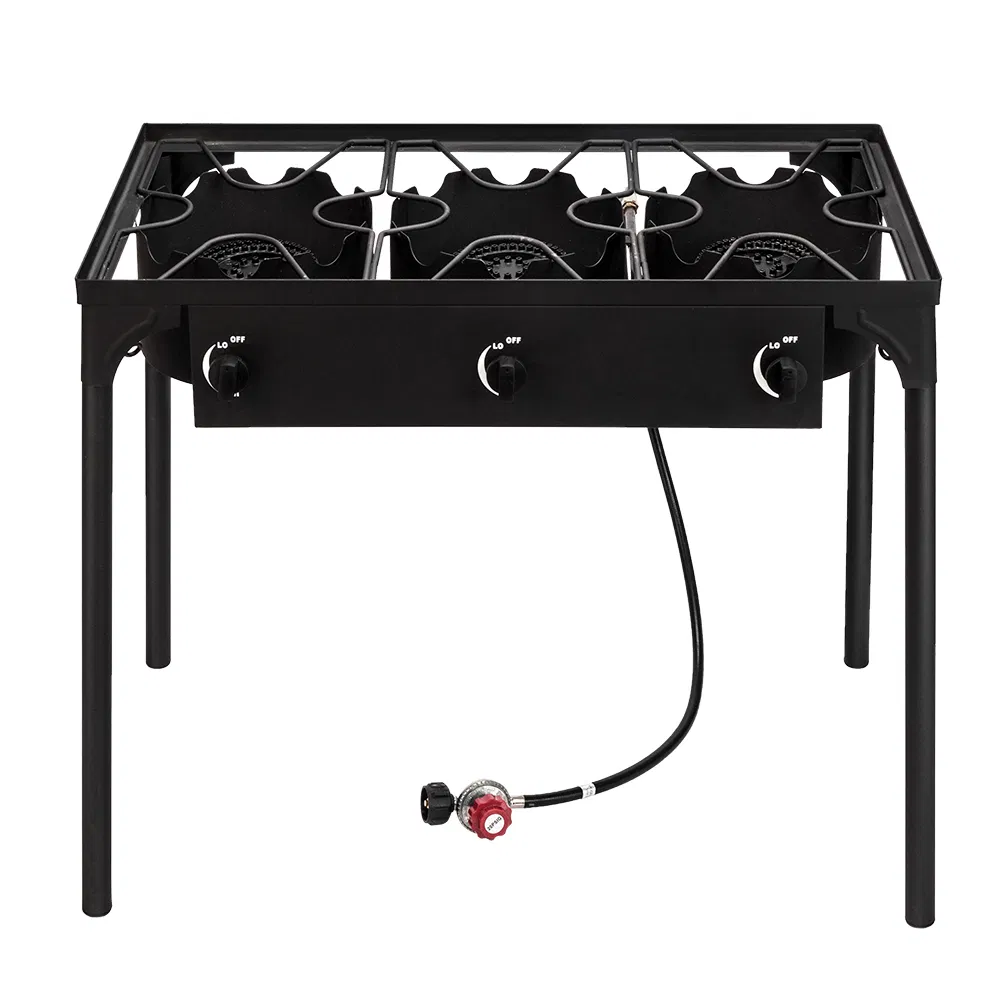 Replace 15455210Outdoor Camp Stove High Pressure Propane Gas Cooker Portable Cast Iron Patio Cooking Burner (Three 225000-BTU)$122.99View on Mallflare
- Portable Gas Stove Electronic Ignition Camping Cooking Stove Outdoor Stove+Bag$87.05View on eBay
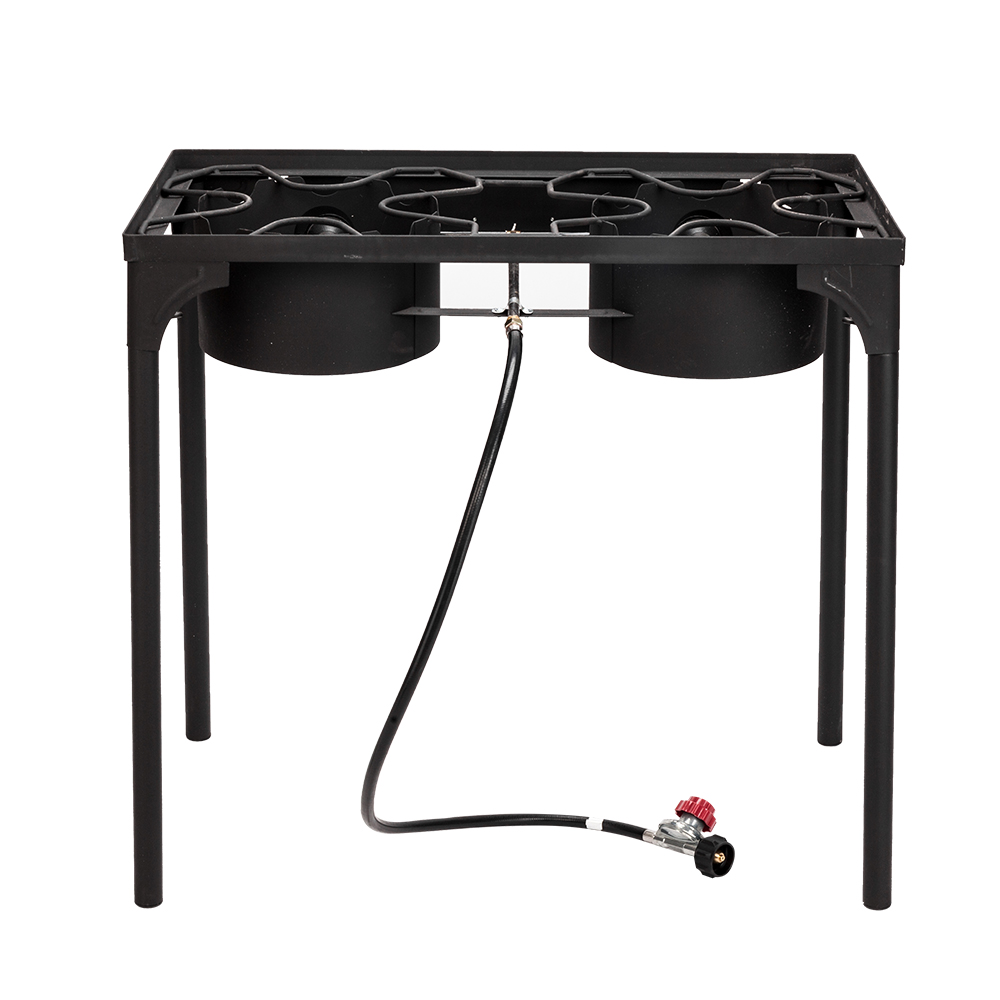 【Replace 1255491】Outdoor Camp Stove High Pressure Propane Gas Cooker Portable Cast Iron Patio Cooking Burner (Double 150000-BTU)$130.99View on Mallflare
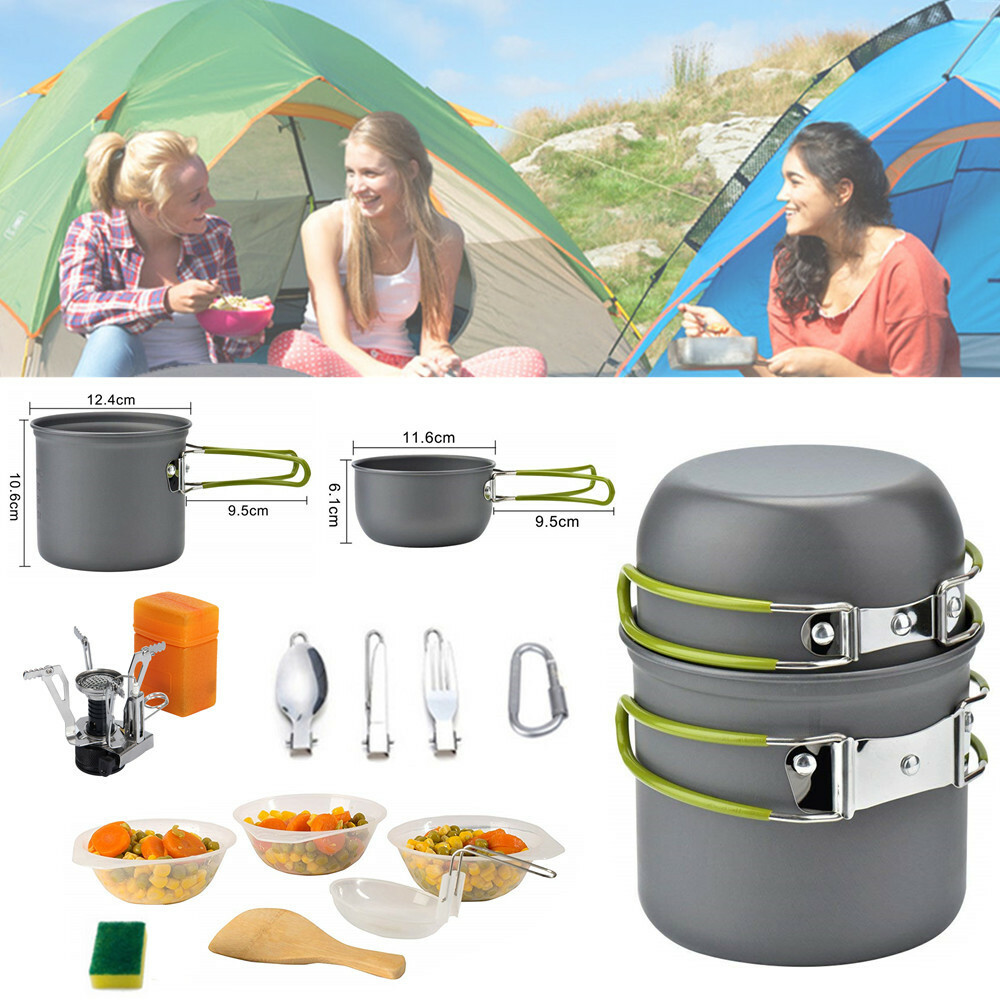 Portable Gas Camping Stove Butane Propane Burner Outdoor Hiking Picnic+Cookware$23.62View on eBay
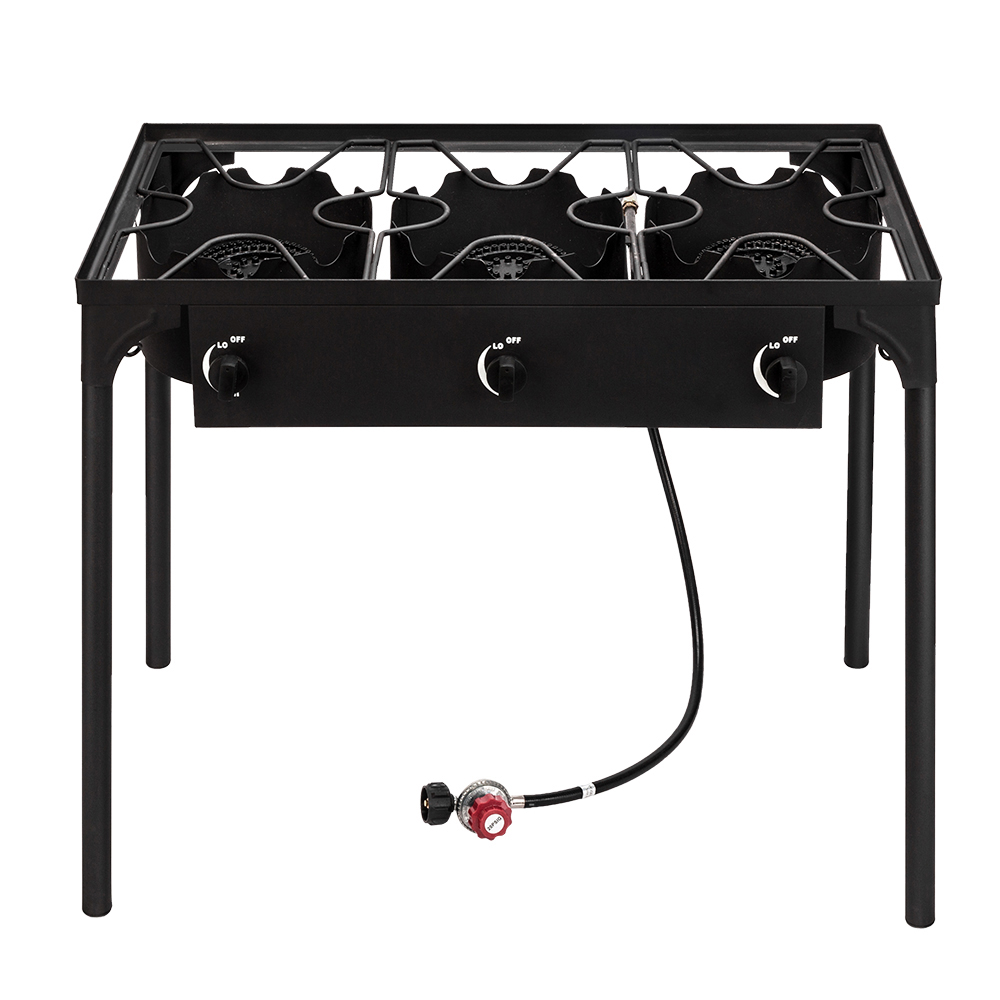 【Replace 15455210】Outdoor Camp Stove High Pressure Propane Gas Cooker Portable Cast Iron Patio Cooking Burner (Three 225000-BTU)$146.99View on Mallflare
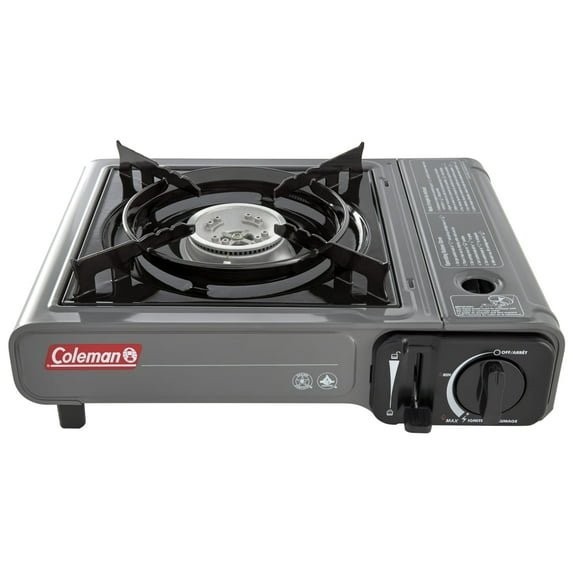 Coleman Tabletop Portable Butane Gas Camping Stove, 1 Burner, Gray$25.00View on eBay
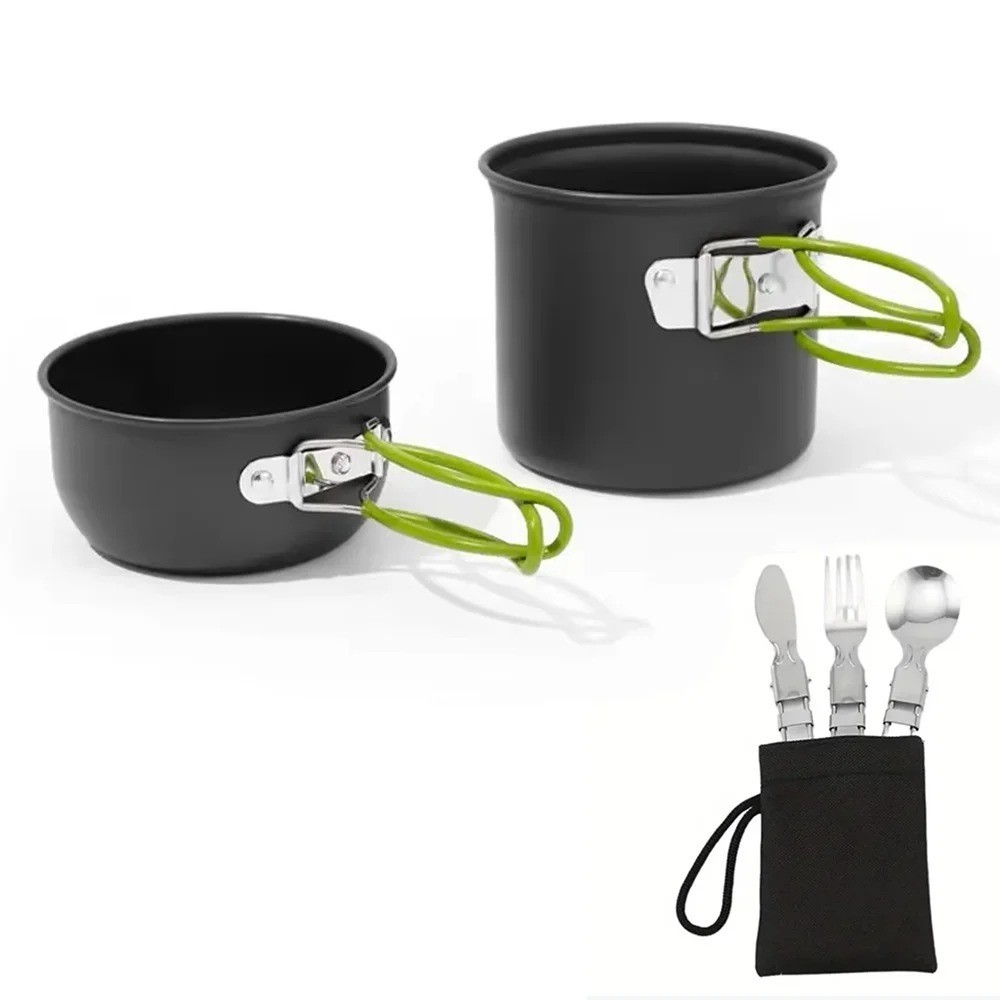 Portable Gas Camping Stove Butane Propane Burner Outdoor Hiking Picnic+Cookware$26.89View on eBay
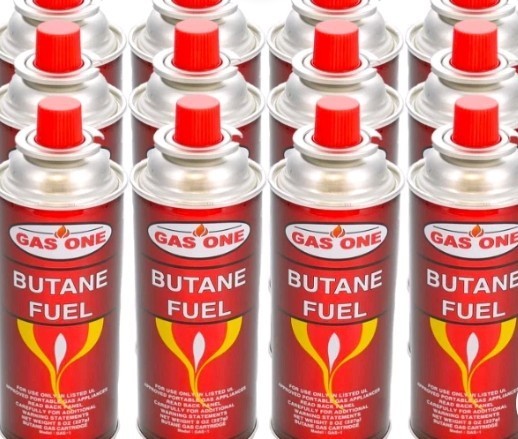 Gas One Butane Fuel Canisters 8 oz 12 Pack Camping Portable Stove Gas Refill Lot$26.98View on eBay
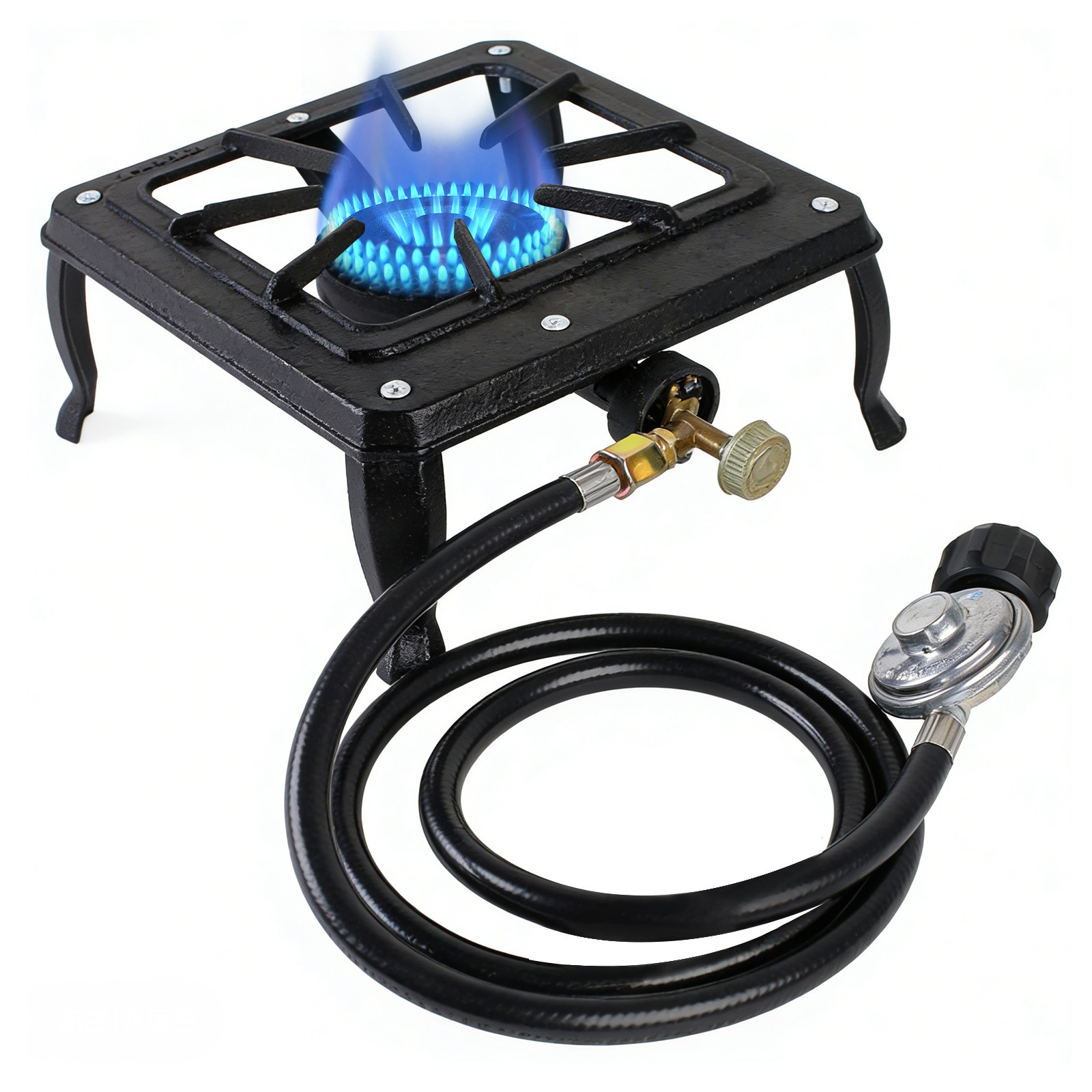 Cast Iron Propane Gas Stove Single Burner Heavy Duty Portable Removable Outdoor$26.99View on eBay
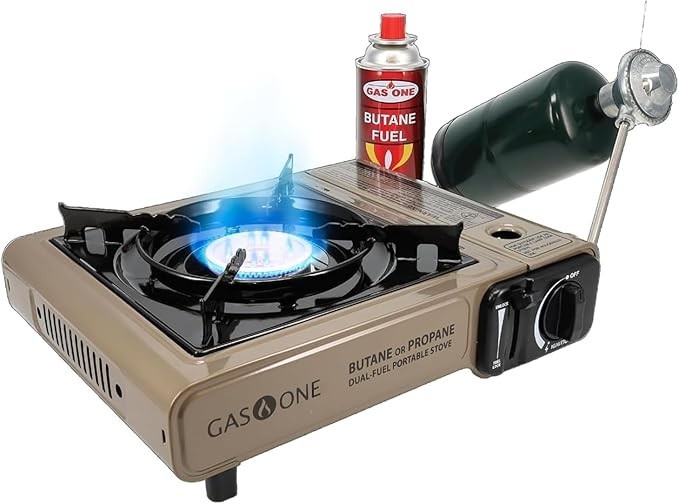 Gas One GS-3400P Propane or Butane Stove Dual Fuel Stove Portable Camping Stove$26.99View on eBay
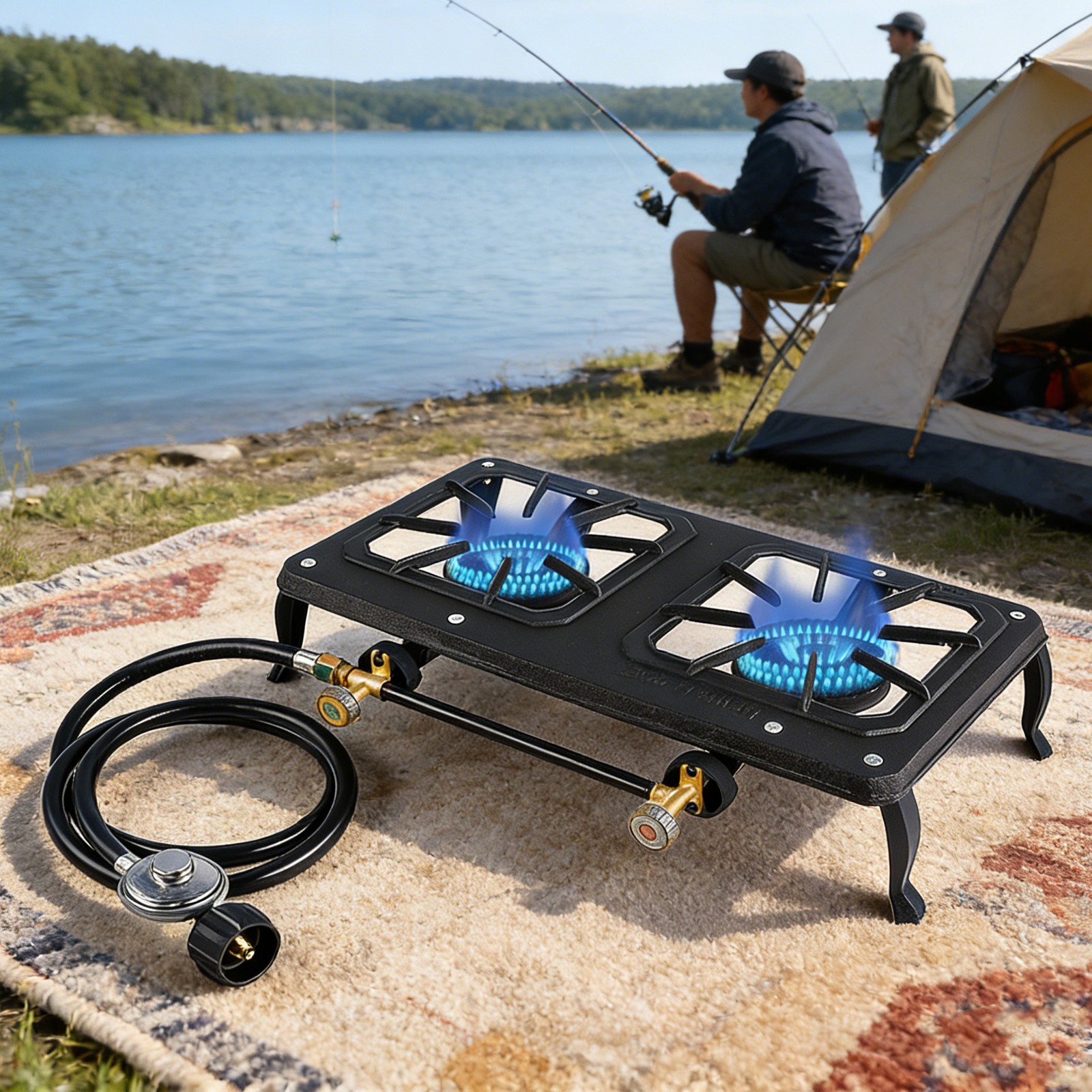 Cast Iron Double Burner Portable Outdoor Camp Stove Propane Gas LPG BBQ Cooke$32.99View on eBay
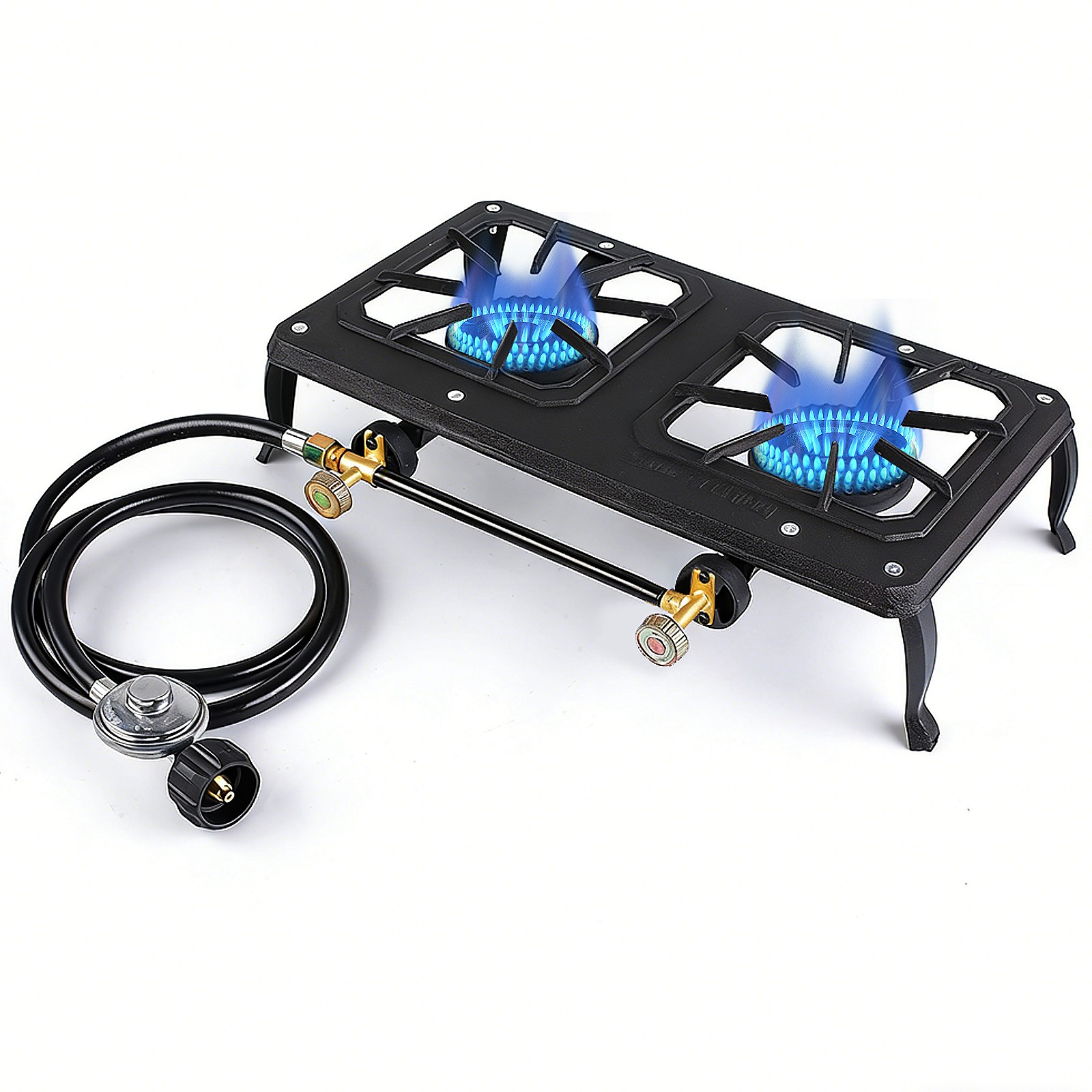 Cast Iron Propane Gas Stove Double Burner Heavy Duty Portable Removable Outdoor$32.99View on eBay
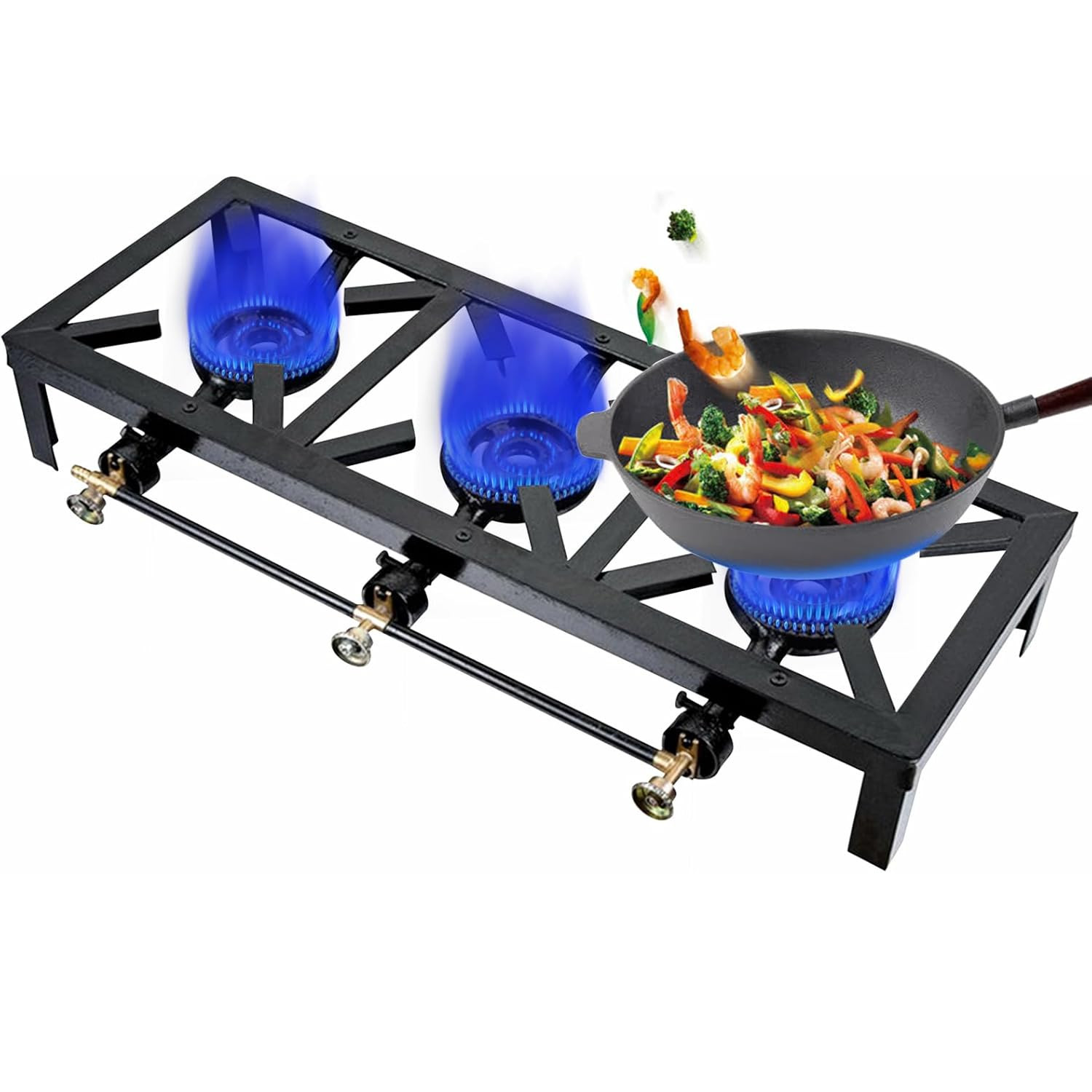 Cast Iron 3 Burner Portable Outdoor Camping Stove Propane Gas LPG BBQ Cooker$45.90View on eBay
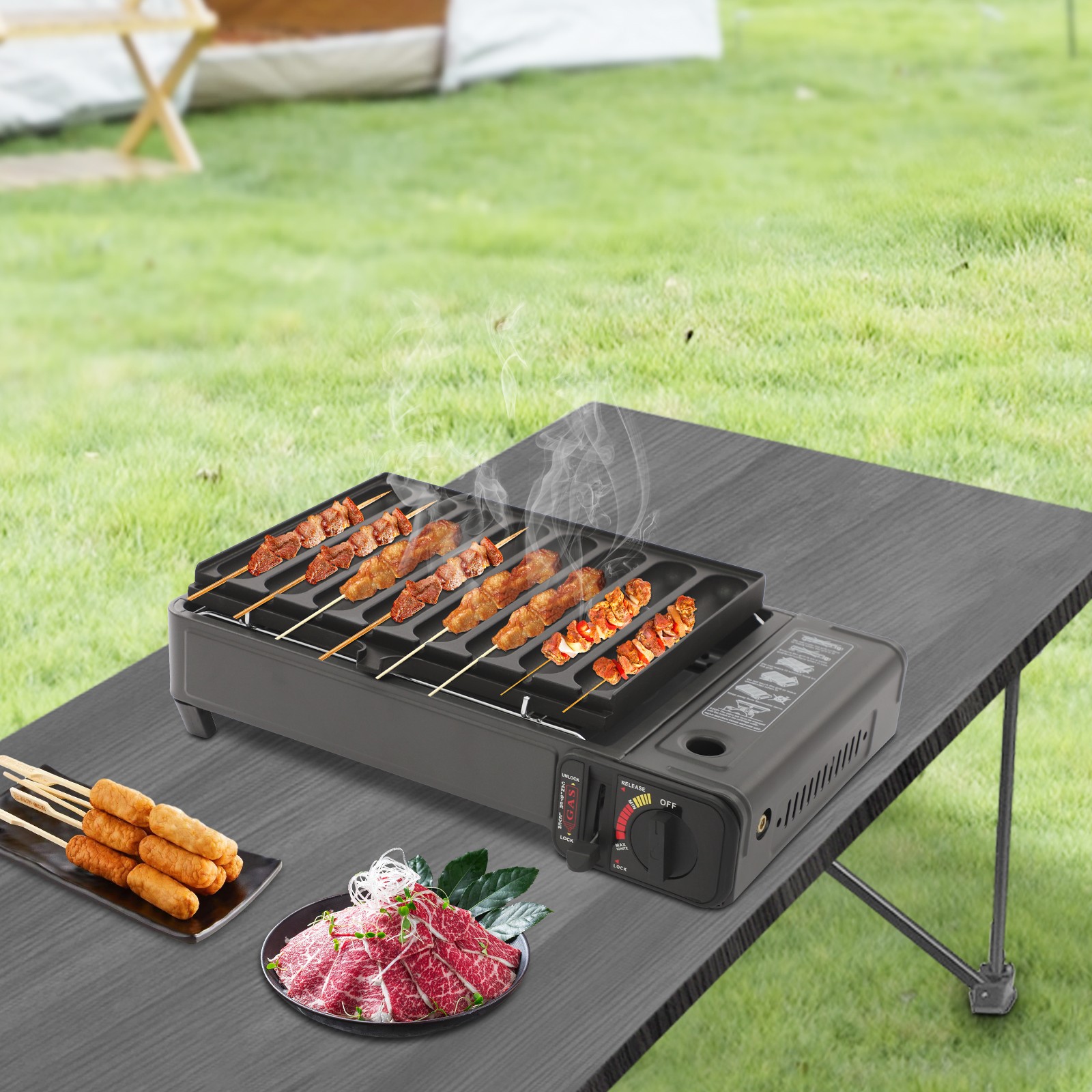 Butane Stove Portable Camping Gas Stove Gas Grill Stove Outdoor Cooking Black$46.58View on eBay
- Butane Stove Portable Camping Gas Stove Gas Grill Stove Outdoor Cooking Black$49.03View on eBay
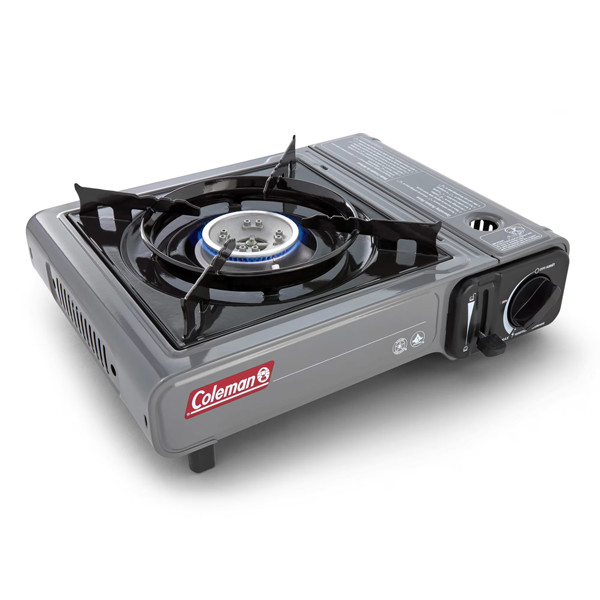 Coleman Tabletop Portable Butane Gas Camping Stove, 1 Burner, Gray Outdoor Cook$50.00View on eBay
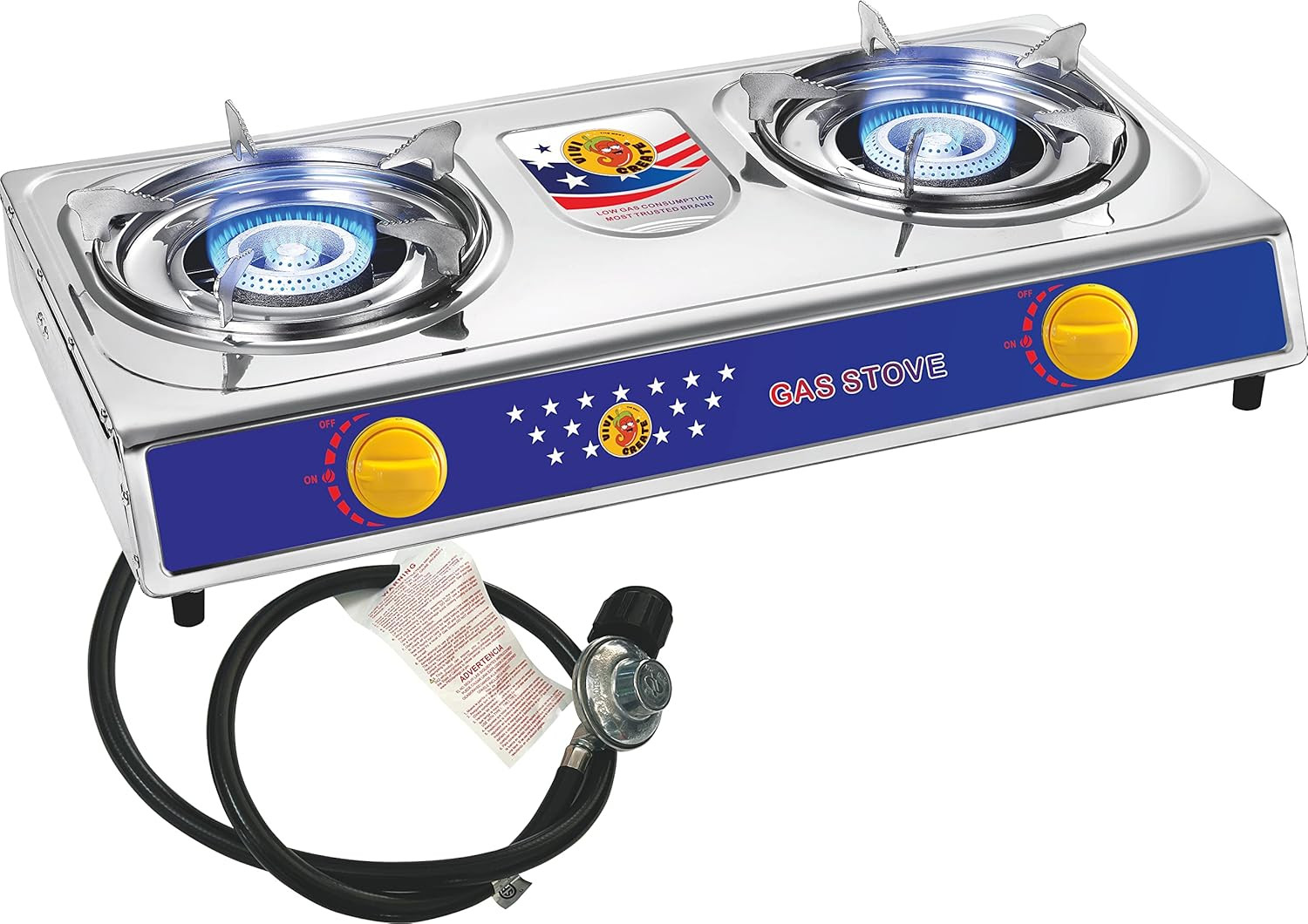 2 Burner Propane Gas Stove Outdoor Cooking Portable Double Burner Propane Cookto$53.56View on eBay
Highlights
- Fuel standard dictates cold performance: threaded Lindal-valve canisters (isobutane/propane mix) hold pressure to about -11°C, while bayonet butane canisters fade below 5°C.
- Burner output ranges from 6,000-8,500 BTU on compact canister stoves up to 150,000-225,000 BTU on high-pressure cast-iron multi-burner patio cookers.
- Stainless-steel and cast-iron burner bodies resist warp and corrosion; stamped aluminum pans and thin pot supports are the usual failure points on budget stoves.
- Piezo electronic ignition removes lighter dependence but degrades in wet conditions; a manual match backup is mandatory on any electronic-ignition model.
Best use cases
- Backpacking and solo trips: pick a 6,000-8,500 BTU threaded-canister stove under 4 oz with folding pot supports; skip cast-iron and bayonet butane models.
- Car camping and family basecamps: choose a two-burner propane stove with a regulated hose and wind screens; skip ultralight canister stoves that tip under a 10-inch skillet.
- High-altitude or sub-freezing trips: use a threaded isobutane/propane canister stove with a generator tube or inverted-canister design; skip butane-only bayonet stoves that stall in cold.
- Patio and group cooking: pick a high-pressure cast-iron burner (single, double, or triple) on a stable frame; skip it for backpacking because of weight and bulk.
Buying tips
- Match canister valve: threaded Lindal for cold and international fuel availability, bayonet butane for warm-weather budget cooking only.
- Size burner to pot: 6,000-8,500 BTU suits 1-2 L pots; 10,000+ BTU is needed for wide skillets and rapid boils over 2 L.
- Add 10-15% weight for fuel: a 230 g isobutane canister lasts roughly 60-90 minutes at full output on a compact stove.
- Check pot support diameter and leg span against your largest pot base; supports narrower than the pot base cause tipping on uneven ground.
Specs
| Fuel Standard | Threaded Lindal vs Bayonet Butane |
|---|---|
| Burner Output | 6,000-8,500 BTU compact / 150k+ patio |
| Ignition Type | Piezo electronic vs manual match |
| Body Material | Stainless steel / cast iron / aluminum |
Related searches
What to check before buying
- Confirm canister type and whether the stove includes a threaded valve or bayonet adapter before purchase.
- Measure packed dimensions and weight against your pack or vehicle storage space.
- Verify wind resistance features (wind screens, recessed burner) for exposed campsites and coastal use.
- Ensure ignition type and a manual match backup suit wet or high-wind conditions.
FAQ
Data sources: eBay / Amazon listings and product attribute feeds Data updated Nov 16, 2026.
Some links on this page are affiliate links. If you buy after clicking one, we may earn a commission at no extra cost to you. This does not change which products appear here or their order. Affiliate disclosure.