Photos from current listings. Actual item, color, and included accessories may vary.
Portable Stove Burner Buying Guide
Portable stove burners span three distinct fuel architectures—butane canister, propane cylinder, and liquid alcohol—each with a different power density, cold-weather behavior, and fuel-cost profile. The core trade-off is fuel convenience versus BTU output versus wind performance: canister stoves are compact and self-sealing, propane delivers maximum BTU per burner but needs a hose and regulator, and alcohol stoves are silent and ultralight but slow. Buy the architecture that matches your cooking load and climate first, then upgrade build quality within that tier.

At a glance
- Category
- Camp Kitchen & Stoves
- Data updated
- Nov 16, 2026
Current offers
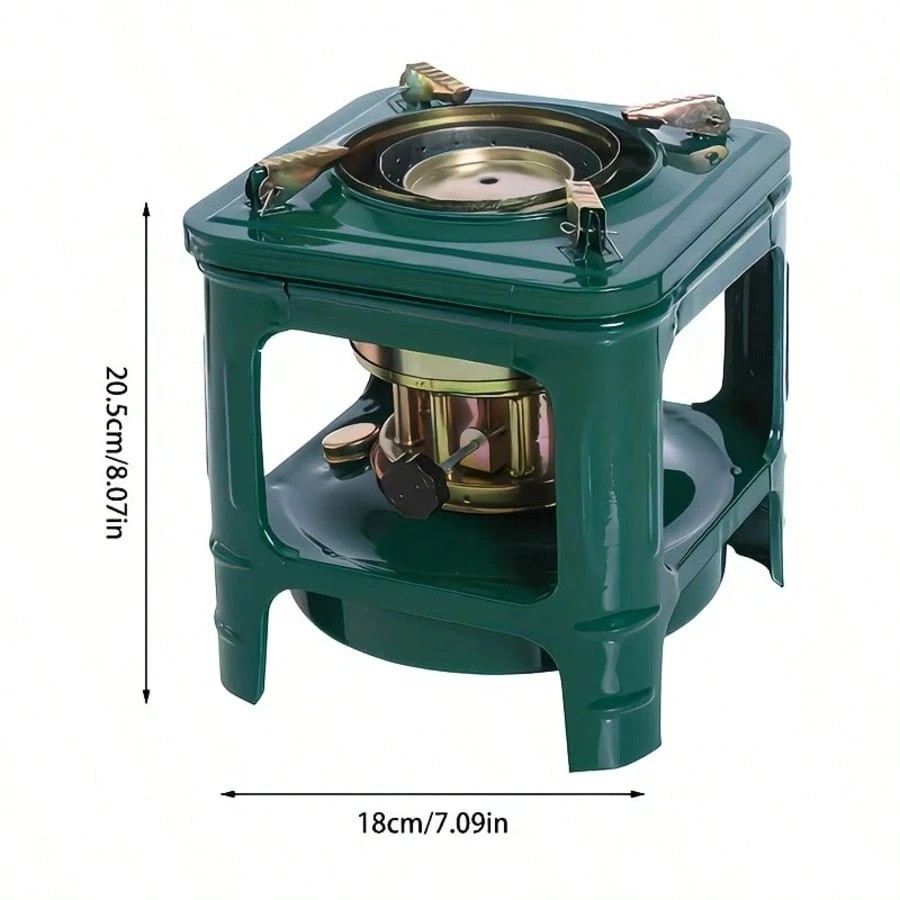 New 16 Core Kerosene Camping Stove Portable Outdoor Cooking Burner Green$20.80
 View on eBay
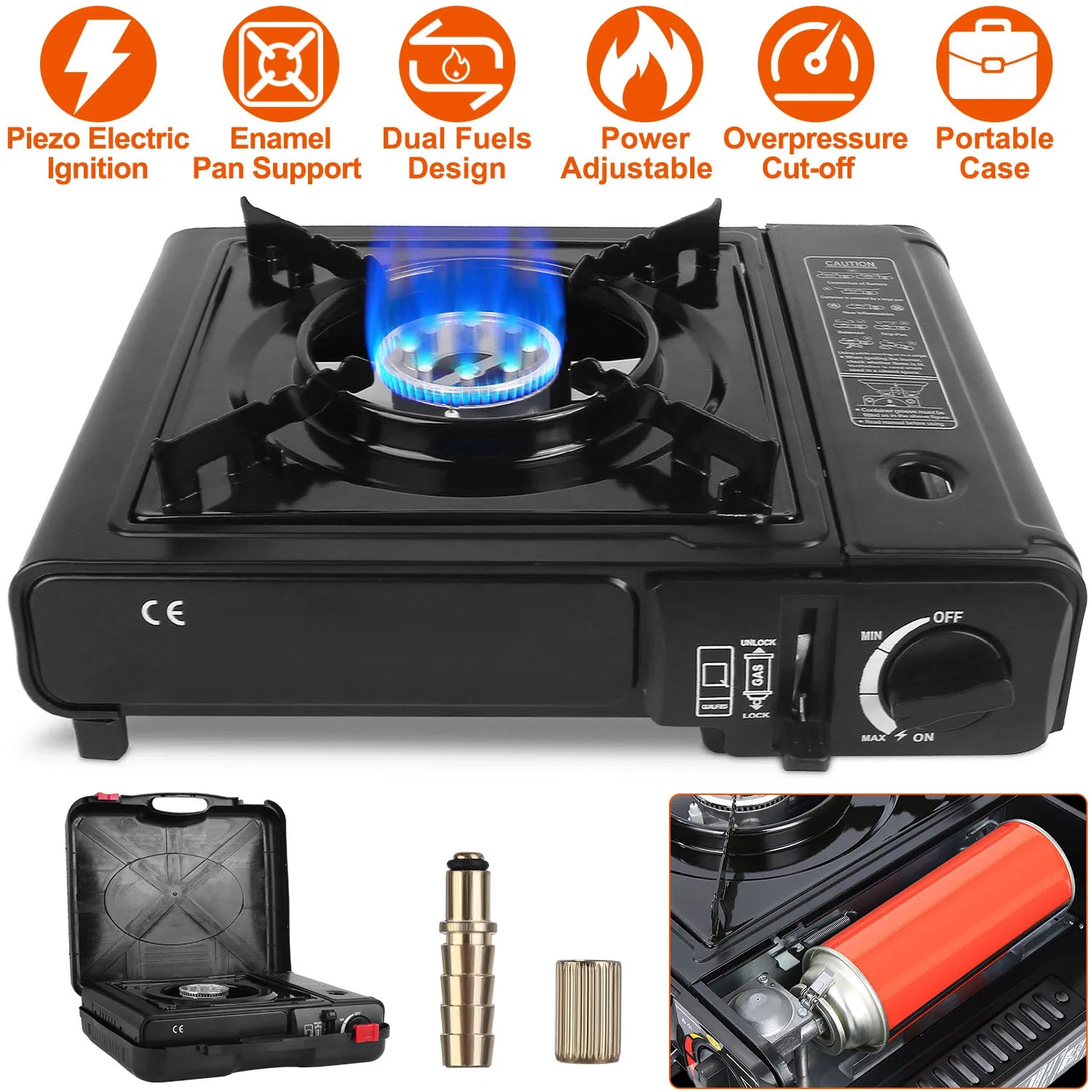 3300W Portable Camping Stove Butane Canister Dual Fuel Burner Piezo Electric Ignition Single with Automatic Tank Ejection Overpressure Cut Off Carry Case for Hiking Picnic Fishing BBQ$58.99
 View on Mallflare
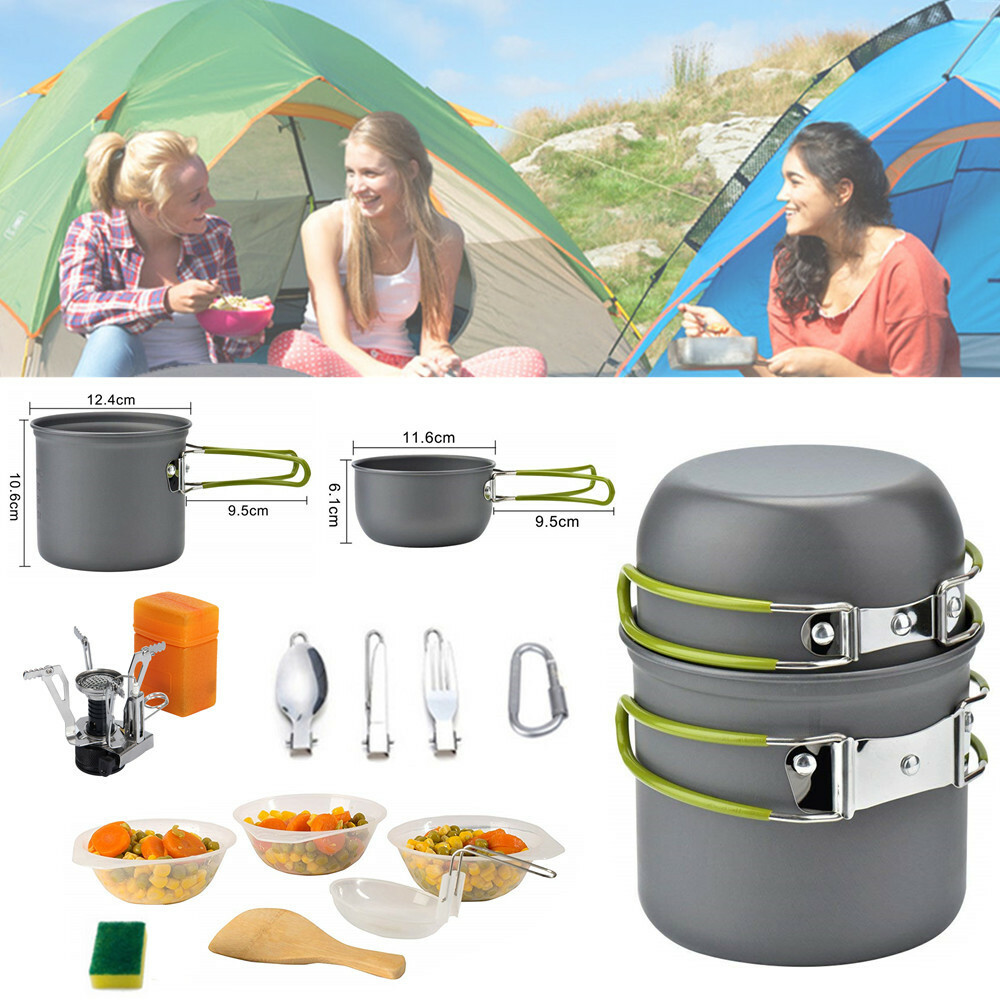 Portable Gas Camping Stove Butane Propane Burner Outdoor Hiking Picnic+Cookware$23.62View on eBay
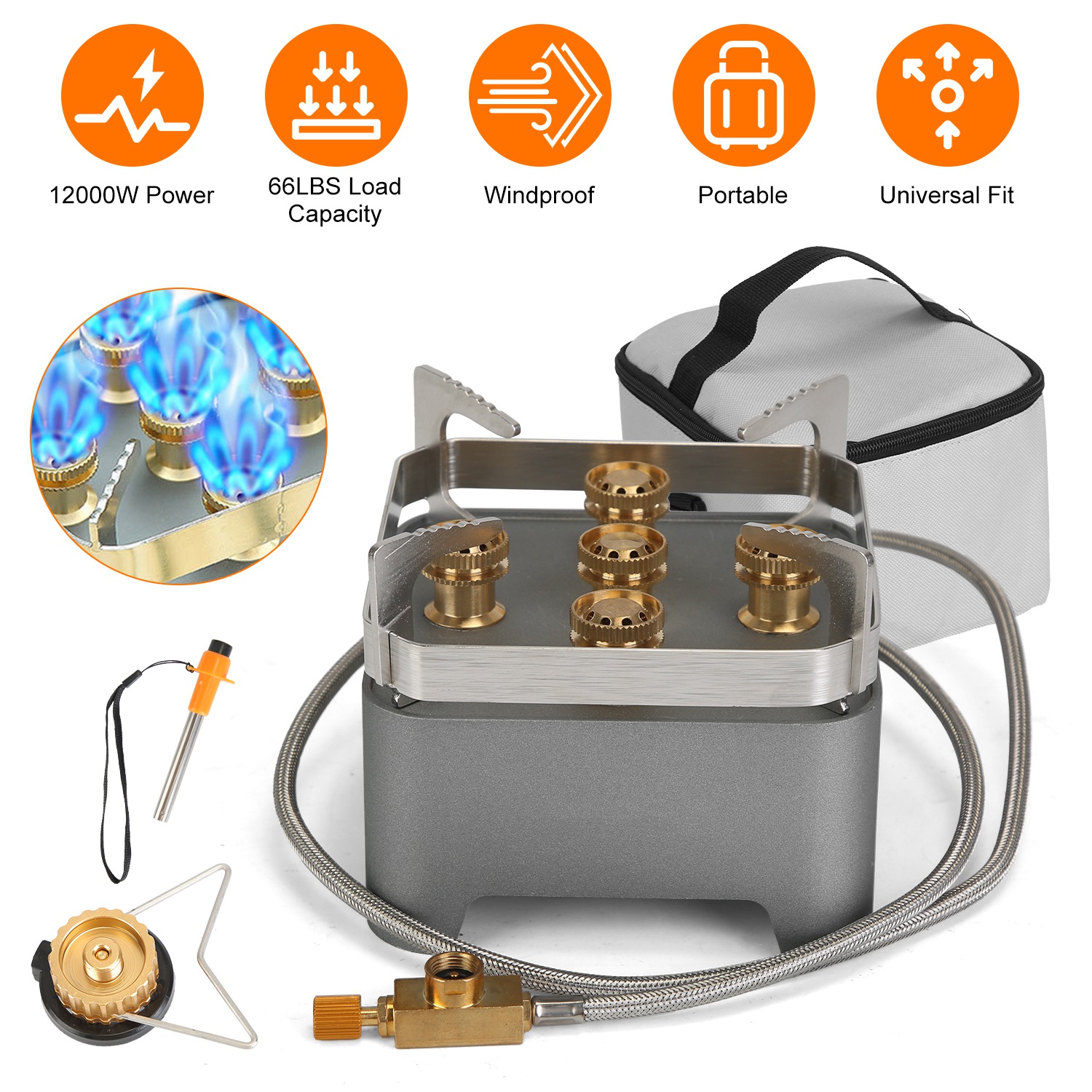 12000W Portable Camping Stove With Cassette Adapter Windproof Outdoor Backpacking Burner Carrying Case Igniter for Hiking Picnic$85.99View on Mallflare
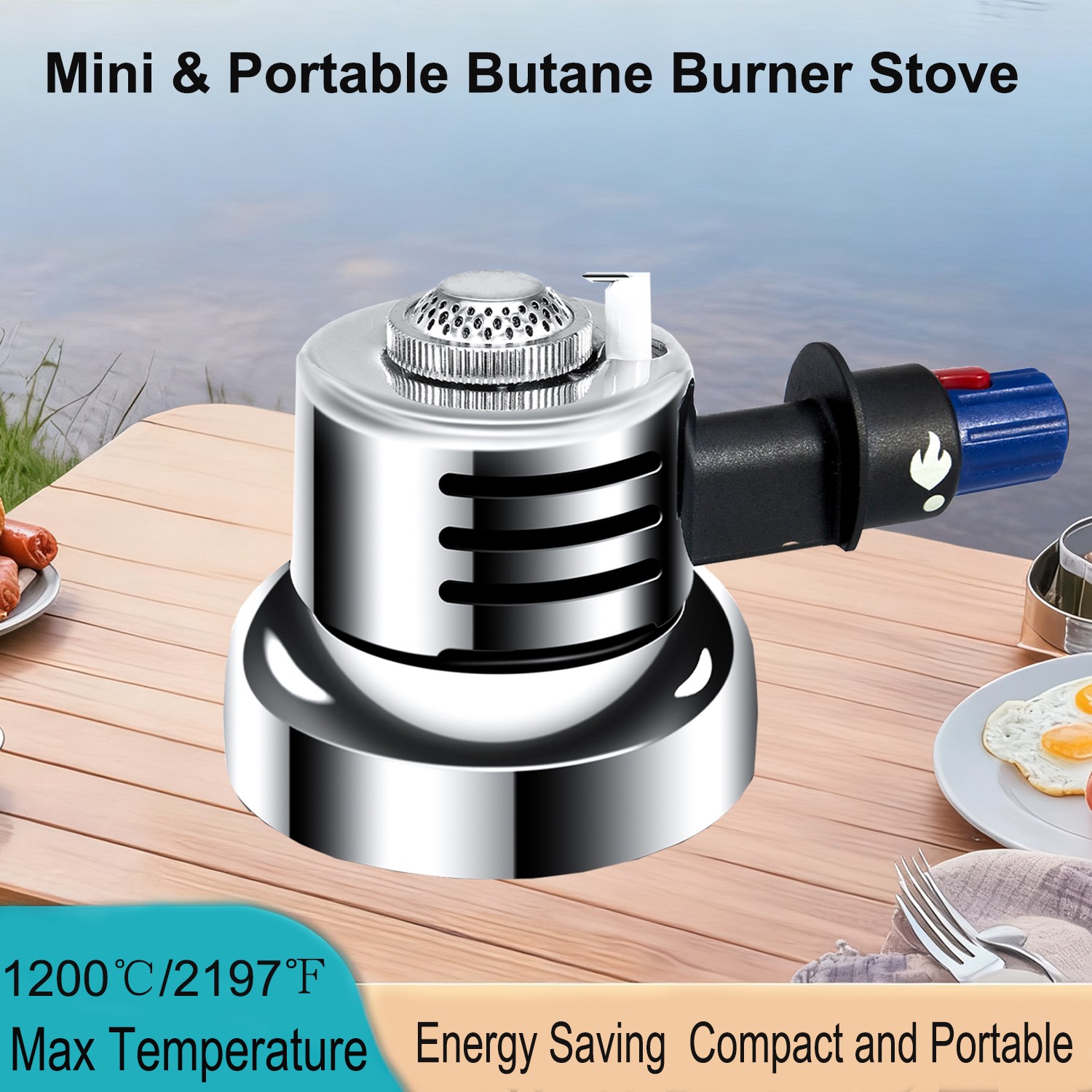 Butane Mini Burner Portable Outdoor Coffee Roaster Syphon Siphon Cooking Stove$23.99View on eBay
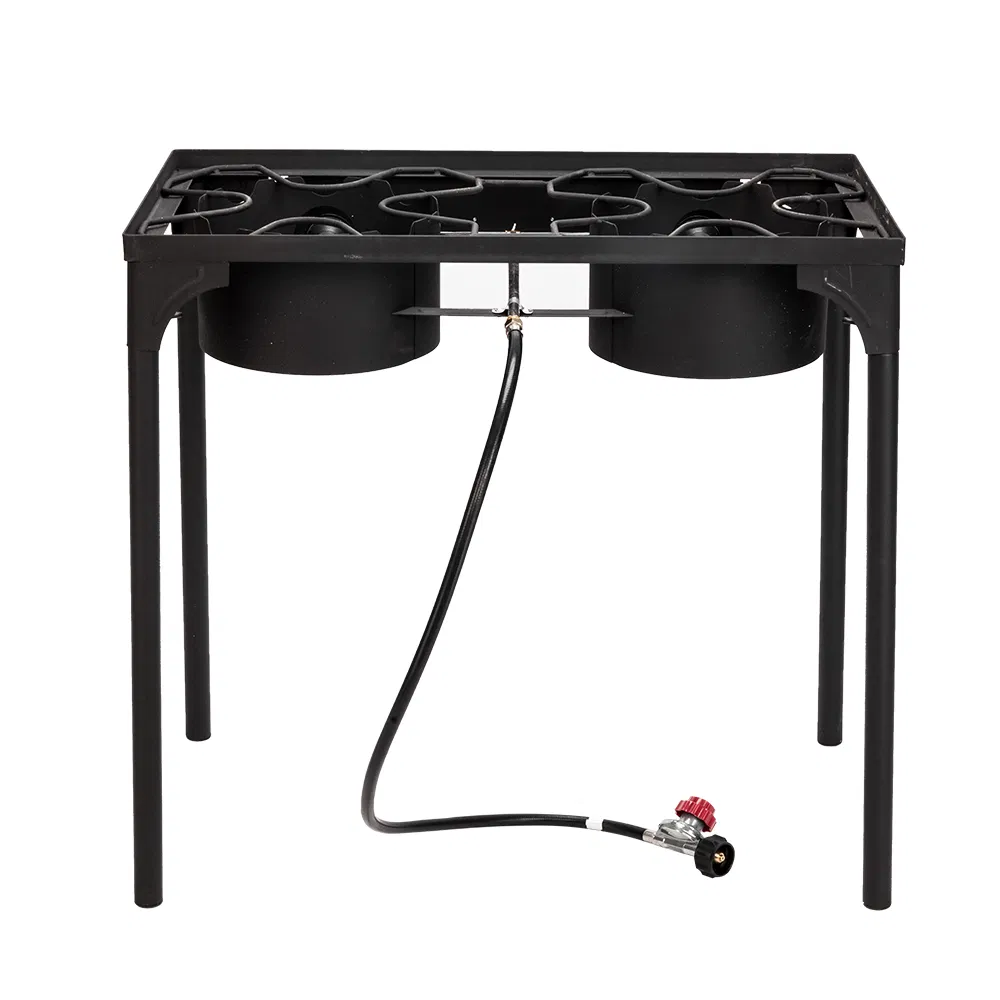 Outdoor Camp Stove High Pressure Propane Gas Cooker Portable Cast Iron Patio Cooking Burner (Double 150000-BTU)$108.99View on Mallflare
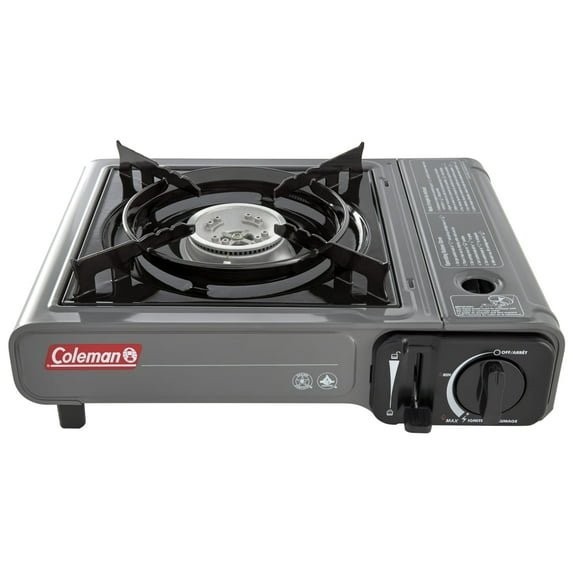 Coleman Tabletop Portable Butane Gas Camping Stove, 1 Burner, Gray$25.00View on eBay
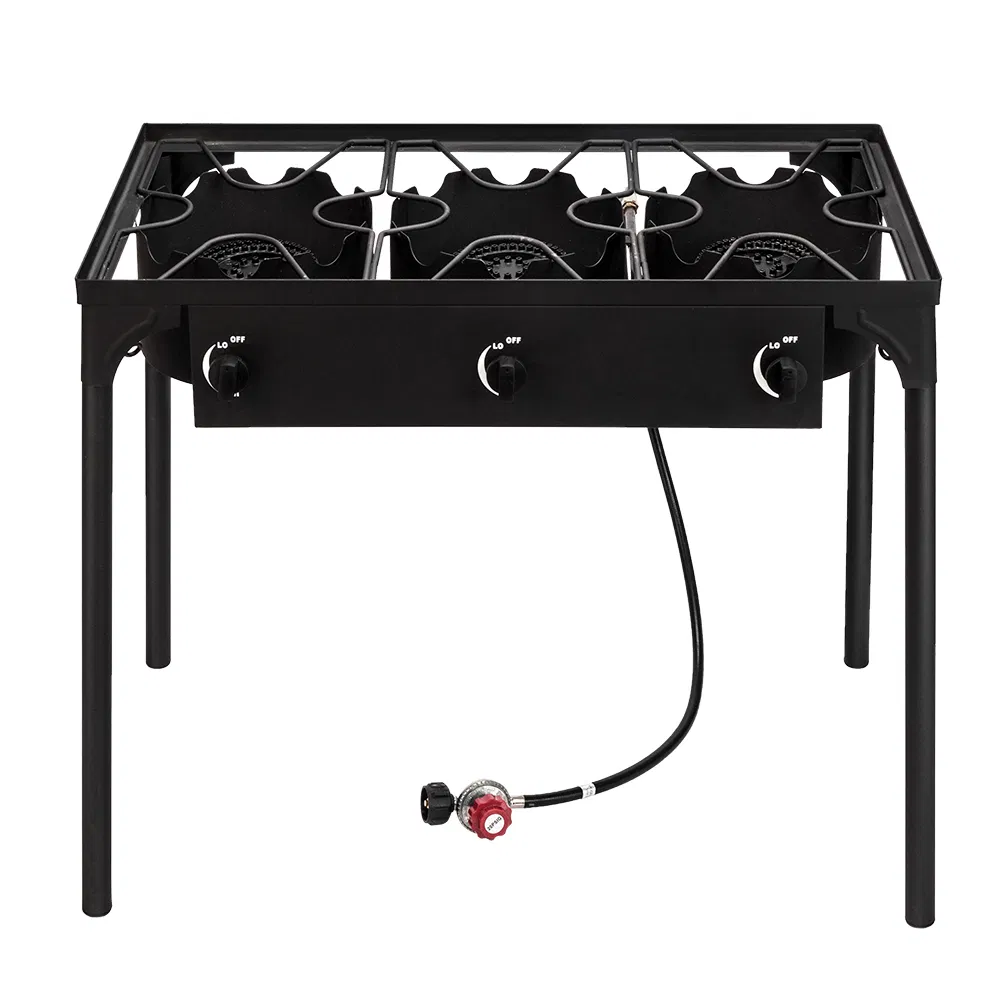 Replace 15455210Outdoor Camp Stove High Pressure Propane Gas Cooker Portable Cast Iron Patio Cooking Burner (Three 225000-BTU)$122.99View on Mallflare
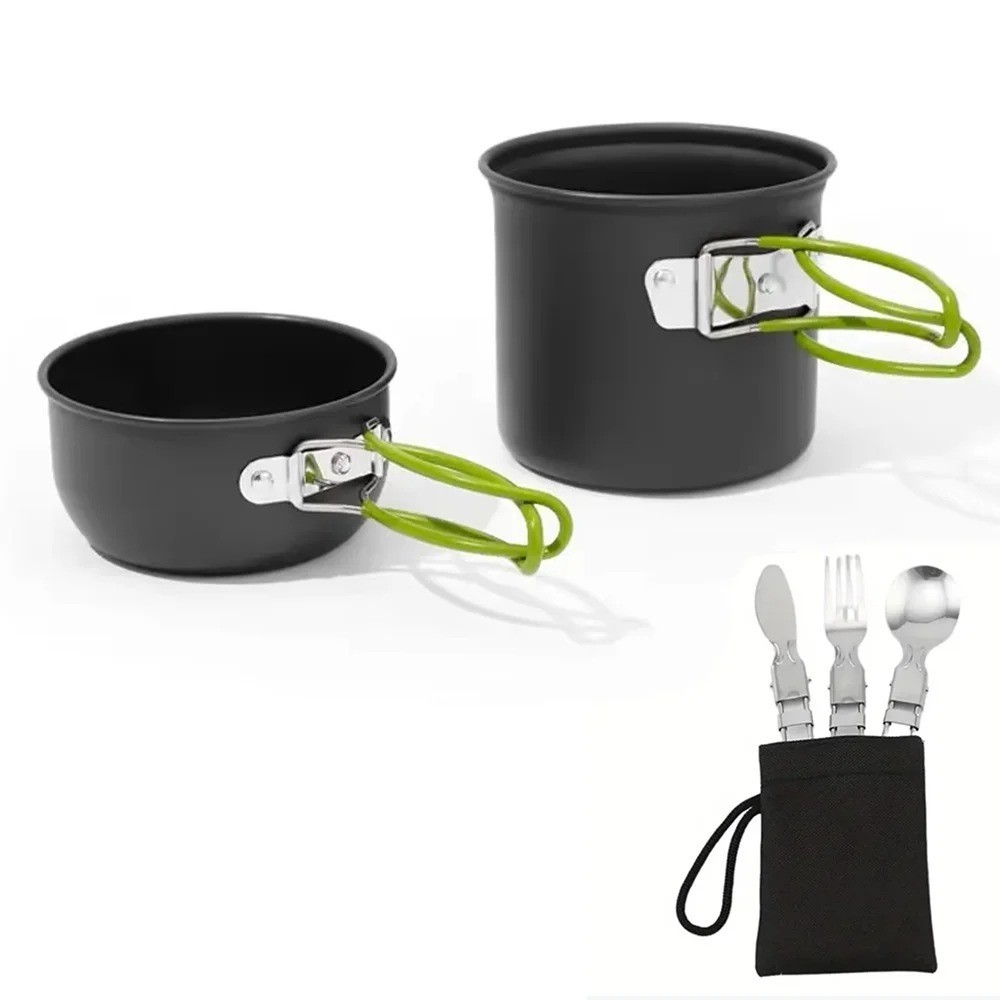 Portable Gas Camping Stove Butane Propane Burner Outdoor Hiking Picnic+Cookware$26.89View on eBay
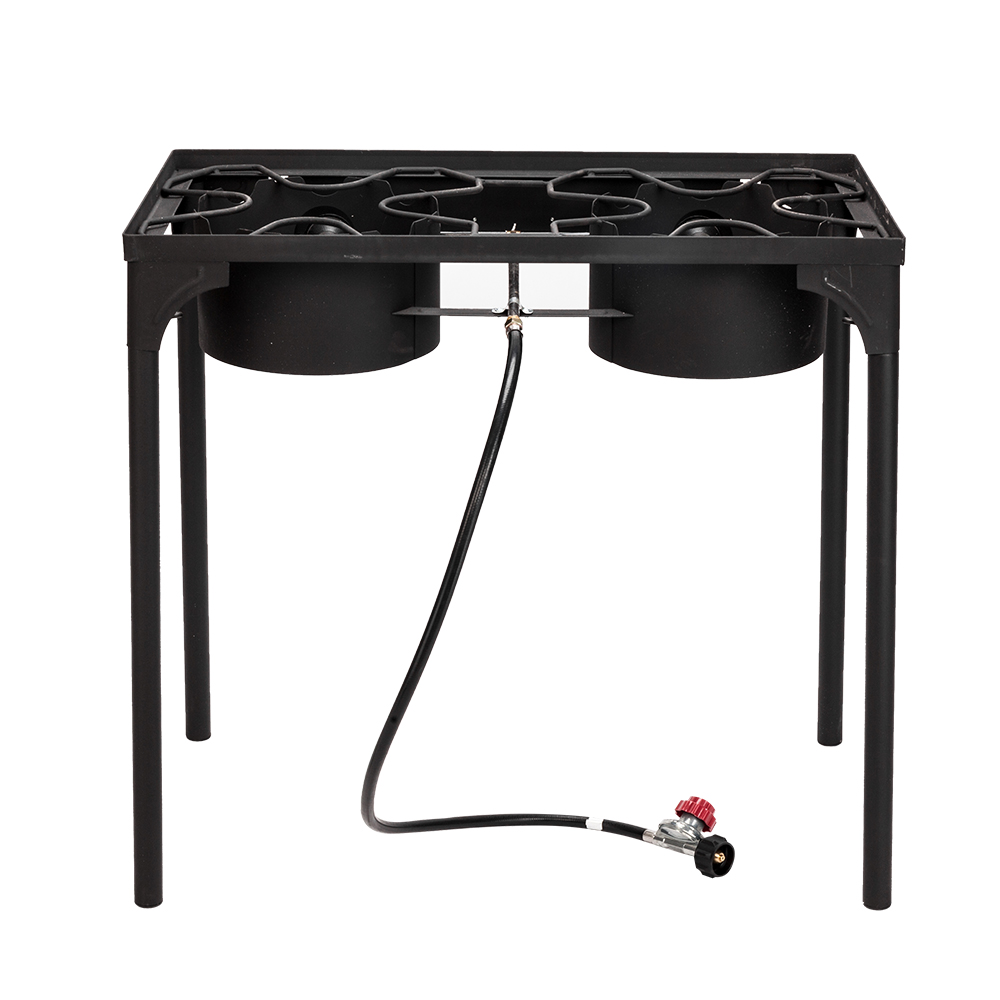 【Replace 1255491】Outdoor Camp Stove High Pressure Propane Gas Cooker Portable Cast Iron Patio Cooking Burner (Double 150000-BTU)$130.99View on Mallflare
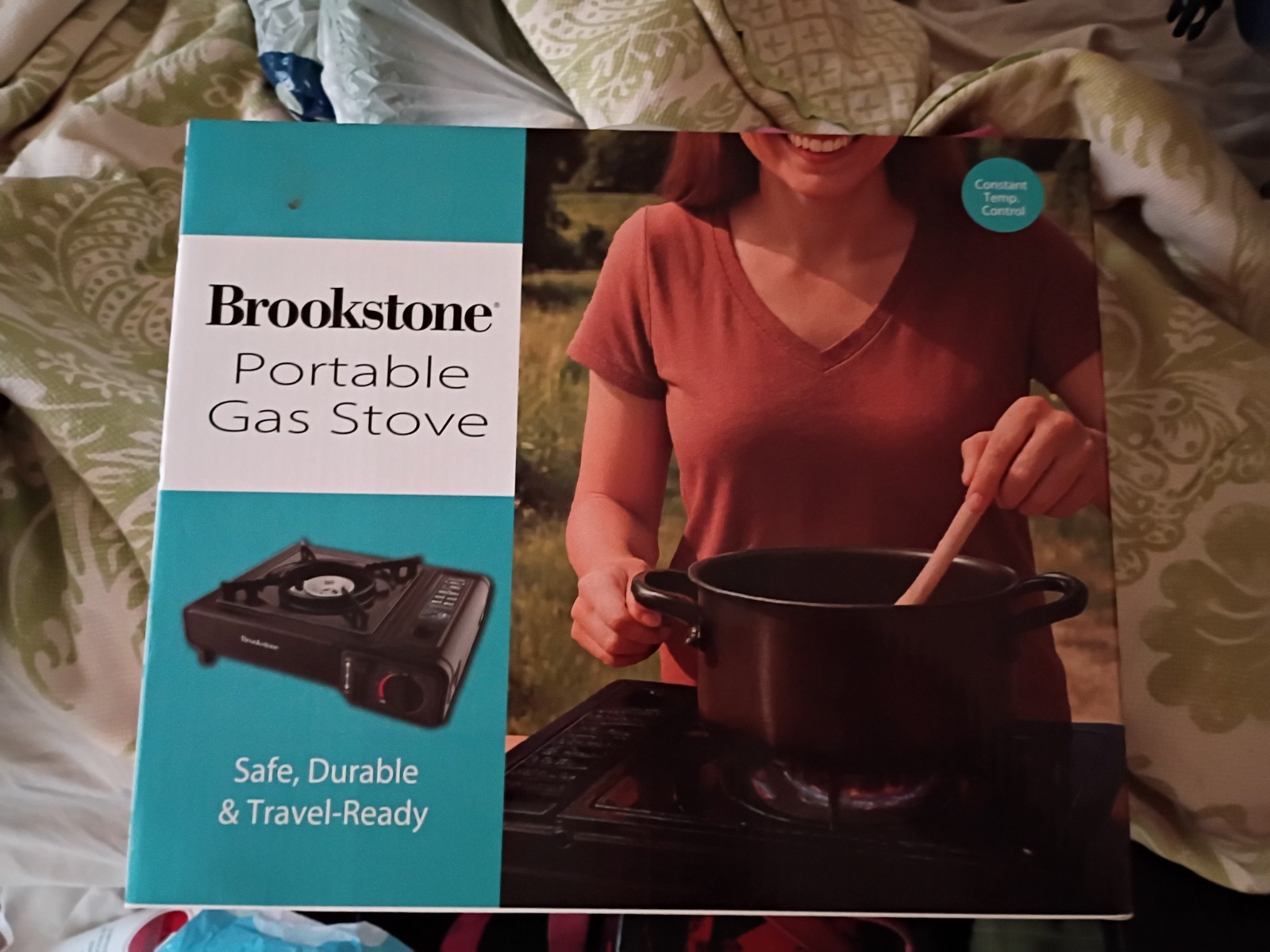 Brookstone Portable Gas Stove 1 Burner 8500 BTU Black w/ Carry Case$26.99View on eBay
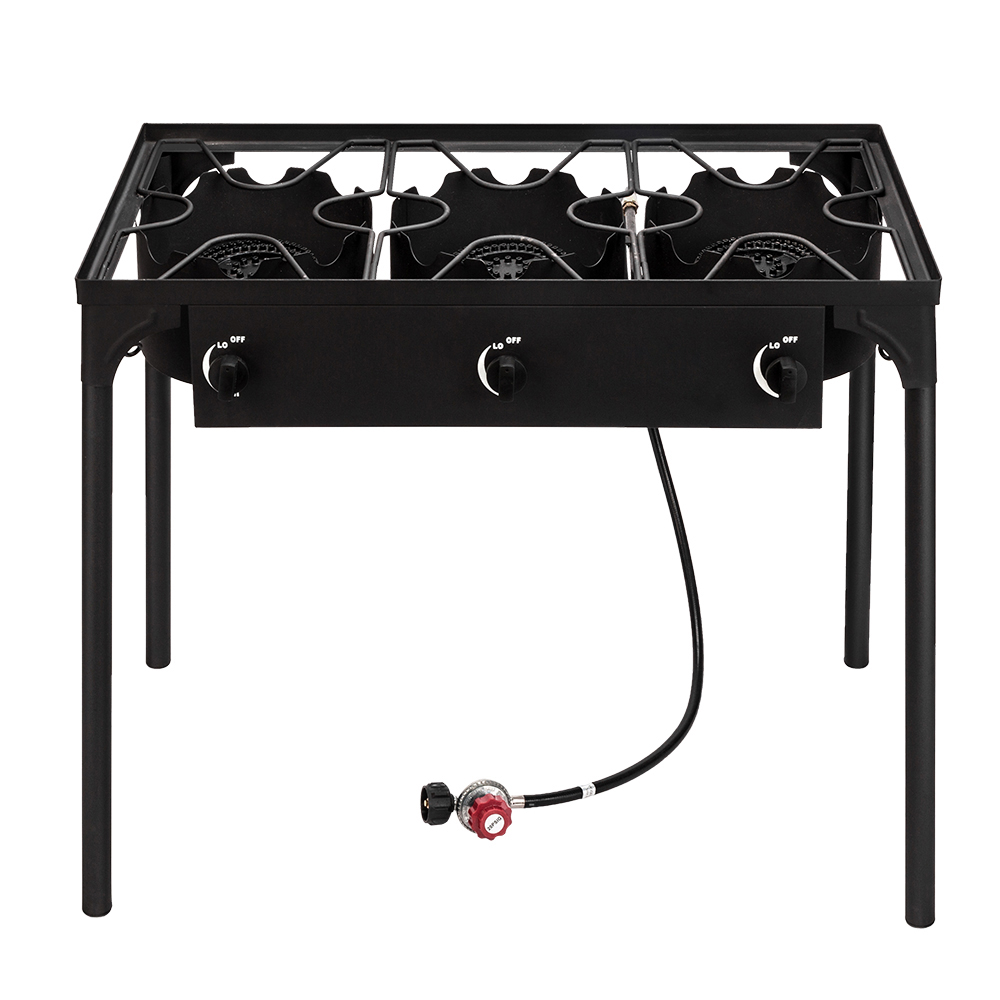 【Replace 15455210】Outdoor Camp Stove High Pressure Propane Gas Cooker Portable Cast Iron Patio Cooking Burner (Three 225000-BTU)$146.99View on Mallflare
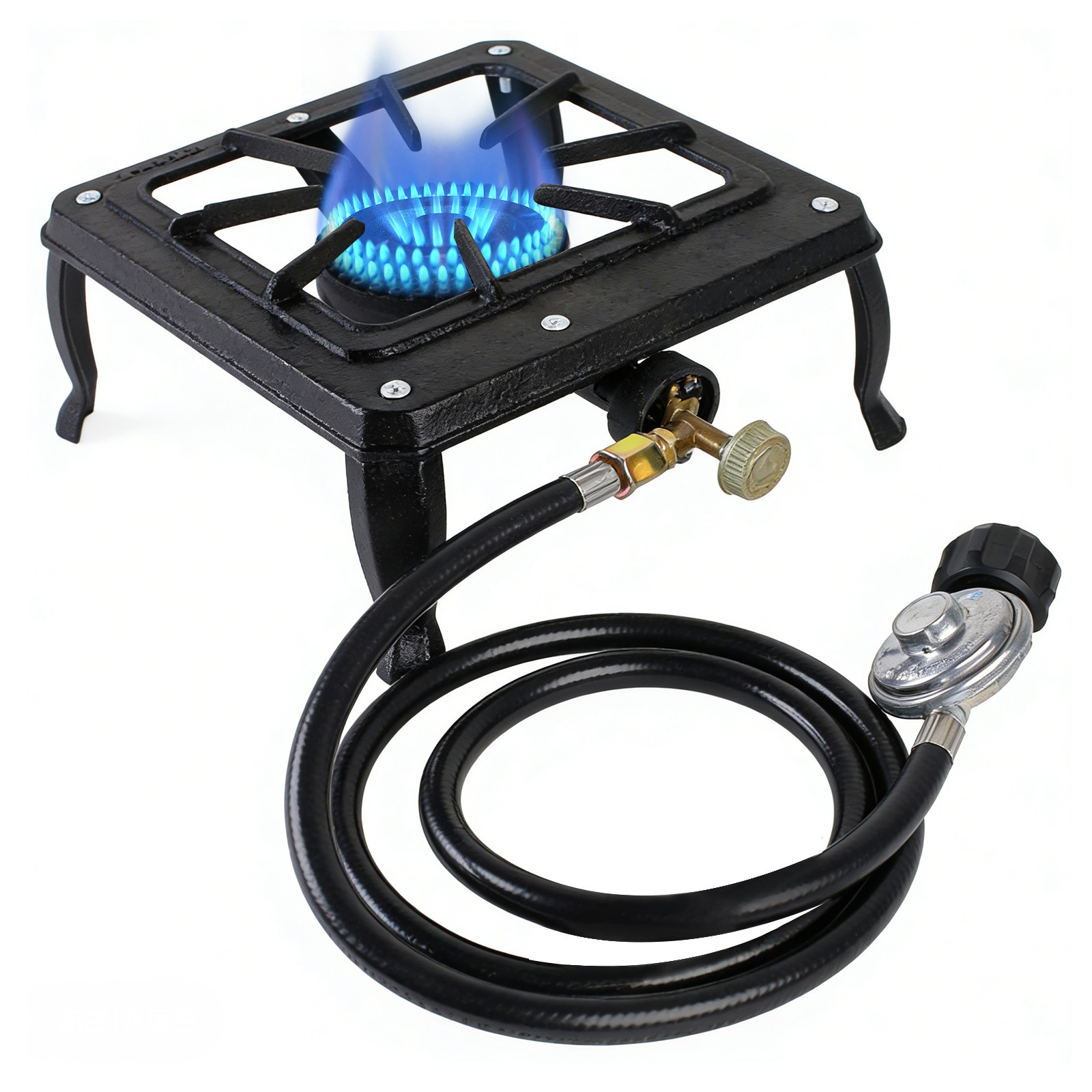 Cast Iron Propane Gas Stove Single Burner Heavy Duty Portable Removable Outdoor$26.99View on eBay
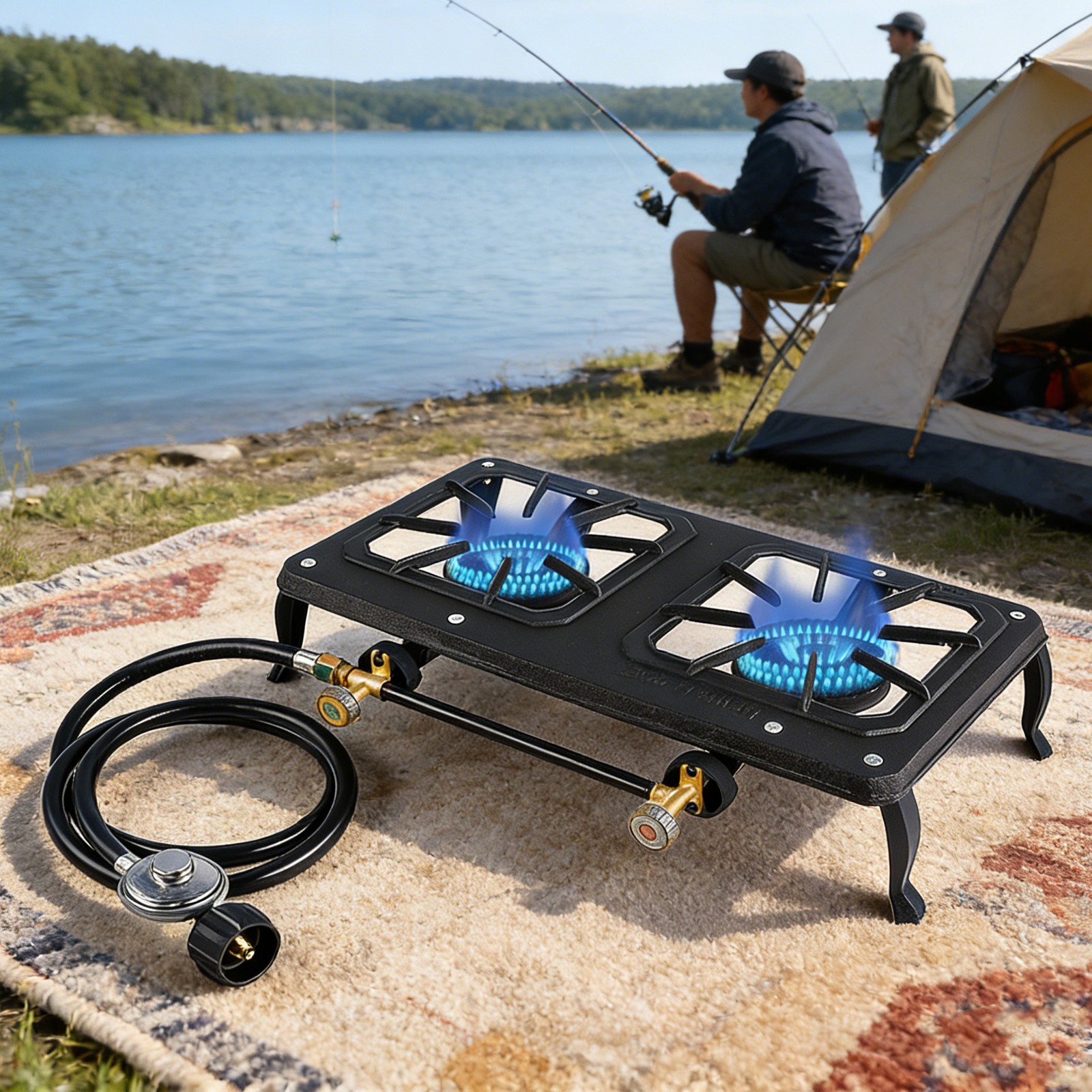 Cast Iron Double Burner Portable Outdoor Camp Stove Propane Gas LPG BBQ Cooke$32.99View on eBay
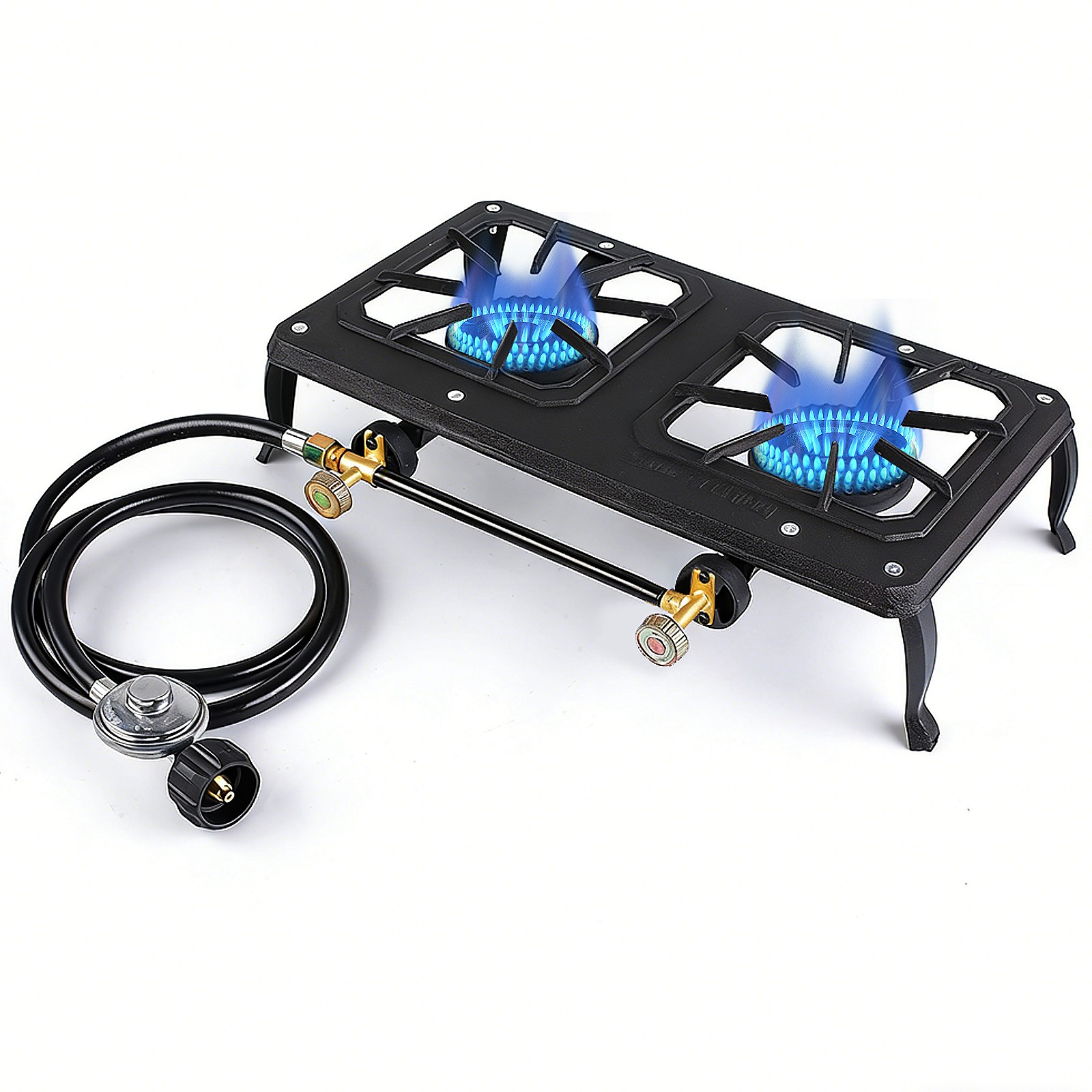 Cast Iron Propane Gas Stove Double Burner Heavy Duty Portable Removable Outdoor$32.99View on eBay
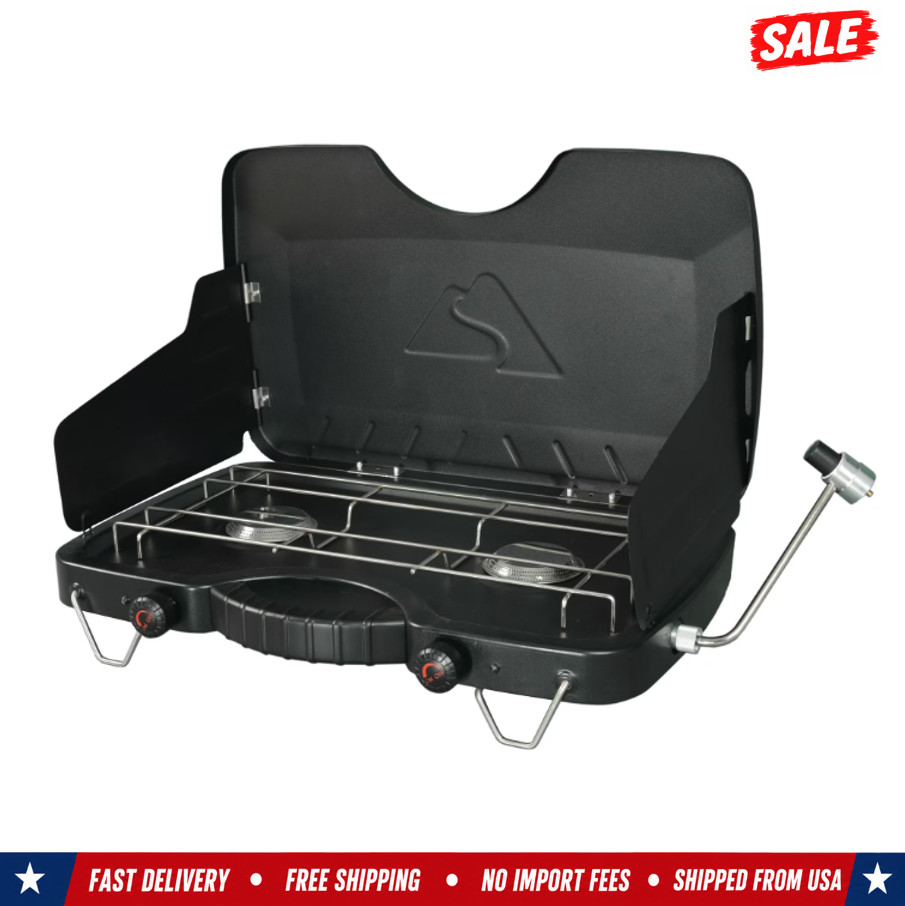 Ozark Trail 2 Burner Propane Camping Stove Portable Outdoor Cooking Camp Stove$39.81View on eBay
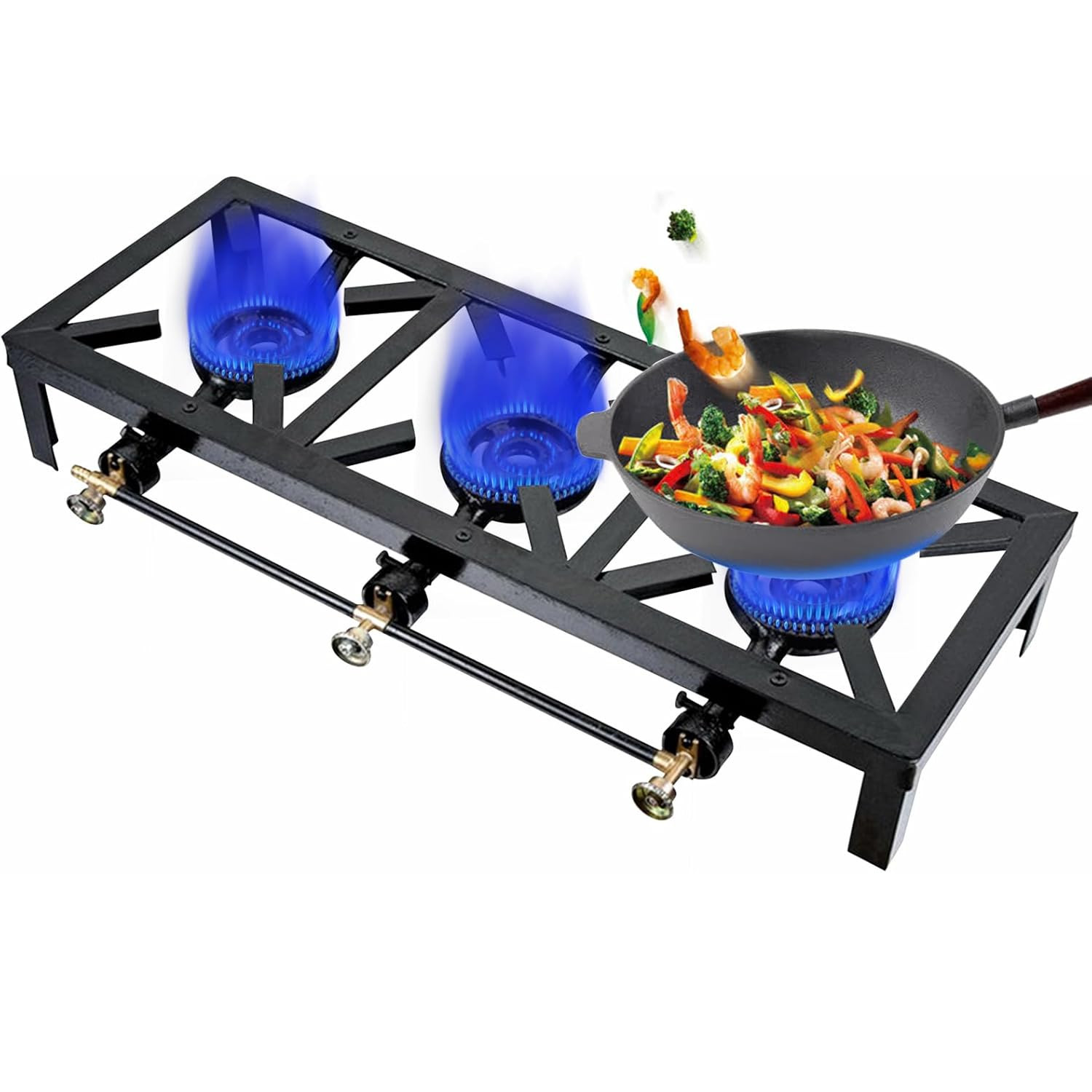 Cast Iron 3 Burner Portable Outdoor Camping Stove Propane Gas LPG BBQ Cooker$45.90View on eBay
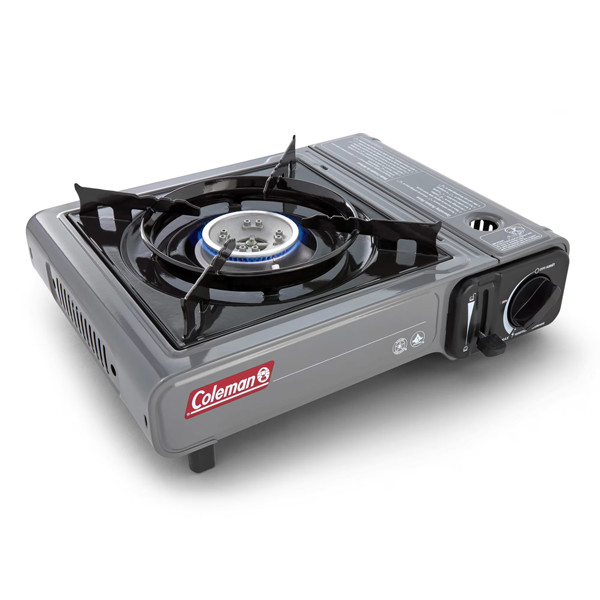 Coleman Tabletop Portable Butane Gas Camping Stove, 1 Burner, Gray Outdoor Cook$50.00View on eBay
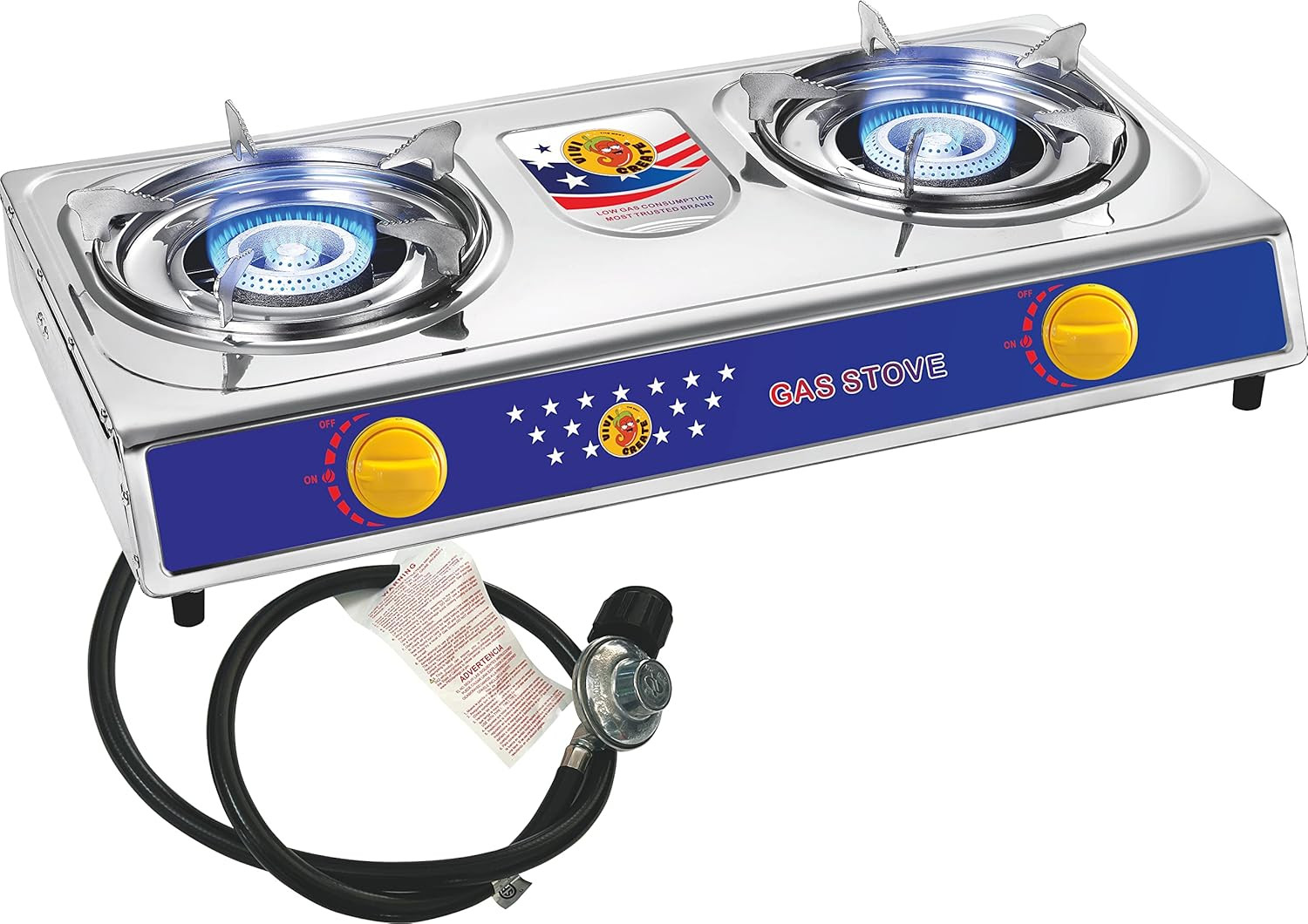 2 Burner Propane Gas Stove Outdoor Cooking Portable Double Burner Propane Cookto$53.56View on eBay
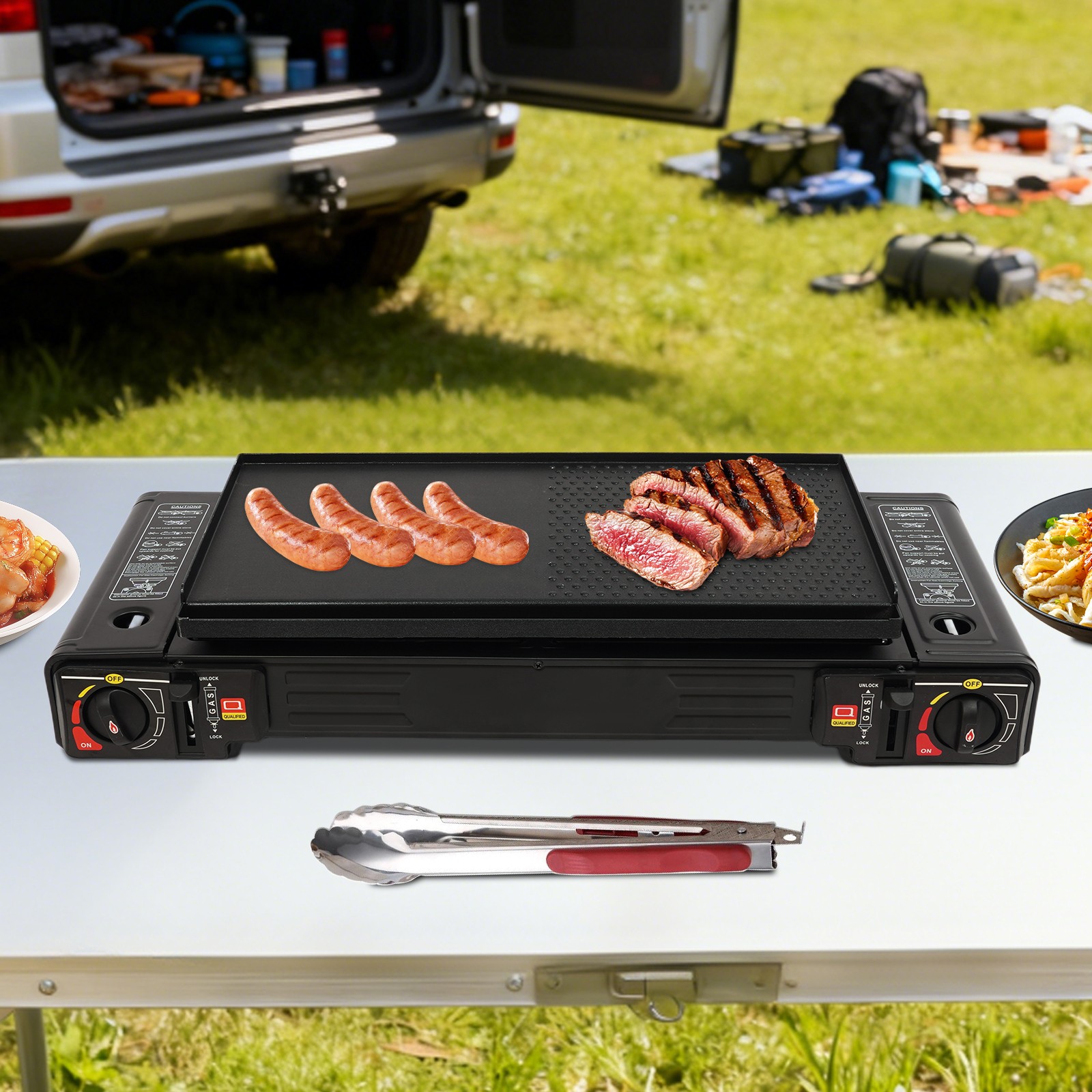 Portable 2-Burner Butane Camping Stove for Outdoor Cooking with Carrying Case$56.06View on eBay
Highlights
- Canister stoves run on butane/isobutane blends at roughly 8,000–10,000 BTU; isobutane blends vaporize reliably to about 20°F while straight butane struggles below 40°F.
- High-pressure propane cast-iron cookers deliver 50,000–75,000 BTU per burner in single/double/triple configurations, but require a regulated hose and external tank.
- Piezo ignition is standard on canister burners; automatic tank ejection and overpressure cut-off are safety features found on better single-burner canister models.
- Liquid alcohol stoves produce only 3,000–5,000 BTU, are silent and nearly indestructible, but need a windscreen and pre-heating in cold conditions.
Best use cases
- Best fit: solo/two-person backpacking or car camping with light cooking—pick a 8,000–10,000 BTU butane/isobutane canister burner with piezo ignition and a carry case; skip heavy cast-iron propane units.
- Best fit: group basecamp, tailgating, or backyard canning—pick a high-pressure propane cast-iron cooker (double or triple burner, 50,000+ BTU each) with a regulated hose; skip tiny canister stoves for large pots.
- Best fit: ultralight thru-hiking or emergency kit—pick an alcohol stove (3,000–5,000 BTU) with a windscreen; skip it for boiling large volumes or cold-weather trips.
- Wrong fit: cold-weather winter camping with a straight-butane canister—choose an isobutane/propane blend or a liquid-fuel/white-gas stove instead.
Buying tips
- Match BTU to pot size: 8,000–10,000 BTU handles 1–2 L pots; 50,000+ BTU per burner is needed for 5+ gallon canners and wok cooking.
- Choose isobutane/propane blend canisters for temps below 40°F; straight butane loses pressure and flame strength in the cold.
- For propane cookers, confirm the regulator and hose are included and rated for the burner's max BTU—unregulated high-pressure setups are a burn hazard.
- Prefer stainless-steel or cast-iron burner heads and brass valves over stamped aluminum for longevity; aluminum bodies save weight but deform.
Specs
| Fuel Type | Butane / Isobutane / Propane / Alcohol |
|---|---|
| BTU per Burner | 3,000–75,000 BTU |
| Burner Count | 1 / 2 / 3 burners |
| Ignition | Piezo / match-light |
Related searches
What to check before buying
- Measure your largest pot diameter versus burner grate span—pots wider than the grate risk tipping; cast-iron cookers typically support 10–14 in.
- Confirm fuel availability: butane canisters are widely stocked, isobutane blends less so; propane tanks are refillable and cheap per BTU.
- Check ignition and safety: piezo ignition, overpressure cut-off, and automatic canister ejection on single-burner canister models.
- For propane, verify hose length and regulator type fit your tank (standard 20 lb BBQ tank vs 1 lb disposable) and that the stove is outdoor-only.
FAQ
Data sources: eBay / Amazon listings and product attribute feeds Data updated Nov 16, 2026.
Some links on this page are affiliate links. If you buy after clicking one, we may earn a commission at no extra cost to you. This does not change which products appear here or their order. Affiliate disclosure.