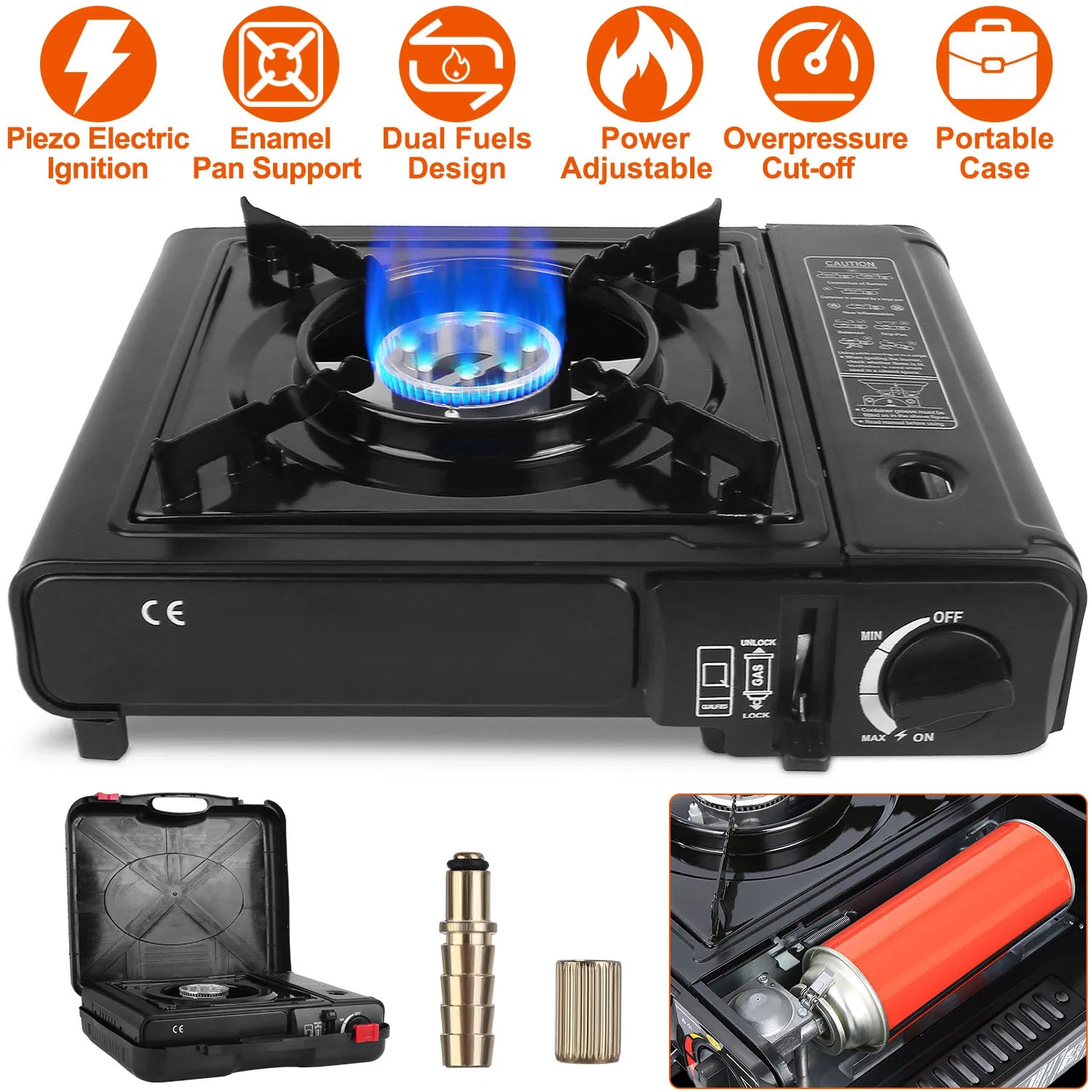

Photos from current listings. Actual item, color, and included accessories may vary.
Single Electric Burner Buying Guide
A single electric burner is a portable, plug-in cooking surface that trades the raw BTU output and fuel independence of gas for flameless indoor-safe operation and precise low-heat control. The core trade-off is between coil and infrared-ceramic heating elements: coil burners are rugged and cheap but slow and hard to clean, while sealed infrared/induction units heat faster and wipe clean but demand compatible cookware and higher upfront construction quality. The decisive rule: buy a sealed infrared-ceramic or induction unit with a thermostatic control for daily indoor use, and skip unsealed coil models unless you need the lowest-cost, most abuse-tolerant backup burner.


At a glance
- Category
- Camp Kitchen & Stoves
- Data updated
- Nov 16, 2026
Current offers
Highlights
- Coil-element burners use exposed tubular heating elements (typically 1000-1500W) with drip pans — rugged and cheap but slow to heat and fussy to clean.
- Infrared-ceramic burners use a sealed glass-ceramic top over a halogen/tungsten element (1200-1800W), delivering faster heat-up and a wipe-clean surface.
- Induction single burners (1800-2100W) are the most efficient and responsive, but require ferromagnetic cookware and often draw near a 15A circuit's limit.
- Thermostatic vs. infinite-switch control is the real durability divider: thermostatic units cycle the element to hold temperature, while cheap infinite switches just vary power and overshoot.
Best use cases
- Best fit: apartment or dorm cooking on a sealed infrared-ceramic burner — flameless, easy to clean, and safe on any countertop; skip open-coil models that trap grease in drip pans.
- Best fit: canning or stockpot boiling on a 1500W+ coil burner rated for heavy pots; skip slim induction units that may not support a large canner's weight or magnetic base.
- Best fit: precision simmering and sauce work on an induction single burner with fine power steps; skip it if your cookware is aluminum, copper, or glass — those need an infrared-ceramic unit instead.
- Right fit for backup/emergency use: a basic coil burner with a thermostatic control; wrong fit is any unsealed coil unit used daily in a greasy kitchen where cleanup becomes the failure point.
Buying tips
- Match wattage to your circuit: 1800W draws ~15A at 120V, so a 20A kitchen circuit is safest for full-power induction; 1200-1500W units run comfortably on standard 15A circuits.
- Choose a sealed glass-ceramic or induction top over exposed coils if you cook daily — the flat surface wipes clean and prevents grease from baking into drip pans.
- For induction, test cookware with a magnet: if it sticks firmly to the base, it will work; if it barely clings or falls off, use an infrared-ceramic burner instead.
- Prioritize a thermostatic control dial and overheat/auto-shutoff protection over extra wattage — stable temperature holding matters more than peak power for most single-burner cooking.
Specs
| Heating Element | Coil / Infrared-ceramic / Induction |
|---|---|
| Power Draw | 1000-1800W (120V, 15-20A) |
| Cookware Req. | Any pot (coil/IR) vs magnetic (induction) |
| Control Type | Thermostatic vs infinite switch |
Related searches
What to check before buying
- Measure your countertop and storage space: most single burners are 10-13 inches wide, and induction units need 4-6 inches of clearance around vents.
- Confirm your kitchen circuit: a 15A/120V outlet supports up to ~1500W continuous; a 1800W+ induction burner needs a 20A circuit or a dedicated outlet.
- Check cookware base diameter against the burner ring: pans smaller than the element waste heat, and oversized pans can block vents or overhang dangerously.
- Verify the unit has non-slip feet and a cool-touch handle, and that the cord reaches your outlet without an extension cord — high-wattage burners should plug directly into a wall receptacle.
FAQ
Data sources: eBay / Amazon listings and product attribute feeds Data updated Nov 16, 2026.
Some links on this page are affiliate links. If you buy after clicking one, we may earn a commission at no extra cost to you. This does not change which products appear here or their order. Affiliate disclosure.