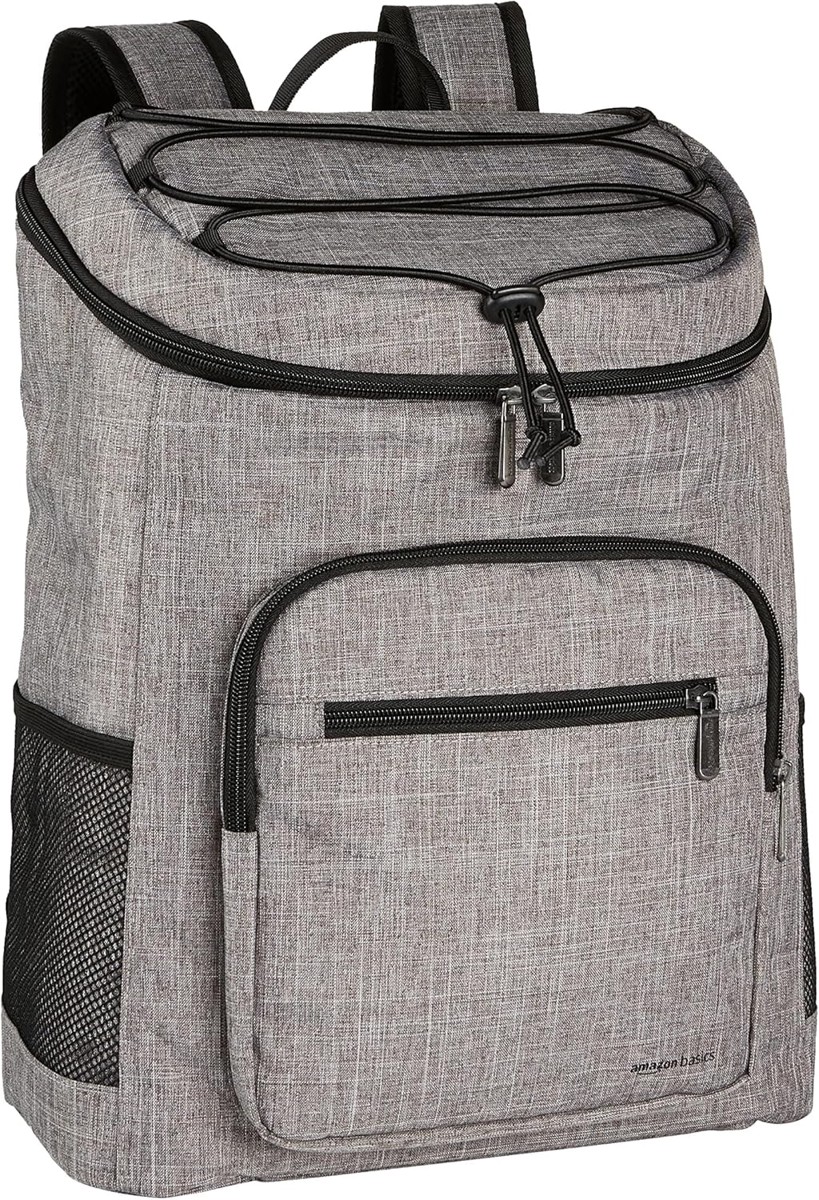

Photos from current listings. Actual item, color, and included accessories may vary.
Soft Cooler Buying Guide
Soft coolers are insulated fabric bags that trade rigid ice retention for portability, packability, and shoulder-carry comfort. The key trade-off is foam insulation thickness and closure airtightness versus weight and pack size—thicker molded foam and watertight zippers hold ice for days, while thin open-cell foam and loose lids are day-trip only. Buy by ice-retention tier and carry format, not by liter count alone.


At a glance
- Category
- Camp Kitchen & Stoves
- Data updated
- Nov 17, 2026
Current offers
Highlights
- Insulation grade separates tiers: 1-inch molded closed-cell foam holds ice 24-48 hours; 1.5-2 inch plus airtight zipper reaches 2-4 days; thin 0.5-inch foam is under 12 hours.
- Closure type dictates performance: watertight/airtight zippers (TRU-Zip style) seal cold air, while standard coil zippers and flip lids leak and should be treated as day-cooler hardware.
- Carry format changes capacity math: backpack soft coolers cap around 20-30 cans for ergonomic load, tote formats reach 40-50 cans, and roll-top dry-bag styles favor portability over ice life.
- Waterproof vs water-resistant shells matter: TPU-coated or welded seams survive dunking and rain; standard polyester with DWR sheds splashes only and wets out in sustained rain.
Best use cases
- Best fit: day hikes, beach trips, and commuting—pick a 12-24 can backpack or tote with a watertight zipper and 1-inch foam; skip 2-inch expedition bags that add weight without need.
- Best fit: multi-day camping or overlanding without power—choose a 30-50 can tote or duffel with 1.5-2 inch molded foam and a fully watertight zipper; skip thin flip-lid bags that fail past 24 hours.
- Best fit: boat, kayak, and raft use—pick a welded TPU roll-top or submersible-rated soft cooler with leash points; skip stitched-seam fabric bags that soak through and lose cold fast.
- Wrong fit: keeping food cold for a week or in extreme heat—soft coolers cannot match rotomolded hard coolers; step up to a hard cooler or powered fridge instead of oversizing a soft bag.
Buying tips
- Size by cans plus ice: plan roughly 2:1 ice-to-contents volume; a 24-can soft cooler fits about 12 cans plus ice, so buy one tier larger than your can count for full-day cooling.
- Demand a watertight zipper (TRU-Zip, TIZIP, or welded roll-top) for anything beyond a day trip; standard coil zippers are the first failure point and leak meltwater into the bag.
- Check foam spec: molded closed-cell PU or EVA at 1 inch minimum for 24-hour ice; cross-linked PE foam is cheaper but crushes and loses R-value after repeated folding.
- Match shell to exposure: TPU-coated or welded-seam nylon for wet/boat use; 600D polyester with DWR for dry land; avoid untreated canvas and single-stitch seams for anything wet.
Specs
| Insulation | 0.5-2 in molded closed-cell foam |
|---|---|
| Closure | Watertight zip vs standard coil zip |
| Carry Format | Backpack / tote / duffel / roll-top |
| Ice Retention | 12 hr to 4 days by foam tier |
Related searches
What to check before buying
- Measure your trunk, backpack space, or boat hatch before choosing a tote vs backpack format—filled soft coolers are bulky and do not compress once loaded with ice.
- Confirm the zipper type and closure system in the spec sheet; watertight zippers require lubricant and careful sealing, while roll-tops need a full roll and buckle closure to seal.
- Check carry hardware: padded shoulder straps and hip belts for backpack formats over 20 cans loaded, and reinforced grab handles for totes that will be lifted full.
- Verify drainage and cleaning: a corner drain plug or wide-mouth opening makes emptying meltwater and cleaning far easier than a sealed bag with a narrow top.
FAQ
Data sources: eBay / Amazon listings and product attribute feeds Data updated Nov 17, 2026.
Some links on this page are affiliate links. If you buy after clicking one, we may earn a commission at no extra cost to you. This does not change which products appear here or their order. Affiliate disclosure.