Photos from current listings. Actual item, color, and included accessories may vary.
Exercise Flooring Buying Guide
Exercise flooring protects your subfloor and joints during home workouts, but the trade-off is between cushioning and stability: soft EVA foam feels comfortable yet compresses under heavy loads, while dense rubber resists indentation but offers less shock absorption. Choose foam tiles for bodyweight and light dumbbell work on hard floors, and rubber mats for free-weight zones or high-impact training where durability and floor protection are critical.


At a glance
- Category
- Gym Flooring & Storage
- Data updated
- Nov 17, 2026
Current offers
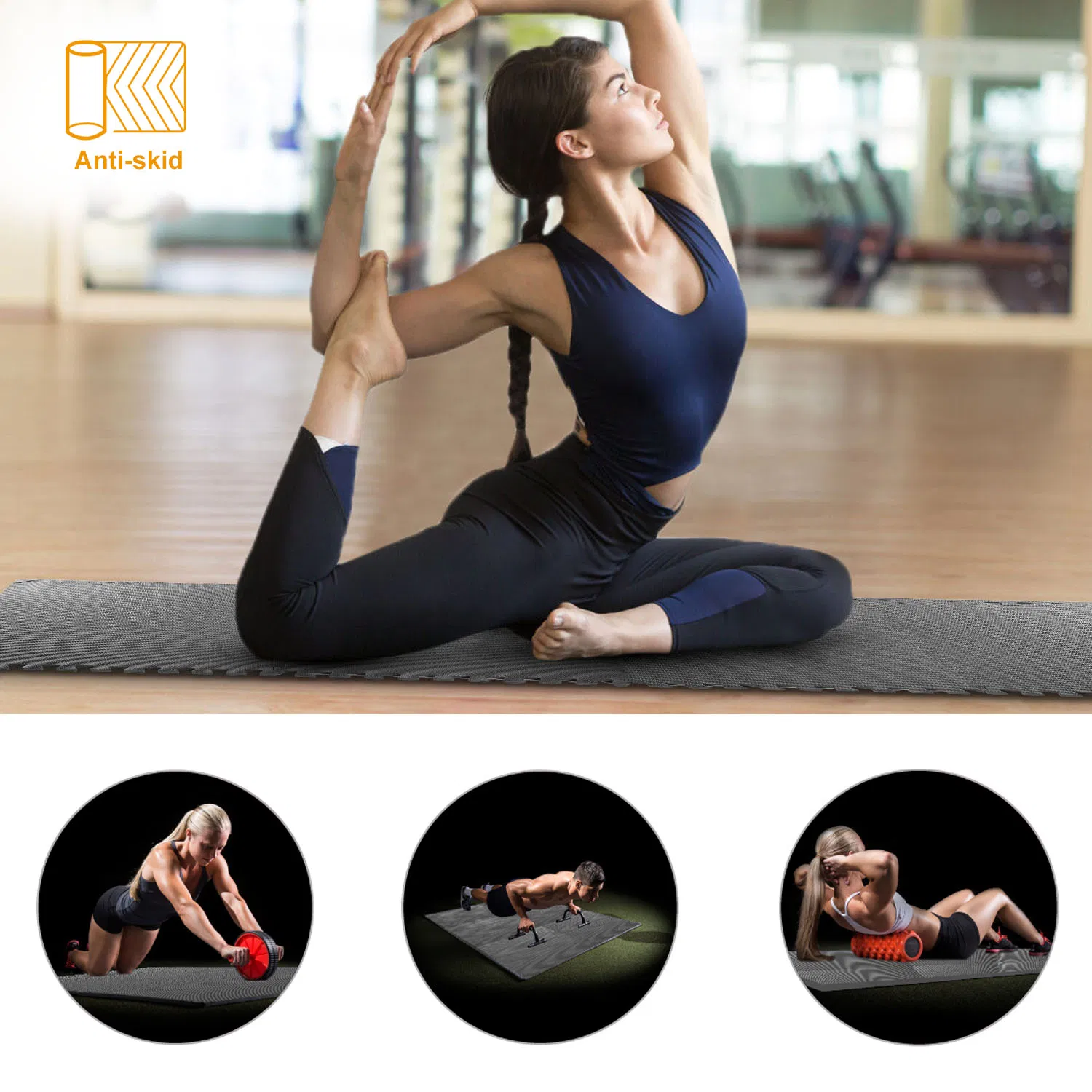 Puzzle Exercise Mat Foam Gym EVA Mat Interlocking Tiles Protective Flooring for Gym Equipment and Cushion for Workouts$52.99
 View on Mallflare
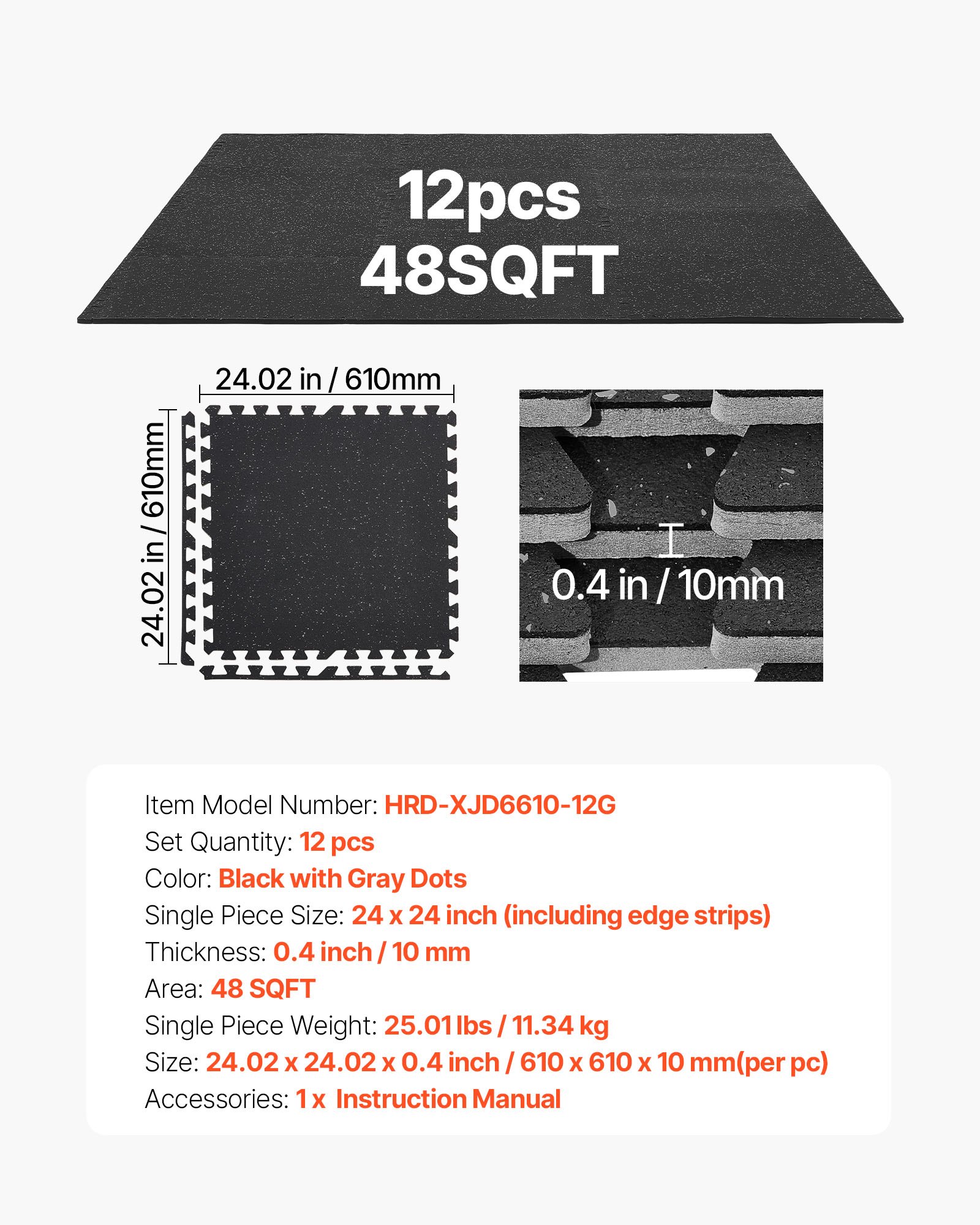 Puzzle Exercise Mat, 12 PCS Fitness Equipment Mats, 24 X 24 X 0.4 In, High-Density EVA Foam Set, Interlocking Rubber Soft Tiles, Protective Floor Padding With Gray Dots For Home Gym Office$89.99View on Mallflare
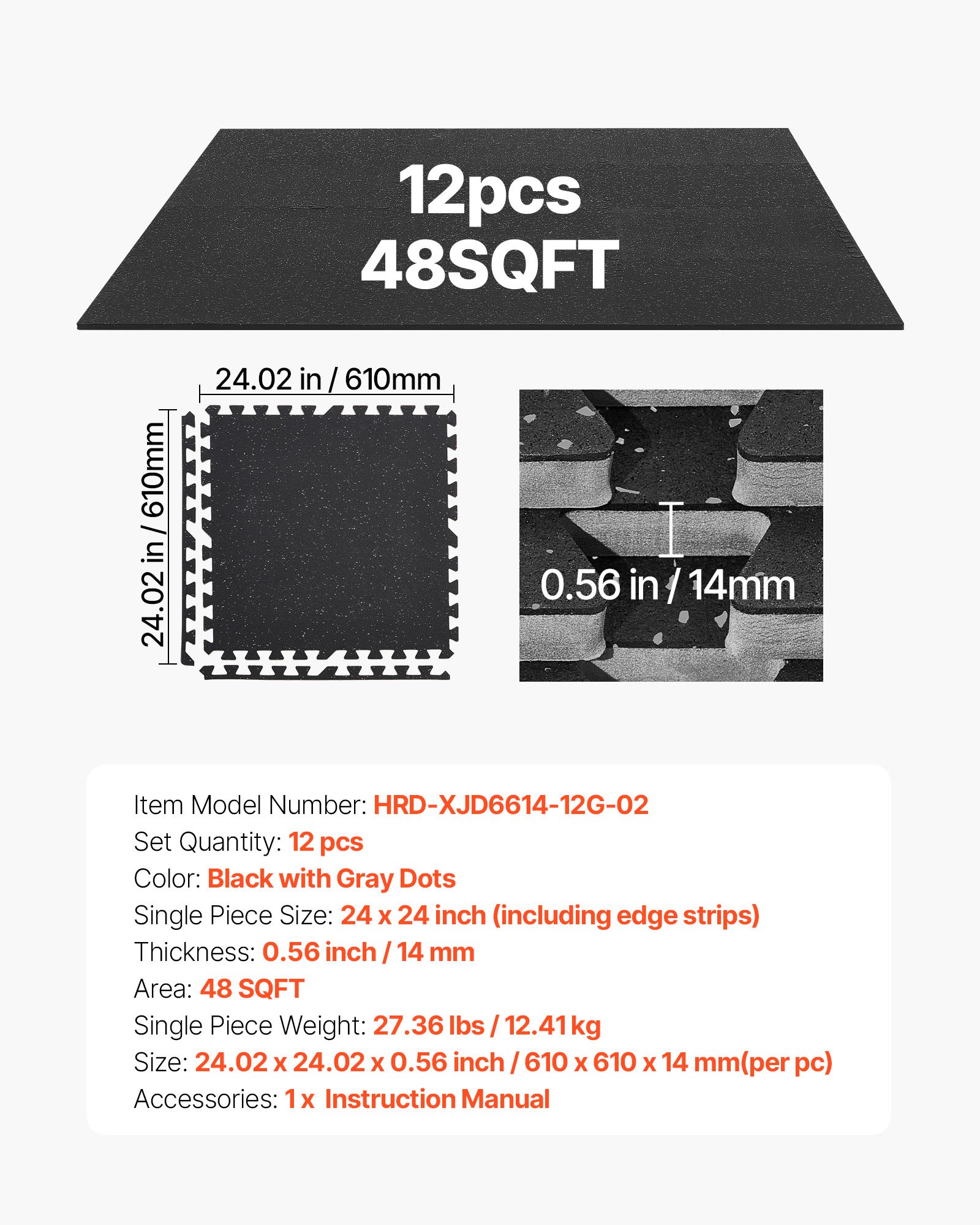 Puzzle Exercise Mat, 12 PCS Fitness Equipment Mats, 24 X 24 X 0.56 In, High-Density EVA Foam Set, Interlocking Rubber Soft Tiles, Protective Floor Padding With Gray Dots For Home Gym Office$97.99View on Mallflare
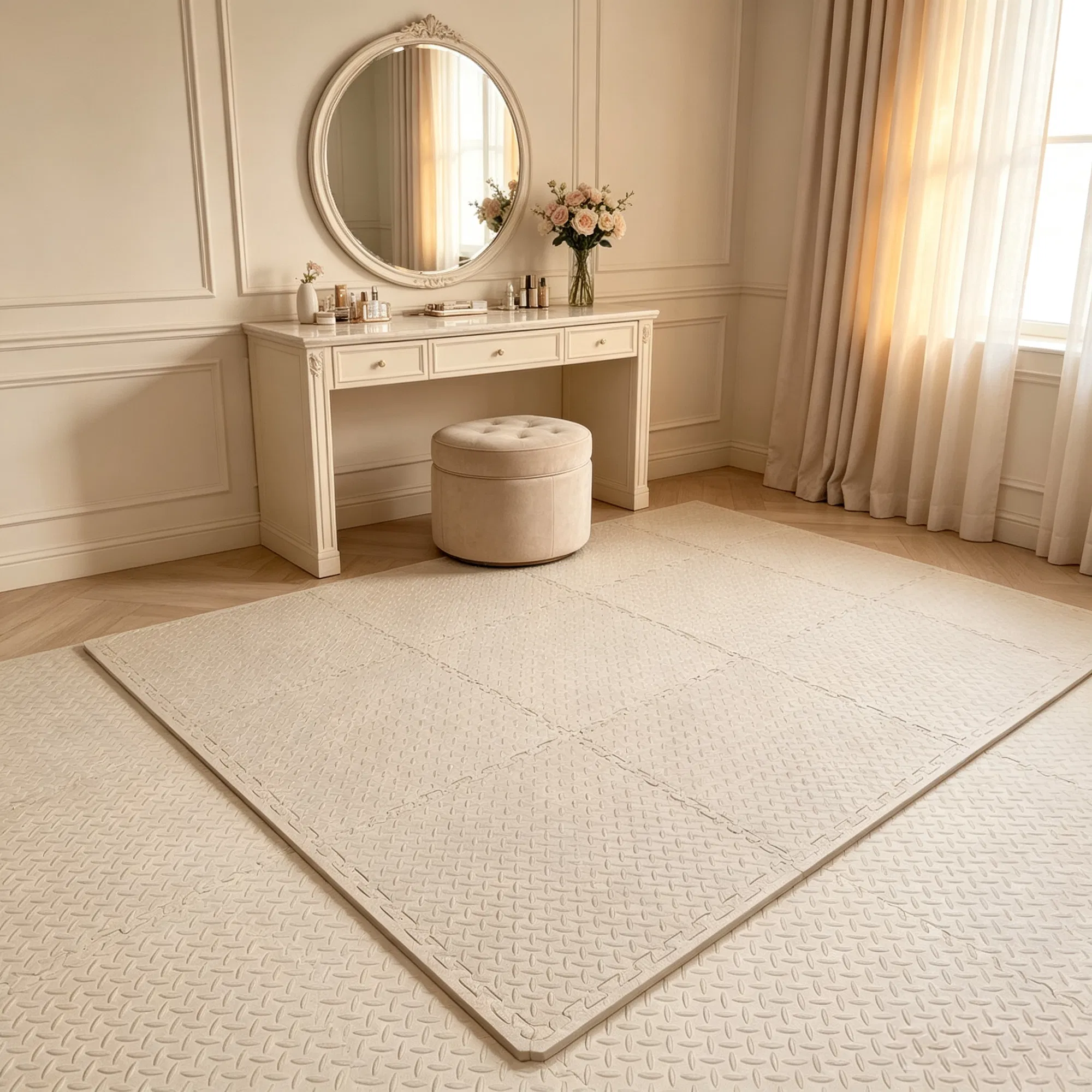 24Tiles 1/2" Puzzle Exercise Floor Mats Interlocking Home Gym Mat Fitness Equipment for Gym$142.99View on Mallflare
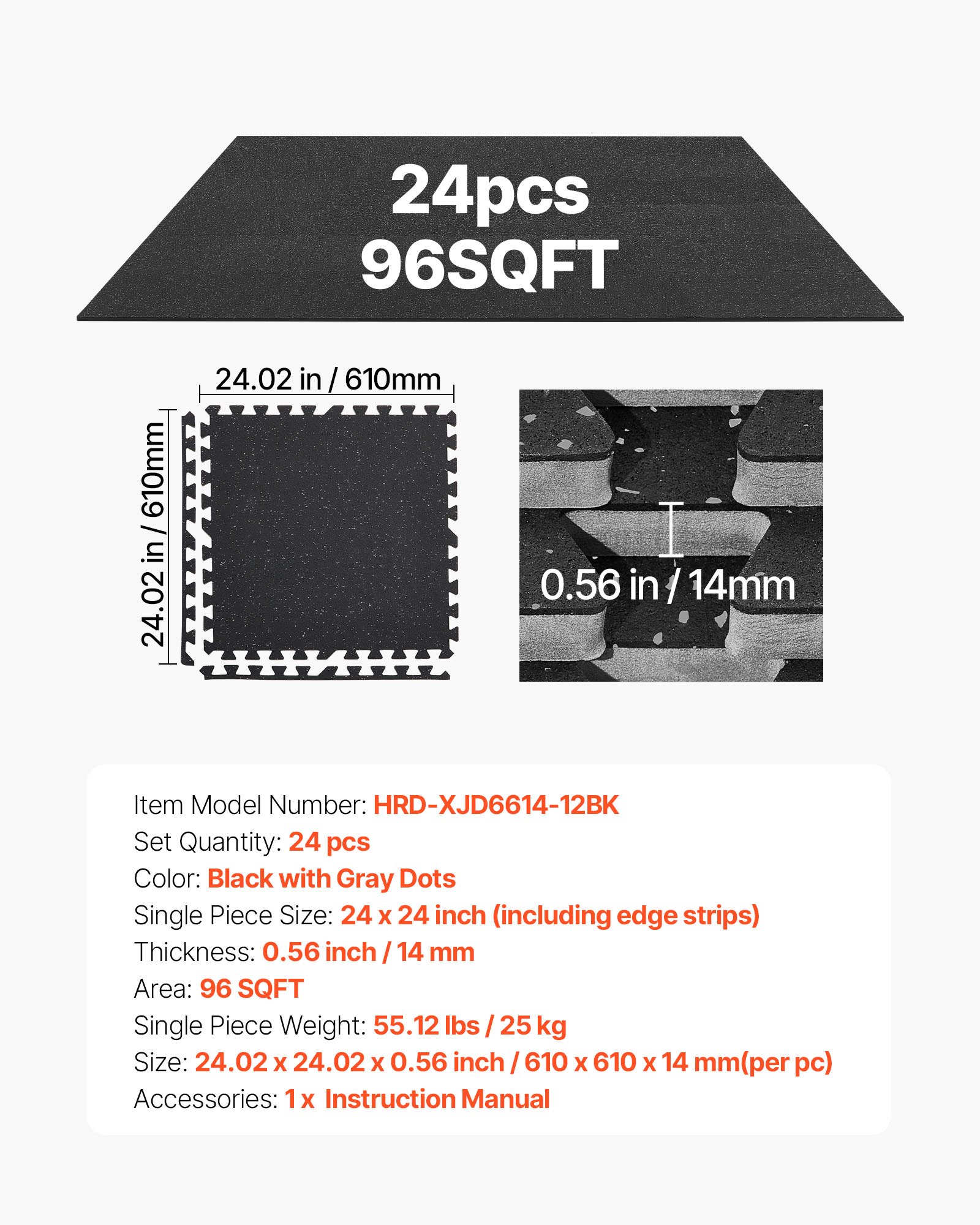 Puzzle Exercise Mat, 24 PCS Fitness Equipment Mats, 24 X 24 X 0.56 In, High-Density EVA Foam Set, Interlocking Rubber Soft Tiles, Protective Floor Padding With Gray Dots For Home Gym Office$178.99View on Mallflare
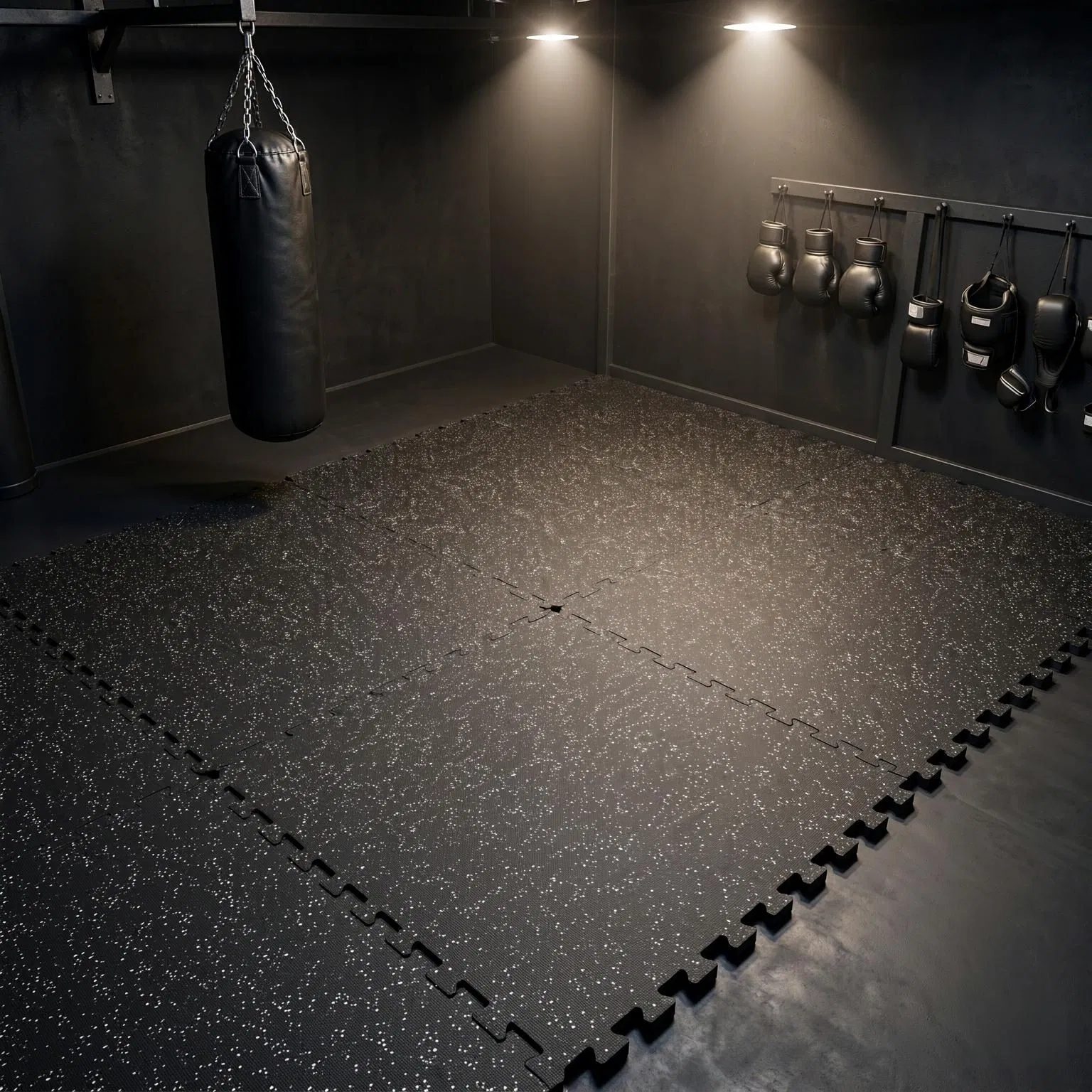 Set of 2 Thick Rubber Exercise Mats 0.79 Inch Each 48 Square Foot Total with Boarders for Home Gym Fitness$299.99View on Mallflare
Highlights
- EVA foam density is measured in lbs per cubic foot (pcf); 30-40 pcf resists compression from dumbbells, while under 25 pcf crushes under racks and heavy benches.
- Interlocking puzzle mats typically come in 24x24-inch tiles; thickness ranges from 0.4 inch (light cushion) to 0.56 inch (moderate) and 0.79 inch (heavy-duty rubber).
- Rubber gym mats are sold by thickness and weight: 0.25-inch rolls suit cardio and stretching, 0.375-0.5-inch tiles handle dropped dumbbells, and 0.75-inch or thicker is needed for Olympic lifts.
- Foam tiles use edge pieces and corner pieces for a finished border; rubber mats often include beveled edges to prevent tripping and allow smooth transitions.
Best use cases
- Best fit: 0.4-inch EVA foam interlocking tiles for yoga, stretching, and bodyweight circuits in a spare room; skip them for deadlifts or heavy dumbbell pressing where they will tear and compress.
- Best fit: 0.56-inch high-density EVA foam (30+ pcf) for home gyms with adjustable dumbbells up to 50 lbs and benches; skip if you drop weights from overhead or use a squat rack.
- Best fit: 0.79-inch thick rubber mats (or 0.375-inch rubber tiles) for power racks, Olympic lifting, and dropped dumbbells; skip in favor of foam only if you need maximum cushioning for floor work and never drop weights.
- Best fit: interlocking rubber tiles with beveled edges for garages or basements where moisture and temperature swings occur; skip foam in unheated spaces because it becomes brittle below freezing.
Buying tips
- Calculate coverage: each 24x24-inch tile covers 4 square feet; a 10x10-foot gym needs 25 tiles, and always add 10% for cuts and borders.
- Match foam density to load: choose 30-40 pcf EVA for dumbbells and benches; 20-25 pcf is only for yoga and bodyweight, and will permanently dent under a 200-lb bench.
- For free weights, pick rubber at least 0.375 inch thick over concrete or tile; 0.25-inch rolls are for cardio equipment and stretching only.
- Check interlocking mechanism: tight dovetail or jigsaw edges stay together during lateral moves; loose tab-and-slot tiles separate and create trip hazards.
Specs
| Material | EVA foam vs recycled rubber |
|---|---|
| Tile Thickness | 0.4 in / 0.56 in / 0.79 in |
| Density | 25-40 pcf (foam); 0.25-0.75 in (rubber) |
| Tile Size | 24x24 in interlocking |
Related searches
What to check before buying
- Measure your room and subtract space for racks or storage; order tiles to cover the full workout footprint plus 6 inches on each side for dropped weights.
- Confirm subfloor type: foam is fine on hardwood and laminate, but rubber is required over concrete to prevent moisture damage and cracking.
- Verify ceiling height: thick rubber (0.75 inch+) plus a rack may reduce clearance; leave at least 12 inches above your tallest lift.
- Check door clearance: 0.56-inch foam plus underlayment can block doors; rubber thresholds or beveled edges keep transitions flush.
FAQ
Data sources: eBay / Amazon listings and product attribute feeds Data updated Nov 17, 2026.
Some links on this page are affiliate links. If you buy after clicking one, we may earn a commission at no extra cost to you. This does not change which products appear here or their order. Affiliate disclosure.