Photos from current listings. Actual item, color, and included accessories may vary.
Exercise Mat Buying Guide
Exercise mats range from thin, portable yoga sheets to thick interlocking foam tiles and heavy rubber gym squares. The core trade-off is cushioning versus stability and floor protection: thicker foam is comfortable but can compress under heavy loads, while dense rubber or high-density EVA resists indentations. The decision rule is simple: pick closed-cell EVA or rubber for weight-bearing home gyms, and thin PVC/nitrile or TPE for portable studio work.


At a glance
- Category
- Gym Flooring & Storage
- Data updated
- Nov 17, 2026
Current offers
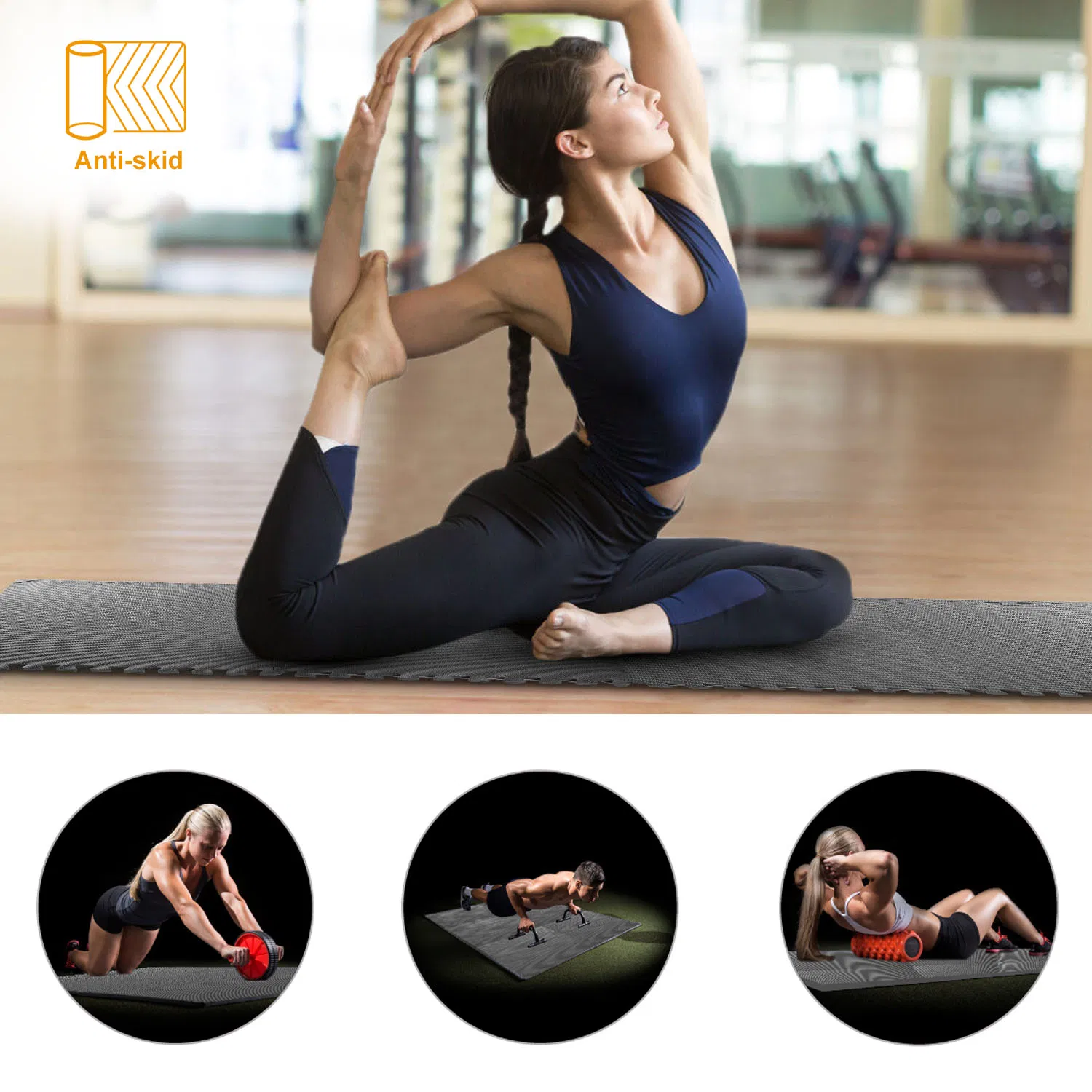 Puzzle Exercise Mat Foam Gym EVA Mat Interlocking Tiles Protective Flooring for Gym Equipment and Cushion for Workouts$52.99
 View on Mallflare
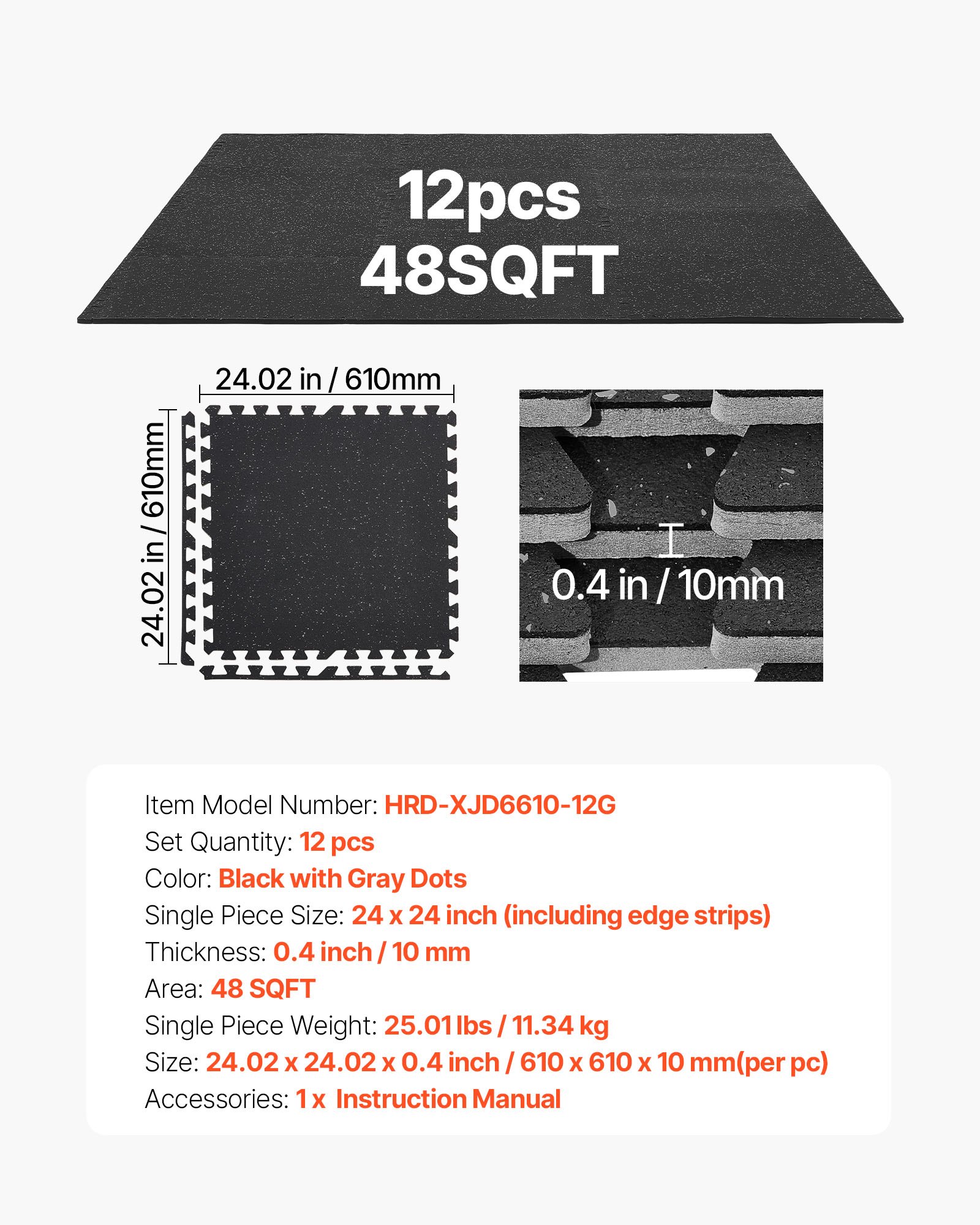 Puzzle Exercise Mat, 12 PCS Fitness Equipment Mats, 24 X 24 X 0.4 In, High-Density EVA Foam Set, Interlocking Rubber Soft Tiles, Protective Floor Padding With Gray Dots For Home Gym Office$89.99View on Mallflare
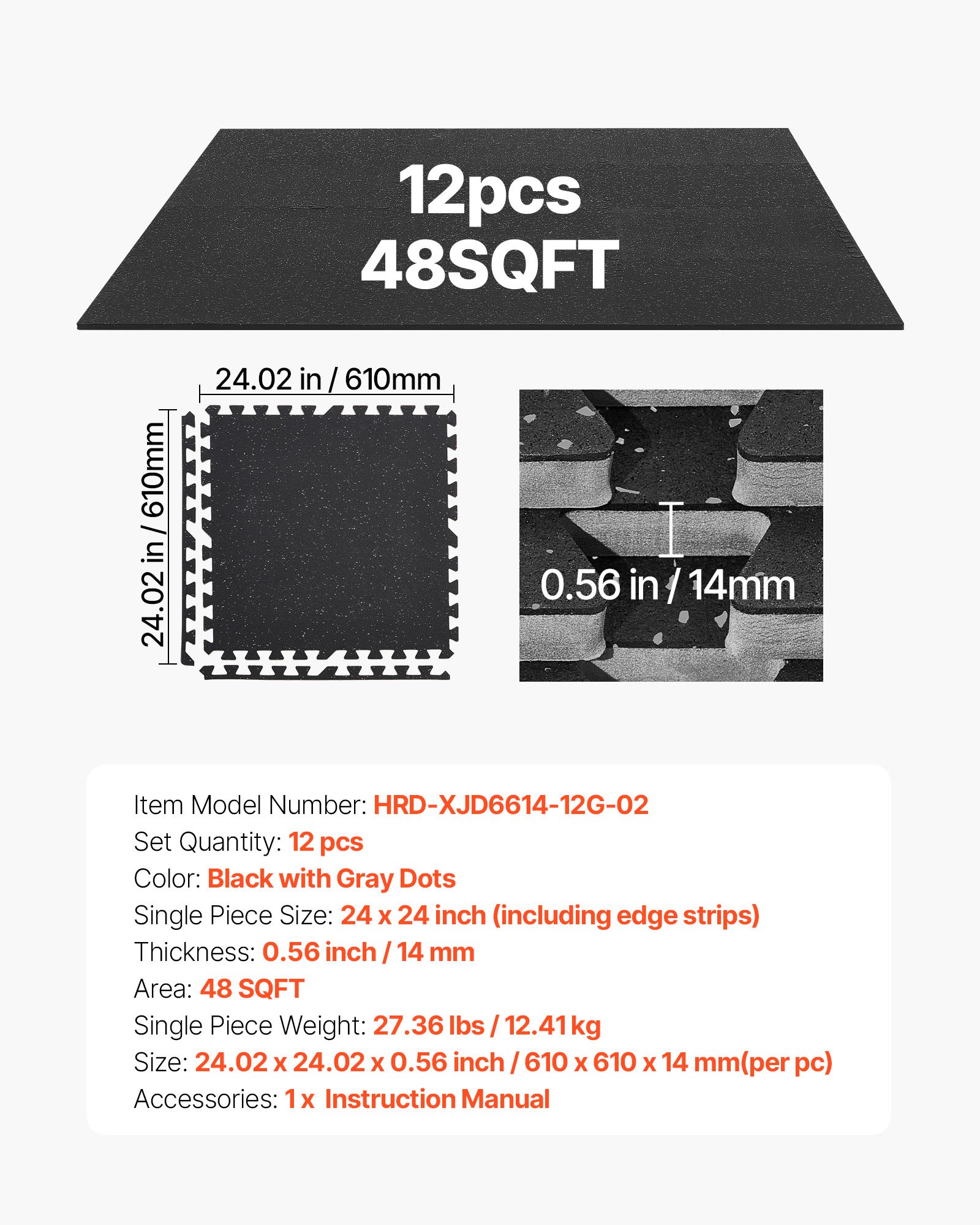 Puzzle Exercise Mat, 12 PCS Fitness Equipment Mats, 24 X 24 X 0.56 In, High-Density EVA Foam Set, Interlocking Rubber Soft Tiles, Protective Floor Padding With Gray Dots For Home Gym Office$97.99View on Mallflare
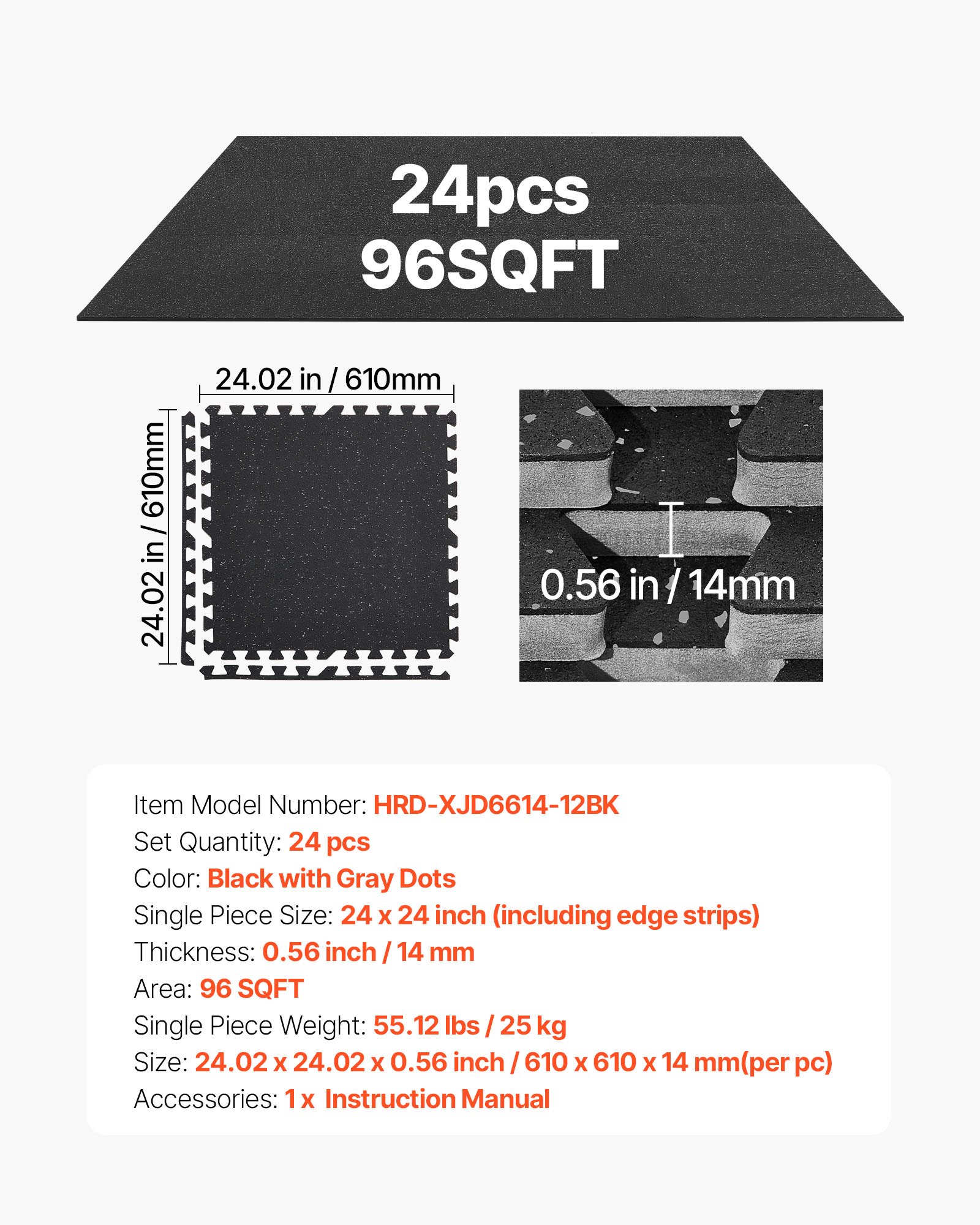 Puzzle Exercise Mat, 24 PCS Fitness Equipment Mats, 24 X 24 X 0.56 In, High-Density EVA Foam Set, Interlocking Rubber Soft Tiles, Protective Floor Padding With Gray Dots For Home Gym Office$178.99View on Mallflare
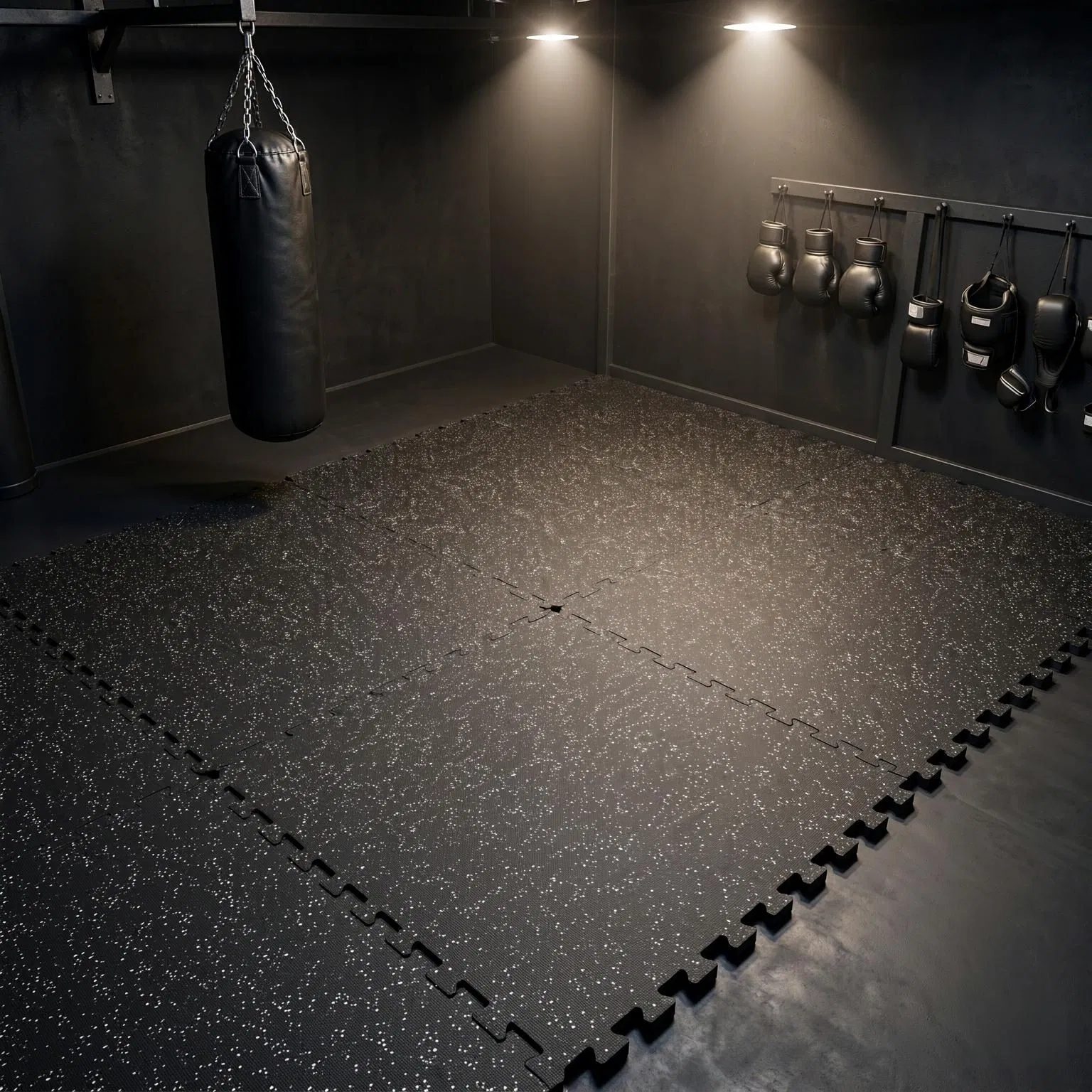 Set of 2 Thick Rubber Exercise Mats 0.79 Inch Each 48 Square Foot Total with Boarders for Home Gym Fitness$299.99View on Mallflare
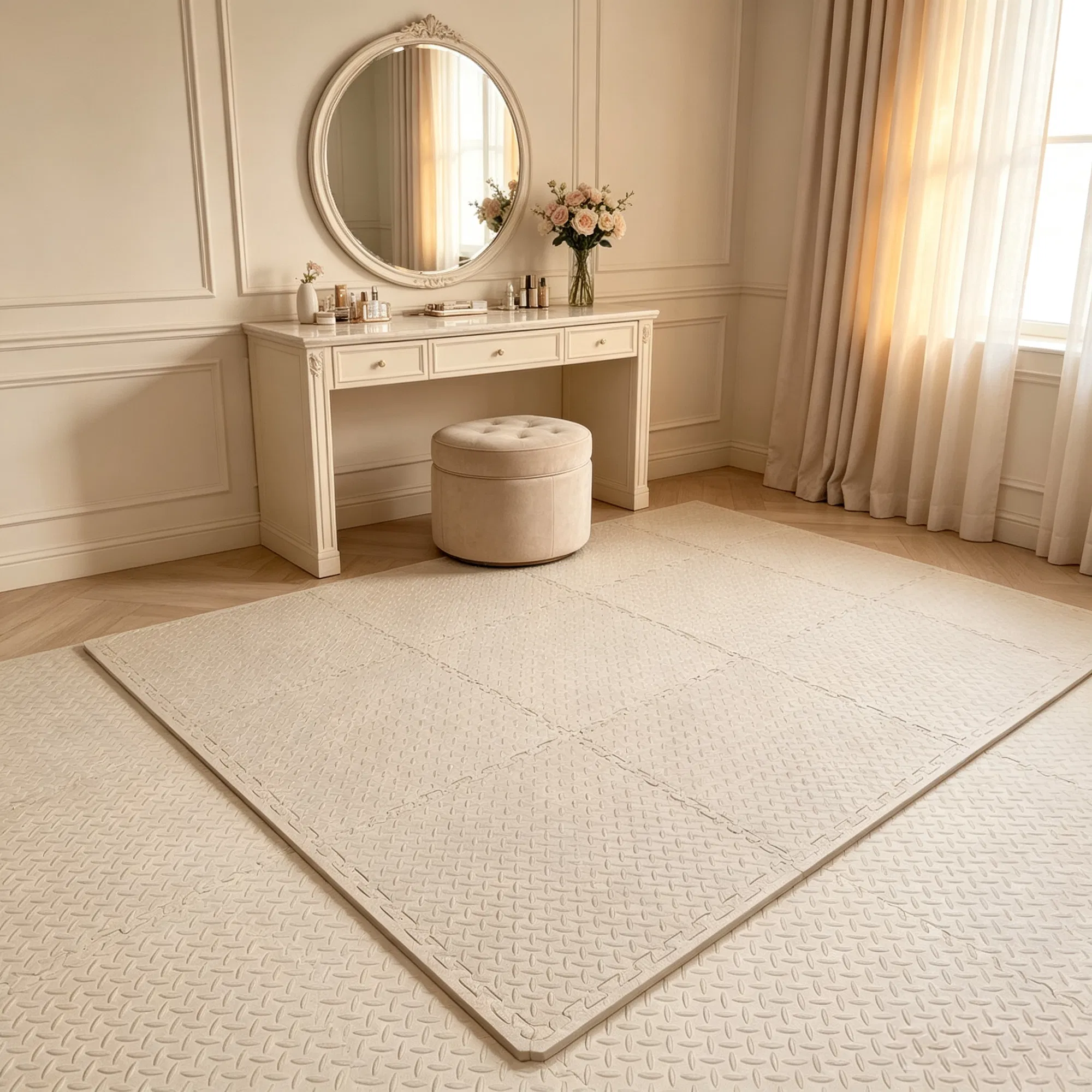 24Tiles 1/2" Puzzle Exercise Floor Mats Interlocking Home Gym Mat Fitness Equipment for Gym$142.99View on Mallflare
Highlights
- Interlocking tiles are specified by tile count and thickness: 12 or 24 tiles at 24x24 in yields 48 or 96 sq ft, with 0.4 in or 0.56 in EVA being common home-gym grades.
- Thickness tiers separate use: 0.4 in EVA suits bodyweight and light dumbbells, 0.56 in handles moderate racks, while 0.79 in rubber tiles absorb dropped weights without bottoming out.
- Material density decides durability: high-density EVA resists tearing and moisture, closed-cell PVC/nitrile resists sweat, and vulcanized rubber provides the highest load tolerance and floor grip.
- Edge pieces and border strips finish puzzle-tile perimeters; without them, exposed tabs create trip hazards and the mat edge curls under foot traffic.
Best use cases
- Choose 0.56 in interlocking EVA tiles for a home gym corner with dumbbells and a bench; skip 0.4 in foam if you regularly drop weights or use a heavy rack.
- Choose 0.79 in rubber mats or tiles for deadlifts, power racks, and dropped kettlebells; skip thick foam because it compresses and fails under concentrated steel loads.
- Choose a thin 4-6 mm TPE or PVC mat for yoga, pilates, and stretching on carpet; skip thick puzzle tiles because they are unstable for balance poses and too bulky to roll.
- Choose 24-tile packs for garage or basement floors over 90 sq ft; skip 12-tile packs for large rooms because seams multiply and border pieces run short.
Buying tips
- Calculate square footage as (room length x width) plus 5-10% waste; a 10x10 ft area needs at least 100 sq ft, so 24 tiles at 24x24 in (96 sq ft) is the practical minimum.
- Match thickness to load: 0.4 in for bodyweight and yoga, 0.56 in for dumbbells up to moderate weight, 0.79 in rubber for barbells and racks.
- Prefer closed-cell EVA or vulcanized rubber over open-cell foam; open-cell foam absorbs sweat, tears at seams, and compresses permanently under equipment feet.
- Check tile edge design: puzzle tabs must interlock tightly, and border strips should be included for a finished, trip-free perimeter.
Specs
| Mat Type | Interlocking tile / roll / folding |
|---|---|
| Thickness Range | 0.4-0.79 in (10-20 mm) |
| Material Grade | High-density EVA / rubber / TPE |
| Coverage Per Pack | 48-96 sq ft (12-24 tiles) |
Related searches
What to check before buying
- Measure the exact floor area and subtract permanent obstructions; confirm tile count covers length x width with 5-10% waste.
- Verify substrate compatibility: interlocking tiles need a hard, flat floor, while thin mats can bridge low-pile carpet but not plush carpet.
- Confirm ceiling height clearance for rack or barbell work after adding mat thickness, especially with 0.79 in rubber.
- Check that border/edge pieces are included or sold separately, and that tile tabs match the pack's interlocking pattern.
FAQ
Data sources: eBay / Amazon listings and product attribute feeds Data updated Nov 17, 2026.
Some links on this page are affiliate links. If you buy after clicking one, we may earn a commission at no extra cost to you. This does not change which products appear here or their order. Affiliate disclosure.