Photos from current listings. Actual item, color, and included accessories may vary.
Gym Floor Mat Buying Guide
Gym floor mats are protective surfaces that cushion impacts and shield subfloors from dropped weights, with the core trade-off being foam thickness/ density versus rubber durability for heavy equipment. The decision rule: choose interlocking EVA foam at 1/2 inch or thicker for bodyweight and light dumbbell work, but step up to solid rubber or rubber-topped tiles for racks, treadmills, or Olympic lifts.


At a glance
- Category
- Gym Flooring & Storage
- Data updated
- Nov 17, 2026
Current offers
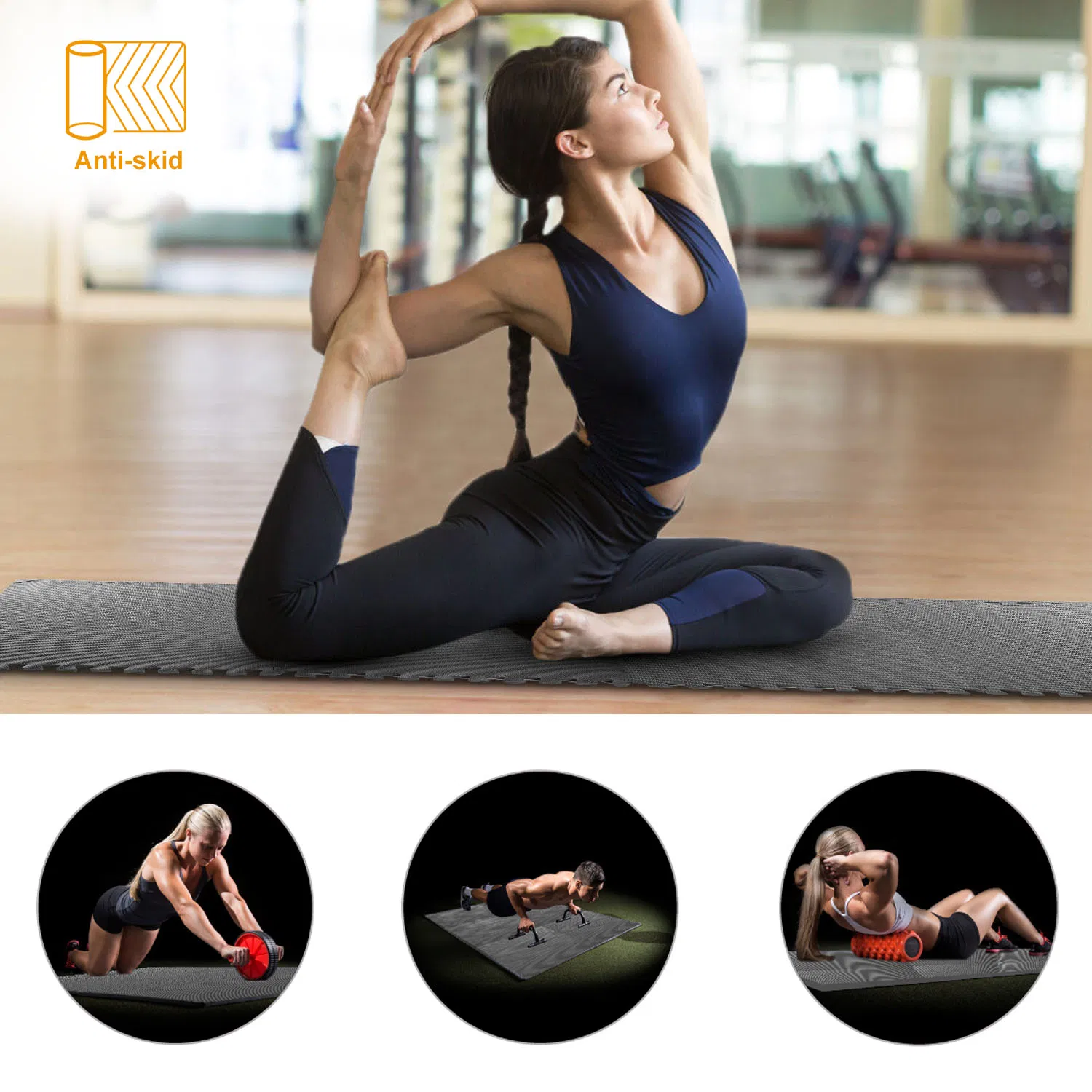 Puzzle Exercise Mat Foam Gym EVA Mat Interlocking Tiles Protective Flooring for Gym Equipment and Cushion for Workouts$52.99
 View on Mallflare
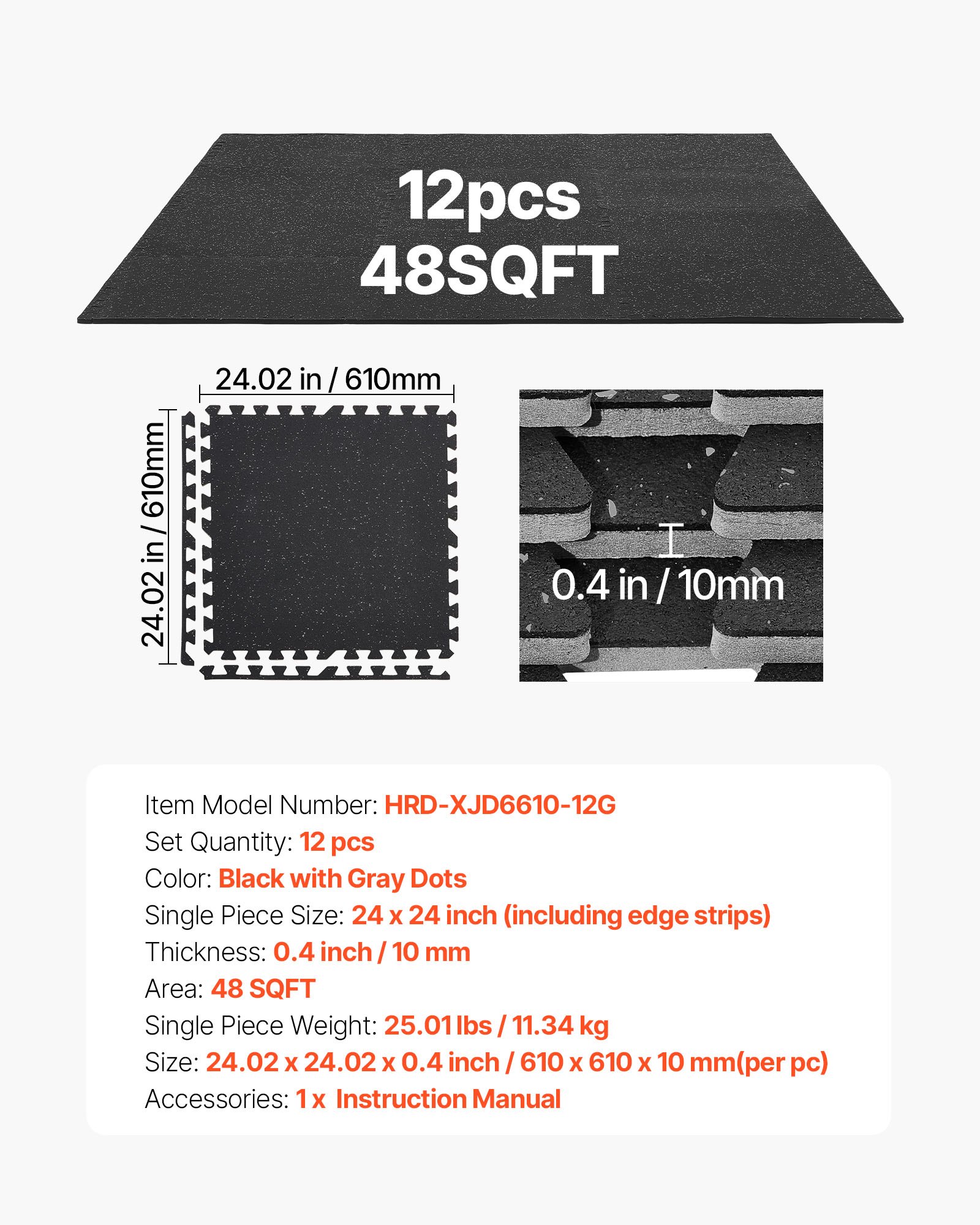 Puzzle Exercise Mat, 12 PCS Fitness Equipment Mats, 24 X 24 X 0.4 In, High-Density EVA Foam Set, Interlocking Rubber Soft Tiles, Protective Floor Padding With Gray Dots For Home Gym Office$89.99View on Mallflare
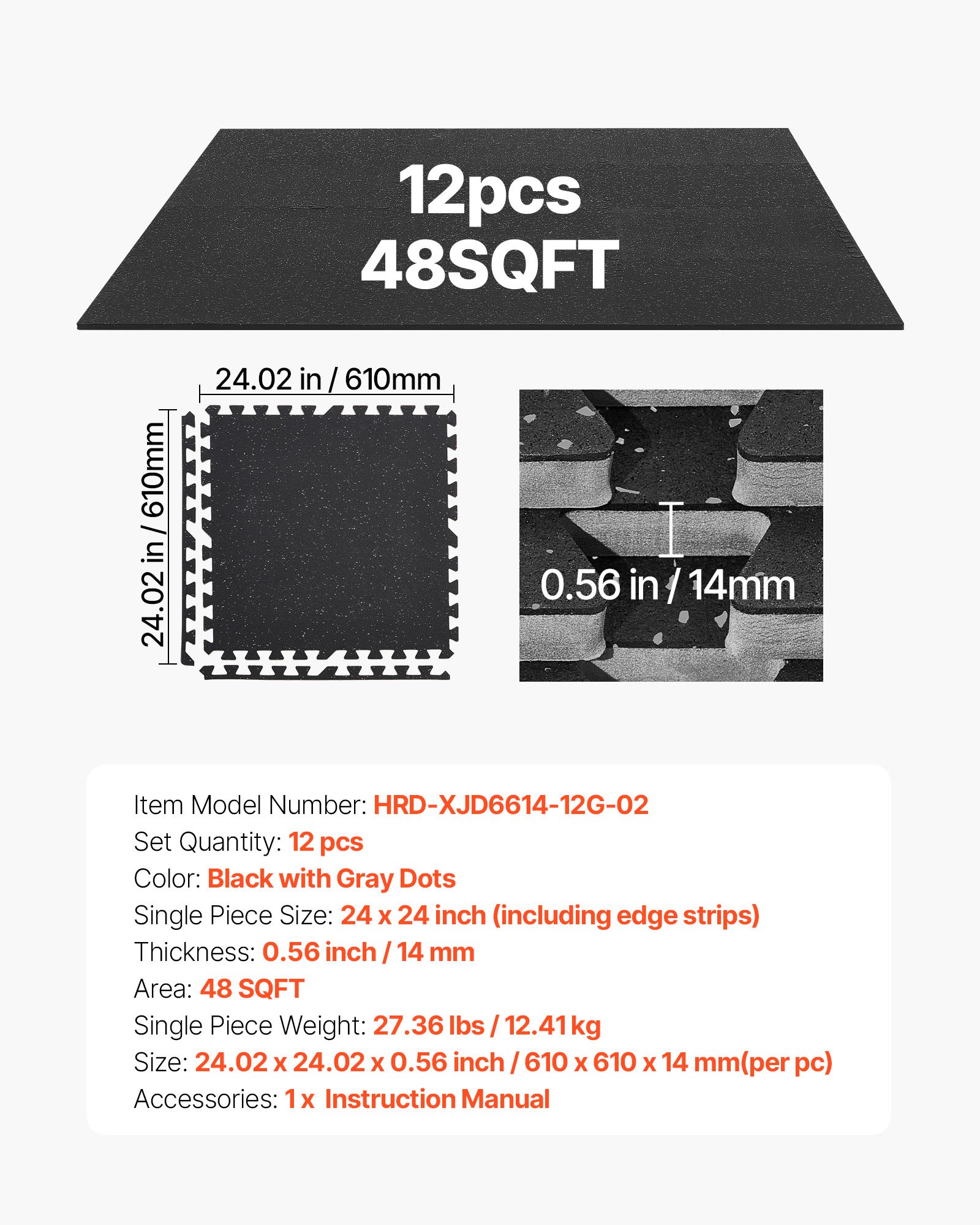 Puzzle Exercise Mat, 12 PCS Fitness Equipment Mats, 24 X 24 X 0.56 In, High-Density EVA Foam Set, Interlocking Rubber Soft Tiles, Protective Floor Padding With Gray Dots For Home Gym Office$97.99View on Mallflare
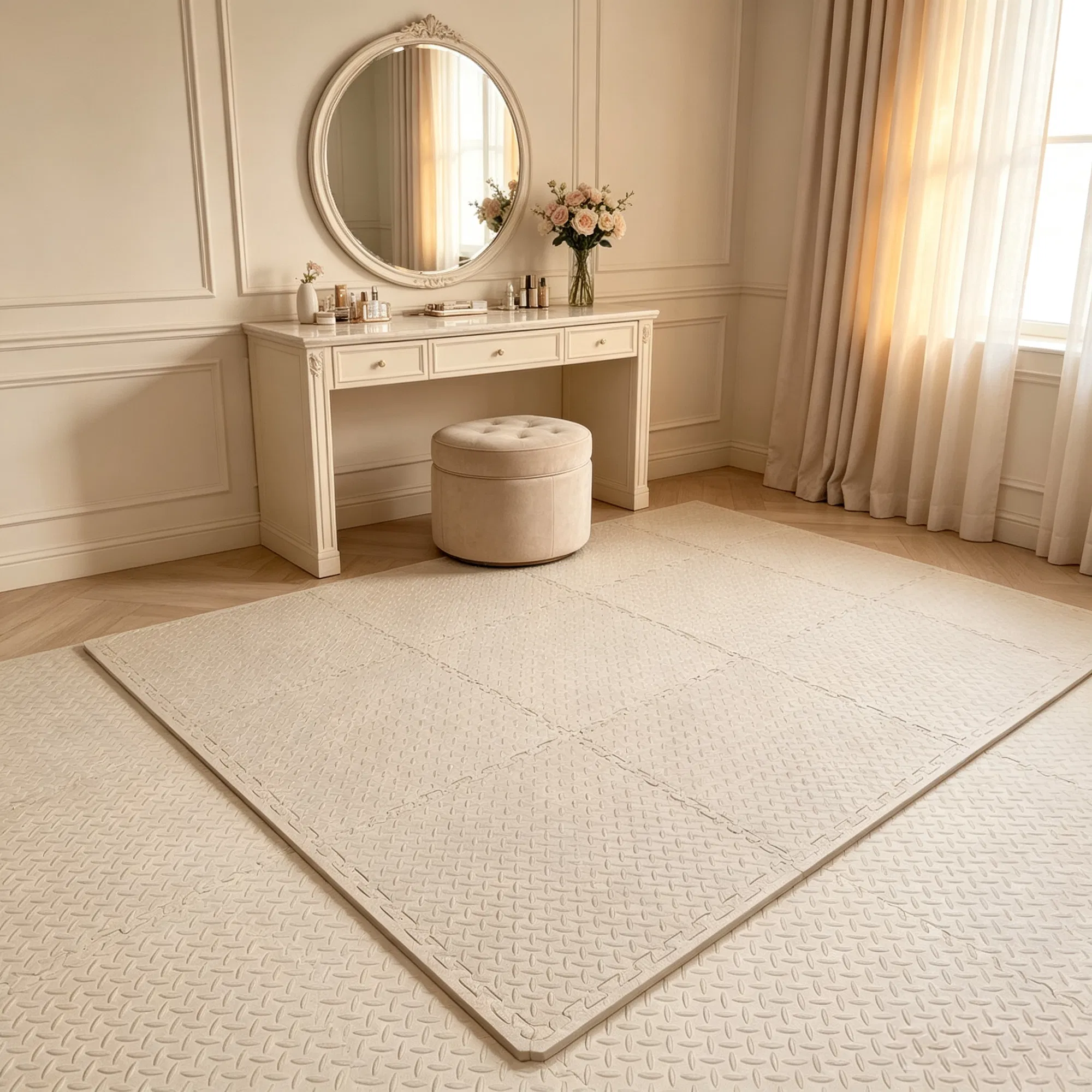 24Tiles 1/2" Puzzle Exercise Floor Mats Interlocking Home Gym Mat Fitness Equipment for Gym$142.99View on Mallflare
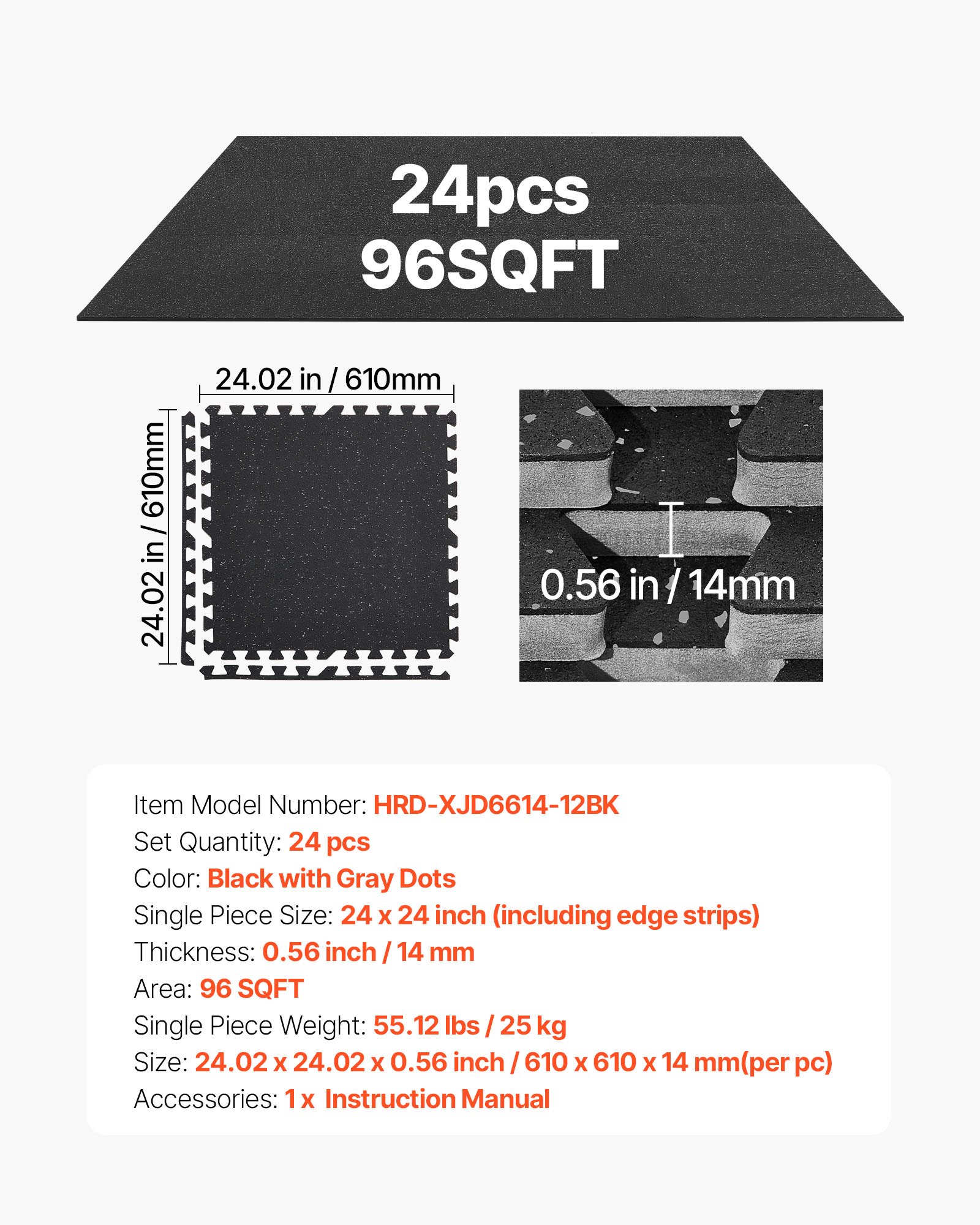 Puzzle Exercise Mat, 24 PCS Fitness Equipment Mats, 24 X 24 X 0.56 In, High-Density EVA Foam Set, Interlocking Rubber Soft Tiles, Protective Floor Padding With Gray Dots For Home Gym Office$178.99View on Mallflare
Highlights
- EVA foam puzzle mats commonly come in 24x24-inch tiles at 0.4-inch (10mm) or 0.56-inch (14mm) thickness; thicker tiles better absorb impacts from dumbbells and bodyweight circuits.
- High-density EVA foam resists compression set better than low-density foam, but any foam tile will dent under sustained point loads from barbell racks or heavy benches.
- Interlocking puzzle edges create a continuous surface, but foam tiles can separate under lateral shear from sled pushes or aggressive pivoting unless secured with edge trim.
- Solid rubber or rubber-topped tiles are required for Olympic lifting and power racks because foam compresses permanently under 200+ lb point loads.
Best use cases
- Best fit: garage gyms with dumbbells, kettlebells under 50 lb, and bodyweight training — pick 0.56-inch interlocking EVA foam tiles for cushion and moderate protection.
- Best fit: home workout corners for yoga, stretching, and floor exercises — 0.4-inch EVA foam is sufficient and cheaper, and easier to store.
- Wrong fit: power racks, treadmills, or Olympic barbell zones — skip foam entirely and use 3/8-inch or thicker solid rubber mats or rubber-topped tiles.
- Wrong fit: outdoor or unheated spaces — EVA foam degrades under UV and temperature swings, so choose rubber if the floor sees sunlight or freezing.
Buying tips
- Calculate tile count by dividing floor area in square feet by 4 (each 24x24-inch tile covers 4 sq ft); buy 10% extra for cuts and edge trim.
- Choose 0.56-inch (14mm) EVA over 0.4-inch (10mm) when dropping dumbbells or doing burpees — the extra 4mm meaningfully reduces peak impact on concrete.
- Confirm the interlock style: straight-edge puzzle tabs vs. dovetail; both work, but dovetail edges resist pull-apart better under foot traffic.
- For anything heavier than bodyweight plus light dumbbells, switch to rubber — foam's compressive strength tops out well below the point load of a loaded barbell or rack foot.
Specs
| Tile Material | High-density EVA foam vs solid rubber |
|---|---|
| Tile Thickness | 0.4 in (10mm) to 0.56 in (14mm) foam |
| Tile Size | 24 x 24 in (4 sq ft per tile) |
| Load Rating | Foam: bodyweight/light dumbbells; rubber: racks |
Related searches
What to check before buying
- Measure the room and subtract clearance for rack feet, bench legs, and door swing; order tiles to cover the full working footprint plus a 6-inch border.
- Check subfloor: concrete is fine under foam; over carpet, foam may slide, so use a non-slip rug pad or choose rubber-backed tiles.
- Verify ceiling height: 0.56-inch foam raises the floor by about 0.6 inch, which matters under low garage ceilings for overhead presses.
- Confirm edge trim or border pieces are included or sold separately; without them, puzzle edges create a trip hazard and collect debris.
FAQ
Data sources: eBay / Amazon listings and product attribute feeds Data updated Nov 17, 2026.
Some links on this page are affiliate links. If you buy after clicking one, we may earn a commission at no extra cost to you. This does not change which products appear here or their order. Affiliate disclosure.